Who We Are
Commercial Roofers in Sandy Springs, GA
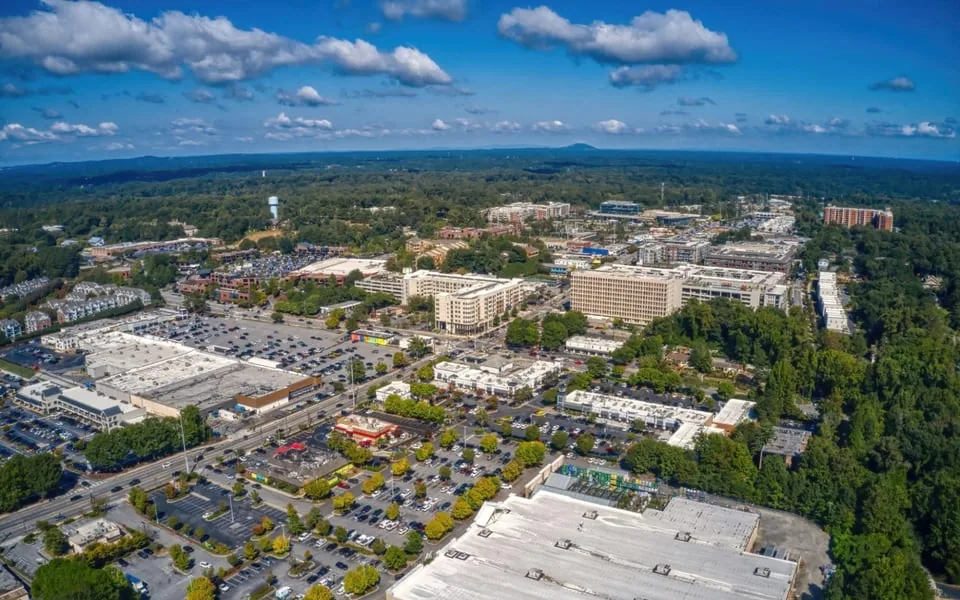
A roof decision becomes clearer when the condition, operating constraint, and budget window sit in the same record. Commercial Roofers Sandy Springs works with building owners, property managers, facility teams, and general contractors on low-slope and metal commercial roofs. We inspect the assembly, document affected roof sections, and separate immediate water control from repairs that can be scheduled and renewal that belongs in a capital plan. Sandy Springs has office and healthcare properties; roof work at each occupied building must fit the owner-approved access and protection plan.
Start with the roof record
We begin with the information that can change the recommendation: roof age when known, repair history, active leak areas, tenant or patient schedules, access requirements, and the owner's budget year. A hands-on inspection can be paired with drone imagery or infrared moisture surveying when roof access, building size, or concealed wet insulation makes that useful. The report identifies what we observed, which sections were accessible, and what remains uncertain. Photos and marked locations give the owner a basis for comparing a repair today with continued monitoring or a planned renewal.
That discipline matters across the Central Perimeter office market, where I-285, Georgia 400, and MARTA connect a dense employment district, and in the Medical District, where building schedules may run continuously. The district gives context for access and operations. Each roof condition is established through its own inspection, test results, and repair history.
Separate protection from permanent work
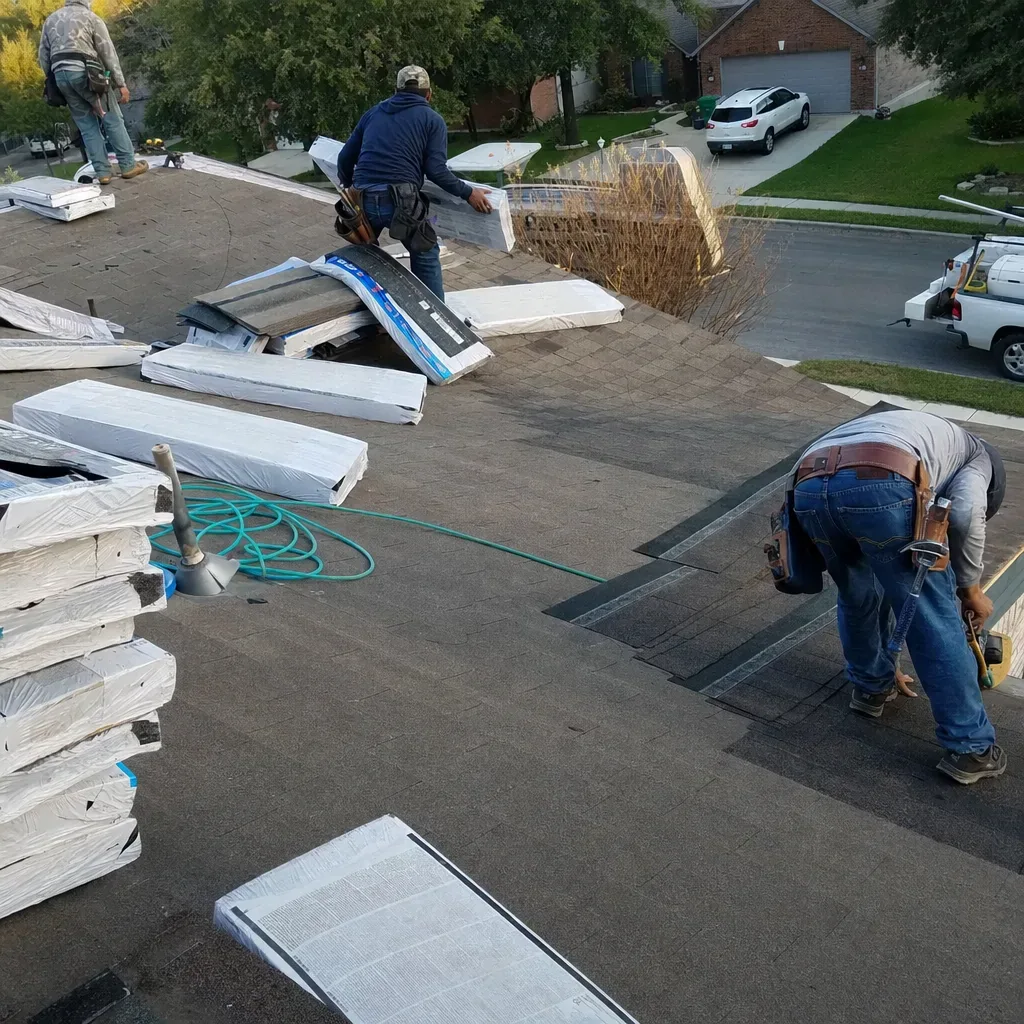
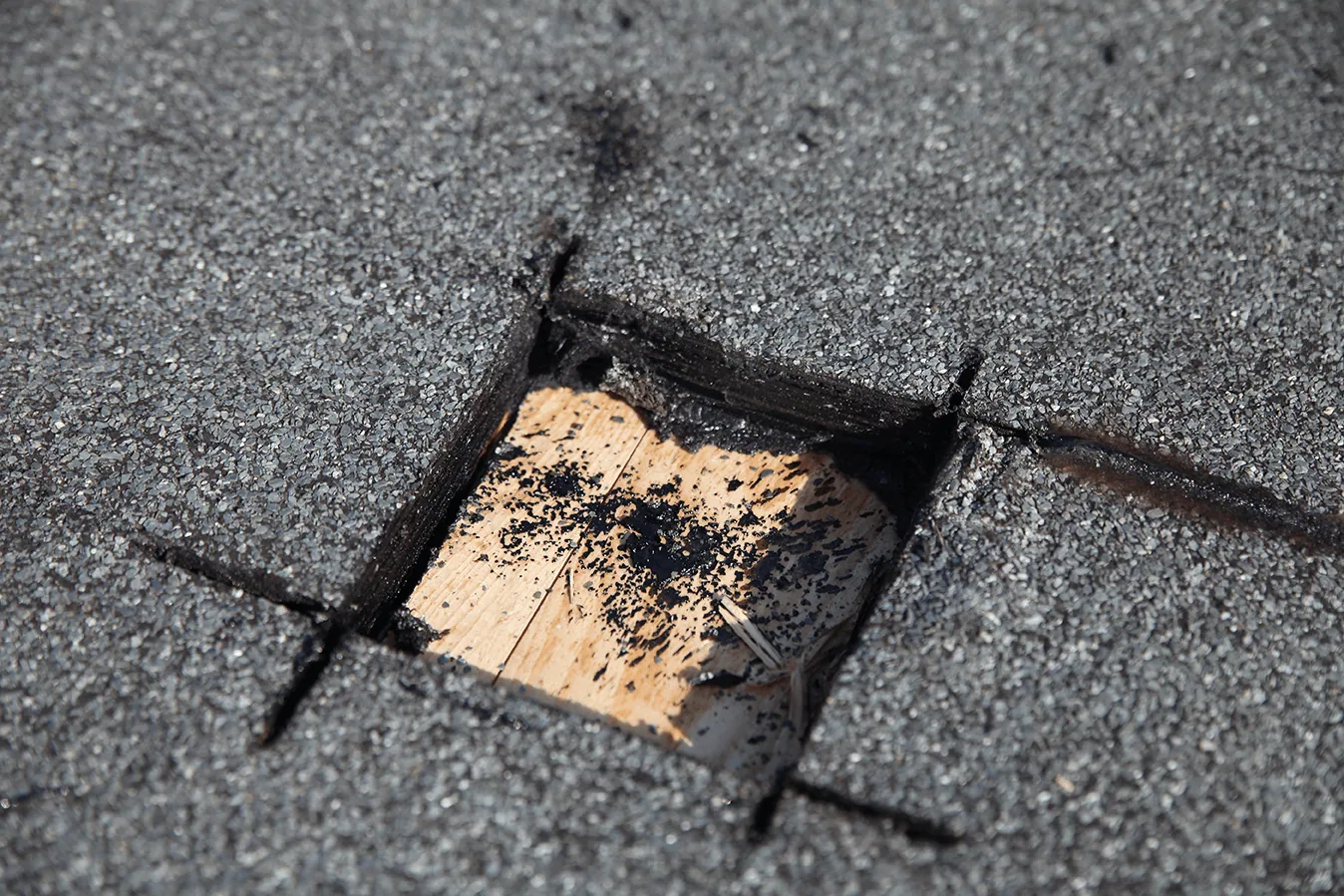
Active water entry calls for a practical first decision: what must be protected now, and what investigation is needed before permanent work is priced. We trace the likely water path, check transitions and penetrations, and note whether the visible symptom aligns with the roof section above it. A temporary measure can reduce immediate exposure, but the final scope should address the failed detail and any related wet material. Our commercial roof repair work can address seams, flashing, drains, curbs, and localized membrane damage; a broader condition review may point to a different scope.
For urgent conditions, our response is available around the clock, including weekends and holidays. The call should establish the building contact, safe access, active areas, and operational restrictions. We document what can be inspected at that time and identify the next action instead of treating an emergency visit as a substitute for a full roof assessment.
Match the method to the assembly
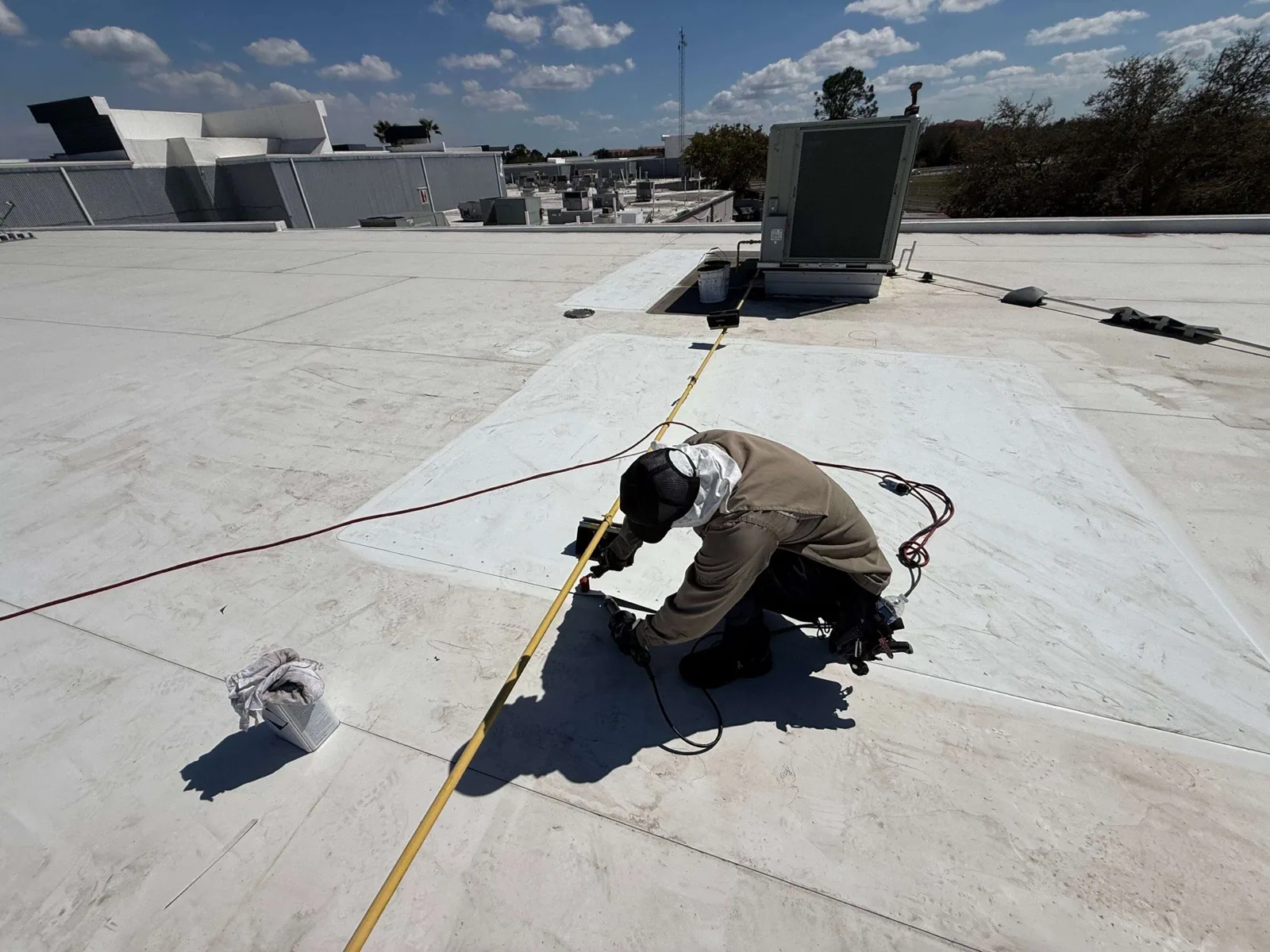
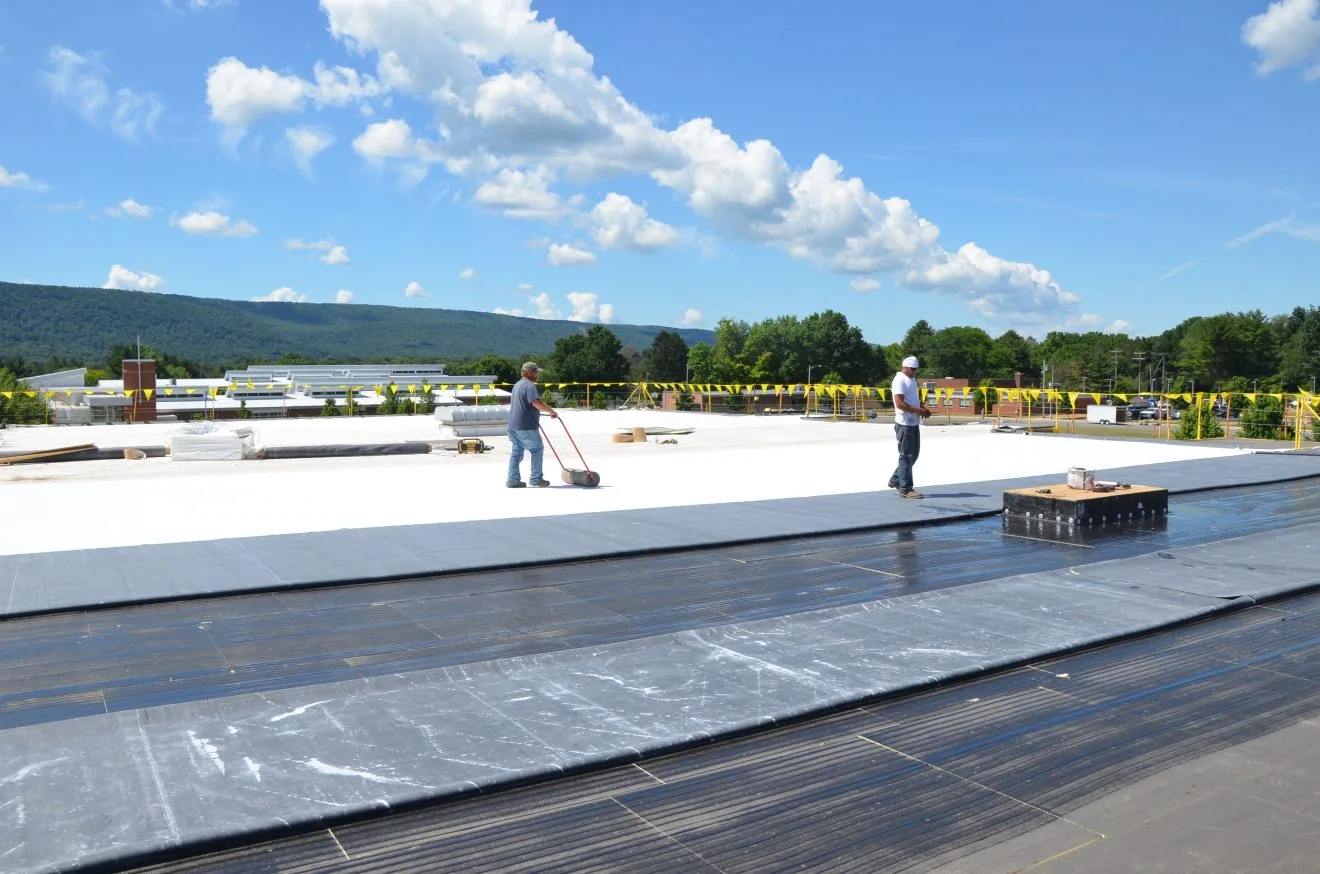
Commercial roofs do not share one repair method. We install and service TPO, PVC, EPDM, KEE, modified bitumen, built-up, standing seam, retrofit metal, spray foam, and silicone or acrylic coatings. The existing assembly, attachment, drainage, edge conditions, penetrations, and insulation state determine which options deserve review. A coating can make sense only when the substrate and details support it; an overlay is not a cure for trapped moisture or unresolved movement. The TPO roof, EPDM system, and standing-seam metal each require different seam, flashing, and transition checks.
Replacement decisions benefit from the same assembly-level care. We compare the conditions that can be repaired with the boundaries where recurring failures or moisture make continued patching less useful. When the evidence supports a broader scope, commercial roof replacement can be planned around staging, occupied hours, drainage, and protection of the building below.
Plan around people and equipment
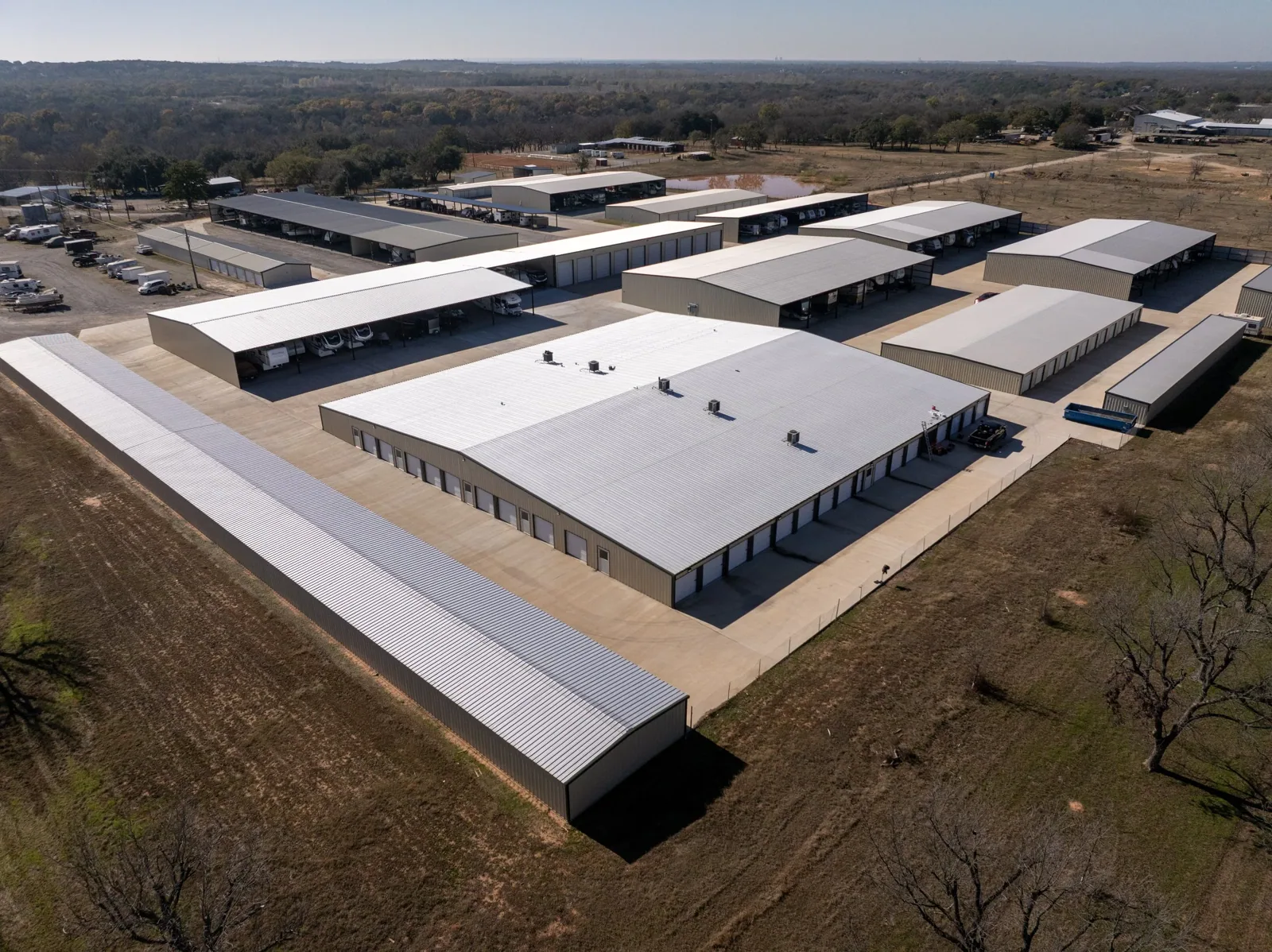
Central Perimeter and the Hammond Drive corridor bring different transit and access conditions into the scheduling conversation. The North End includes shopping centers and changing commercial uses along Roswell Road. These are not interchangeable work sites. A property manager may need noisy work outside tenant peak periods; a medical facility may need clear routes and coordination around rooftop equipment; a retail operator may need deliveries and customer access protected. We confirm the responsible contact, staging limits, shutdown authority, and weather window before setting the sequence.
Rainfall and humid heat affect how long exposed work can remain open and when a repair or coating can be installed. Hail and thunderstorm winds can prompt a new inspection, especially around perimeter details and penetrations. For storm-related damage, a dated photo record and a defined roof map help separate observed impact from unrelated wear. Our wind-damage repair scope records the affected area and the limits of the inspection.
Make timing comparable across properties
Owners with several buildings need consistent records without flattening differences among assets. We can use a common reporting structure and keep each condition, photo, repair boundary, and recommendation assigned to its own roof section. A portfolio review can then sort urgent protection, planned repair, follow-up inspection, and potential renewal into a sequence tied to the capital window. A site in North End can be compared with a property near Powers Ferry while preserving their distinct access, roof details, and operating requirements.
Preventive maintenance adds value when it tracks specific details instead of producing a generic checklist. We record drains, scuppers, seams, edge conditions, penetrations, and changes since the prior visit. The next review interval follows the observed condition and exposure. A photo, roof-zone label, and assigned action help the facilities team decide what can be completed during routine access and what needs a separate work window.
A defined next step
Bring the roof age if known, prior reports, active leak locations, access instructions, and the budget timing under consideration. We can inspect the property, document the assembly and condition, and return prioritized findings with work limits and open questions. If the site is occupied, include the hours or equipment dependencies that constrain access. If the roof is part of a larger portfolio, identify which properties should be reviewed together and which require separate schedules.
Commercial Roofers Sandy Springs serves commercial owners and teams that need a usable condition record, a repair scope, a maintenance plan, or a renewal sequence. The recommendation remains tied to the roof we inspect. Share the building information and operating window, and we will map the review to the decisions in front of you.
Questions Owners Ask
What should I send before a roof condition review?
Roof age, repair history, leak locations, prior reports, access instructions, and any operating hours that limit roof work help us prepare. Missing records are not a reason to delay; the inspection can establish what is visible and what needs follow-up.
Can you inspect while tenants or patients are in the building?
Occupied work is possible when roof access and the work area can be coordinated. We confirm access, noise limits, equipment dependencies, and any shutdown authority before proposing a sequence.
How do you decide between repair, coating, and replacement?
The existing assembly, moisture conditions, attachment, failed details, and remaining serviceable areas guide that comparison. We document the evidence and explain the scope boundary for each viable option.
What happens after an emergency roof visit?
We record the area inspected, the immediate protective action, and any limitations caused by weather or access. The next step may be a focused repair or a broader inspection once the roof can be assessed safely.
Request a property-level review
Share roof ages, active leak areas, access requirements, and the budget window. We will return a prioritized review with defined next actions.
Call 555-555-5555 or email [email protected].