Cold Storage Roofing in Sandy Springs, GA
A freezer roof has to protect a temperature-controlled space while outside conditions change. A small opening can affect insulation, vapor control, or interior operations before the membrane shows a broad failure. We inspect the roof assembly, map moisture concerns, and identify which tests could change the scope. In Sandy Springs, hot, humid summers and recurring rain make drainage and transitions part of the cold-storage asset decision, not a separate maintenance item.
Trace moisture before changing the assembly
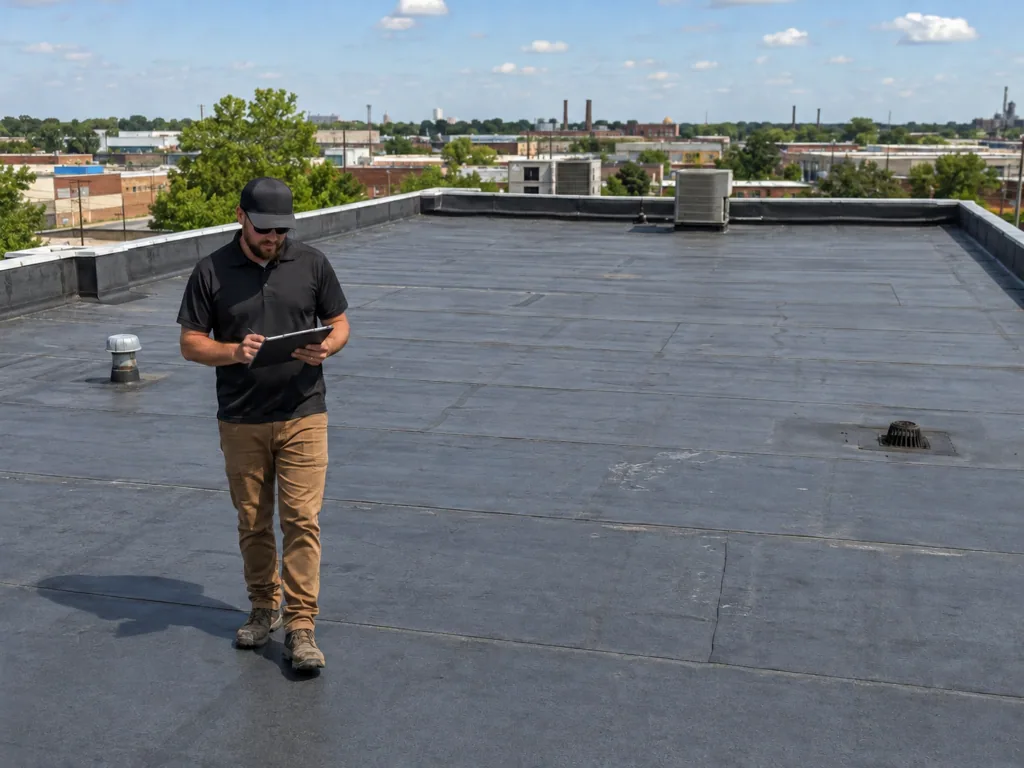
We start with the reported interior condition, temperature-control operation, roof plan, and prior repairs. On the roof, we review membrane seams, insulation edges, vapor-control transitions where accessible, curbs, drains, and wall connections. Condensation and roof leakage can appear in similar locations, so the inspection compares indoor reports with roof evidence before assigning a cause. If hidden material could change the removal boundary, we identify a test location and the method for closing it.
Sandy Springs’ Medical District includes hospitals and clinical buildings. Cold-storage properties have different temperature and production requirements, but both need planned access and controlled work areas. A roof inspection documents the details reached, and a roof assembly review can assess insulation, cover board, and tie-ins before the owner compares repair with replacement.
A moisture reading or scan can identify an area for closer review. A controlled opening confirms the layers only at its sample point. We label the tested location, the result, and the adjoining area that remains unverified. That distinction matters when one freezer room or roof addition has a different condition from the rest of the building.
Protect the vapor and water boundaries
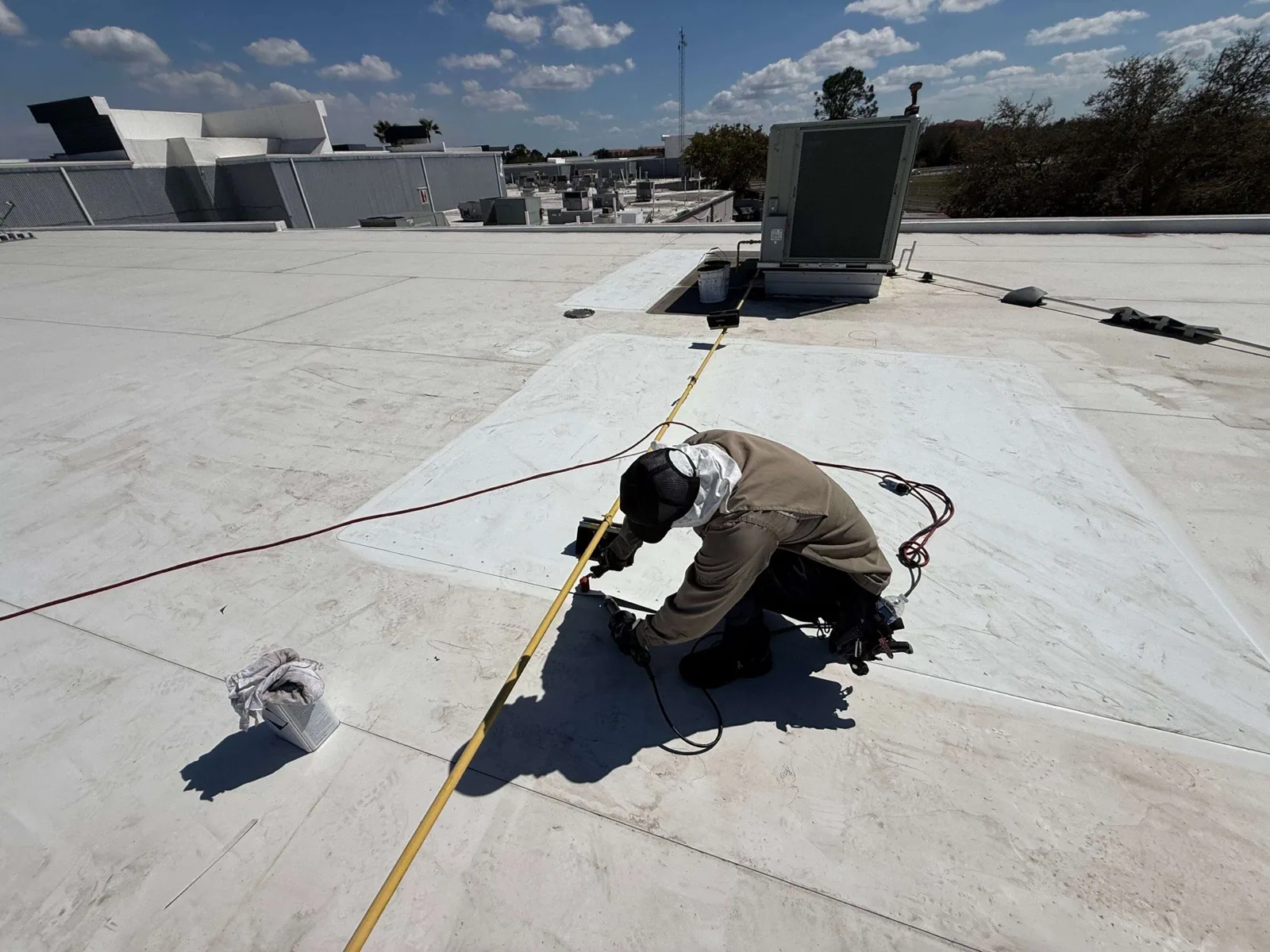
Cold-storage roofs can experience a strong temperature difference between interior and exterior conditions. That makes continuity at seams, penetrations, wall transitions, and equipment curbs important to inspect. We check the visible membrane, flashing, fasteners, insulation joints where exposed, and any prior patch. A roof repair must connect to materials that can accept the tie-in. If a seam is wet, brittle, or poorly attached, the repair boundary may need to reach stable material.
At Atlanta’s airport station, summer average highs are near 90 degrees and lows near 72. Warm, humid air can make roof access and some installation steps uncomfortable or weather-sensitive. We schedule work around actual surface conditions and the selected product's application requirements. The drainage review checks the outlet, overflow, and low areas, while a condition map preserves locations that need a follow-up after the repair.
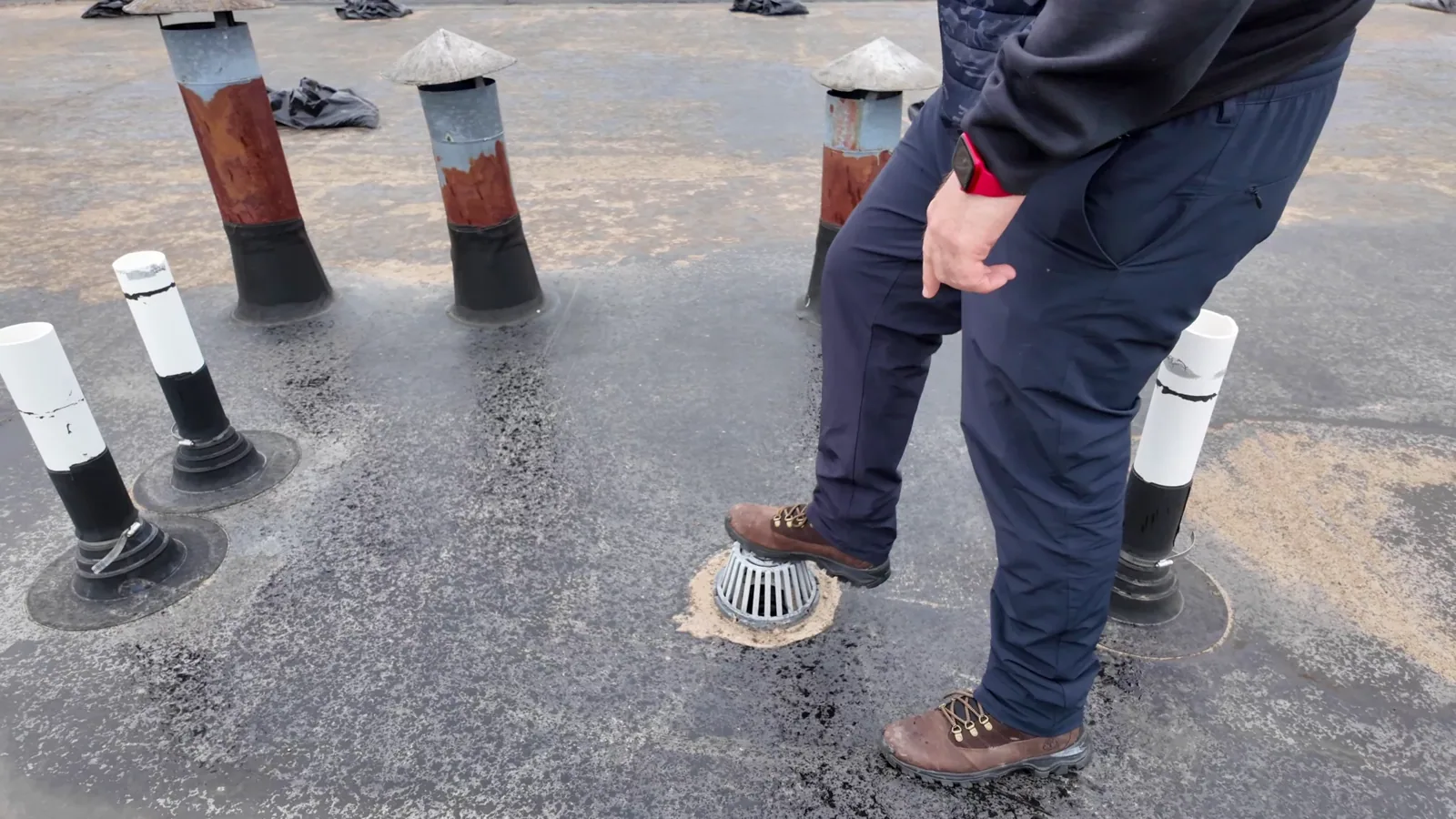
Equipment lines, refrigeration penetrations, and exhausts should be mapped before work begins. The facility contact identifies which units must remain active and which trades control those connections. A roof crew should not disconnect operating equipment without direction. The work scope names the boundary between roofing detail and mechanical work.
Plan access around temperature control
Before mobilization, the owner confirms occupied hours, sanitation or product-handling requirements, equipment routes, roof entry, and any shutdown window. We identify where materials can be staged and whether a lift can reach the approved roof section without affecting truck movement. If the interior must remain within a specific operating range, the facility sets the required protection and response contact before an opening is made.
Interstate 285 and Georgia 400 provide primary regional access for Sandy Springs businesses. A property near Powers Ferry may have a different staging approach from a facility in Central Perimeter, where office and transit activity shape arrival times. The route does not determine roof access; the site contact confirms gates, loading areas, and lift placement. A phased work plan can limit the open area and set a secure closeout for every shift.
Cold-room performance depends on a coordinated boundary, not membrane alone. When a roof opening is near a freezer or processing zone, the facility lead should identify temperature limits, product protection, alarm contacts, and the point at which work must stop for a secure temporary closure. The roofing scope can specify a small daily work area, insulation replacement only after the removal boundary is confirmed, and a documented closeout before the crew leaves. If humidity or condensation is part of the complaint, the owner should also review interior air movement and vapor-control continuity with the mechanical team. This keeps roof work focused on the assembly evidence while giving operations a clear response plan for each shift.
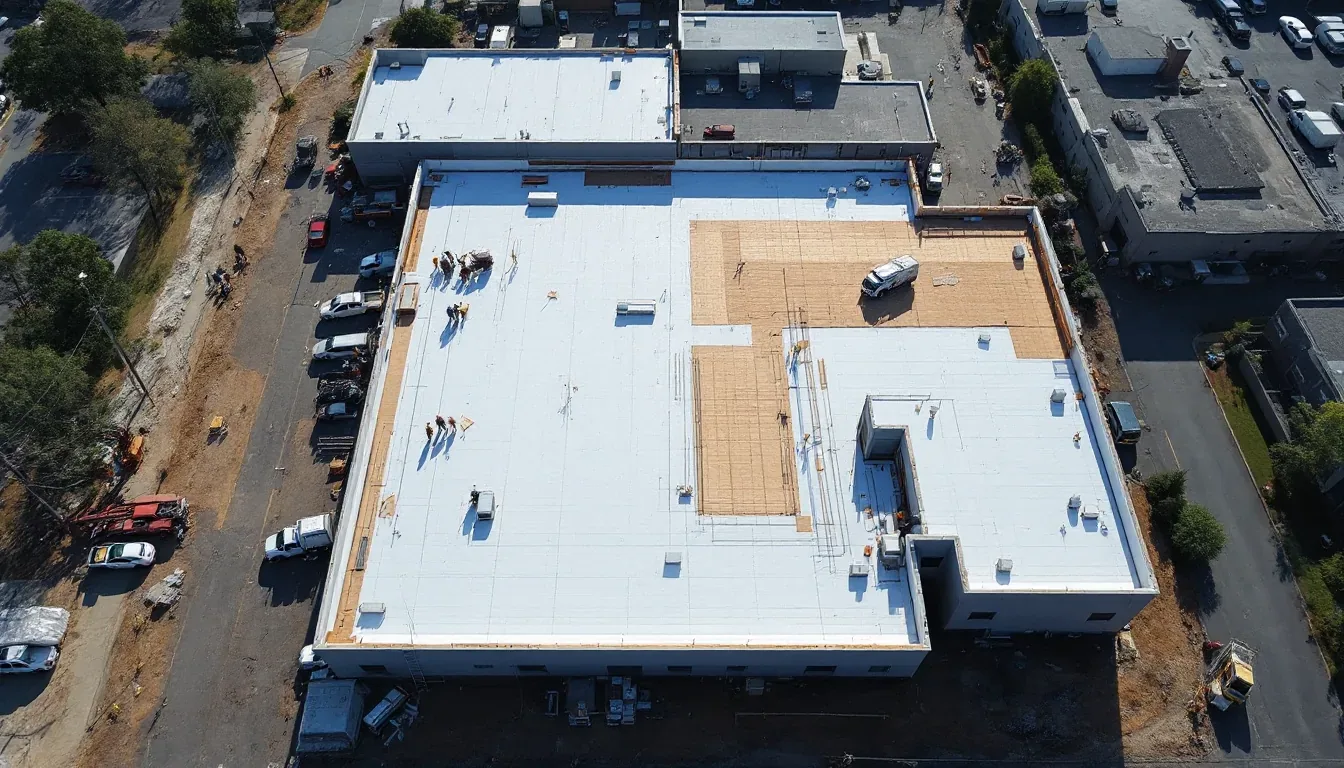
During work, we keep drainage paths open, protect equipment, and record the roof section left under temporary measures. If hidden conditions expand removal, the crew secures the opening and obtains owner direction before proceeding. The update should state what changed, what remains protected, and when the next decision is needed.

Compare localized repair with full renewal
A local repair may fit when moisture is limited, adjacent materials remain stable, and the detail accepts a compatible tie-in. Broad insulation damage, recurring condensation concerns, deteriorated attachment, or repeated failures across separate areas may justify a larger project. We compare test results, energy and operating considerations supplied by the owner, access, and repair history. Assess roof thermal performance through assembly records, targeted inspection, and testing where needed.
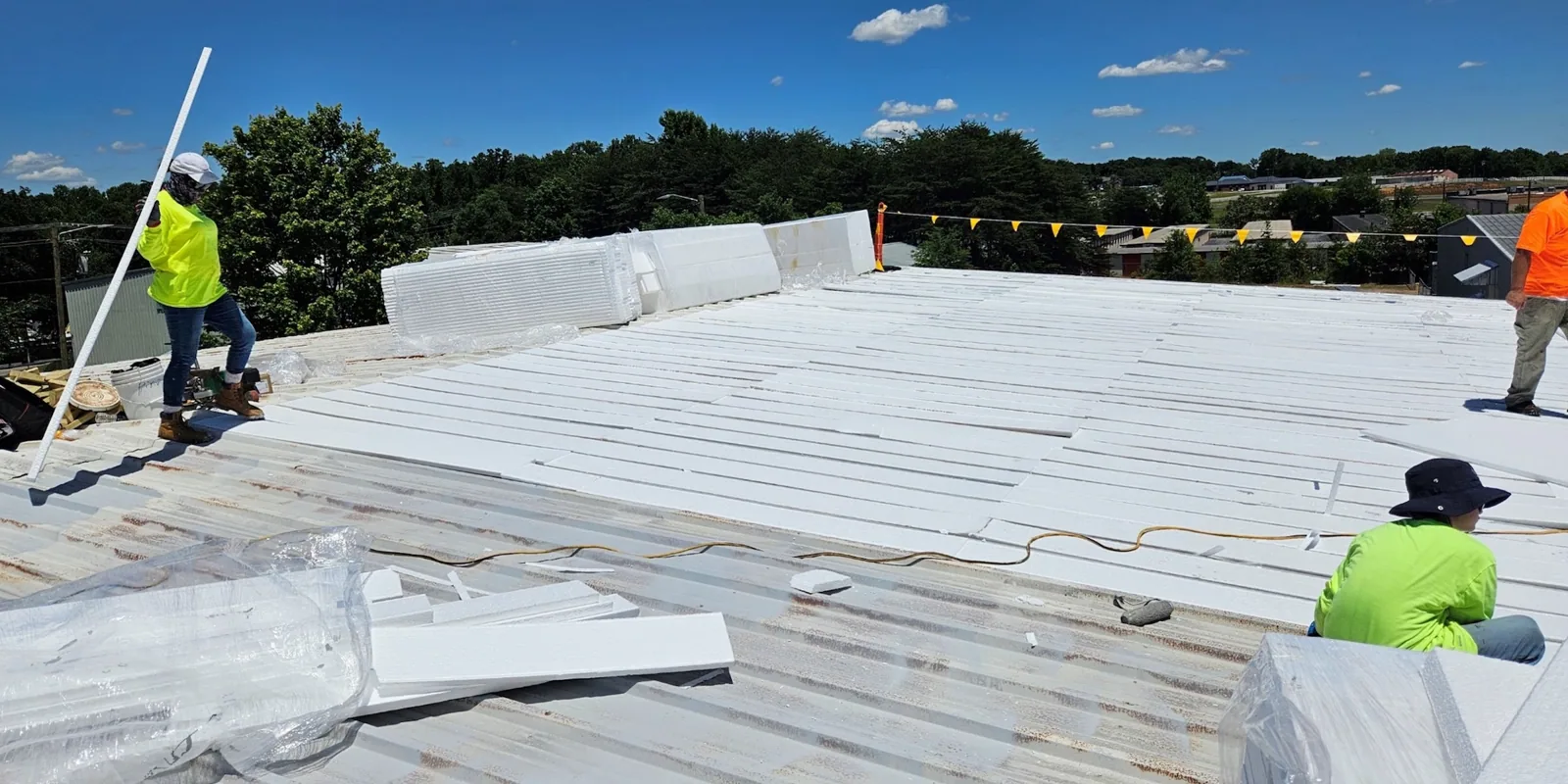
Cost and timing depend on removal depth, insulation replacement, vapor-control continuity, penetrations, refrigeration coordination, staging, and the period the building can support roof work. A repair scope defines a confirmed defect. A replacement study can compare tear-off, retained layers, detail changes, and phased access. For a facility with data or control equipment, a data-center roof assessment can consider service continuity; a warehouse review can focus on inventory and loading-area protection.
The estimate states what is included and which concealed conditions could change quantities. If the owner manages more than one site, compare each roof's condition trend and budget year separately. Record assembly layers and moisture boundaries for each controlled-temperature building before setting removal limits.
Keep the next service visit tied to tested zones
Closeout should identify the roof system where confirmed, test openings, insulation removed or retained, repaired penetrations, product details, photographs, and any area not reached. The owner can compare the same zone after future maintenance or a change in temperature-control operation. If equipment contractors make new openings, add the work to the roof map and verify the flashing before closing their service order.
Share roof ages, reported moisture, interior operating limits, access rules, prior repair records, and the capital window. We will return a prioritized review that separates immediate protection, targeted repair, and assembly renewal. Each next action should identify the roof section and the evidence that supports it.
Questions About Cold Storage Roofing
How can a roof leak be distinguished from condensation?
We compare interior timing and location with roof seams, penetrations, drains, and tested materials. The facility's operating data can help interpret the symptom, while an opening may be needed to confirm concealed layers.
Can cold-storage work proceed while refrigeration stays active?
The owner and facility contact set the operating limits. We sequence access, staging, protection, and roof closure around the equipment that must remain in service.
When should insulation be removed?
Removal follows confirmed moisture and the boundary that testing supports. We map the sample and explain whether adjoining sections need more testing before quantities are expanded.
What roof details deserve attention around refrigeration equipment?
Curbs, pipe penetrations, supports, seams, and wall transitions need a compatible water-control detail. We coordinate any disconnect or equipment movement with the responsible trade.
How does Sandy Springs summer weather affect roof work?
Hot summer afternoons and warm overnight conditions make work-hour and material handling plans important for exposed roof areas. We check the actual roof surface, humidity, and forecast against the product requirements before setting the application window.
Review the cold-storage roof assembly
Share roof plans, moisture reports, equipment limits, access rules, and the budget window. We will map tested conditions and prioritize protection, repair, or renewal.
Call 555-555-5555 or send the building details.