KEE Roofing in Sandy Springs, GA
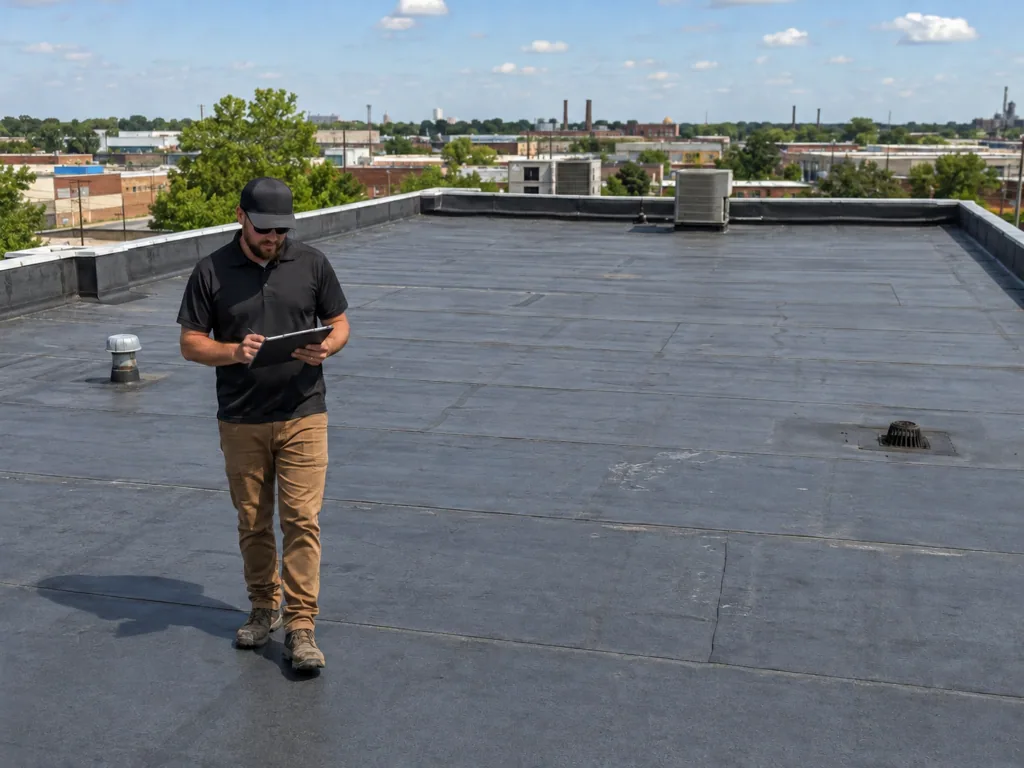
A KEE membrane is a PVC-alloy roof system, and its condition needs to be evaluated as an assembly rather than a product label. We review surface wear, welded seams, attachment, insulation, drains, curbs, and prior repair materials. Sandy Springs’ hot humid summers and frequent rain put drainage and surface condition into the same maintenance decision. The inspection should show where the membrane remains suitable, where a detail has opened, and whether concealed moisture could change the repair boundary.
Surface condition and membrane identity
KEE formulations combine PVC with a ketone ethylene ester component. The exact membrane, thickness, reinforcement, and manufacturer requirements come from the project record or a field identification process. We do not assume every white thermoplastic sheet is the same. We inspect for cracking, punctures, abrasion, contamination, repairs that do not weld properly, and changes around equipment or rooftop walk paths. The owner needs a confirmed system description before repair materials or a coating are selected.
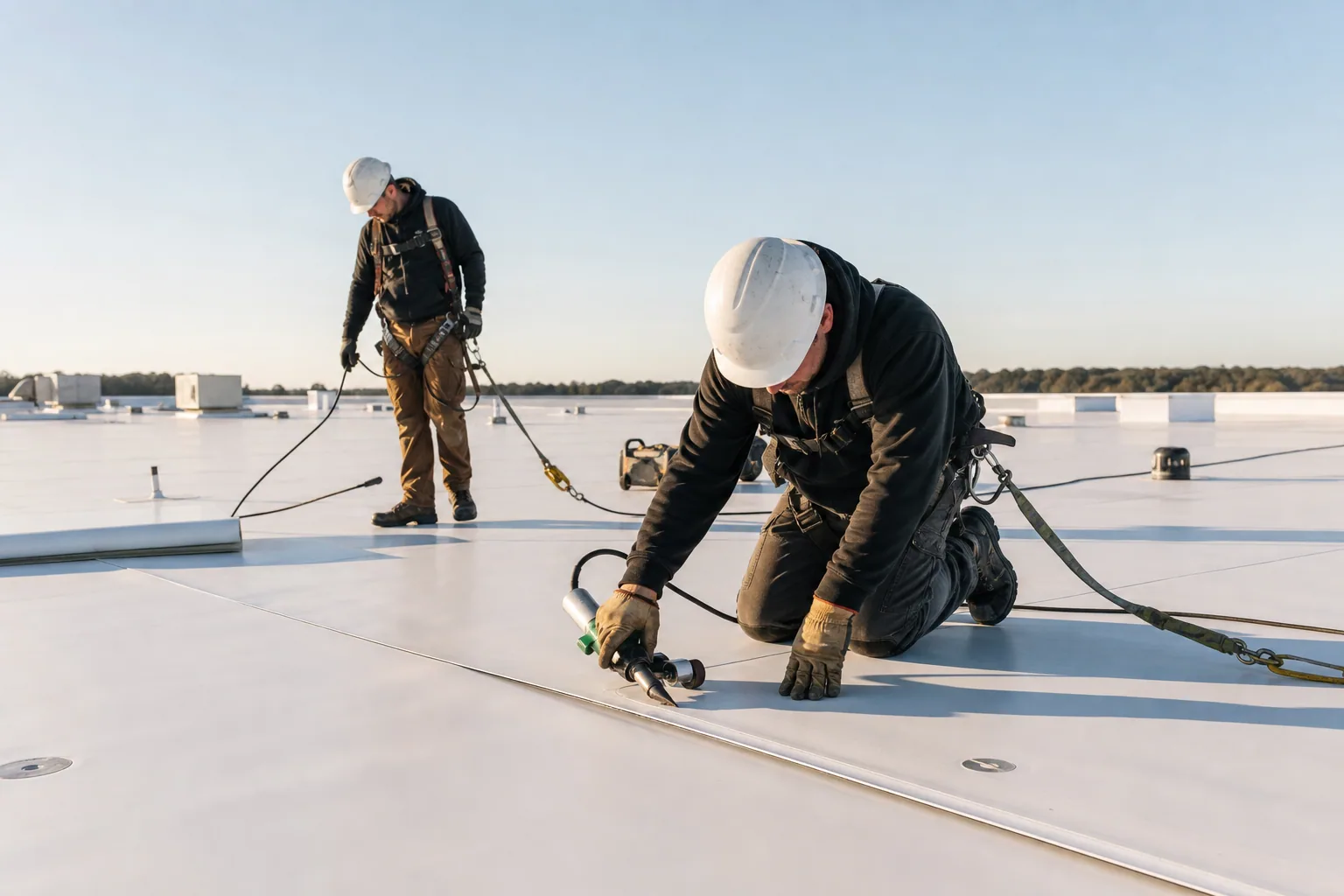
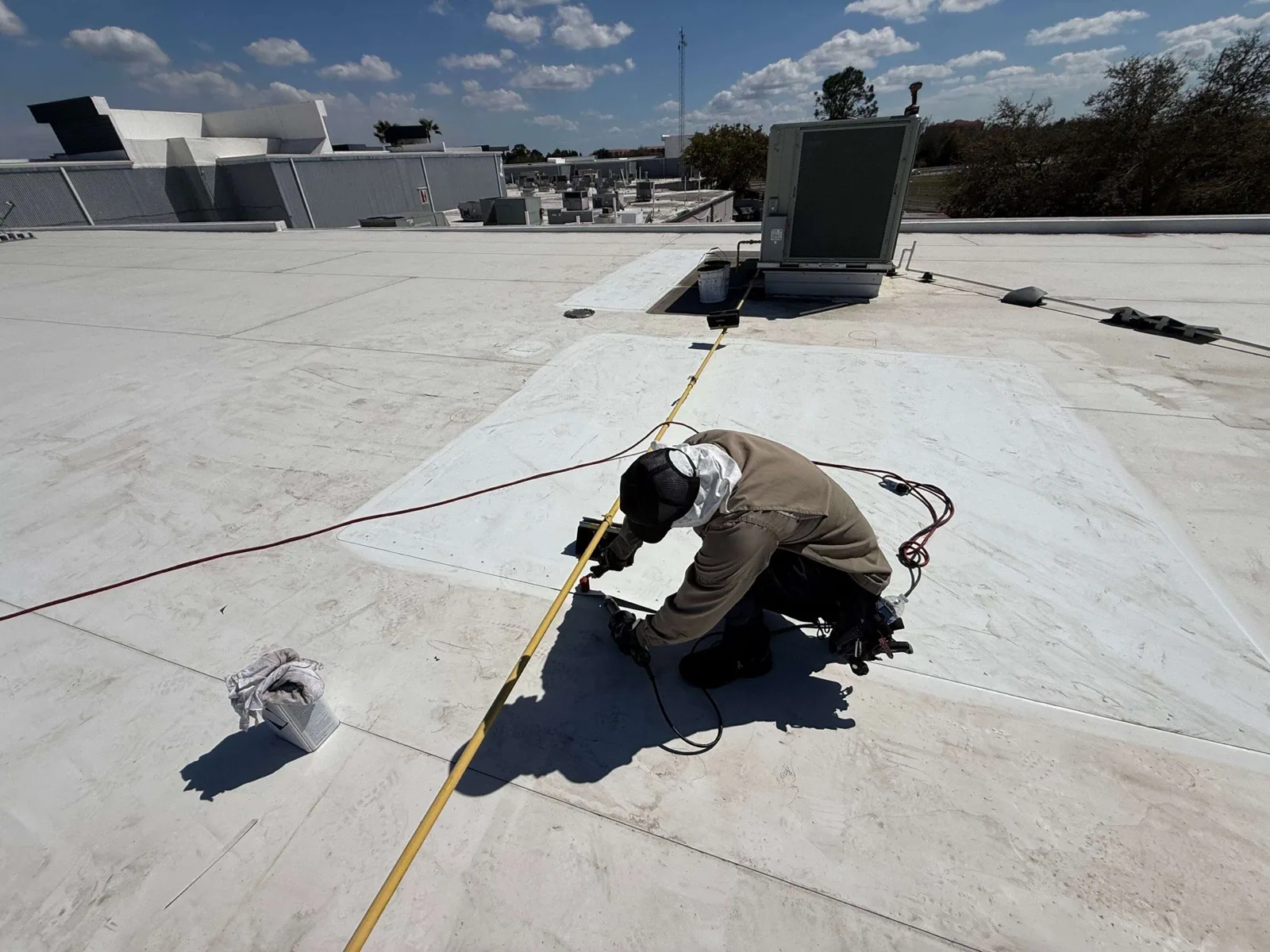
Welded seams and flashings need clean surfaces and a sound bond. We check lap edges, T-joints, corners, termination bars, and areas where foot traffic or equipment movement can stress the sheet. A test weld may help establish preparation and temperature conditions before larger work proceeds. A hands-on roof inspection can document the membrane identity and distinguish visible defects from areas requiring an opening or additional testing.
Surface changes should be compared with exposure and maintenance history. A path from a ladder or hatch can concentrate abrasion, while debris around a unit can hold moisture against the membrane. We note those conditions separately from weld defects. The owner can then decide whether a walkway, changed access route, or scheduled cleaning belongs with the repair. A documented test weld also gives the next crew a known preparation method if the same roof section needs work later.
Flashings and water control
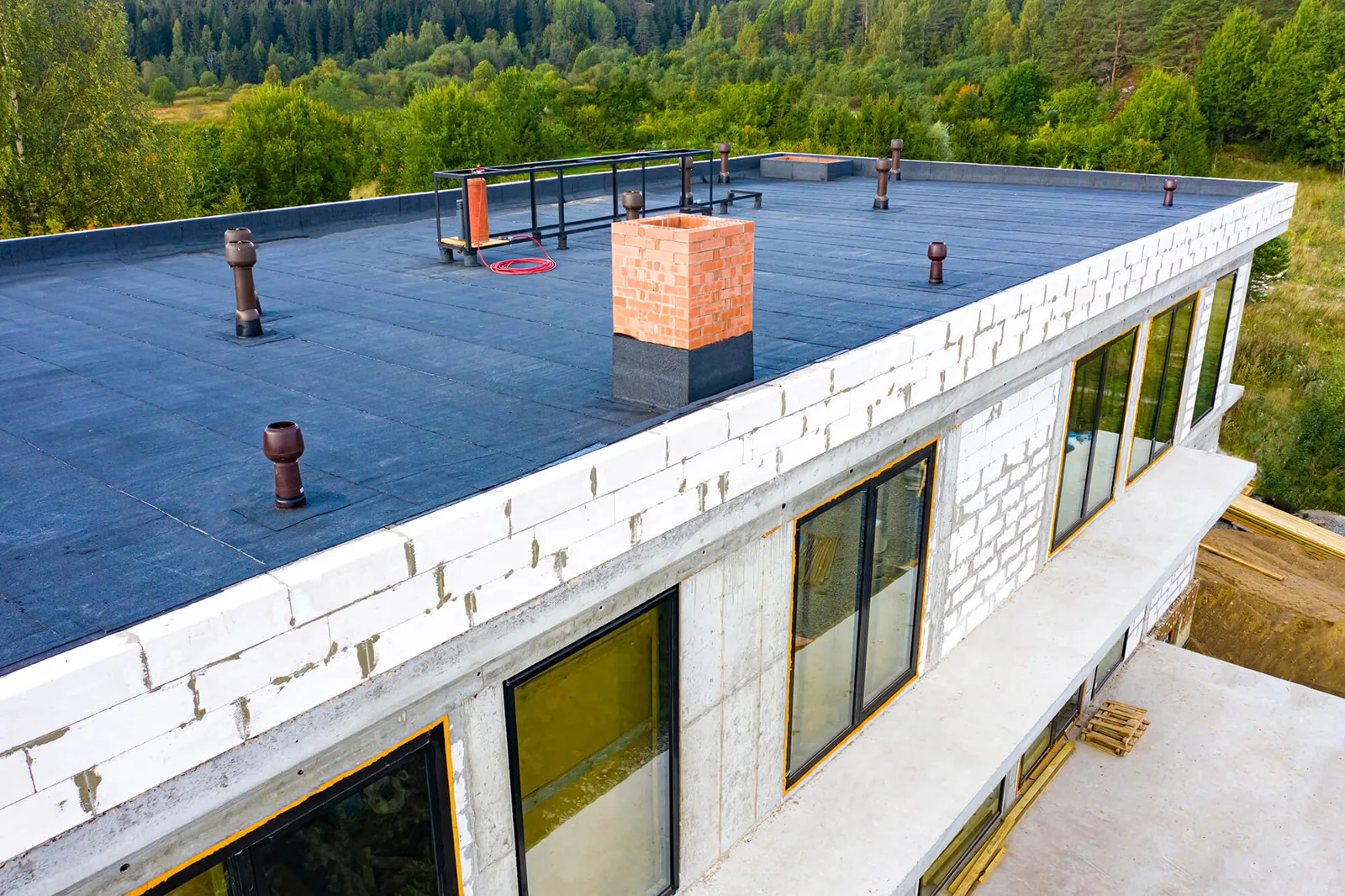
Most leak paths occur where the membrane meets a drain, curb, pipe, wall, expansion joint, or edge. We inspect whether the flashing continues from the field sheet into the vertical detail and whether water can drain without collecting at a lap. Curb corners and pipe supports can need reinforced patches or a redesigned transition if movement has pulled at the sheet. A seam repair assessment can map a split edge and check whether the opening continues beyond the visible location.
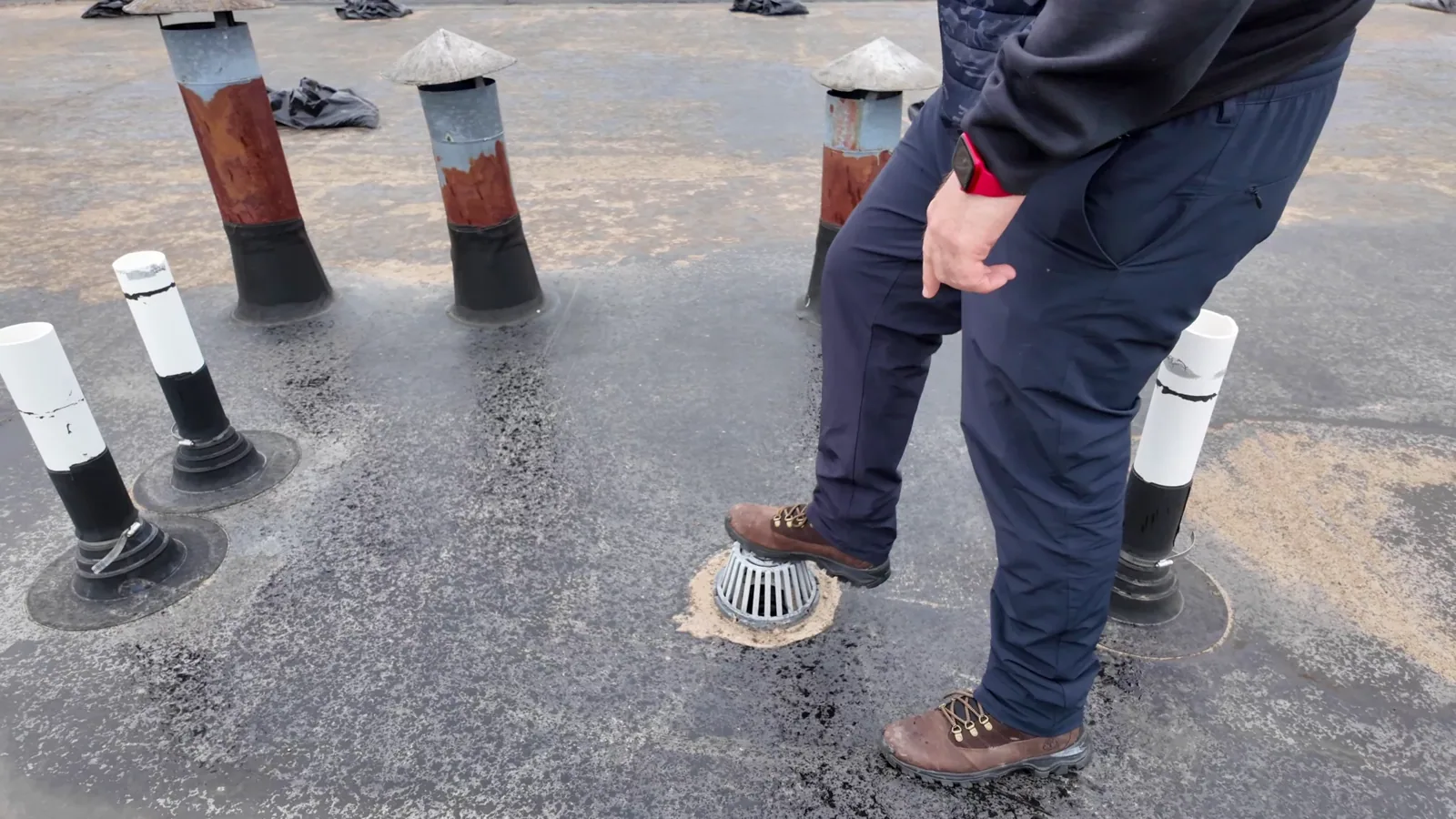
Drain bowls, scuppers, and overflow routes need attention before the owner evaluates a surface restoration. A slow outlet can leave water against a flashing detail and make a sound membrane appear suspect. We record the low area, outlet condition, and water mark separately. A roof drainage review can identify whether clearing, roof-side repair, or slope correction is needed. The work plan then describes the membrane tie-in as one part of the water-control detail.
Access near active commercial areas
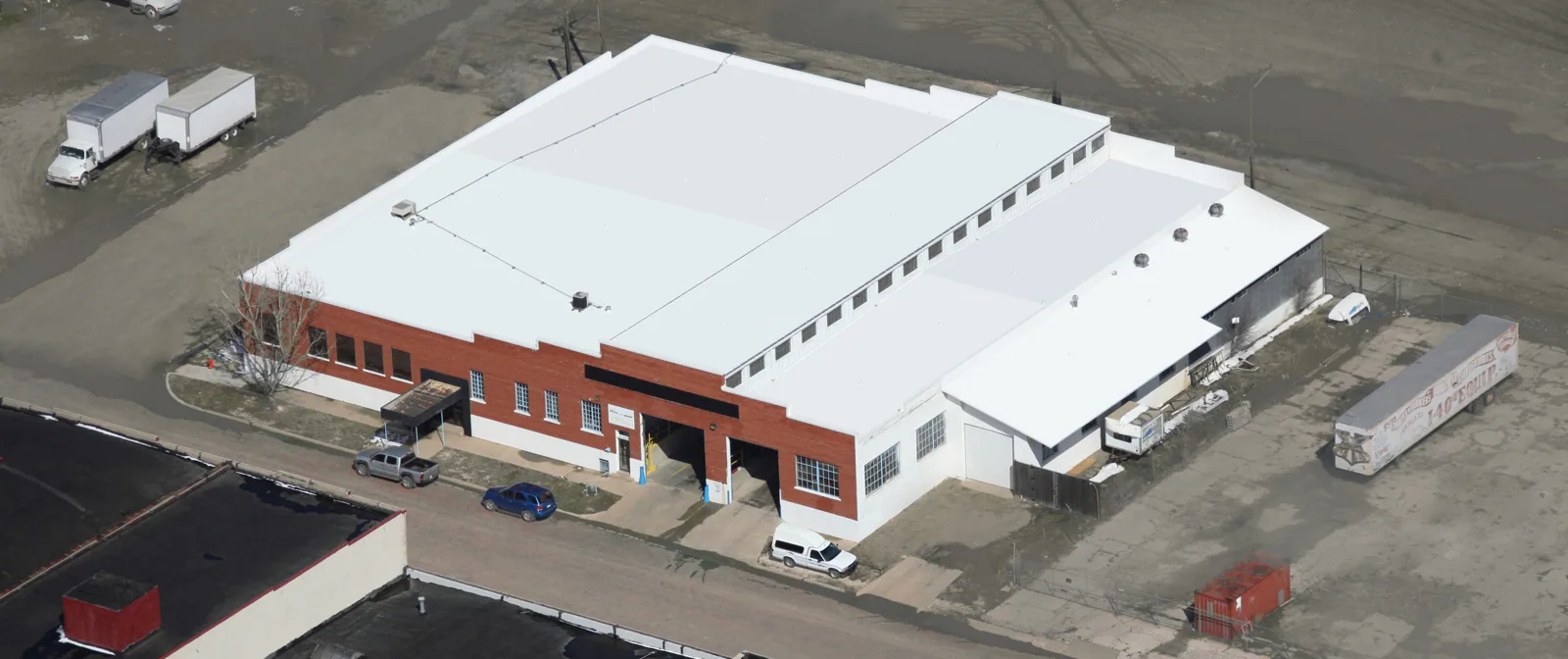
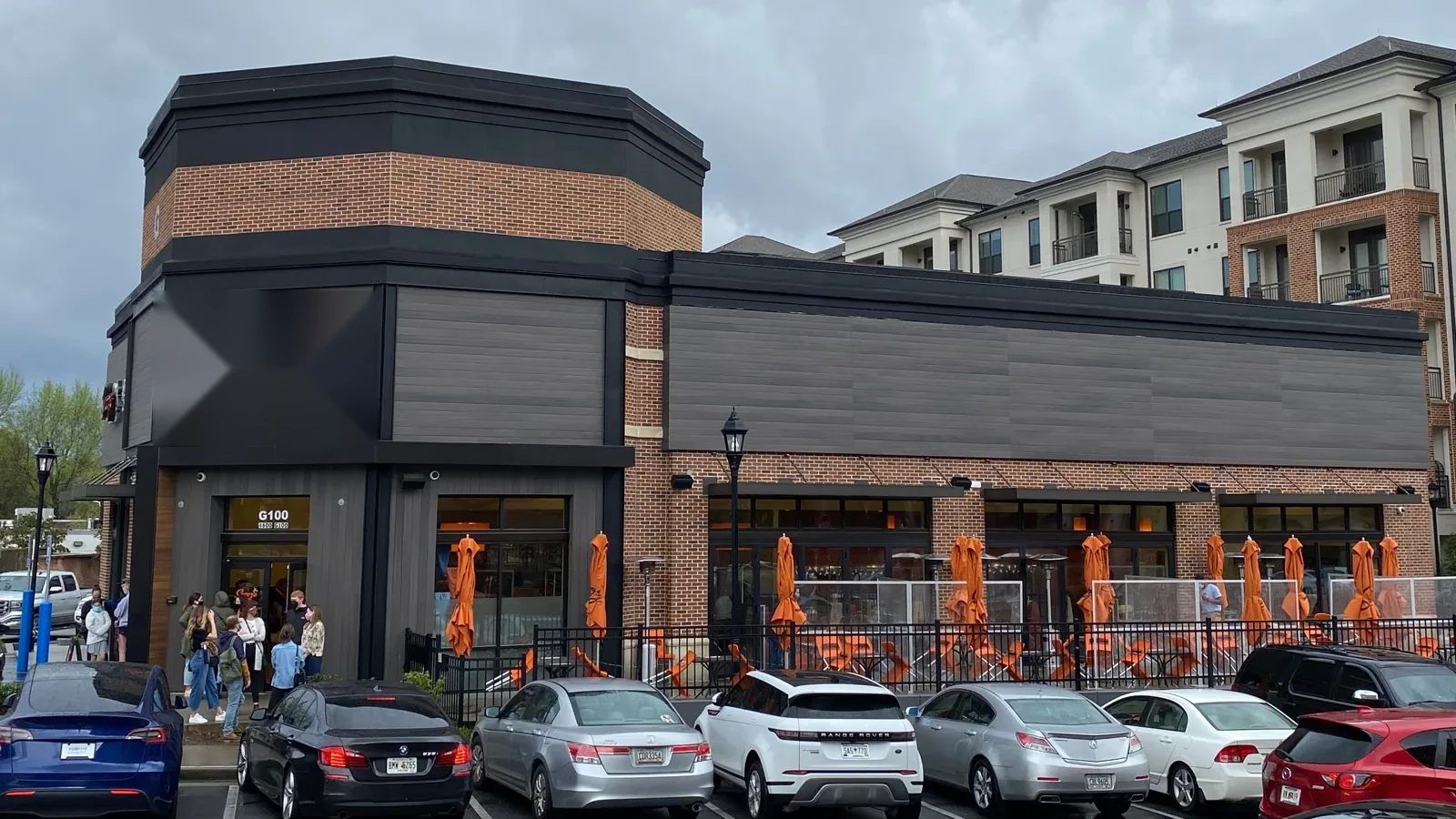
The South End sits just south of I-285 and forms a commercial transition toward Buckhead and Brookhaven. That business activity can influence material delivery and lift timing, while a roof’s access route comes from the individual property. We confirm loading, tenant entrances, equipment operation, and the approved staging area before mobilization. A South End roof visit can document the work window for the actual building rather than infer it from the surrounding district.
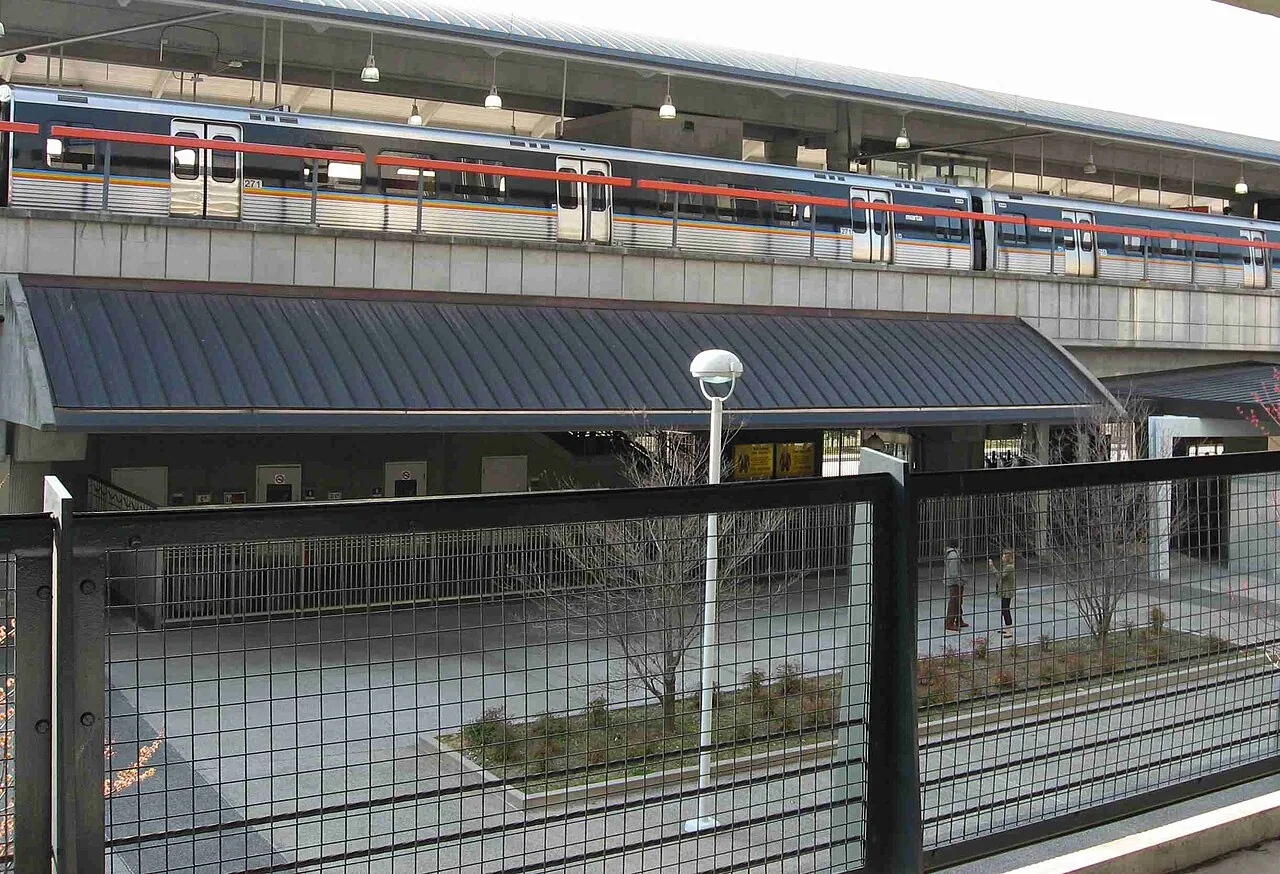
North Springs Station sits near Georgia 400 on the MARTA Red Line. Before work in the area, we confirm delivery access, building hours, and staging with the property contact, then record seam, drain, and edge findings by roof zone. A North Springs roof review ties the work window to that building’s access plan.
Repair versus replacement
A small puncture, loose flashing, or short seam opening can be repaired when the KEE surface remains sound and the affected area can be prepared to the product requirements. We identify the membrane, repair material, and weld or flashing method, then inspect the finished perimeter. Multiple failures, broad surface degradation, or wet insulation can move the decision beyond a local patch. A roof repair scope states the area treated and any adjacent condition that still needs a decision.
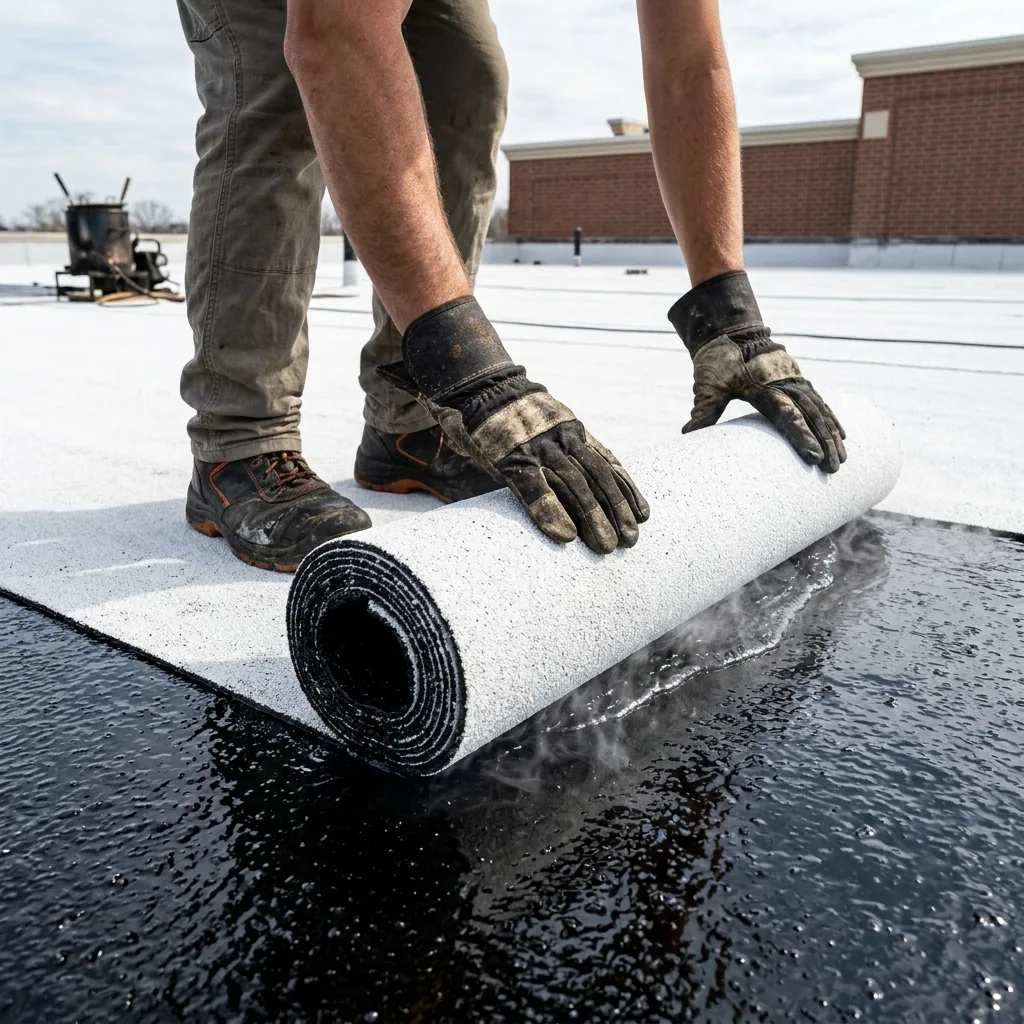
Recover and tear-off options need review of layer count, attachment, moisture, drainage height, deck condition, and applicable code. If another thermoplastic system is considered, a PVC assembly or TPO assembly still requires compatible transitions and a documented installation plan. A replacement review can compare removal, insulation, flashing, and staging as a complete scope. A coating is not a substitute for confirming the KEE surface and concealed layers.
Budget review should include tear-off depth, disposal, new insulation, cover board, attachment, edge metal, equipment handling, and protection for occupied areas. If the proposed roof height changes, confirm curb elevations and perimeter transitions before ordering. A recover may reduce removal work but can add weight and change drainage clearance. We identify those tradeoffs in the bid so the owner can compare the KEE repair boundary with a larger renewal package using the same roof-zone map.
Preserve the condition trend
Keep repair photographs, seam locations, membrane identification, drain conditions, and test results by roof zone. After major storm activity or mechanical work, compare the same details with the prior record. Sandy Springs’ North End includes existing shopping centers along Roswell Road and is being considered for additional mixed-use development. For North End properties, confirm renovation hours and access routes with the site contact before selecting a KEE repair window. We update the roof map when equipment, penetrations, or service paths change.
Send the available system records, active leak areas, repair history, access limits, and budget window. We will identify which KEE details need immediate repair, which areas require testing, and what evidence would support renewal. The owner receives a sequenced plan that keeps confirmed conditions separate from unresolved assembly questions.
After a repair, inspect the finished seam or flashing once the work area is clean and the membrane has returned to normal service. Note whether the repair crosses a field lap, curb corner, or wall termination and photograph enough context to relocate it. If a future leak appears nearby, that record helps determine whether the earlier tie-in remains intact or the water path has shifted. An inspection interval should reflect those observations, roof access, and the owner’s planned capital year.
Questions About KEE Roofing
How can I confirm that the roof is KEE rather than standard PVC?
We review installation records, membrane markings where accessible, and material characteristics before selecting a repair product. When identity remains uncertain, we state what testing or manufacturer review is needed instead of guessing from color alone.
Can a KEE seam be repaired with ordinary PVC materials?
Use repair components that the membrane manufacturer approves for the identified system. We confirm the sheet and preparation conditions, then test the weld or bond where needed before completing the affected area.
When does a KEE roof need more than a patch?
Several open seams, widespread surface wear, wet insulation, or recurring leaks can point to a larger system issue. We map the defects and test concealed layers before comparing localized repairs with recover or removal.
Can a coating be applied over KEE?
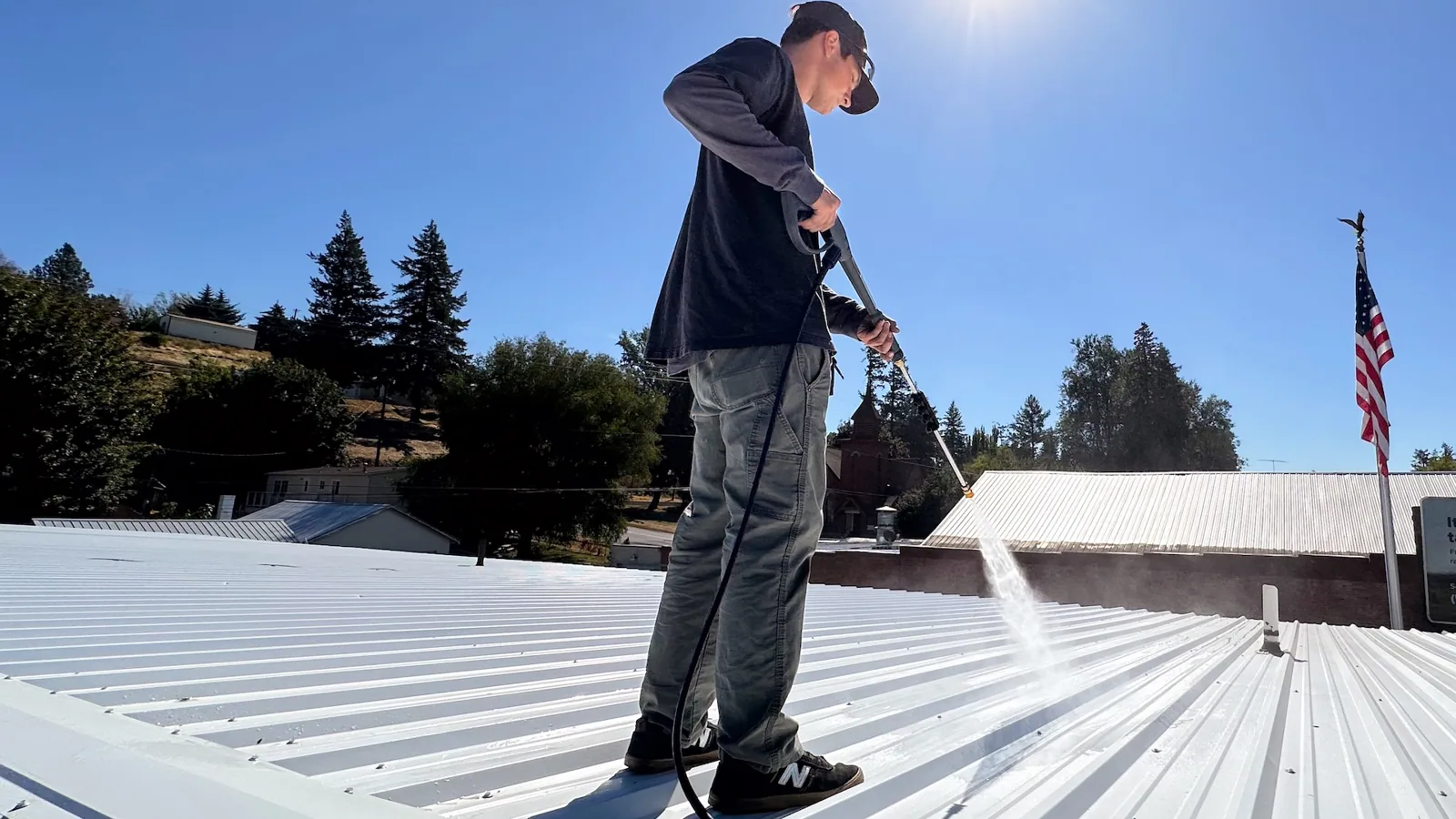
A coating needs confirmed system compatibility, sound preparation, adequate adhesion, and working drainage. We review the membrane and test area before treating coating as a restoration option.
What should be in the KEE roof closeout?
Record the membrane identification, repair materials, seam or flashing locations, photos, moisture findings, and any follow-up tests. That file helps the owner plan inspections and budget decisions by roof zone.
Set a KEE membrane review
Share system records, active leaks, prior repairs, access needs, and the budget window. We will return a prioritized inspection with repair and renewal actions by roof section.
Call 555-555-5555 or send the building details.