Commercial Roof Seam Failure Repair in Sandy Springs, GA
An open seam is a specific condition in the roof field or at a transition; the right repair depends on how far separation extends and what caused it. We inspect the seam, adjacent membrane, substrate, and any prior patch before choosing preparation and closure. A short split may respond to a localized repair, while repeated separation can signal an attachment, movement, moisture, or material issue that needs broader review. Sandy Springs, GA, experiences frequent rain and hot summers, so a vulnerable joint can bring water concerns when weather returns. That climate context does not identify the roof system or prove why a seam opened. We report the observed separation, accessible limits, and next action so the owner can distinguish a repair from a speculative replacement recommendation.
Read the split before selecting a patch
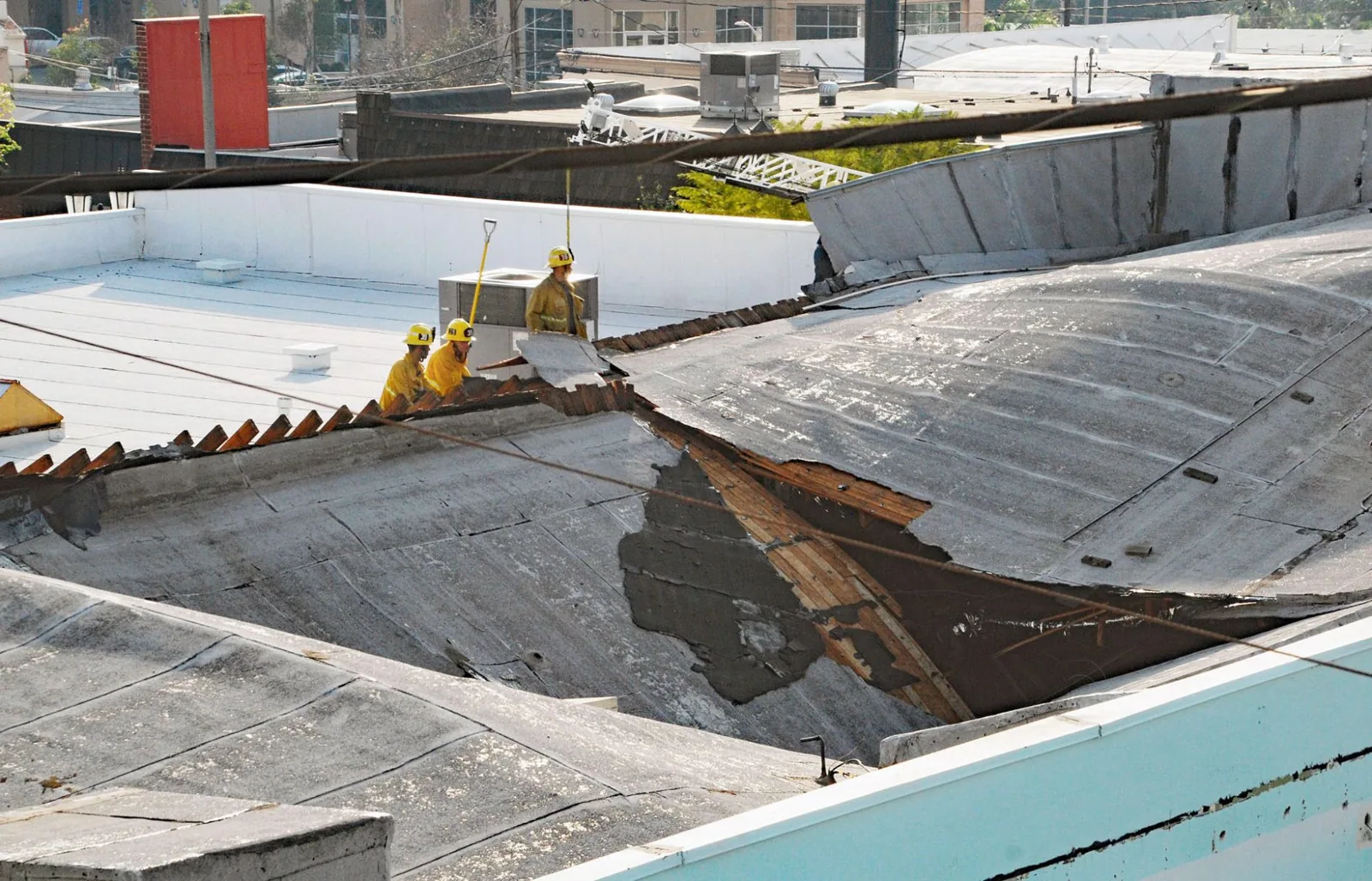
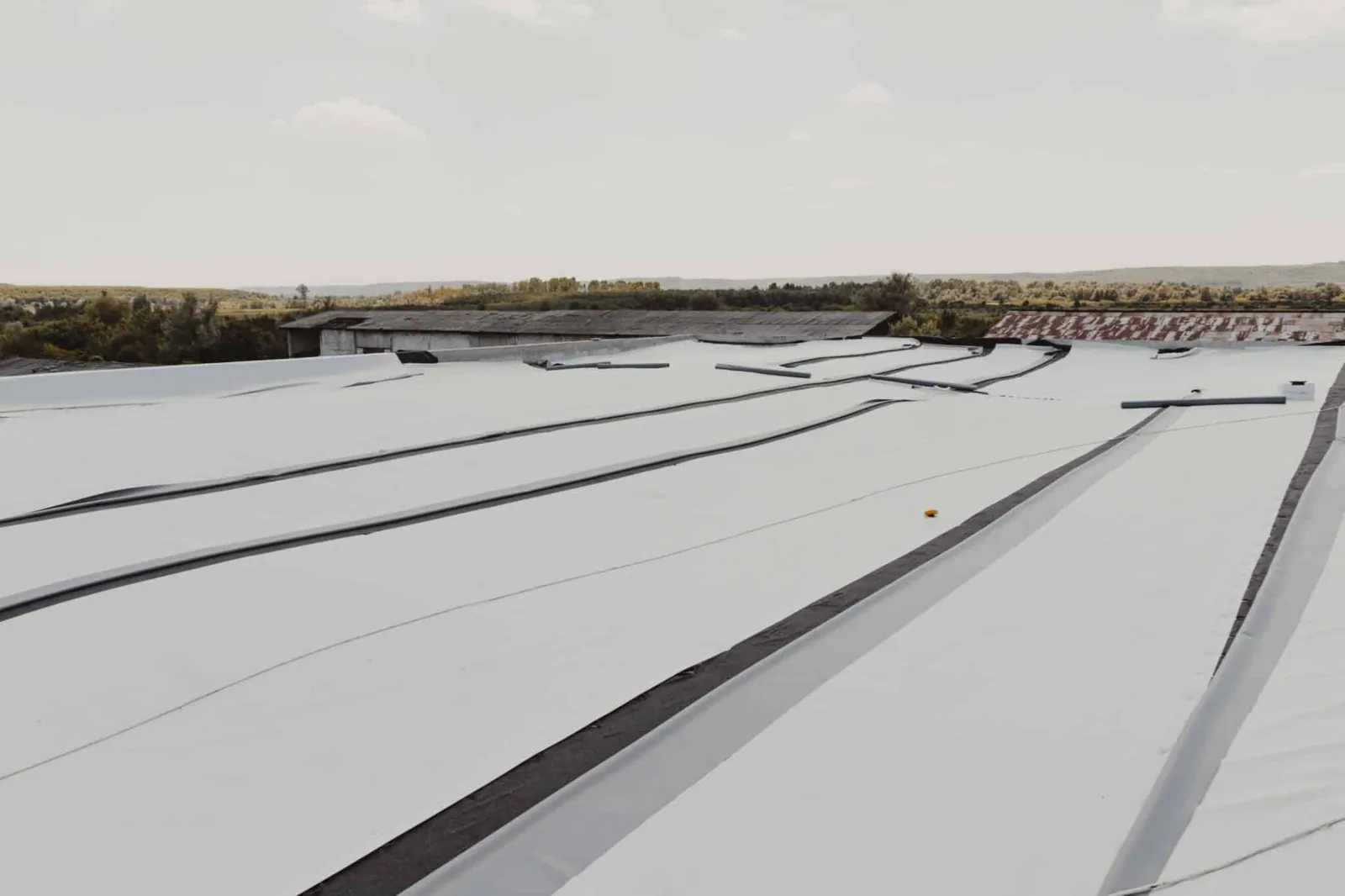
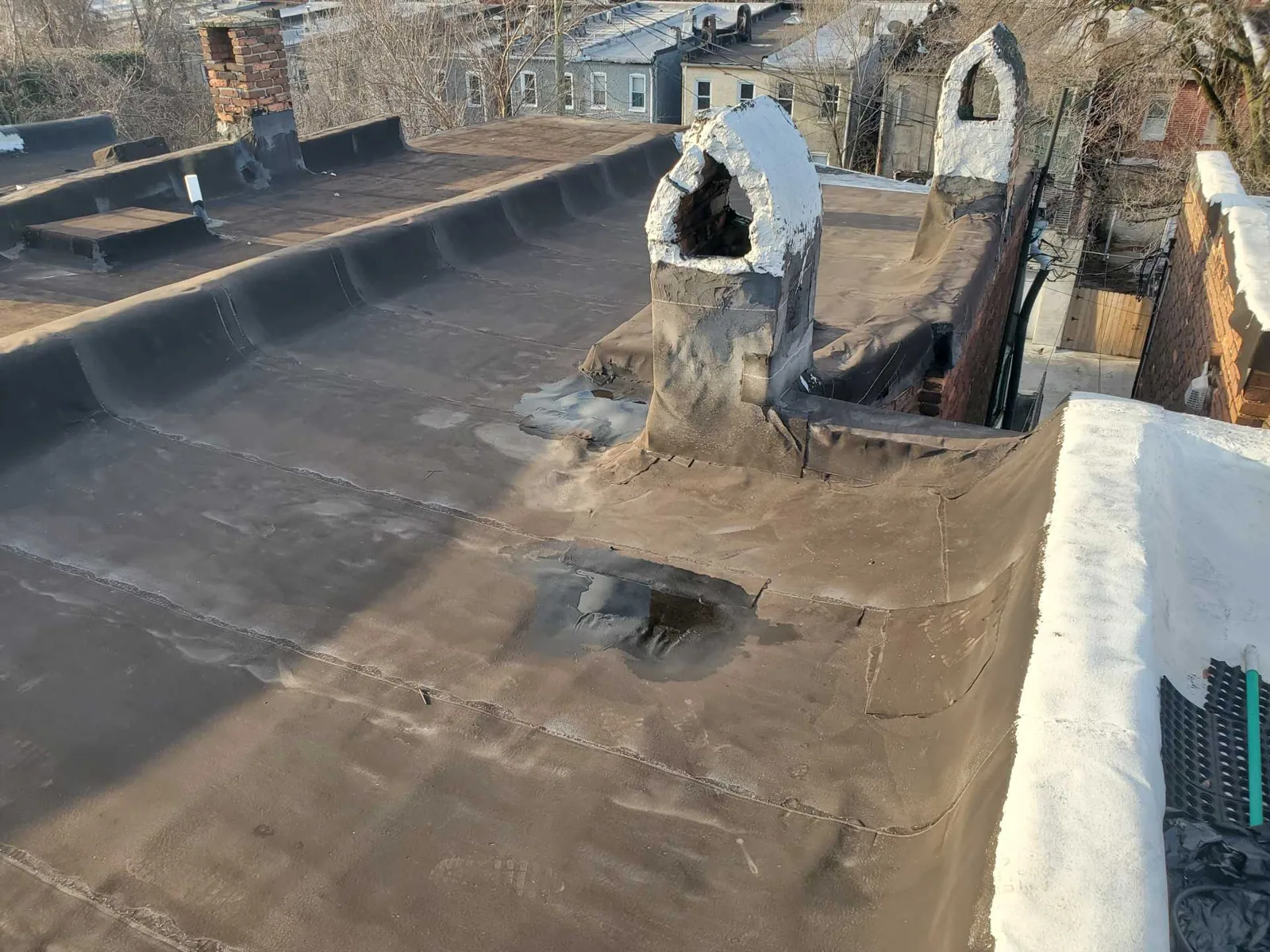
Identify whether the opening follows a membrane lap, flashing transition, field repair, or change in plane. Note the direction and length of separation, whether the edges are clean or degraded, and whether water or debris has entered beneath the surface. A roof inspection can photograph the split with a scale reference and mark it on the roof plan. Check adjacent seams for similar movement and note the condition of the membrane beyond the visible opening. The repair limit should reflect the actual condition, not an arbitrary strip width.
Prior repairs can alter how a seam responds to new material. We look for incompatible coatings, patch edges, contamination, moisture, or a wrinkle that crosses the joint. If the roofing system cannot be identified from available records or markings, say what remains unknown before selecting a repair product. A roof system review can be useful where material compatibility is uncertain. The owner then has a basis for approving a test or confirming manufacturer requirements before the crew prepares the surface.

Prepare the joint for a durable closure
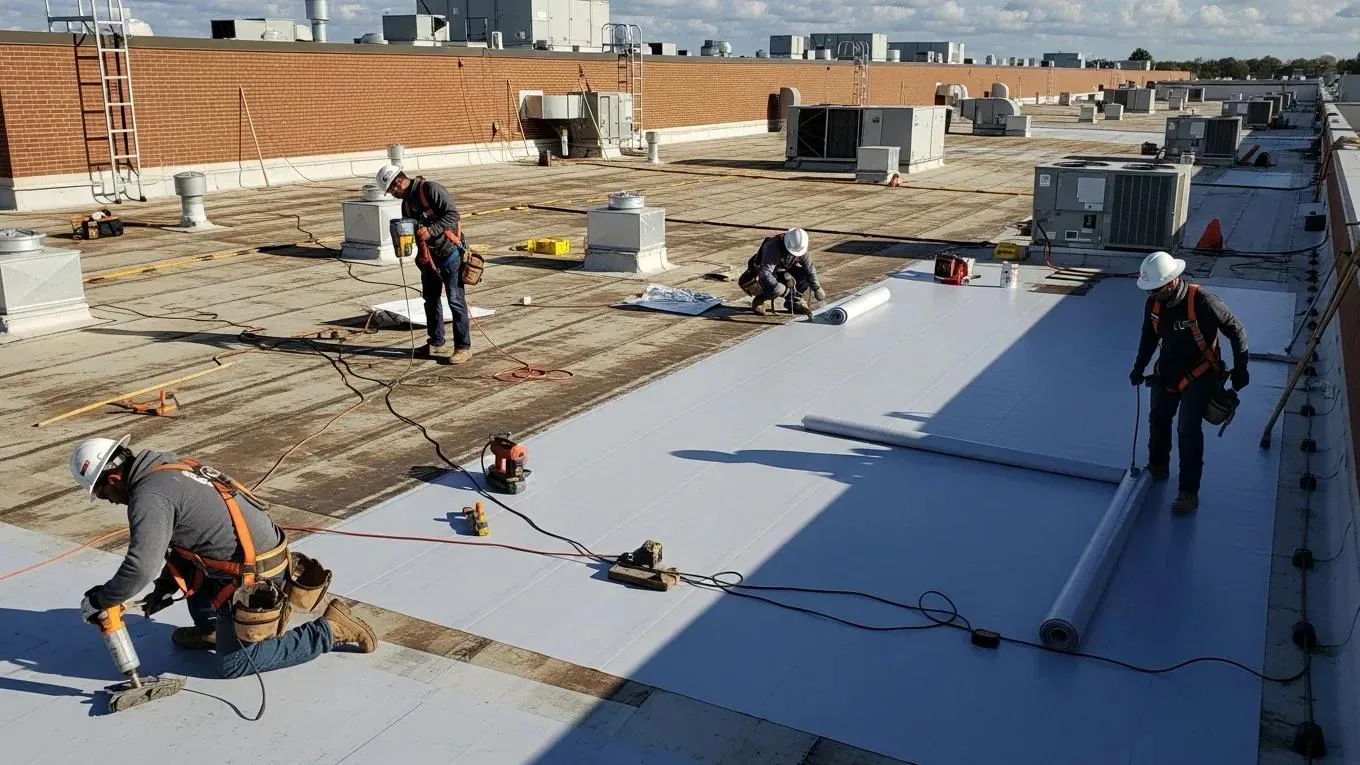
A seam repair is more than covering the line that opened. The proposal should identify cleaning, drying, removal of loose material, preparation width, compatible membrane or reinforcement, and the method used to integrate the repair with sound material. Conditions such as moisture or residue may change what preparation is safe. We explain whether the repair will be welded, adhered, or detailed with a compatible flashing material based on the assembly observed. A coating assessment is a separate decision; coating the general field does not automatically close a failed joint.
Where the split continues beneath a curb, wall, or drain detail, coordinate that transition rather than ending the repair at a convenient point. If movement or substrate damage extends beyond the seam, stop and document the extent before adding quantities. The owner should see the approved repair length and any potential concealed work as separate line items. This makes it easier to compare the scope with the work completed and to understand why the boundary changed if demolition reveals another condition.
Check the layers below when needed
Water at a seam may reach the insulation or deck before an interior sign appears. We review nearby staining, softness, prior leak calls, and whether the roof section has been opened before. If concealed moisture is suspected, a moisture survey can help define where verification may be useful. The method and its limits should be stated; a thermal pattern alone does not confirm the construction below. When a test cut is warranted, agree on location, repair responsibility, and temporary protection in advance.
If exposed insulation is wet or the deck is damaged, photograph the finding, measure the area, and secure the roof before expanding work. A roof condition report can link the original seam observation to the opened condition and repair record. Keep confirmed seam work distinct from replacement of substrate or insulation. The property owner and any claim representative can then review what was visible, what remained concealed, and how the additional scope was established.
Separate a seam failure from nearby symptoms
A stain near an open joint does not show that the seam is the only source. Water may travel from a penetration, ponded section, roof edge, or another repair before appearing indoors. Compare roof geometry with the interior location and look for active water at the seam before closing it. A flashing review can assess nearby vertical details, while a ponding assessment considers drainage in a low area. Separate findings prevent the repair record from joining unrelated symptoms into one conclusion.
If two possible entry points remain, note both and describe what evidence could distinguish them. A controlled water test may be considered when conditions and the assembly make it appropriate, but it should be planned to avoid introducing water to occupied areas. We identify the test area, sequence, observation point, and stop condition before work. If the source cannot be confirmed during the visit, the report says what remains uncertain rather than recording a definitive cause without support.
Schedule work around access and roof use
Before mobilization, confirm roof entry, fall-protection requirements, access to the affected bay, equipment clearances, and whether occupants need notice. Central Perimeter is an active employment district with four MARTA stations, and the Medical District contains healthcare campuses with operating requirements. These are broad context points; a building representative sets the specific work window and safety procedure. For a site in the Medical District, coordinate escorts and any restricted routes with facility staff before setting the crew date.
At occupied properties, identify what area will be isolated and how the roof will be secured at the end of each shift. A phased work plan can help sequence access when a repair includes multiple sections. If HVAC or electrical contractors need the same zone, agree who works first and who restores each interface. A health system facilities group may also need a clear update point before any service interruption or ceiling access. The plan should reflect confirmed site limits, not a generic promise of uninterrupted operations.
Verify the repaired seam and record the outcome
After preparation and closure, inspect the repair edges and adjacent laps for complete integration. Record the repair method, material when known, location, and photographs. Note any section that could not be checked and whether the owner should watch for a specific sign after the next rainfall. If water entry persists, compare the new observation with the repair boundary before extending the scope. A maintenance visit can revisit the seam and nearby details on an agreed interval.
Roswell Road supports retail and commercial activity through Sandy Springs, while Powers Ferry has office, shopping, and hospitality uses near I-285. The buildings may face different access needs, but no local district label tells us what material is on a roof. We confirm each assembly on site. A portfolio owner can use consistent location references to compare repairs across assets while keeping each inspection independent. The closeout record should make that distinction plain and give the next reviewer a reliable starting point.
Questions About Commercial Roof Seam Failure Repair
Can an open roof seam be repaired without a replacement?
Yes, when inspection shows the separation is localized and surrounding material can accept a compatible repair. Broader system conditions may call for a separate evaluation.
Why did a previously repaired seam open again?
Possible causes include preparation, movement, moisture, incompatible material, or a larger assembly issue. We review the prior patch and adjacent conditions before selecting a correction.
Will you inspect the insulation below the split?
We assess accessible signs and can recommend targeted verification if concealed moisture is suspected. Any test opening and restoration are defined before proceeding.
Can water travel from a seam to another part of the building?
It can move along roof layers or structural members before appearing indoors. We compare the reported location with the roof layout and document uncertainty.
What records should I provide before seam repair?
Share the roof system if known, prior patch details, leak history, plans, access rules, and any interior photographs tied to the reported area.
Request a roof seam evaluation
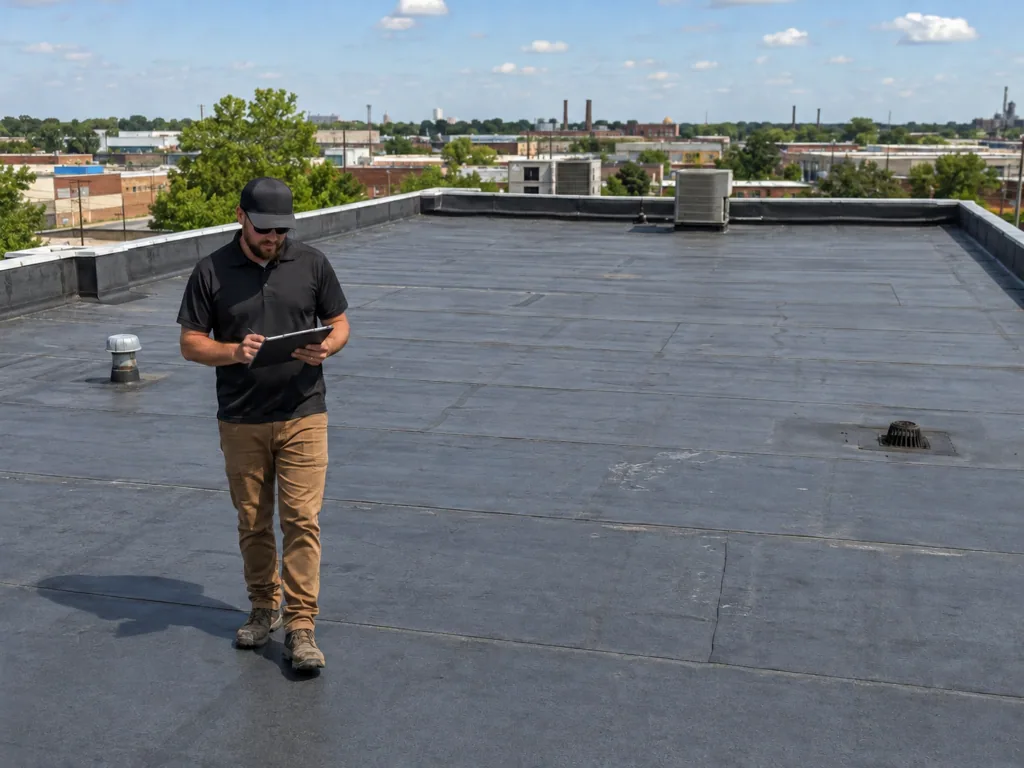
Provide the seam location, roof-system information, prior repair history, and access requirements. We will inspect the joint and define a compatible repair scope.
Call 555-555-5555 or send the building details.