Commercial Roof Infrared Moisture Survey in Sandy Springs, GA
A thermal pattern on the roof is a place to investigate, not a moisture diagnosis by itself. We plan an infrared survey to locate areas where retained heat may differ from surrounding material, then compare those patterns with roof details and test selected points. The owner needs to know what the instrument observed, what a core confirmed, and how that result changes the repair or renewal boundary. In humid Sandy Springs, moisture below the membrane can remain hidden while leaks appear well away from the affected insulation.
Survey Plan
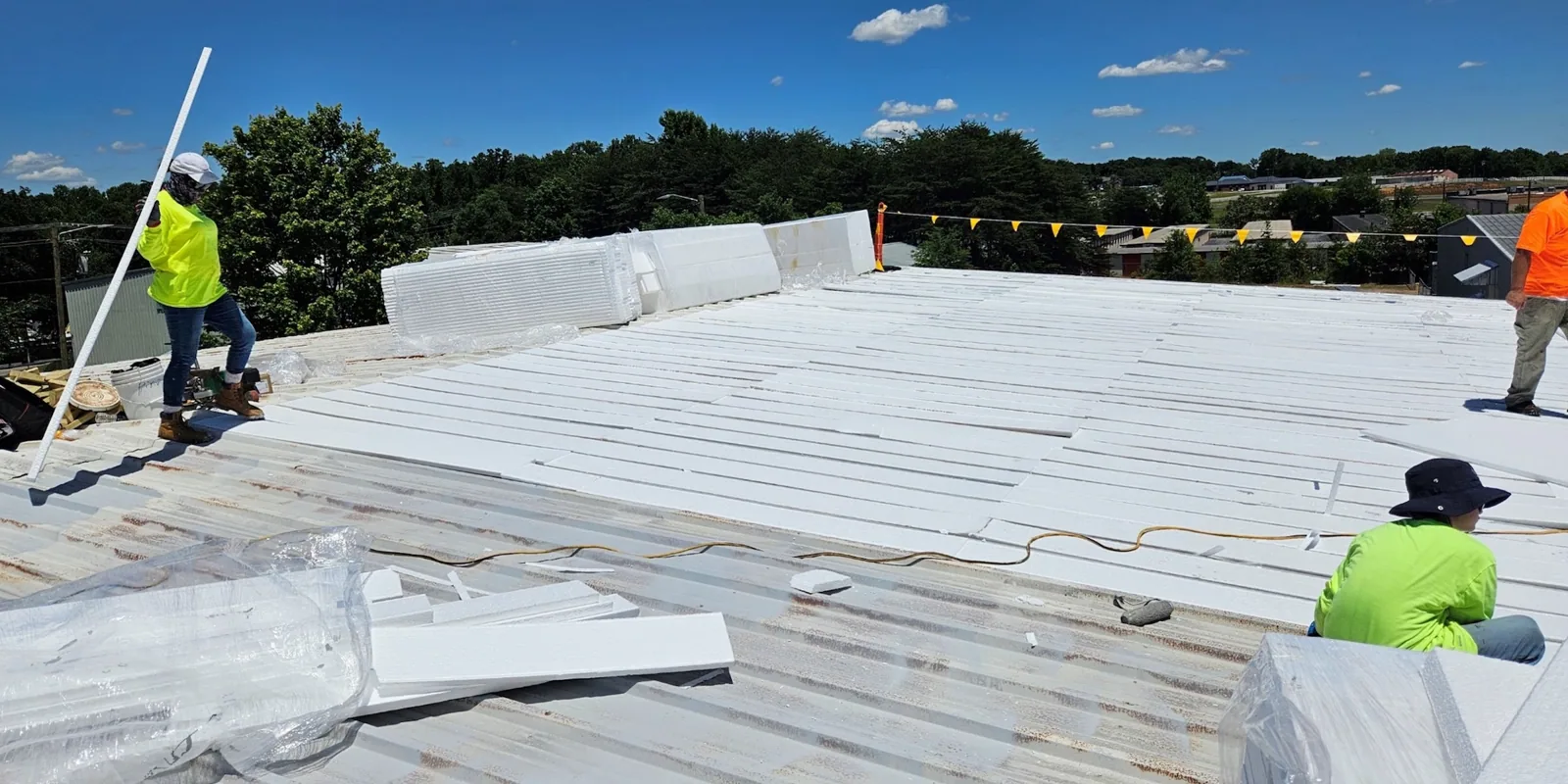
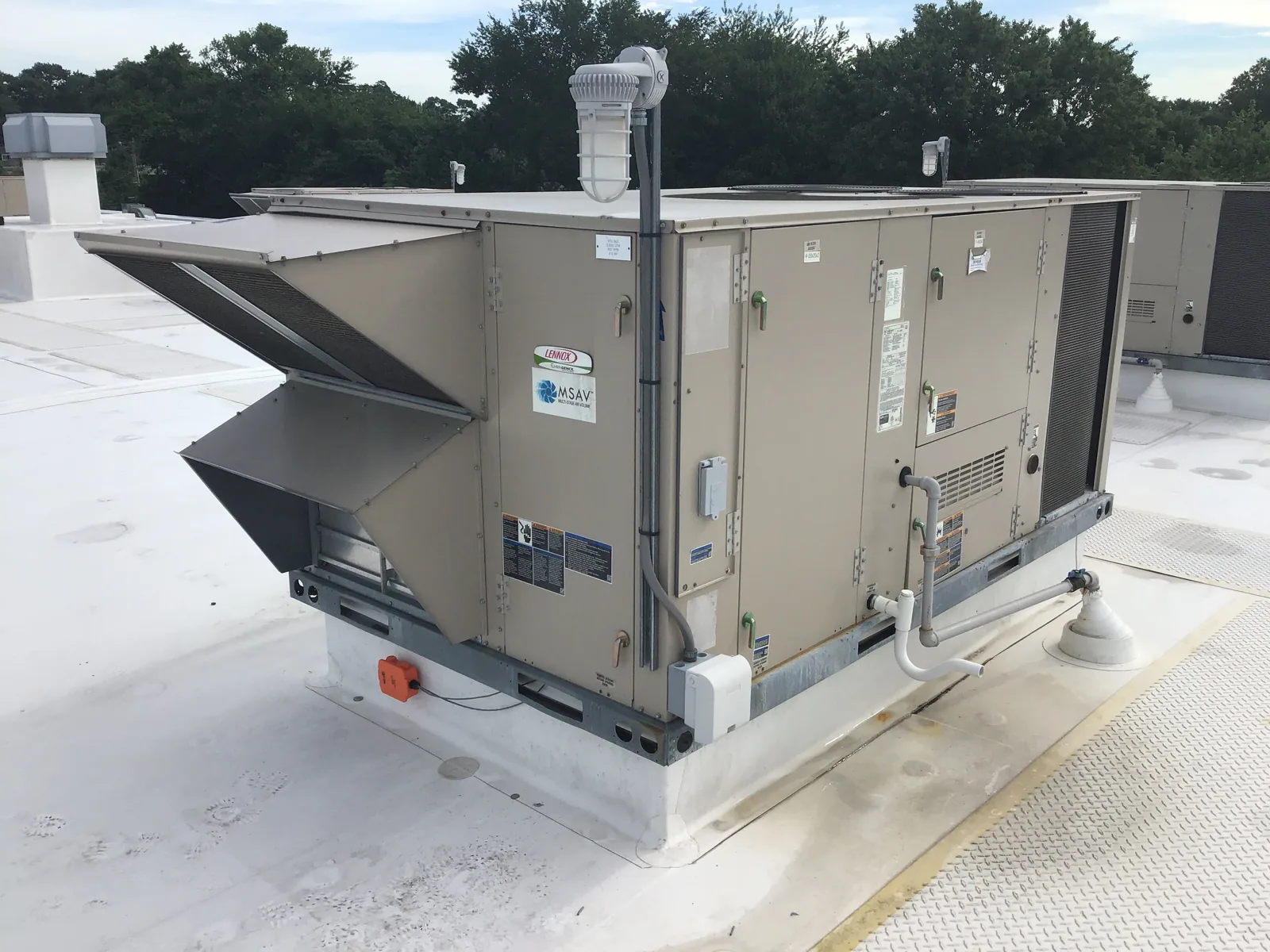
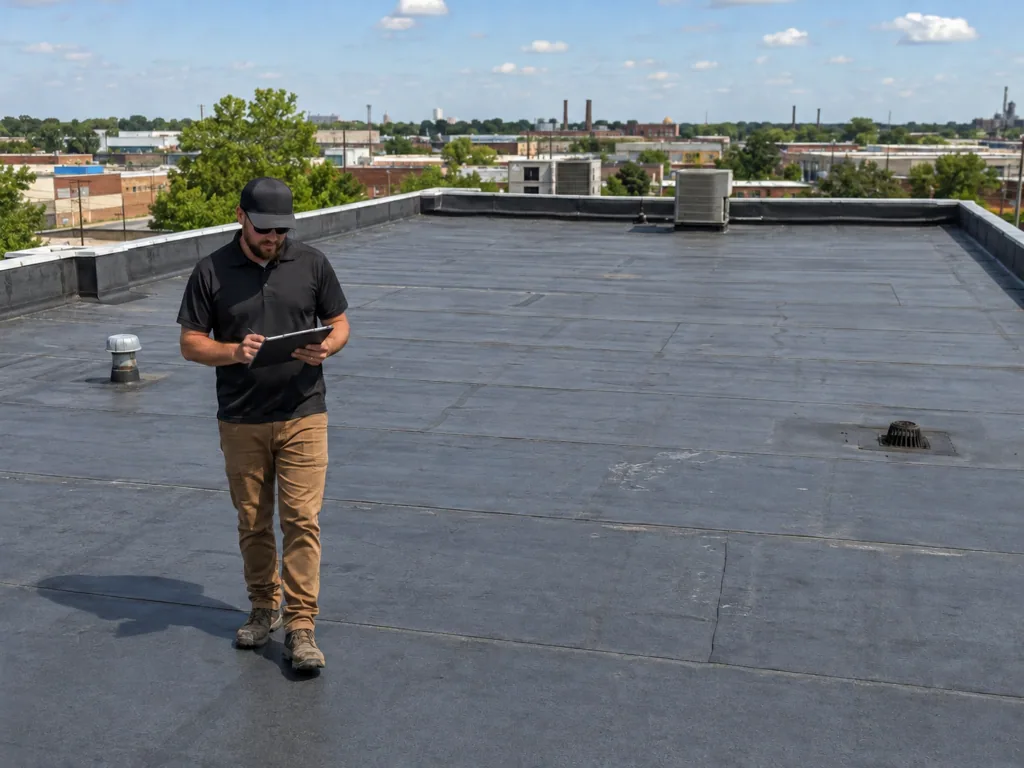
We start with the roof map, known leak locations, assembly type, repair history, and the decision the owner needs to make. Those records guide which sections should be included and how the survey will be interpreted. A flat roof is divided into labeled zones and transitions, including equipment areas, parapets, drains, and previous repairs. A roof inspection can add close-range checks of seams and flashings that a thermal image cannot evaluate.
Central Perimeter holds a large office market, with more than 123,000 workers and four MARTA rail stations serving the district. Building security and occupied hours can affect roof access and the timing of a survey. We confirm authorization, rooftop equipment constraints, interior access, and areas that cannot be reached. A Central Perimeter survey records those limits beside the coverage map so an owner does not mistake an unobserved area for a dry one.
Thermal Pattern Review
Infrared equipment records temperature differences at the surface. Moist insulation may retain heat differently than dry surrounding material after a suitable heating and cooling cycle, which can make a candidate area visible. Sun exposure, shade, ballast, membrane color, stored materials, equipment discharge, wind, and recent rain can also affect a reading. We review the conditions and timing before marking a pattern for verification. The report avoids calling a thermal contrast wet material until a test confirms what is below.
Hot July and August afternoons and recurring winter and early-spring rain make survey timing important. We account for recent precipitation, roof exposure, and the thermal conditions needed to read the surface. We record when the images were collected and the weather conditions available for interpretation. If a roof has several systems or additions, we compare patterns only within assemblies that can reasonably be evaluated together.
Near the Roswell Road North End, existing shopping centers sit along a corridor being considered for mixed-use retail, office, housing, and green space. That planning context may make phased capital work relevant to owners, but it does not identify insulation conditions. The North End roof survey marks candidate areas and operating constraints at each actual property.
Core and Field Verification
A core cut or another controlled opening shows the roof layers at one point. We select test locations from thermal patterns, leak reports, visible defects, and the assembly map. The opening can identify membrane, cover board, insulation, and deck condition at that location. If a sample is dry, the result applies there; if it is wet, nearby limits still require evaluation before removal quantities are extended. The owner approves test locations and restoration details before the membrane is opened.
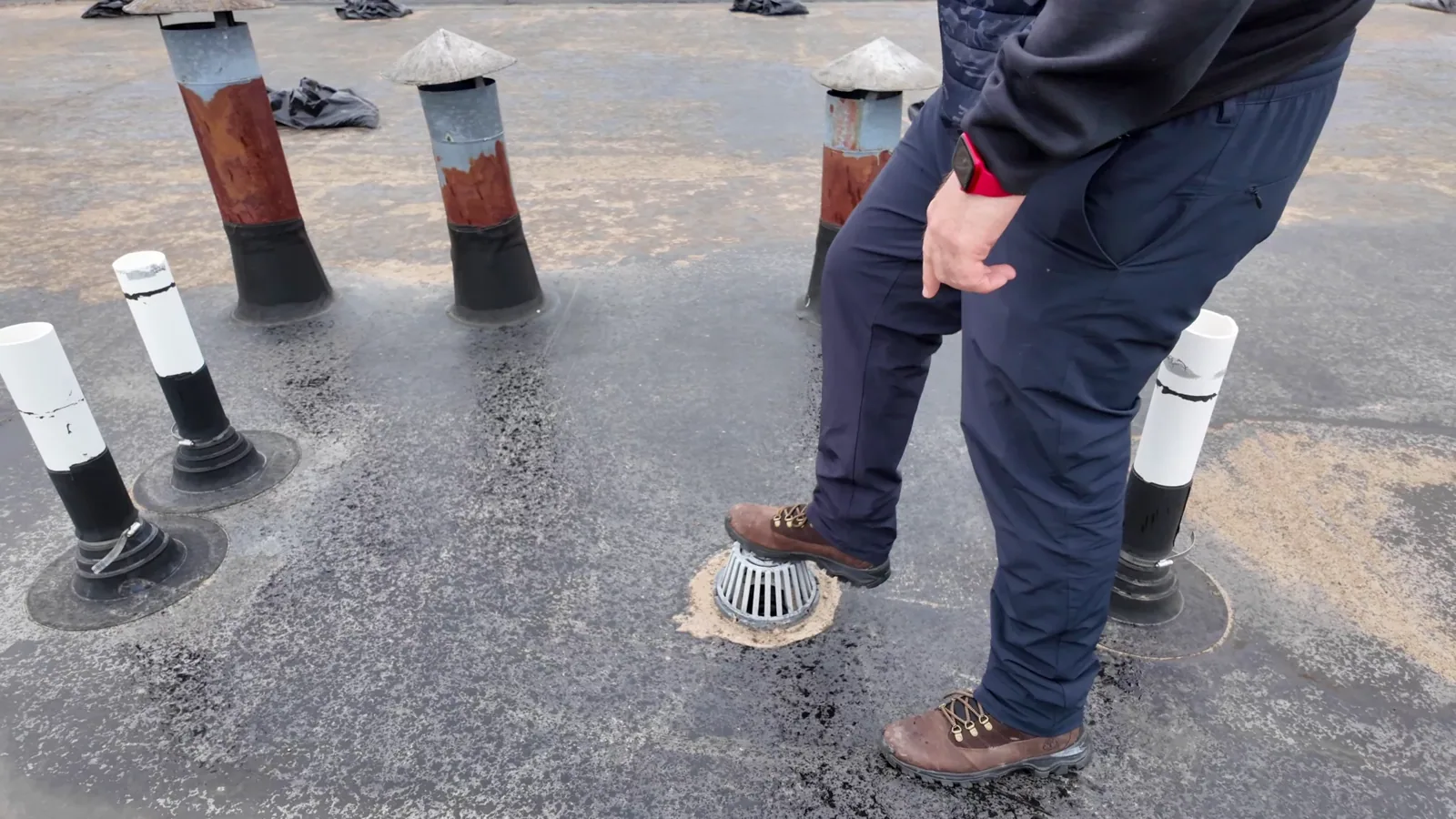
When a survey indicates several possible wet areas, we group them by roof section and decide whether each merits a test. This avoids carrying an unconfirmed thermal outline into a large replacement quantity. A condition report can connect images, core locations, photos, and findings in one map. If testing confirms moisture near a drain, a drain inspection checks the outlet and membrane termination for a related water path.
Medical properties in Sandy Springs' Medical District may need survey work scheduled around clinical activity and roof-access controls. The facilities contact identifies sensitive areas and any interior restrictions. A Medical District roof assessment includes only the access and test points authorized for that building; findings stay attached to the locations that were actually inspected.
Repair Boundary
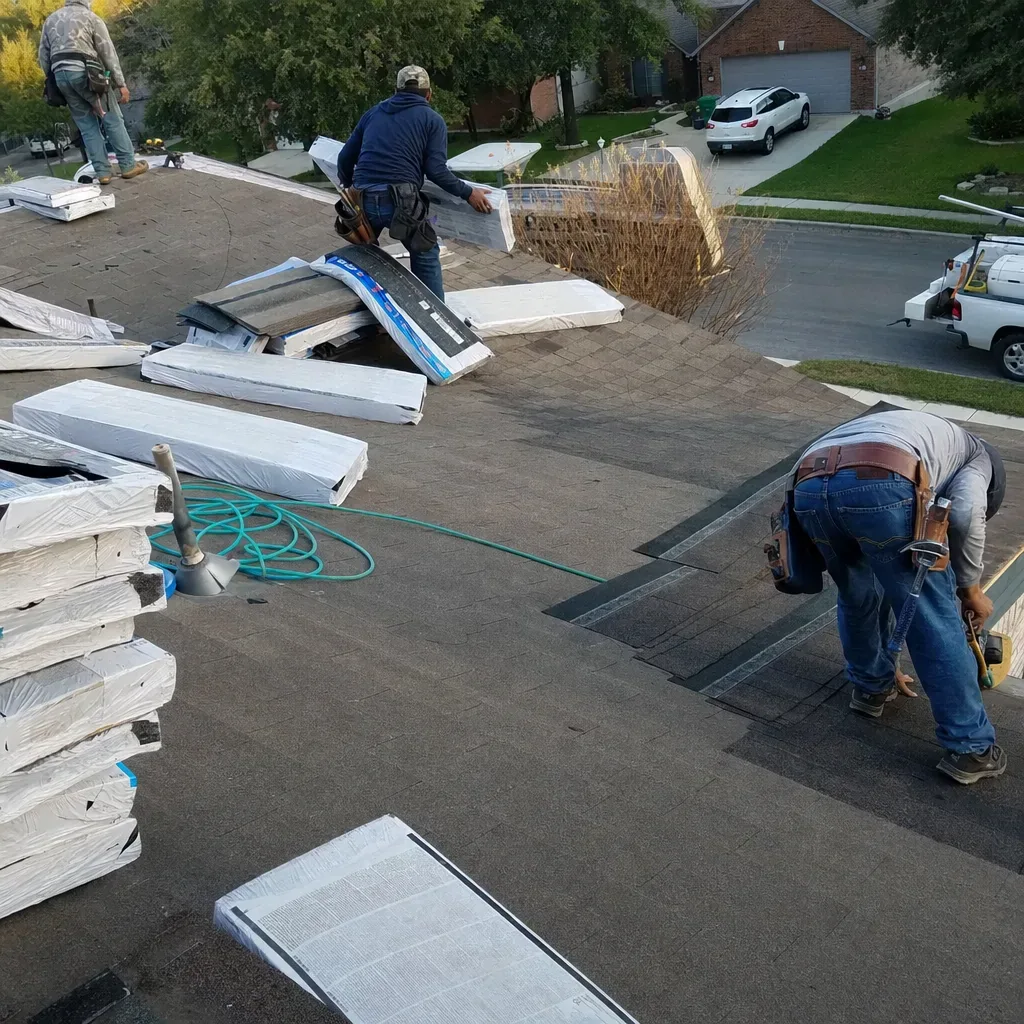
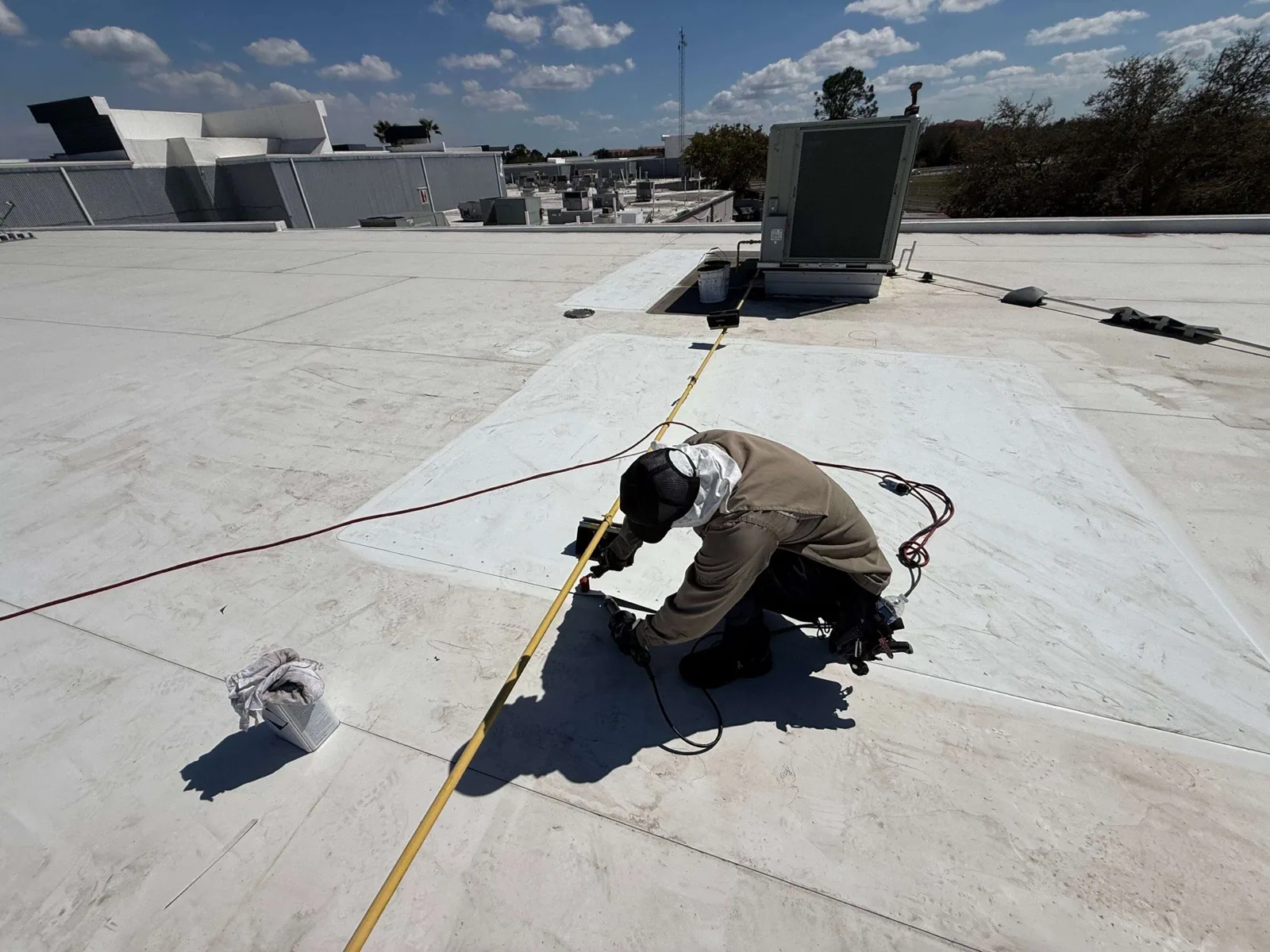
The survey is complete when the owner can decide what to test, repair, monitor, or include in a capital scope. We outline confirmed wet material separately from candidate patterns and visible surface defects. If test cuts show moisture beneath a seam, removal may need to extend until dry, stable insulation is reached. If the thermal signal does not verify, we state what other evidence is available and whether further access would change the recommendation.
Hot summers and recurring thunderstorms can expose weak seams or edges. We distinguish those surface openings from subsurface moisture, because each calls for a different repair. We distinguish those surface openings from subsurface moisture, because each calls for a different repair. A ponding-water review checks drainage and low areas, while a seam repair assessment tests the membrane tie-in. A survey can guide those visits but does not replace their field checks.
The cost of follow-up depends on roof access, number of test locations, assembly complexity, interior protection, and restoration after openings. If the findings span several sections, a capital planning review can compare near-term repair with a broader renewal window. We keep the survey boundary and the proposed construction boundary distinct until the owner approves the scope.
Survey Record
The deliverable includes the roof-zone map, image date, candidate patterns, test locations, material and moisture findings, limitations, and recommended next actions. We pair each confirmed result with a photograph and identify any area that could not be surveyed. The report does not treat a thermal image as a core result or extend one sample to a whole building. An asset manager can use the record to prioritize inspection and keep deferred exposure visible for the next budget cycle.
Share the existing roof plan, prior leaks, repair history, assembly records, decision deadline, and access requirements. We will recommend a survey boundary and verification method that answer the owner's question. For a property near City Springs, we coordinate access around the building's actual use and return a documented set of findings. The next step may be localized repair, selective replacement of wet material, or monitoring where tests do not support a broader claim.
If a survey is part of a transaction or portfolio review, keep the intended decision clear. A buyer may need to understand exposure before acquisition; a facility manager may need to decide whether to open a roof section this season. We tailor the test map to that decision and list information still needed from the seller, property contact, or maintenance file. The resulting scope should show confirmed conditions, unresolved questions, and the approval needed before repairs begin.
Questions About Commercial Roof Infrared Moisture Survey
What can infrared readings establish before we open a Sandy Springs roof?
No. It reveals surface temperature patterns that may justify testing. Sun, shade, ballast, equipment, recent rain, and roof materials can also create contrasts. We test selected areas with a core or another suitable method before using moisture readings to set the repair boundary.
When should a roof infrared survey be performed?
Survey conditions need a suitable thermal cycle and a roof surface that can be interpreted. Recent rain, cloud cover, wind, and materials can affect the readings. We review the forecast and assembly before scheduling and record the conditions at the time of collection.
How many core cuts are needed?
The count follows the roof map, thermal patterns, leak history, and the decision at hand. We select points that can confirm or narrow candidate areas, then restore each opening using an agreed detail. One sample does not establish the condition of every roof section.
Can infrared testing help price a replacement?
It can guide test locations and indicate where further inspection may be worthwhile. Confirmed material findings, measured roof sections, attachment, drainage, and edge details still inform the replacement quantity. The estimate should distinguish verified removal from areas that need approval after opening.
What should be included in a moisture survey report?
Include the coverage map, collection date, weather and surface conditions, thermal patterns, test locations, confirmed layers, limitations, photographs, and actions by roof zone. We separate candidate areas from verified findings so the owner can compare them accurately with repair and capital options.


Map Moisture Exposure
Send the roof plan, leak history, system records, access restrictions, and the decision deadline. We will define survey coverage, test locations, and how each result affects the repair boundary.
Call 555-555-5555 or send the building details.