Commercial Roofing in Alpharetta, GA
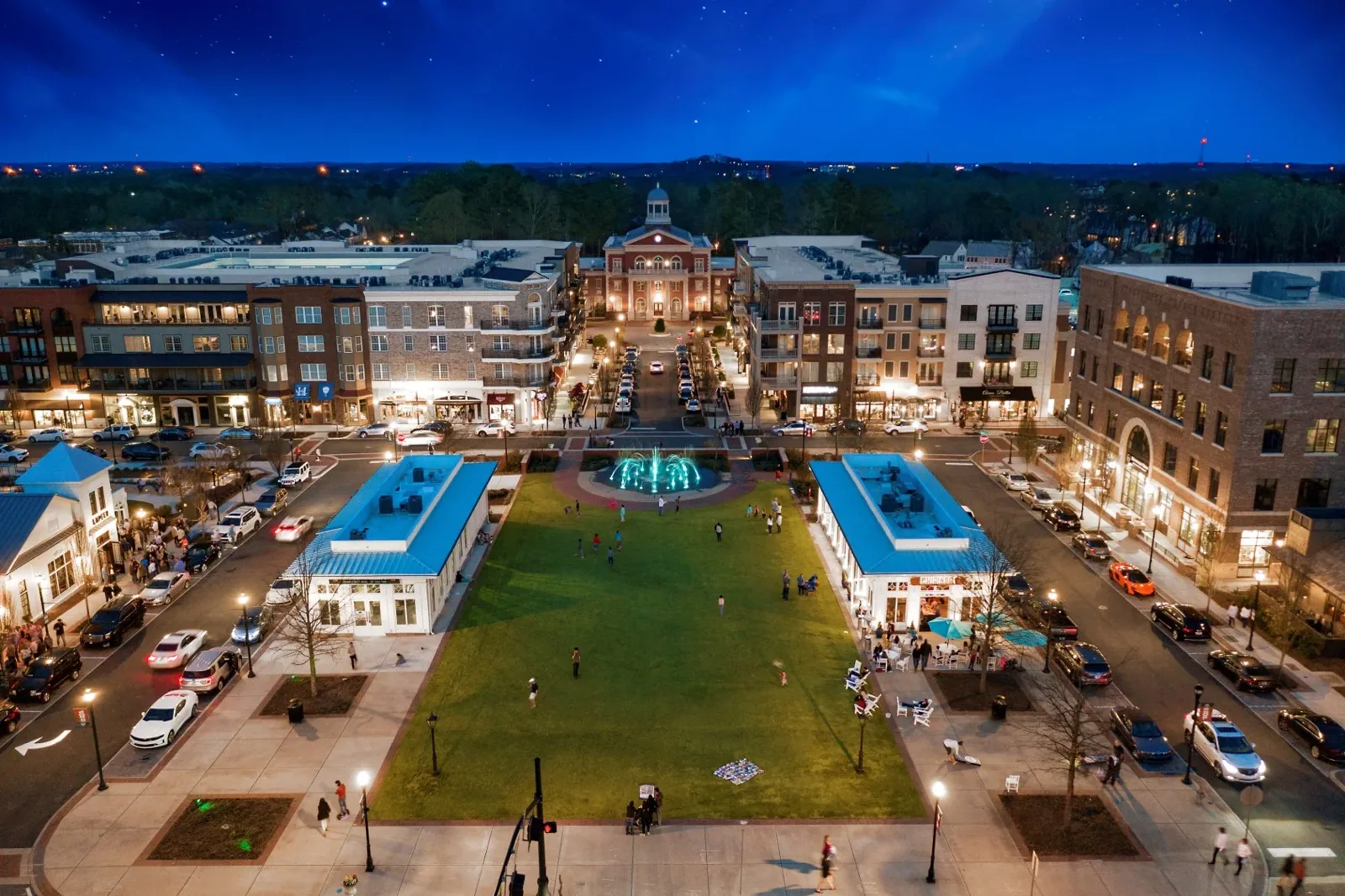
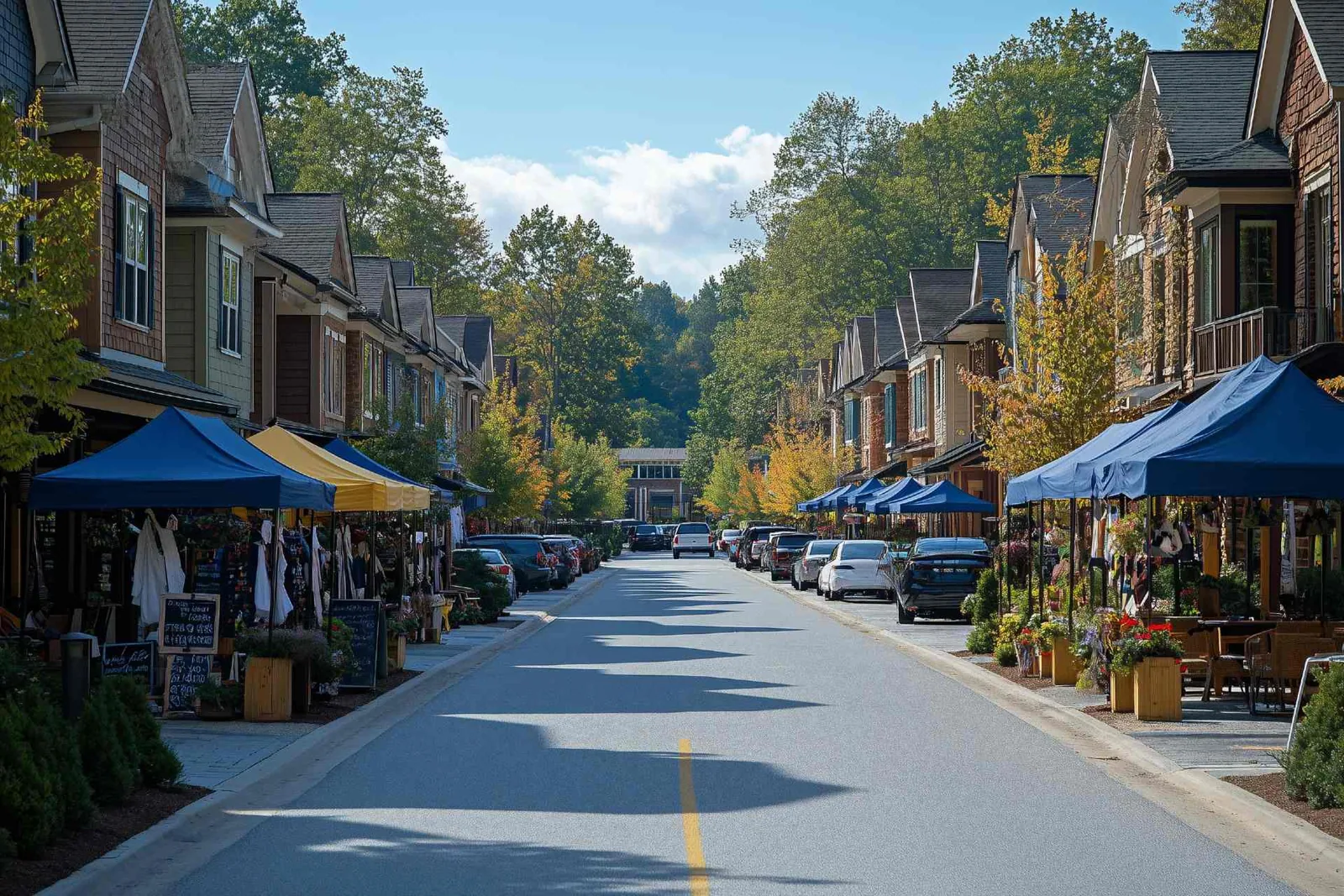
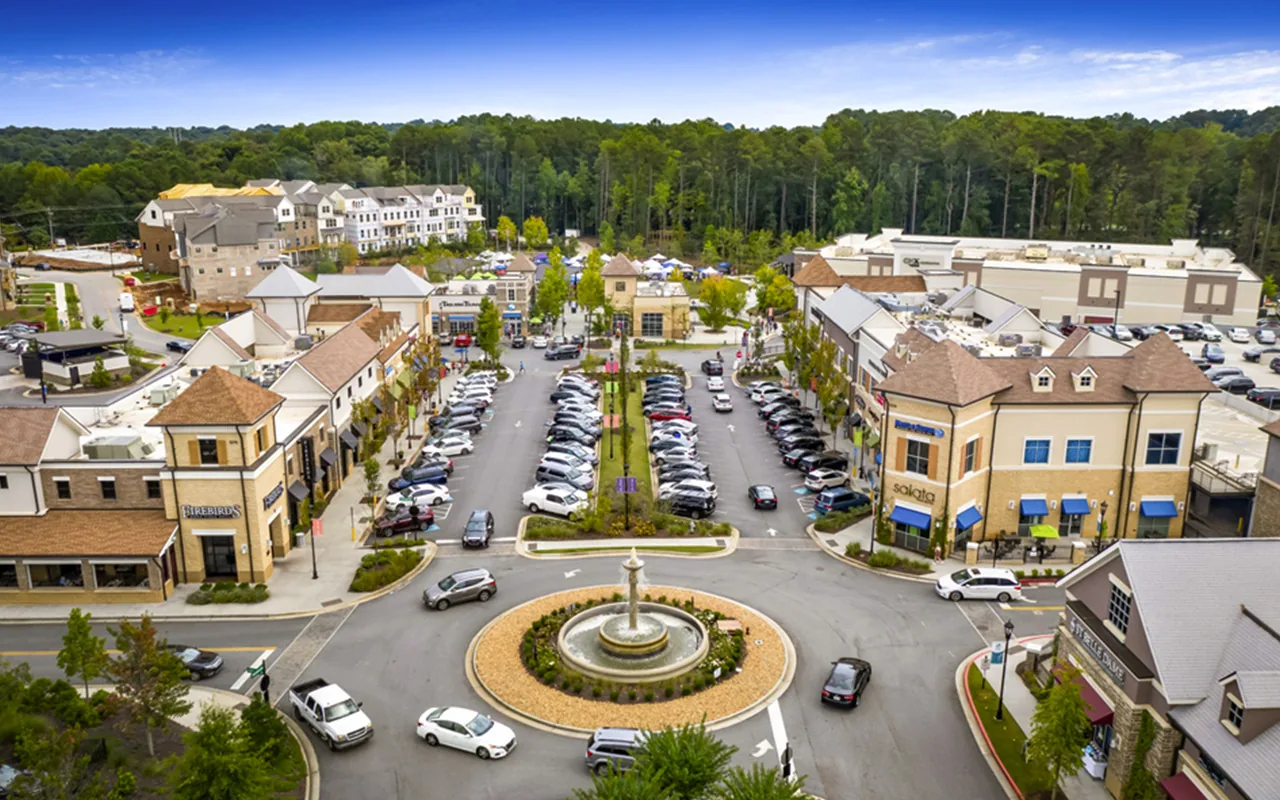
Alpharetta brings together offices, retail, restaurants, and entertainment destinations. Downtown Alpharetta, Avalon, and North Point Mall define distinct activity centers, and North Point is one of the city’s primary regional activity centers. These settings shape access planning; the building’s roof records and inspection determine repair, maintenance, or renewal priorities.
Keep the roofing sequence compatible with operations
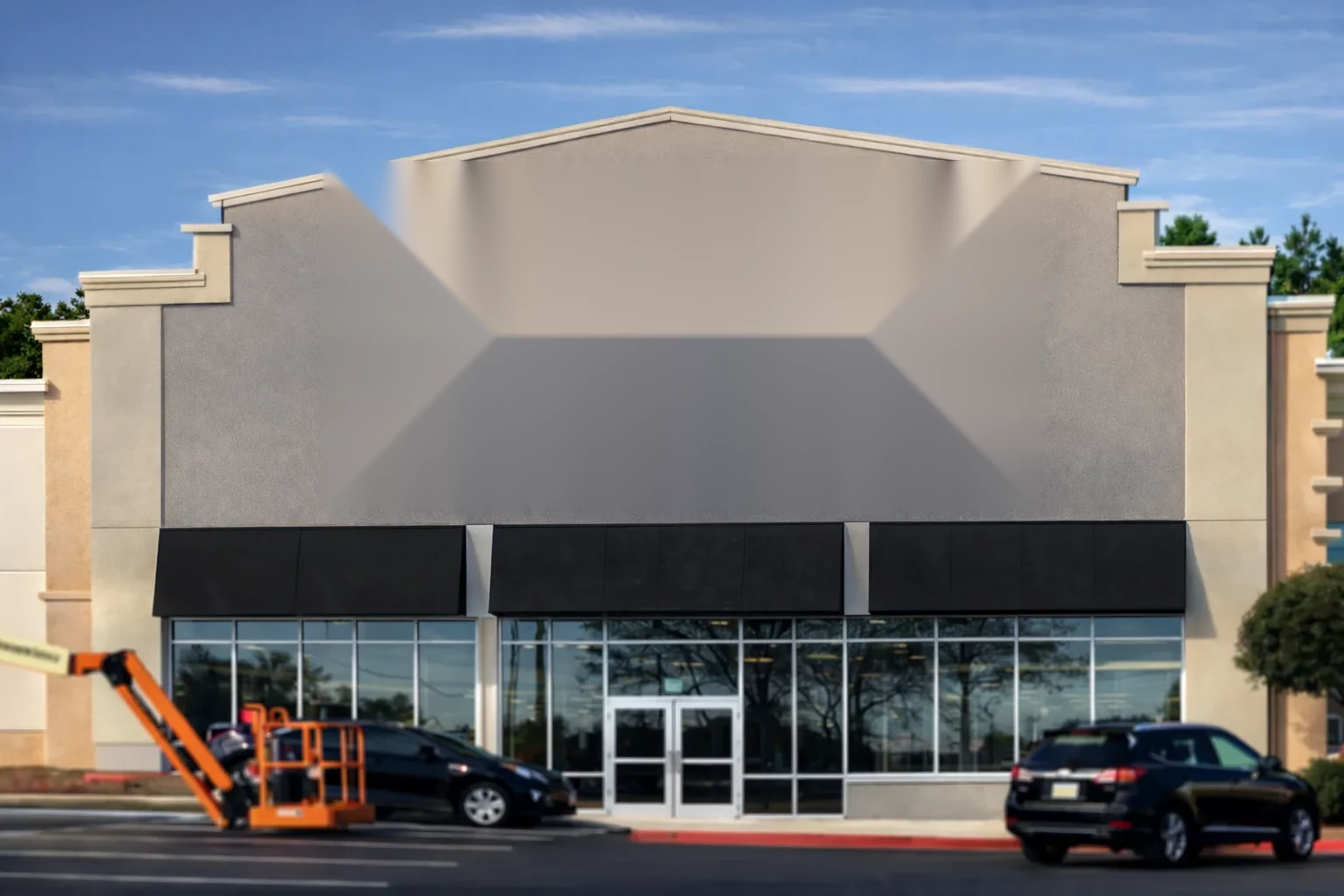
Before mobilizing, confirm how the crew reaches the roof, what staging is allowed, who can approve an interruption, and when work may affect customers or tenants. An activity center may have changing schedules across offices, retail, and public-facing uses. We do not assume one property’s rules apply to another. The work plan identifies roof zones, access equipment, deliveries, pedestrian protection, equipment dependencies, and how the crew will secure the roof at the end of a shift.
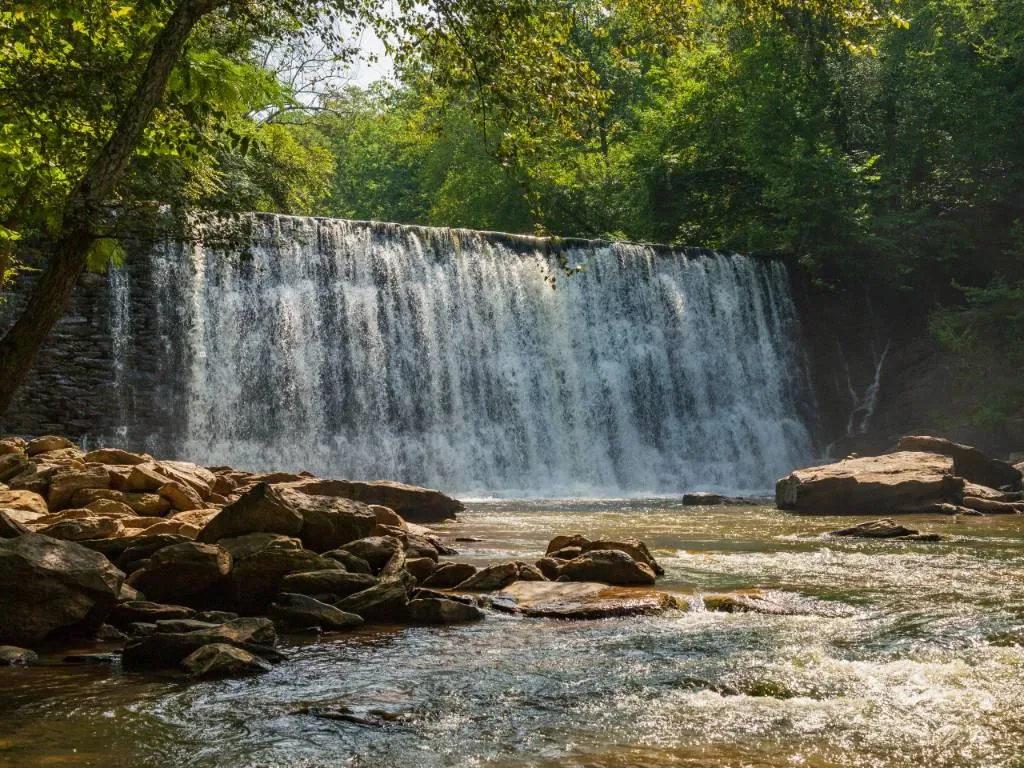
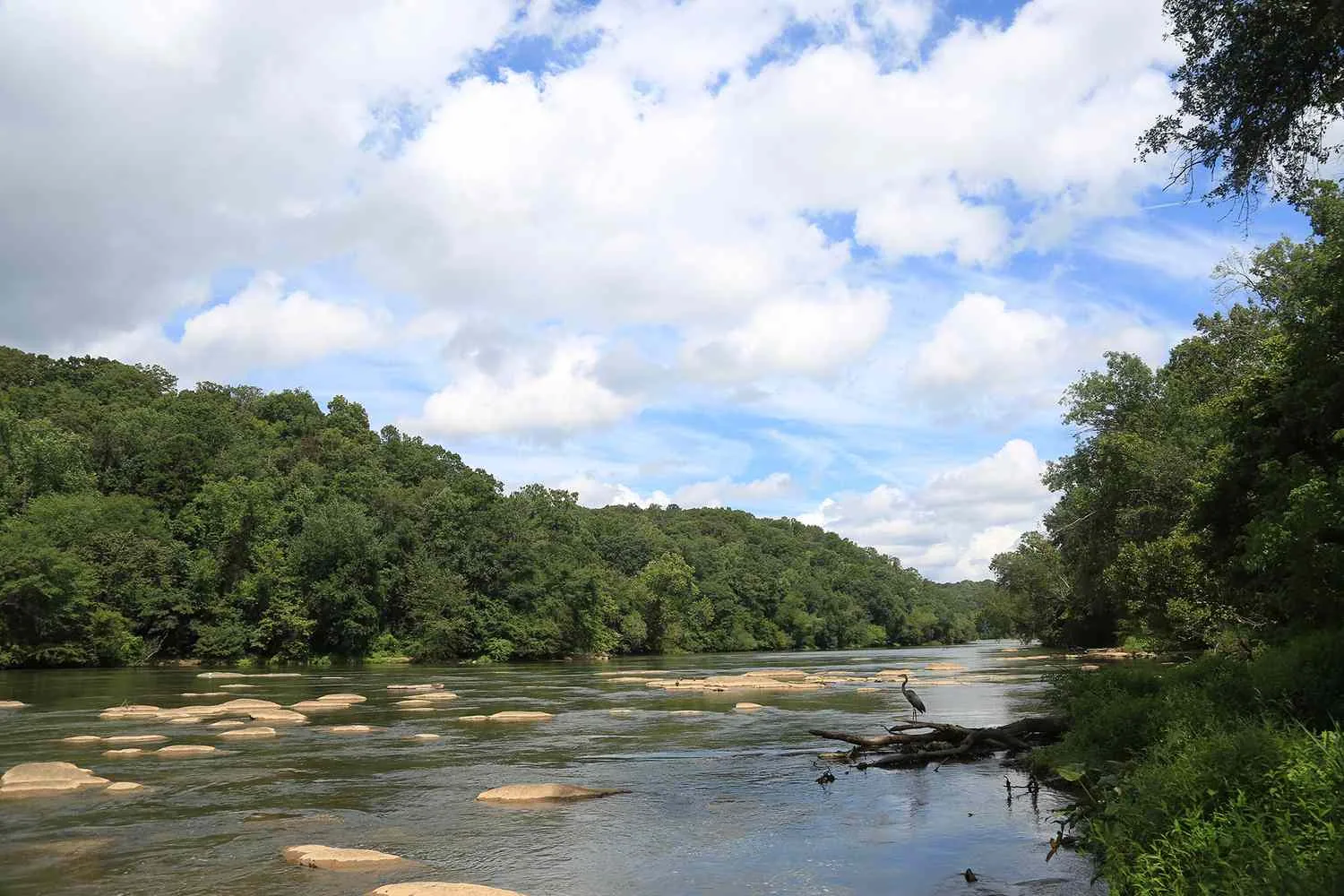
The Big Creek Greenway runs parallel to North Point Parkway between Windward Parkway and Mansell Road, alongside a major north-south commercial corridor. A project near the trail should account for pedestrian routes and delivery timing in its staging plan. Dunwoody and Peachtree Corners have different commercial settings, and each property needs its own access plan. Each Alpharetta project still requires direct confirmation of access and operating constraints with its property contact.
Set expectations for noise, loading, hoisting, and any route that needs to remain open. If the roof contains operating equipment, identify what must stay online and who can authorize a shutdown. We plan the work in sections with a defined protection detail and a closeout check. That helps an owner see whether the requested schedule is workable before materials and labor are committed.
Establish condition, area, and open questions
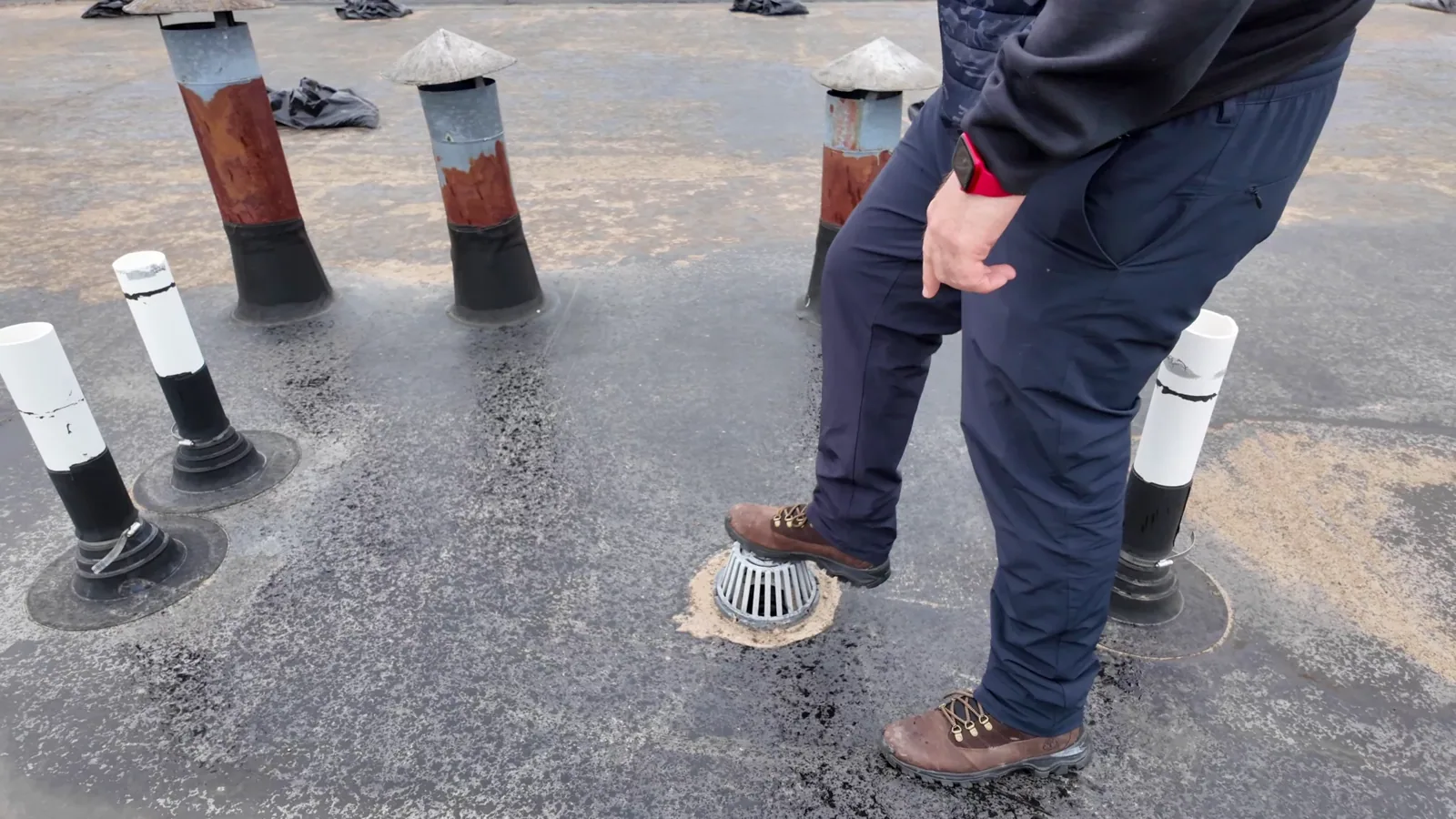
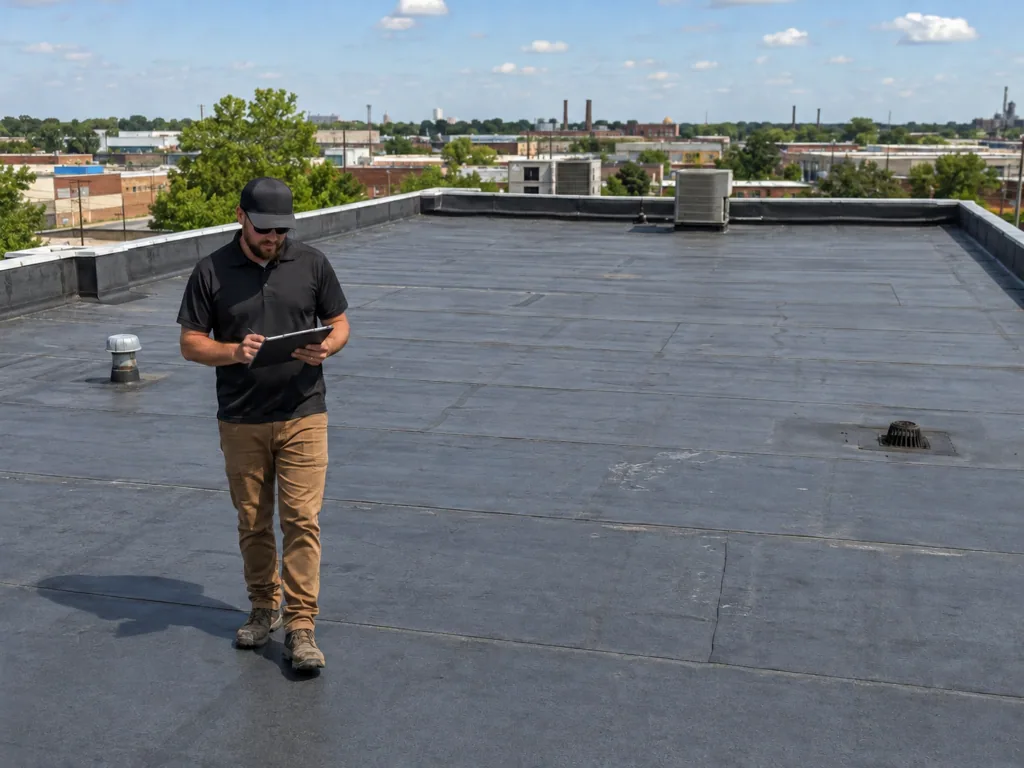
The inspection starts by identifying the roof surfaces and transitions that can be seen or verified. We check seams, flashing, penetrations, curbs, drains, scuppers, edge metal, parapets, and visible repairs. We connect a reported interior leak to a roof-zone map while keeping the symptom distinct from the confirmed entry point. The report lists photos, measurements, access limits, and suspected moisture separately. If testing or an opening is needed, state that before treating a preliminary observation as a final condition.
Alpharetta’s hot, humid summers bring high roof temperatures and afternoon showers. Those conditions shape safe work windows and how much roof can be opened at once. We plan how to dry in an exposed area and protect materials if conditions change. The day’s forecast and roof surface govern the installation decision.
Rain is frequent in the first quarter. The inspection gives drainage early attention. We check outlet openings, strainers, overflow routes, low areas, and surrounding membrane, then record whether water was present during the visit. A drainage and scupper check can clarify whether cleaning, testing, or further evaluation belongs in the scope. A commercial inspection records the findings and what could not be confirmed.
Correct the condition without overstating the result
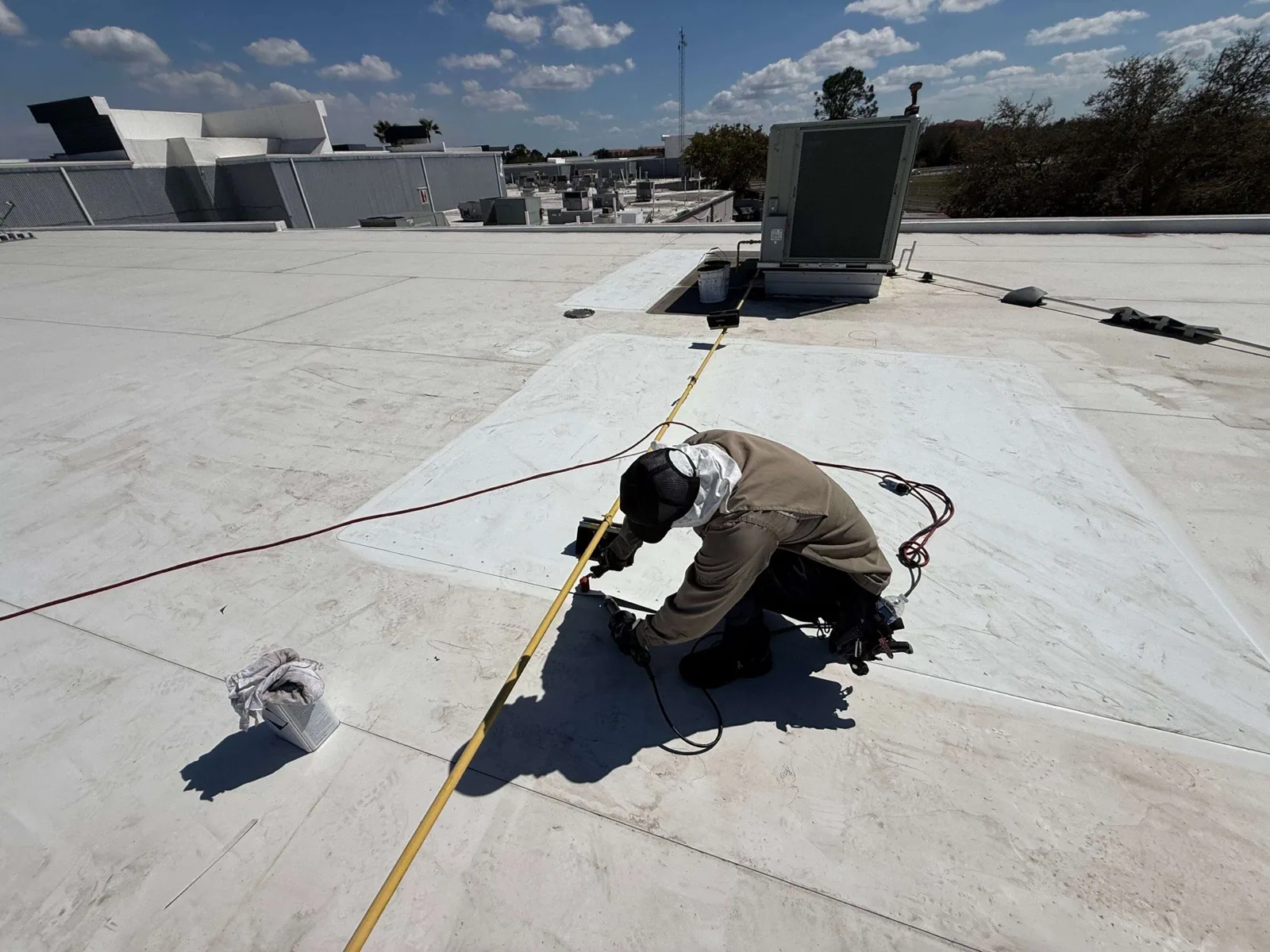
When a defect is localized and the adjacent material is sound, a targeted repair may be appropriate. We identify its preparation, materials, roof zone, and exclusions. If leaks repeat or several details show similar deterioration, widen the investigation before pricing another patch. A commercial repair scope should define what it corrects and which conditions remain under review.
After a reported storm, document visible evidence such as an open seam, puncture, separated flashing, or displaced edge detail. Following a reported storm, we inspect accessible areas and date the observations before recommending repair. If work is temporary, state the material and location, then add a return trigger for permanent repair or monitoring.
Activity-center operations can add coordination requirements. A project near retail or entertainment uses may need protected entrances, controlled deliveries, or a quieter work window. We confirm the actual site rules rather than assume from the center’s label. If a repair depends on a unit shutdown or restricted access, show that dependency and who approves it before work begins.
Select a renewal path only after checking the assembly
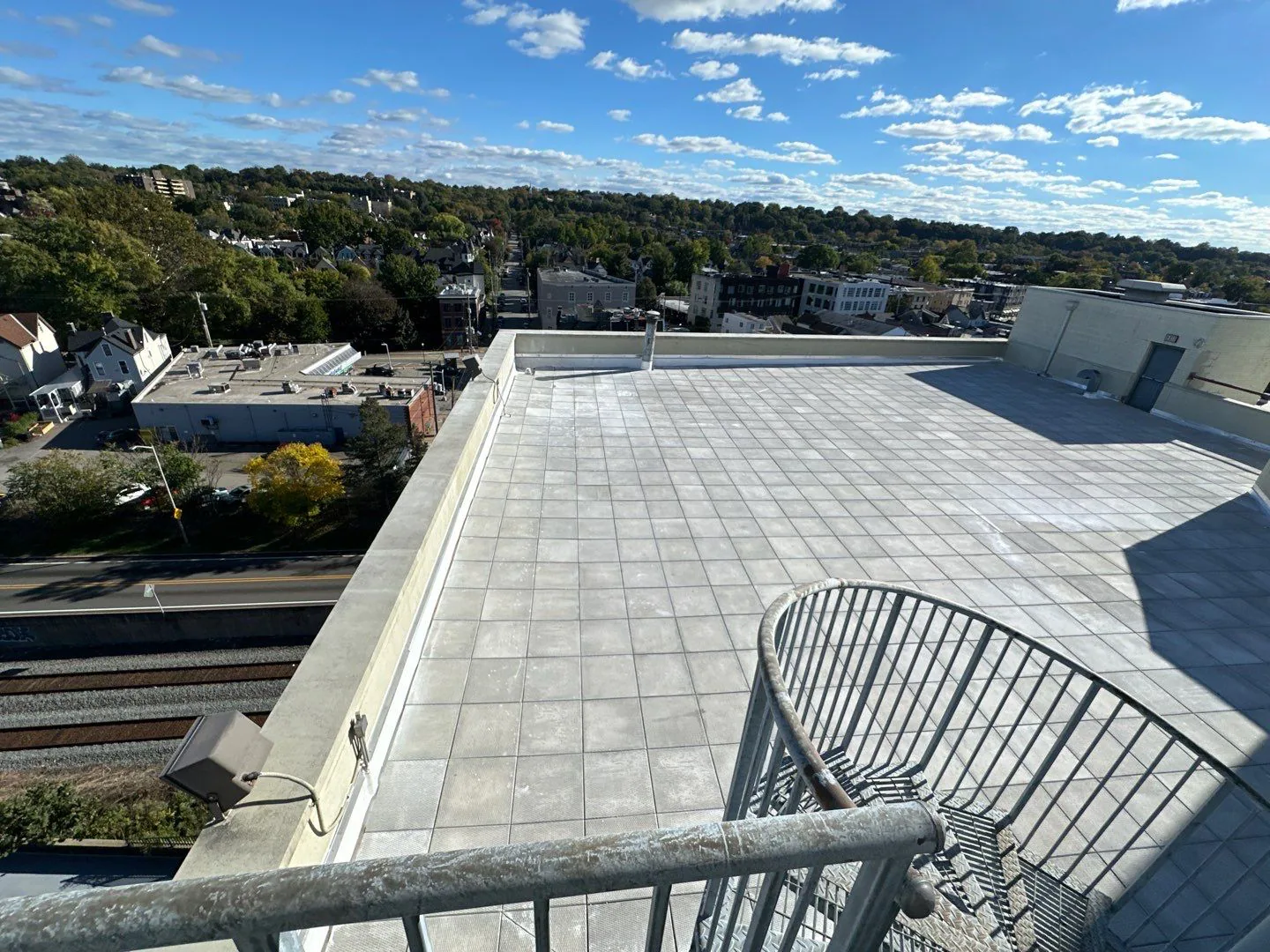
A recover may reduce demolition, but it is appropriate only when existing layers, attachment, moisture, deck, drainage height, and code requirements support another system. Replacement removes the current roof and may expose hidden damage, with added staging and disposal. We compare the alternatives using a consistent measured area and list assumptions that could alter quantity, schedule, or price. A recover feasibility review can identify which tests should precede a decision.
Georgia State Construction Codes govern applicable roof work, and the local authority confirms adopted provisions and amendments. Insulation, fire classification, edge securement, penetrations, and rooftop curbs can affect the assembly and its details. We separate field observations from code or design questions. We establish roof construction, age, and condition from property records and field inspection.
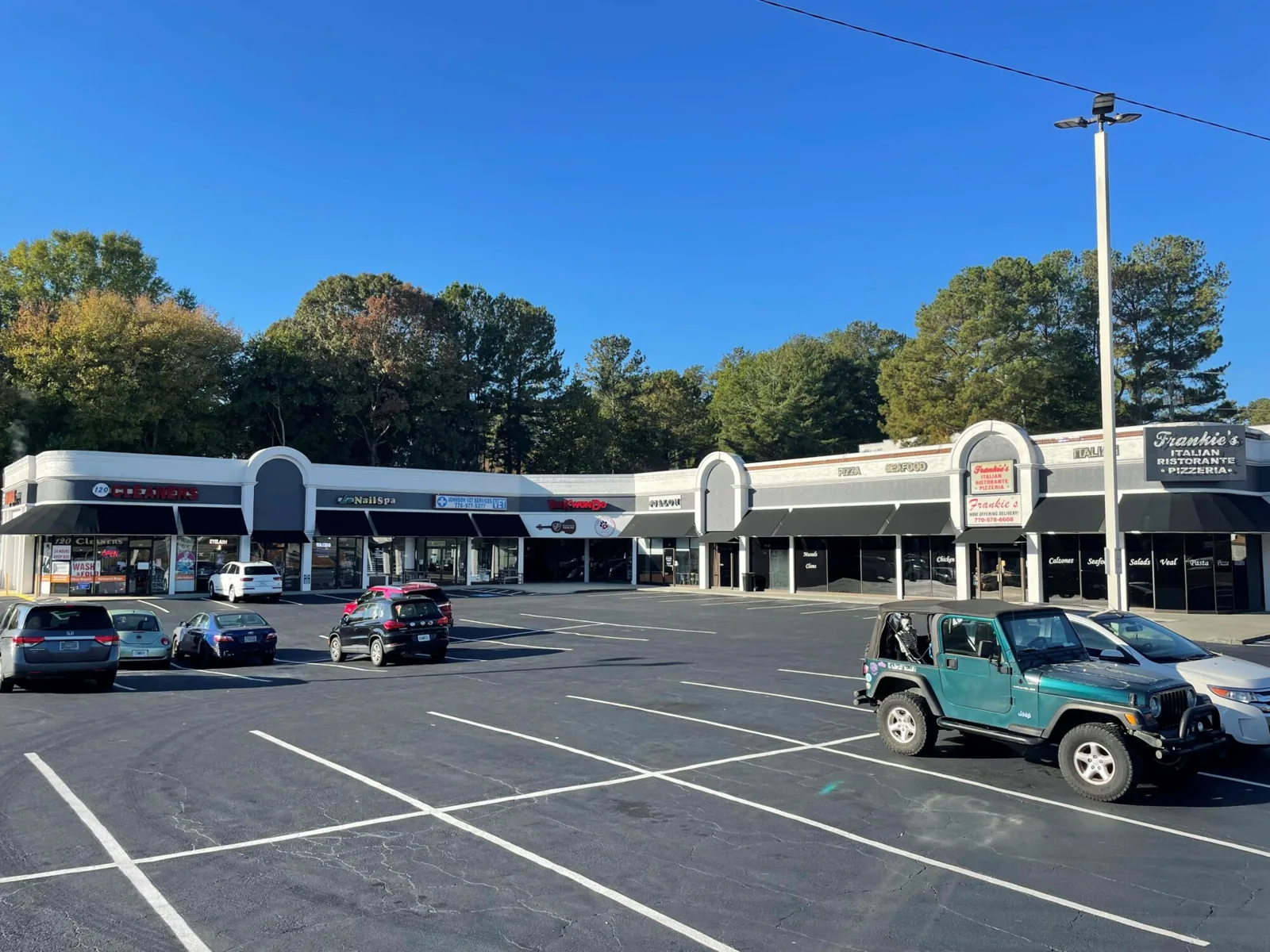
For a property with several additions, identify each roof area and transition. A TPO roof system requires seam and flashing details specific to that membrane; other areas may not share its materials. We verify system identity from records, test results, and field indicators. The estimate should state any unresolved assumption and how confirmation may change the recommendation.
Make the findings easy to budget and maintain
Labor and duration respond to access, staging, operating hours, tear-off, wet insulation, deck repairs, edge work, equipment, and drainage corrections. We identify those drivers by roof section. A capital plan can sequence actions according to documented condition, operating effect, consequence of delay, and budget timing. Use condition, service impact, and operating constraints to order portfolio work, while keeping each property’s roof evidence separate.
Keep a roof-zone map, dated photos, system identification, moisture results, drain observations, completed repairs, and open questions in one record. A condition report helps staff compare future visits and see which recommendations remain unresolved. Include inaccessible areas, temporary work, and the next review date. If tenants, equipment, or access rules change, update the operating notes for the next project.
For an assessment, provide available plans, leak history, repair records, warranty information, access instructions, and expected budget window. We inspect the building and return prioritized options with quantities, scope limits, and any test or approval needed before construction. That allows ownership to compare an immediate repair with renewal using the same evidence. The recommendations apply to the property inspected, not automatically to other sites within an Alpharetta activity center. For buildings around Downtown, Avalon, or North Point, list each delivery window, loading route, tenant notice, and weather-dependent closure point so one site’s schedule does not become a default for another property.
Questions About Alpharetta
Do Alpharetta’s activity centers identify a property’s roof system?
No. Activity centers describe the area’s mix of offices, retail, restaurants, and entertainment. We identify the roof assembly from property records and field evidence before specifying repair or renewal.
How does the North Point Greenway affect roof work?
The trail runs alongside North Point Parkway between Windward Parkway and Mansell Road. For a nearby project, we confirm pedestrian routes, delivery timing, staging, and property-specific access with the manager.
Can you plan work around retail and entertainment hours?
Yes. We confirm actual operating hours, deliveries, access routes, and equipment needs, then divide work into roof zones with clear protection and stopping points.
What should I compare before choosing a recover?
Compare existing layers, attachment, moisture, deck, drainage height, code constraints, and measured quantities. We identify testing that could change the recommendation before you commit.
What goes into a useful closeout report?
Include photos, roof-zone locations, assembly identification, repair limits, moisture and drainage observations, inaccessible areas, and dated follow-up items.
Plan an Alpharetta commercial roof inspection
Send roof plans, repair history, access rules, and budget timing. We will document conditions and return clear repair and renewal priorities.
Call 555-555-5555 or send the building details.