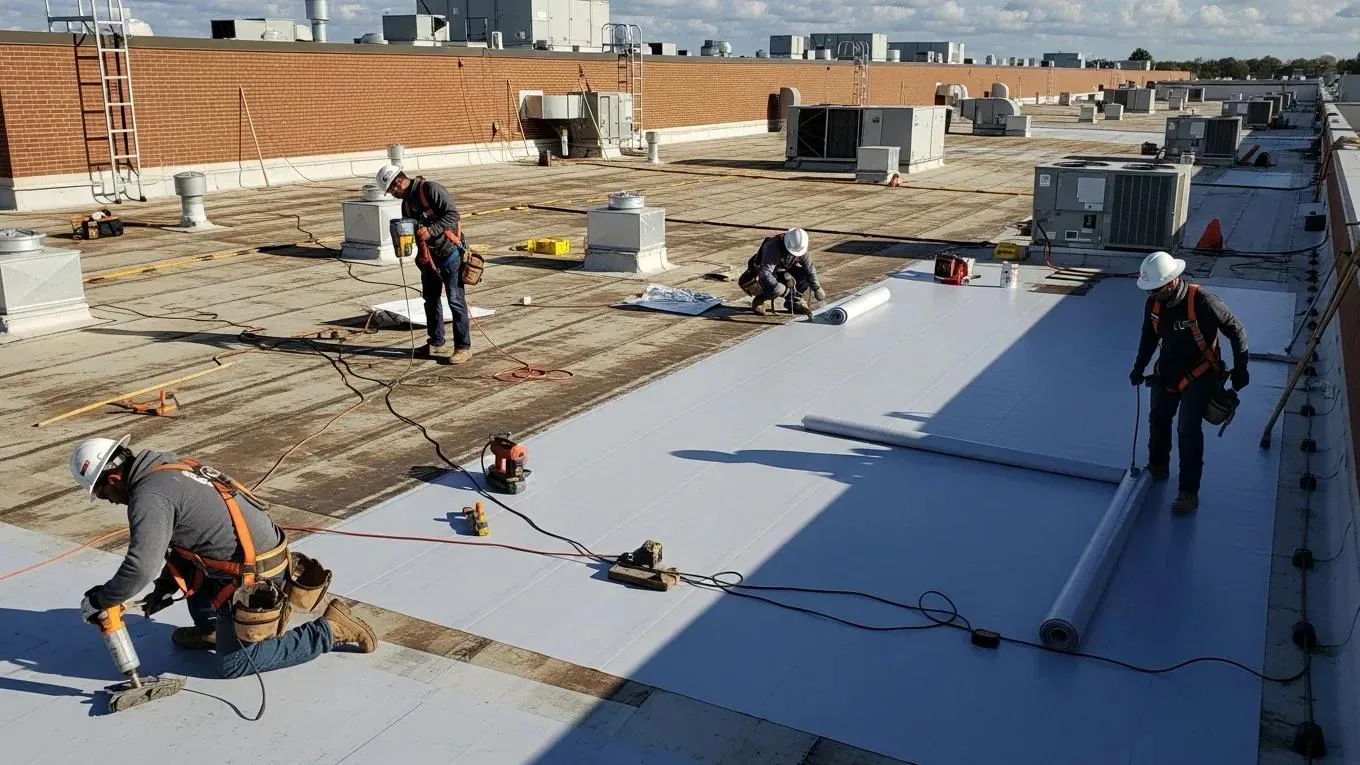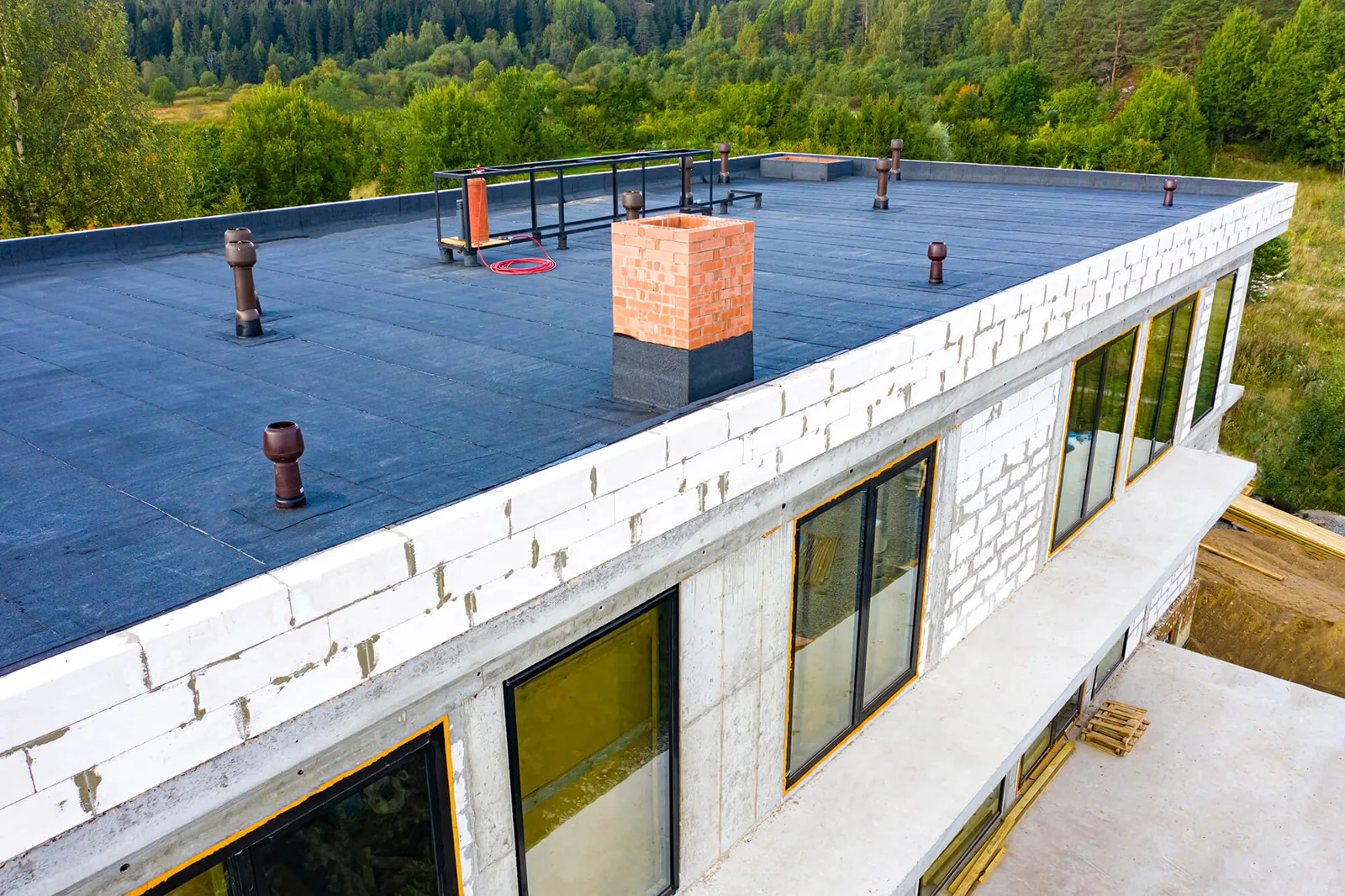
After severe weather, the repair team needs to separate fresh impacts from conditions already in the maintenance file. The survey follows roof edges, seams, penetrations, and transitions by zone, with a photograph and work boundary for each observed defect. In Georgia’s northern and central counties, hail, tornado threats, and damaging wind recur; property teams should keep storm-response steps ready. The field record supports repair, testing, or capital review.
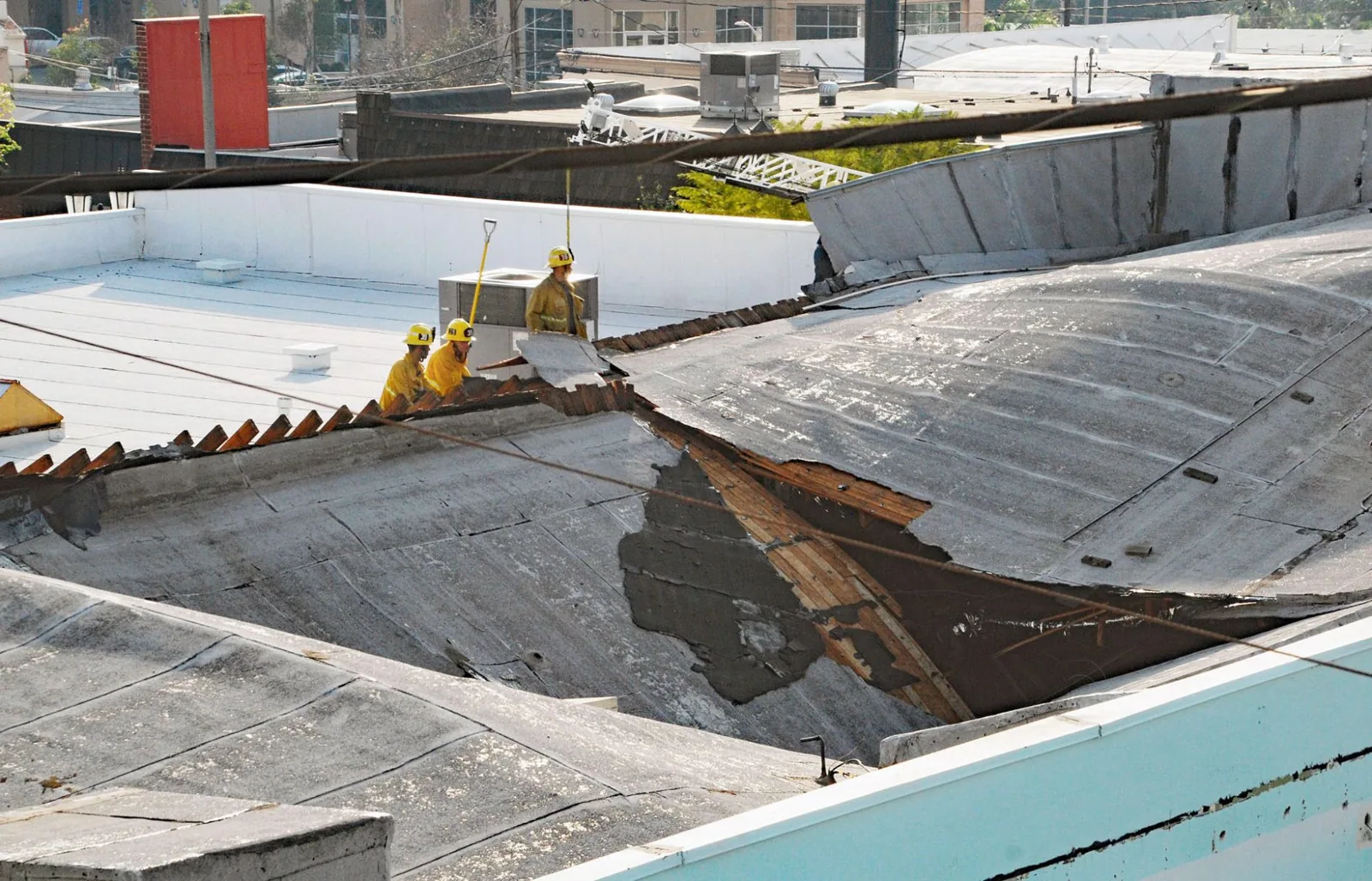
Record the roof after severe weather
Hail can leave punctures or impact marks; wind may loosen edge details, flashing, or membrane transitions. A hail damage assessment records tested areas and limits, while wind damage repair follows displaced or lifted details. If a tornado warning or event prompts inspection, the tornado damage review remains tied to visible property conditions, not the warning alone.
Trace water and identify the failed detail
Water can enter at a seam, curb, penetration, parapet, edge, or drain and travel before reaching an occupied room. We map the symptom to the roof zone and record which detail supports the repair. A flashing repair addresses a failed transition; a seam correction focuses on the membrane joint. Ponding-water assessment considers the observed low area, outlet, slope, and surrounding assembly before scope is assigned.
A puncture, burn, split seam, or heat-related surface change needs a repair compatible with the system. The membrane puncture review identifies damage area and nearby condition; fire damage work also considers the exposed substrate and any required testing. Warm, humid summers in Sandy Springs make a protected work window important; the observed defect and surrounding assembly determine the repair detail.
Preserve evidence through the repair
We identify temporary stabilization, permanent correction, testing, and excluded work as separate scope items. The dated file records photographs, measurements, materials, affected roof zones, and areas that could not be accessed. North End commercial properties and Central Perimeter offices have different access conditions, so the work plan reflects the specific site. An owner can then compare repair timing with operations, insurance documentation, and the next capital review.
Questions About Roof Damage Repair
Does regional hail or tornado activity prove my building was damaged?
No. Weather context can prompt an inspection, but the report must show property-level observations, photographs, and the areas that were checked.
What belongs in a storm damage record?
Include the inspection date, roof map, visible conditions, photographs, test locations, access limits, temporary protection, and repair boundary. Separate confirmed defects from suspected moisture.
How do you handle an active leak while the permanent scope is reviewed?
We can stabilize the exposed area, identify the interim material and location, then set a follow-up step for permanent repair. The record states what remains open.
Can one repair address more than one damage type?
A roof may have several conditions, but each should be identified and measured. We group compatible work where useful and keep cause, material, and exclusions visible.
Share the event date, active leak areas, roof records, and access requirements. We will inspect the affected sections and return a measured repair scope with clear limits.