Commercial Heat and UV Roof Damage Repair in Sandy Springs, GA
Sun and heat act over time, so a roof concern may appear as a pattern rather than a single impact point. Surface chalking, coating wear, brittle flashing, open laps, or recurring leaks can prompt an inspection, but each symptom has more than one possible cause. We review the installed system, exposed areas, repairs, drainage, and observed changes before deciding what work is appropriate. Sandy Springs’ hot, humid summers and frequent rainfall put surface temperature, drainage, and work-window timing in the same maintenance conversation. Field review identifies each roof’s age, surface, and condition. The report ties observed wear to specific sections and separates routine aging from a defect that needs immediate repair.
Identify the surface change and its extent
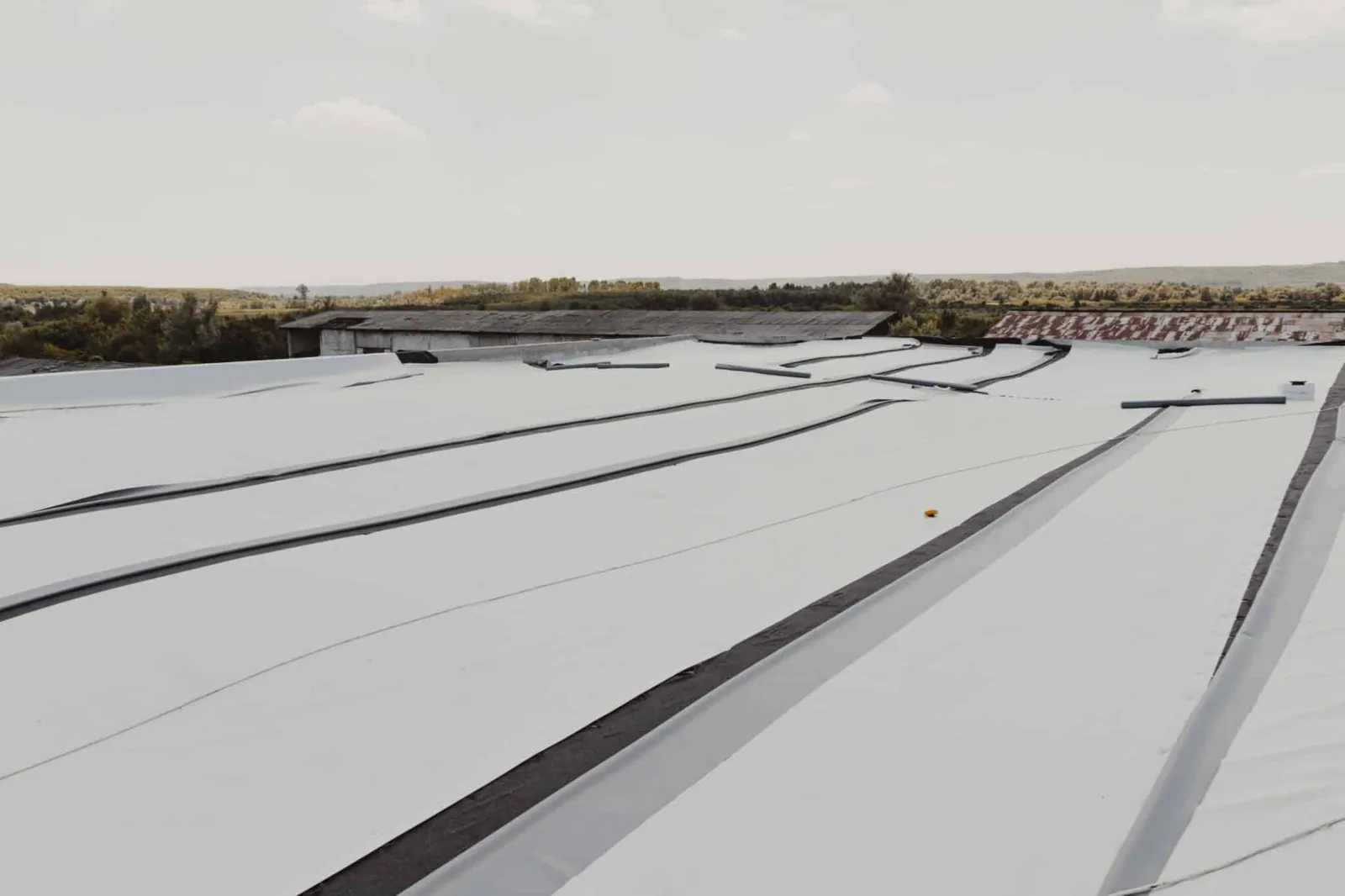
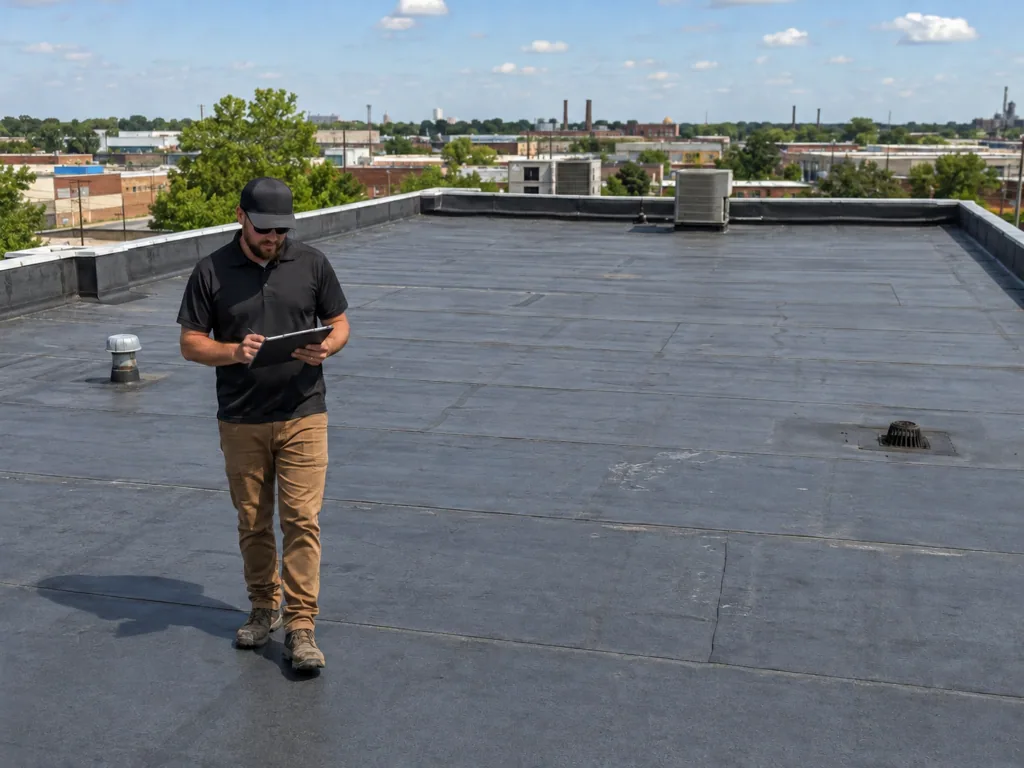
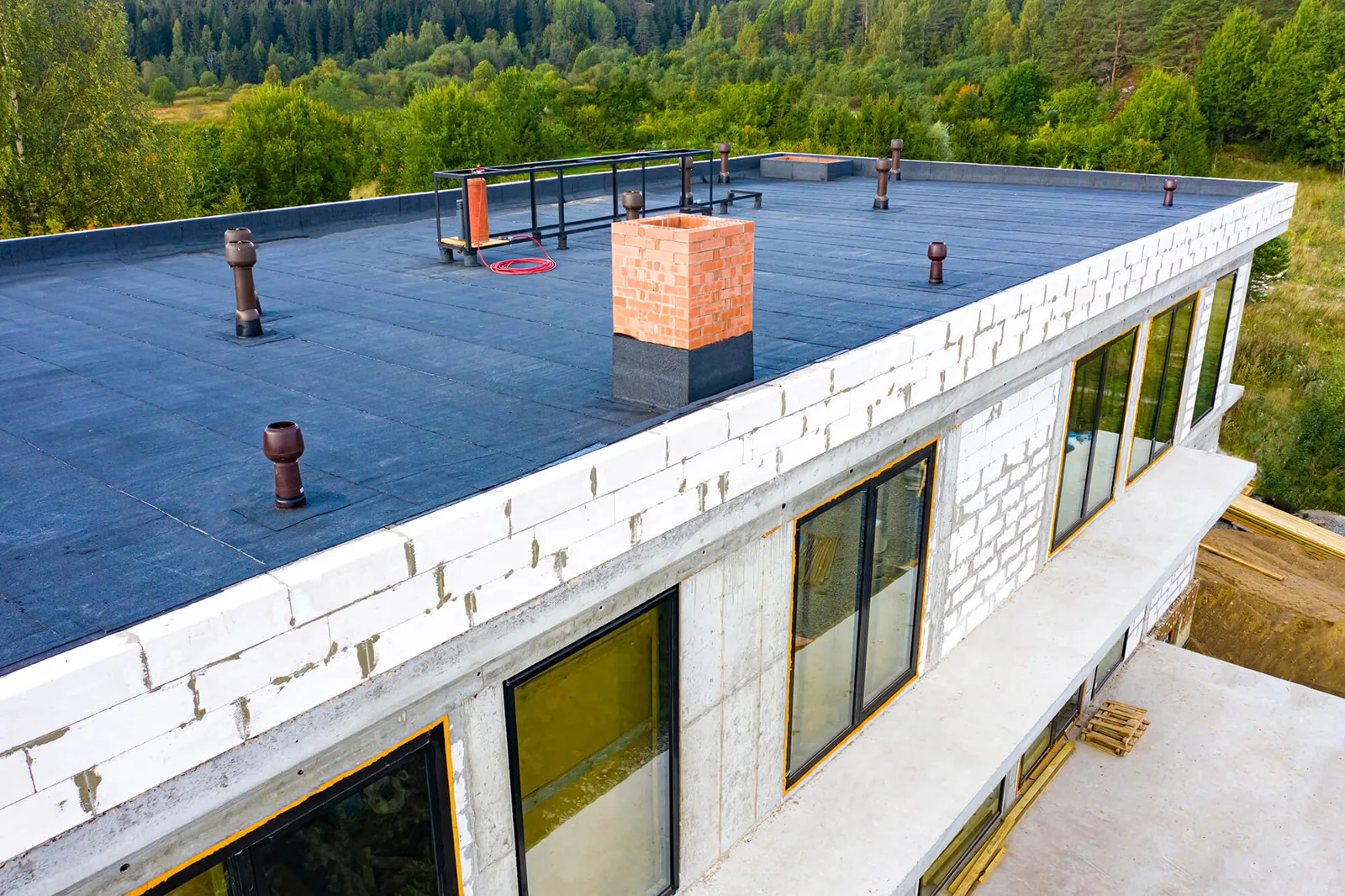
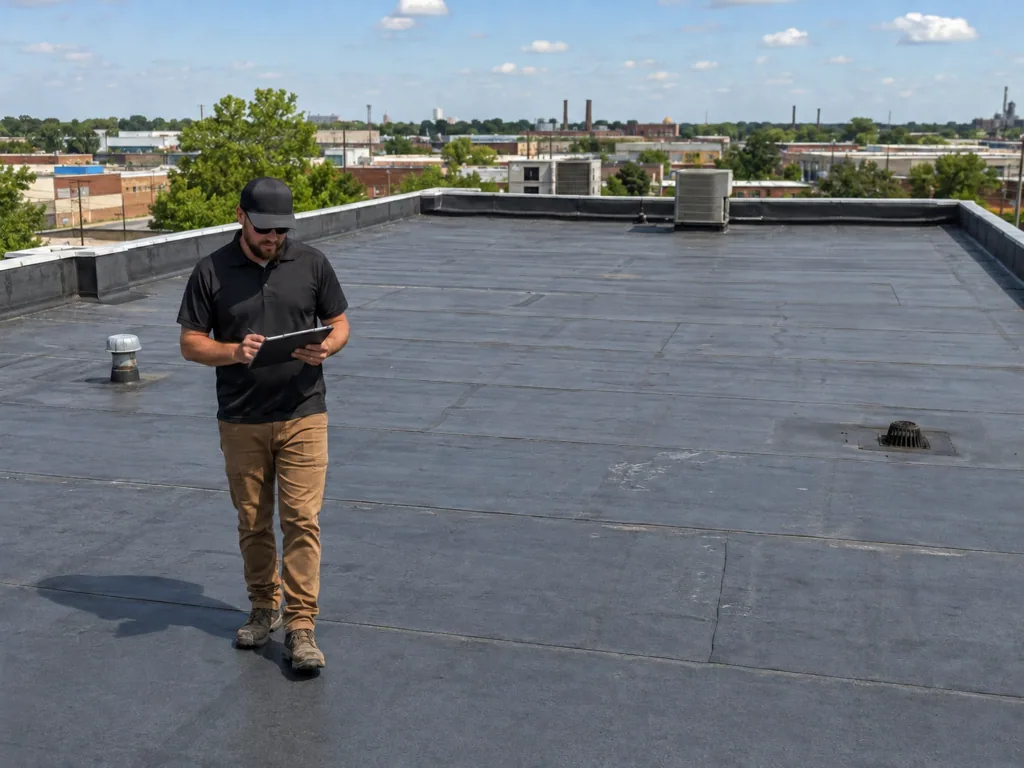
Begin by mapping where the material looks worn, cracked, chalked, blistered, or discolored. Compare exposed roof fields with shaded zones and areas below equipment or near parapets. We note the membrane or coating when identifiable and examine seams, terminations, drains, and penetrations for related movement. A roof condition inspection can record representative locations and the limits of what was accessible. If there are prior photos, use comparable angles to check whether the appearance changed over time.
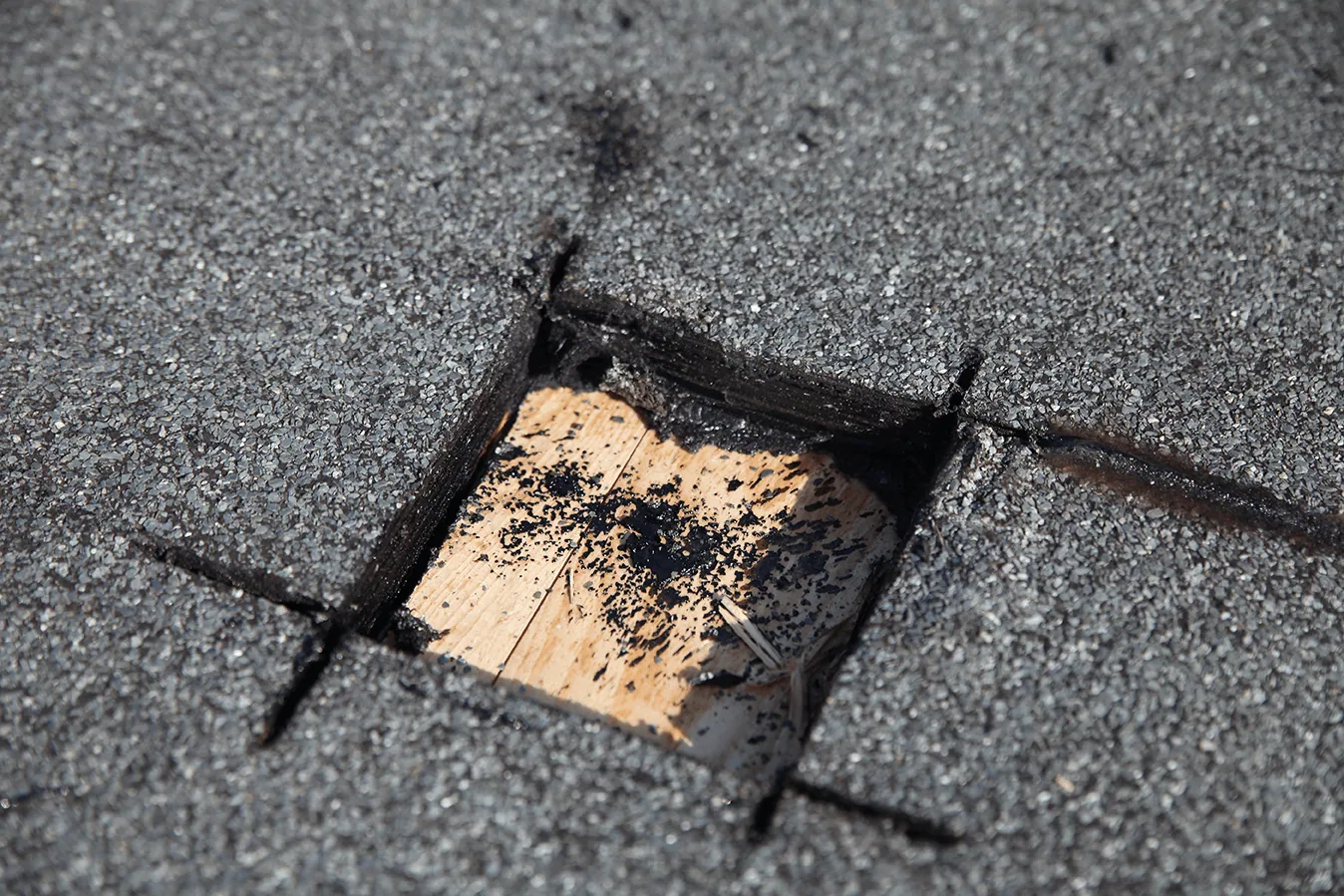
A color change by itself is not proof of a failed system. Surface oxidation, dirt, biological growth, previous coating, or manufacturing characteristics can affect appearance. We document what can be seen and test only when a defined question requires it. A coating evaluation should determine whether the existing layer is compatible, properly adhered, and suitable for another application. Adding material without checking preparation, moisture, and existing layers may hide rather than correct the underlying issue.
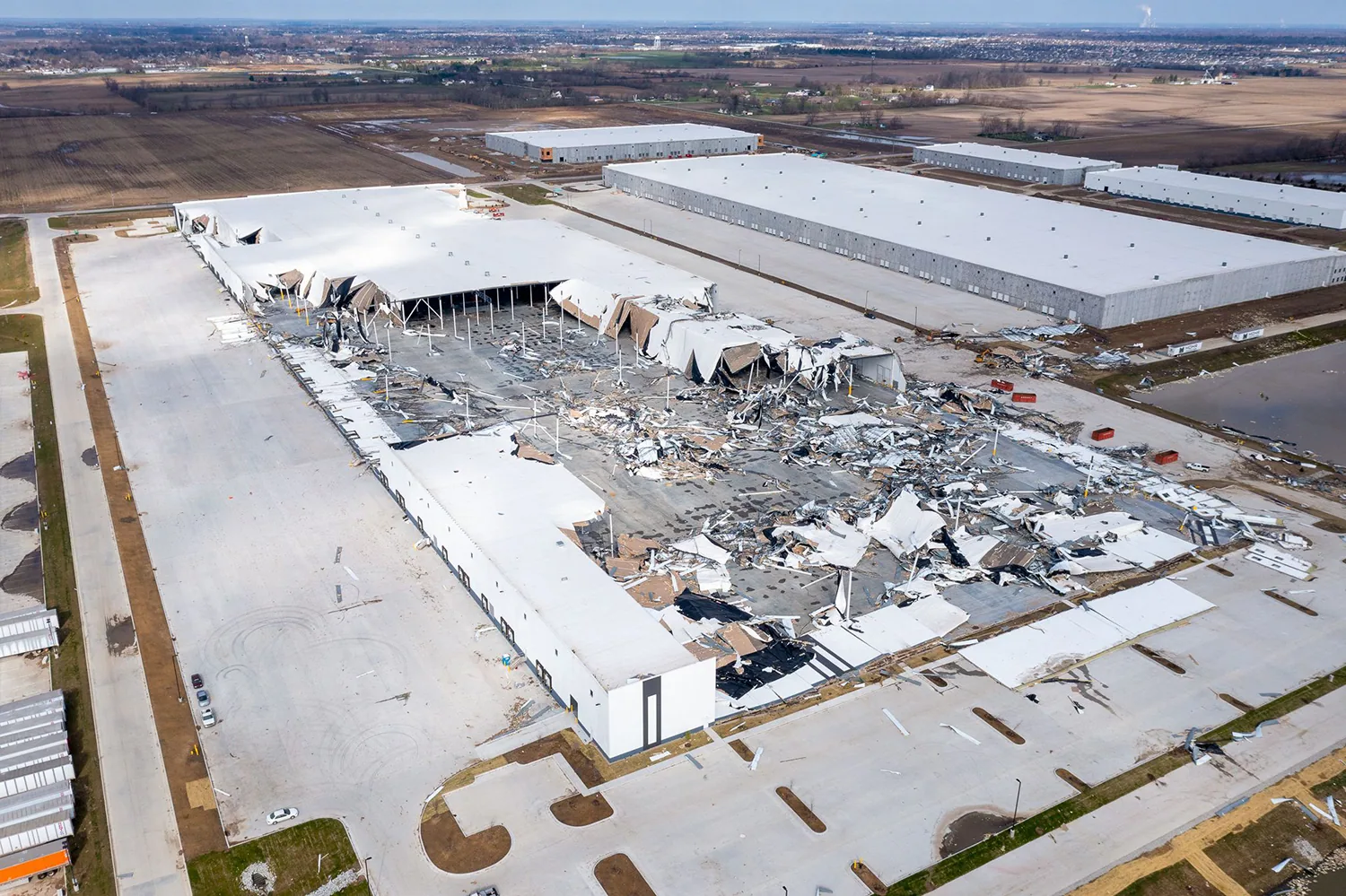
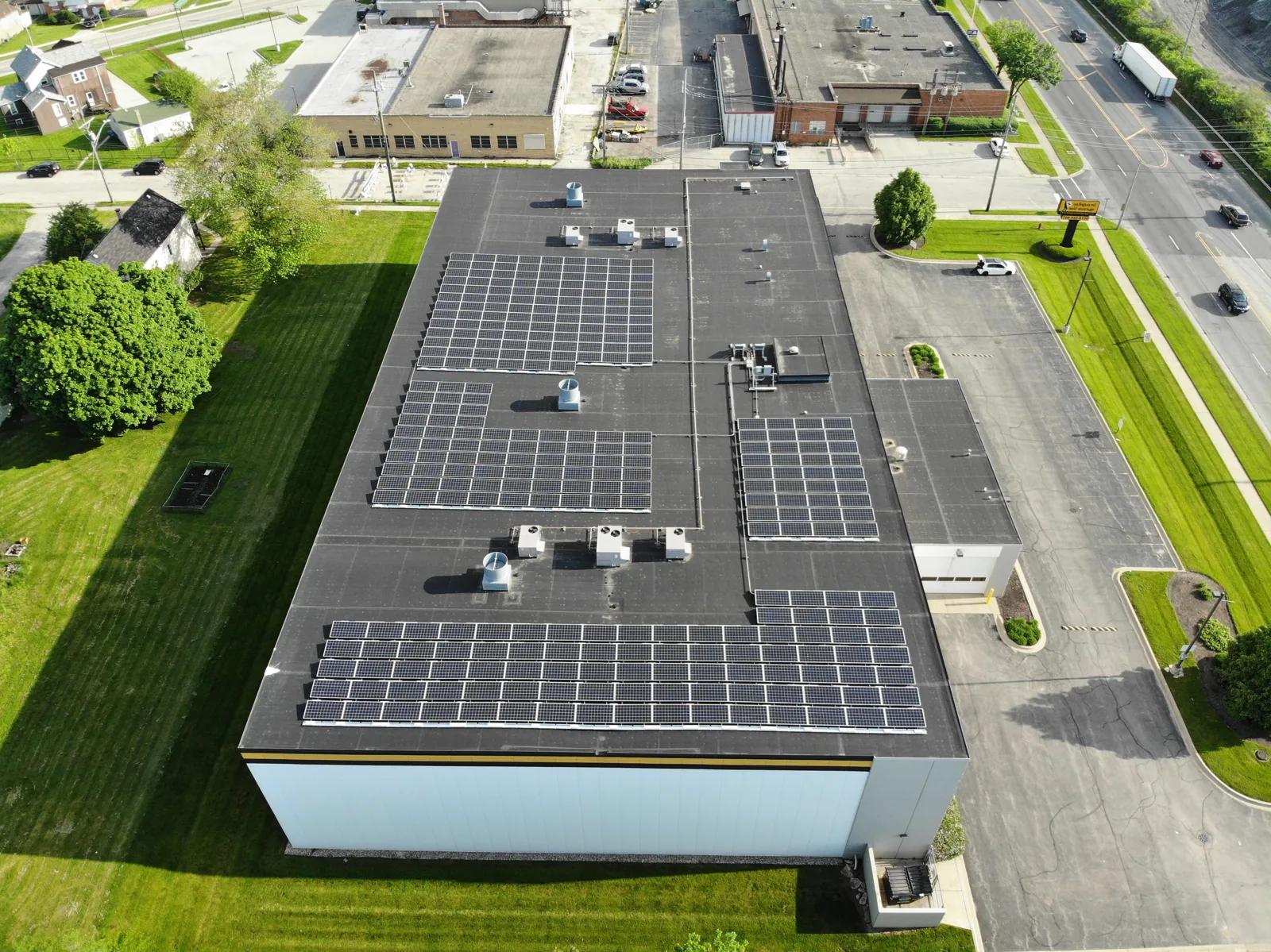
Check seams and flashing in sun-exposed zones
Repeated heating and cooling can place stress on transitions, but a seam or flashing failure should be confirmed at the detail. Inspect laps, perimeter edges, curb bases, expansion joints, and changes in plane. Record whether separation is active, whether material remains pliable, and whether prior repair affects the surface. A seam assessment addresses an opening along a membrane joint, while flashing repair evaluates the roof-to-wall or penetration interface.
If the condition continues beneath equipment or a roof walkway, confirm how the area is accessed and whether service traffic has contributed. A small area of brittleness may need localized detail work, whereas a widespread pattern requires evaluation of the system as a whole. Keep those scopes distinct in the report. Do not infer that every exposed roof surface is deteriorated at the same rate or that a coating will correct a movement or attachment problem.
Investigate moisture before covering the evidence
Heat-related aging can coexist with water entry, but stains or trapped moisture do not identify the cause. Review leak history, roof geometry, and the nearest seams and penetrations. If concealed moisture is suspected, a targeted moisture survey may help define where further verification is useful. Explain the method’s limitations and confirm any suspected area through appropriate testing before pricing insulation replacement.
When a test opening is approved, photograph each layer and measure the exposed conditions. Record whether insulation is dry, compressed, or wet and whether the deck needs additional review. A condition record can tie those observations to the repair scope and future comparison. Keep confirmed moisture findings separate from surface-aging observations. The owner can then decide whether to repair a detail, replace affected insulation, or evaluate broader renewal using the evidence for each action.
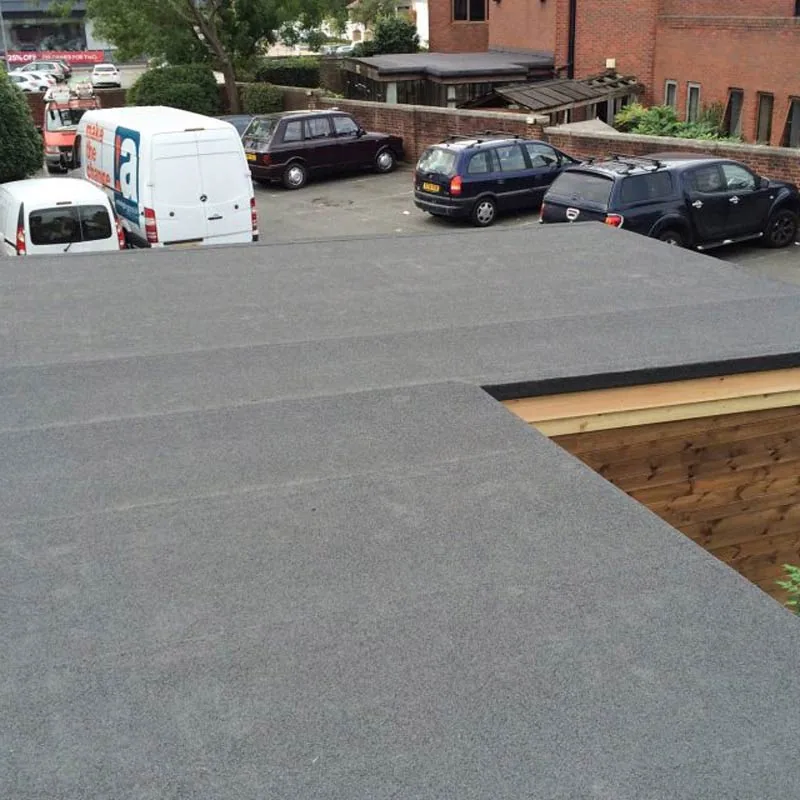
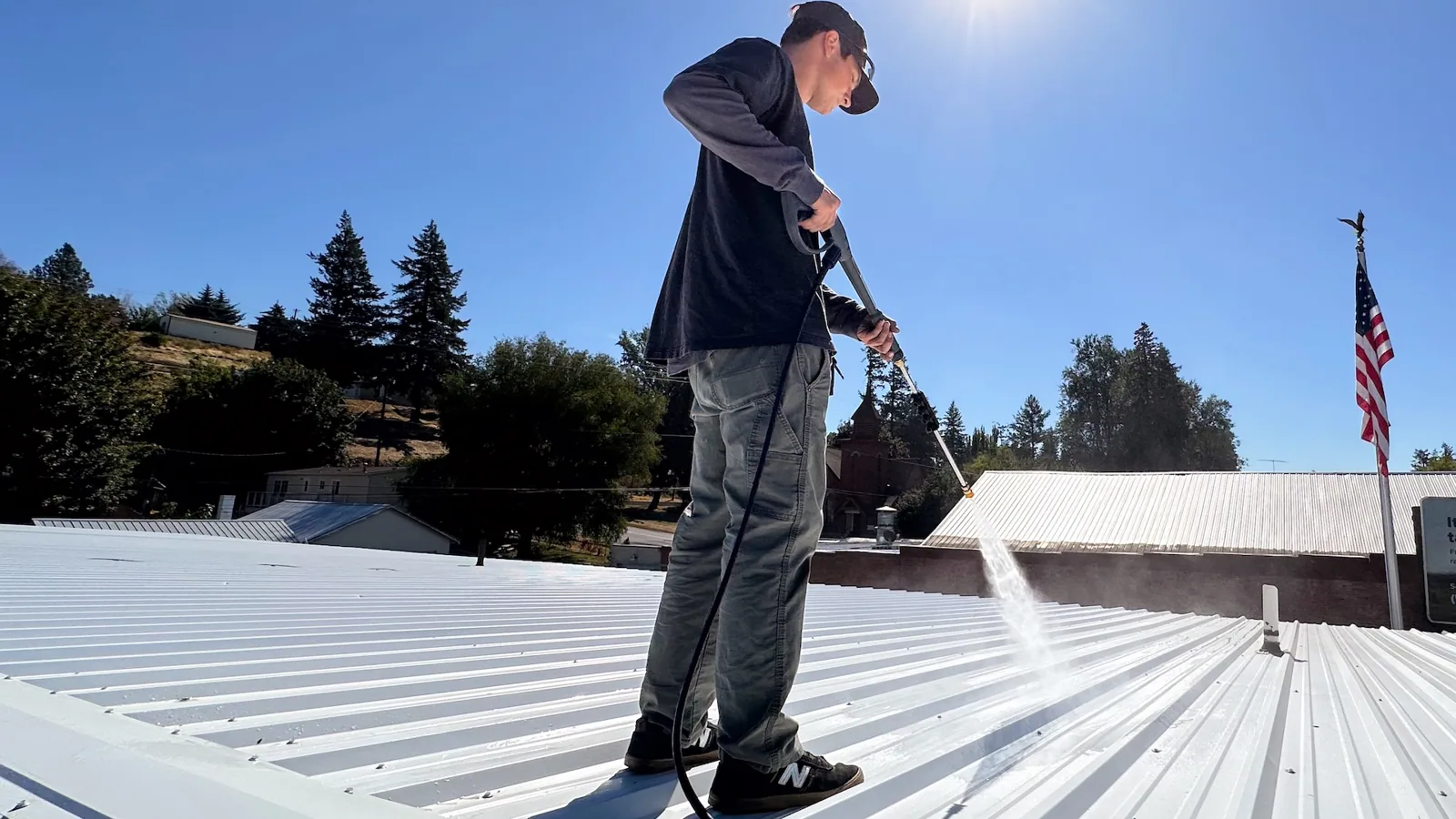
Compare maintenance, restoration, and replacement
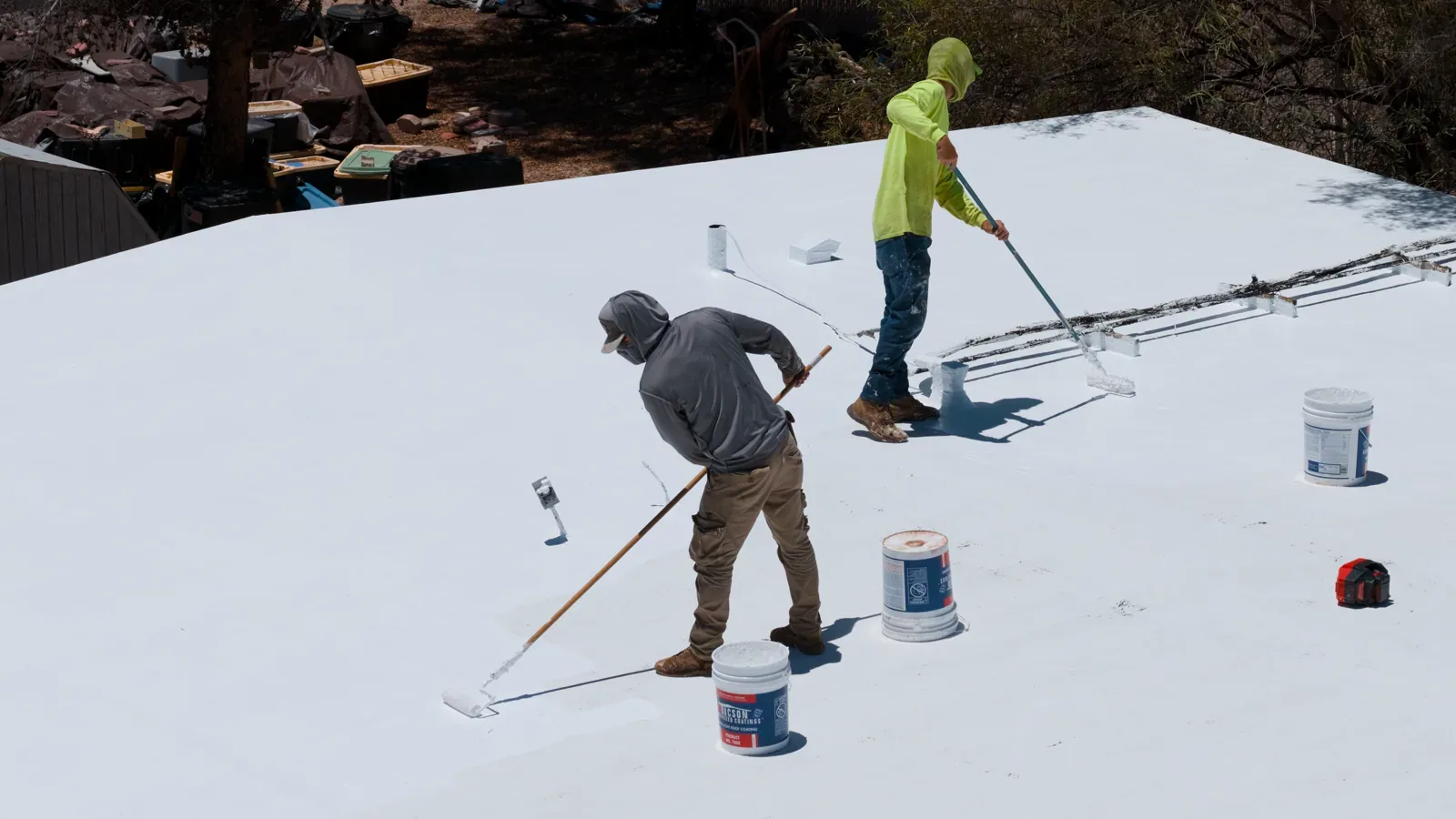
If the assembly remains sound and the wear is limited, maintenance or a localized repair may be the practical step. Where an existing coating or membrane can accept restoration, evaluate adhesion, compatibility, drainage, and transitions first. A roof repair assessment can address a bounded defect. If multiple sections show deterioration, compare restoration and replacement planning using the same roof boundary and known quantities. Age alone is not sufficient evidence to select one.
The recommendation should state what was observed, what remains unknown, and which condition would make the owner revisit the decision. If a repair depends on manufacturer instructions or material availability, name that dependency before the work date. Do not use an energy or reflectivity claim as a substitute for system inspection. The owner may also want to compare annual maintenance costs with near-term capital needs, but those financial choices remain separate from the roof observations documented during the survey.
Account for Sandy Springs exposure without overgeneralizing
The region’s warm-season temperatures and storms can inform inspection intervals, especially for exposed surfaces and rooftop details. The Atlanta area sees high summer temperatures and recurring thunderstorms. After a hot or wet period, inspect exposed seams and transitions, then compare the actual system and surface condition with earlier records before choosing a coating or membrane repair.
Central Perimeter office properties, City Springs’ civic and retail uses, and Medical District healthcare facilities have different access needs. Near Central Perimeter, confirm tenant and delivery hours with management. Manufacturing facilities may require shutdown windows or process coordination, which the site contact should establish before roof work.
Protect the roof during equipment service
HVAC and electrical contractors may cross or work above weathered sections. Identify ladders, service paths, staging zones, and any surface that should not support foot traffic. If curbs or supports need work, coordinate the trade interface before a coating or membrane repair closes the area. A equipment curb review can record flashing responsibility and the sequence needed to restore the roof around a unit.
Where a surface has become fragile or a coating is curing, set temporary access limits and make the responsible contact clear. Provide vendors with the approved route and note any protective pads or coverings required for service. If the owner plans to replace equipment, coordinate curb dimensions and penetrations before the roofing scope is finalized. That keeps repair work from being cut or disturbed during a later equipment project and gives facility staff a consistent record of who restores each interface.
Record the condition trend and closeout
At closeout, list inspected roof zones, findings, photographs, repairs, materials when known, and any remaining monitoring item. If the owner decides to wait on broader work, identify what change should trigger another assessment. A maintenance visit can compare the same marked locations over time. Track whether cracks, surface wear, or leak reports changed rather than relying on a general note that the roof is aging.
Powers Ferry includes commercial, office, and hospitality uses near I-285, while the Roswell Road corridor serves varied commercial destinations. Those places show the range of operating settings in Sandy Springs, not the state of a particular roof. A property management team can keep inspection dates and repair records together across buildings. Future recommendations should cite the building-level trend and open conditions so the next budget review can prioritize work without mistaking regional heat for a diagnosis.
Questions About Commercial Heat and UV Roof Damage Repair
How does heat affect a commercial roof?
Long-term exposure can contribute to surface and detail changes, but the response depends on the system and prior maintenance. For a Sandy Springs roof, we compare heat-related surface changes with seam, flashing, and drainage conditions before setting a repair interval.
Does a faded coating need to be replaced?
Not based on color alone. We evaluate adhesion, surface preparation, moisture, drainage, and compatibility before considering restoration or recoating.
Can you tell whether heat caused a leak?
The inspection can document conditions consistent with wear and trace reported water entry. Cause should be tied to roof evidence and repair history, not appearance alone.
Should I replace a roof because it is old?
Age is one planning input, but condition, repair history, access, and system performance also matter. We explain what the site review supports.
What helps track roof aging over time?
Keep dated photographs, repair records, roof plans, leak locations, and repeatable condition notes for the same sections at each inspection.
Request a heat and UV roof assessment
Share the roof system if known, maintenance history, exposure concerns, leak reports, and access rules. We will document conditions and outline practical options.
Call 555-555-5555 or send the building details.