Commercial Roofing for Logistics and 3PL Facilities in Sandy Springs, GA
A leak over a staging area can slow a building that is otherwise ready for the next load. We identify the affected bay, follow the water path, and verify the roof detail before a repair quantity is set. Sandy Springs, GA, sits near I-285, Georgia 400, and I-75, with Central Perimeter served by MARTA rail and commuter routes. That regional access supports business movement, while each facility's operating hours and loading rules determine roofing logistics. We inspect drains, seams, equipment, and access routes, then define work that protects inventory and keeps the repair boundary visible.
Which operating zone is exposed?
The operator identifies docks, pick areas, temperature-controlled space, electrical rooms, and routes that cannot be blocked. We compare the interior report with drains, roof seams, curbs, and wall transitions above. If water is active, temporary protection is recorded separately from permanent membrane work. A leak investigation identifies the likely path and any test needed before expanding scope. The field record names the roof section and the operations below it, so the manager can coordinate inventory and loading without treating every complaint as a whole-building roof failure.
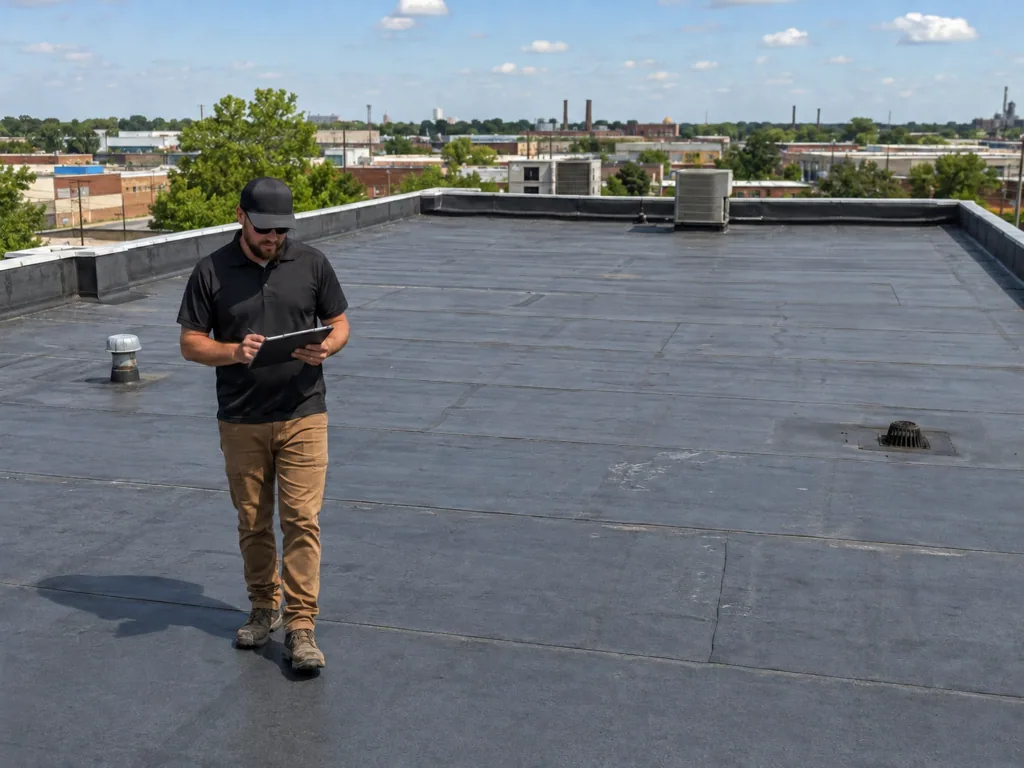
The roof plan also needs a traffic rule for service technicians. We identify approved walk paths, protected surfaces, and areas where material carts could cross a seam or membrane transition. If the facility has multiple shifts, access may be shared among maintenance, mechanical, and roofing teams. The operator can designate a contact who releases each section and confirms the end-of-shift status. We note any roof area that cannot carry routine foot traffic or has limited access. That information reduces the chance that a later service visit damages a detail that was just repaired.
What does repeated rain or wind change?
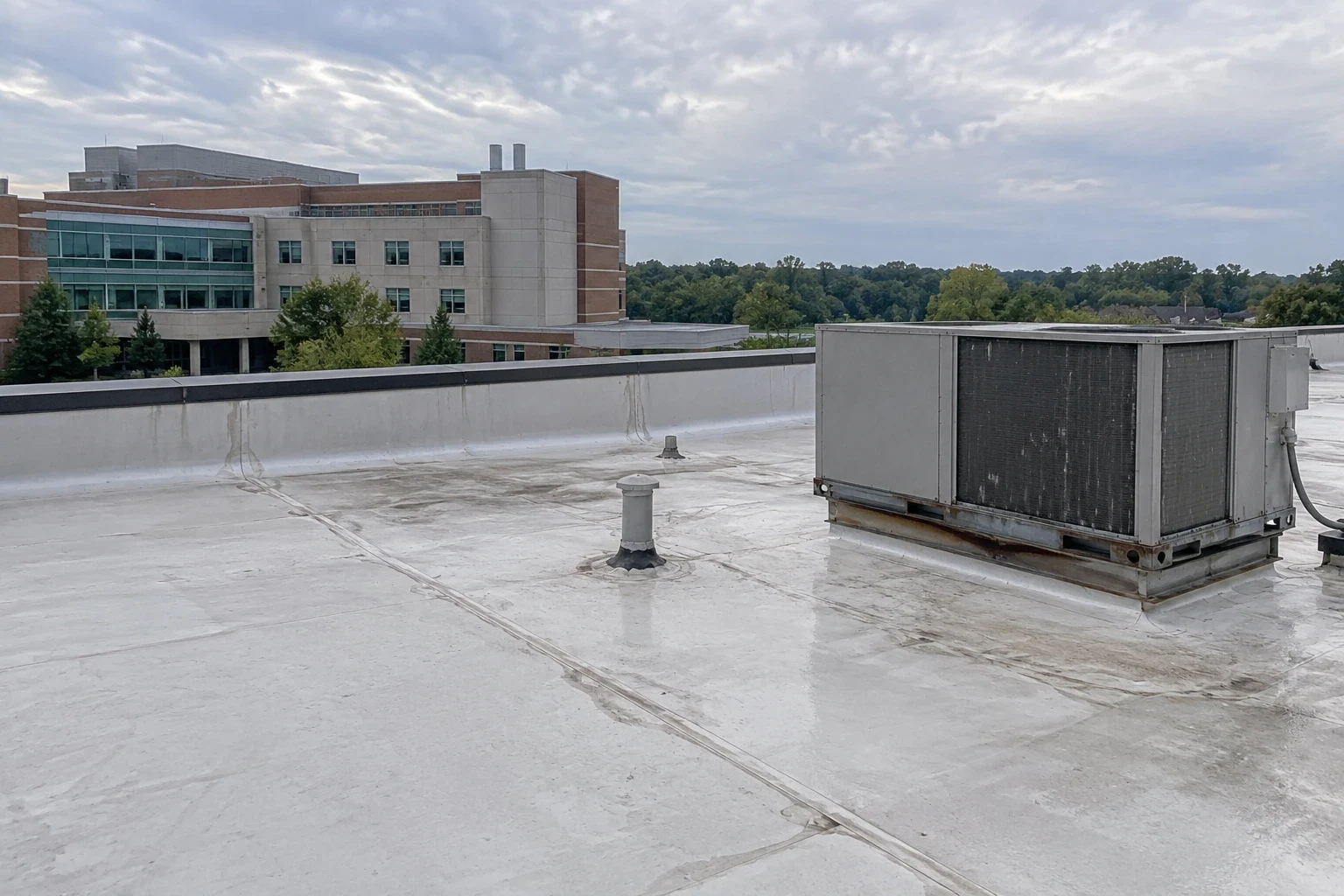
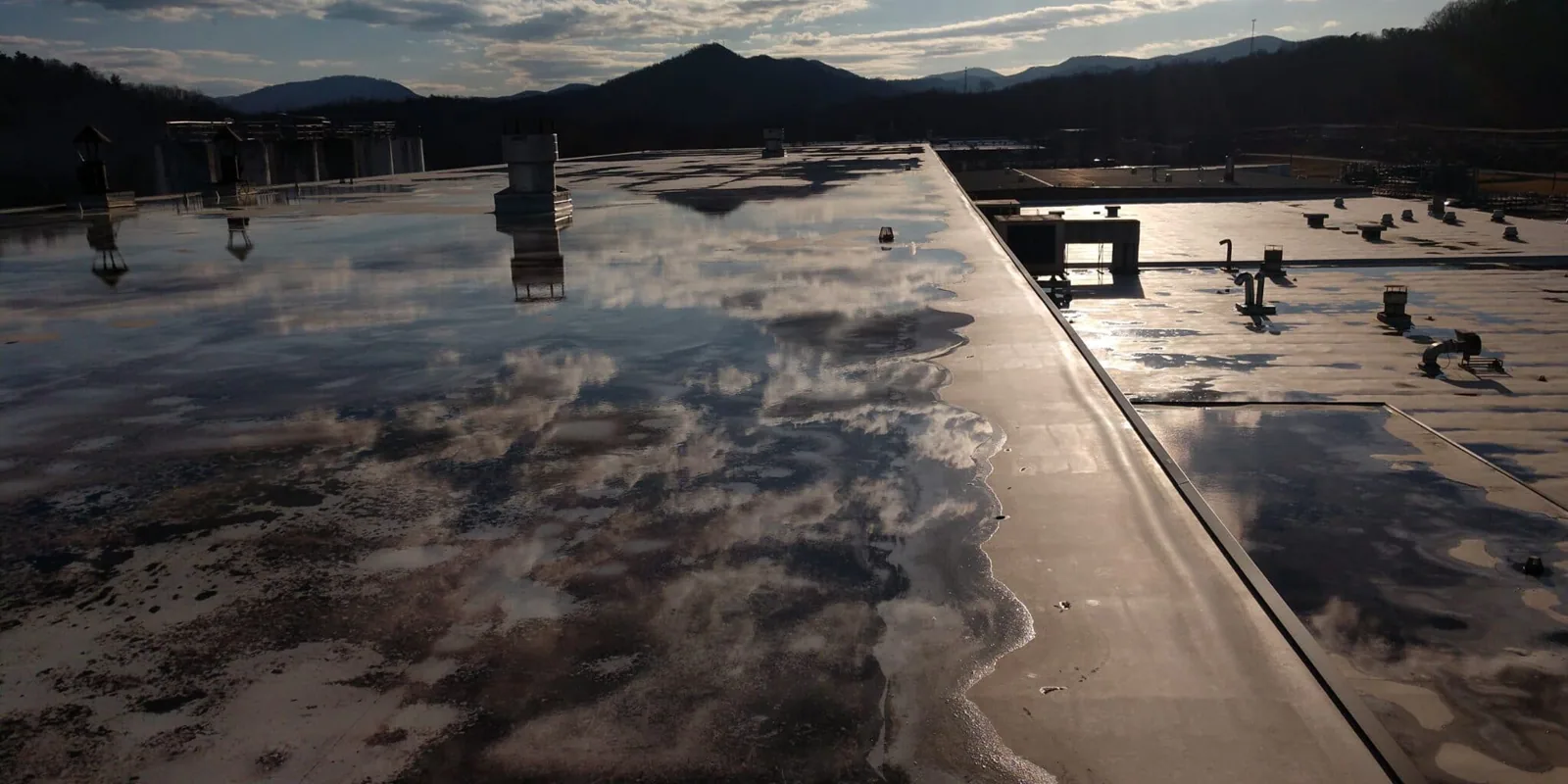
Sandy Springs has frequent rain, hot humid summers, and recurring hail and thunderstorm winds. We inspect after an event when the facility observes water entry or visible roof movement. The review checks edge metal, seams, penetrations, equipment attachments, and drainage. A storm assessment ties photographs and dates to the affected section, then separates urgent dry-in from later repair. If a drain is restricted, the scope states whether cleaning or a detail correction is needed. The operator can keep receiving schedules moving while the roof plan identifies what remains open.
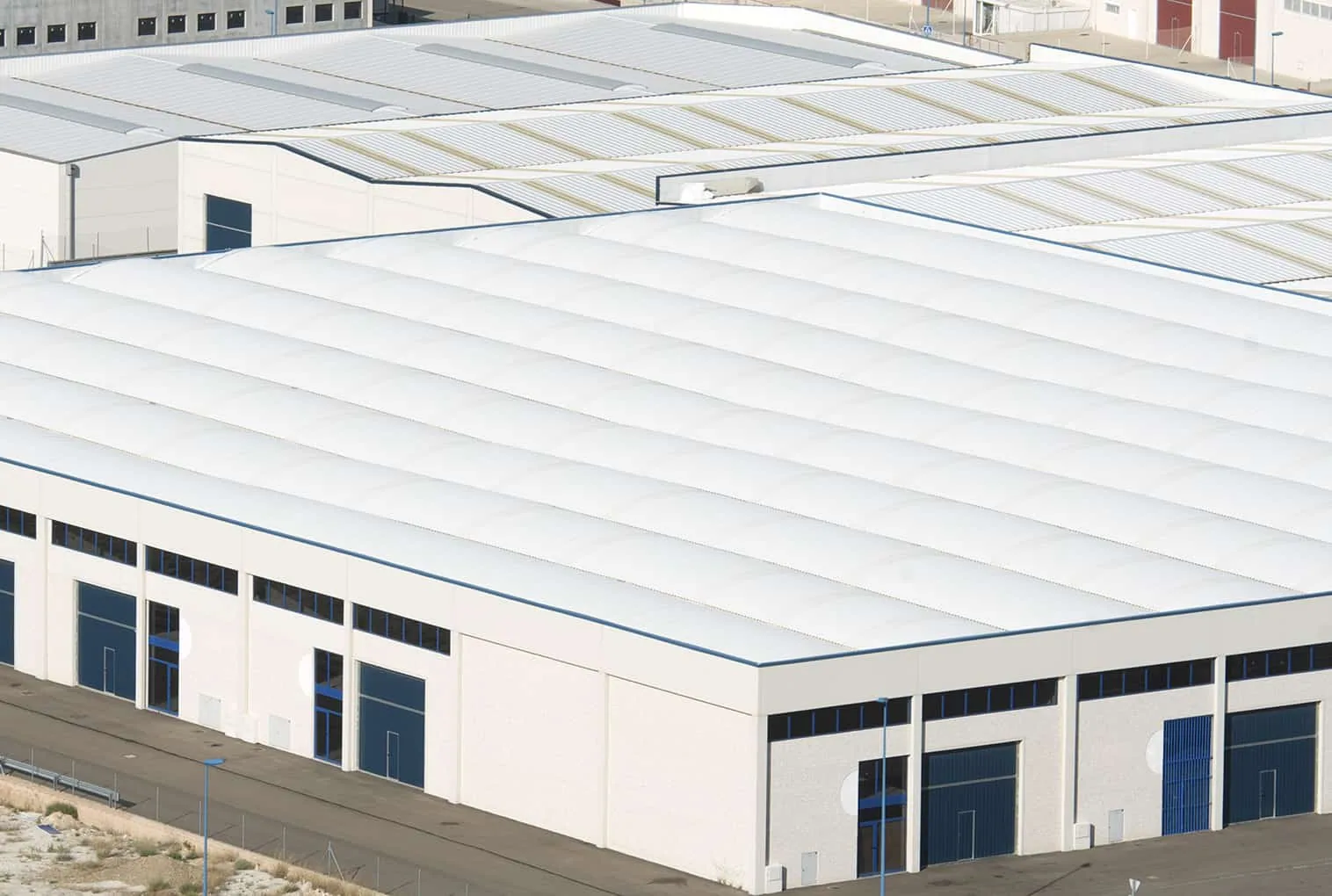
A manager comparing buildings should use consistent condition fields but keep the operating context separate. We record system, water entry, drainage, equipment, repair history, and exposure for each roof. A warehouse roof may have one loading pattern and a 3PL facility another, even when the buildings appear similar from the ground. We identify whether the property is occupied, which shifts operate, and when work can begin. That makes the capital queue more useful than a rating that ignores dock availability, traffic flow, and the cost of slowing a receiving area.
How can docks and routes remain available?
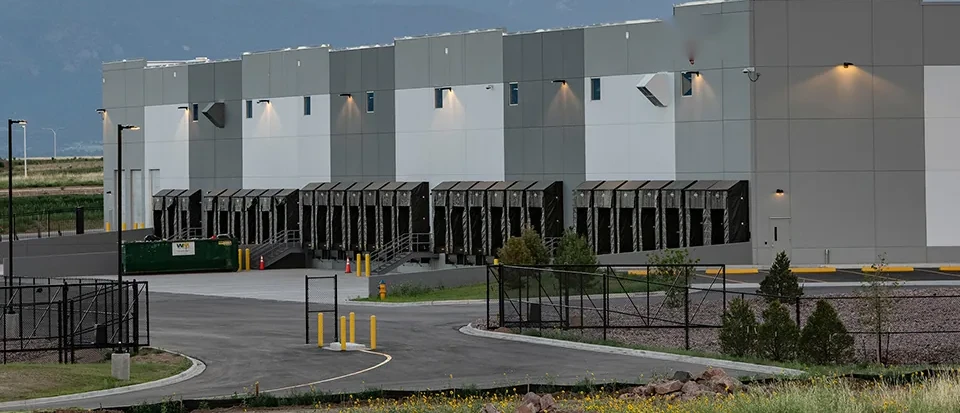
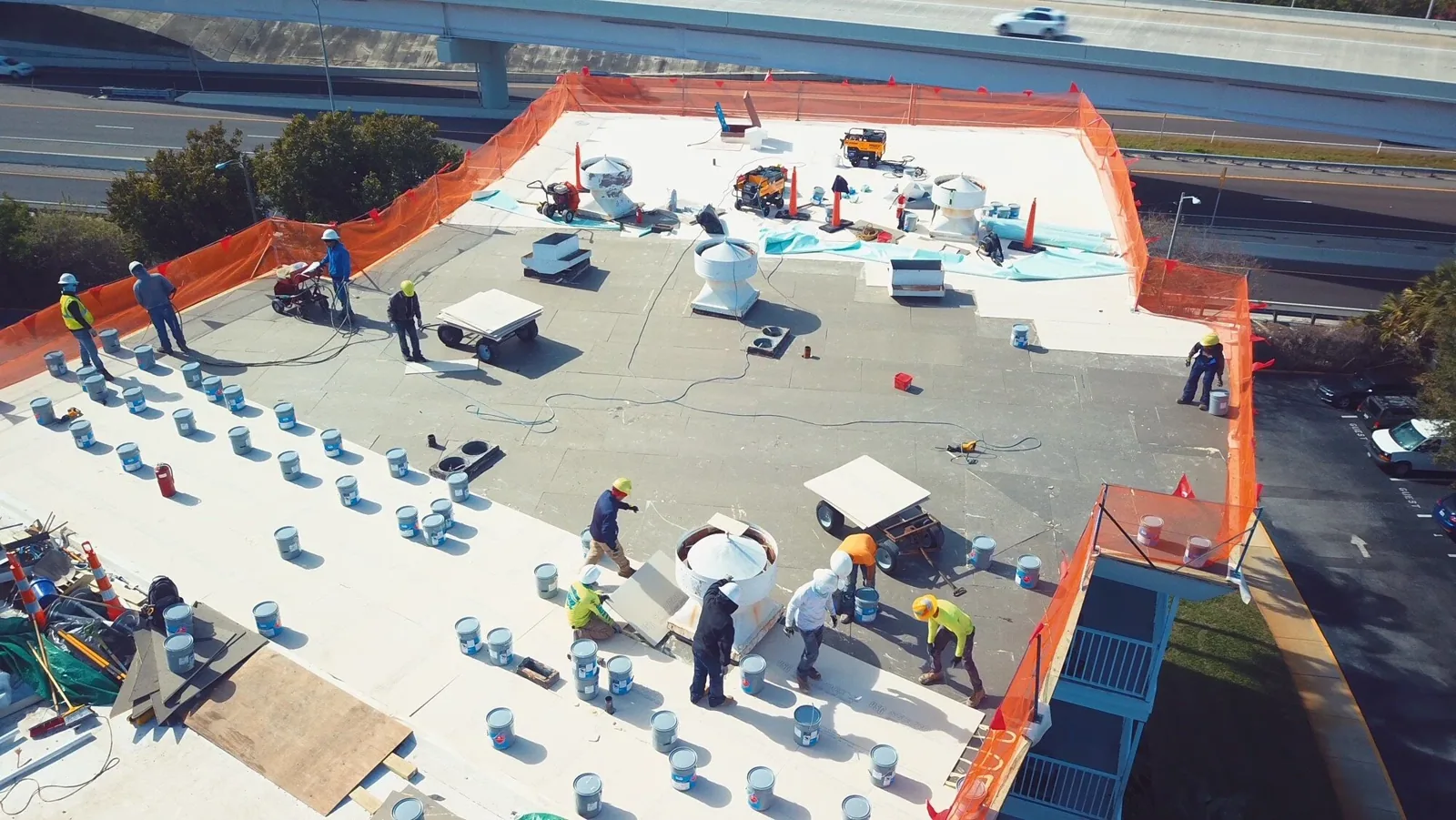
We confirm gate hours, trailer circulation, lift setup, material delivery, and any fire lane or yard route that must stay clear. The work area is selected to fit those access requirements and the day's weather window. A phased roofing sequence defines the maximum open area, dry-in boundary, and daily handoff. If work involves a dock canopy or rooftop unit, the general contractor identifies trade interfaces before mobilization. We record who authorizes access changes and how the operator receives schedule updates. This reduces unplanned movement of trailers or inventory during roof work.
What should the roof map include?
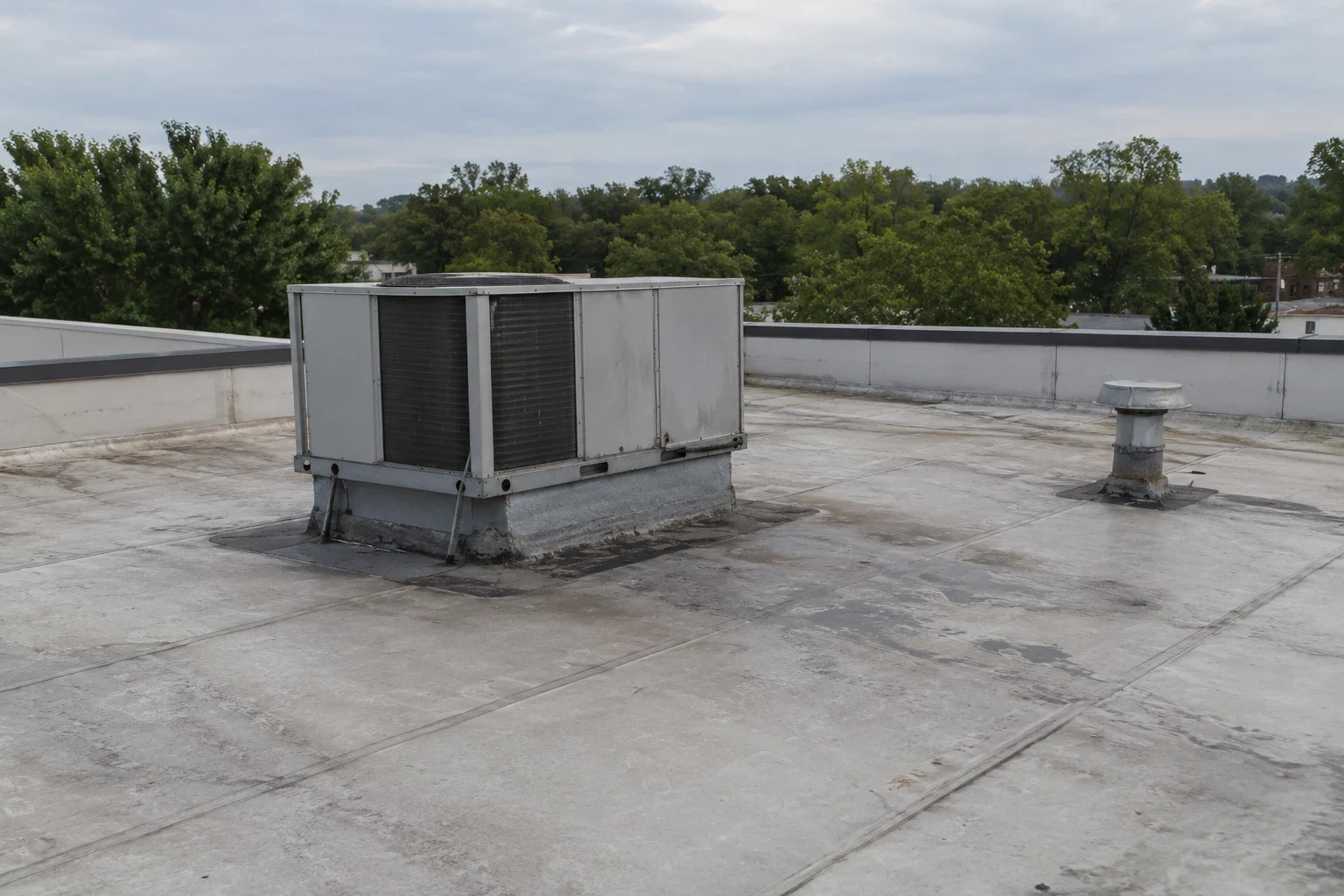
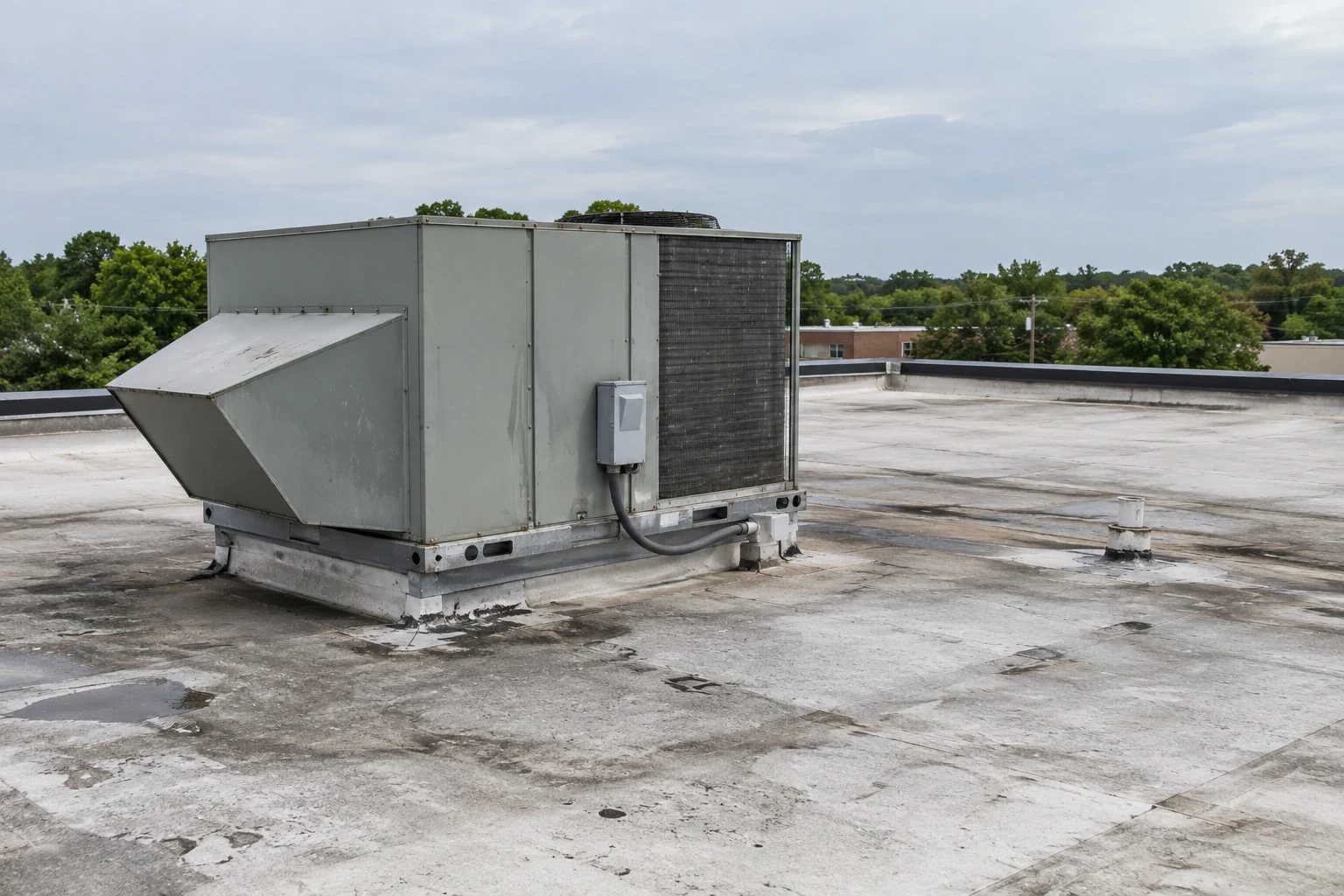
A roof map should label drainage areas, membrane changes, expansion joints, curbs, penetrations, and repair history. We verify the existing system rather than infer it from the building's use. If moisture testing or a core could change the recommendation, we mark the location and approval required. A condition report can tie images to the map and identify areas not inspected. A TPO roof system may be considered if compatible with the verified assembly and project requirements. The report also notes clear routes for future service personnel and any restriction on roof traffic.
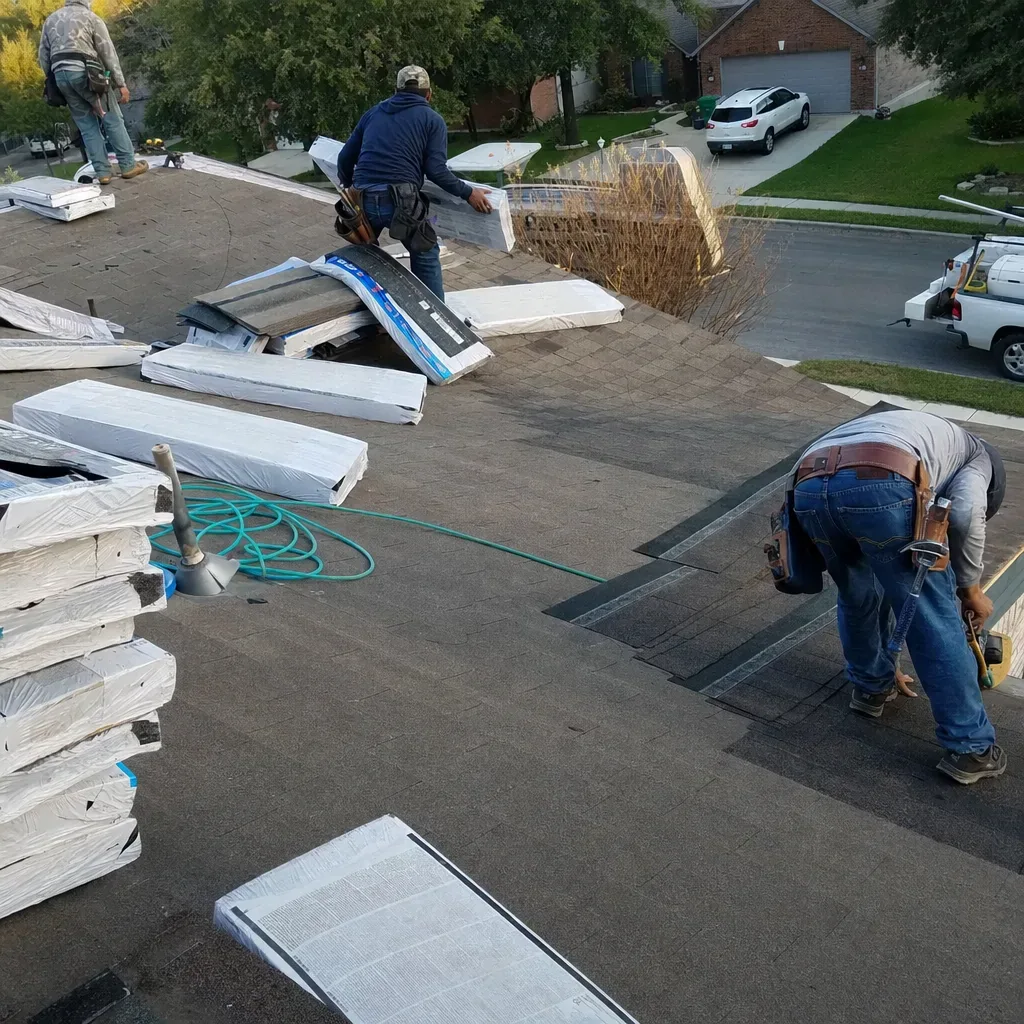
If a replacement is planned, we coordinate tear-off quantity with the maximum area that can be protected before weather changes. The general contractor can sequence roof removal, insulation, curbs, and final membrane by shift. We state what happens when rain approaches and identify who can approve added deck repair. Photographs are taken before concealed layers are covered, then tied to a roof zone. The final file distinguishes completed work from any area held for another trade. The operator has a current view of the building before loading resumes in the adjacent zone.
How do repair and replacement affect continuity?
A localized puncture or flashing defect may be repaired while the rest of the roof remains in service. Broad moisture, recurring seam failure, or weak attachment can shift the project toward recover or replacement. We compare those options using the same roof zones and state the implications for loading, staging, temporary protection, and shift timing. A recover review checks existing layers and edge clearances. A capital schedule can place work around lease or facility budgets. The owner receives separate quantities for confirmed repairs and concealed conditions that need testing.
What local corridors affect mobilization?
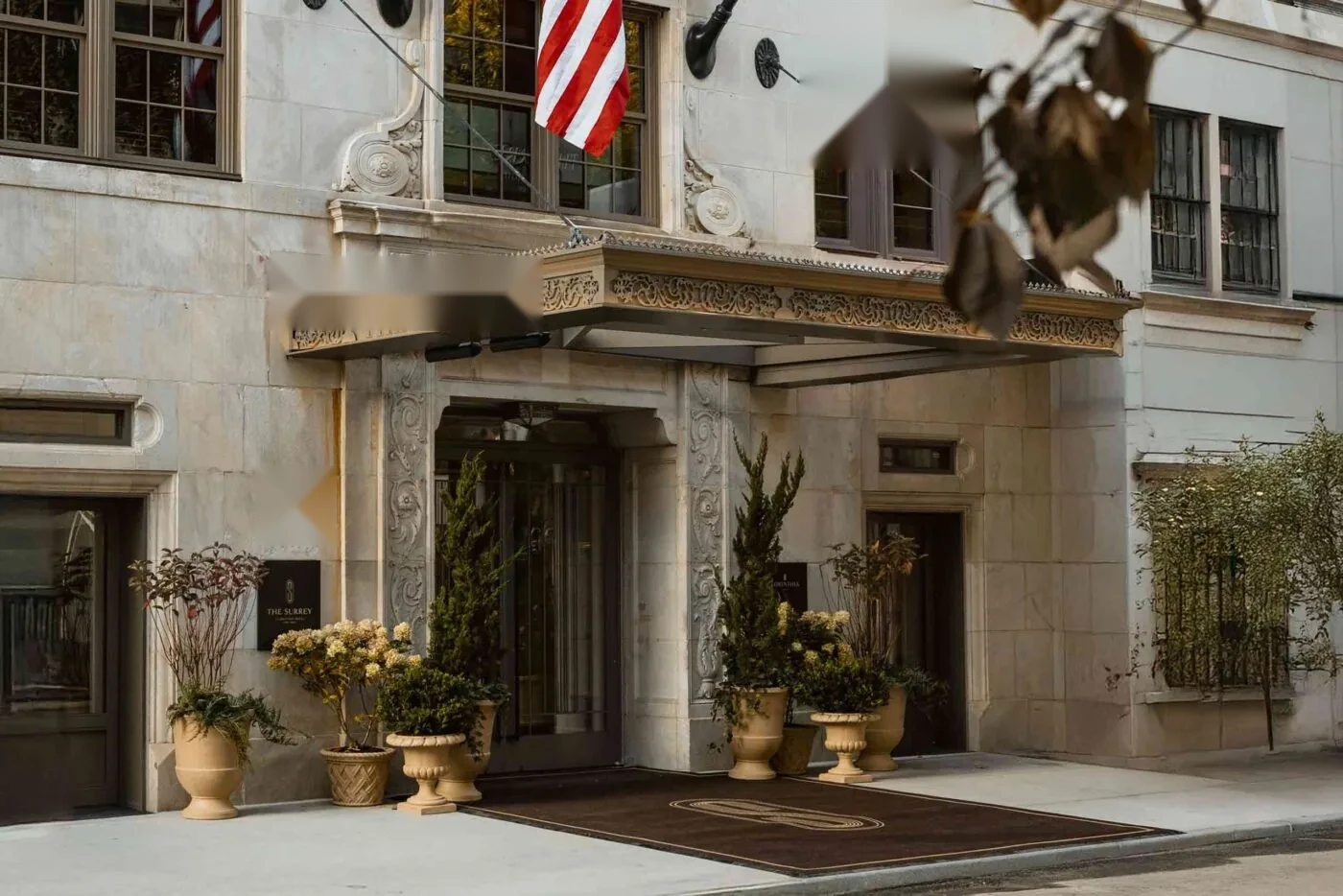
Roswell Road is Sandy Springs' principal north-south arterial and connects Roswell with I-285. The North End segment includes commercial properties and transit stops. Central Perimeter's four MARTA stations link office buildings to the broader region, while I-285 and Georgia 400 offer highway access. These routes frame crew arrival, but the facility confirms its own truck restrictions, check-in, and staging. A Roswell Road corridor visit should account for local traffic and access windows. A property manager or general contractor can coordinate separate site approvals; each roof recommendation stays attached to the facility inspected.
What should the operator keep?
Keep the roof map, leak dates, photos, repair limits, access rules, and equipment work orders in one facility record. We identify the next inspection trigger and any zone that remains unverified. Share operating hours, dock plans, inventory sensitivity, roof drawings, and construction milestones. We will return a prioritized scope that separates active water control from planned renewal. The closeout names the areas completed and the trade interfaces still open, giving the next shift a clear status before work continues.
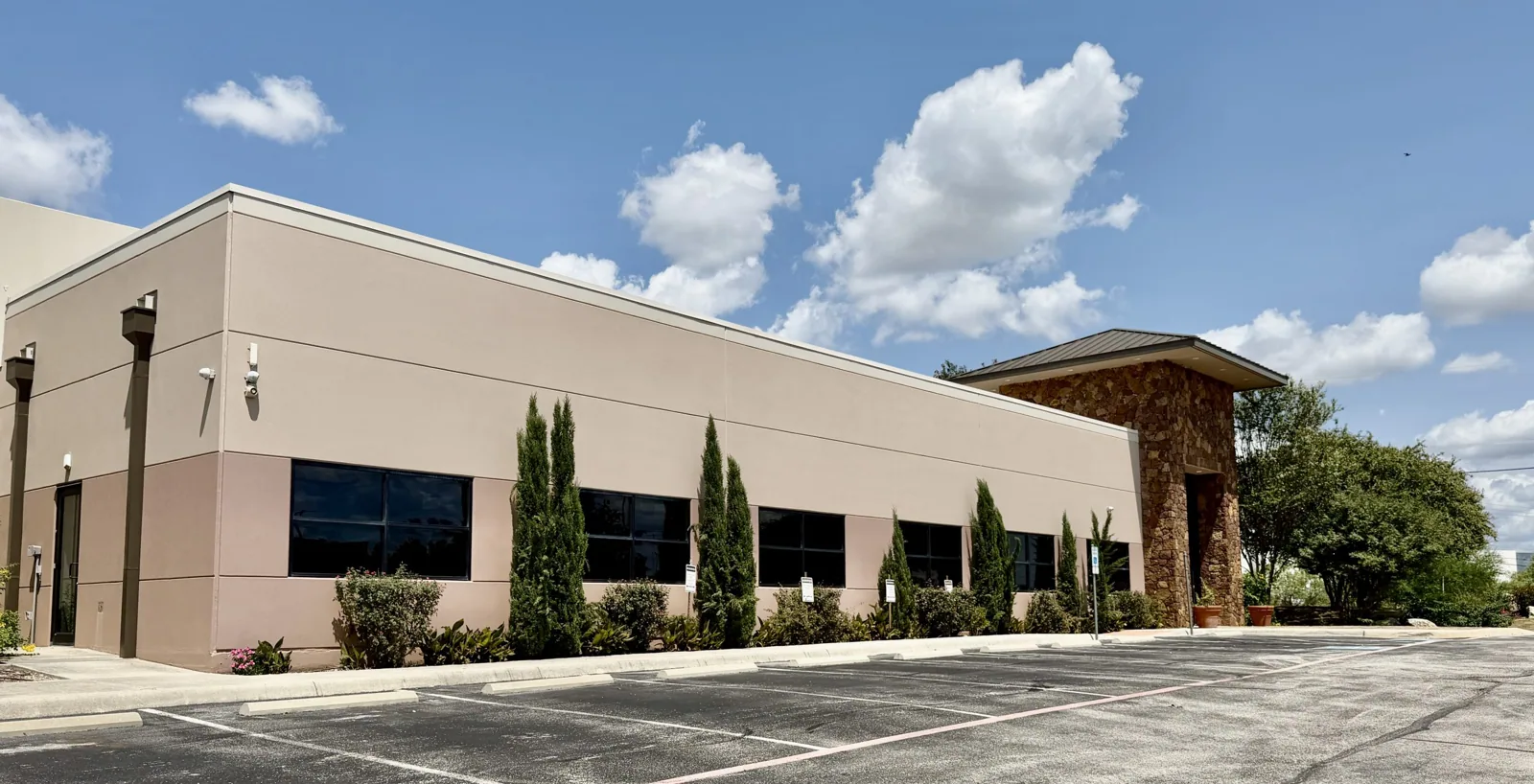
Sandy Springs includes office, retail, healthcare, and hospitality activity near the same regional road network. That mix affects how suppliers, visitors, and crews use local corridors. We confirm the facility's specific access point and permitted staging rather than assume a shared route from the district name. If a delivery restriction changes during construction, the project manager updates the schedule before a roof opening grows. Those steps keep the work boundary coordinated with the site's actual operation and help the owner decide whether to complete a phase now or return in a different window.
Questions About Logistics and 3PL Facilities
Can roofing work happen while a warehouse is shipping?
Yes, if the work area and access routes can be separated. We coordinate dock use, material movement, and dry-in with the operator before setting the shift plan.
How can a leak be traced above a loading bay?
We compare the interior location with seams, drains, curbs, and wall transitions above. The report identifies confirmed defects and any test needed to establish the path.
Does storm activity require an immediate replacement?
No. We inspect the actual roof, document visible damage, and identify temporary protection. Replacement is compared only when condition evidence supports a broad scope.
What if a repair exposes wet insulation?
We secure the area, photograph and measure the material, and stop at the approved limit. The owner reviews added work before the boundary expands.
What should go in a dock-roof work plan?
List work zones, yard routes, lift location, loading restrictions, shift closeout, and rain procedures. Assign responsibility for equipment and membrane handoffs.
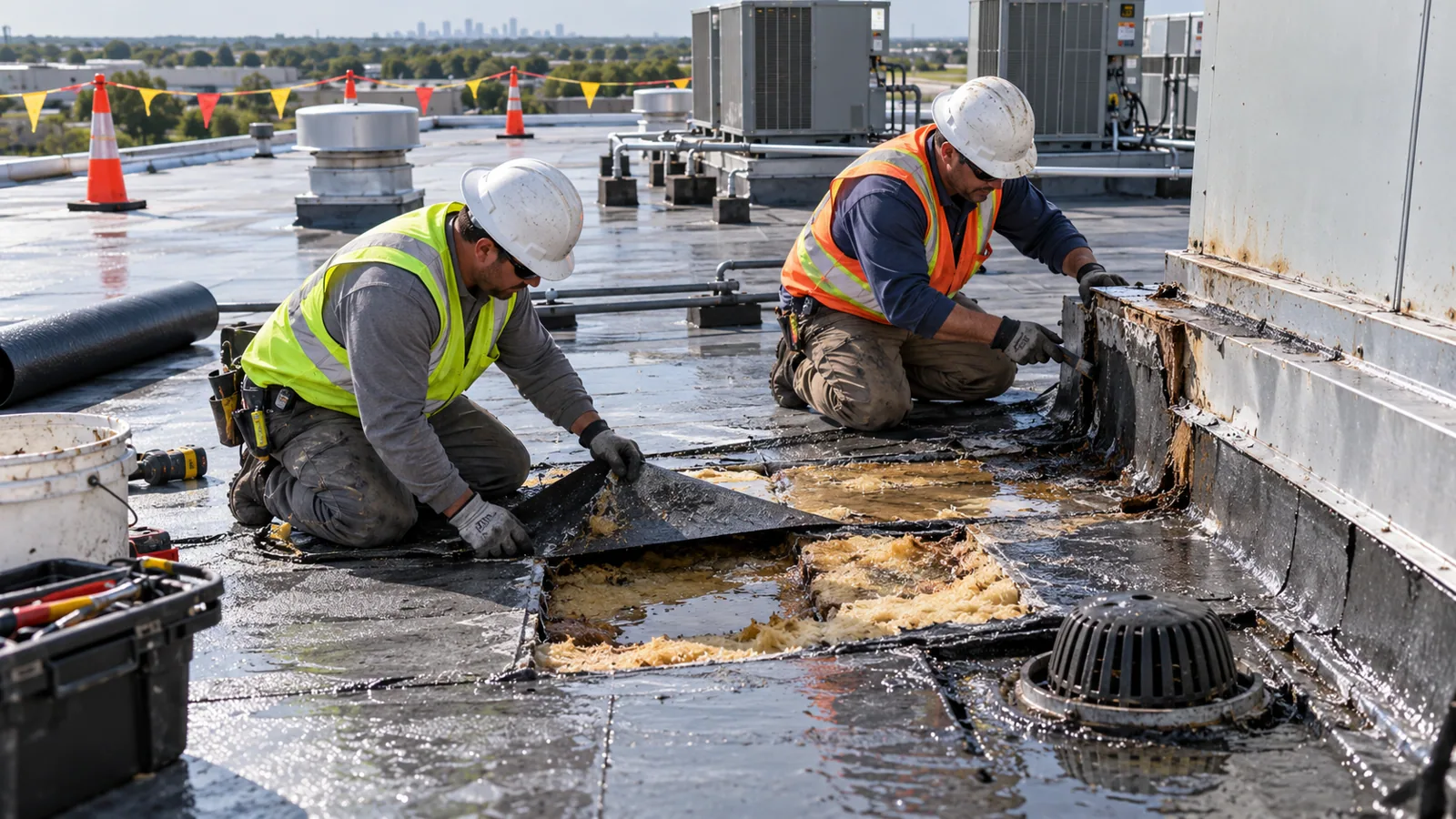
Define a logistics roof work zone
Share the affected bay, operating hours, dock plan, roof drawings, and access rules. We will map the roof section and define next actions.
Call 555-555-5555 or send the building details.