Modified Bitumen Roofing in Sandy Springs, GA
Modified bitumen is a layered roof system, and its repair scope depends on which layer and detail has failed. We inspect the cap sheet, base layers, seams, surfacing, drains, and transitions before pricing work. Sandy Springs’ rainy months and recurring spring-summer storms make water entry and edge condition part of the roof record. A surface crack may be limited to the cap sheet, or it may point to movement or moisture below. The owner needs that distinction before choosing a patch, restoration, or tear-off.
Read the layers before repair
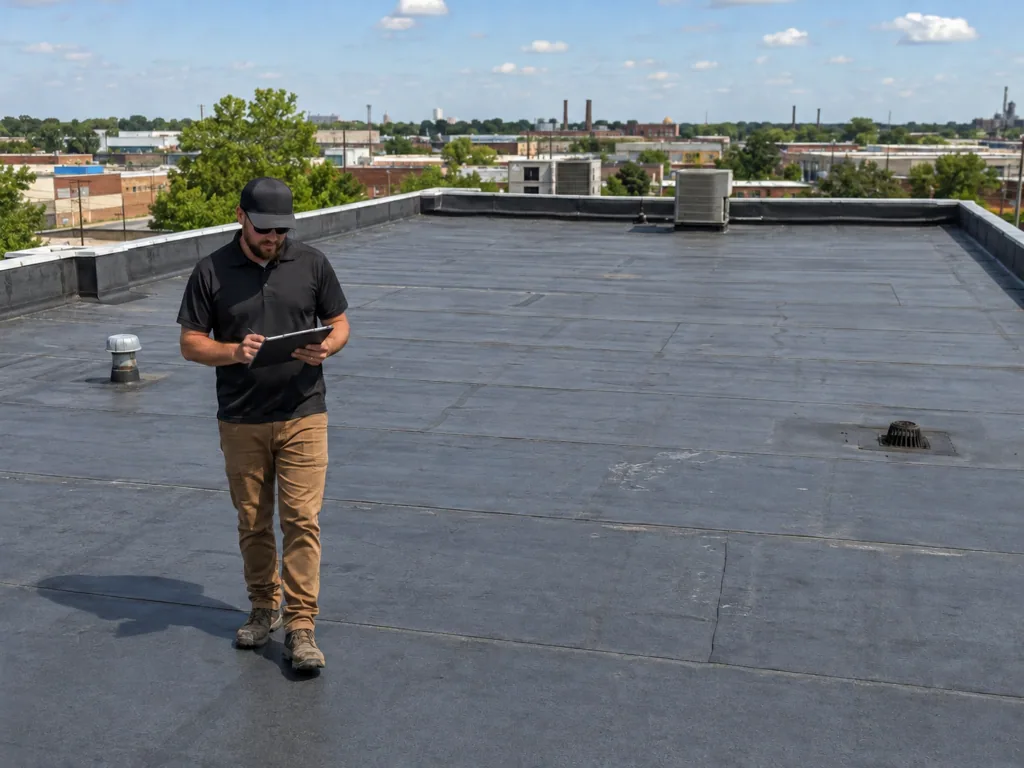
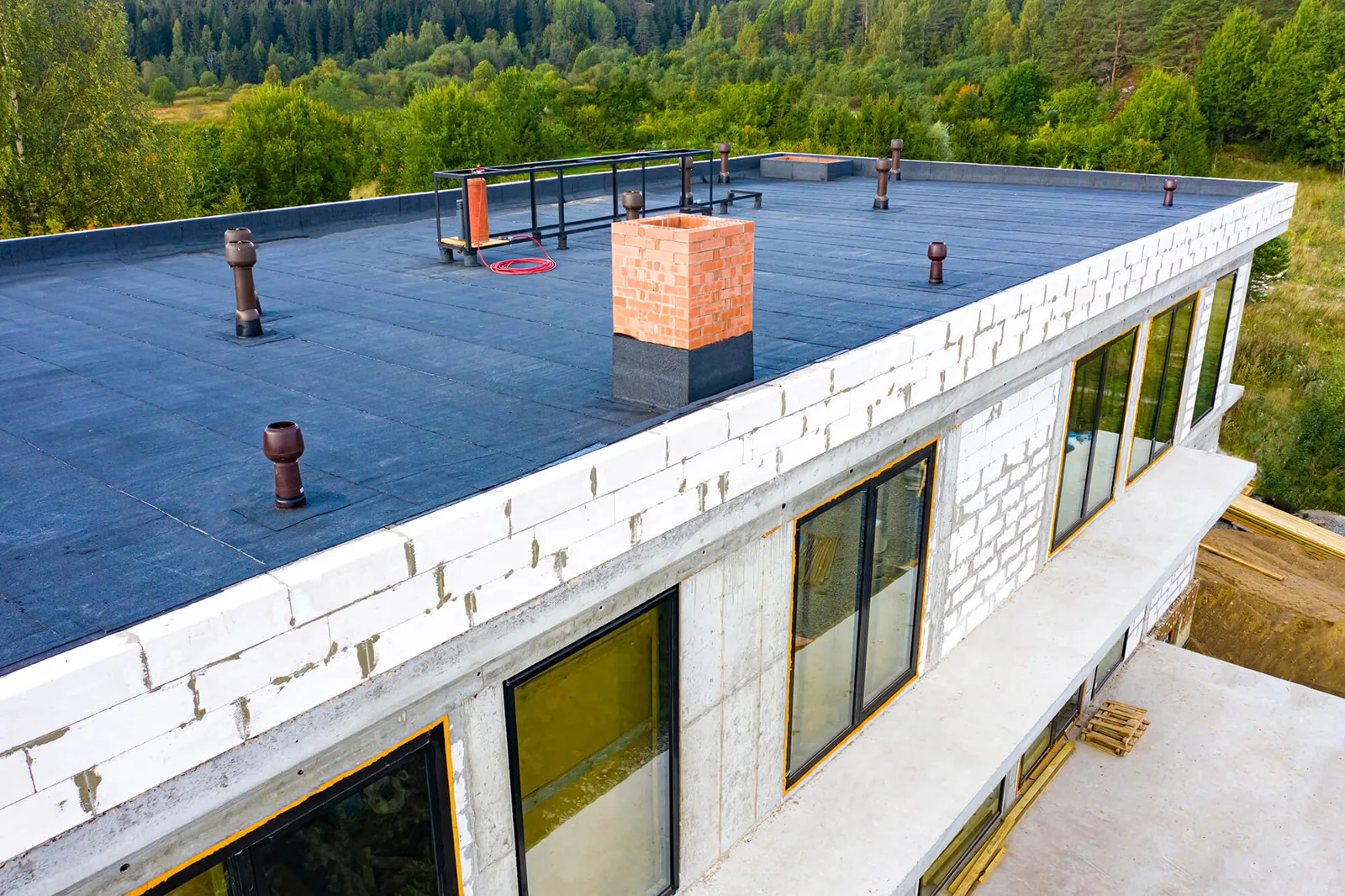
Modified-bitumen systems use reinforced sheets with asphalt modified for flexibility and performance. Depending on the assembly, the sheets may be torch-applied, adhered, or installed with a self-adhered method. We identify the visible surfacing and seam pattern, then review repair records or test openings for the underlying layers. Blisters, splits, exposed reinforcement, loose laps, and trapped moisture each carry different implications. A roof inspection can map those conditions and separate surface wear from an assembly problem.
Repairs need to match the existing system and the location of the failure. A small crack may require compatible membrane and reinforcement; a loose lap needs preparation and a tie-in that reaches sound material. We check whether the cap sheet is secure around drains, curbs, parapets, and equipment supports. If water has entered below the surface, a patch over the symptom will not correct the concealed condition. A seam-failure survey can verify how far an opening extends before setting the repair limit.
Inspection should also note whether the cap sheet is smooth, mineral surfaced, or otherwise protected, and whether granules have moved away from a lap or drain. A small bare area can expose asphalt to ultraviolet wear, while a blister may reflect trapped air or moisture that needs a closer look. We record the size and location, then check whether the condition is isolated or continues into adjacent sheets. That distinction affects repair preparation and how much material must be removed.
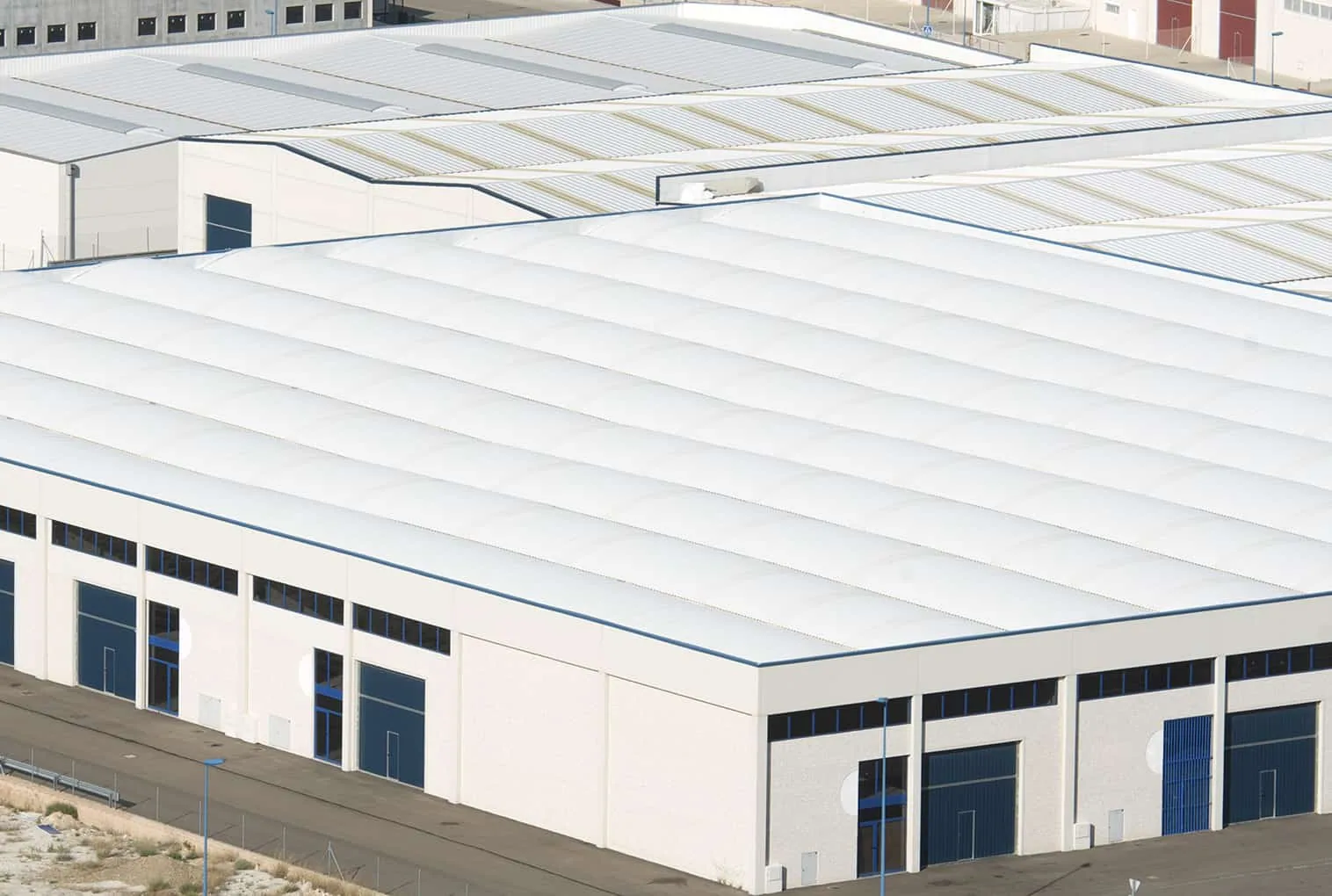
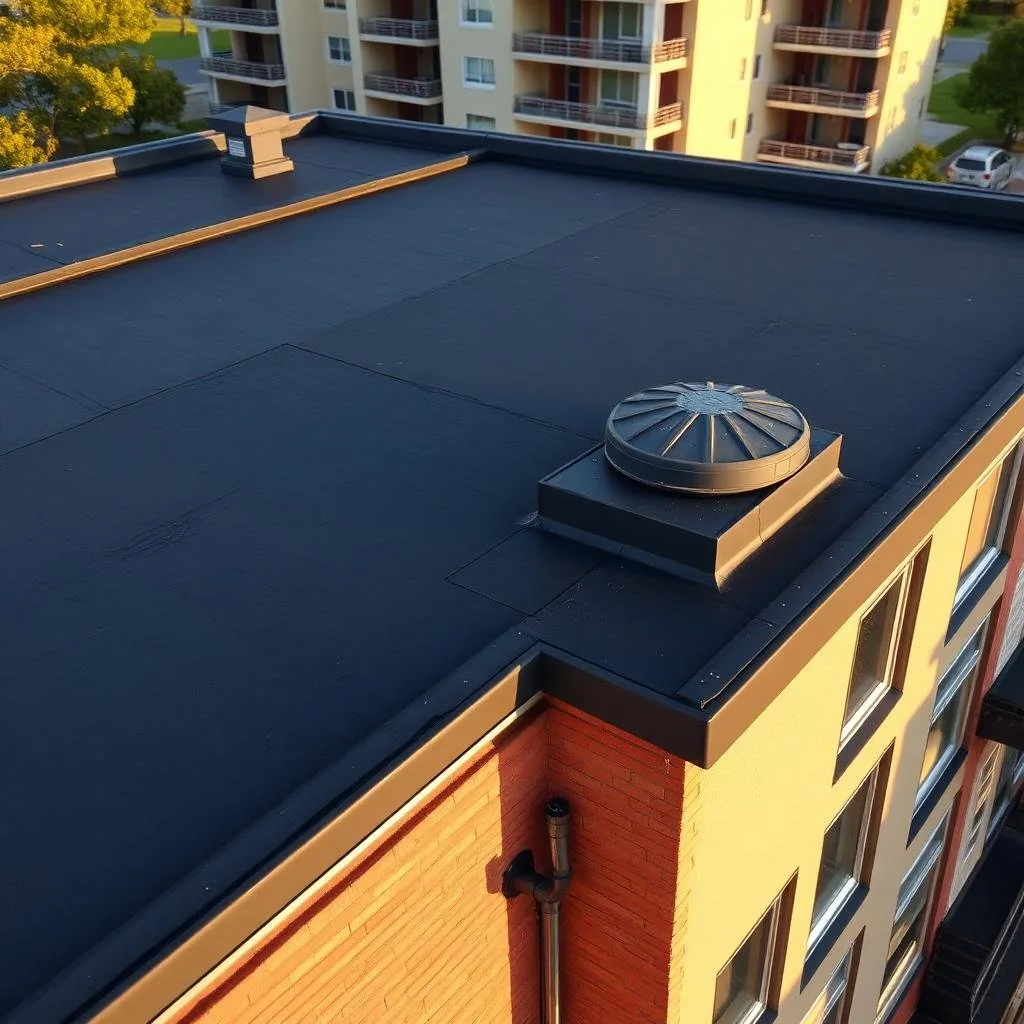
Surfacing, drainage, and edges
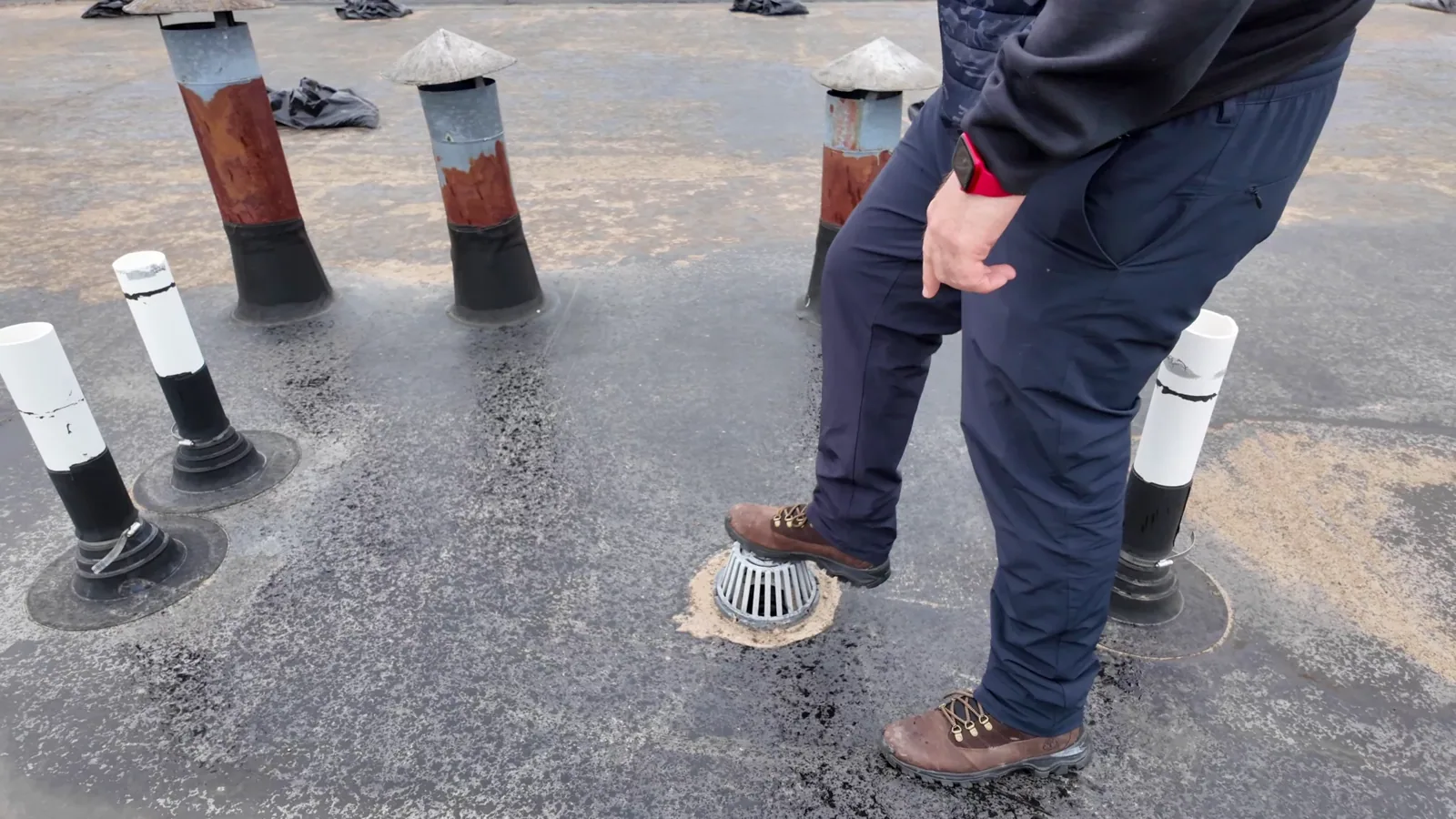
Mineral surfacing protects some cap sheets from exposure, but loose granules, bare spots, and worn walk paths should be recorded by roof zone. A coating or reflective treatment needs compatible preparation and an assembly that can accept it. We inspect at low points, drain bowls, scuppers, wall transitions, and sheet ends where water can work beneath a lap. If ponding returns after an outlet is cleared, the slope or insulation may need more investigation. A drainage assessment can distinguish a blocked path from a roof-plane concern.
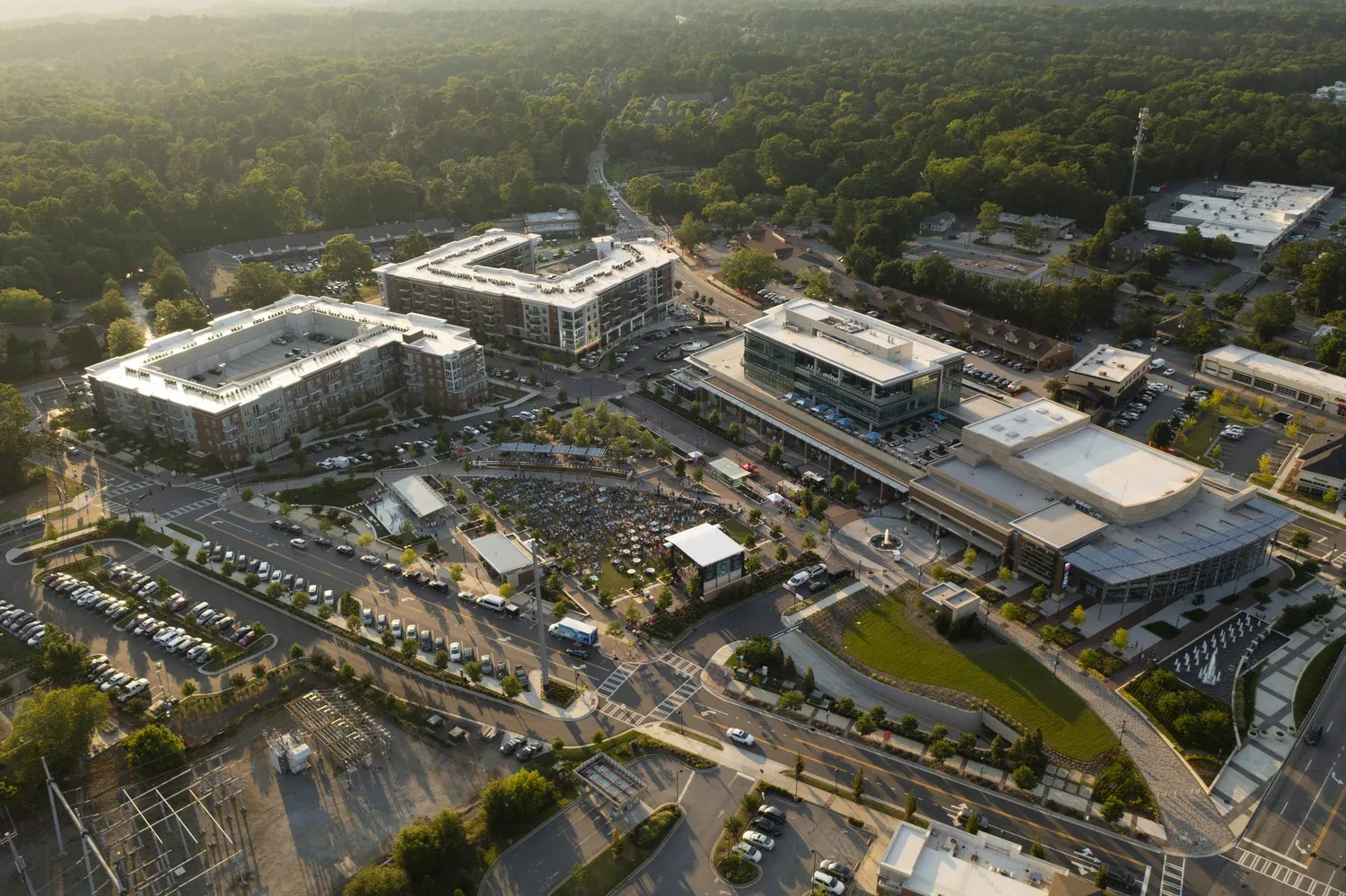
The City Springs district mixes civic uses, performing arts, conferences, events, dining, fitness, and housing. Work above those active uses needs building-specific staging and protection, especially where a lift or temporary closure could affect an entrance. We confirm hours and access with the property contact rather than infer them from the district. A City Springs roof survey can document the property’s actual roof and logistics before repair or renewal is scheduled.
Repair, restore, or replace
Localized maintenance can be appropriate when most layers remain bonded and dry. Broader failure, repeated leaks, wet insulation, or deteriorated attachment may justify a larger scope. A recover adds a new system over the existing roof only when moisture, layer limits, deck, drainage height, and project requirements allow it. Tear-off exposes the underlying assembly and can address concealed damage. A replacement review compares removal and new-system costs against a targeted repair without treating the roof’s age as the only deciding factor.
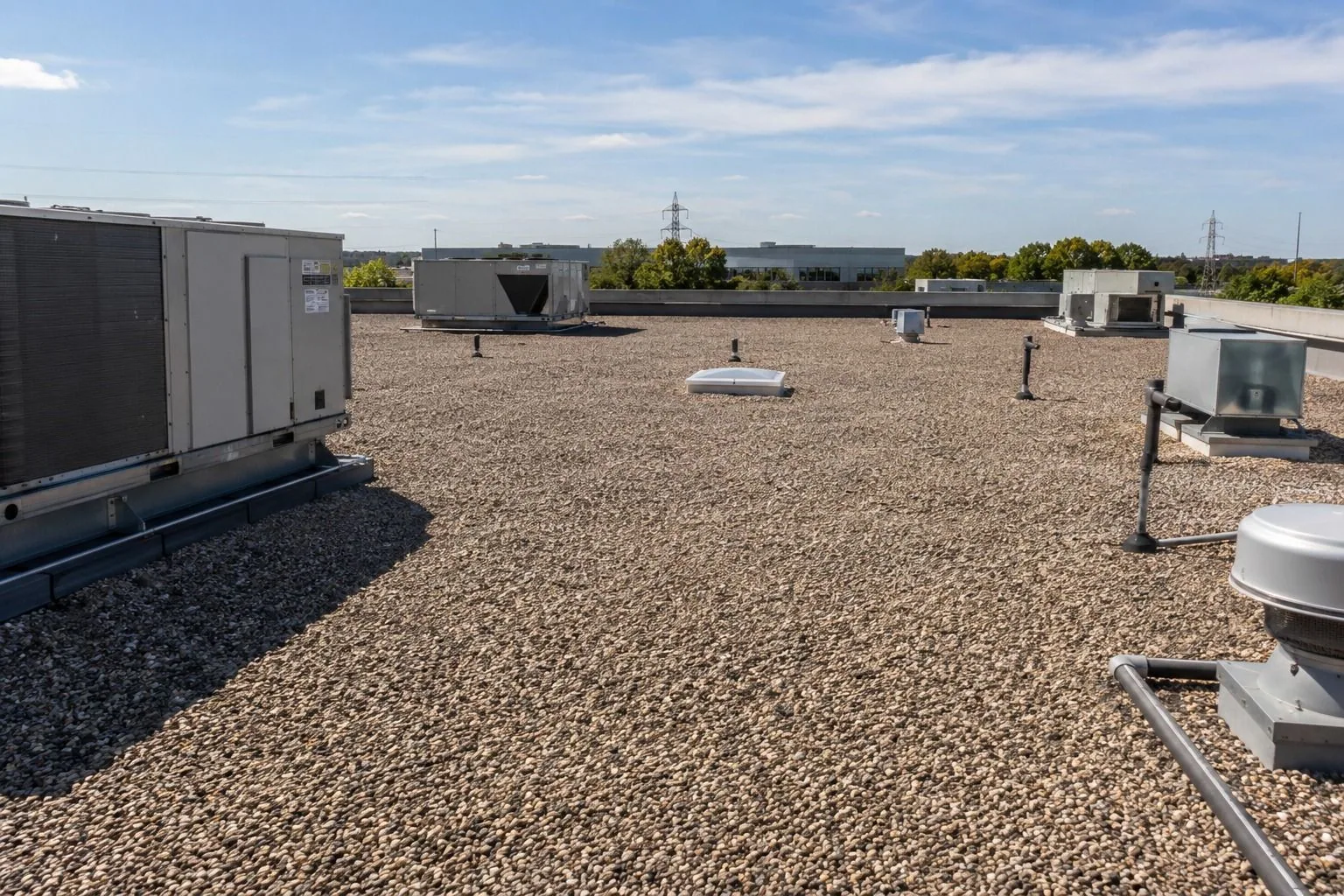
Built-up roofing also uses multiple plies, but the materials, surfacing, and repair procedures differ. An existing built-up roof or an EPDM membrane nearby should be identified separately before a crew transitions between areas. We label assembly changes, compare edge and penetration details, and specify compatible materials for each zone. A capital plan can rank urgent repairs and planned renewal by the evidence, budget year, and access window.
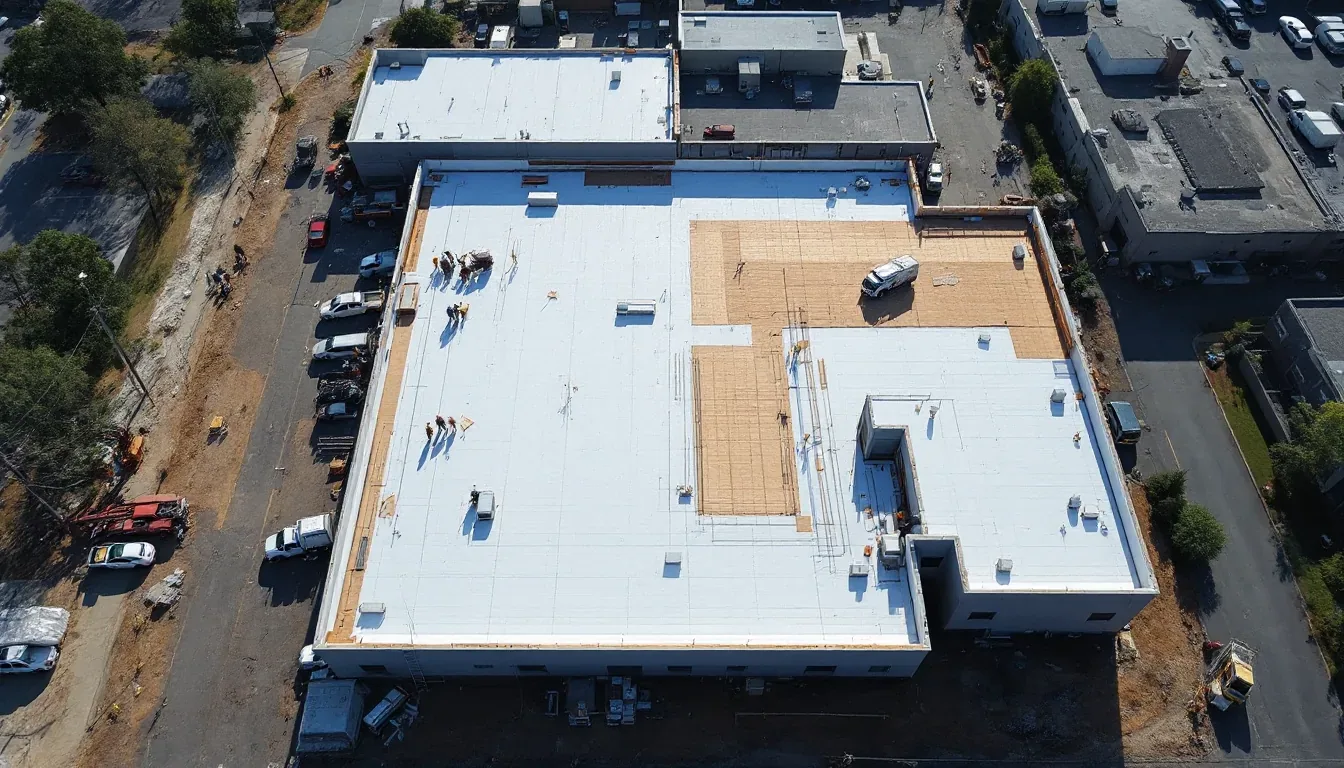
Cost and timing vary with the number of layers removed, the method used to install new sheets, deck repairs, disposal, staging, and occupied-area protection. Torch work may require additional fire controls; an adhesive method has its own surface and temperature limits. We list those conditions in the proposed scope so the owner can compare options with the same access assumptions. Where work must be phased, each section needs a reliable termination and a dry-in plan before the next area is opened.
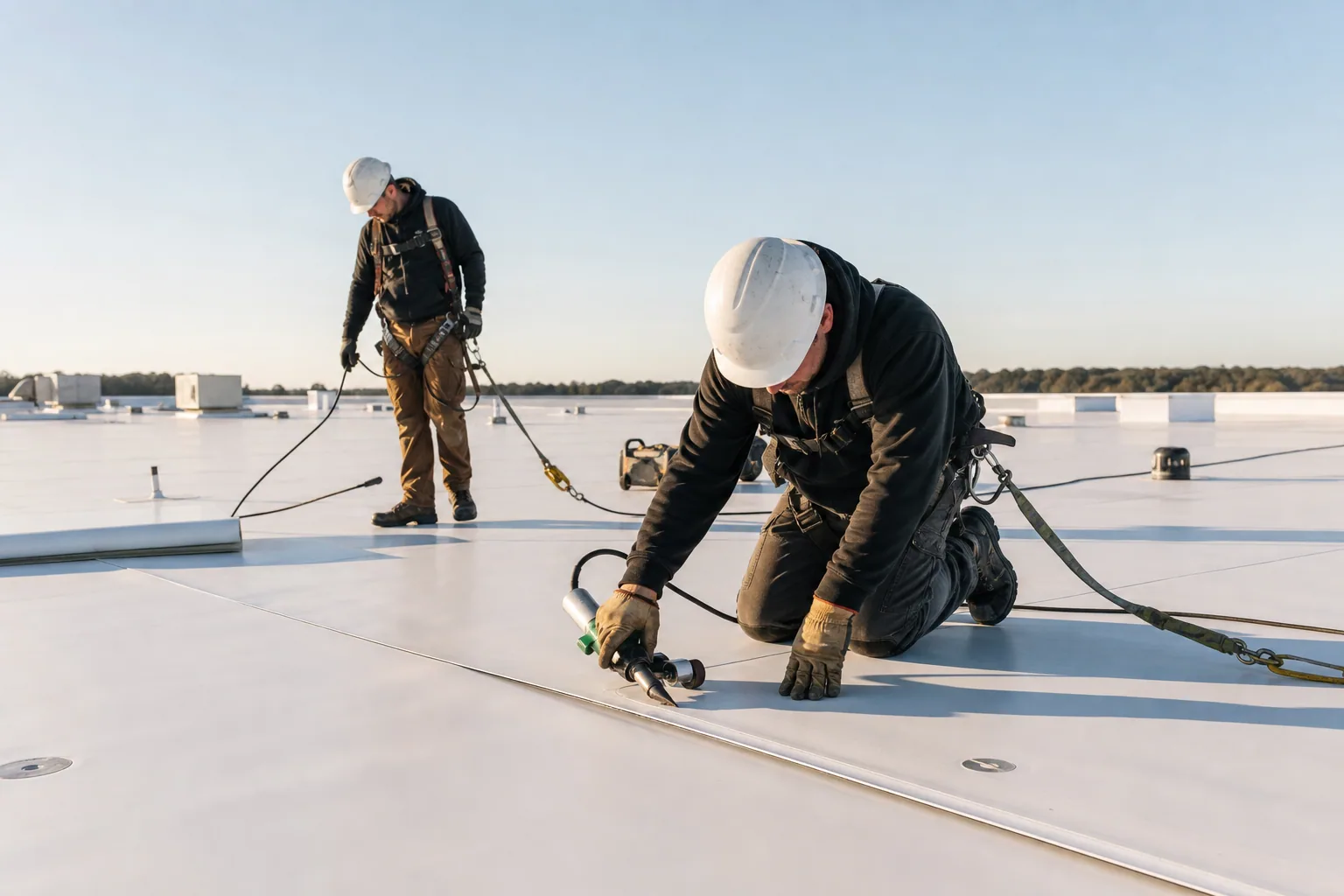
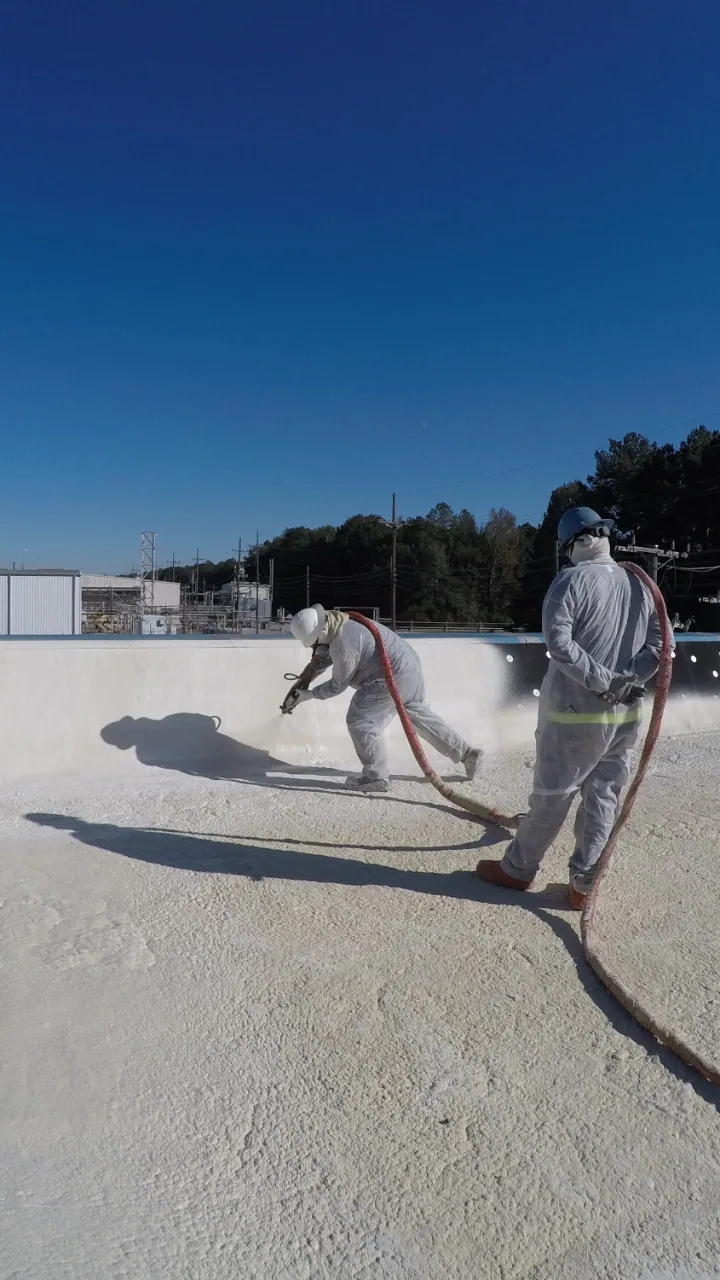
Safe installation and operating limits
Application method changes the work controls. Torch-applied sheets require fire prevention and a designated fire watch; adhered systems need the correct substrate and product conditions; self-adhered sheets require proper rolling and seam pressure. The work plan names the application method, fire controls, substrate limits, and protected roof zone before material arrives. Hot, humid weather can affect roof-surface conditions, and rain can make substrate preparation unsuitable. The crew sets a daily boundary that can be protected before leaving the roof.
Roswell Road is Sandy Springs’ principal north-south arterial, with commercial properties and MARTA stops along its North End segment. That corridor can shape delivery windows, parking, and pedestrian protection near a project. We coordinate staging with the building and keep debris, heating equipment, and material handling within the approved work area. If spring or summer storm activity changes the forecast, the owner receives the revised roof section status and any temporary measure that remains in place.
Keep repair history useful
Closeout should show the layer or surface repaired, seam direction, flashing transitions, preparation method, and photographs with roof-zone labels. Record whether the area was dry, whether a test opening was made, and what condition remains outside the work. Those details matter if the same leak returns or another contractor needs to evaluate the assembly. The owner can then compare the new observation with a prior repair rather than starting from a generic system description.
Send roof plans, known layers, active leak areas, prior repairs, access requirements, and the budget window. We will document the condition, define a repair or renewal boundary, and list any test needed before pricing concealed work. The resulting file supports immediate decisions and the next capital review. We keep observations distinct from recommendations so each can be revisited with new evidence.
Questions About Modified Bitumen Roofing
Which SBS and APP differences matter when setting a modified-bitumen repair scope?
They use different modifiers and have different product properties and application guidance. We identify the installed system and follow its approved repair method rather than select materials from a generic roof label.
Can a crack in the cap sheet be patched?
A repair may work when the damage is limited, the material around it remains sound, and the area is dry and prepared correctly. We check for movement, wet layers, and nearby open laps before defining the patch.
Does a modified-bitumen roof need a recover or tear-off?
The layer count, moisture, attachment, deck, drainage height, and repair history all enter that comparison. We map the known condition and identify where a test opening is needed before recommending either path.
How does torch application affect a project?
Torch work requires fire prevention, approved access, combustible-material controls, and a fire watch under the project plan. We confirm the method and work zone before mobilization and follow the applicable safety requirements.
What should the roof closeout record include?
Keep material identification, repaired layers, seam and flashing locations, preparation details, photos, test openings, and remaining conditions together. That record helps the next inspection compare the same roof zone.
Review a modified-bitumen roof
Share roof plans, known layers, active leaks, prior repairs, access requirements, and the budget window. We will return a prioritized repair or renewal scope by roof section.
Call 555-555-5555 or send the building details.