Storm Damage Roof Repair in Sandy Springs, GA
After a severe weather call, the owner needs a defensible scope before deciding which roof sections move into repair. We document visible changes, locate active water entry, and separate temporary protection from permanent work. The North and Central Georgia warning area sees about six tornado days and seven large-hail days in a typical year; damaging thunderstorm winds are most common in spring and summer. That climate supports a ready response plan, but the repair boundary comes from the conditions at the property. The report should identify what changed, what was tested, and which decision can wait for the next capital window.
From event report to roof map
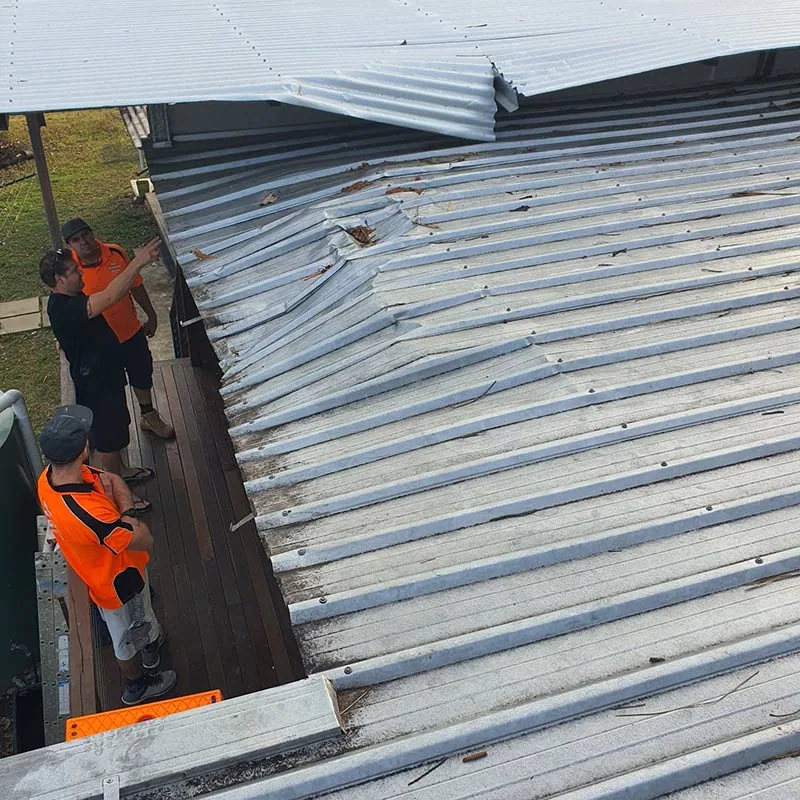
We begin with the date and time of the reported event, affected rooms, equipment alarms, photographs, and any active leak. The owner’s storm record may include wind direction, hail observations, emergency work, or prior roof conditions. We compare those details with the assembly above the reported area and mark roof zones that need access. A storm can leave a puncture, displaced edge metal, cracked curb flashing, or debris at a drain; the report distinguishes new visible conditions from older wear. On a large property, a map prevents one roof detail from becoming a blanket conclusion for an entire building.
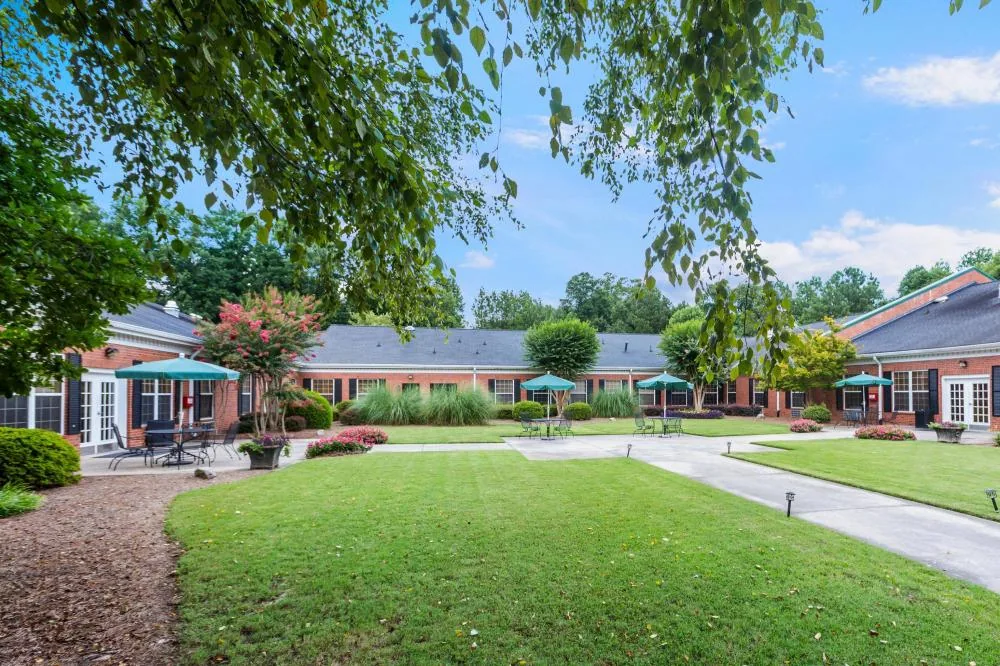
Sandy Springs office and healthcare properties remain occupied through much of the year. A building in the Central Perimeter may require tenant and loading coordination, while a visit near the Medical District can involve clinical access controls. We confirm entry, escort, interior protection, and any equipment that must stay online before setting the inspection route. The weather response is only useful if the crew can reach the affected area safely and the facility knows what to expect.
Hail, wind, and water entry
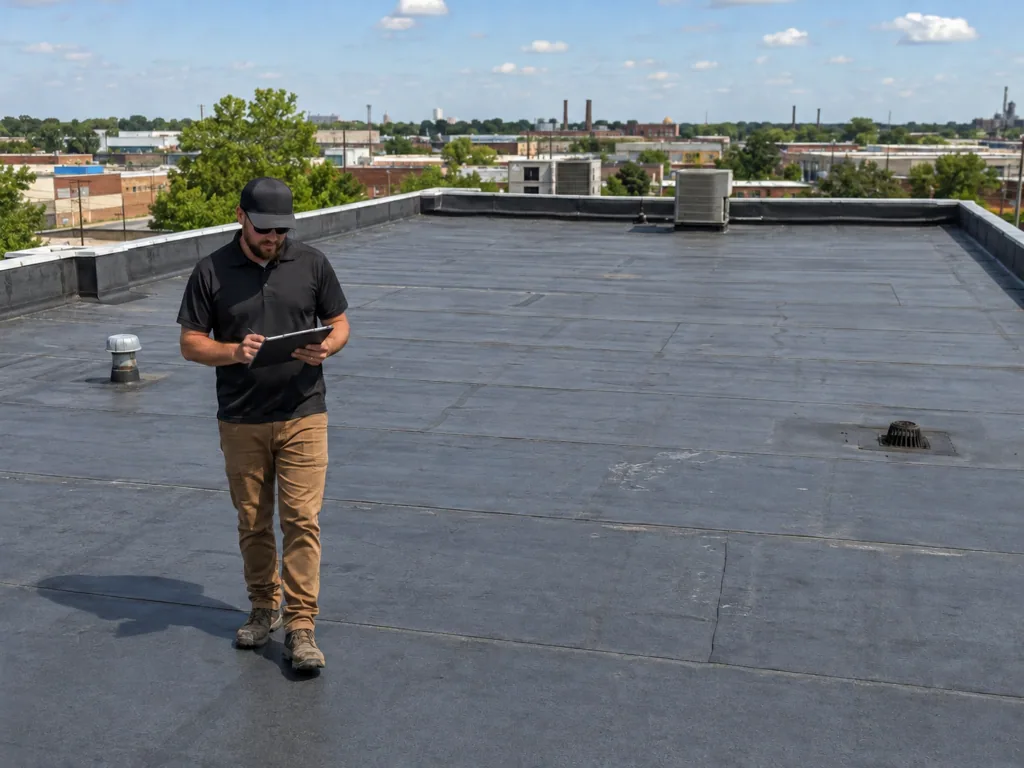
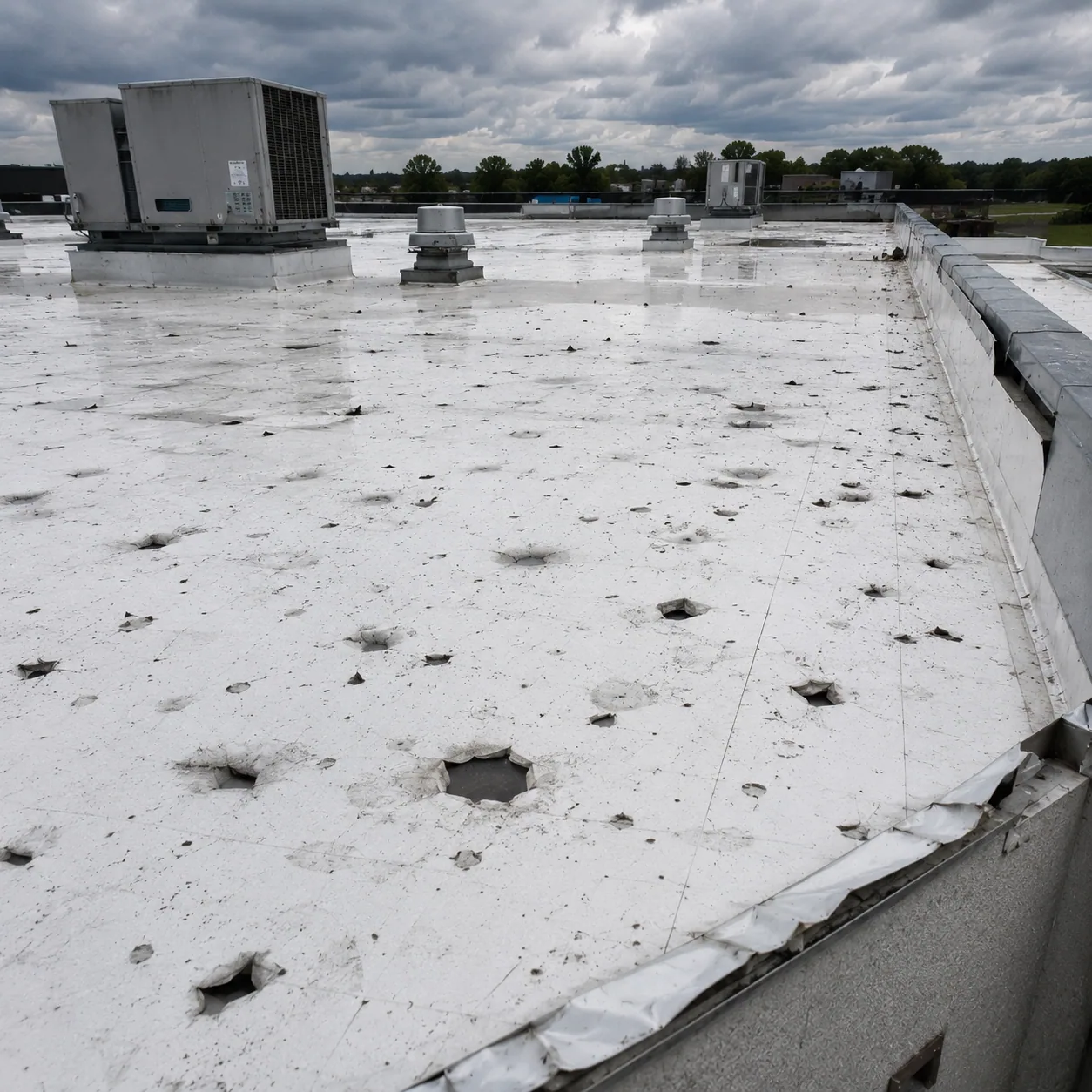
Hail review focuses on impacts that could breach a membrane, dent a metal panel, damage a coating, crack a curb, or harm rooftop equipment. We photograph the affected details and compare representative areas with the surrounding surface. A mark in a coating is not automatically a leak; probing, adhesion checks, or a targeted opening may be needed when the result changes the repair scope. For wind, we inspect perimeters, corners, parapets, coping, fasteners, seam laps, and equipment supports. The report ties each observation to a roof zone and notes any area that could not be reached.
Heavy rain can expose problems at drains and transitions even when storm impact is not visible. Water may travel along a deck flute or beneath insulation before appearing inside. We follow the reported path through nearby curbs, seams, drains, and wall joints. The owner can use a commercial roof inspection to map accessible conditions, with a drain review if outlets or overflow paths appear restricted. When the repair scope depends on hidden moisture, an infrared survey can help select direct test locations.
Stabilize without losing the evidence
If water is entering, we first protect people, equipment, inventory, and the building interior. The temporary measure should control exposure while leaving the eventual repair detail accessible for inspection. We mark where the protection begins and ends, what material was applied, and which condition still needs permanent work. Emergency response is available any hour, including nights, weekends, and holidays. For an occupied office, hospital, or shopping center, the site contact identifies affected areas below and approves the safest route for crews and materials.
Damage at a roof curb can involve both the membrane and the equipment vendor’s work. We record the opening, attachment, flashing, and any displaced support, then coordinate with the responsible mechanical or electrical contact before a unit is moved. A repair scope should state the confirmed boundary, compatible materials, testing, and closure plan. If emergency protection has to remain overnight, the owner receives the limits and next inspection step. Record temporary protection separately from the permanent repair, including its limits, follow-up date, and materials required for final closure.

Set the permanent work boundary
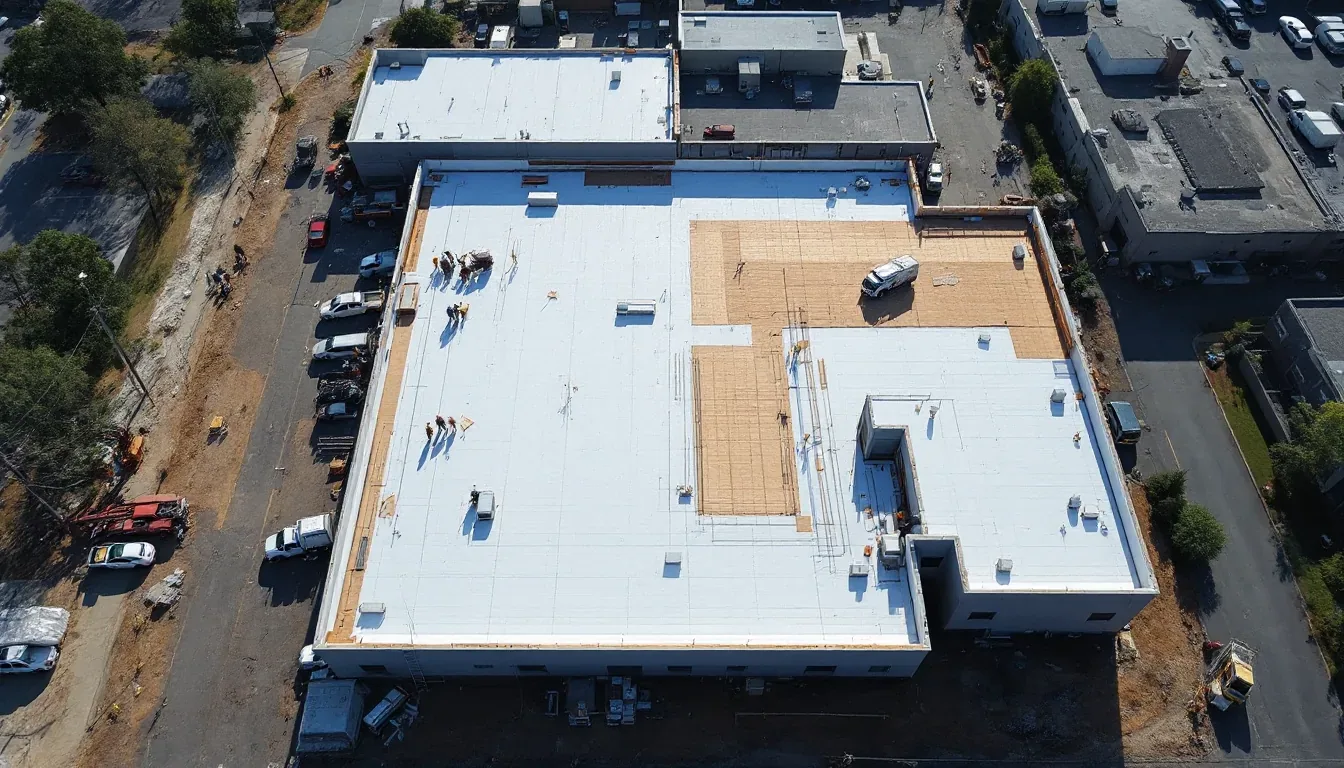
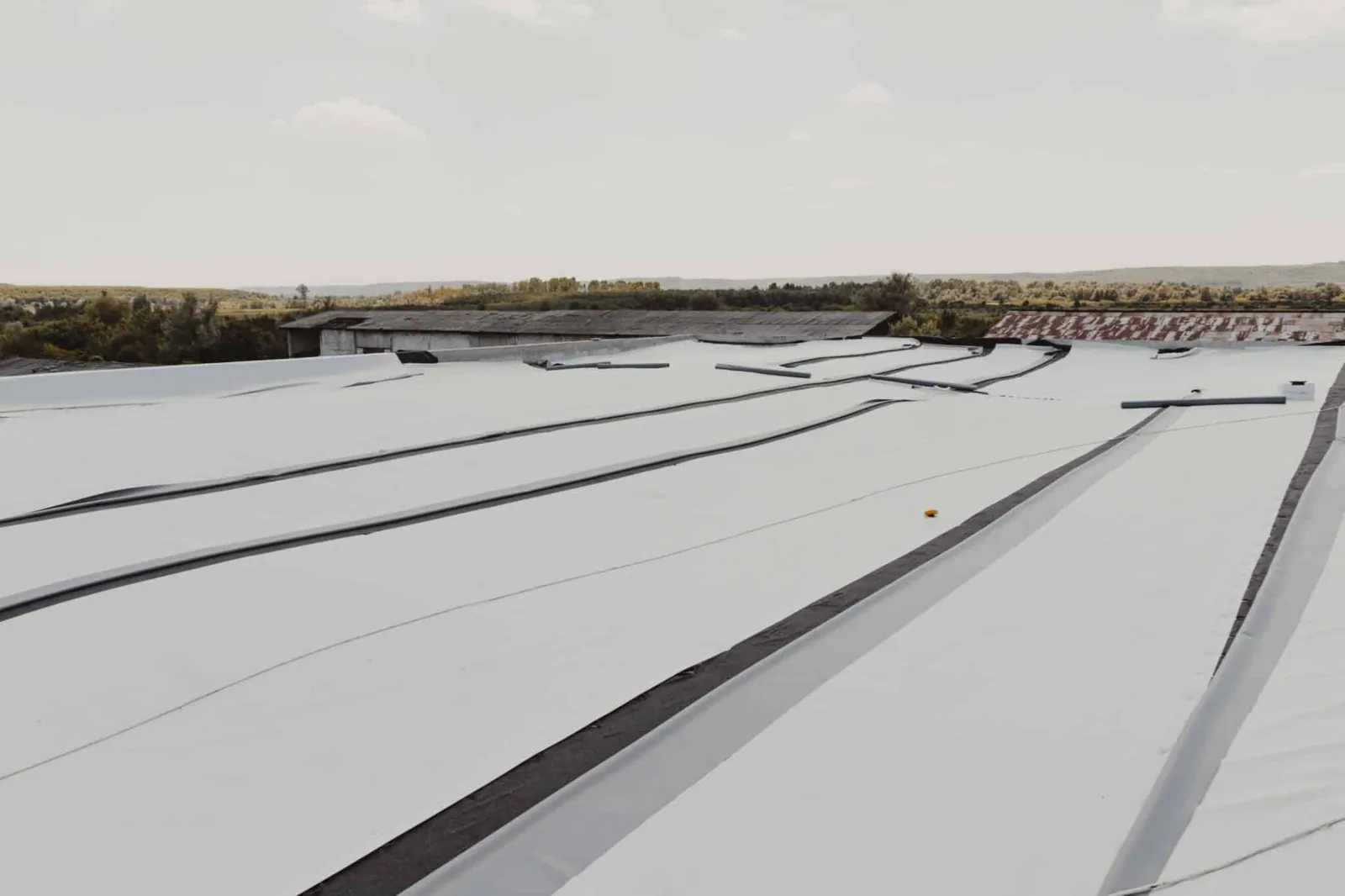
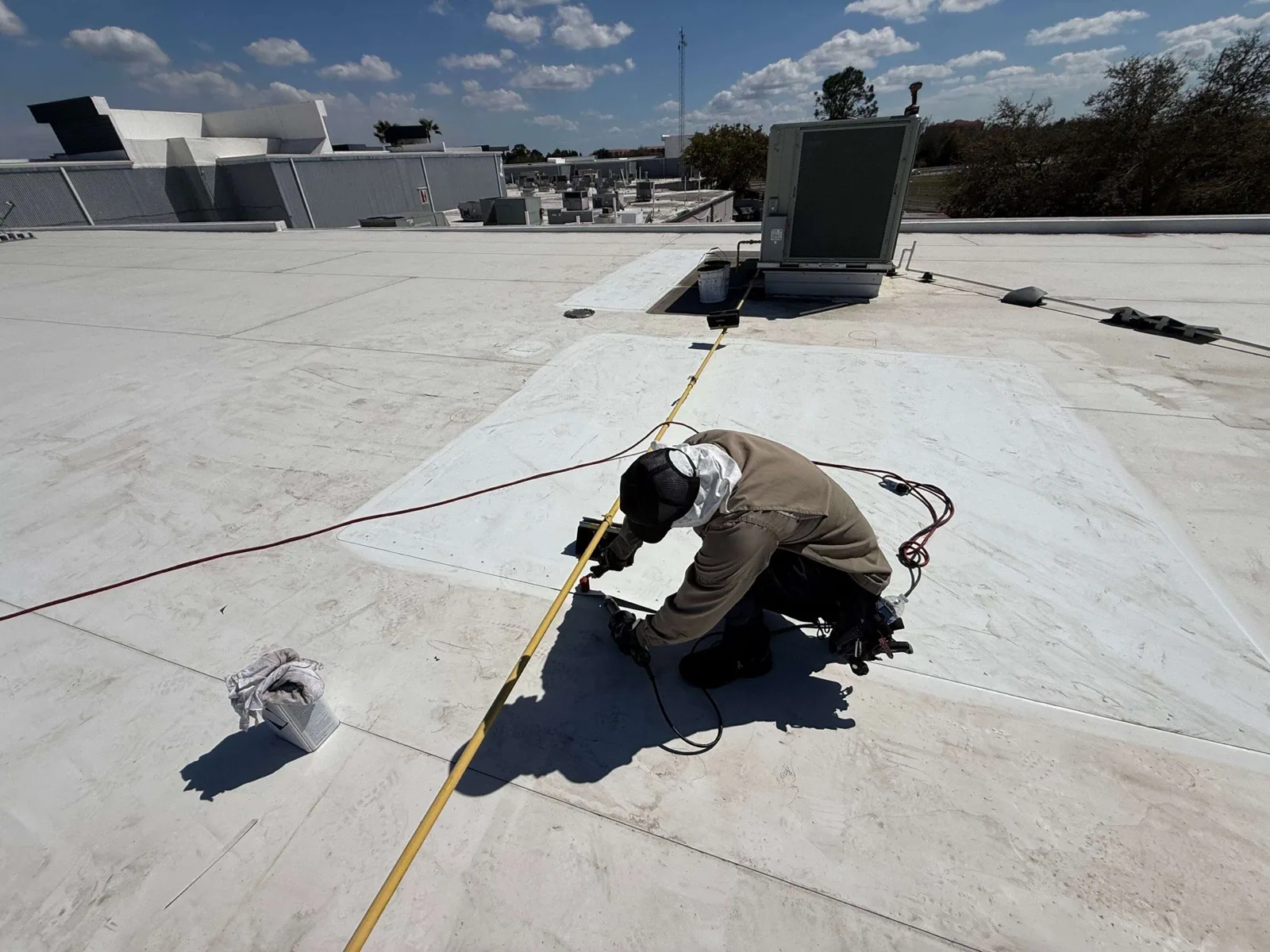
Permanent repair begins with identification of the installed system and preparation of the surrounding surface. A thermoplastic seam may need a test weld and a new lap; modified bitumen and metal panels require different tie-ins. If insulation is wet or attachment has failed beyond the visible opening, the scope may need to expand. We define the removal area, substrate work, flashing, fasteners, and final test before installation. If hidden conditions appear during removal, we protect the building and ask the owner to approve the revised boundary before proceeding.
For hail, wind, and tornado concerns, the record should preserve dated images and the sequence of inspection, stabilization, and repair. A hail damage review can separate surface marks from confirmed breaches. A wind repair assessment follows lifted edges and opened transitions. When a claim is involved, claim documentation can organize photographs, tested areas, and completed work without replacing the adjuster’s decision.
Connect response to capital planning
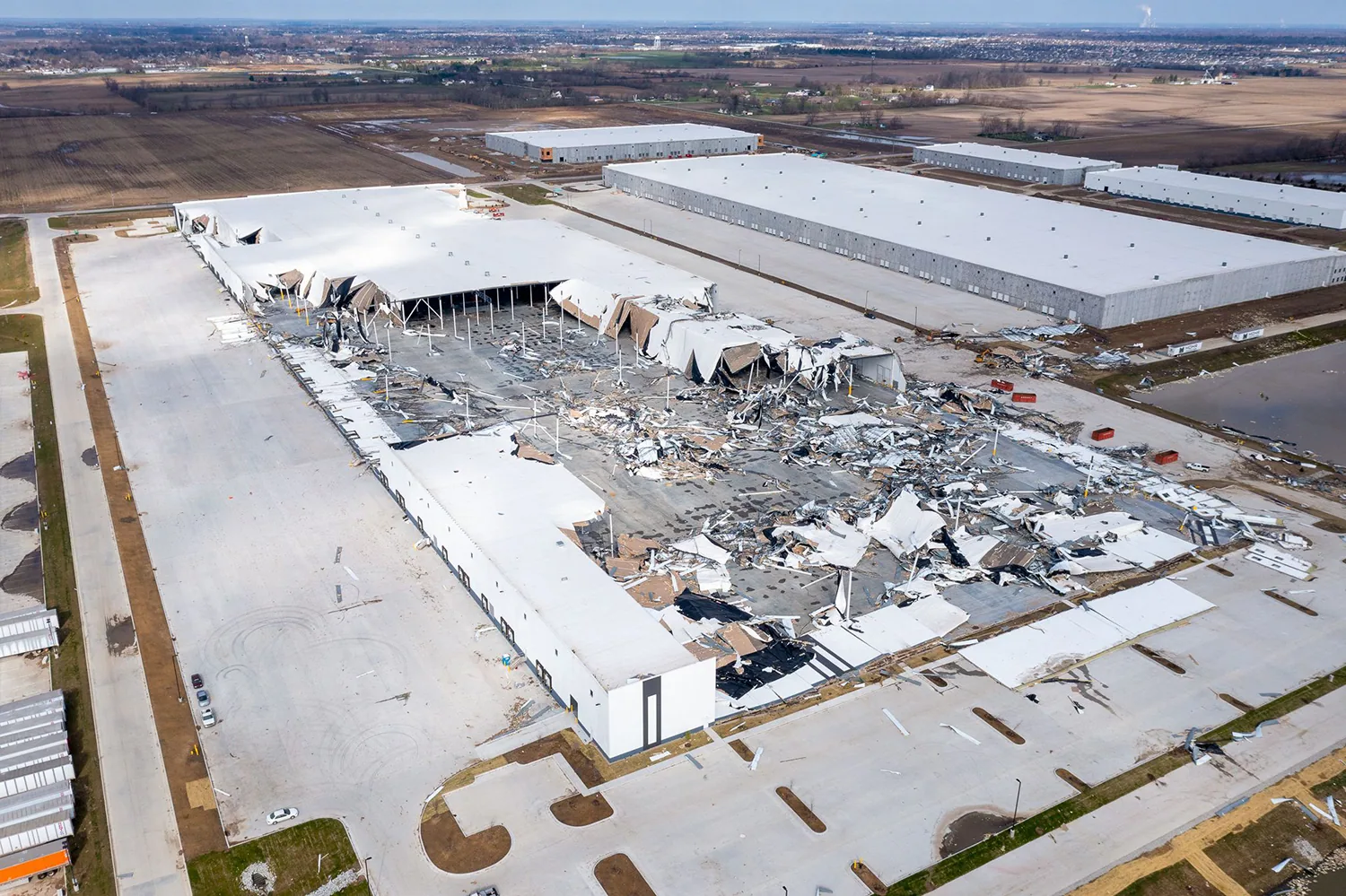
After urgent work is stabilized, the owner can compare repair with a larger capital action. A localized opening in otherwise serviceable membrane may remain a repair. Repeated storm-related work across several zones, widespread wet insulation, or loose attachment can change the replacement discussion. We show the affected area, estimated work sequence, material choice, access needs, and exclusions so finance and facilities teams are reviewing the same scope. A condition report can distinguish immediate exposure from a renewal candidate, while a capital plan connects the finding to the budget year.
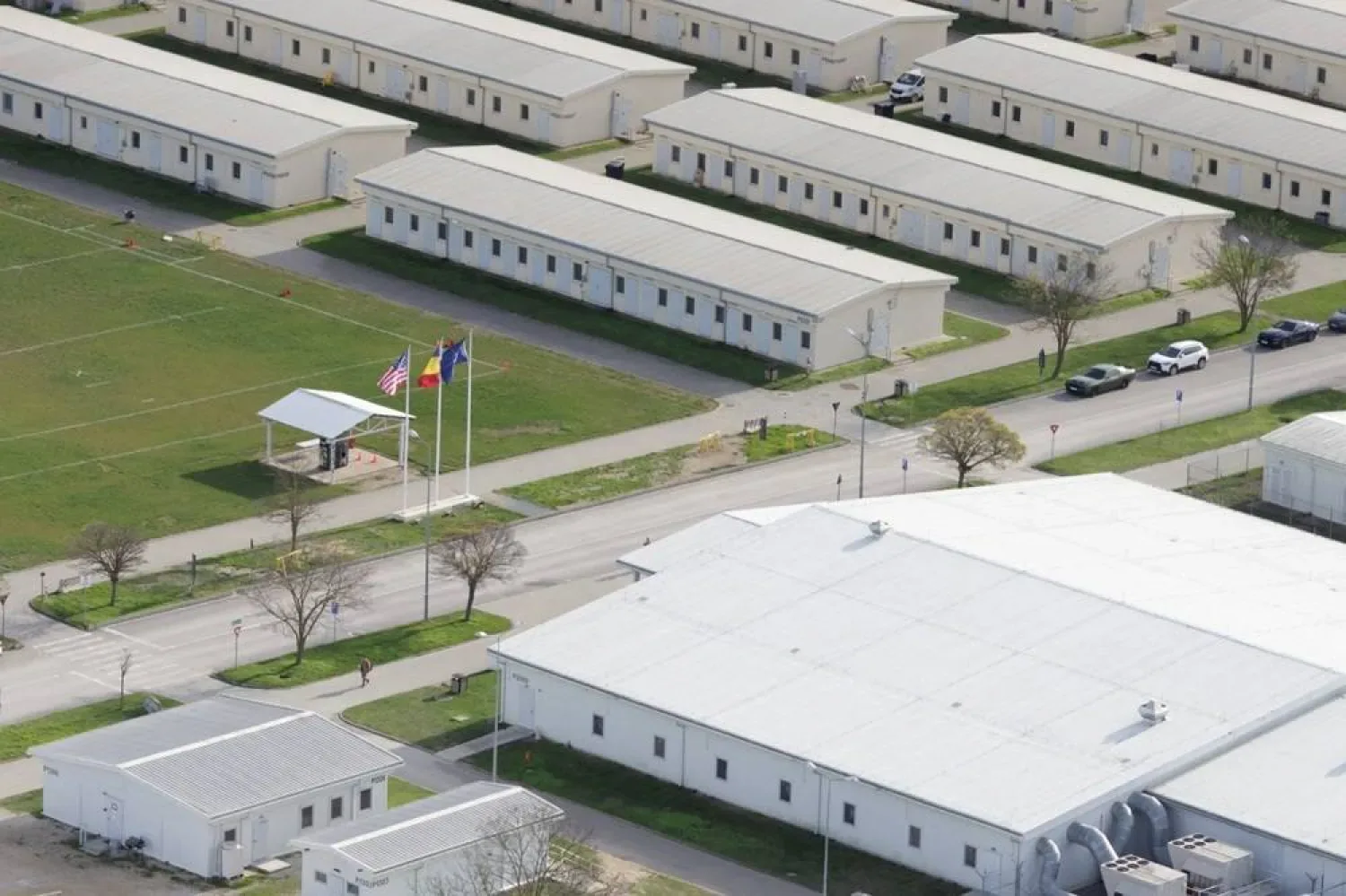
Sandy Springs has large office, retail, and commercial districts, and the Medical District includes three major hospitals. These local uses make access and operating hours part of repair timing, not a footnote. A property in North End may have different delivery and traffic conditions from a medical building, even when the roof damage looks similar. City Springs has civic and event uses that can also shape the work window. Northridge Shopping Center is one of the North End focus properties, where active commercial access belongs in the site plan. Each recommendation follows the building’s evidence and the owner’s scheduling constraints.
Close the event record
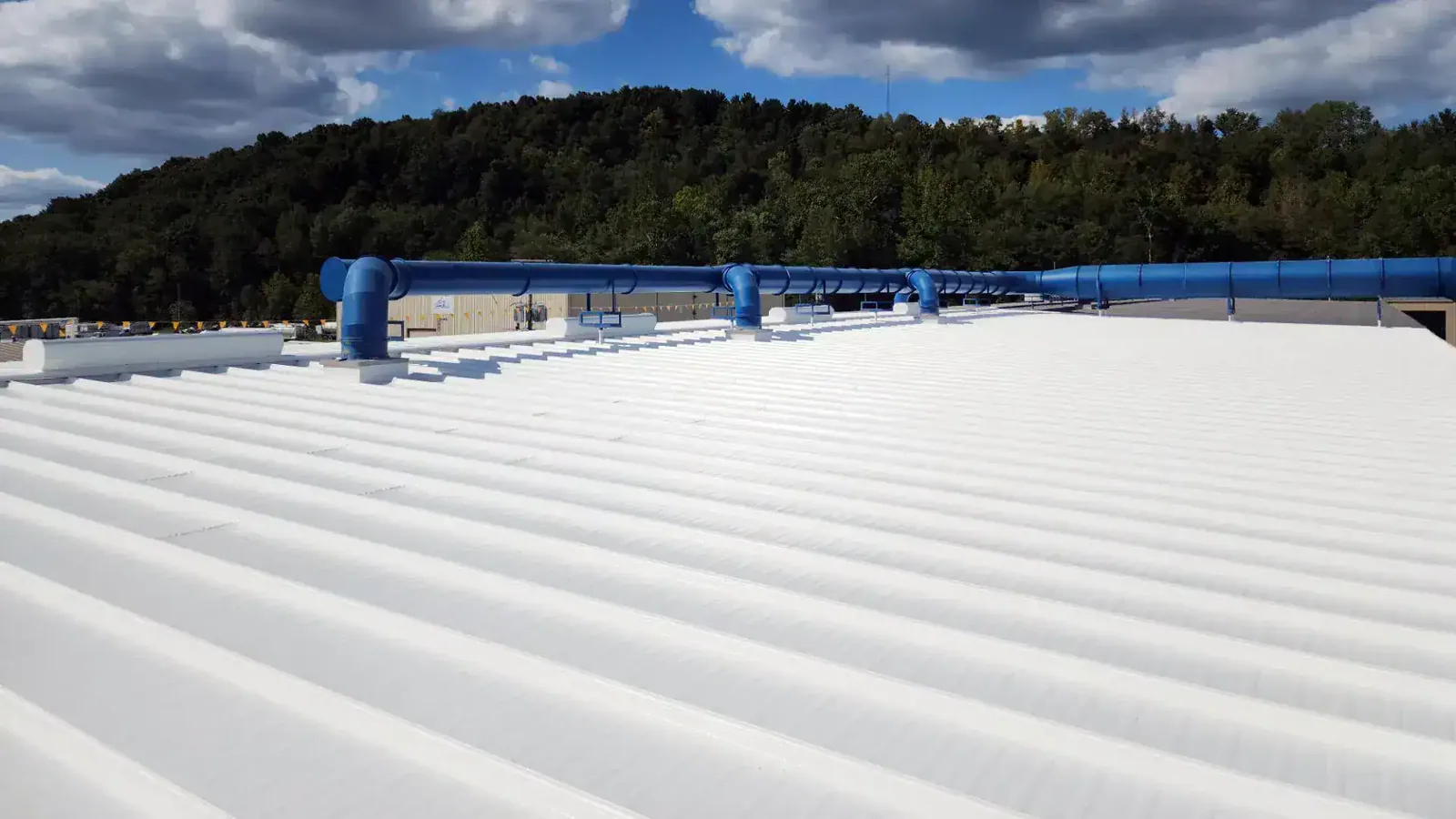
The closeout should include the event date reported by the owner, roof zones inspected, photos, test methods, temporary protection, permanent materials, and any remaining question. We identify work completed separately from areas that were inaccessible or not opened. The next inspection interval follows the repair history and the condition trend. If another storm occurs before planned renewal, that record helps distinguish new impact from an earlier repair and gives the owner a clear basis for the next scope.
Share the roof plan, active leak locations, operating restrictions, prior repairs, storm notes, and target budget window. We can coordinate access, stabilize exposed areas, and return a prioritized scope with next actions. The owner keeps control of claim decisions and access approvals; our role is to document the roof and complete the authorized work.
Questions About Storm Damage Roof Repair
How quickly should we inspect after hail or high wind?
We prioritize active water entry, visible displacement, and any condition that exposes the building. North and Central Georgia has recurring hail and thunderstorm-wind activity, so owners benefit from a response plan that identifies access contacts and critical roof zones before an event.
Does regional storm activity show that my roof was damaged?
No. It provides a reason to inspect after a reported event. We document the membrane, edges, penetrations, equipment supports, and drainage details at the property, then state which findings were tested and what repair boundary they support.
Can temporary protection stay in place until a claim is reviewed?
It can control immediate exposure when installed safely, but it needs a defined limit and a follow-up plan. We record its location and material, explain what permanent inspection or repair remains, and coordinate the next visit with the owner.
What evidence should we keep for storm-related roof work?
Keep the event date, interior reports, dated photos, roof-zone map, inspection findings, test locations, temporary measures, repair invoices, and closeout images together. We separate conditions observed from damage that required a test opening.
When does storm repair become a replacement decision?
Repeated openings, widespread wet insulation, failed attachment, or damage across multiple roof zones can change the economics. We compare the repair area, remaining serviceable sections, access, and budget window before recommending renewal.

Document the roof before setting the repair scope
Share the storm date, affected rooms, roof plan, access requirements, and any temporary protection already in place. We will map the findings and prioritize the next actions.
Call 555-555-5555 or send the building details.