Commercial Roof Insurance Claim Assistance in Sandy Springs, GA
A claim file is strongest when each roof observation connects to a location, date, and scope boundary. We inspect the affected assembly, photograph visible conditions, and record tests or temporary measures without deciding coverage. In Sandy Springs, hail, tornadoes, and thunderstorm winds make prompt documentation useful after a reported event. The owner still controls claim communication and authorization. Our work gives facilities and the adjuster a clear record of what the roof showed, what repair was completed, and which question needs another inspection.
Build the event record
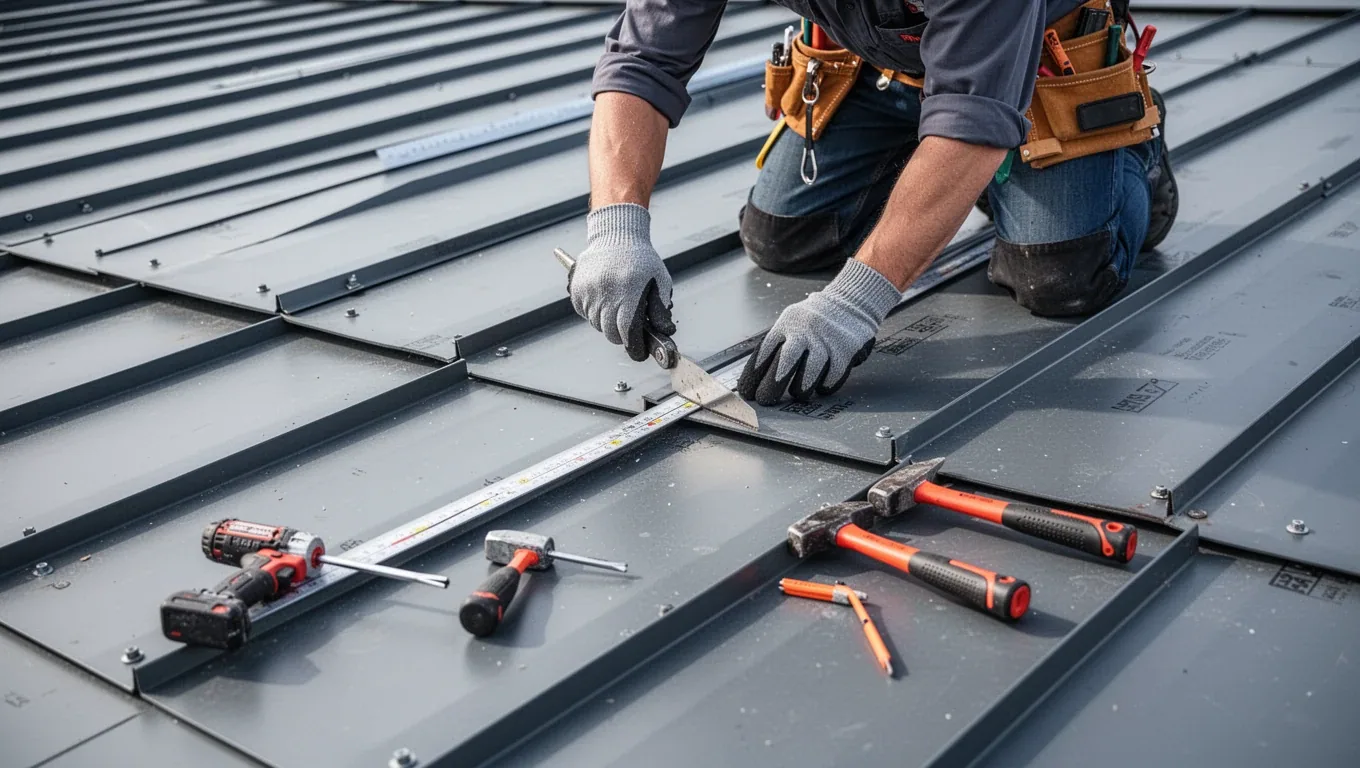
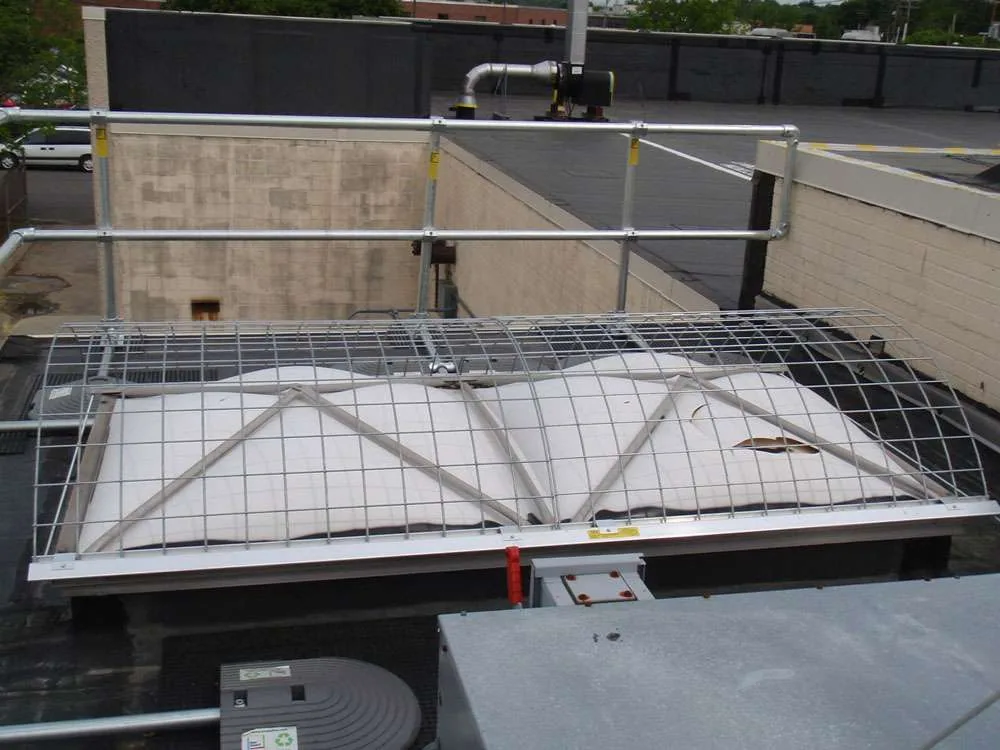
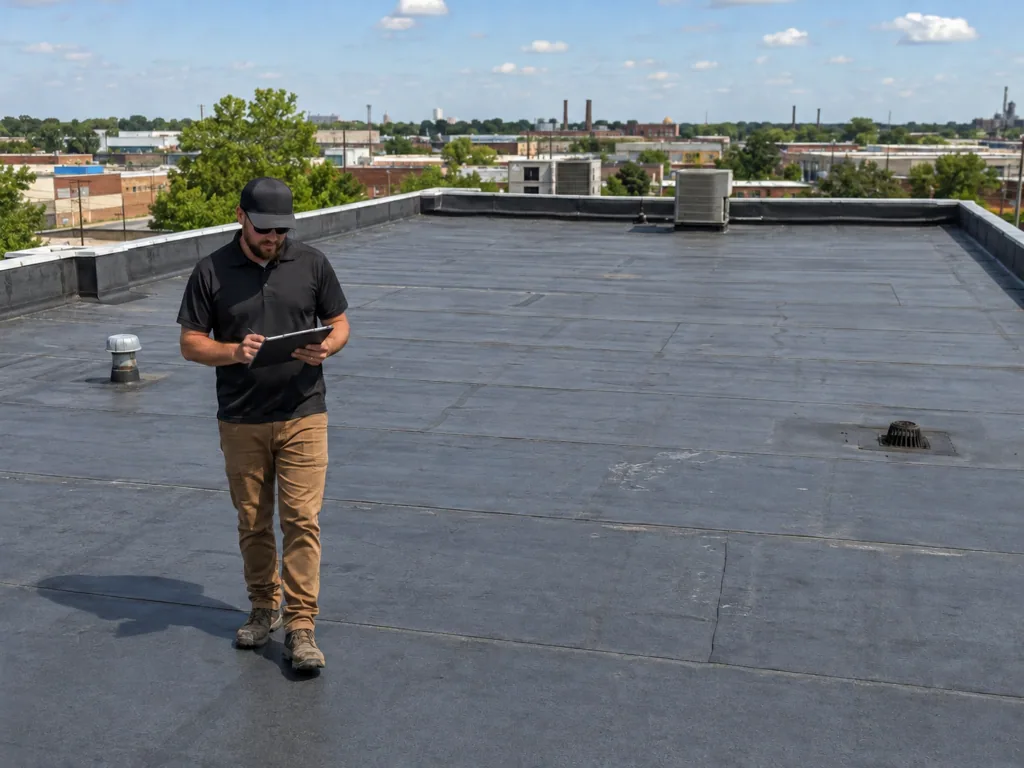
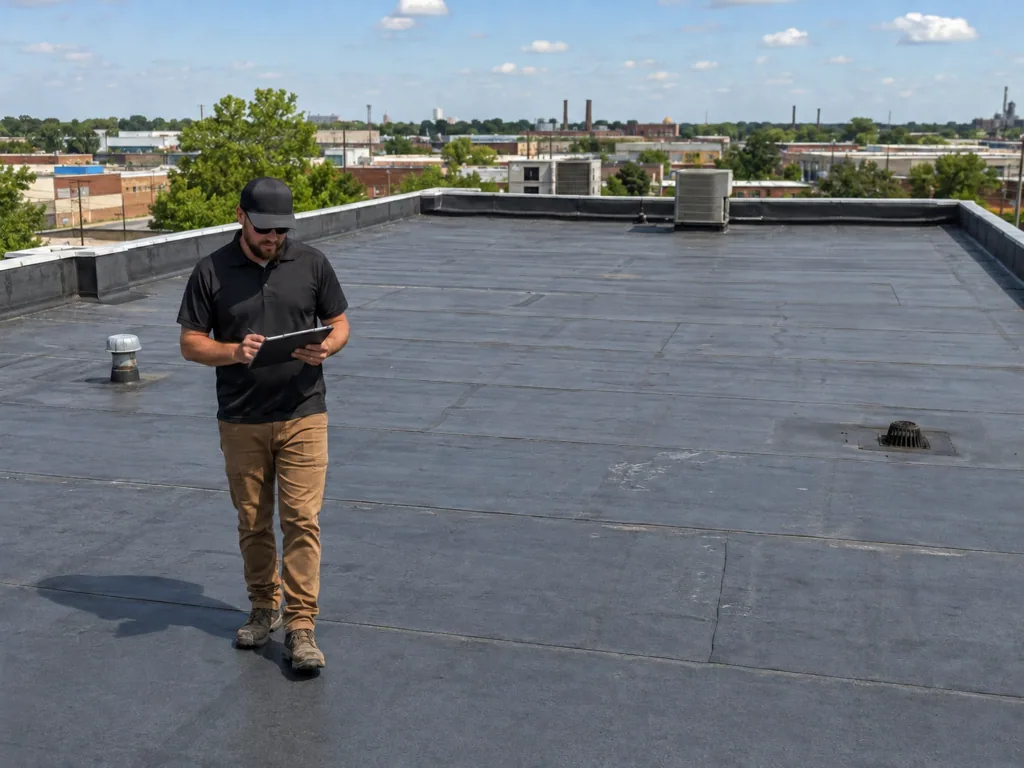
We start with the reported event date, the room or equipment affected, prior repair history, and any temporary protection already installed. The roof plan helps identify the affected section and the safest access route. We record the membrane or metal system where identifiable, visible punctures, displaced edges, opened seams, damaged flashing, drain conditions, and rooftop equipment concerns. Photos include roof-zone references so another reviewer can locate the same detail. If weather or access prevents inspection of an area, the report says what was reached and what remains for a later visit.
Spring and summer bring recurring thunderstorm-wind exposure across North and Central Georgia. An owner can prepare a response process in advance, while the claim file remains tied to the building’s condition. We can coordinate a commercial roof inspection or a storm damage assessment to document the affected roof zones and immediate exposure.
Separate observation from conclusion
A photograph can show a displaced panel or opened flashing; it does not by itself establish the extent of concealed damage. We identify the observation, the test used, and its location. If moisture readings suggest wet insulation, a targeted opening may confirm material at that point. If the claim concerns hail, we record representative impacts and whether a breach or functional defect is present. We do not characterize a roof-wide condition from one sample. The report keeps direct observations, test results, and follow-up recommendations in distinct parts of the file.
Frequent winter and early-spring rain makes temporary protection part of the sequence: record what was covered, when it was secured, and which permanent repair remains. For a building in the Central Perimeter, occupied office hours and loading access may shape how the inspection and stabilization are arranged. The property manager confirms site rules and the person who can authorize access. City Springs combines civic, event, dining, and residential uses, so an owner there may need a separate access window for each building.
Document emergency work
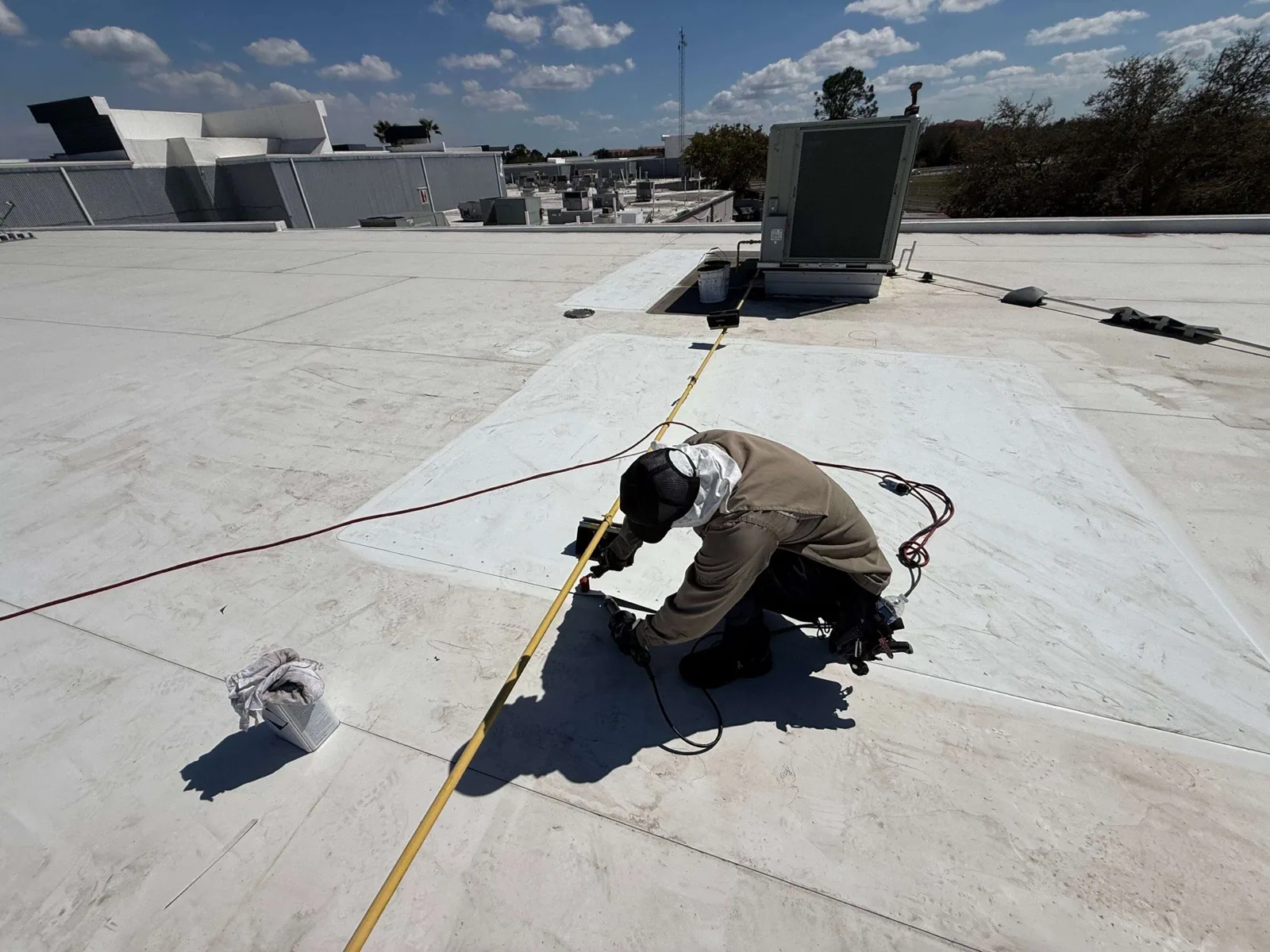
If water is entering, we can stabilize the opening while the owner coordinates the claim process. The emergency record identifies the roof zone, material used, perimeter of the temporary measure, interior protection, and the next step needed to make a permanent repair. Temporary work should preserve access to the suspected detail when safe to do so. We also note whether moisture testing, equipment review, or a controlled opening remains necessary. The owner receives the status before deciding whether to expand or replace the interim measure.
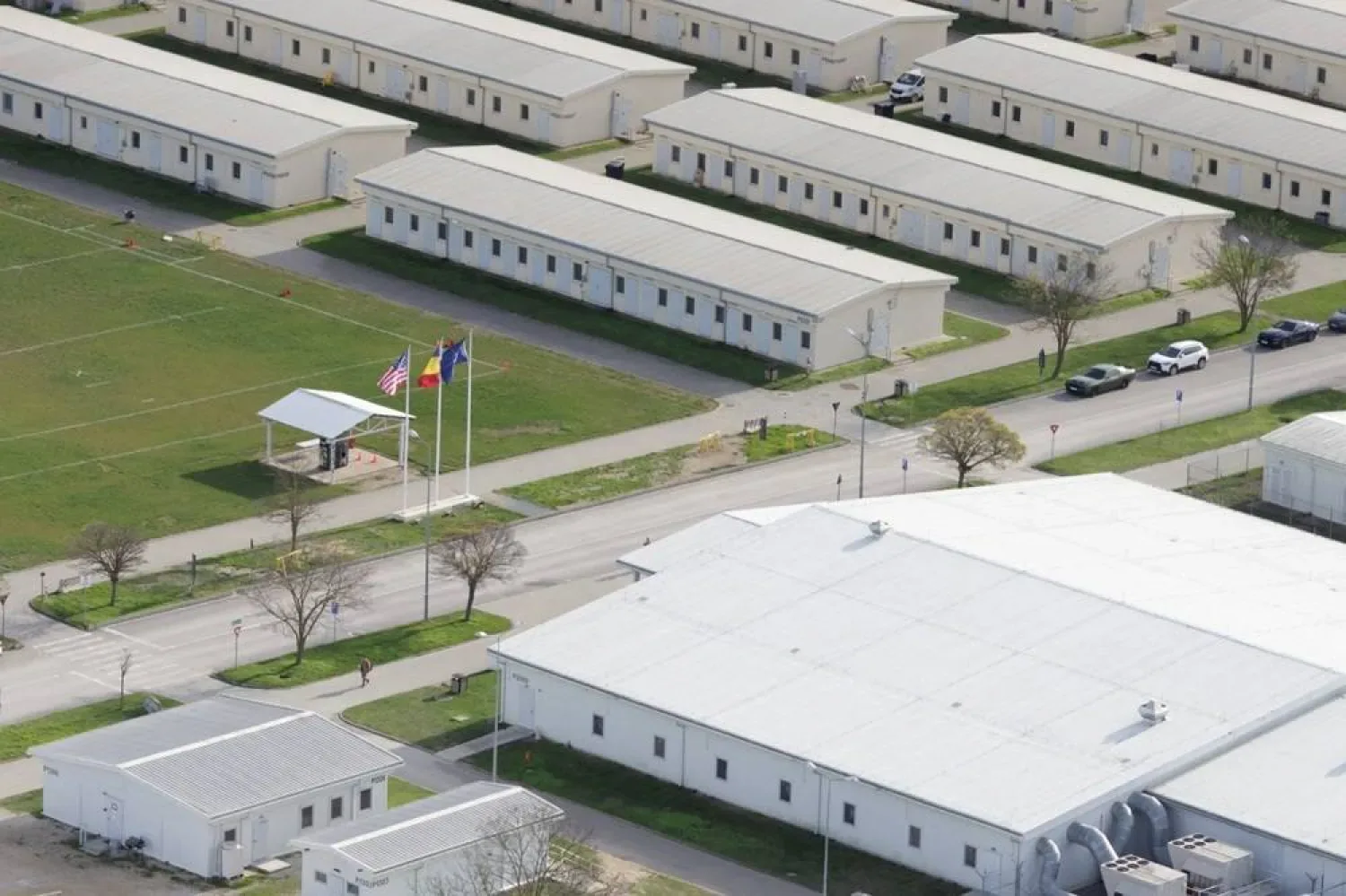
In the Medical District, Northside Hospital, Emory St. Joseph’s, and Children’s Healthcare of Atlanta Scottish Rite support a substantial healthcare employment center. That nearby context can make access and continuous operation important, but each building sets its own procedures. We coordinate with the authorized facilities contact and document any area that could not be entered. If a repair affects a curb or rooftop unit, a penetration detail review can describe the tie-in, while a repair scope records the material and test boundary.
Keep the estimate reviewable
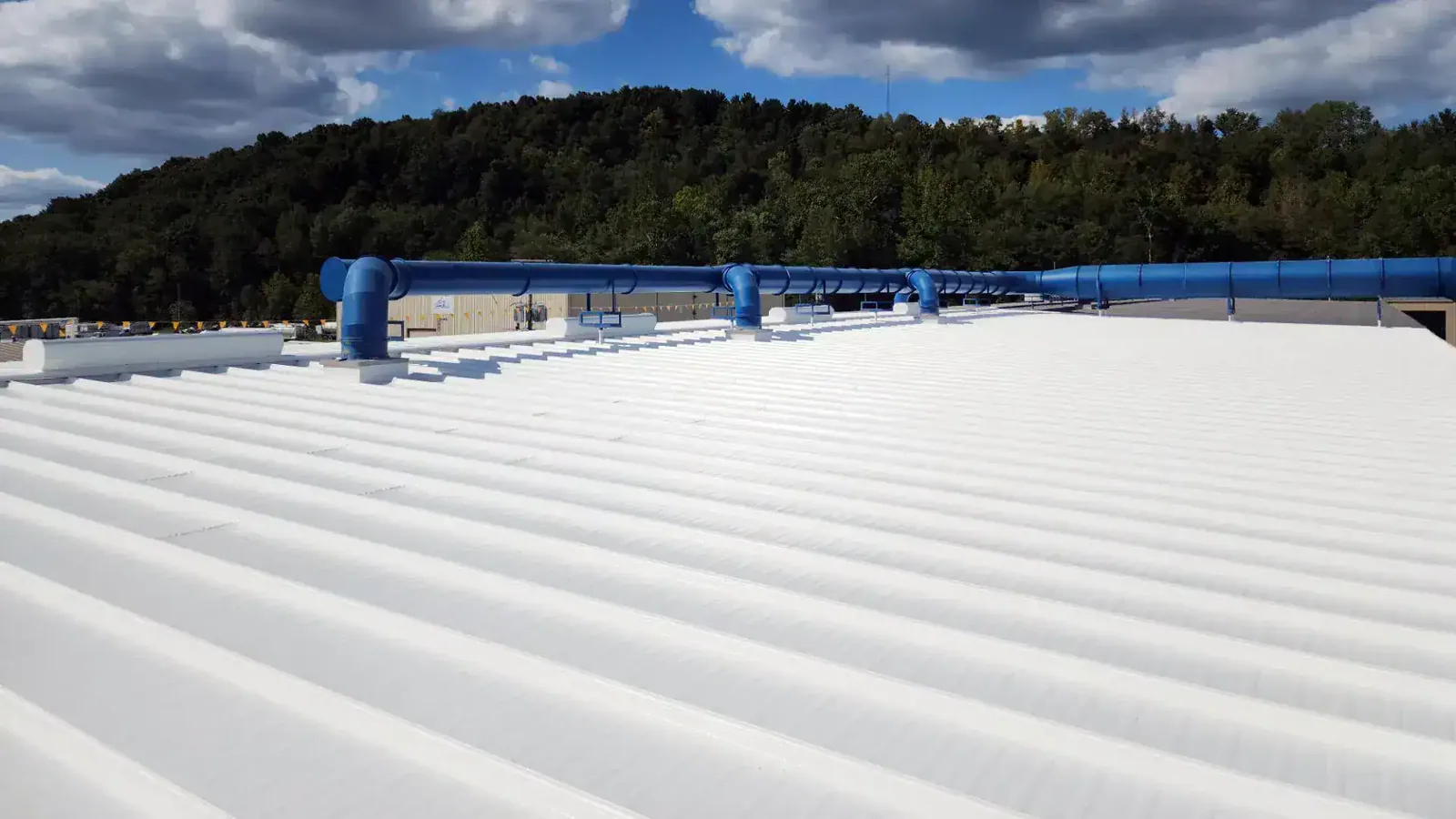
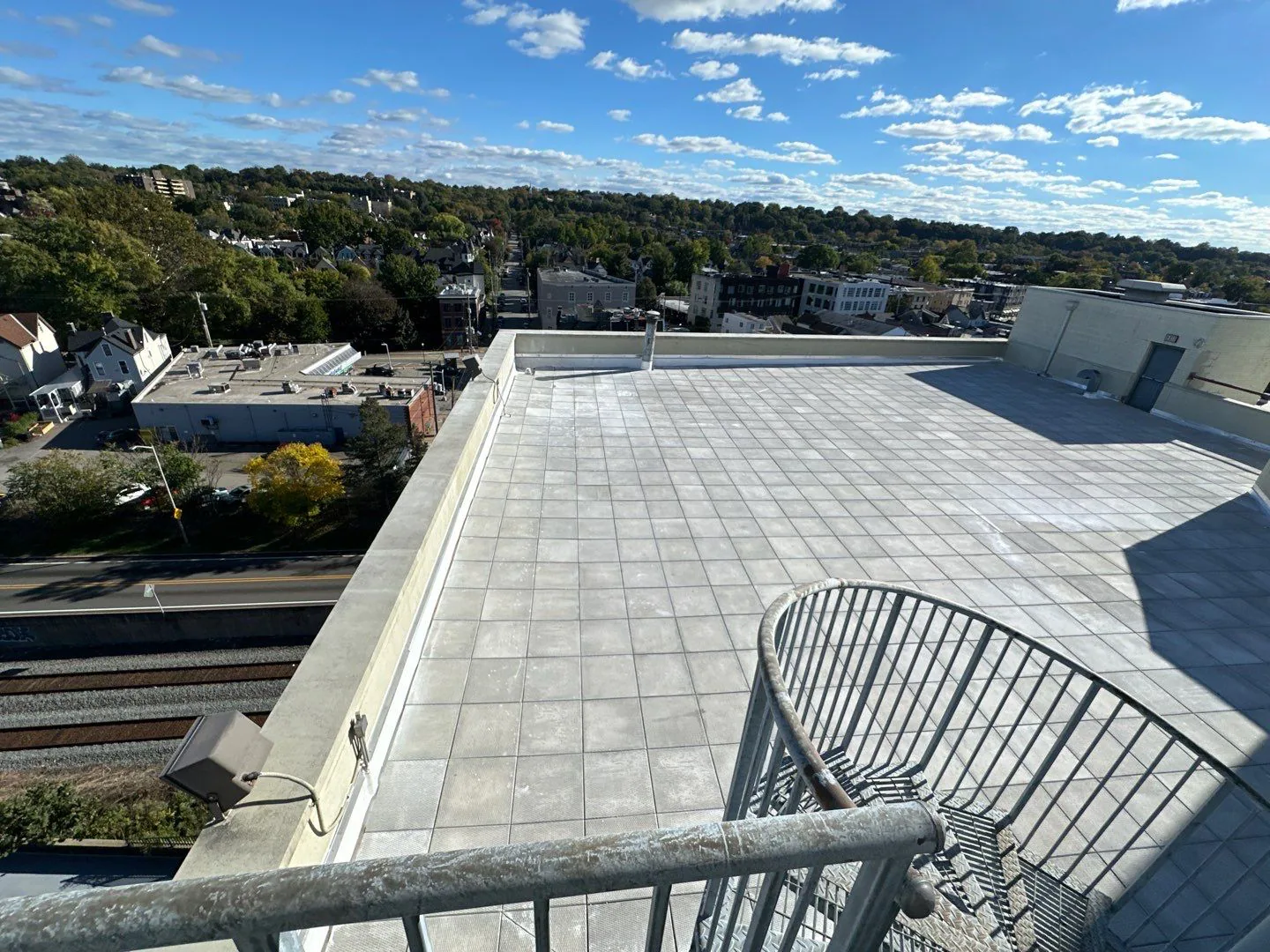
A useful estimate identifies measured work area, system type, removal depth if known, insulation or cover-board work, flashing details, access, staging, and temporary protection. It should separate emergency stabilization from permanent repair and list exclusions that could change after testing or removal. When the owner receives a revised scope, we preserve the earlier version and identify what evidence caused the change. That record helps facilities, finance, and the adjuster compare the same roof section rather than reconcile different descriptions of the loss.
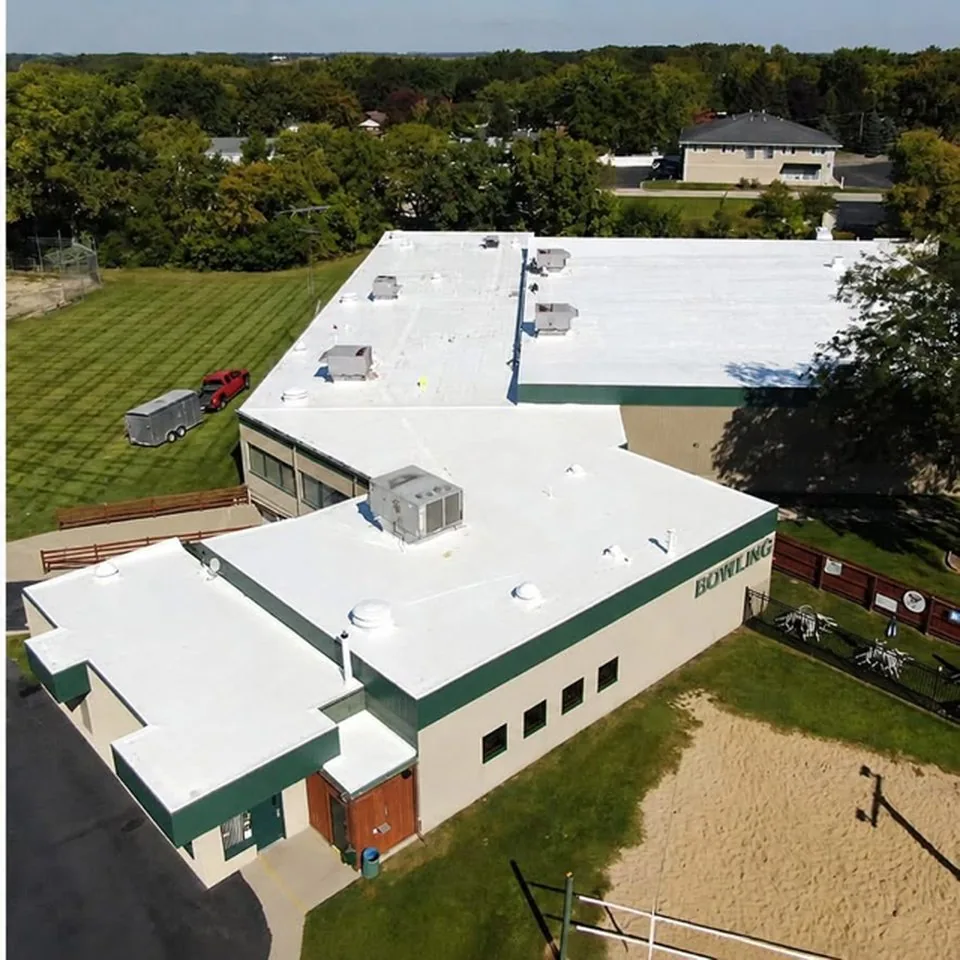
A condition report can connect dated photos with roof-zone labels and test notes. For multiple buildings, a portfolio record can keep events separate while tracking recurring repairs. Sandy Springs has more than 60 million square feet of office, retail, and commercial property; a consistent filing method helps owners manage varied buildings without assuming that claim scope transfers from one roof to another.
Coverage decisions and roof decisions
Insurance coverage is determined by the policy and the carrier. We can explain the observed roof condition, document the work proposed, and answer questions about repair methods or materials. We do not promise claim approval or interpret policy terms. If the inspection finds prior deterioration alongside storm-related damage, the report separates those conditions and ties each one to its observed location. That clarity lets the owner seek the decision from the appropriate party while keeping the roof action plan moving.
Once immediate exposure is controlled, the owner may compare a local repair with broader renewal. Repeated failures, widespread wet insulation, or deteriorated attachment can change the capital choice. A capital planning review can align that decision with the budget year, while an infrared survey can identify areas for testing when concealed moisture is a scope concern. Every recommendation stays connected to the affected assembly and the evidence collected there.
Close the file with next actions
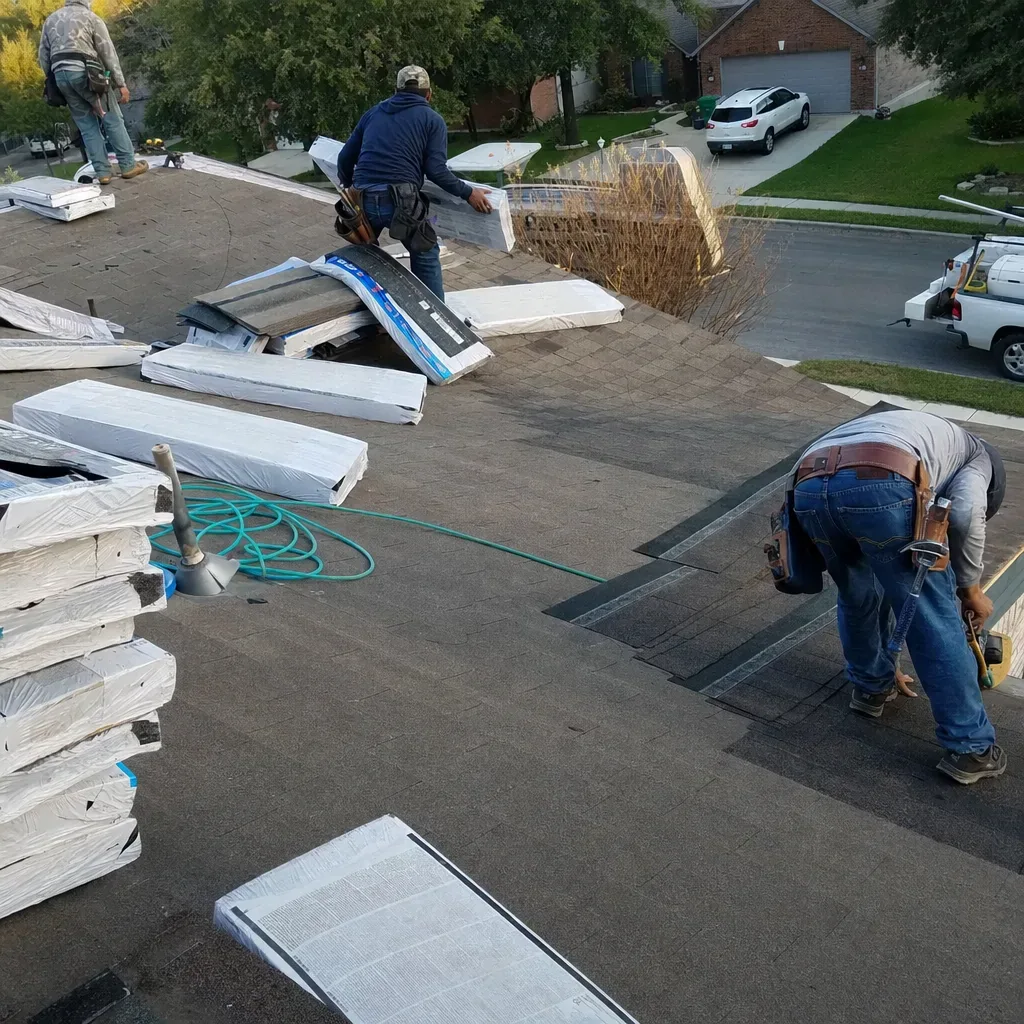
After work, we add completion photos, materials used, the tested tie-in, any changed boundary, and the date the roof section was closed. Open follow-ups remain visible: an inaccessible zone, a test opening needing restoration, a mechanical review, or a moisture question. The owner should be able to hand the file to another facilities manager and show which action is complete and which decision is pending. The claim record and the maintenance record can share roof-zone labels while keeping their purpose distinct.
Share the policy contact if appropriate, event date, roof plan, prior reports, affected rooms, access limits, and any temporary work already completed. We can schedule the inspection and prepare a clear photo-and-scope record for the owner’s review. The result is a documented roof condition and repair decision for the owner’s file.
Questions About Commercial Roof Insurance Claim Assistance
Can a roofing contractor determine whether an insurance claim is covered?
No. Coverage follows the policy and the carrier’s review. We document roof conditions, test locations, temporary work, and the proposed repair so the owner can submit a clear technical record.
What should we photograph after a Sandy Springs storm?
Capture the reported interior area, date, roof-zone location, visible membrane or metal changes, drains, edges, penetrations, and any temporary protection. We add organized roof photos and notes during inspection so each image connects to a building detail.
How do you document hail damage?
We map representative impacts, note the roof surface and nearby details, and test locations when the result could change scope. The report distinguishes marks from confirmed openings and avoids extending a sample result across untested areas.
Should emergency protection wait until the adjuster visits?
Active water entry may require prompt stabilization to protect the building. We record the location, material, limits, and follow-up needed, then coordinate with the owner so the temporary measure does not obscure the permanent inspection.
What records should stay with the claim file?
Keep event notes, roof plans, dated photographs, inspection findings, test results, estimates, temporary measures, approved scope changes, invoices, and completion photos together. We identify open questions and separate them from completed repair work.

Prepare a clear roof claim record
Share the event date, roof plan, affected rooms, past repairs, access rules, and existing temporary measures. We will document the conditions and outline the next roof actions.
Call 555-555-5555 or send the building details.