Multi-Site Commercial Roof Programs in Sandy Springs, GA
A multi-site roof program works when the reporting is consistent and the field decisions remain specific to each building. We help owners set a common process for inspections, maintenance, repair approvals, records, and renewal planning. In Sandy Springs, a portfolio can include Central Perimeter offices, healthcare buildings, retail corridors, and civic properties. Those locations share a market but not necessarily a roof system, access procedure, or work calendar.
Set one intake and record format
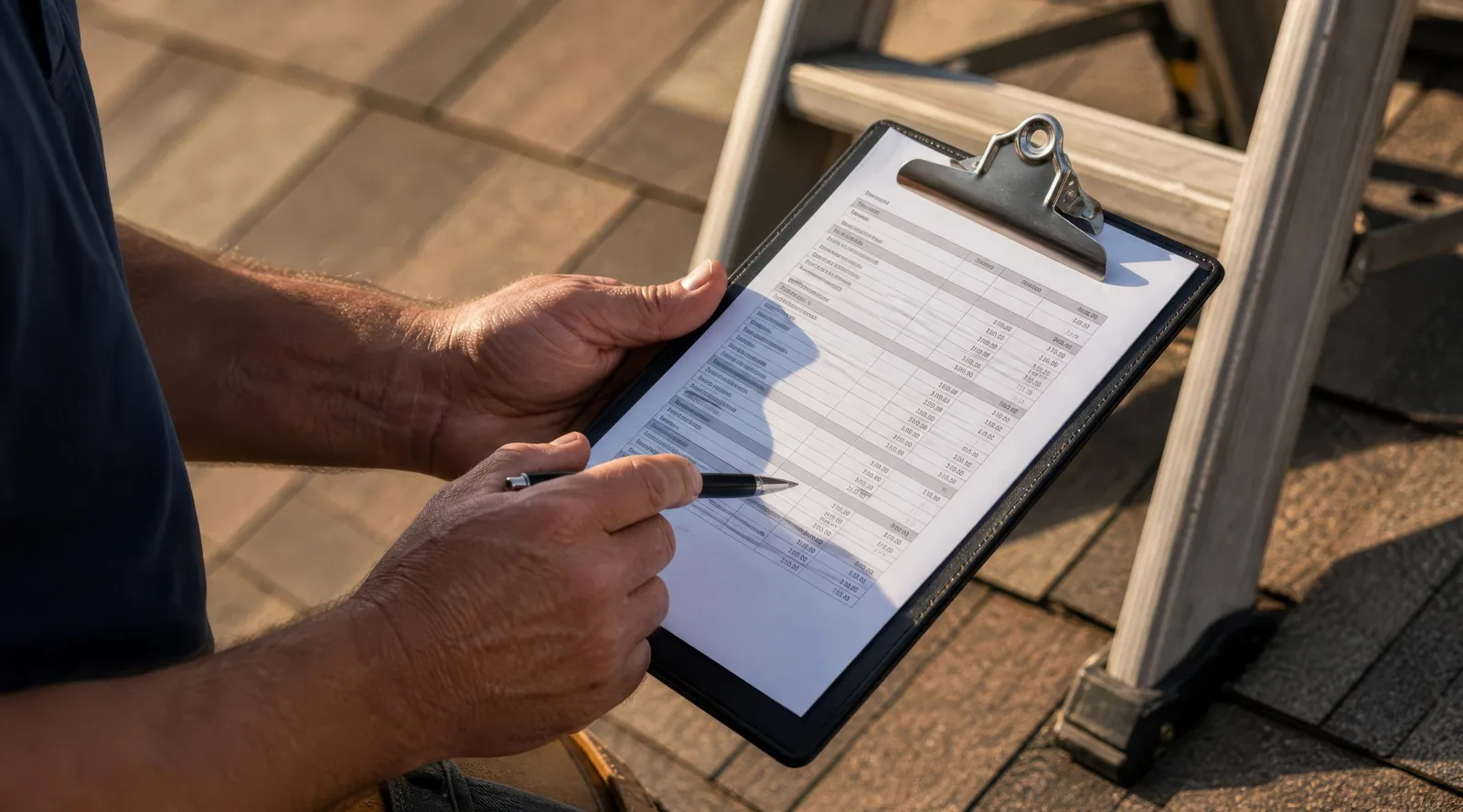
Start with the property list, contact, roof plan, known system, recent service calls, access rules, and budget owner for each asset. The intake process should capture active leak reports, storm observations, requested work, and the decision date. We can use a common report format for condition, photos, tests, open questions, and next actions. A condition report ties findings to the site; a roof asset record can hold history and maintenance dates.
Four MARTA stations serve the Central Perimeter employment district, whose workforce is more than twice its resident population during the day. That density can affect tenant hours and delivery planning at some buildings. A clinic in the Medical District may have patient access requirements that differ from an office or retail property. We capture each property's restrictions during intake instead of allowing one site's work plan to become the portfolio default.
Use consistent terms for roof zones, systems, defects, and urgency. The underlying detail remains attached to the inspection: a blocked drain, open seam, suspected wet insulation, and active interior leak should not collapse into a single condition score. We explain the evidence and retain enough detail for a different facilities manager to understand the recommendation.
Build a field cycle that reflects exposure
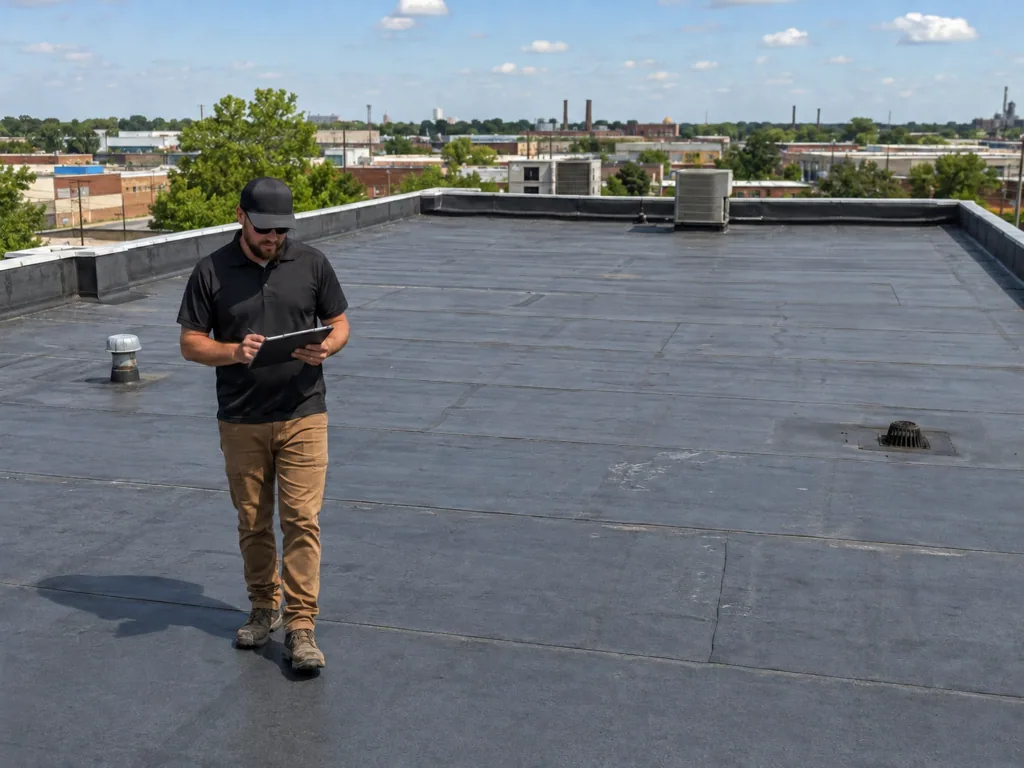
We set the inspection cycle based on condition, maintenance history, season, access, and the consequences of deferral. A building with a recent repair may need a focused check after rain; a stable asset may fit a broader annual review. Each visit should update its own record with date, areas reached, photos, tests, drainage observations, and work completed. If access prevented a full inspection, the portfolio view shows that limitation.
Sandy Springs summers are hot and humid, and rain recurs through the year. We can schedule drains, seams, curbs, and perimeter details for review before the relevant work window. A maintenance visit can document cleaning and repairs, while a roof inspection can address a broader condition question. These visits serve different purposes and should be tagged accordingly in the record.
For a portfolio near Roswell Road, vehicle access and staging can vary by parcel and time. A visit along the Roswell Road corridor can account for traffic and delivery timing; each manager confirms the gate and roof entry. The program calendar should leave room for property-specific approvals.
Clarify approval before dispatch
A multi-site program needs a clear threshold for dispatch, temporary protection, testing, and expanded scope. We identify the authorized contact at each asset and whether a repair can proceed under an existing approval or requires a new estimate. If the field team uncovers a different assembly, the change is mapped and priced before removal expands. A central owner can review cost while local management confirms access and building operations.
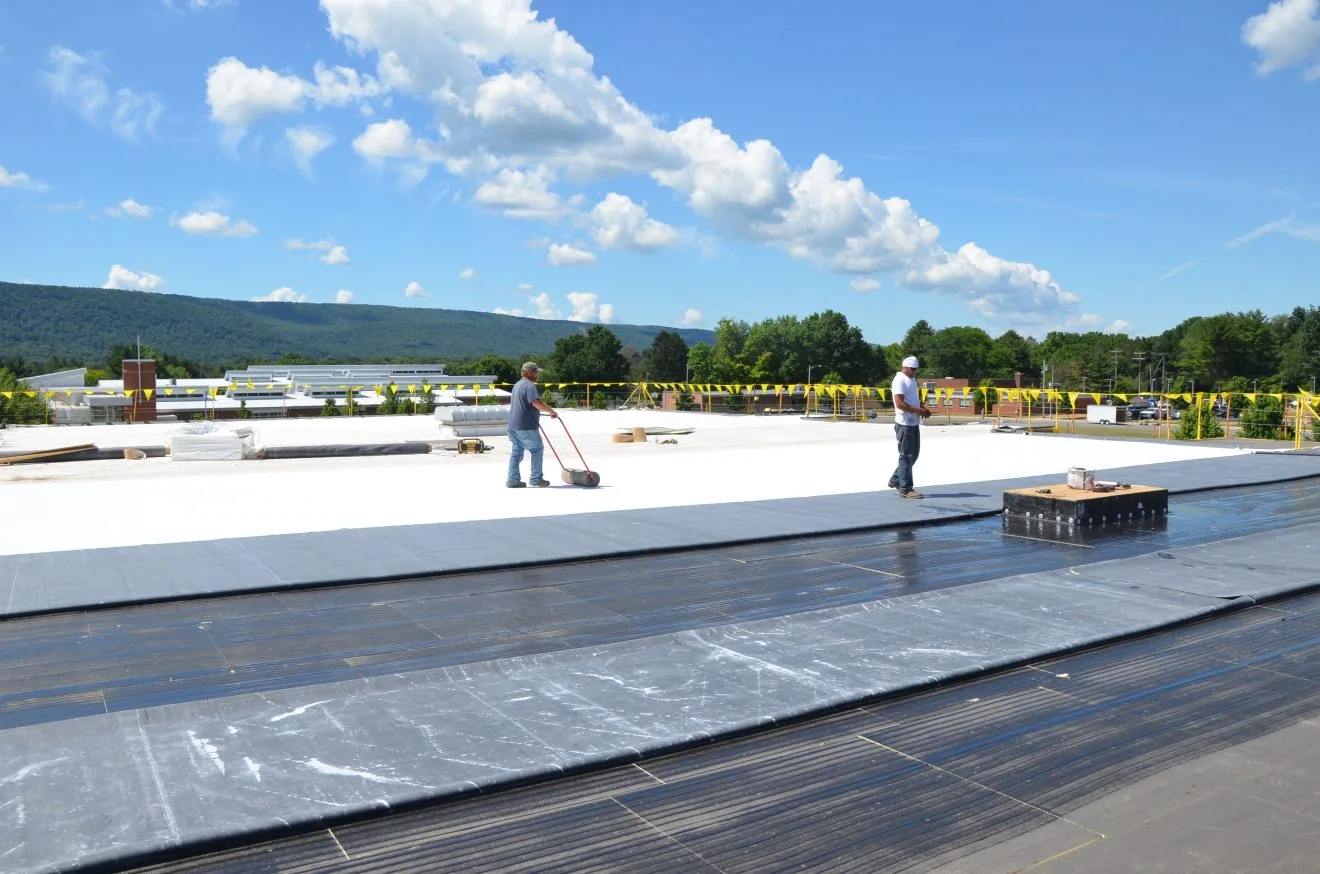
Occupied buildings need a repeatable closeout: roof secured, drains open, materials removed, photos saved, work zone identified, and any temporary measure assigned to an owner. A phased project plan can coordinate multiple buildings or roof sections. A work order should state which asset and roof zone it covers so the record remains auditable after invoices and contractor teams change.
City Springs includes public, event, dining, fitness, and residential activity. That mix adds a different calendar than a conventional office site. The program can reserve known public-event periods, but the property contact confirms the current schedule and protected routes before crews mobilize.
Sequence projects by verified need
Owners can compare projects by condition evidence, operational impact, access burden, repair frequency, and readiness for procurement. A higher roof does not automatically outrank a smaller one; the decision depends on observed exposure and what a delay means at that asset. The report can group candidates into immediate water control, investigation, repair, and renewal while preserving the property-specific reasons for the ranking.
A capital plan can convert those candidates into budget-year actions. A repair scope can address a confirmed defect, while a replacement study can evaluate a broader assembly. These alternatives need consistent assumptions for access, protection, removal, insulation, drainage, and phasing.
At warehouse properties, coordinate loading schedules, inventory protection, and truck access with the roof work; document each building on its own condition record. Budget and procurement lead time should be recorded separately from construction duration so an approved project is ready when access becomes available. The portfolio owner can also track quoted amount, funding status, scope expiration, material decision, and the date access was confirmed. If a change affects one site, update its line item without shifting the priority for every other property. A stable queue makes it easier to explain why a roof is advancing or being held at a review meeting.
Keep the program useful through staff changes
At a program review, compare completed actions, missed access, repeated service calls, open tests, contractor closeouts, and roofs approaching a capital decision. Record who owns each remaining task and its due date. If a building changes management or ownership, transfer the roof map, current warranty or maintenance file, and open work order together.
A consistent report format lets an owner compare condition, remaining service life, and next action while preserving a distinct record for each asset. We explain data gaps, identify where inspection should expand, and update priorities when new evidence arrives. The process should let an owner see which actions are done, which are funded, and which are still awaiting a decision. Set a regular review meeting with a short exception list rather than rereading every file each time. Exceptions can include active water entry, access missed twice, a test that has not been approved, an estimate nearing expiration, or a project waiting on procurement. Assign a person and date to each exception. That keeps the central program accountable while leaving day-to-day access coordination with the local property contact. Review open exceptions with facilities, finance, and procurement at the portfolio’s regular planning meeting. When a roof system or ownership changes, update the reporting fields and preserve the prior record so a trend remains interpretable.
Share the building list, contacts, service standards, roof plans, access rules, and budget calendar. We will build a practical sequence for inspection, maintenance, repair, and renewal across the portfolio.
Questions About Multi-Site Commercial Roof Programs
What should a multi-site roofing program standardize?
Standardize asset labels, report fields, approval roles, work-order references, closeout, and review timing. Keep the system and condition evidence specific to each building.
Can one inspection interval work for every building?
A shared calendar can organize visits, but the follow-up interval should reflect each roof's condition, recent repair, access, and operating impact.
How do local Sandy Springs areas affect a portfolio program?
Central Perimeter, the Medical District, Roswell Road, and City Springs have different access and use contexts. The local contact confirms each property's actual schedule and restrictions.
Who approves added work discovered during a roof repair?
The program should name the asset-level contact and the central owner who approves cost. The crew documents the new condition and waits for authorization before expanding the work boundary.
How are projects ranked across different building types?
Compare evidence, active exposure, consequence of deferral, access, repair history, and procurement readiness. The ranking should retain a reason for each property's position.
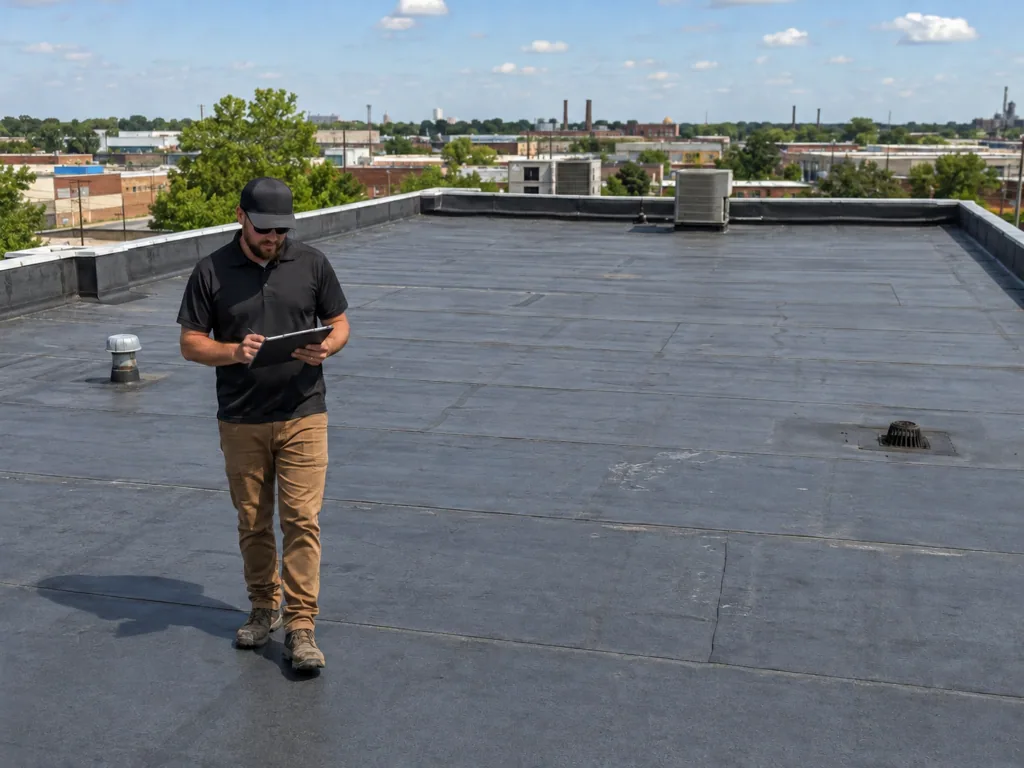

Coordinate roofing across the portfolio
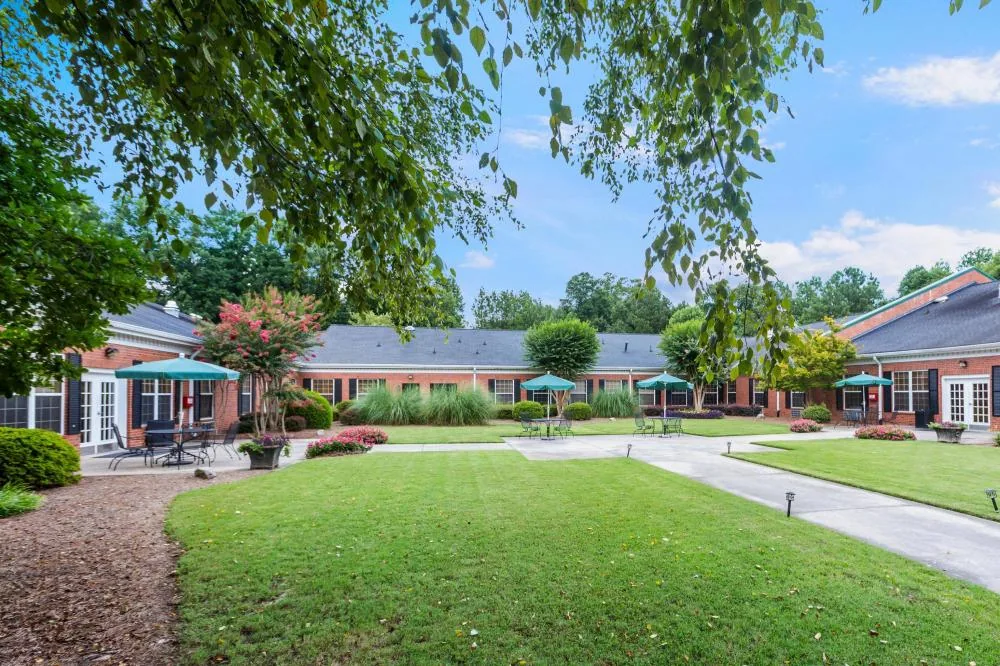
Share property inventory, roof plans, service history, operating rules, and budget timing. We will set reporting standards and a site-specific action sequence.
Call 555-555-5555 or send the building details.