Shopping Center Roofing in Sandy Springs, GA
A shopping-center roof is a shared operating asset above businesses with different hours, deliveries, and interior sensitivities. A leak over a restaurant, storefront, or back-of-house corridor can trigger a tenant call before the roof defect is visible from the ground. Sandy Springs has a large office, retail, and commercial base, including active centers along Roswell Road and mixed-use districts such as City Springs. Hot, humid summers, frequent rain, hail, and thunderstorm winds put pressure on drainage and exposed details. We inspect the roof by section, trace reported water paths, and separate tenant-facing emergencies from planned renewal. A commercial roof survey creates a shared condition record for the owner, manager, and contractor.
Tenant exposure map
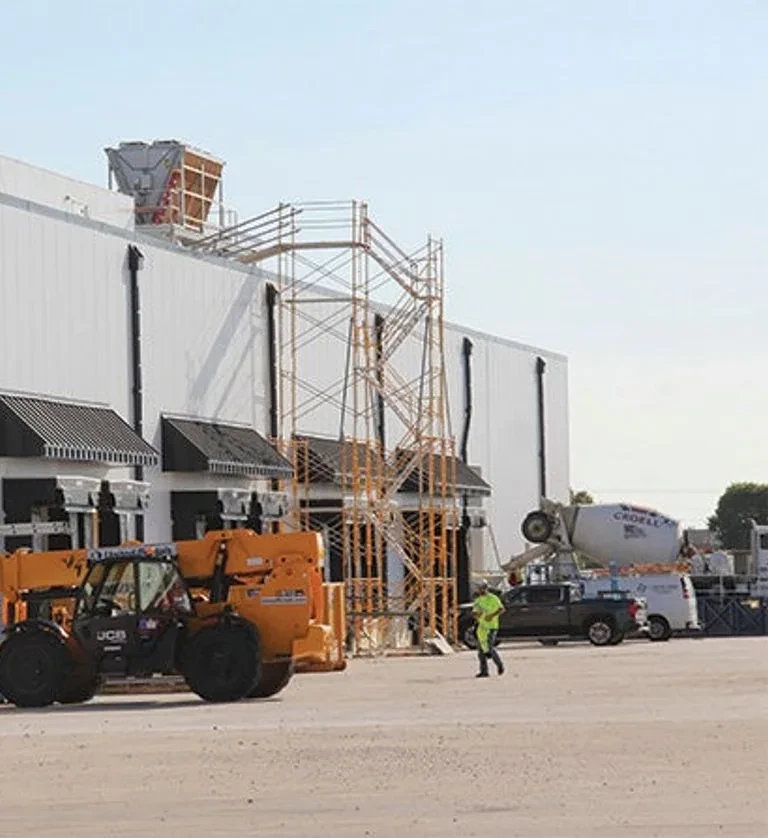
The work plan should connect each reported leak to a roof zone and the business area below it. We document ceiling symptoms, equipment locations, drains, seams, parapets, and earlier repairs, then distinguish confirmed entry points from possible paths. In a multi-tenant building, the leak can travel before it becomes visible, so we inspect nearby transitions rather than patch only the ceiling location. A leak investigation can identify the immediate protection needed and whether the surrounding membrane or flashing also requires attention. City Springs combines retail, restaurants, civic uses, and event spaces; that varied operating pattern illustrates why roof access and noise windows should be set with the property manager before crews stage materials.
A center's lease responsibilities can affect who approves roof repairs and who communicates with tenants. We identify the ownership and management contact, confirm whether work touches a shared roof or a separately maintained addition, and document the limits of the inspection. If roof penetrations were added during a tenant build-out, the property team can provide the contractor record and verify who owns the flashing repair. This distinction matters when a leak crosses from a common area into a leased space. A large-format retail roof review addresses broader drainage and equipment fields, while a multi-tenant center needs additional coordination around storefronts and shared access.
Drainage and rooftop equipment
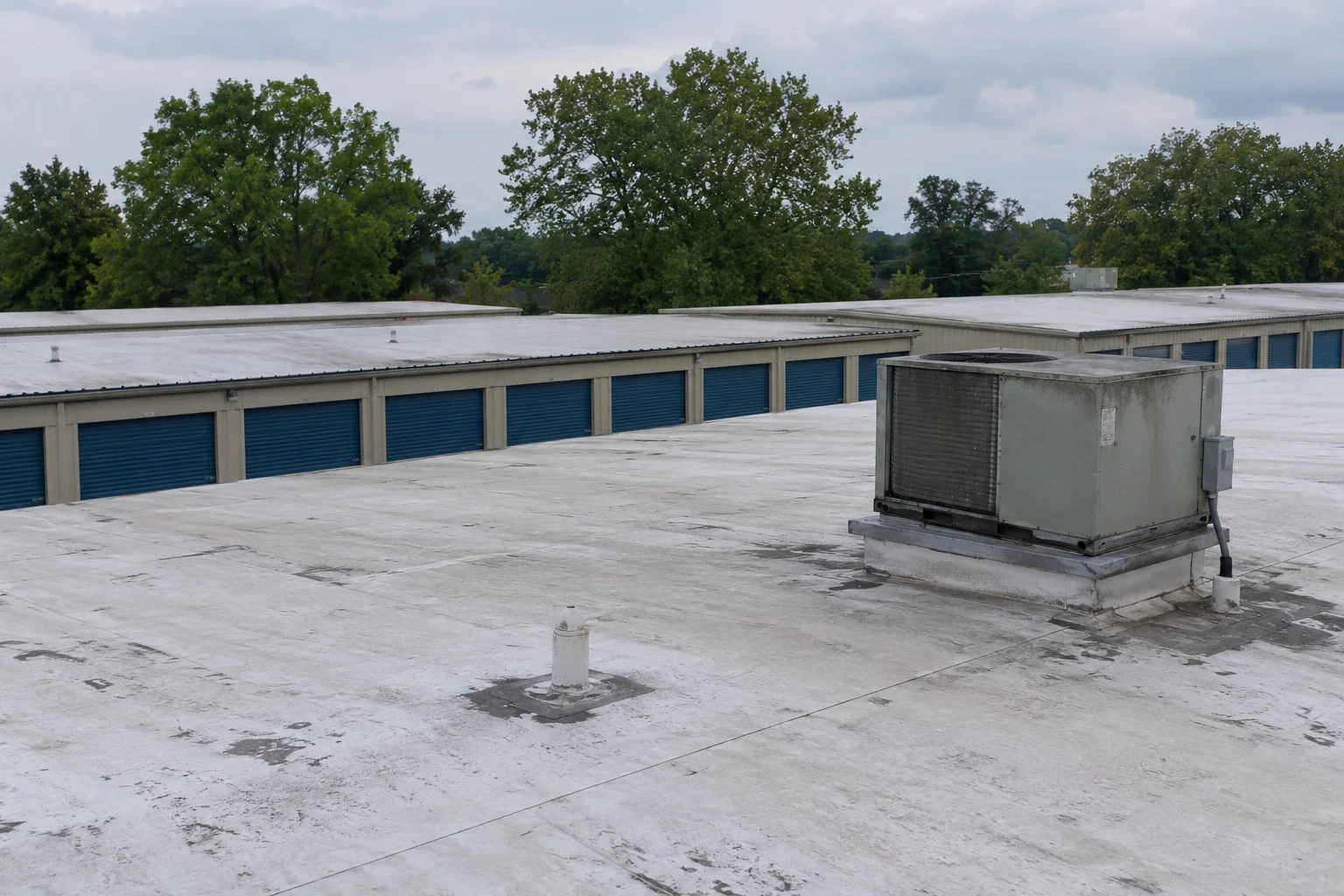
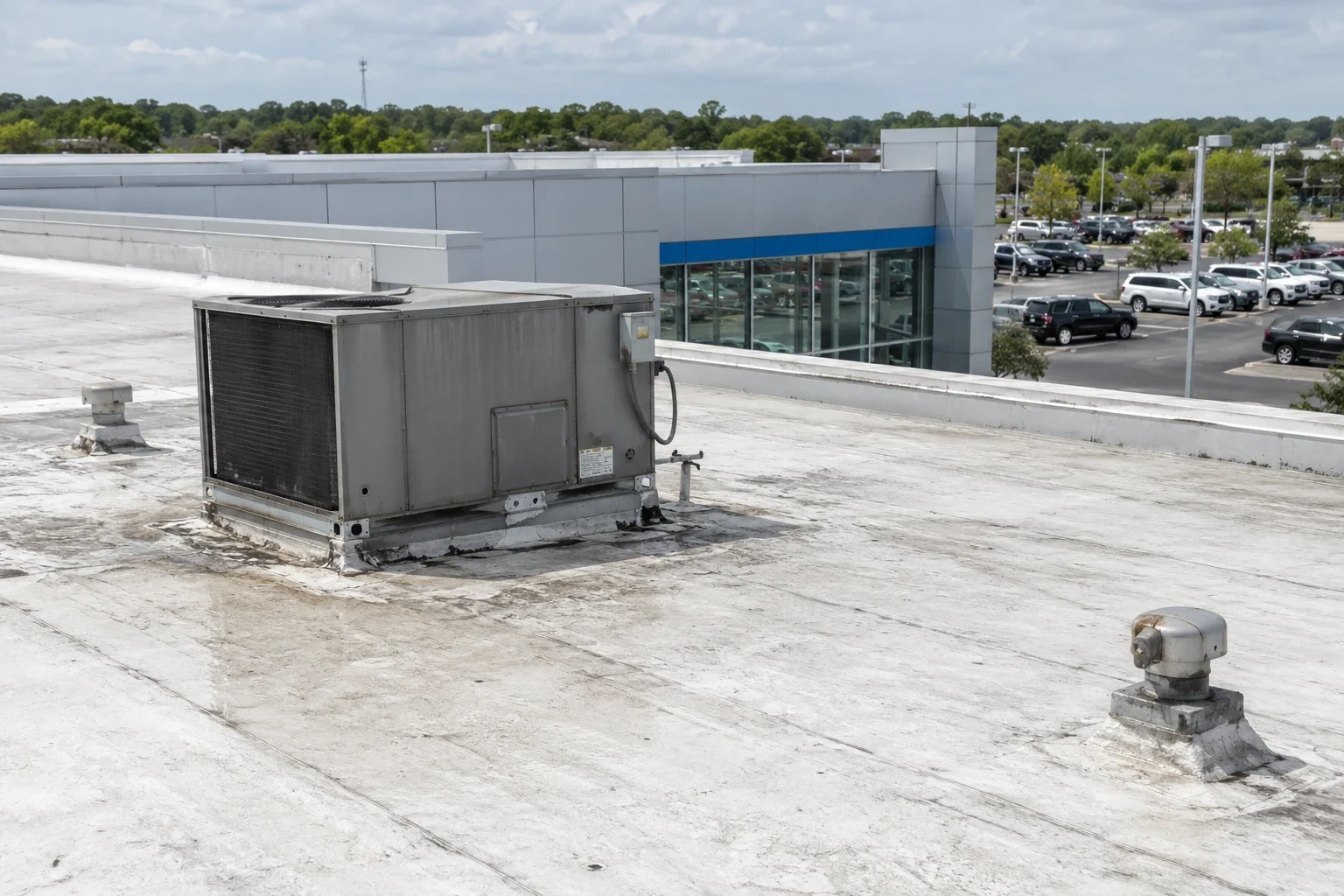
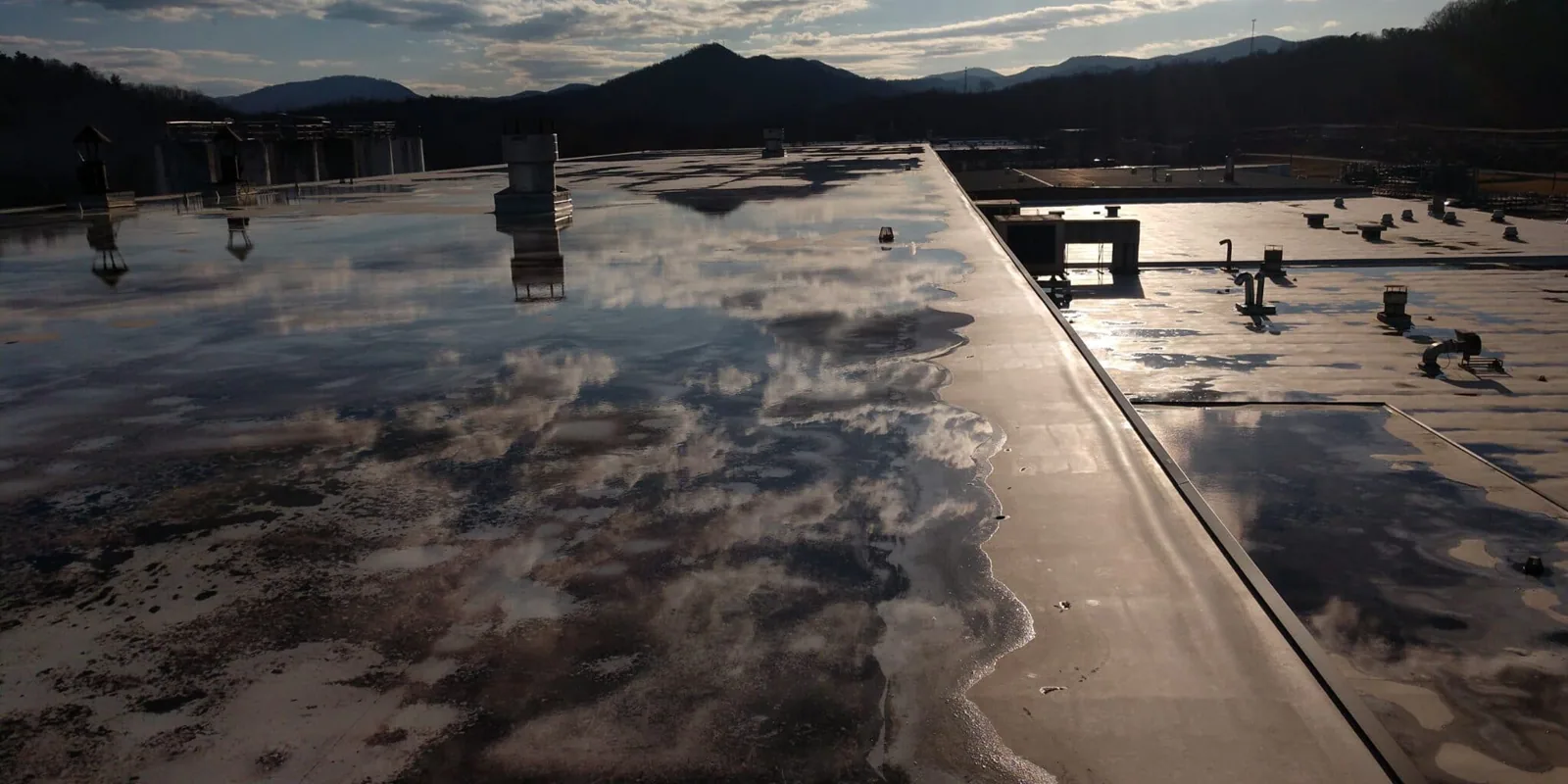
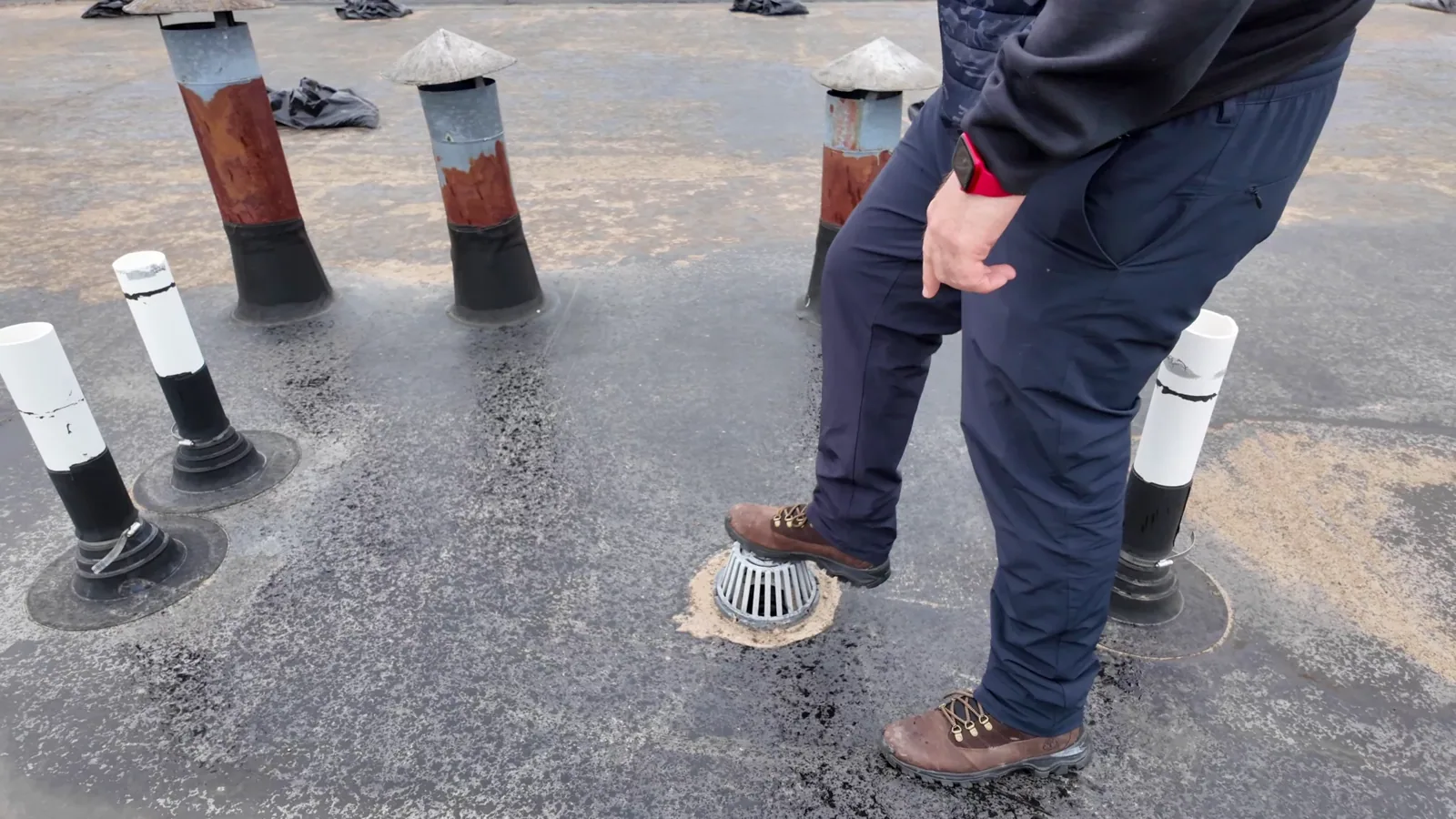
Shopping centers often have multiple roof drains, kitchen exhausts, HVAC curbs, skylights, and service routes. Each penetration interrupts the roof membrane and needs sound flashing, while grease or debris can affect nearby surfaces and drainage. We check the path to each outlet, confirm that strainers are accessible, and look for ponding, displaced edge metal, or movement around supports. Where a curb is loose or a conduit has been added, the detail should be reviewed before another coating or patch covers it. A drainage and scupper review identifies restrictions and repair boundaries. Roswell Road's North End includes established shopping centers, while city planning contemplates mixed uses; the roof system should be recorded building by building as the surrounding property mix changes.
A condition log should distinguish a one-time event from a recurring roof pattern. We group calls by roof zone, weather date, repair history, and nearby detail, then look for repeated drainage, seam, or curb conditions. If one side of the center repeatedly reports water after wind-driven rain, the next inspection can focus on the edge and transition conditions that face the exposure. A restaurant roof review can help identify kitchen exhaust and service issues within a center, while the owner still needs a property-wide record for shared roof areas. That record supports a maintenance interval based on evidence rather than a calendar alone.
Storm calls and repair sequence
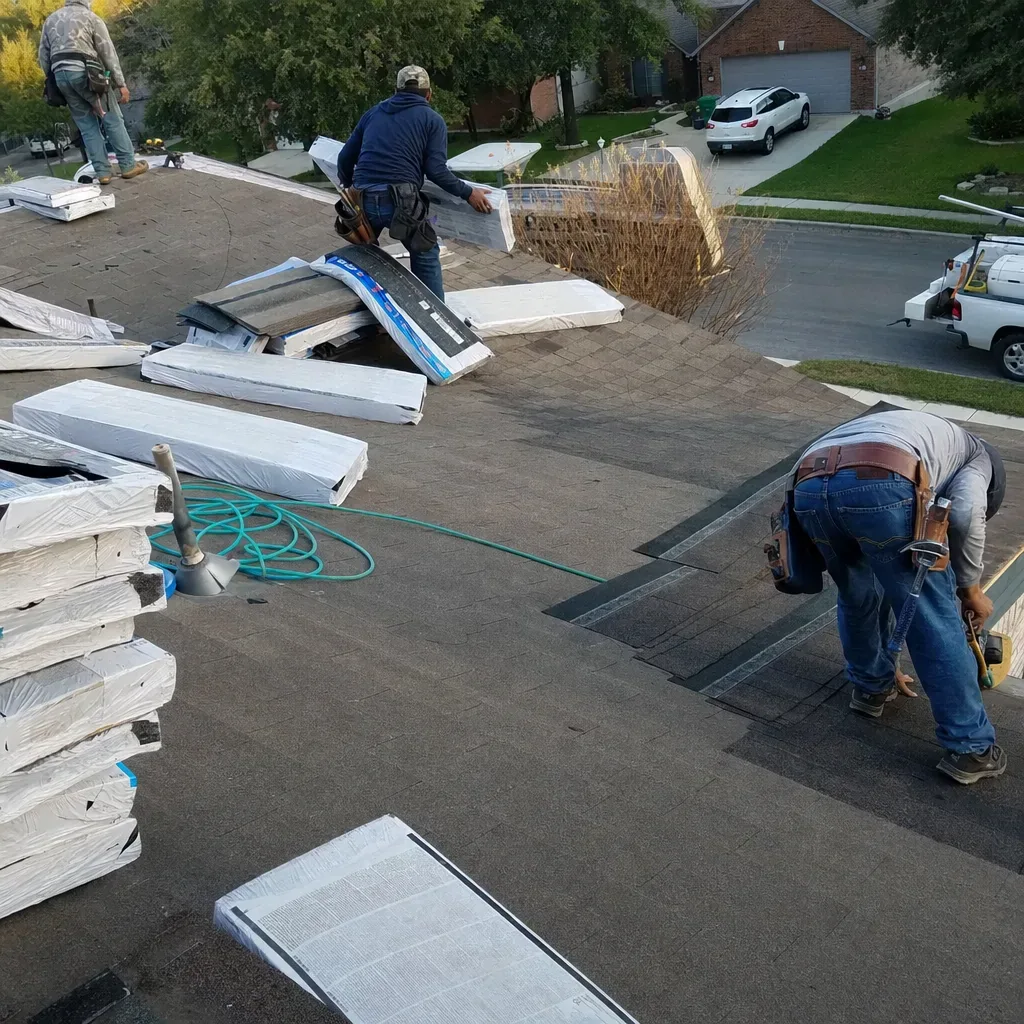
After hail or high winds, a center manager needs a repeatable way to triage calls. We inspect roof edges, membrane surfaces, metal details, and rooftop equipment, then document the areas where impact or movement is visible. A storm repair scope should name the affected sections and distinguish urgent water control from a broader replacement recommendation. If several tenants report leaks after one storm, the work sequence can prioritize active openings, protect interior goods, and return for a complete survey when conditions allow. The storm record should include photographs, dates, temporary work, and follow-up results so a later claim or budget discussion has a clear basis.
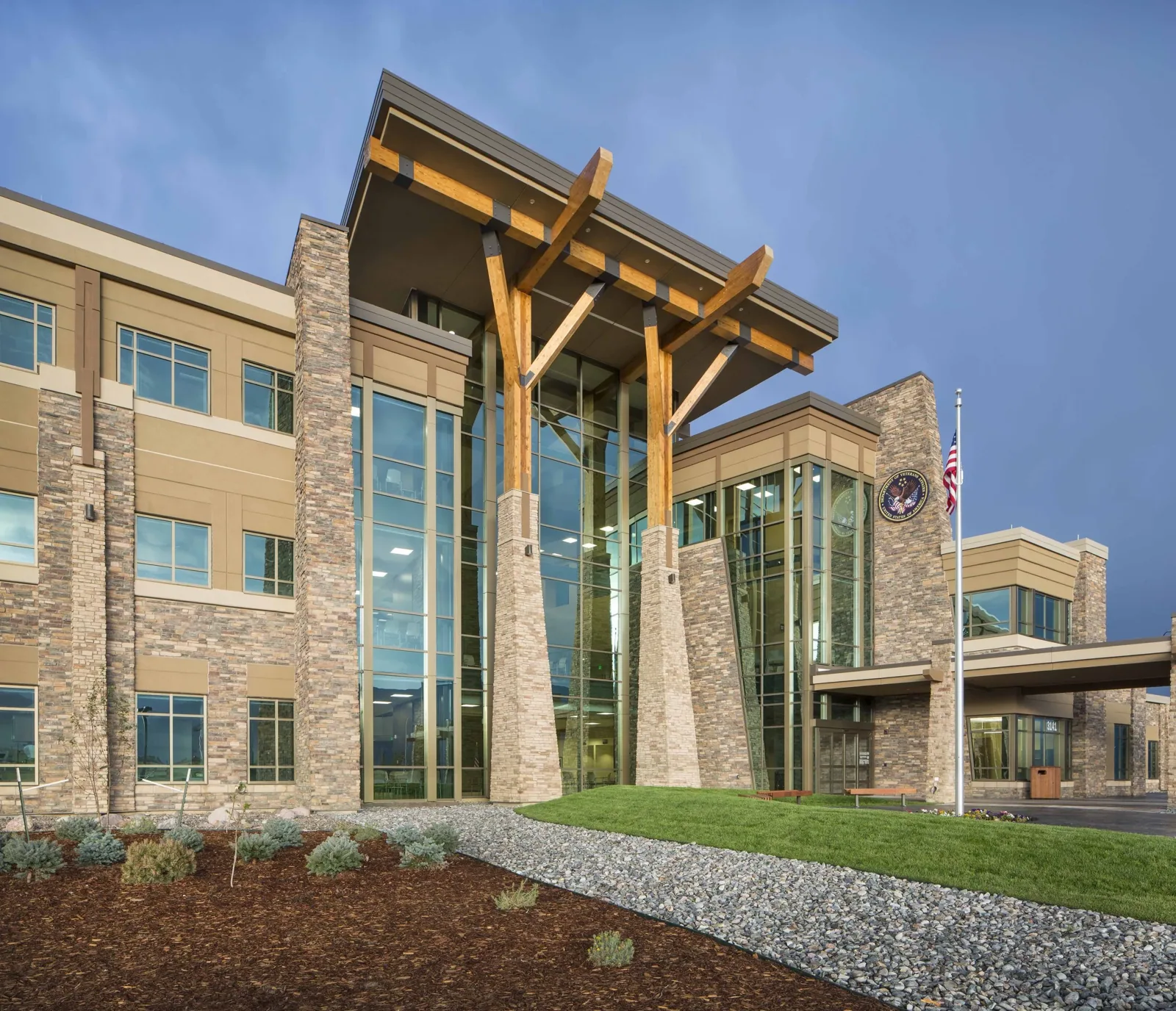
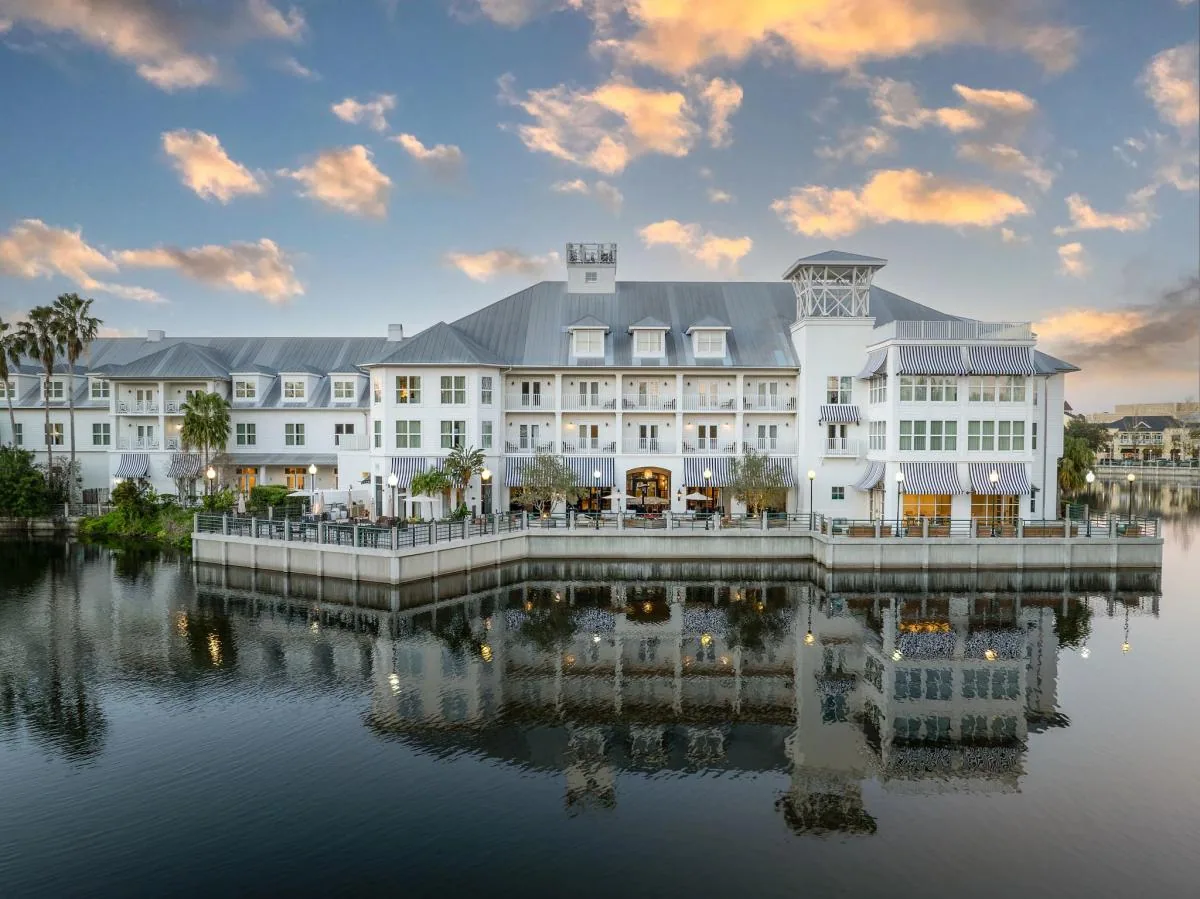
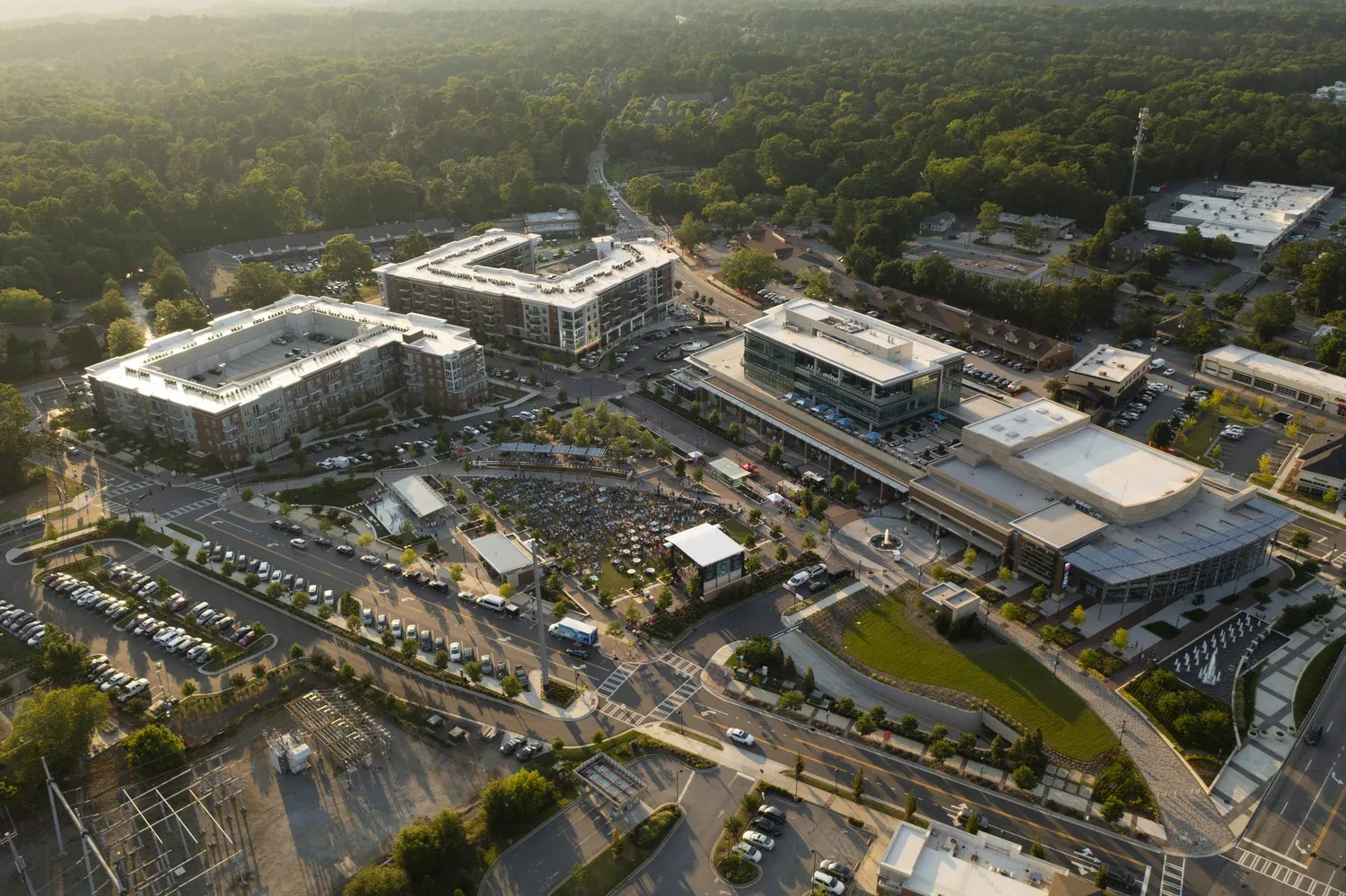
The City Springs district combines retail, dining, civic, event, and residential uses. For a nearby shopping center, that mix makes delivery timing, pedestrian routes, and event schedules worth confirming before roof work is staged. We plan lift placement, material storage, and temporary closure zones with the manager, then set a daily closeout point. If the property sits near busy access roads, traffic control and delivery windows may shape the work sequence. These operational details do not change the roof diagnosis, but they determine how a sound scope can be completed while stores remain accessible.
Phasing without losing scope
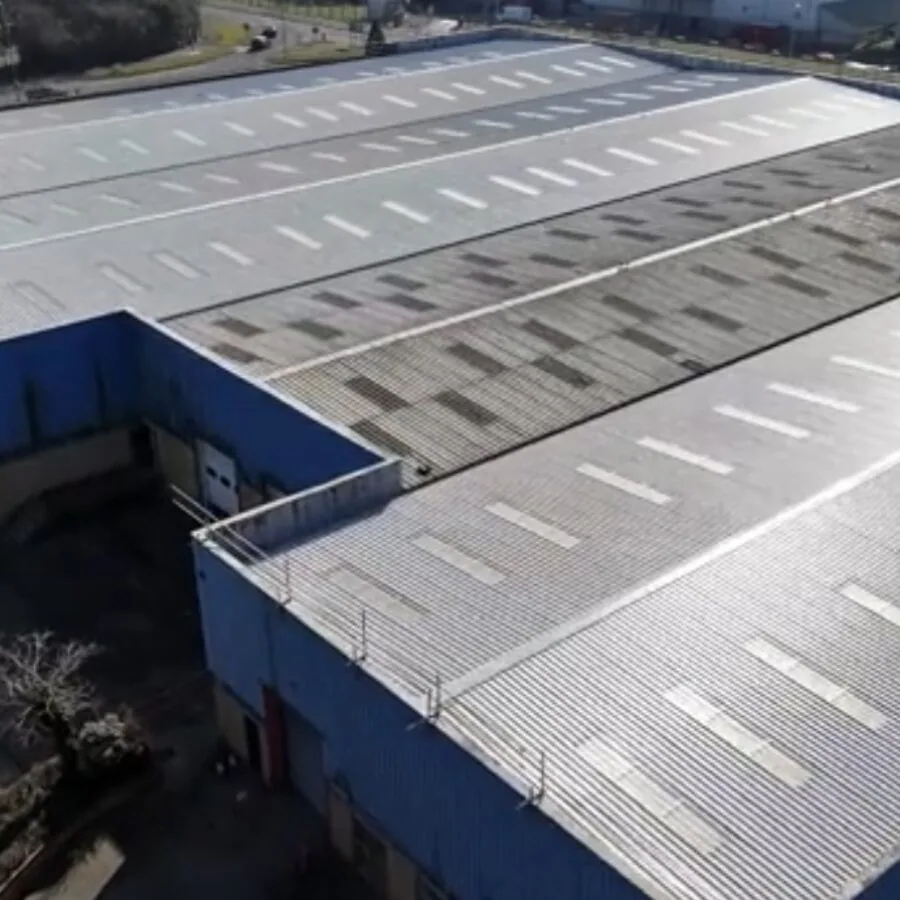
A center can often be divided into work zones, but each phase needs a secure boundary, daily closeout, and clear tenant communication. We identify loading areas, pedestrian paths, roof access, occupied hours, and weather protection before selecting the sequence. For a broad renewal, replacement planning compares tear-off, insulation, flashing, and drainage work against the site's operating calendar. A suitable single-ply system may be one option, depending on the existing assembly and project requirements. Sandy Springs follows Georgia construction codes, and the current requirements should be confirmed for the specific project. The proposal should separate base work, alternates, concealed conditions, and tenant protection so ownership can compare bids fairly.
Portfolio closeout
The closeout package should identify each completed zone, system, repairs, photographs, and any work deferred to a later phase. A manager can then compare recurring leak locations against the maintenance record and prioritize the next budget year. Scheduled roof maintenance can check drains, penetrations, exposed seams, and rooftop service work between major projects. If a tenant improvement adds equipment or cuts a new opening, the roof record should show who restored the membrane and what follow-up inspection is due. We invite owners to share tenant reports, roof plans, access rules, and operating windows. We will return a prioritized review that identifies immediate water control, repair options, and renewal timing for the center.
Tenant communication works best when the notice matches the actual work zone. We identify roof access dates, possible noise or odor, loading changes, and any temporary protection inside the affected space. The manager can then inform only the businesses likely to be affected while keeping a common contact for new leak reports. If a tenant is adding rooftop equipment, the project should include the roofing tie-in and a post-installation check. A documented handoff keeps the roof warranty and maintenance record from becoming fragmented across lease work, service calls, and capital projects.
Questions About Shopping Center Roofing
How do you keep tenant leaks from becoming repeat calls?
We connect each interior report to a roof zone, inspect the likely water path, and record the repair and follow-up. A ceiling repair alone does not confirm that the roof entry point is closed.
Can a shopping center replace its roof in phases?
A phased project can work when each boundary can be dried in and protected at the end of the shift. We define zone limits, transitions, access, tenant notice, and weather contingencies before pricing the sequence.
What should we do after hail is reported?
We document the roof surface, edges, equipment details, and any visible impacts, then identify active openings that need protection. The report separates observed damage from older wear and lists follow-up inspections.
How are kitchen exhausts handled?
We inspect the curb, flashing, discharge area, and nearby membrane condition. If grease or heat has affected the roof, we define the area and repair method based on what is visible rather than assume the whole roof is compromised.
What information helps compare proposals?
Use the same building zones and require each bid to state tear-off limits, insulation, flashing, drainage, access, tenant protection, and exclusions. Separate allowances make concealed conditions easier to compare.
Set the next roof decision
Share the roof age, active leak areas, access requirements, and budget window. We will review the evidence, identify immediate exposure, and return a prioritized scope with clear next actions.
Call 555-555-5555 or send the building details.