Commercial Roof Drains and Scuppers in Sandy Springs, GA
Drainage trouble can turn a routine rain into a building-wide repair question. We inspect where water collects, how it reaches an outlet, and whether the drain or scupper can carry it away. Sandy Springs has frequent rain through the cooler months, so a slow outlet or low roof section can carry recurring exposure across the wet season. We map the roof plane, outlet details, overflow route, and any area that stays wet after flow resumes. The owner receives a scope that separates cleaning, flashing repair, plumbing work, and slope correction.
Follow the water path
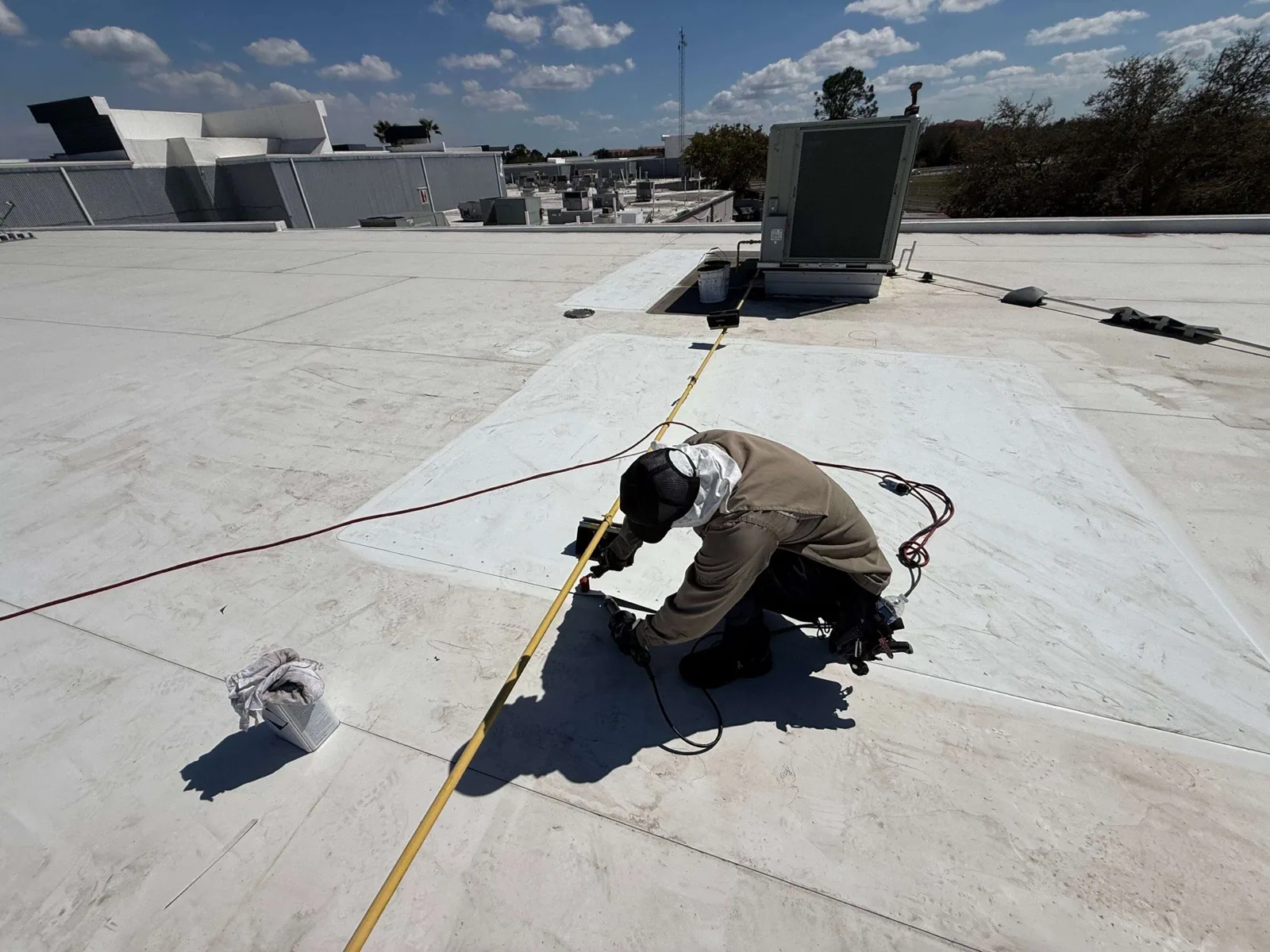
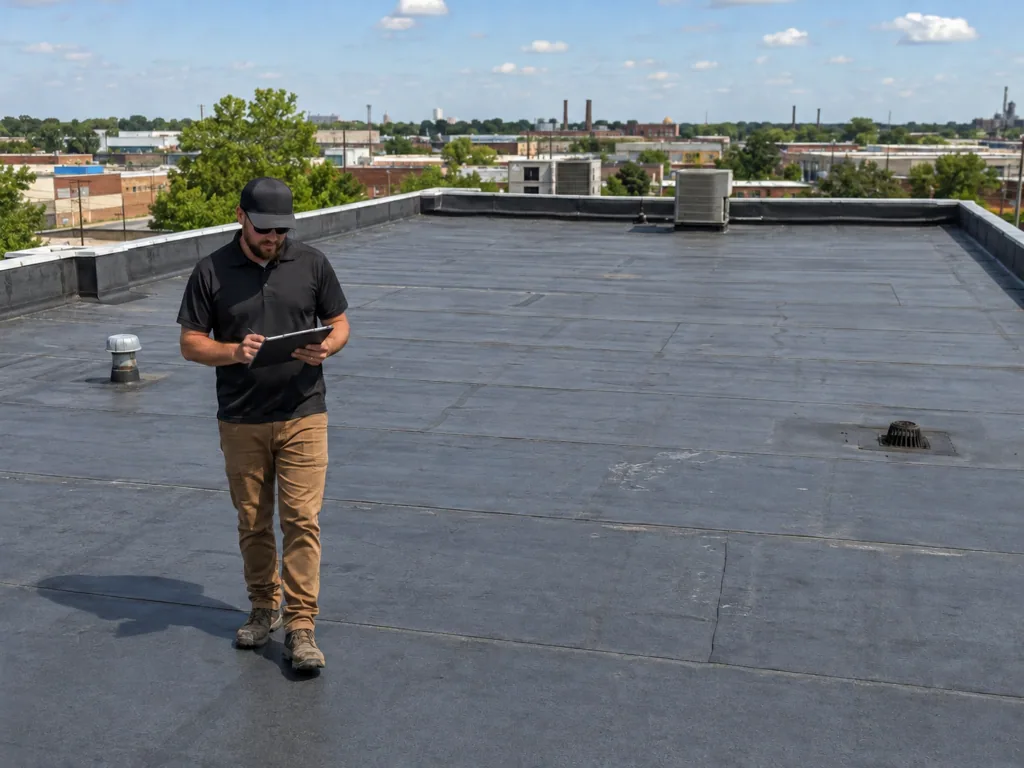
At a drain, we check the bowl, strainer, clamping ring, membrane connection, and visible discharge. At a scupper, the review includes its opening, sleeve, edge metal, and path beyond the wall. We also look at overflows and compare the outlet locations with low areas, crickets, and tapered insulation. A drain that appears clear at the roof surface may still have a downstream obstruction. We note that distinction and recommend plumbing inspection when backup or slow drawdown points beyond the roof-side detail. Photos and measurements connect each observation to a roof zone.
For a building in Central Perimeter, dense office occupancy can make leaks over electrical rooms, lobbies, or tenant areas especially disruptive. Central Perimeter includes four MARTA rail stations and access to major highways; confirm roof entry and staging with each property. We coordinate that access before moving tools or clearing debris. A roof inspection can document the surrounding assembly, and a condition map can preserve outlet and ponding locations for follow-up.
Why ponding returns
Water may remain because a strainer is blocked, the drain connection is damaged, the roof plane is depressed, or the outlet sits above the low point. Debris can collect where a cricket stops short or where equipment traffic pushes material toward a bowl. We compare the depth and location of standing water with the membrane, seams, insulation, and deck movement visible around it. If cleaning restores drawdown, we document that result. If water remains, a slope or structural review may be needed before a surface repair is priced.
In the North End, existing shopping centers along Roswell Road are part of a larger area under mixed-use planning. Those properties still need building-specific drainage information. We inspect the roof plane and compare measured slopes with the outlet, low point, and surrounding details. When an outlet detail has failed, a drain flashing repair can address the opening; if a storm has displaced components, a storm assessment documents the change before permanent work is set.
Keep the building protected
Drain work can require interior coordination when a pipe connection, ceiling, or tenant area is affected. The owner identifies where water has appeared, whether the leak follows rainfall, and whether a plumbing vendor recently worked on the line. We protect contents below the work area and agree on where debris can be staged. If a drain must be isolated or a roof section opened, the site contact approves the shutdown and temporary water-control plan. A clear handoff matters when a property remains occupied during repair.
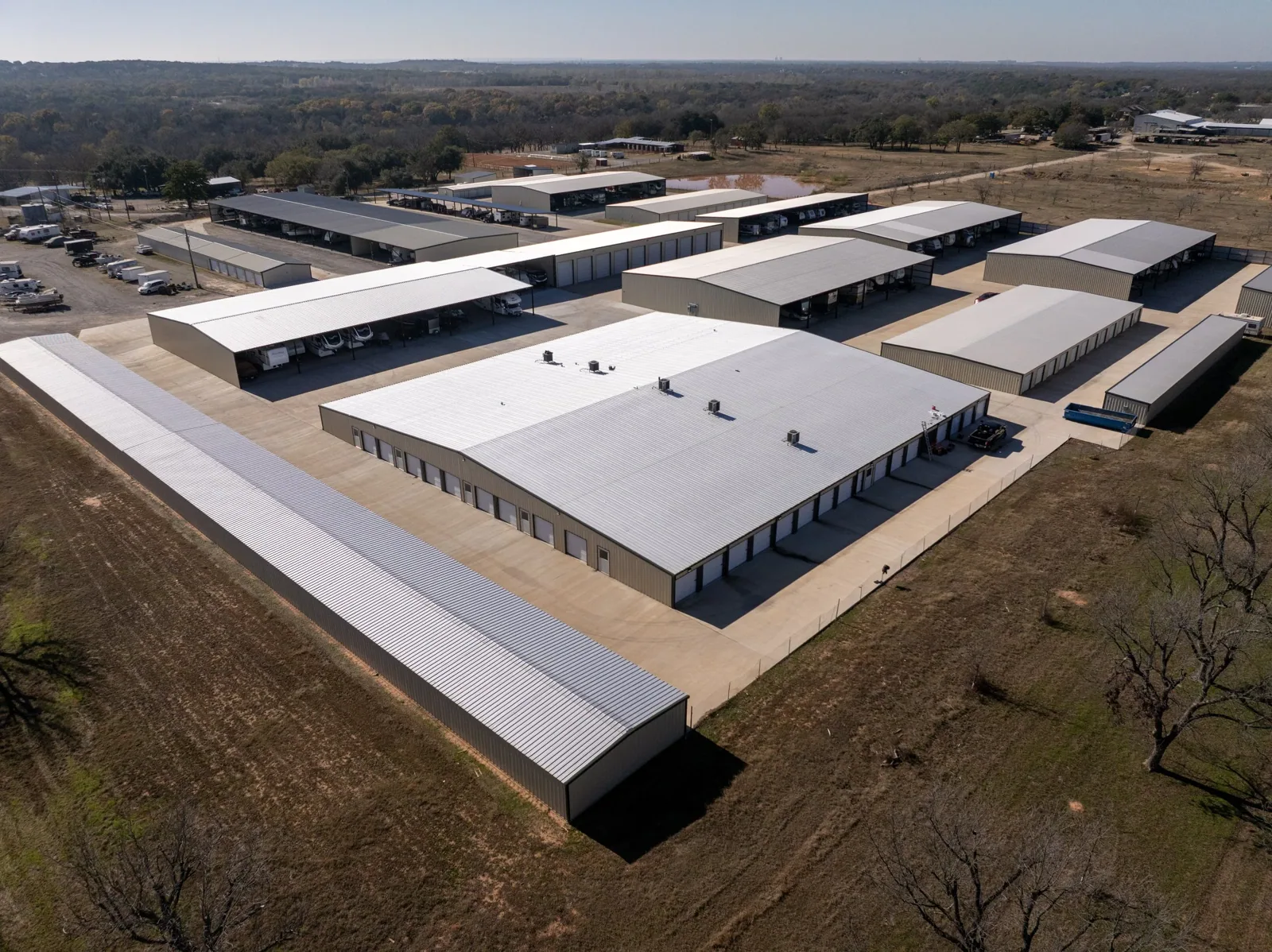
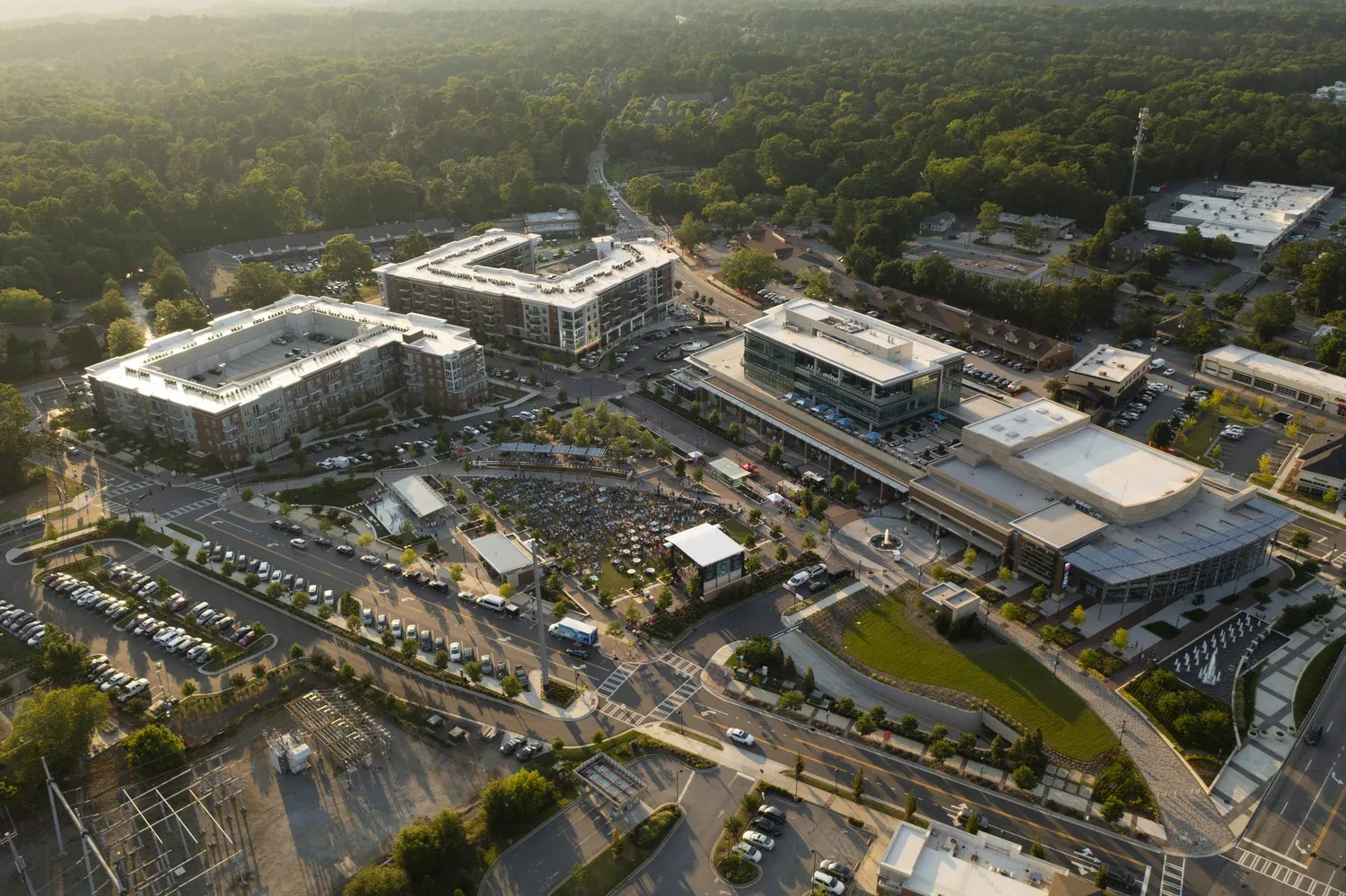
Central Perimeter offices and City Springs’ civic, residential, dining, and event uses create different access conditions. We schedule around the building’s actual hours and explain whether a drain correction may interrupt service. A City Springs property can coordinate drainage access with its local contact, while a maintenance program records repeat blockages, cleanouts, and roof-zone changes. The same interval should not be assigned to every outlet without reviewing its history and surroundings.
Choose the correction that fits
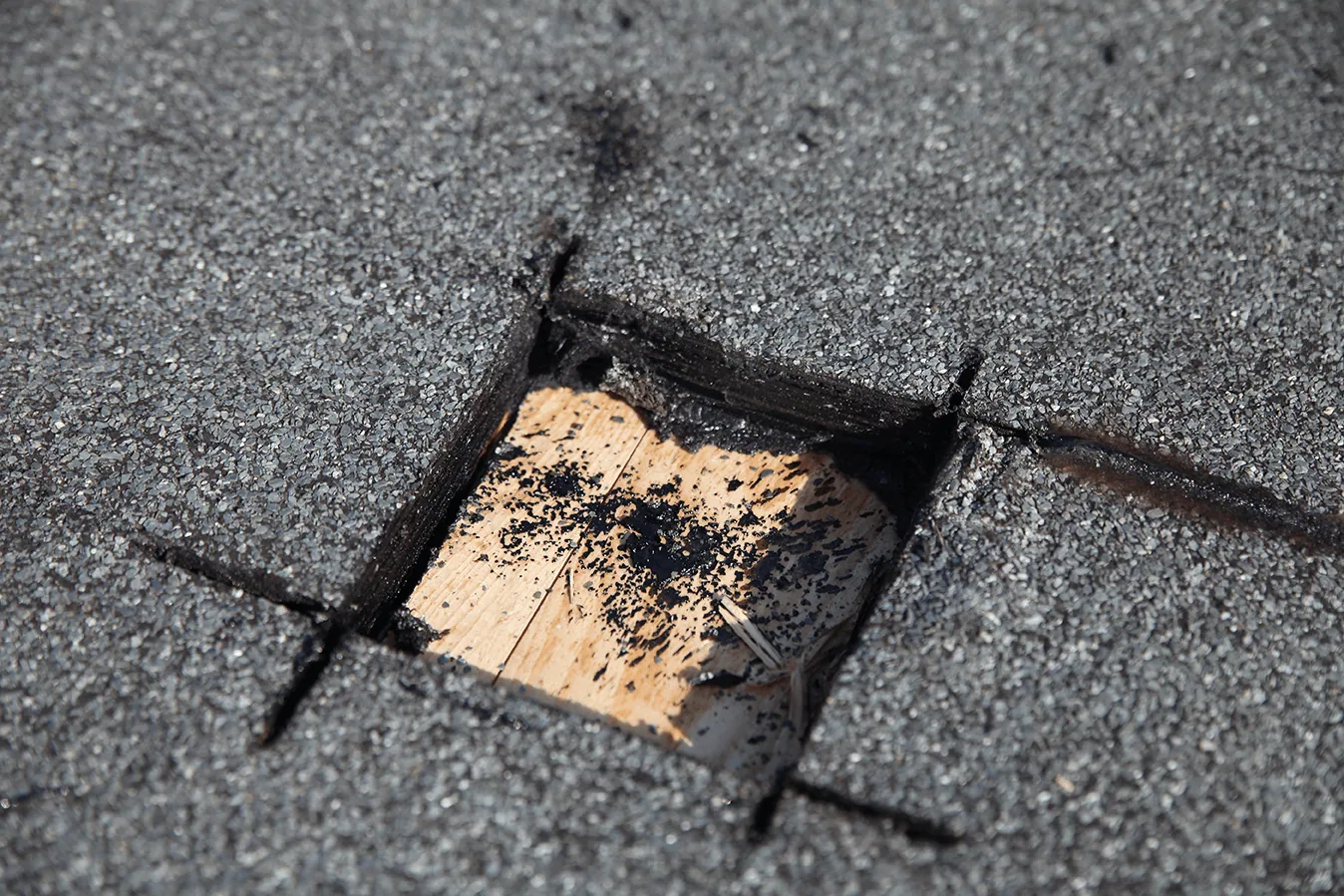
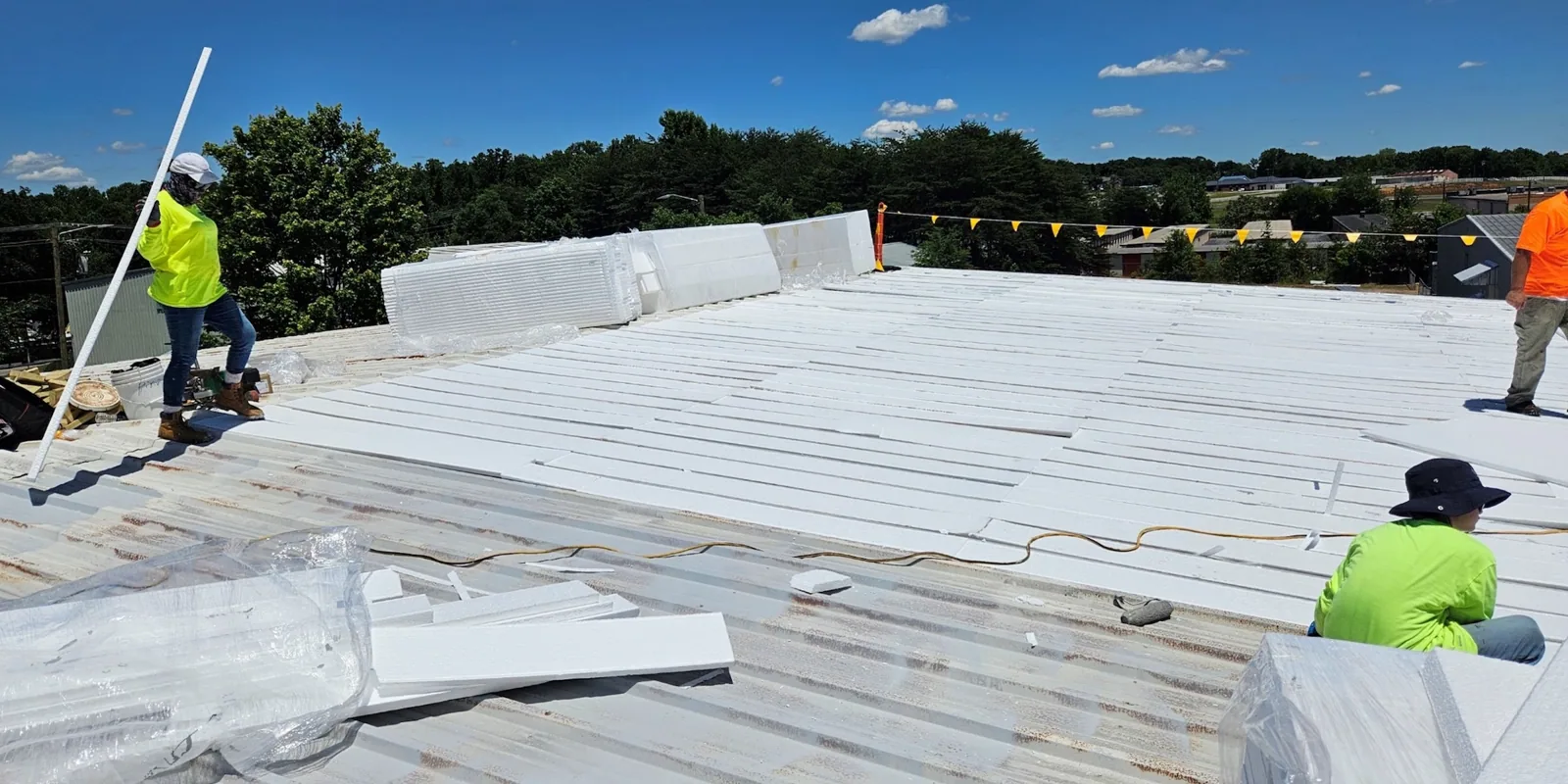
Cleaning clears loose debris; a failed drain bowl, broken connection, inadequate slope, or undersized overflow requires a separate correction. A localized flashing repair may work when the drain body and surrounding membrane remain sound. Tapered insulation or a cricket can redirect water, but those changes affect tie-ins, edge heights, and roof equipment clearances. We identify the cause before recommending the correction. If concealed layers or deck condition could change the scope, we mark the test area and get owner direction before opening the assembly.
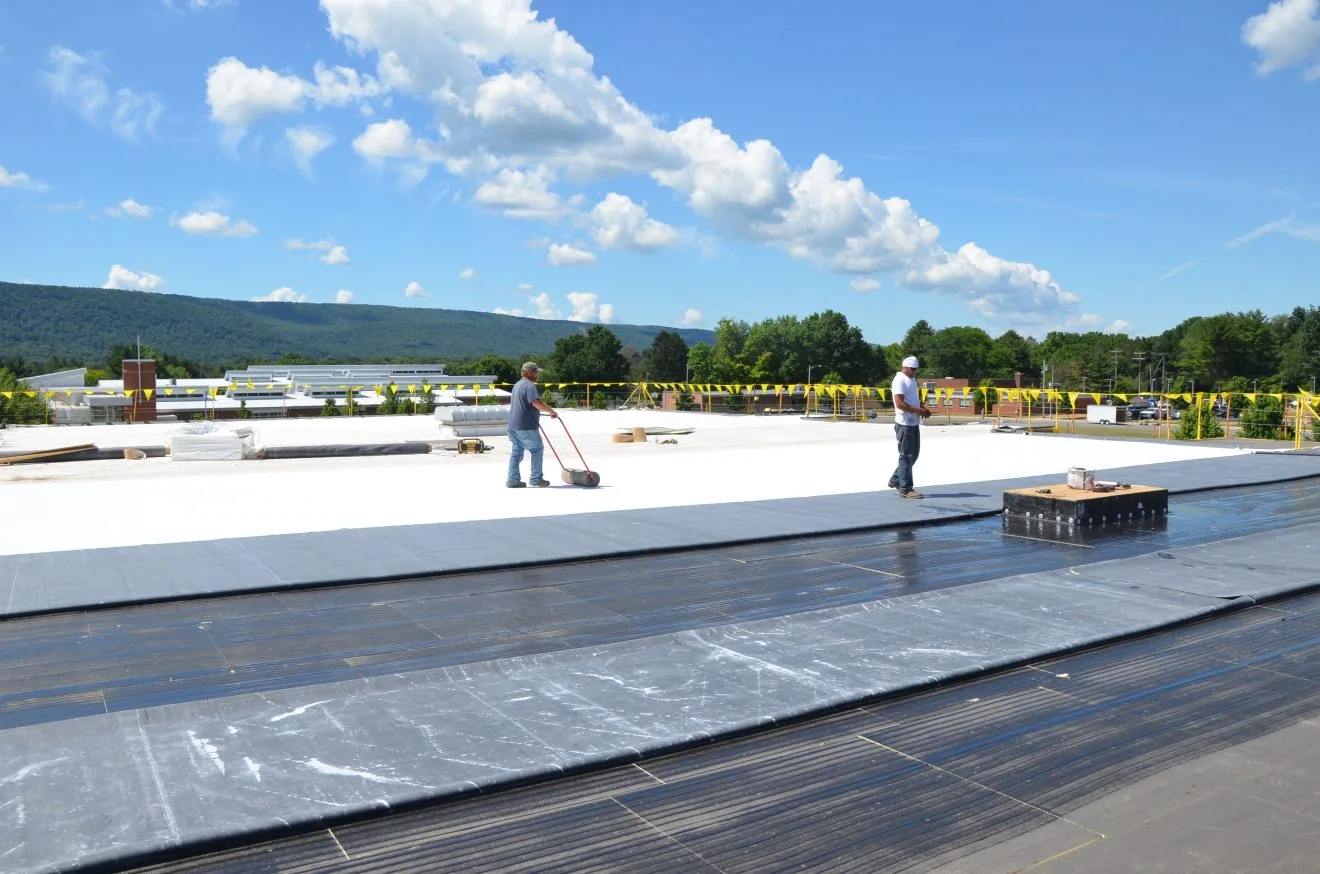
When a roof has repeated ponding and multiple failing details, the choice may move from routine service to broader restoration or replacement. The owner can compare the measured affected zones, repair frequency, drainage layout, and budget year in a capital review. If coating is being considered, a restoration assessment should confirm that outlets, low areas, and surface preparation fit the selected system. Resolve roof-plane and outlet problems before applying a coating system.
Track performance after the work
After clearing or repair, we record the outlet condition, photos, the work completed, and whether water moved away from the area during the visit. If the roof needs a post-rain comparison, we set a follow-up. The next check should revisit the same low points and outlet zones, especially where the owner has a history of leak calls. We note whether a drain remains serviceable, needs line inspection, or forms part of a slope-correction plan. The record helps prevent repeat cleaning from masking a larger drainage problem.
Sandy Springs’ commercial districts span office, retail, restaurants, hospitality, and healthcare. For a multi-building owner, a portfolio maintenance record can compare outlet conditions without treating all roofs alike. A facility in the Medical District may have critical areas beneath the drain path, while a retail property in the North End may have different access and staging limits. We tie the next action to the roof section and the building’s operating requirements.
Set a drainage action plan
Share roof plans, leak locations, drain or scupper history, prior cleanouts, and any plumbing work orders. We can inspect the water path, identify the component that needs attention, and separate roof repairs from work that belongs to another trade. The scope names the outlet, membrane connection, affected roof zone, access limits, and closure point. If drainage remains poor after cleaning, we will state whether additional testing or a slope review is needed before pricing construction.
A drainage visit should leave the owner with more than a list of clogged outlets. It should show what allowed the water to collect, what changed during the work, and which measurement or follow-up will resolve the remaining question. That is how the roof record can support both near-term protection and a defensible renewal schedule.
Questions About Commercial Roof Drains and Scuppers
What do you inspect at a commercial roof drain?
We check the strainer, bowl, clamping ring, membrane connection, overflow, visible discharge, and nearby low areas. If slow drainage suggests a blockage below the roof surface, we identify the need for a plumbing inspection separately.
Can adding a scupper fix ponding on a Sandy Springs roof?
It can help only if its location and discharge path address the roof’s actual low point. We map the roof plane and existing outlets first. Slope, overflow, parapet height, and membrane tie-ins all affect the correction.
Does a clear drain mean the roof is draining correctly?
Not always. Water can remain because of slope, a blocked line below the roof, or a low area around the outlet. We note whether flow improved and recommend the next test if the standing water remains.
How does rainfall affect drainage planning?
Atlanta’s airport station averages about 2.2 days a year with overnight lows at or below 32 degrees. Check the forecast and protect any opened outlet or drain detail if a freeze is expected during the repair window.
When is drainage work part of a larger roof project?
If ponding returns after cleaning, several outlets fail, or correction requires changing the roof plane, the scope may involve insulation, membrane tie-ins, or broader renewal. We compare the repair boundary with the owner’s capital window.
Trace a recurring water path
Share the roof plan, leak locations, outlet history, prior plumbing work, and access requirements. We will map the drainage condition and identify the next action.
Call 555-555-5555 or send the building details.