Emergency Commercial Roof Repair in Sandy Springs, GA
A storm report is the first portfolio sort: identify buildings with active water entry, occupied areas, or exposed equipment. We respond around the clock, including weekends and holidays, to stabilize active commercial roof leaks and storm openings. The first visit identifies affected rooms, equipment, roof access, and a safe temporary boundary. In Sandy Springs, frequent rain and spring-summer thunderstorm winds can shorten the time available to protect an opening, while the repair method still depends on the roof assembly found at the site.
Immediate Stabilization
The first call should identify where water is entering, whether power or equipment is affected, who can authorize roof access, and which interior areas need protection. We coordinate with the facility contact before moving through occupied spaces or restricting an entrance. Inside, we help limit exposure around equipment, records, ceilings, and customer areas. At the roof, we locate the opening or likely water path and choose temporary protection that can be secured without creating a new drainage problem.
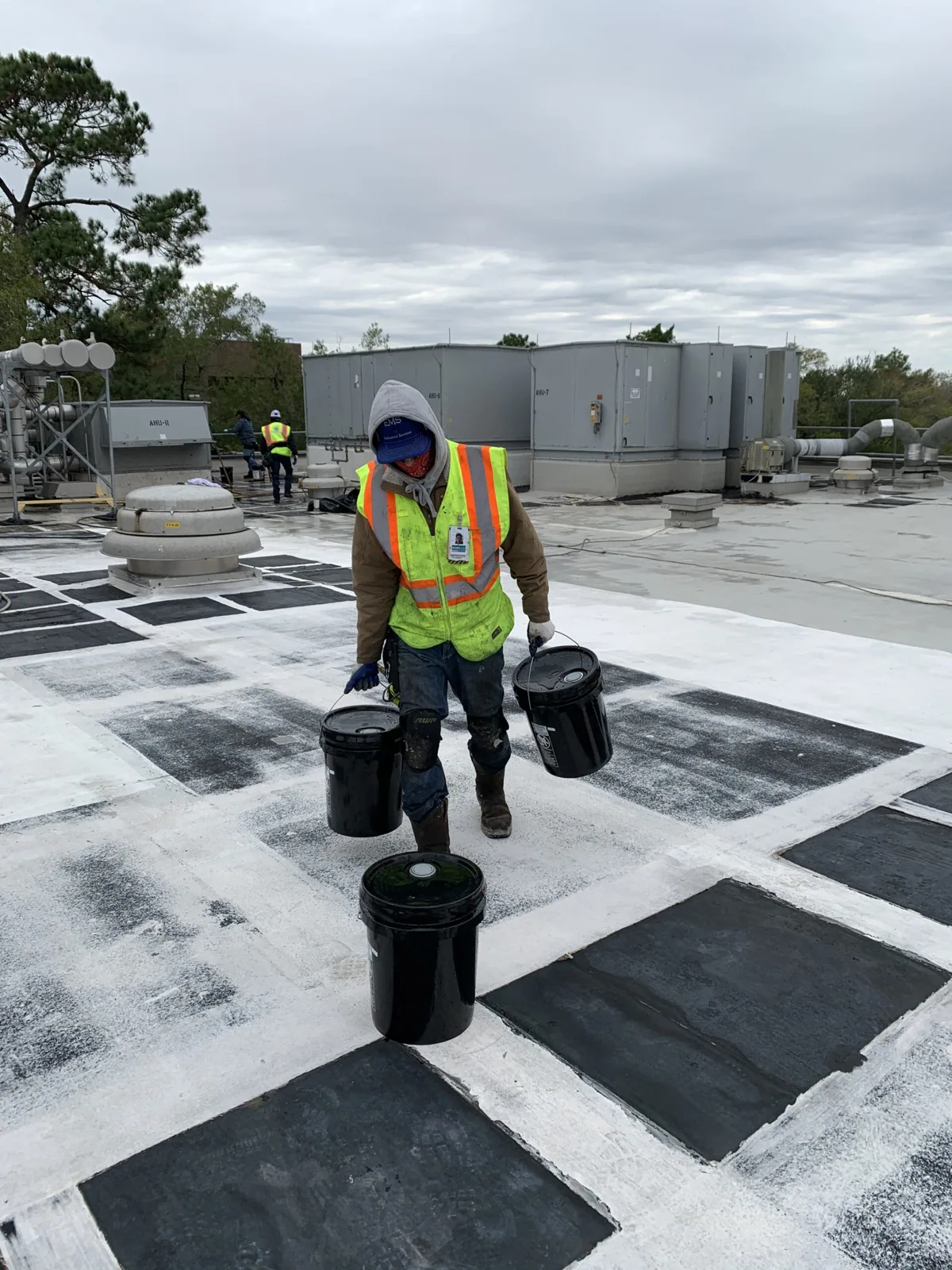
Temporary work may involve a controlled cover, diversion, or limited seal. Its purpose is to reduce active exposure until the assembly is dry enough for permanent repair or additional testing. We record the material used, area covered, method limits, and next inspection. A commercial leak assessment can then trace the cause and set a durable repair boundary rather than treating emergency stabilization as the final scope.
Occupied Building Impact
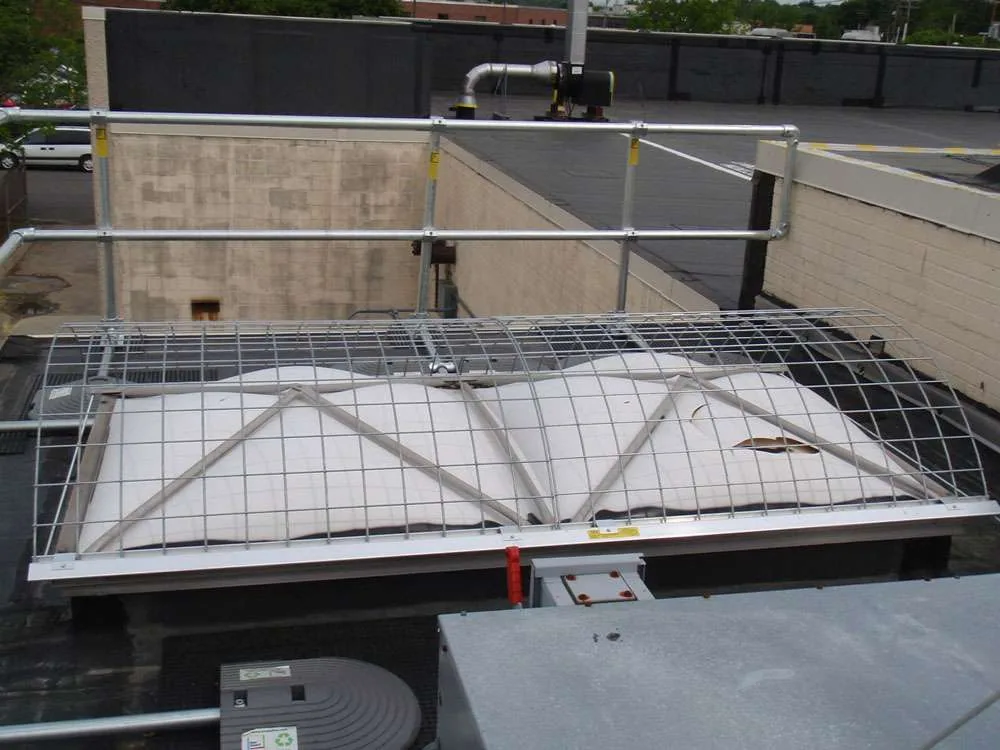
Water near a clinical area, electrical room, server equipment, or active tenant space needs coordination below as well as above. Sandy Springs' Medical District includes Northside Hospital, Emory St. Joseph's, and Children's Healthcare of Atlanta's Scottish Rite campus, along with a large healthcare workforce. A medical facility has its own access, infection-control, and continuity procedures. We coordinate the roof work window with the building contact and keep the protection plan tied to the affected space. For a clinical property in the Medical District, confirm access requirements with its facilities contact before mobilization.
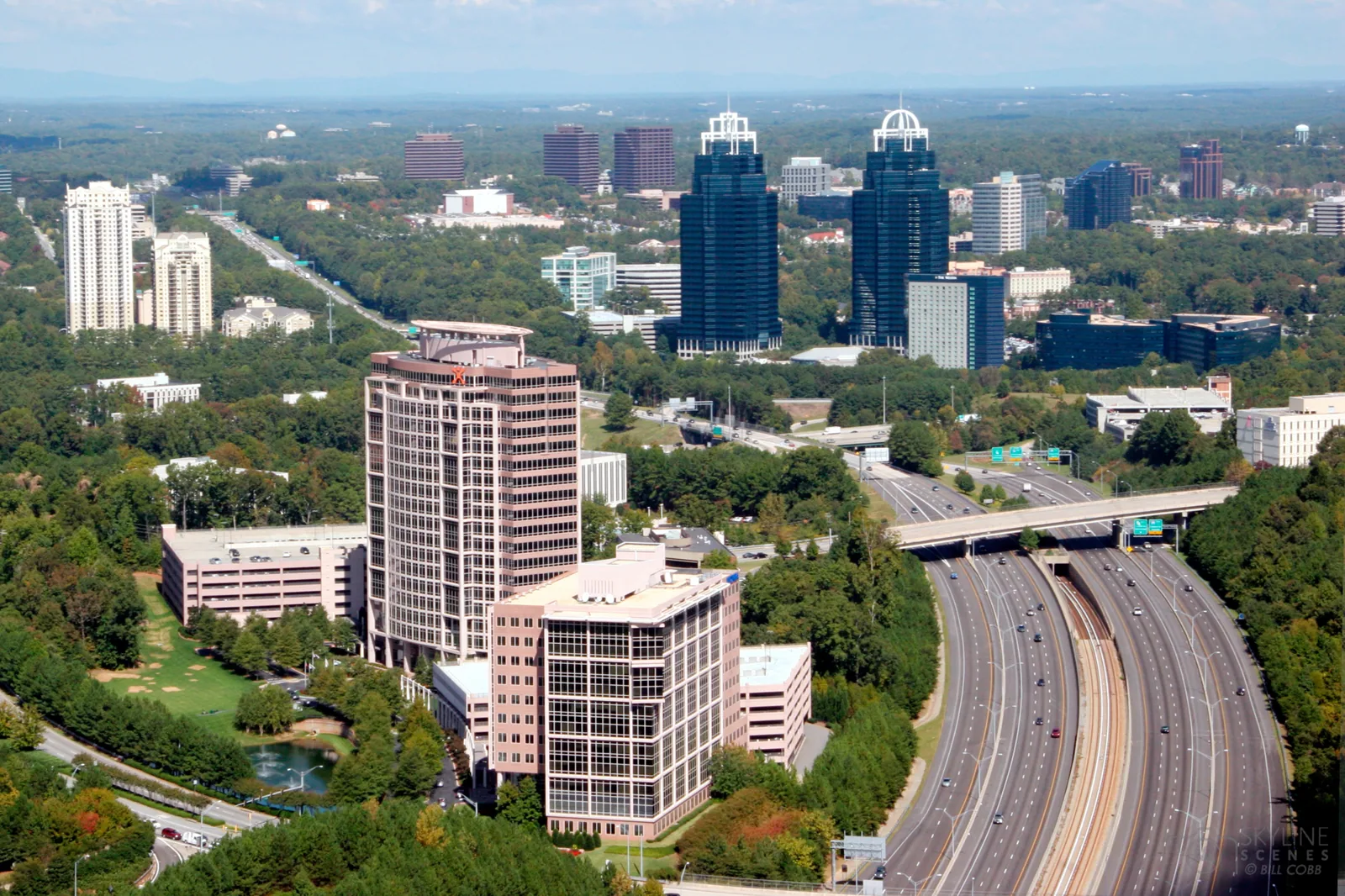
In the Central Perimeter office district, tenant arrivals, loading, parking, and security can affect staging during an emergency. We identify which lobby, service entrance, or loading area must remain clear and where materials can be brought to the roof. The district connects to four MARTA rail stations and major routes including I-285 and Georgia 400, while each building sets its own gate and delivery rules. A Central Perimeter roof response begins with the property contact and the areas requiring immediate protection.
Storm and Water Entry
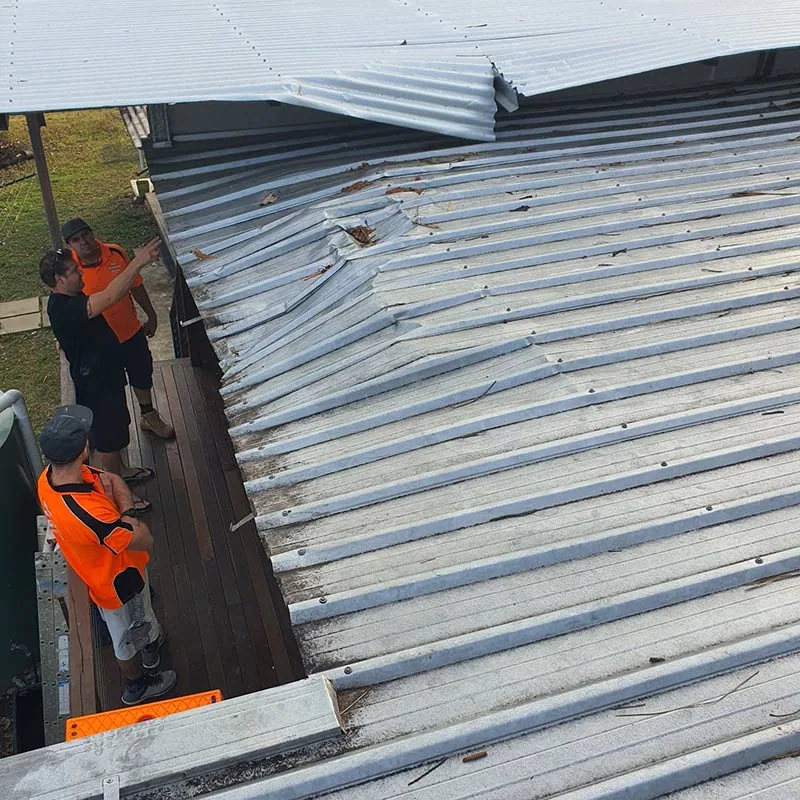
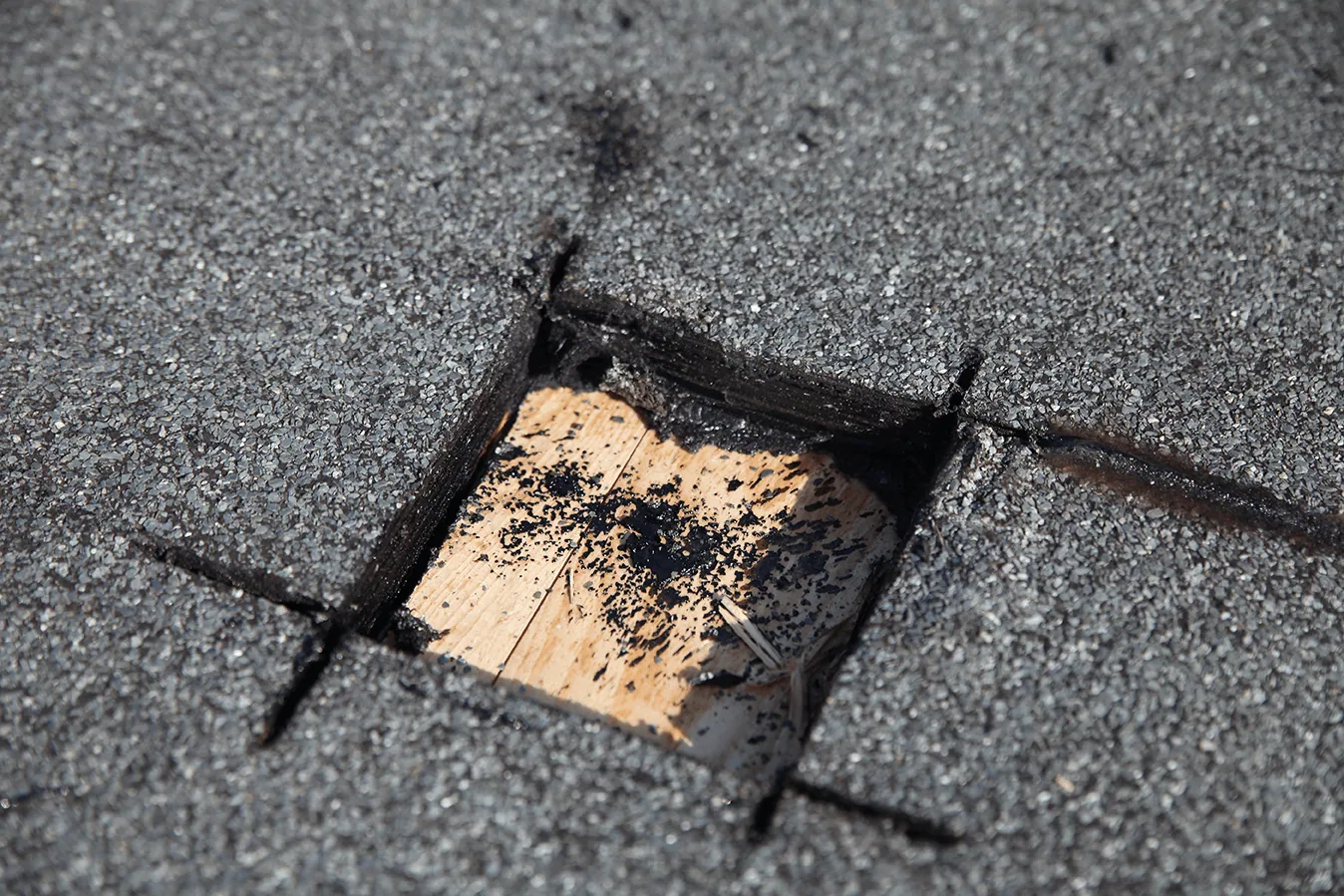
North and Central Georgia averages about seven large-hail days and six tornado days annually. Damaging thunderstorm winds are most common during spring and summer, with a July peak. After a reported storm, we inspect actual membrane tears, loose edge metal, punctures, open seams, displaced flashing, and blocked drains. After a reported storm, inspect the property’s membrane, edges, penetrations, and drainage to establish which areas were damaged.
Water can travel along a deck flute, insulation joint, curb, or sloped surface before it appears inside. We compare the reported room with nearby penetrations, seams, drains, and wall transitions. If moisture beneath the membrane could change removal limits, we identify a targeted test after immediate protection is secure. A wind-damage review records the affected edge and attachment, while a separate moisture survey can help locate areas for confirmation.
Weather-Secure Work Window
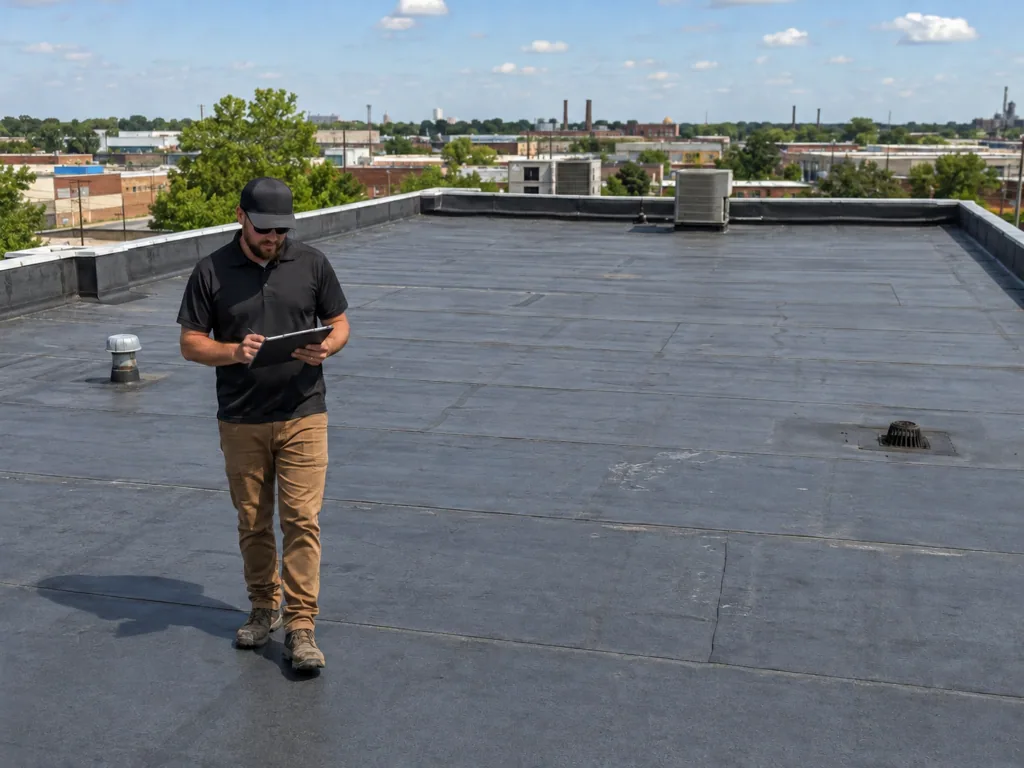
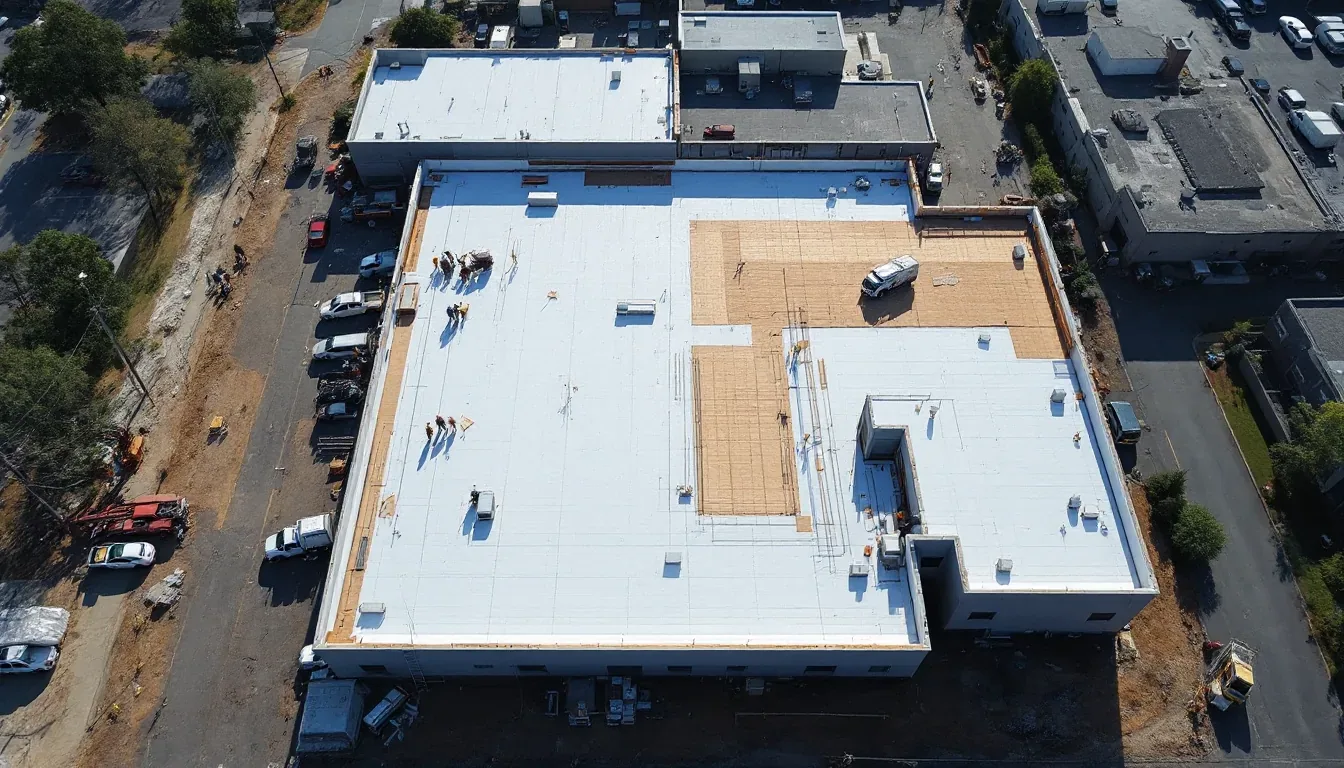
At Atlanta’s airport station, average daily highs approach 90 degrees in July and August, with frequent rainfall through winter and early spring. Those conditions influence when a permanent patch can be prepared, welded, adhered, or tested. We check current surface conditions, select a work area that can be secured, and set a reliable stop point before removing material. If rain is approaching, the crew limits the open section to what can be restored and closed within the available window.
Repair timing also depends on roof height, access, equipment operation, interior protection, and the availability of a mechanical or electrical contact. We confirm which systems must remain on and whether a unit needs shutdown before opening the curb. Materials are staged away from drains and protected from water. The facility contact receives a status at each handoff: area stabilized, permanent repair ready, test or access still required, and the next expected decision.
Permanent Repair Decision
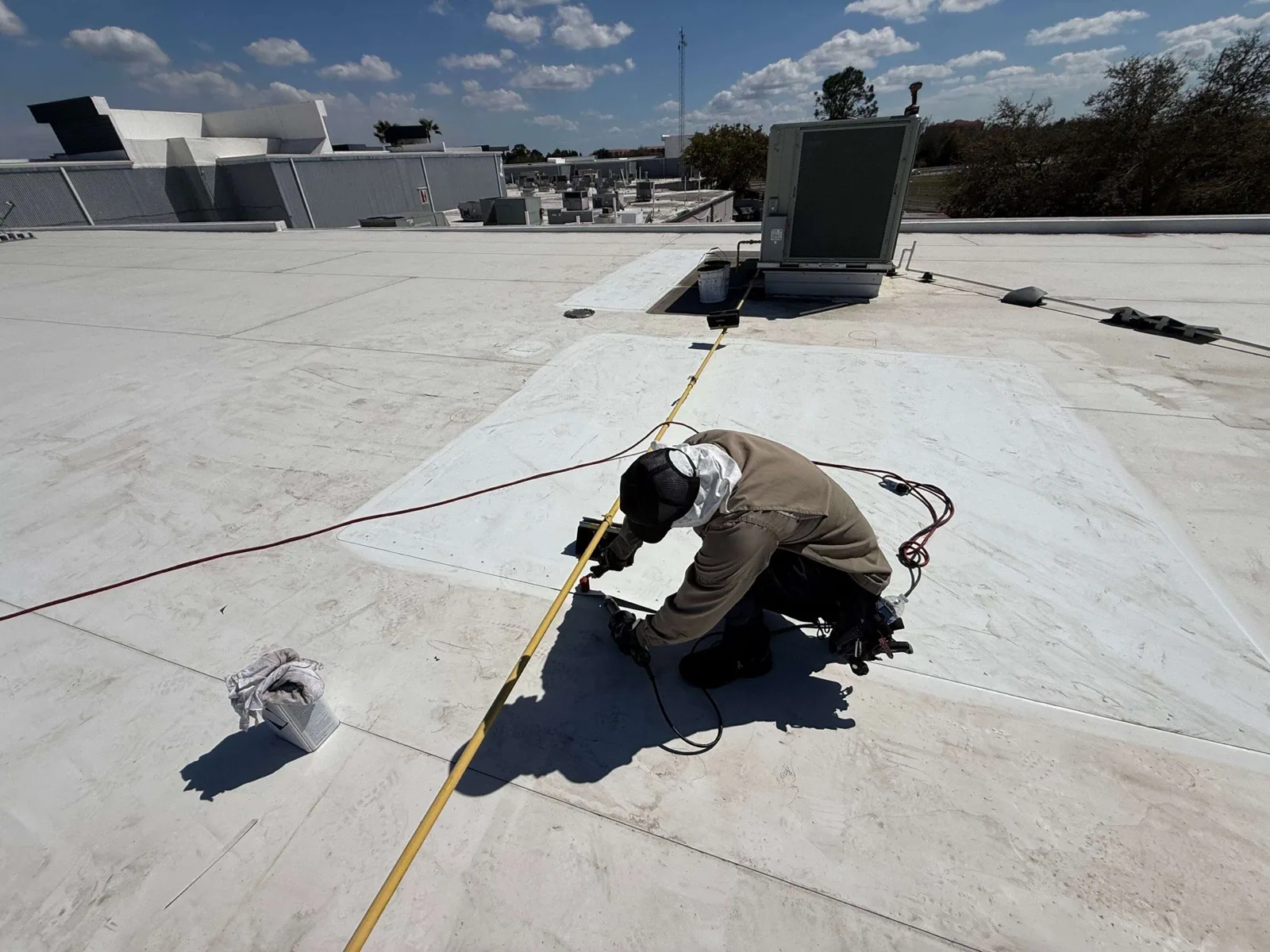
After conditions stabilize, we inspect the entire affected roof zone and compare the visible opening with the suspected water path. We identify membrane or panel type, substrate, attachment, nearby repairs, and any wet insulation. A repair uses materials compatible with the installed assembly and ends at sound edges that can be tested. If the damage extends beyond the emergency opening, the scope shows the added boundary and why it is needed. A planned repair proposal can separate permanent work from temporary protection and identify any concealed-condition approval step.
When repeated failures or widespread moisture suggest broader exposure, we compare a localized correction with recovery or replacement. Existing layers, drainage, roof height, attachment, insulation, and the budget year affect that choice. A replacement review is based on confirmed sections, not one emergency call. For a portfolio manager, a capital window comparison can rank urgent exposure against other roof sections and preserve planned work for a later budget cycle.
Emergency Closeout
The closeout lists the room affected, roof zone, stabilization performed, permanent repair status, photos, weather at the visit, and limits of the inspected area. It identifies equipment or access issues still requiring another trade. If a return is needed after the roof dries, the report names the detail and test to revisit. The owner can distinguish a temporary measure from a closed repair and avoid carrying an emergency note forward without a clear next action.
Keep the building contact, access instructions, roof plan, system history, and known leak locations together for future response. We can add the findings to a roof condition report and mark which sections require follow-up. For a property in the broader Perimeter District, the report should link each action to its actual building, access window, and operating contact. That gives the asset team a basis for deciding whether the next action is monitoring, repair, or renewal.
Call with the active leak location, operating impact, access contact, and any immediate safety concern. We will coordinate a response and explain what can be stabilized now. After the roof is safe to inspect, the permanent scope will state the tested area, repair method, and unresolved condition that could affect cost or timing.
Questions About Emergency Commercial Roof Repair
Can you respond to a commercial roof emergency after hours?
Yes. Response is available at night, on weekends, and on holidays. We coordinate access with the person who can authorize entry, protect affected areas, and determine whether a temporary cover or other stabilization is appropriate.
What should a Sandy Springs facility contact do before an emergency roof crew arrives?
Keep people clear of wet ceilings, electrical hazards, and areas where materials may fall. Protect movable contents only when it is safe, and tell the facility contact where water is entering. We will coordinate roof access and the initial protection plan with the site lead.
Does emergency tarping complete the roof repair?
No. A cover is a temporary control with a defined area and limit. We document where it was placed, what it protects, and which inspection or permanent repair remains. The final decision follows the roof assembly and water path after the surface can be evaluated.
How quickly can permanent work begin after a storm?
That depends on safe access, weather, material compatibility, equipment coordination, and whether concealed moisture changes the boundary. We set the next step at the first visit and keep the open area limited until a lasting detail can be installed and tested.
What information helps during the first emergency call?
Give the building location, affected room or equipment, time the leak began, site contact, roof access instructions, and operating restrictions. Mention any power issue, recent rooftop work, or prior repair. Those facts help us coordinate the right access and protection.
Request Urgent Roof Stabilization
Tell us where water is entering, what operations are affected, and who can authorize access. We will coordinate emergency protection and define the permanent next step.
Call 555-555-5555 or send the building details.