Commercial Roof Replacement in Sandy Springs, GA
After hail or high wind, replacement planning starts with a condition record for each affected roof section. We compare active leaks, prior repairs, wet insulation, attachment, drainage, and edge conditions before deciding whether a building needs full removal or can be sequenced another way. In Sandy Springs, a dense office or medical property may need a different work window from a lower-occupancy commercial building. The scope should state what is failing, what stays in service, and which conditions could change once the existing roof is opened.
Condition Evidence
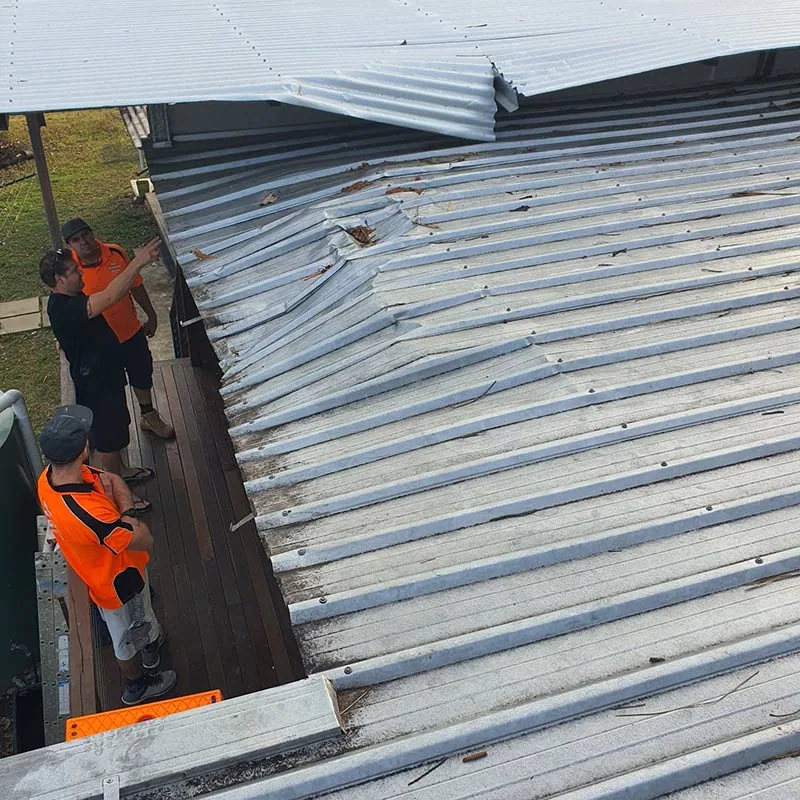
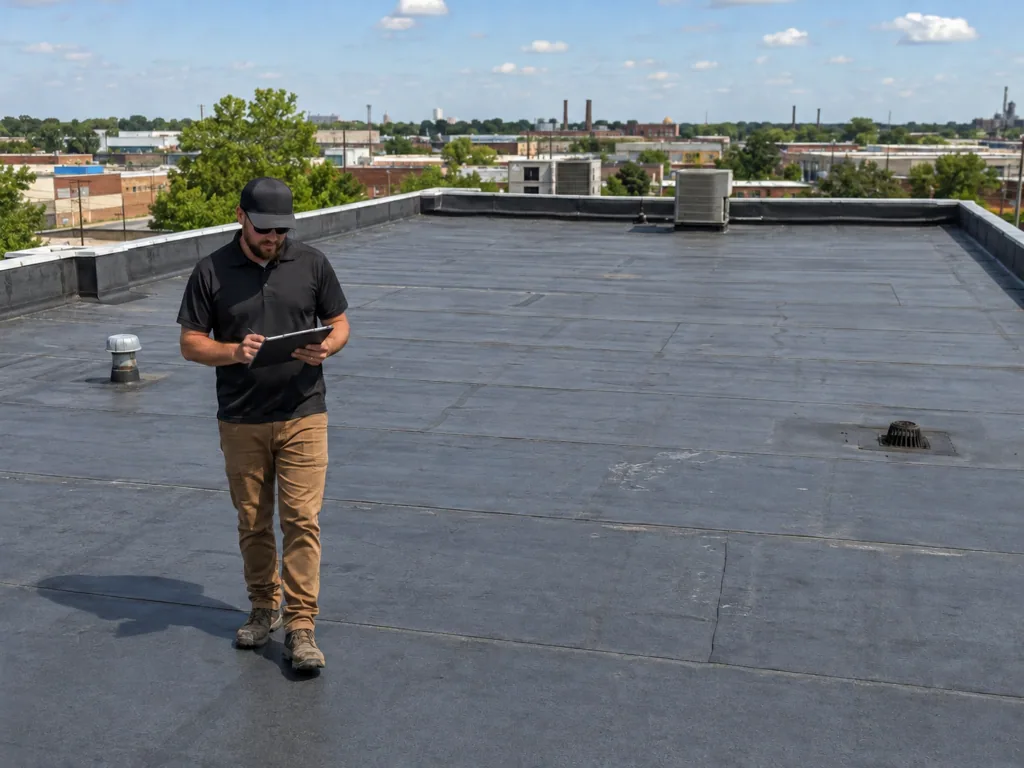
Repeated repairs matter when they point to a larger failure pattern. We map each reported leak, identify the assembly, and compare repair history with moisture readings and visible seam, flashing, drain, and edge conditions. A stain alone does not set the removal boundary. The inspection record distinguishes confirmed wet insulation from a suspected area and identifies any test opening needed before quantities are finalized. A hands-on commercial roof inspection gives the owner a condition map before the replacement scope is priced.
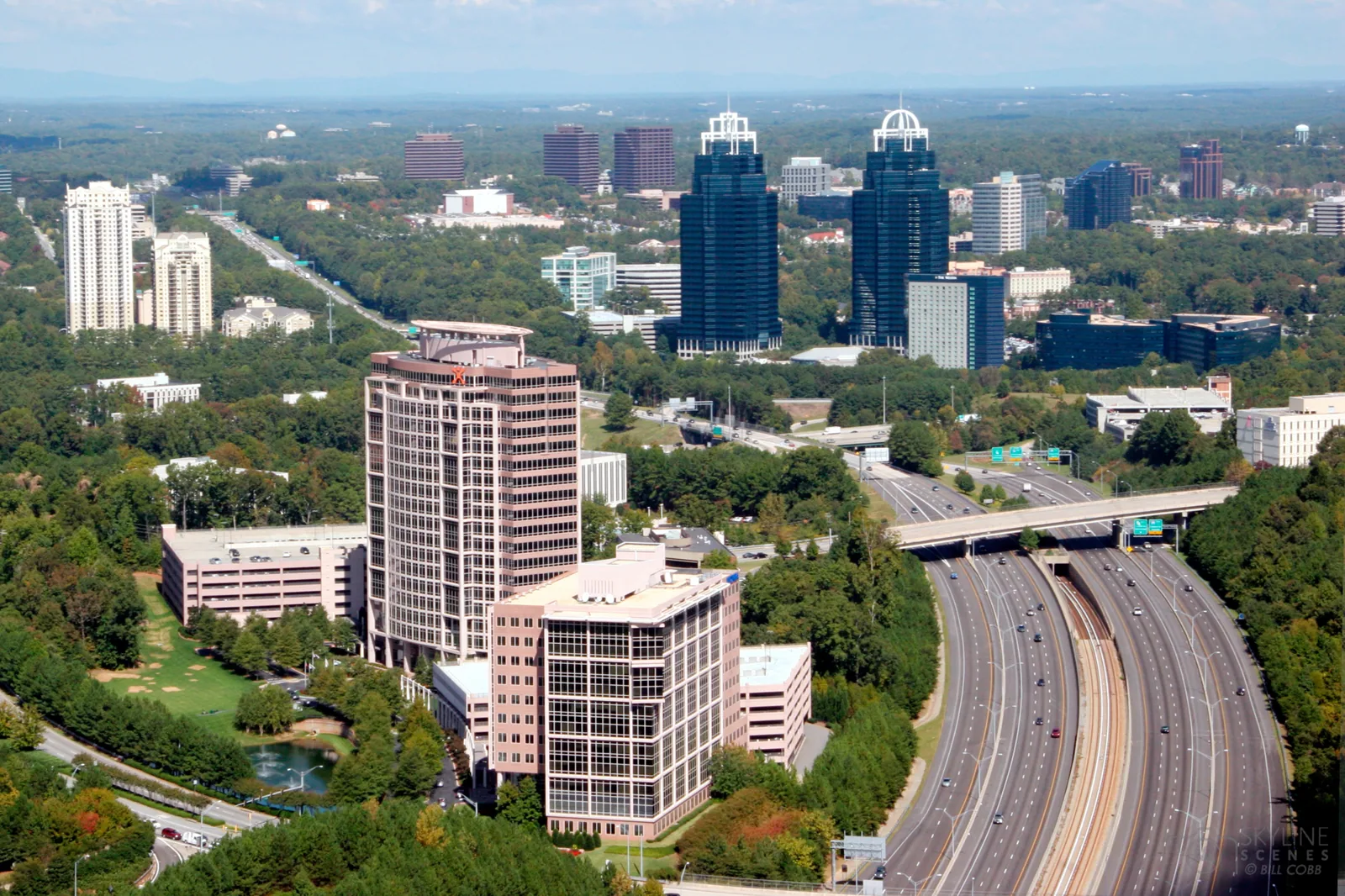
Central Perimeter is a major daytime work destination, with the city population nearly doubling as employees arrive. That activity can affect delivery timing, entrance protection, and tenant communication, while occupied office floors below shape noise, security, and debris handling. A building in the Central Perimeter district still needs its own roof survey. We record equipment density, access points, parapet height, roof sections, and the path materials can travel without crossing active entrances.
Removal Scope
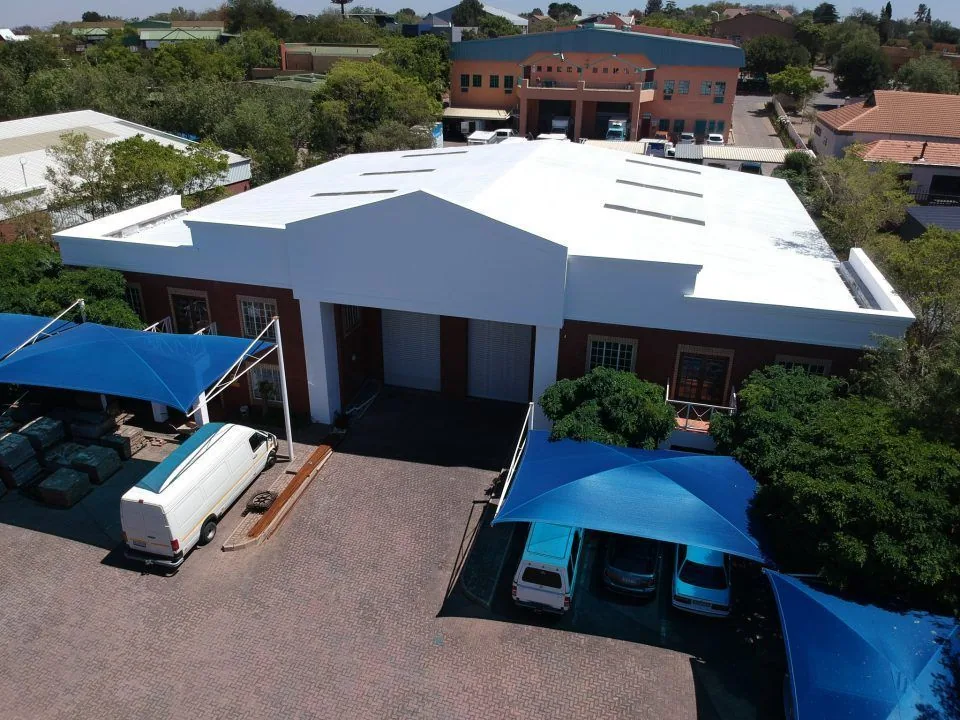
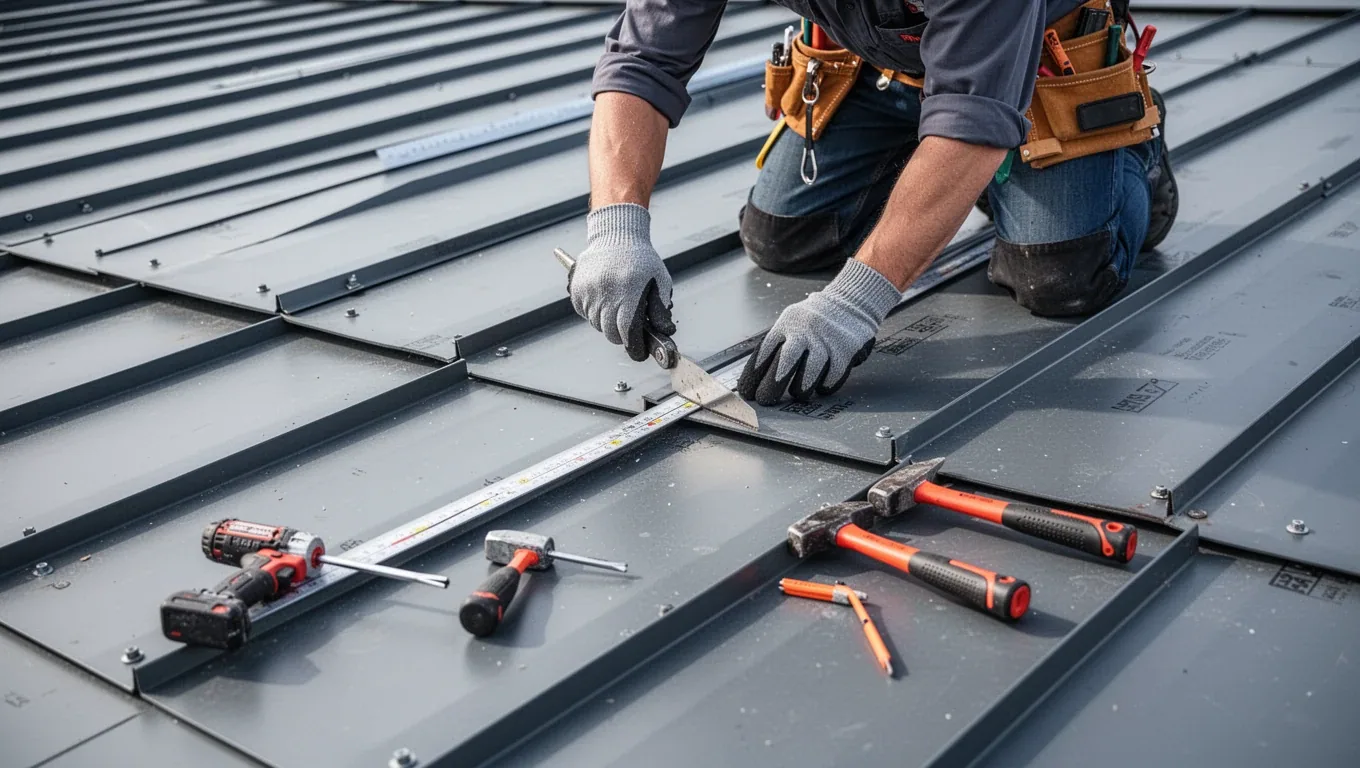
Full tear-off exposes the existing layers and lets the crew address wet insulation, damaged cover board, attachment, and deck conditions that a surface renewal could leave concealed. The proposal should list removal limits, anticipated substrate work, new insulation and membrane, edge metal, penetrations, drains, and temporary dry-in. If concealed damage changes the scope, the owner needs a defined approval step before added work proceeds. A roof survey for capital planning can compare the observed condition with the proposed work without treating an untested area as a known quantity.
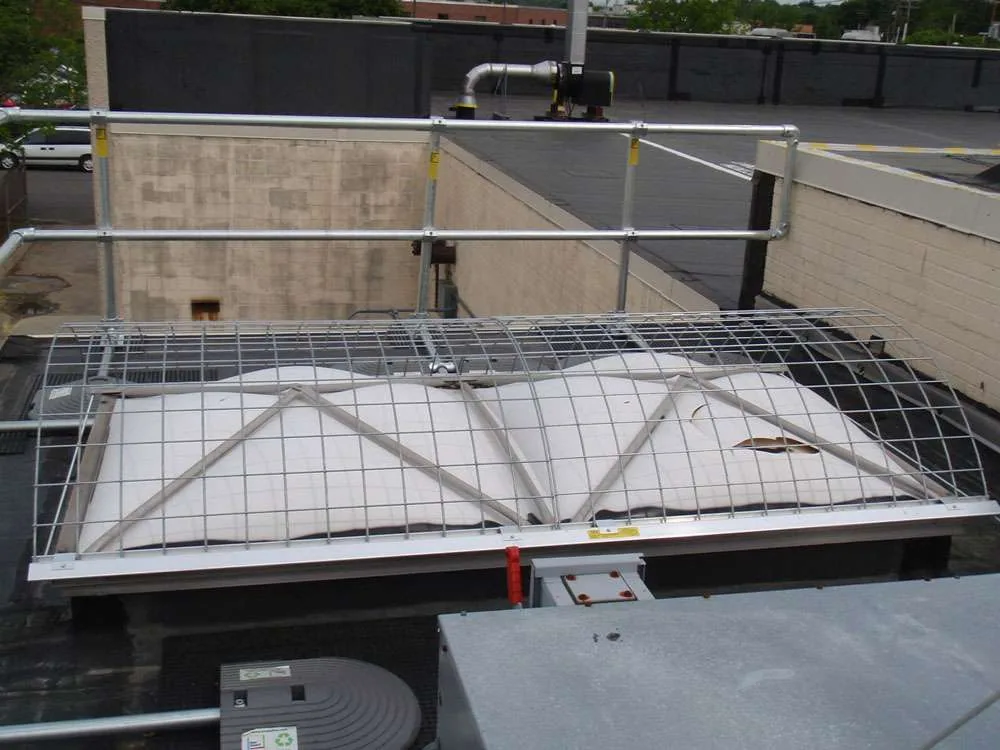
Replacement also changes height at edges, curbs, and rooftop equipment. We check drain bowls, overflow routes, counterflashings, door clearances, and service access before choosing the assembly. Existing rooftop units may need temporary protection or coordination with mechanical vendors. We identify which equipment must remain on, what requires shutdown, and who approves each access window. If the roof is suitable for a recover instead, a recover assessment checks layer limits, moisture, attachment, and code before that option is compared with tear-off.
Weather and Work Sequence
Across the Atlanta metro, July and August average daily highs approach 90 degrees, so roof-surface heat and the installation window both matter. We plan how long a section can remain exposed and when materials can be handled. Across metro Atlanta, winter-quarter precipitation averages roughly four and a half to just under five inches per month from January through March. Each shift needs a secure finish, a dry-in method, and a forecast check before removal reaches another section.
The region also records recurring large hail and damaging thunderstorm winds, most often in spring and summer. A storm record can help explain why a roof needs an inspection, but it cannot substitute for the property survey. We photograph actual punctures, displaced edge metal, open laps, damaged curbs, and drainage restrictions. For confirmed storm damage, a wind-damage assessment can separate a localized repair from conditions that support a broader renewal decision.
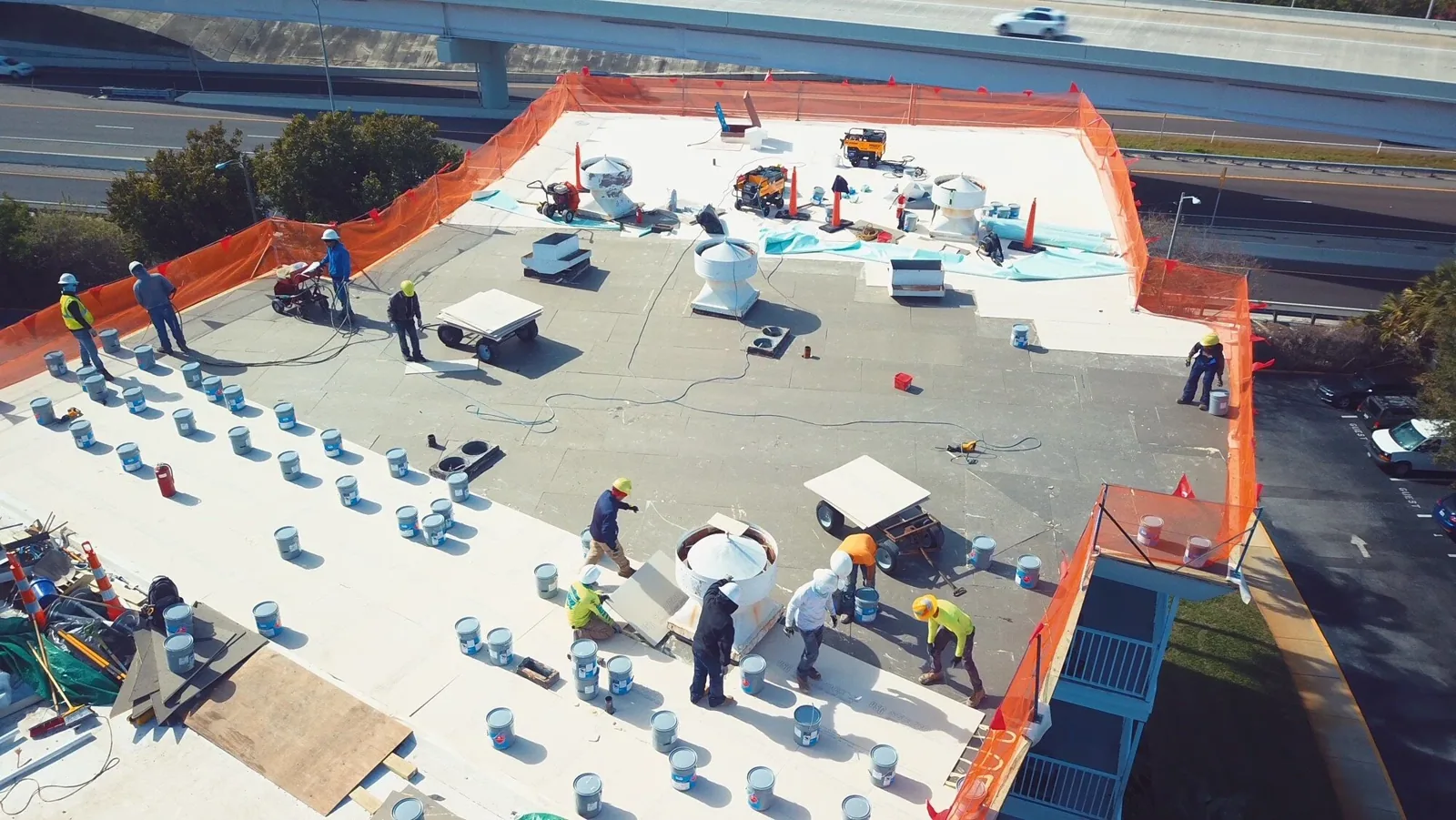
On occupied properties, work is divided into sections that can be opened, completed, tested, and secured within the approved window. We coordinate notices, material hoisting, noise, parking restrictions, and protection below with the facility contact. Central Perimeter's daytime workforce is more than twice its residential population, so a project there can affect busy entrances even when the roof crew stays above them. A phased occupied-building sequence makes those constraints part of the schedule instead of a field surprise.
Assembly Selection
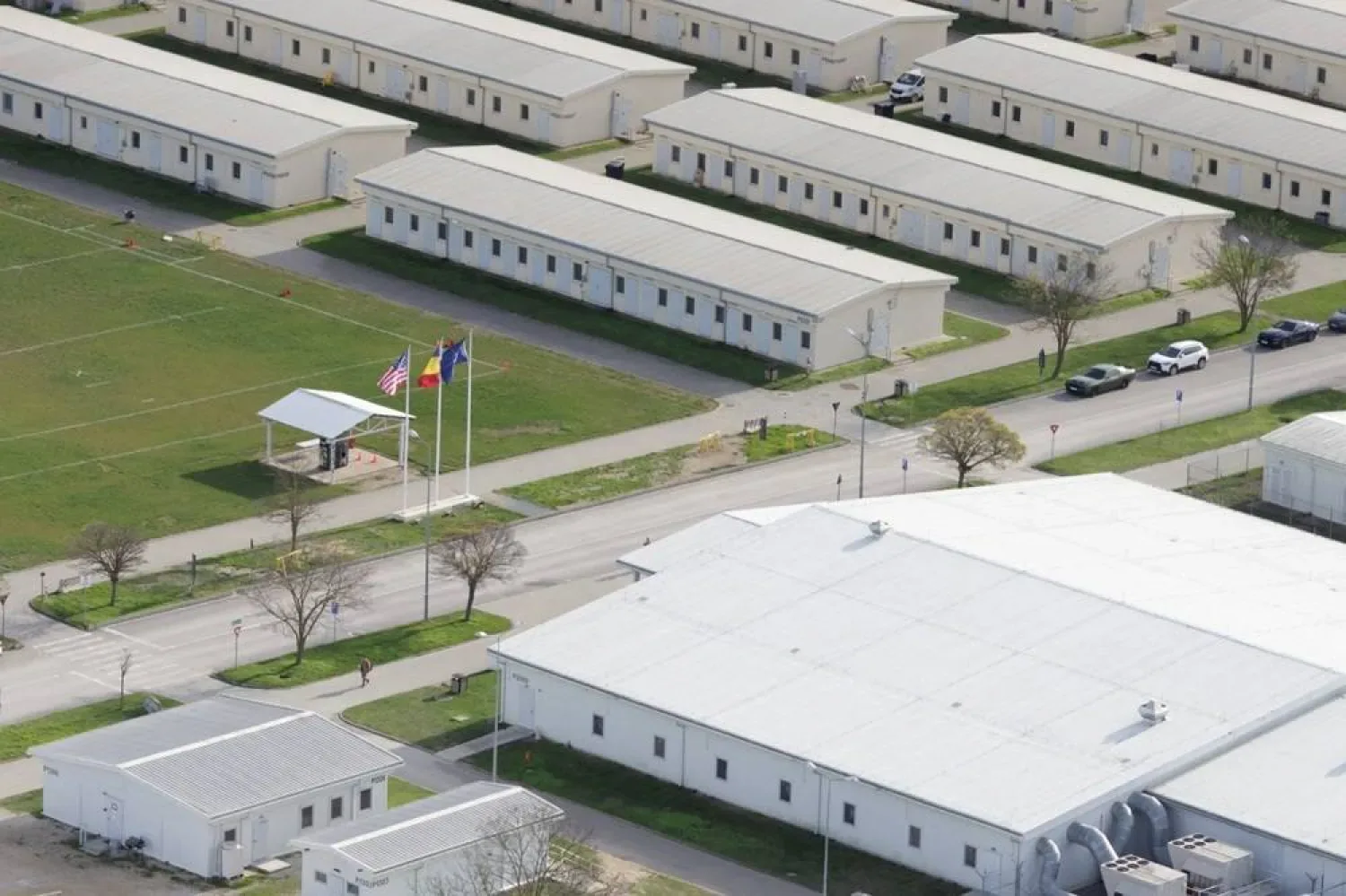
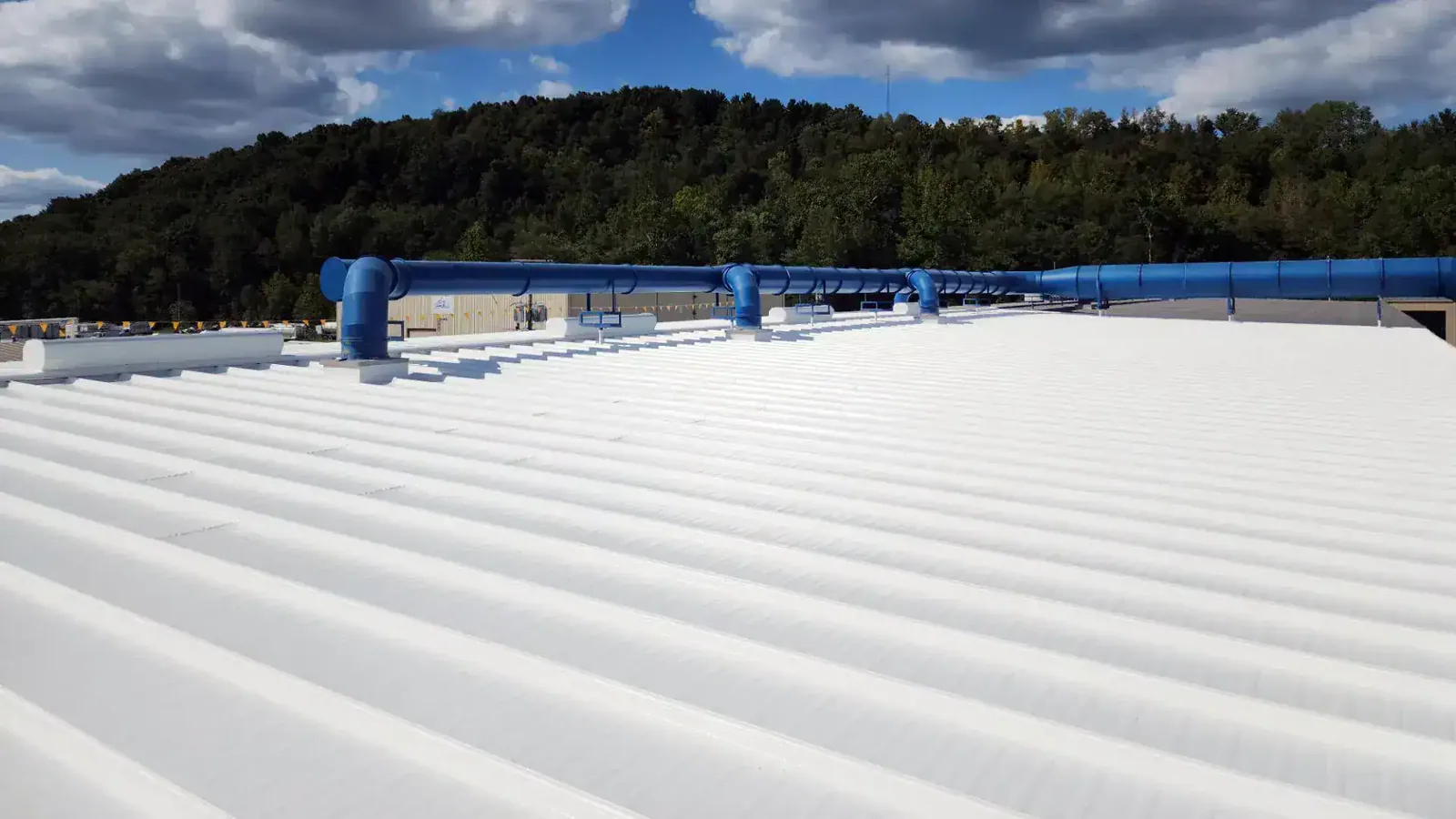
The replacement system follows the building, not a preferred product label. We compare deck type, slope, drainage, parapets, equipment, existing layers, and service requirements before selecting membrane, insulation, attachment, and flashing details. A thermoplastic membrane may require welded seams and compatible accessories; a metal section has different movement and fastening needs. If an existing TPO roof assembly is being removed, we still verify the substrate and detail conditions before specifying a new system.
Georgia follows state construction codes. The 2024 International Building Code with Georgia amendments took effect January 1, 2026, and the applicable energy-code edition depends on current state supplements and the authority having jurisdiction. The design team confirms project requirements before material quantities and edge details are finalized. Existing conditions, insulation targets, fire classification, uplift requirements, and transitions all affect the scope and schedule.
Capital Window
Replacement cost is driven by removal, insulation, deck repairs, edge height, equipment coordination, staging, disposal, and occupied-building protections. A budget comparison should keep those items visible rather than reducing the decision to membrane cost per square. We separate immediate stabilization from permanent renewal and show the condition that triggers each phase. A roof capital plan can rank sections by documented exposure, repair frequency, and the owner's budget year.
A property in the Sandy Springs Medical District may require a work plan that protects continuous clinical operations, while offices near City Springs may have event, civic, restaurant, or residential access to coordinate. We confirm the installed assembly from each building’s records and field clues before selecting a replacement system. We ask for roof plans, leak locations, available inspection records, access requirements, and the decision date. The scope then names the work boundary, operating constraints, alternates, and next action.
Closeout Record
Before mobilization, the owner receives a sequence by roof section, planned dry-in points, access requirements, and a process for concealed-condition approvals. During installation, the record tracks removed layers, substrate observations, insulation placement, attachment, seam tests, flashing, and drainage checks. Photos tie the completed work to roof zones. The closeout identifies what was replaced, what remained outside the approved scope, and any maintenance item that affects the next inspection interval.
Send the roof age or available system history, active leak areas, roof plan, building contacts, access limits, and the capital window. We can prioritize immediate exposure against sections suitable for scheduled renewal. The condition report keeps the observed roof state distinct from future recommendations, while a City Springs roof review can be scheduled around the property's actual use. Each recommendation remains tied to the evidence from that building.
Questions About Commercial Roof Replacement
What evidence supports a full tear-off?
A replacement scope is stronger when repeated leaks, confirmed wet insulation, weak attachment, deteriorated edges, or deck findings extend beyond a small repair boundary. We map those conditions and state which areas were tested. If concealed layers remain unknown, the proposal identifies an approval step rather than treating an assumption as a measured quantity.
Can the building remain open while the roof is replaced?
Often, if work is phased by section and the schedule protects entrances, equipment, tenants, and critical interior areas. We coordinate hoisting, noise, parking, shutdowns, and each secure stopping point with the site contact. The access plan changes when a roof section cannot be dried in before weather arrives.
How does a recover compare with replacement?
The existing layers, moisture, attachment, deck condition, roof height, drainage, and current code determine whether another roof can be installed over the assembly. We inspect those conditions first. A recover may limit removal, while tear-off exposes concealed materials and supports correction of problems below the surface.
What changes a replacement schedule in Sandy Springs?
Hot, humid summer conditions, frequent rain, equipment access, occupied hours, and material delivery all affect the sequence. The plan sets weather checkpoints and a secure daily closure. A medical or office property may also need work windows that avoid clinical activity or peak building access.
What should be in the final closeout?
Keep the roof-zone map, installed assembly, insulation and edge details, seam and flashing checks, drainage observations, photographs, and any approved changes together. We identify work outside the scope and follow-up items so the next budget review starts from the completed condition.
Set a Renewal Review
Share roof plans, leak areas, available inspection records, access requirements, and the budget window. We will return a prioritized review with defined next actions by roof section.
Call 555-555-5555 or send the building details.