Commercial Roof Due-Diligence Surveys in Sandy Springs, GA
A roof survey can affect a purchase price, reserve, or refinance decision, but the conclusion is only as strong as the areas inspected and records reviewed. We assess accessible roof sections, document visible conditions, and identify tests or documents that could change the capital view. Sandy Springs has a large office market, healthcare properties, and active commercial corridors, so an acquisition review should tie each roof observation to the building and its operating use.
Start with records that support the transaction
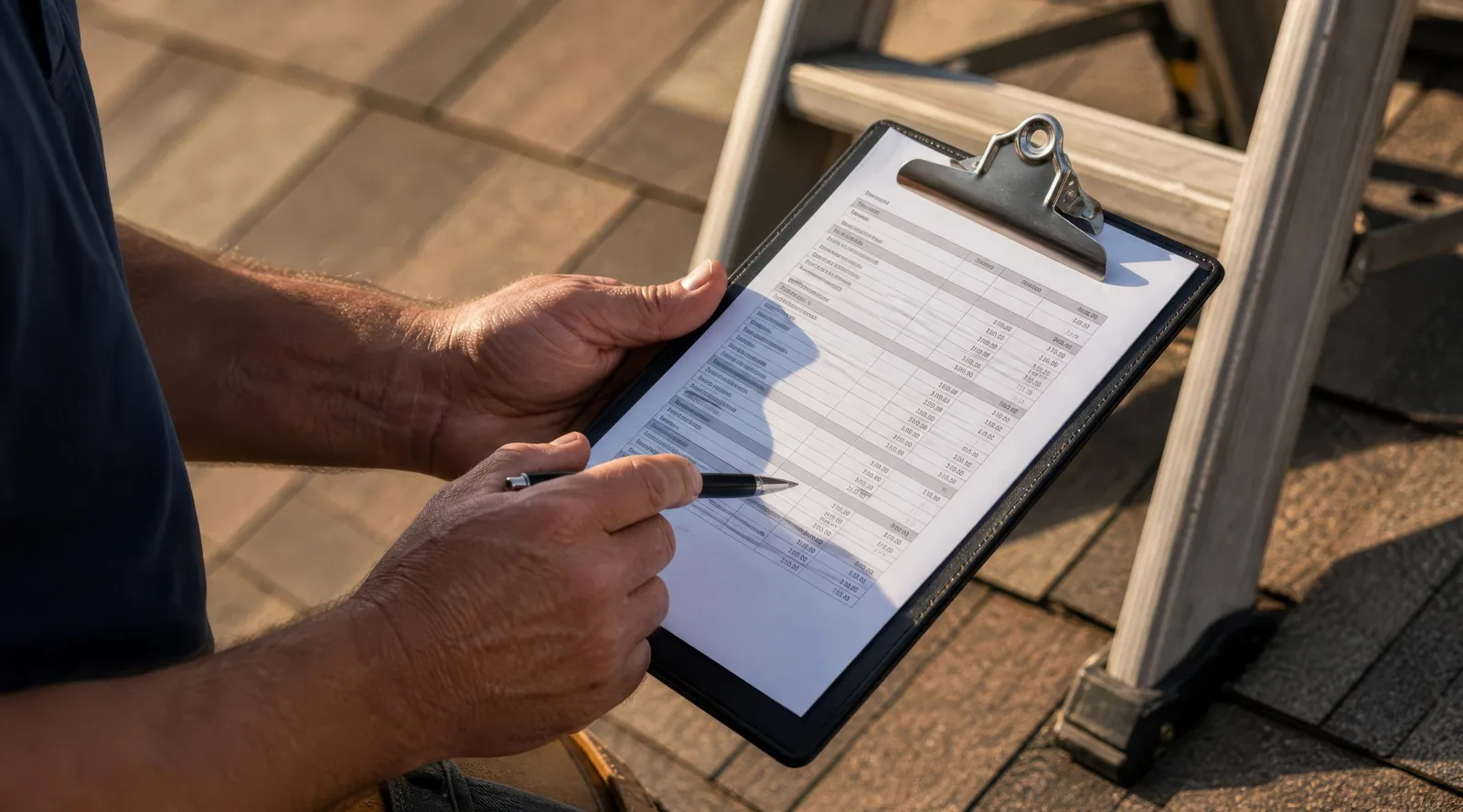
We review available roof plans, closeouts, service calls, warranties, prior proposals, and records of replacement or repair. The survey notes where information conflicts or is missing. It does not treat a broker summary, building label, or aerial image as proof of roof system, installation year, or remaining life. If the owner needs a full condition view, a field inspection confirms visible details and access limits. A roof condition report can preserve photos, test locations, and priority actions for the transaction file.
Central Perimeter is a major office destination, with a daytime workforce more than twice its residential population and four MARTA rail stations. That concentration makes tenant access and delivery timing relevant during diligence, but the statistic does not establish roof area or building condition. We confirm occupied hours, roof entry, equipment access, and whether a tenant or facility representative must accompany the inspection. The survey records those constraints because they may affect both repairs and future capital work.
For an office acquisition, identify each separate roof or addition on the plan. If only a sample of the portfolio is available for access, list the buildings not inspected and state what the sample can and cannot support. The buyer can then decide whether to expand access or carry an allowance for further review.
Inspect details that drive future cost
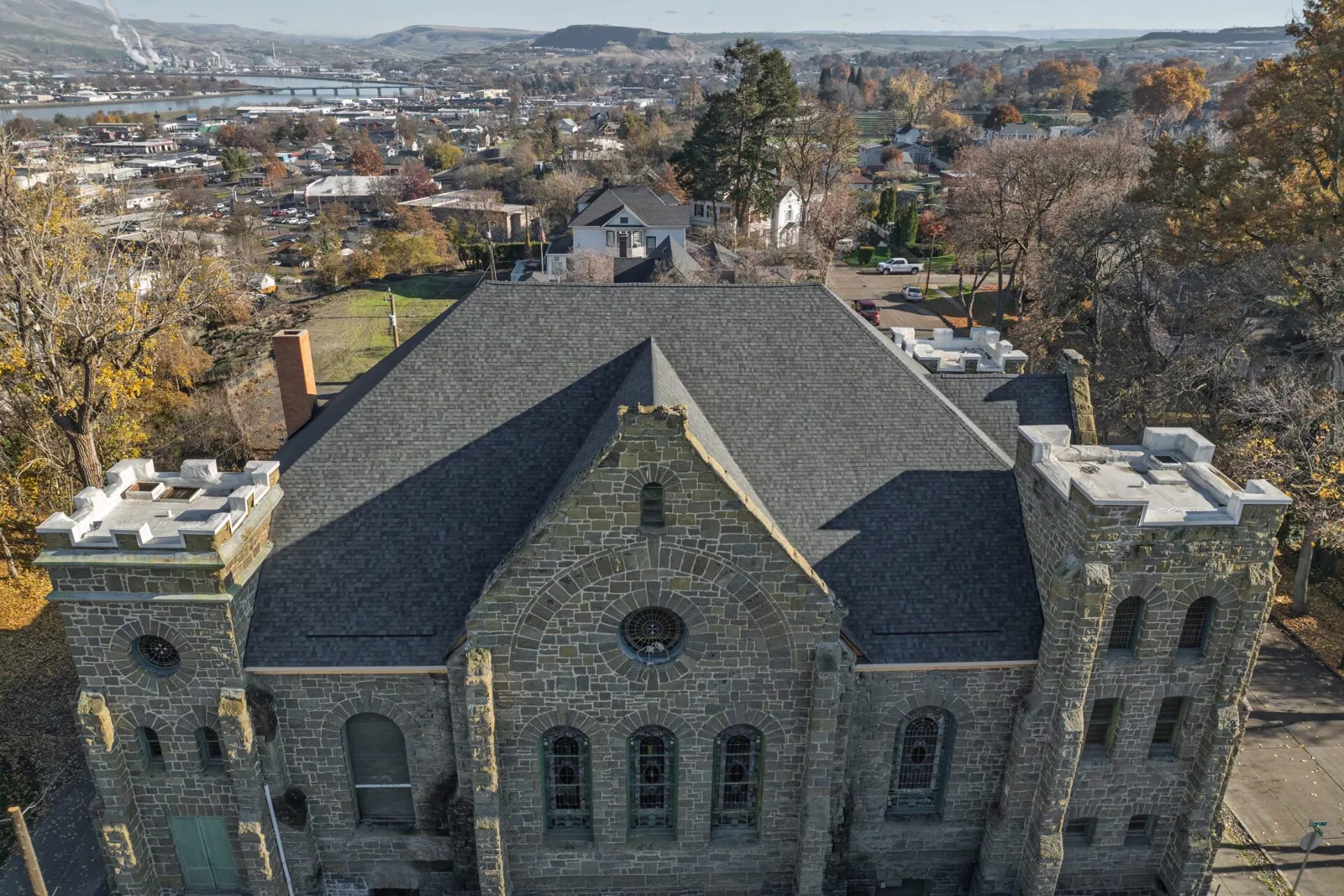
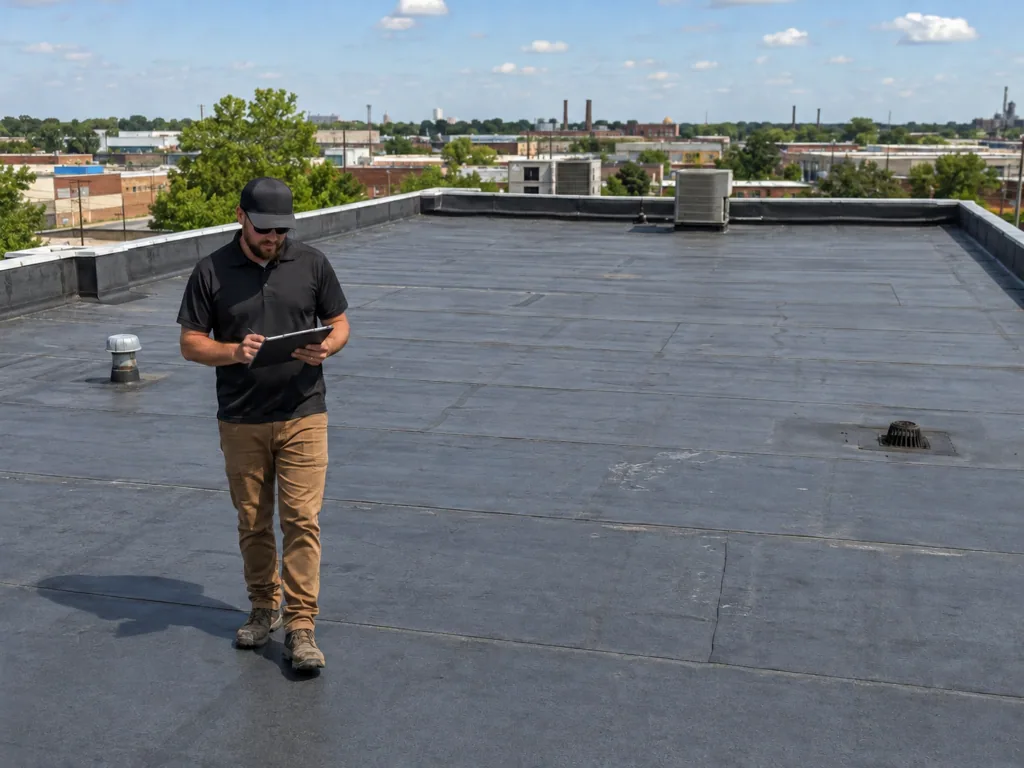
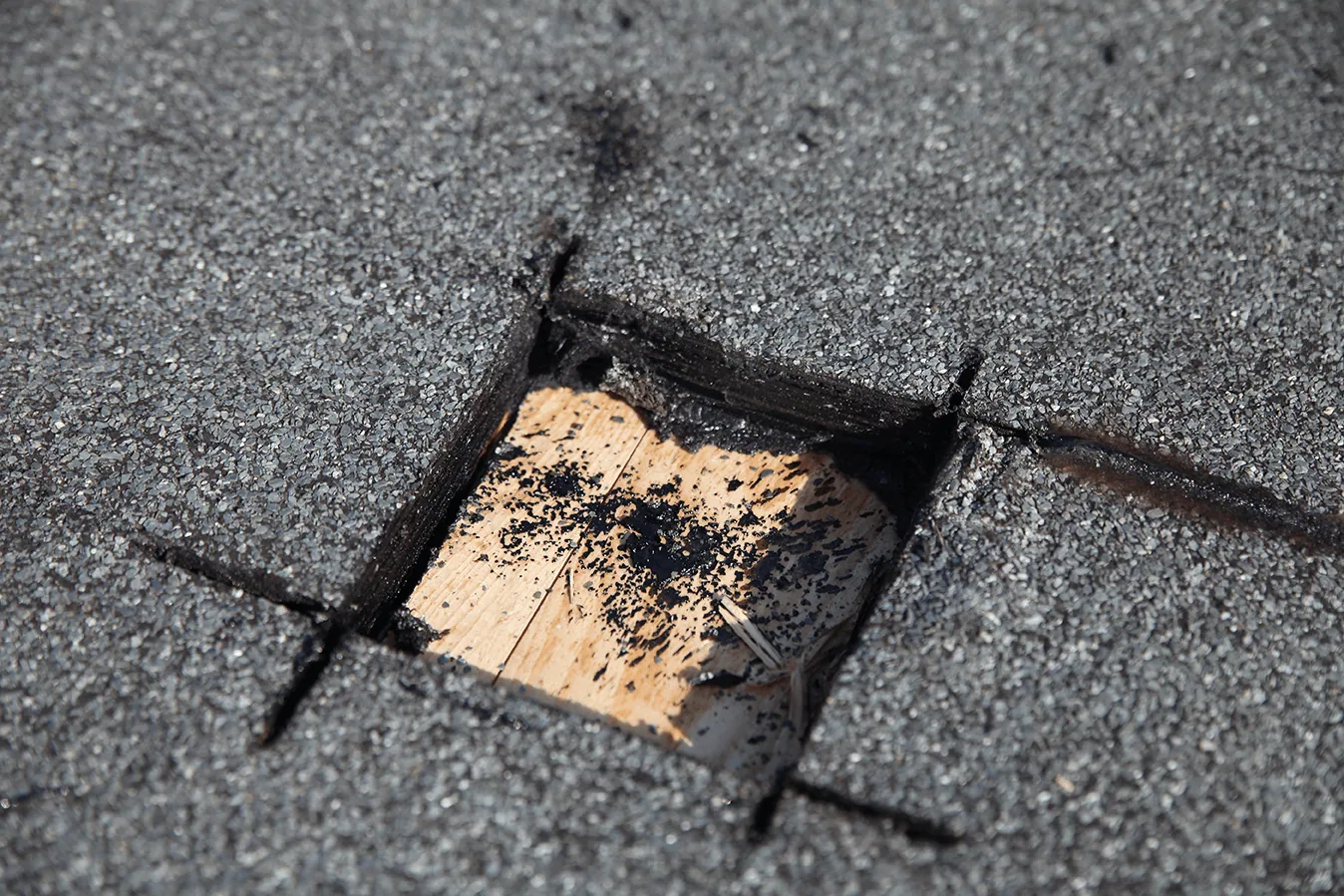
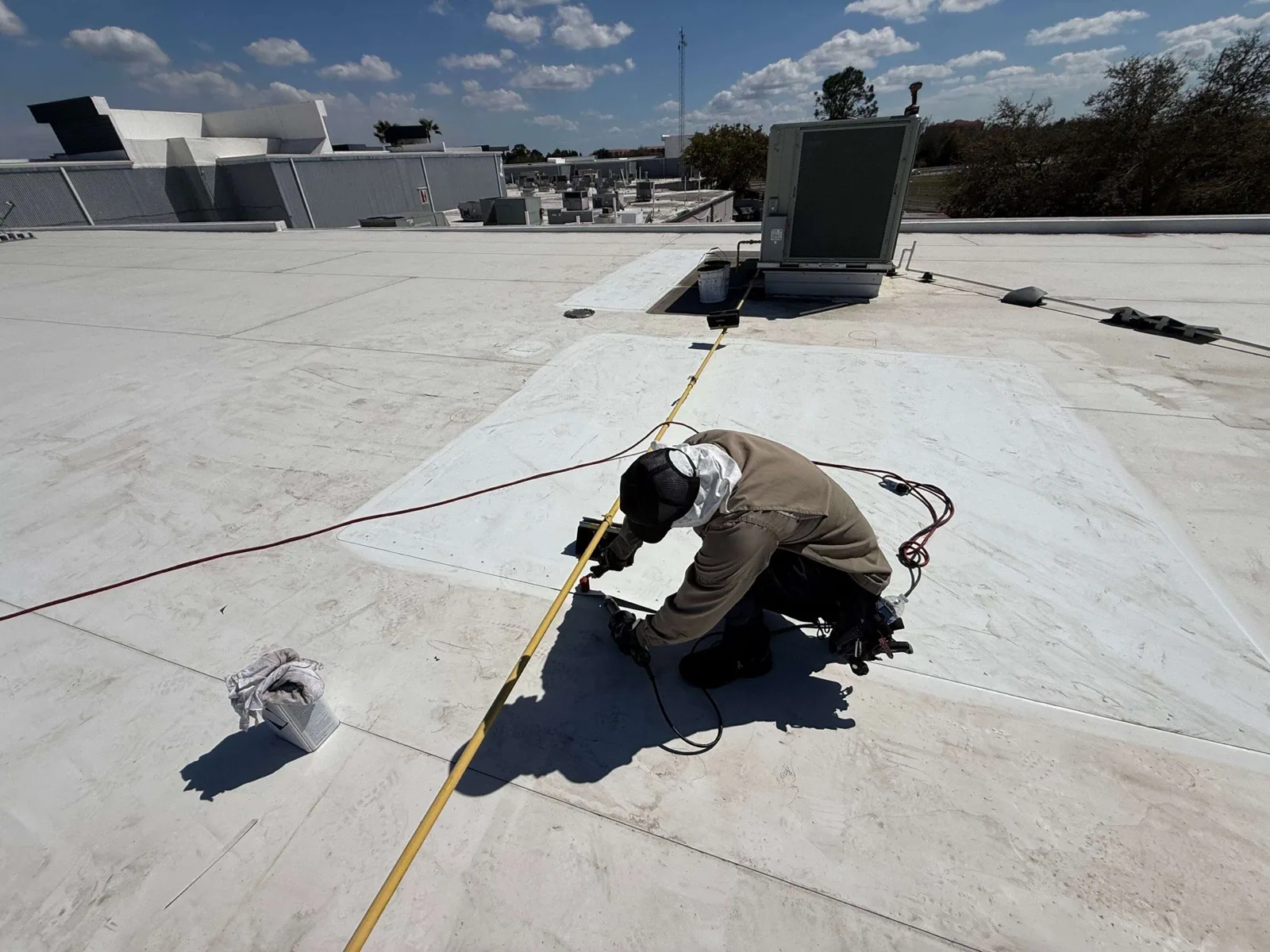
We review membrane or panels, seams, flashing, curbs, penetrations, edge metal, drains, overflows, and visible repairs. We note ponding, open transitions, or damaged details where observed. If moisture or deck condition could change quantities, we recommend a test and identify its proposed location. One opening confirms layers only at its sample point; it does not establish the condition of every roof section.
Sandy Springs' Medical District brings major hospital and medical-professional activity into a concentrated healthcare area. That health-care cluster illustrates the city's diverse commercial stock, but an acquired clinic, office, or hospital still requires its own roof and access review. For buildings near the Medical District, the transaction team should confirm patient-facing operations and any access restrictions before scheduling intrusive testing.
Hot humid summers and recurring rain make drainage and temporary protection relevant. We record outlet condition, overflow paths, and low areas that could contribute to repeat service. If testing is appropriate, an infrared survey can help identify candidate zones when weather and assembly conditions suit it. We do not substitute a thermal image for direct confirmation when a sample would change the estimate.
Translate findings into transaction exposure
The survey should separate immediate water control, near-term repair, additional investigation, and longer-range renewal. Each category includes the observation, roof area, photo reference, and what remains uncertain. A repair budget can be affected by access, staging, removal depth, equipment coordination, and the extent of concealed moisture. We state those assumptions so buyer and seller can agree whether to inspect further or carry a defined reserve.
A repair estimate can address a confirmed defect. A replacement study can compare a broader assembly and sequencing. If an overlay is being considered, a recover review first evaluates the existing layers and moisture condition. We do not convert a limited visual survey into a warranty or service-life promise.
Along Sandy Springs’ Roswell Road, North End planning considers a future mix of homes, retail, office space, and green areas around its existing commercial centers. If an asset is near that corridor, the buyer can compare roof investment with its own redevelopment plans while keeping the survey focused on current roof conditions.
Set follow-up before closing
For each roof, list the recommended next step, responsible party, due date, access needed, and decision that remains open. If the buyer chooses to defer a repair, note the exposed condition and any temporary protection. Keep the survey with transaction records, but also transfer it into the building's maintenance system so field staff can find the same zone after closing.
A roof asset record can carry forward system data and open actions. A capital plan can sequence investigation and renewal against the buyer's budget year. For multiple buildings, a multi-site program can standardize deliverables while preserving each property's findings.
For a location close to Roswell Road, travel and delivery context may differ from a site in Central Perimeter. We confirm actual roof access with the property contact rather than estimating from the corridor alone. If the property changes hands before testing is complete, identify which party owns the additional review and what access is required.
Deliver a decision-ready roof file
The final file should include the inspected building and areas, record review, photos, test locations, findings, exclusions, assumptions, repair priorities, and open questions. Attach available roof plans and identify when records were supplied. State whether equipment concealed a detail or whether tenant schedules limited access. Those limits matter when the buyer compares the survey with a contractor bid or reserve model.
We can review a single building or a selected transaction sample. The owner determines whether additional roofs need inspection before closing. The deliverable separates observed condition from estimated exposure and specifies what evidence would narrow the estimate. This gives the transaction team a practical way to resolve uncertainty without overstating what the site visit established. If the closing date is fixed, identify the access and testing decision early enough to obtain a result before the buyer finalizes its reserve. When the schedule does not allow intrusive testing, show the untested area as an explicit exposure rather than presenting the estimate as complete. For each open item, record the responsible facilities contact, action owner, next access date, and review date. For a portfolio, carry the same field names from site to site, including assembly, roof section, access limit, confirmed repair, and unresolved test. Comparable records help the acquisition group sort follow-up by exposure without implying that one inspected sample represents the rest.
Share the asset list, available roof records, transaction timeline, access contact, and the decision the survey needs to support. We will return a prioritized roof review with findings and next actions tied to each inspected asset.
Questions About Commercial Roof Due-Diligence Surveys
Which roof records should I request before acquiring a Sandy Springs commercial property?
It reviews available records, inspects accessible roof areas, photographs visible conditions, identifies tests, and separates immediate repair from further investigation and renewal planning.
Can a visual survey confirm hidden moisture?
No. It may identify areas for testing, but concealed materials require a suitable test or opening. The report keeps results tied to the sampled roof zone.
How should missing roof records affect an acquisition?
The survey lists the missing item and explains what decision it affects. The buyer can request records, expand inspection access, or carry a clearly described allowance for follow-up.
Does a roof survey estimate remaining life?
It can describe observed condition and likely next actions, but it should not promise a service life from a limited visit. Assembly, maintenance history, testing, and exposure all matter.
What local Sandy Springs conditions should a buyer consider?
Heat, humidity, rainfall, occupied office and healthcare sites, and actual access affect timing. Central Perimeter and the Medical District provide local context, while each property needs its own inspection.
Review roof exposure before closing
Share the building list, available roof files, access details, and transaction timetable. We will document observed conditions, repair exposure, and the next evidence needed.
Call 555-555-5555 or send the building details.