Commercial Roofing for Manufacturers in Sandy Springs, GA
A plant roof can affect production before a leak reaches an office ceiling. We begin with the area above the process, the equipment served there, and the condition that needs a decision. Sandy Springs, GA, has a business mix that includes technology, medical facilities, corporate offices, and more than 60 million square feet of commercial property. The Medical District and Central Perimeter demonstrate the range of occupied building operations nearby, though neither district establishes what is installed on a particular manufacturing roof. We verify the roof system, equipment connections, and access rules at each site. The owner receives a work boundary that separates immediate water control from a longer renewal decision.
Which areas should be protected first?
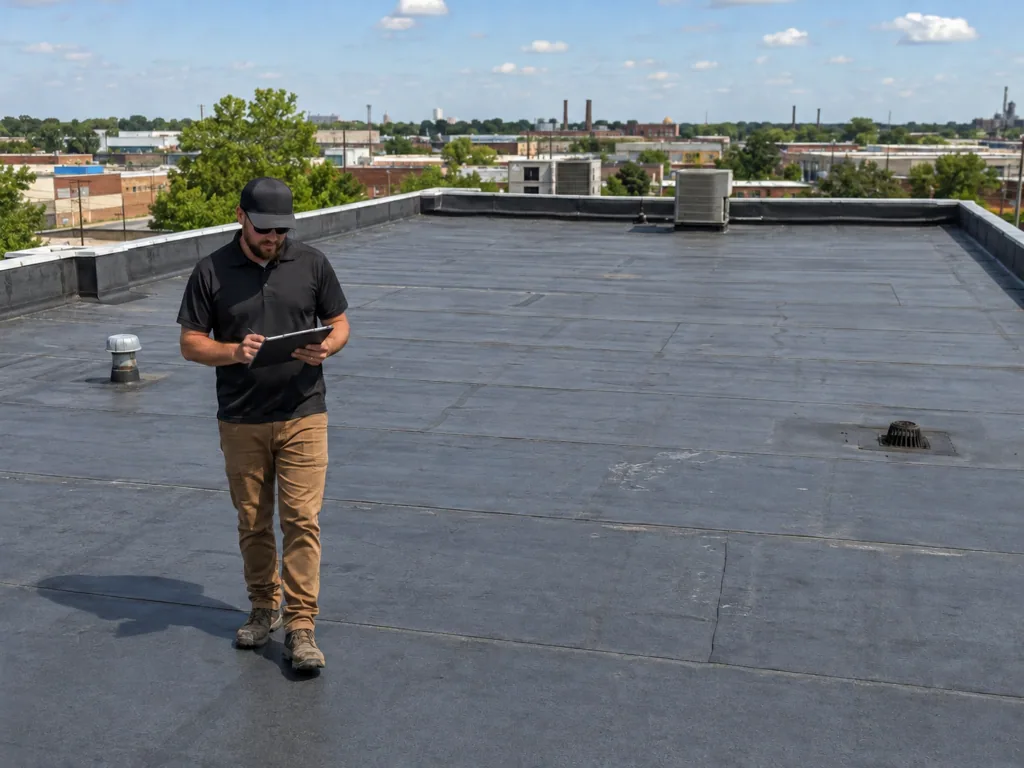
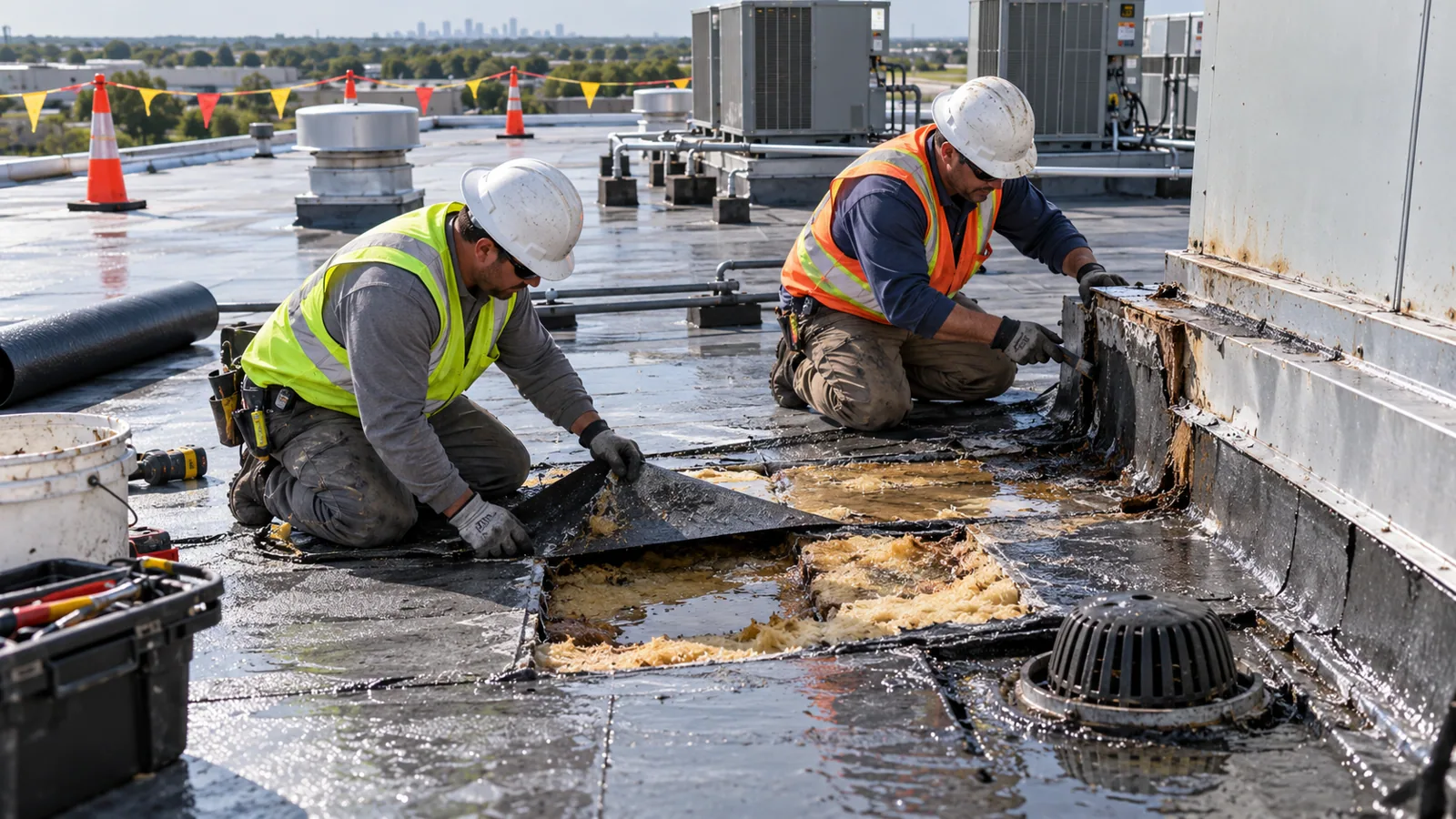
The facility identifies production lines, inventory, electrical rooms, and equipment that cannot be exposed to water or debris. We compare those zones with roof drains, curbs, seams, and penetrations above. If a leak is active, temporary protection comes first; the permanent repair follows inspection of the roof-side detail. A commercial roof inspection records the accessible assembly and any test needed to confirm concealed moisture. The report should state which production area is affected without implying the roof has a defect beyond the evidence. That boundary helps maintenance staff coordinate shutdowns and keeps the repair package specific.
How do rooftop systems affect the scope?
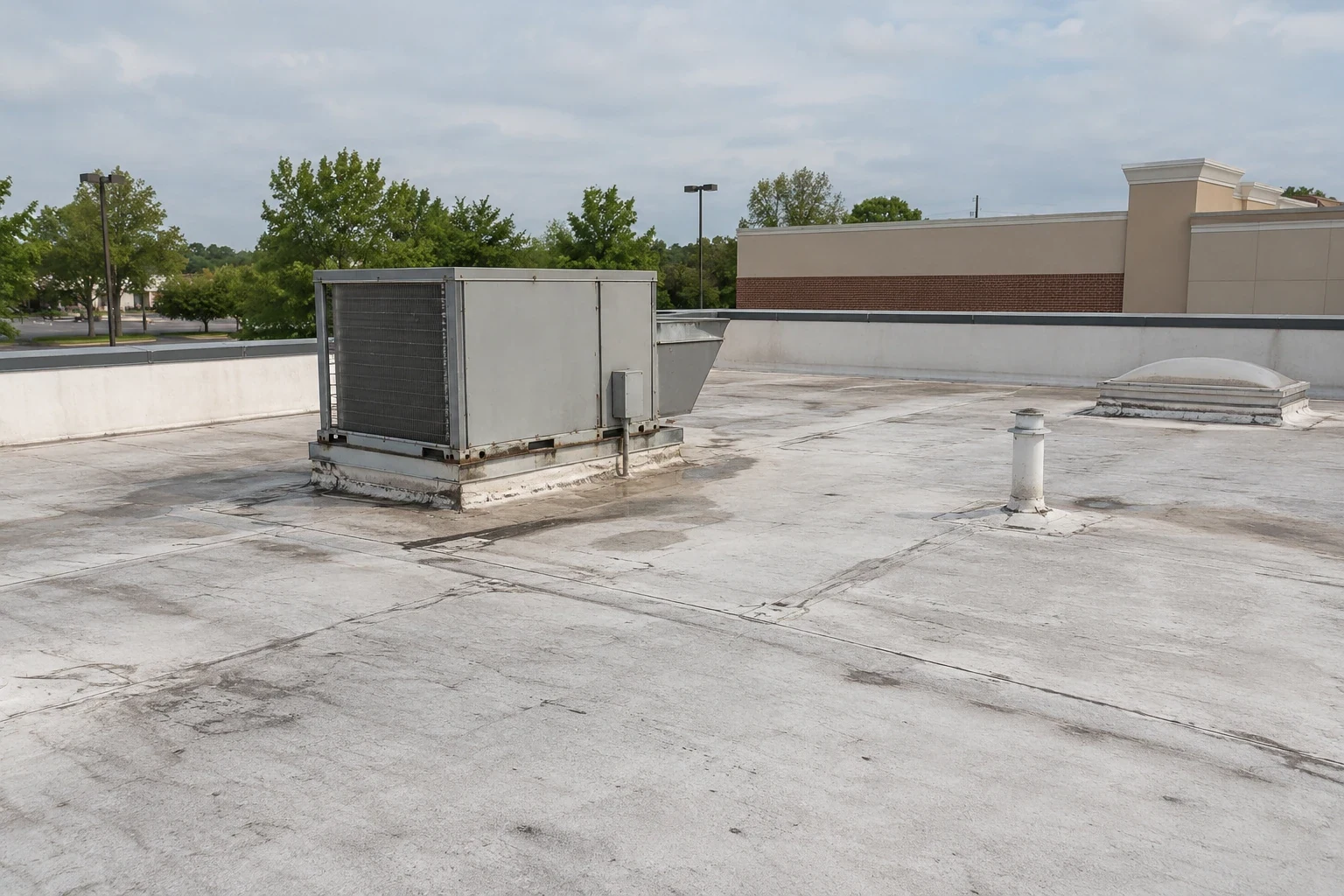
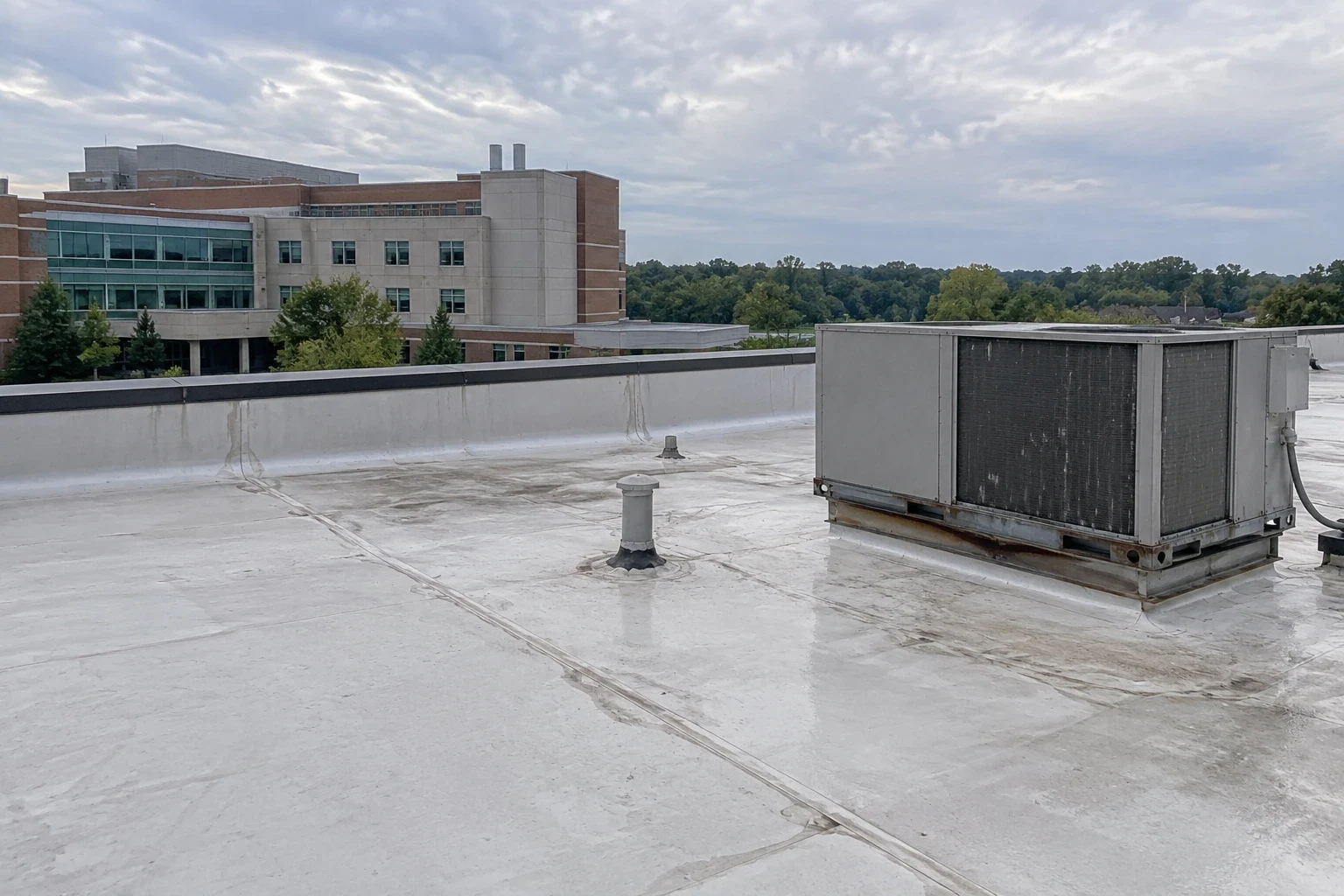
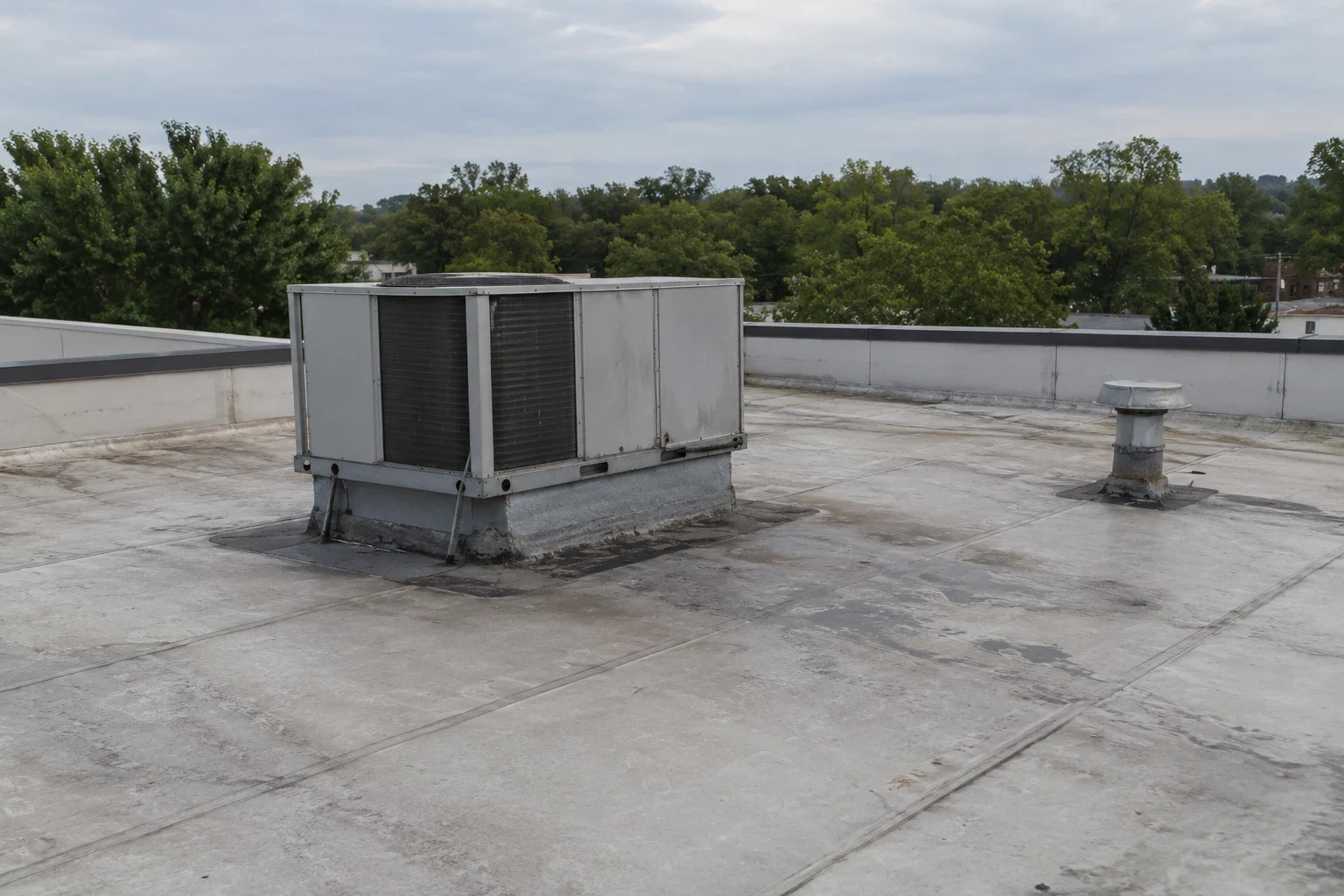
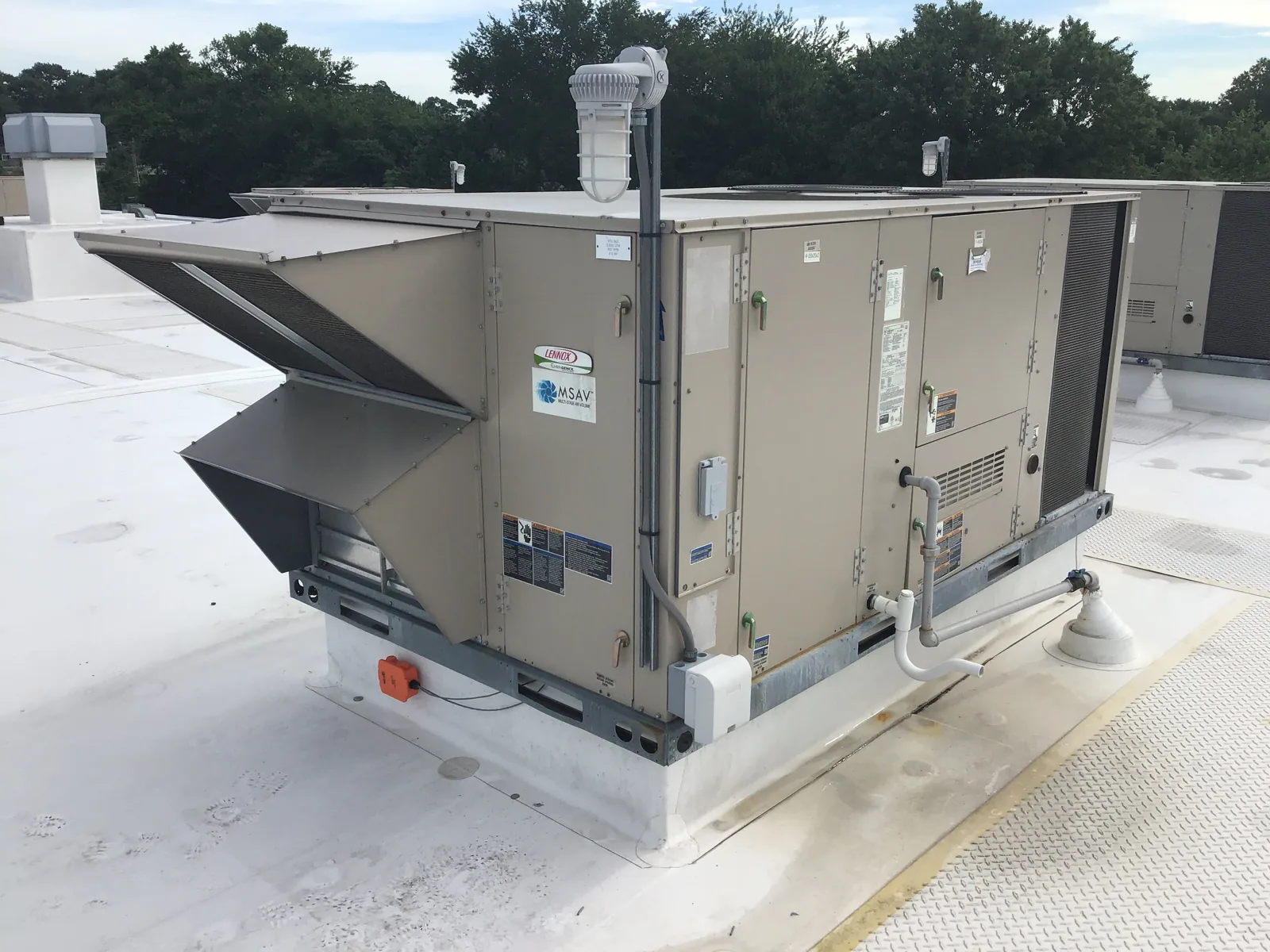
Manufacturing roofs may interface with exhaust, process ventilation, cooling equipment, pipes, and service supports. We inspect flashings and attachment around each opening, then identify where another trade controls the equipment. A curb and support review can define the roof-side work and handoff. If a new unit or line is planned, its curb dimensions and access route should be confirmed before removal begins. The project record identifies who restores each penetration and who checks the completed tie-in. That is important when a production change occurs during the same budget window as a roof repair.
A manufacturer can provide a process map showing which areas cannot be exposed, when a line can pause, and what material or residue must remain out of the work zone. We use that information to plan roof access and interior protection. If a repair requires an opening, the owner reviews the proposed test and restoration before removal begins. The field report records production restrictions separately from roof findings. That allows operations to approve access without treating an operating limit as evidence about the membrane or deck.
How can work fit production windows?
The plant contact sets operating hours, delivery periods, equipment outages, hot-work rules, and routes that must remain available. We establish a work zone, staging point, and daily dry-in limit before pricing. A phased roof plan can sequence sections around shutdowns or planned maintenance periods. If tear-off exposes wet layers or deck damage, the crew secures the opening and seeks approval before expanding scope. The general contractor can align equipment, electrical, and roofing activities, while plant staff controls production access. We record each handoff so the roof is not reopened without a defined restoration step.
What local weather changes the review interval?
At Atlanta’s airport station, July average daily highs are near 90 degrees. Heavy rain, hail, and damaging thunderstorm winds also shape seasonal inspection planning across the region. Heat can affect application windows and surface condition; storms can move edge metal or test transitions. We inspect after an event when the property has observed a change, then record the area, photographs, and follow-up. A storm damage inspection distinguishes visible new conditions from older wear. The Central Perimeter's dense corporate occupancy also makes work scheduling relevant, but weather and access decisions remain tied to the actual site.
Plant expansions and equipment changes can create new penetrations after the roof scope is priced. We identify planned curbs, duct openings, pipe supports, and routing before mobilization. If a design changes, the project team reviews flashing, deck support, and temporary protection before the trade proceeds. A completed interface is photographed and added to the roof record. Record the revised detail in the maintenance file so future service crews can distinguish it from the original renewal scope.
How should repair and renewal be compared?
A localized seam or curb problem may fit a focused repair when surrounding material is sound. Widespread moisture, repeated failures, or compromised attachment can justify a larger section or replacement. We compare repair, recover, and tear-off using the same boundaries and list insulation, equipment coordination, drains, edge details, and production protection separately. A recover assessment checks existing layers, moisture, attachment, and perimeter height. A TPO assembly is one potential system only when the verified structure and requirements support it. A capital review can align the work with production expansion and the next budget year.
How do district access and vendors affect mobilization?
I-285, Georgia 400, and nearby I-75 connect Sandy Springs to the regional network. Four MARTA rail stations serve Central Perimeter. Along I-285, Powers Ferry supports a mix of office, shopping, and visitor activity. Those place facts frame the route to the market; the facility confirms its own gate, safety orientation, loading rules, and roof access. The Powers Ferry district has retail, office, and hospitality uses; confirm a manufacturing facility’s own operating hours, entry rules, and loading limits before mobilization. A logistics operator or construction manager can coordinate a separate interface, while the roof plan stays attached to the building's observed conditions.
A facility with multiple sections may need a rolling inspection calendar rather than one annual visit. We track observed condition, active water, storm exposure, and any section that could not be accessed. If a section is being monitored, the record states what change would trigger repair or testing. The next capital review can then compare observed movement, not just the number of months since the last survey. We identify the work that protects production now and the evidence needed before choosing a larger renewal.
What should be retained after the work?
Closeout identifies the roof section, system, repair boundary, photos, materials, equipment handoffs, and any remaining open condition. We note whether temporary protection was removed and what follow-up is due. Facilities can then compare the roof record with equipment service tickets and production maintenance logs. Share the process map, roof plans, active leak reports, outage calendar, access controls, and capital window. We will provide a prioritized review that separates immediate mitigation from planned renewal. The evidence should let the plant manager and owner understand what has been verified and what would change the next scope decision.
Each open condition receives a next action and a responsible contact before the record is closed and retained for later review cycles.
Questions About Manufacturers
Can roofing work happen during production?
Sometimes. We plan the roof zone, access, noise, protection, and daily closure around the facility’s approved operating limits. The plant identifies any shutdown or process interface.
What if equipment work overlaps a roof repair?
We assign the equipment and flashing handoffs before opening the roof. The scope states who restores penetrations and how the completed detail will be checked.
Does one process leak require a full reroof?
No. We inspect the affected roof section, nearby transitions, and moisture evidence. Broader work is considered only when findings show a wider assembly problem.
How should storm damage be documented?
Record date, roof area, photos, interior reports, and temporary work. We distinguish visible new damage from earlier wear and state any follow-up inspection.
What makes a recover suitable?
The existing layers need to be dry, attached, compatible, and workable at drains, walls, and equipment curbs. Testing and edge measurements guide that decision.
Review the production roof scope
Share roof plans, process areas, equipment work, operating windows, and access requirements. We will document the roof section and next action.
Call 555-555-5555 or send the building details.