Commercial Roof Coating in Sandy Springs, GA
A coating decision belongs after the roof condition is understood. We check whether the membrane remains attached, whether insulation is dry, and whether seams, penetrations, and drains can be prepared for a continuous finish. In Sandy Springs, a long hot season, humidity, and regular rainfall put extra weight on application timing and drainage. A roof that looks weathered may still be a candidate for restoration, while a roof with widespread moisture or failed attachment may need a different scope. The owner should see the tested area, preparation requirements, and cost boundary before committing a capital window.
Start with the assembly
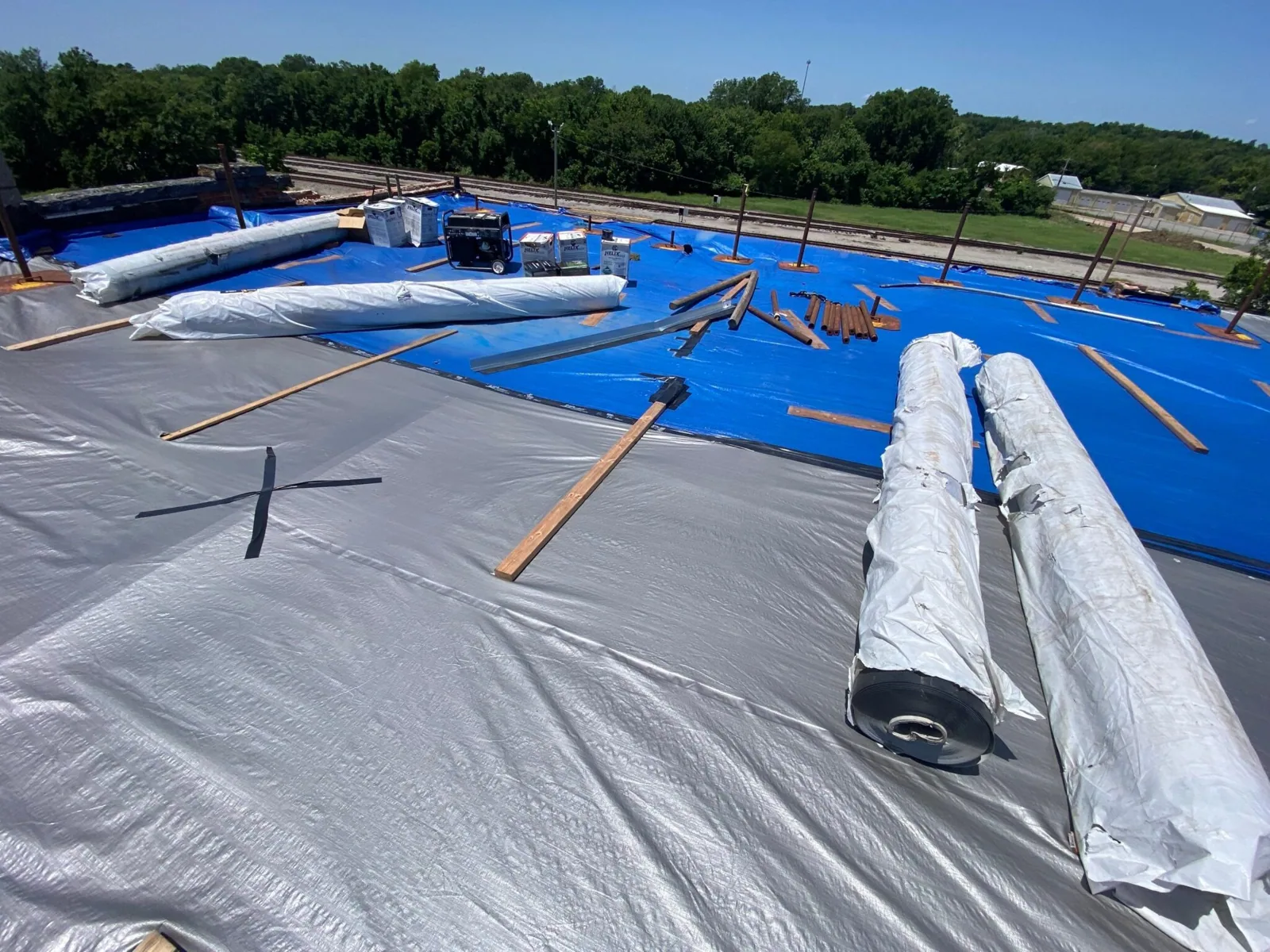
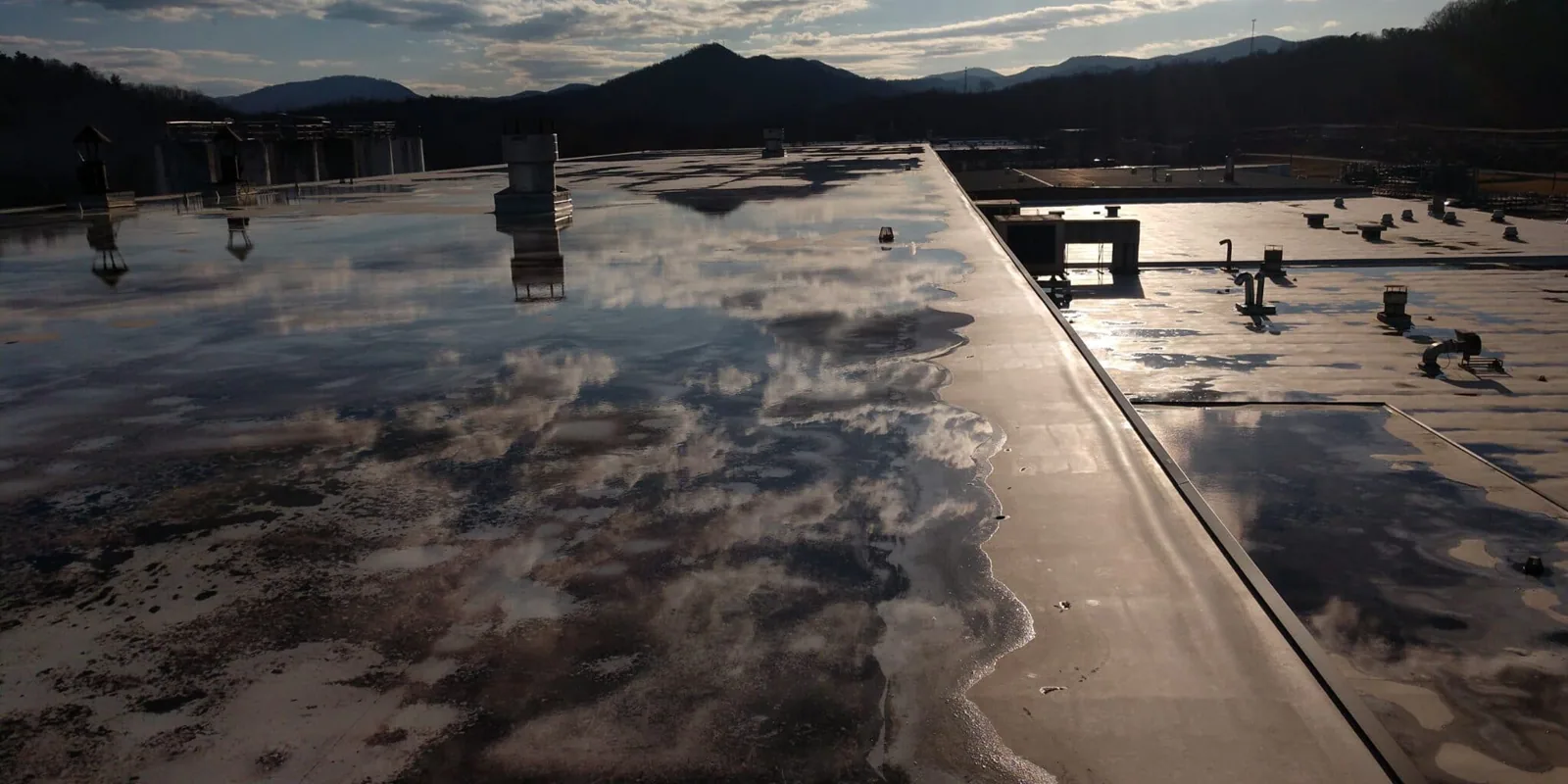
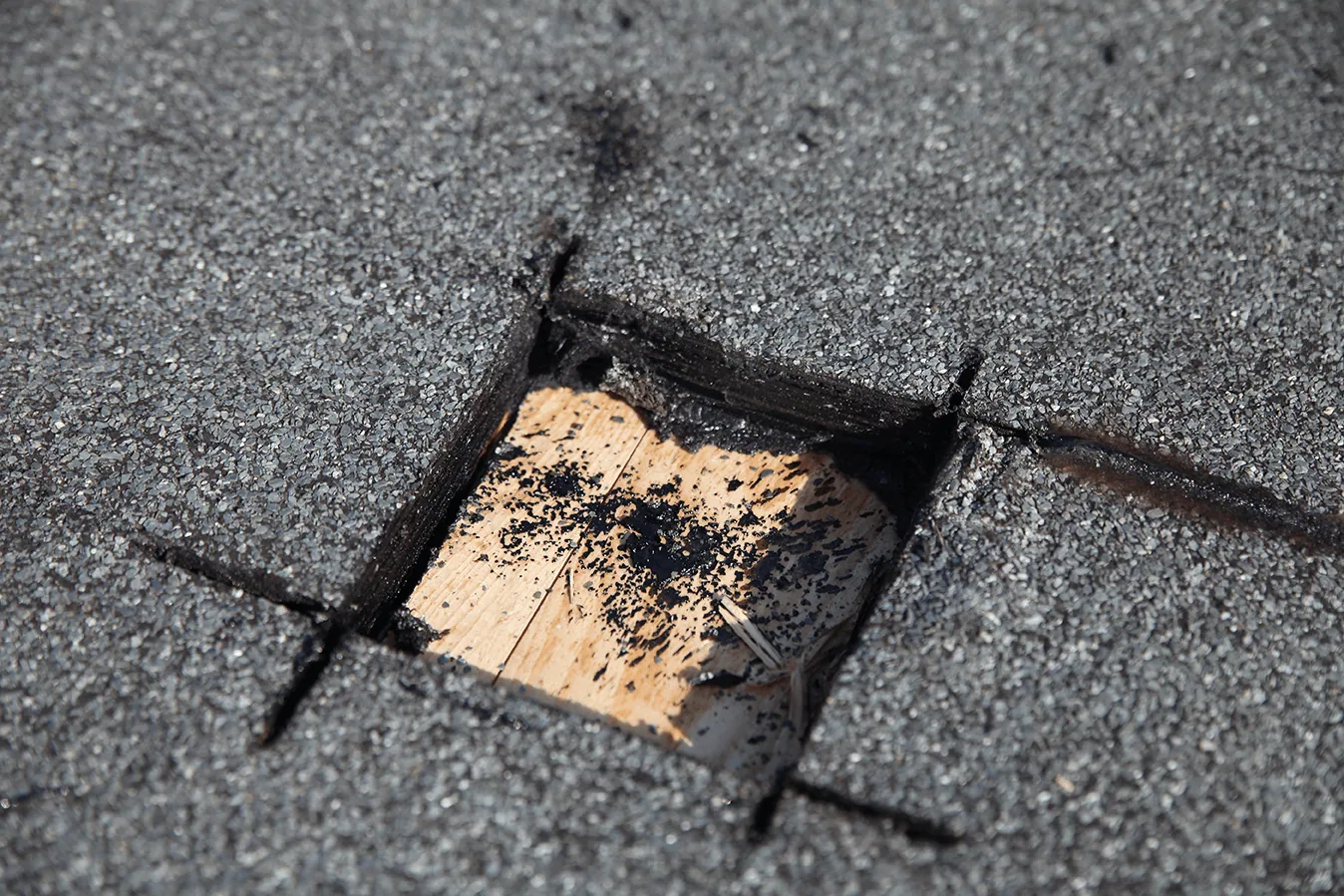
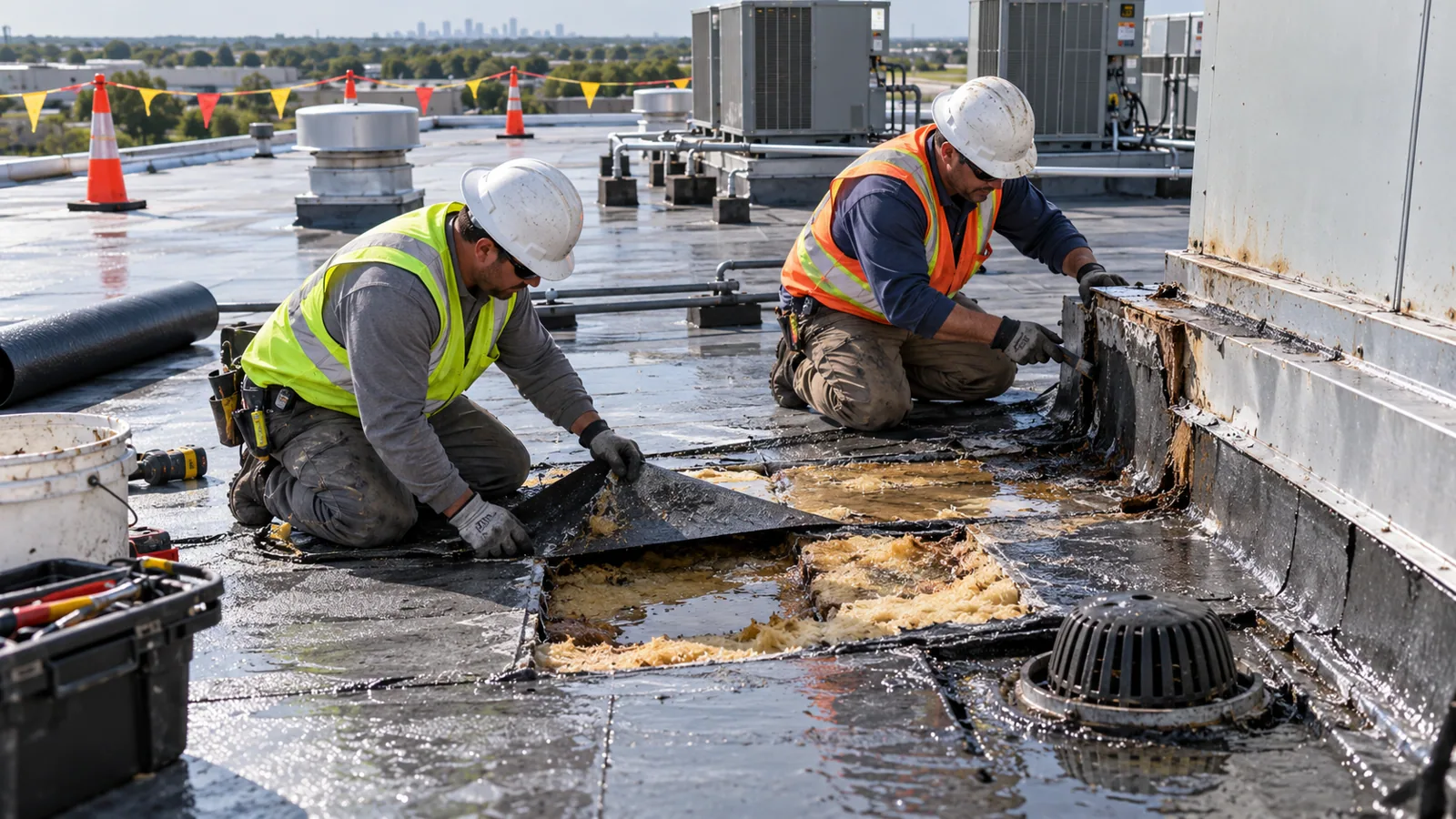
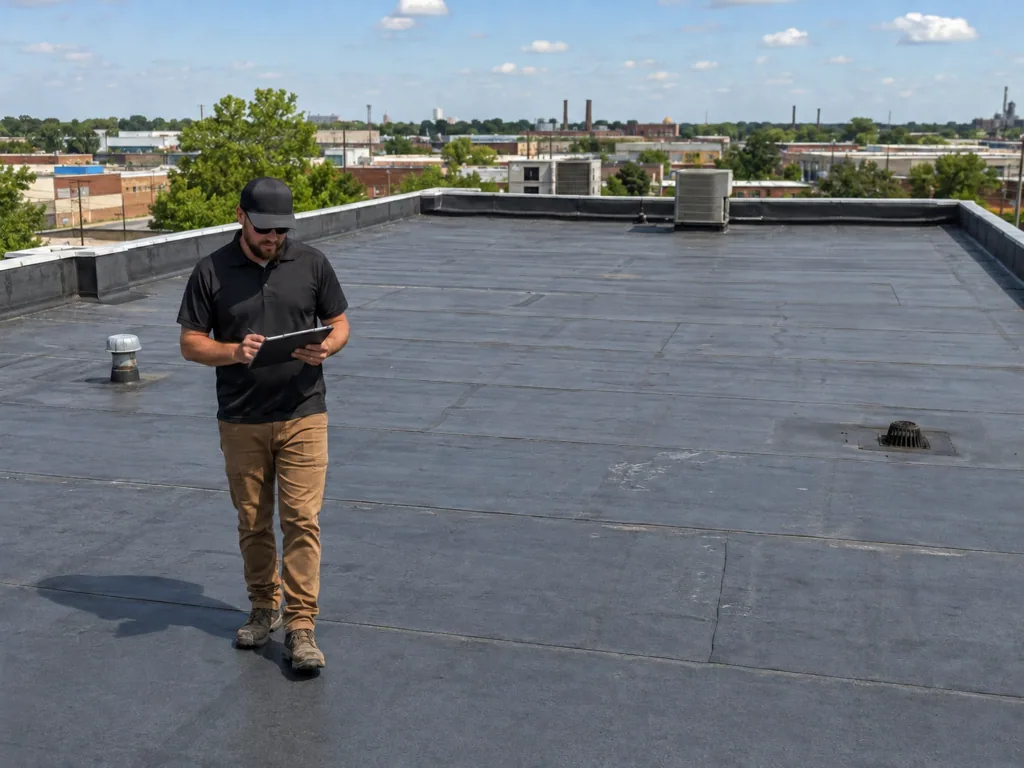
We identify the existing system, surfacing, prior repairs, drainage pattern, and areas that have been repeatedly wet. A coating is not a remedy for a moving substrate, saturated insulation, or a transition that still admits water. We map blisters, open seams, loose flashing, ponding, and surface contamination, then choose test areas that represent the roof sections under review. The evaluation can include adhesion pulls, moisture checks, and targeted openings where the result changes the recommendation. Test results stay tied to their locations; an isolated sample does not define every section of a large roof.
Commercial properties near Central Perimeter include a large office market served by four MARTA rail stations and major highways. That activity can influence lift placement and occupied-hour coordination, but the assembly still sets the coating decision. Our roof inspection records the surface and underlying details, while a moisture survey can help select areas for direct testing. We coordinate a roof walk with the property contact and keep the assessment connected to the building’s own history.
When restoration can fit
A coating can be considered when the existing roof is stable enough to accept preparation and the selected material is compatible with its surface. We review whether the system needs cleaning, seam reinforcement, repairs, primer, or a specific dry film thickness. The scope identifies which details receive separate reinforcement and which surfaces remain outside the restoration boundary. We do not count a roof as restored until the substrate, adhesion, and transitions support the system being proposed. If a test fails, or if the membrane moves underfoot, we compare repair or replacement rather than covering the evidence.
For buildings in the Medical District, an application schedule may need to account for uninterrupted clinical operations and rooftop equipment. Three major hospitals are located in the district, but each property sets its own access and shutdown rules. We coordinate roof sections with facilities staff and use a Medical District service plan only as a starting point for access discussion. A coating project can be staged by section when the roof layout and daily dry-in plan allow it. The owner approves the boundary before application begins.
Preparation, water, and weather
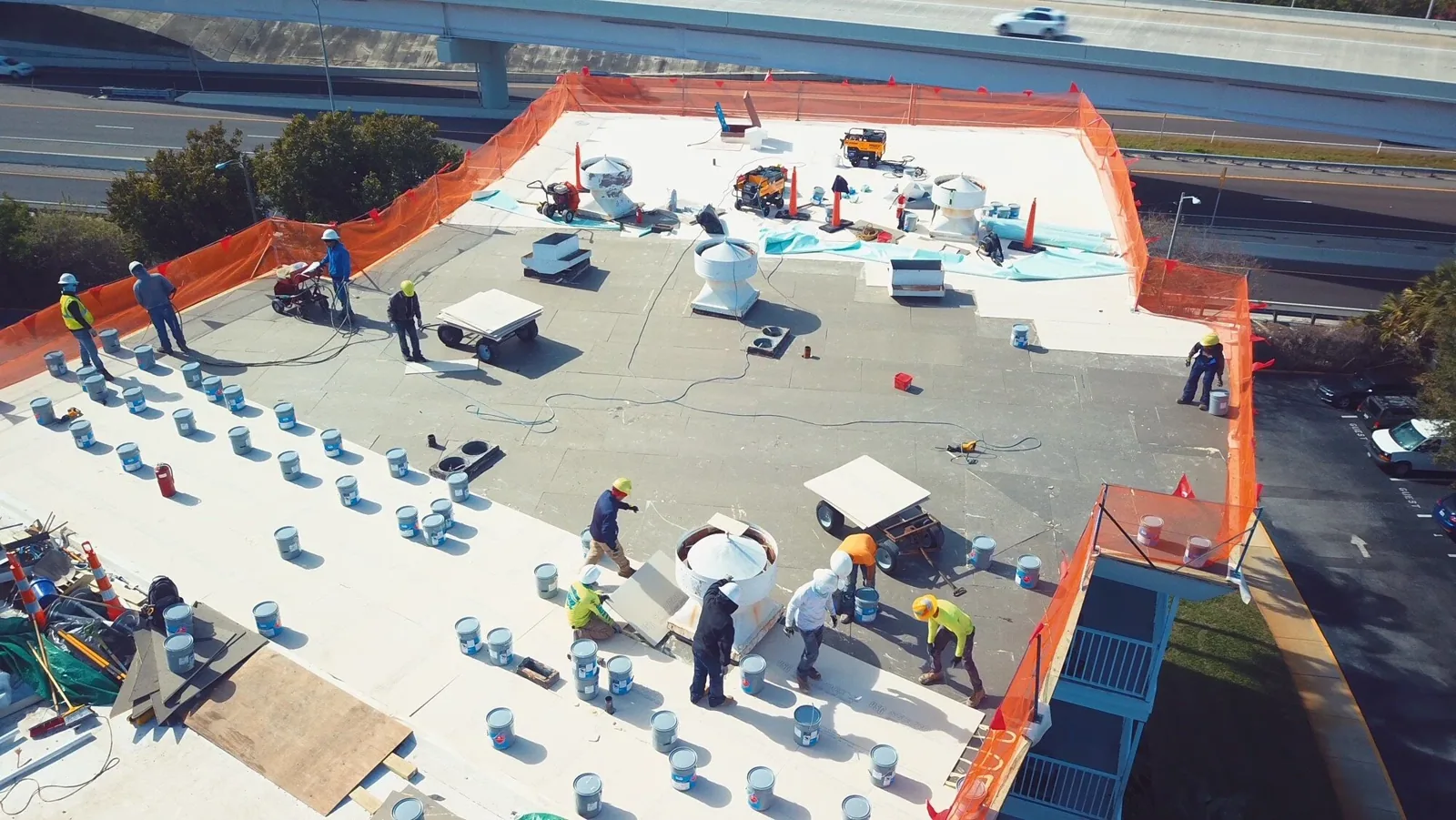
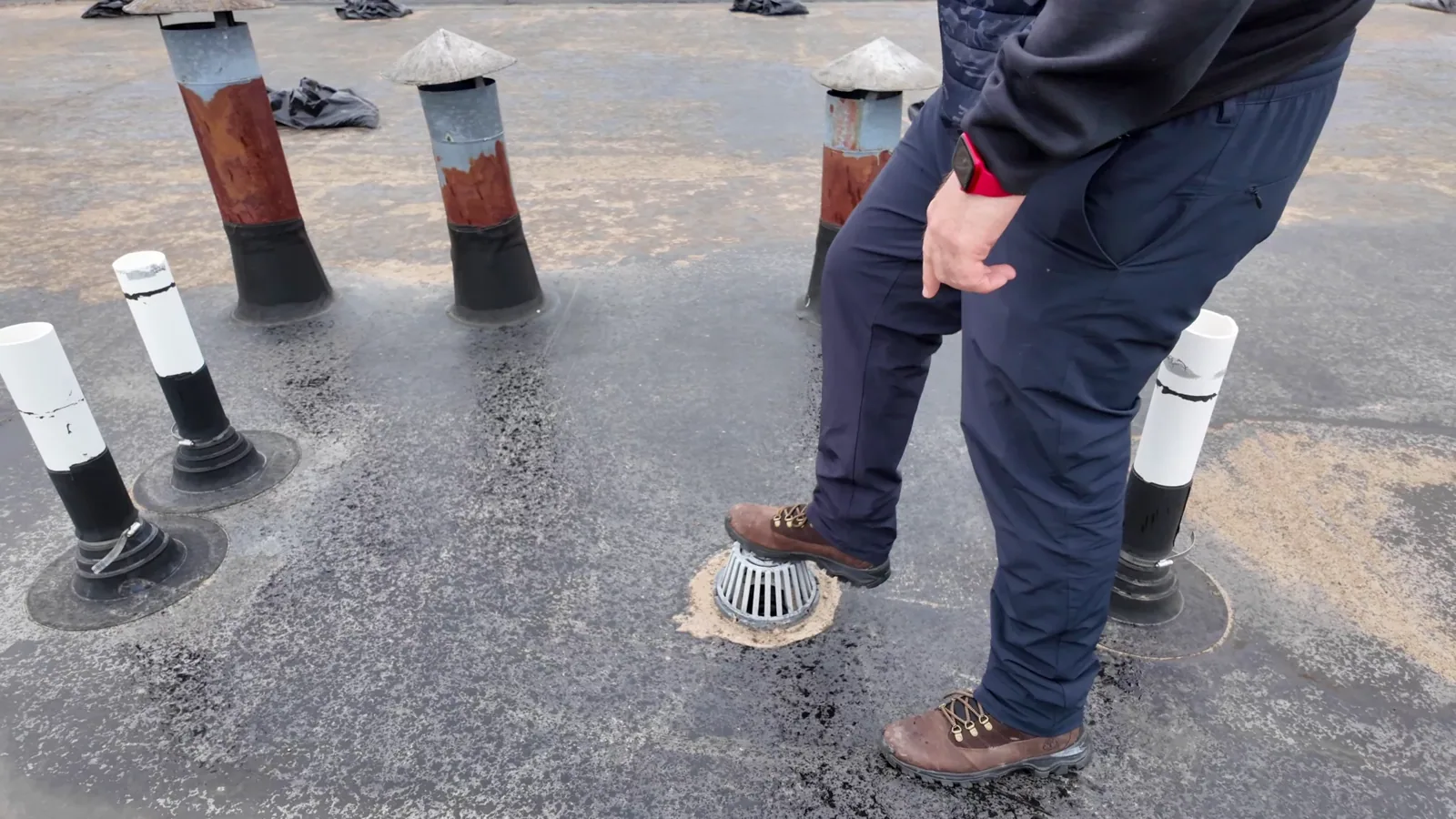
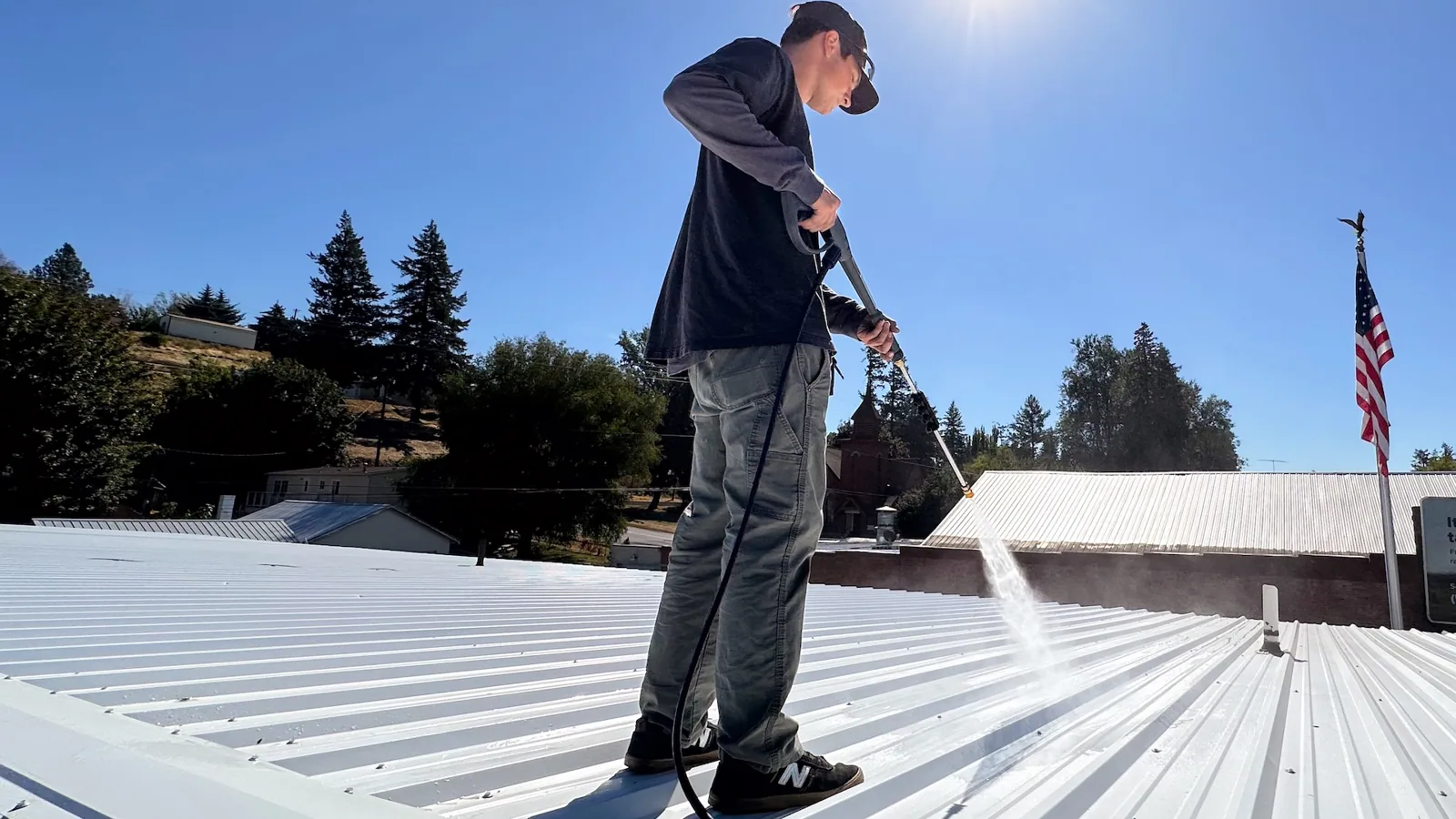
On a humid Sandy Springs workday, surface preparation and a dry substrate determine whether the coating can bond to the roof. We remove contaminants using the selected system’s requirements, repair defects, reinforce specified transitions, and verify that the surface is ready before application. Drain bowls, scuppers, and overflow routes stay open. We check the forecast, substrate temperature, humidity, and expected cure conditions against product limits. The project plan identifies how much roof can be treated in a shift and how the crew will protect any section if rain threatens before cure. A coating line must terminate at sound details, not stop at an arbitrary edge.
The Atlanta airport station averages 4.59 inches of precipitation in January, 4.55 in February, and 4.72 in March. That seasonal pattern makes sequencing important for buildings in districts such as City Springs, where civic events, dining, retail, and residential uses can all shape access below the roof. We schedule deliveries and equipment routes with the site contact. When the coating scope meets a wall, curb, drain, or expansion joint, the detail receives the preparation and reinforcement required by the approved system. A drainage review can document outlet condition before application.
Compare restoration and replacement
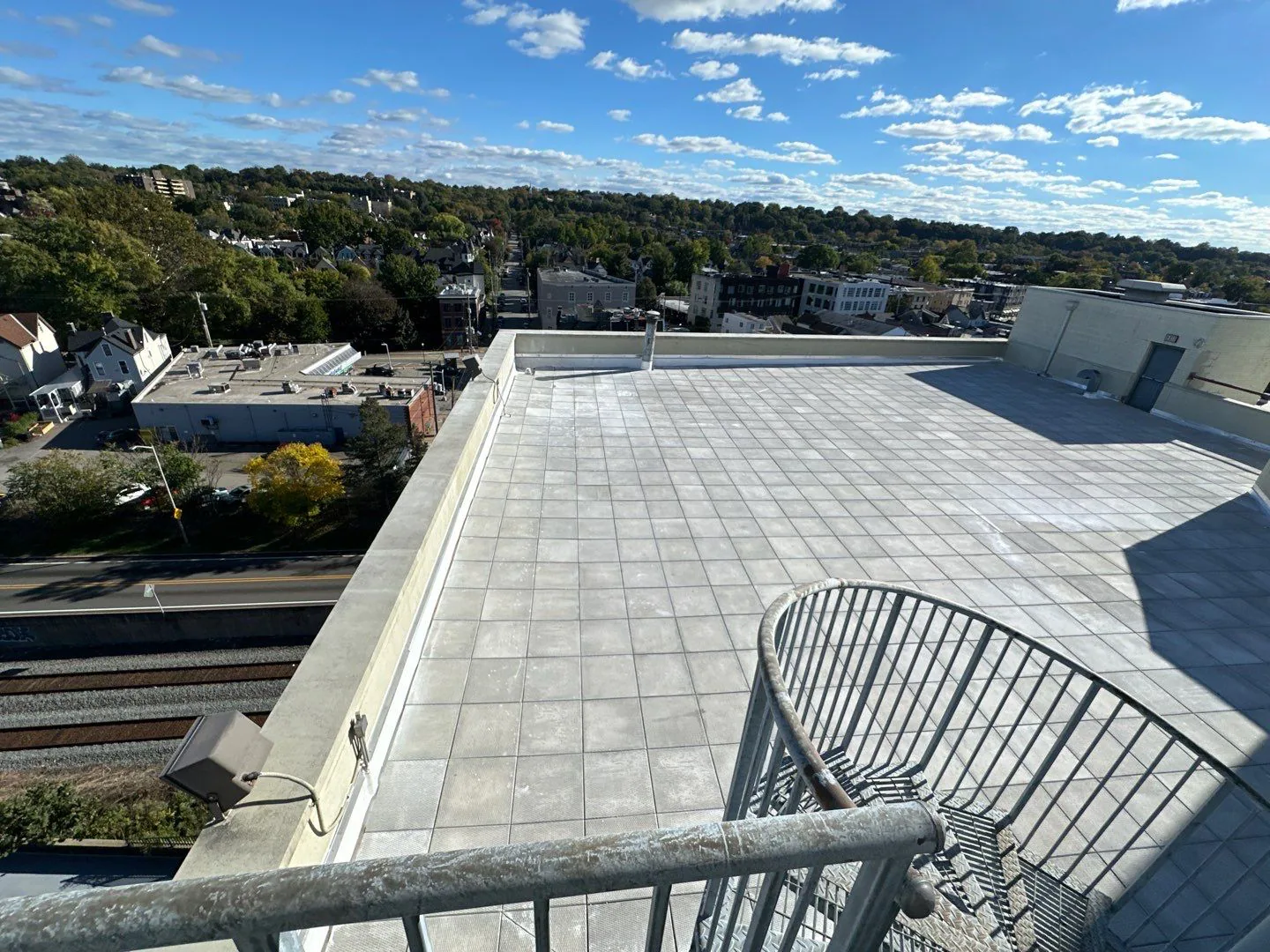
The estimate should compare the proposed coating scope with the credible alternatives. We include preparation, repairs, reinforcement, primer, finish coats, access, protection, testing, and any exclusions. Replacement comparison includes removal depth, disposal, insulation, cover board, drainage changes, and phasing around building use. Life-cycle cost depends on the roof’s current condition and the maintenance that follows. A coating can preserve a serviceable assembly; it cannot restore structural capacity or erase concealed damage that was never tested. The owner needs to see how the scope changes if a core reveals wet material or a test section fails.
Sandy Springs’ commercial base spans office, retail, hospitality, and healthcare properties. Portfolio owners can use a capital review to compare candidate roofs without giving every building the same renewal date. If a property in the North End is being considered for reinvestment, current roof evidence remains separate from future mixed-use planning. We can track this decision in a condition record and note the next inspection point.
Quality checks and follow-up
During application, we check film continuity, transitions, drains, terminations, and areas that receive extra reinforcement. Product coverage and cure conditions are recorded for each roof section. The closeout includes photos, repair locations, test results, materials used, maintenance requirements, and any areas excluded from the work. If the roof includes different substrates or older repairs, we keep each area’s system notes distinct. The next maintenance visit should check adhesion, exposed edges, drainage, and any detail that was outside the coating boundary.
A coating review in Sandy Springs should end with a decision the owner can budget: proceed with a defined restoration, repair first and retest, or move to replacement planning. If severe storm activity changes the surface before work, we reassess the affected area rather than continuing from the old plan. A storm assessment can document new damage, and a silicone system review can compare material behavior when that coating family is under consideration. The assembly and test results decide the sequence.
Set the scope boundary
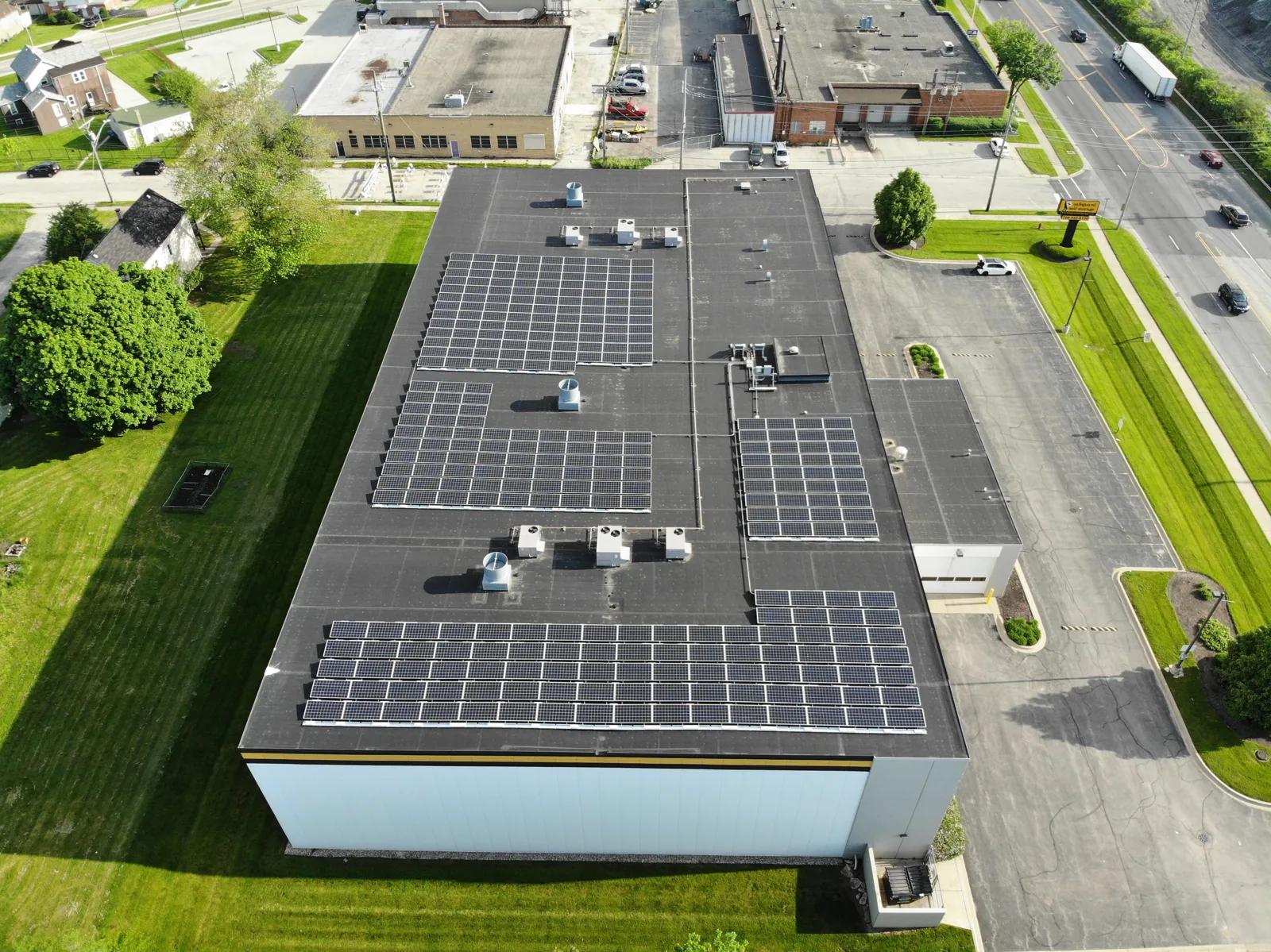
Send the roof plan, prior repairs, leak history, current system information, access requirements, and target budget year. We can evaluate test locations, define a restoration boundary, and list what would change the recommendation. The proposal should show what the coating addresses and what remains a separate repair or replacement item. When those lines are clear, ownership can compare cost and timing without treating a surface finish as a cure for every roof condition.
We coordinate around occupied hours and define a daily closure point before application. The owner receives a photo record and the maintenance steps needed to protect the investment. If coating does not fit, we explain which condition drives that conclusion and outline the next viable path.
Questions About Commercial Roof Coating
What has to be true before a commercial roof can be coated?
The membrane or substrate must be stable, prepared, and compatible with the selected coating. We inspect attachment, moisture, seams, penetrations, drains, and prior repairs, then test representative areas where adhesion or concealed layers could change the choice.
Can a coating fix recurring ponding on a Sandy Springs roof?
A coating follows the roof plane; it does not automatically correct slope or drainage. We inspect low areas, drain capacity, and overflow routes first. If water remains after outlets are clear, the proposal should address the roof geometry or another drainage correction.
How does frequent rain affect the application schedule?
The calendar does not set the coating window by itself. We check the current forecast, surface moisture, temperature, humidity, and the selected product’s cure requirements before opening a roof section.
What do you compare against coating restoration?
We compare preparation and coating with repair, recover, and replacement scopes. The estimate accounts for system condition, test results, removal, insulation, access, protection, future maintenance, and the owner’s budget year.
What should the closeout include?
Keep the treated zones, surface preparation, repairs, test results, material data, photos, cure observations, exclusions, and maintenance instructions together. We identify the next inspection points so the owner can track the condition trend.
Review a roof before pricing restoration
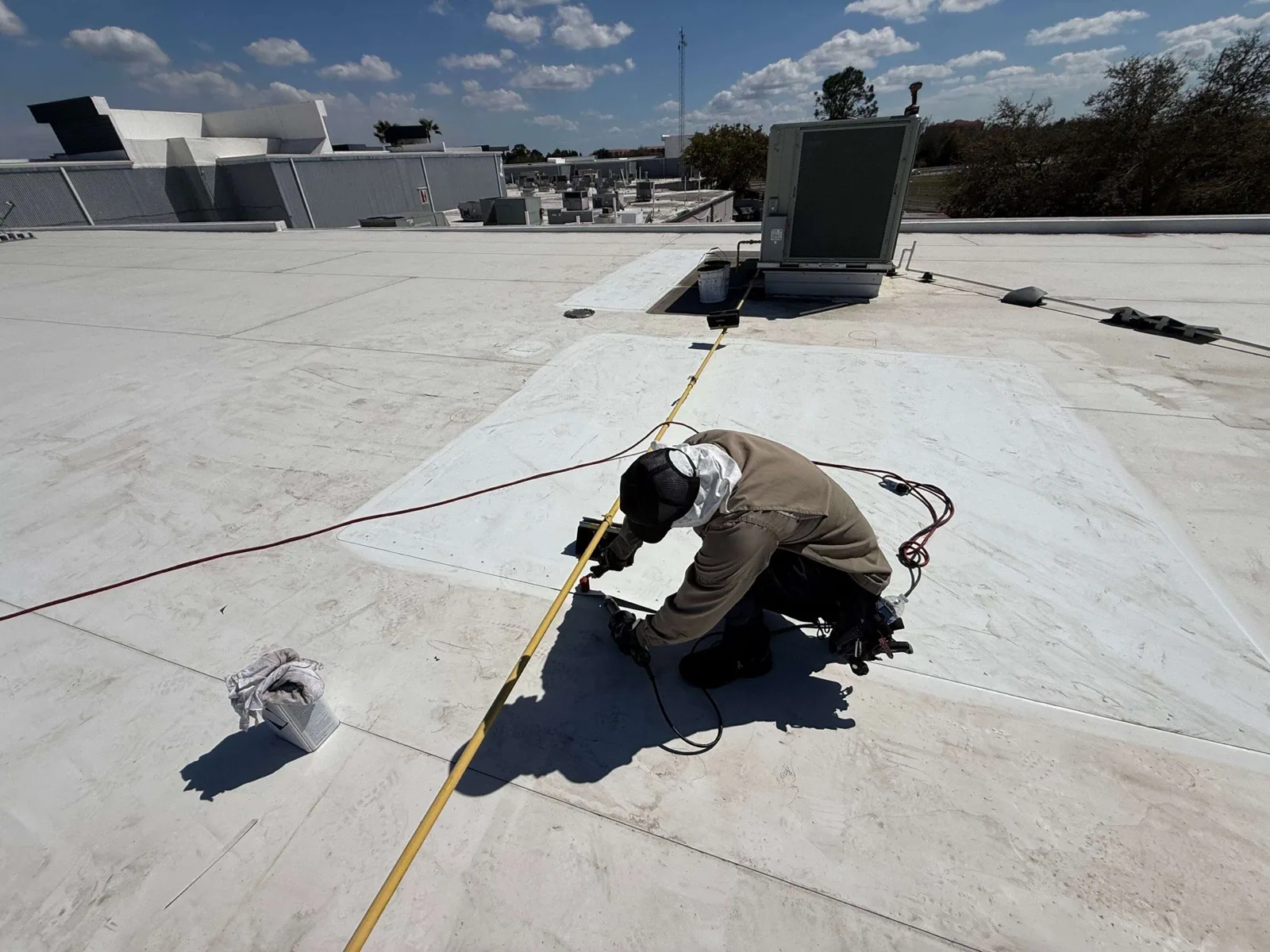
Share the roof plan, prior repairs, leak history, access requirements, and capital window. We will identify the tests and scope boundaries needed to compare coating with repair or replacement.
Call 555-555-5555 or send the building details.