Silicone Roof Coatings in Sandy Springs, GA
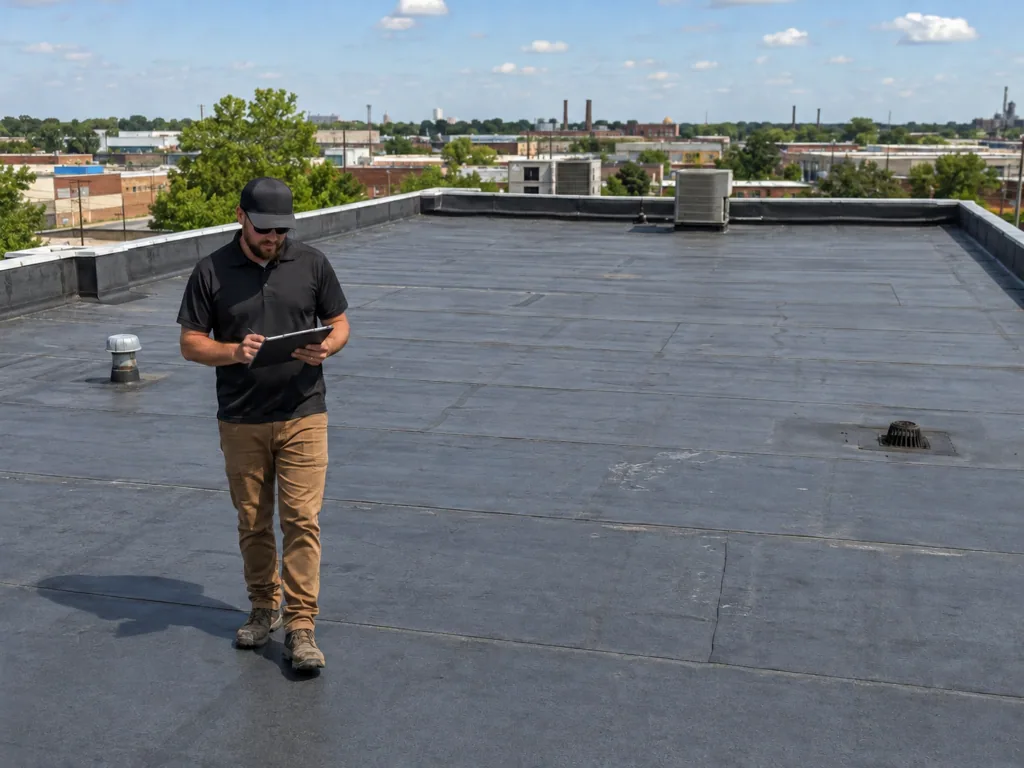
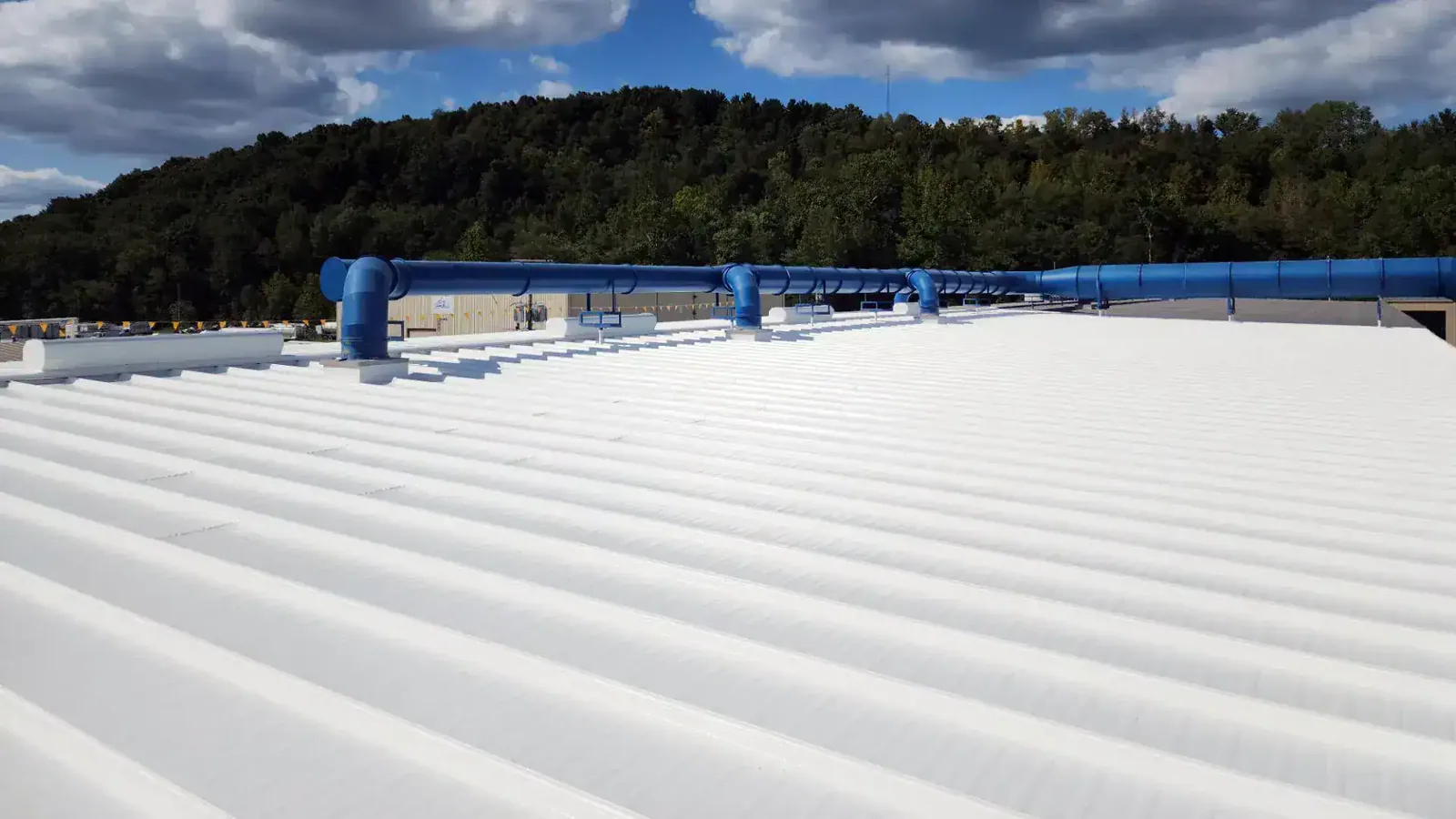
Restoration with silicone begins by checking the assembly beneath the finish. We inspect the membrane, prior coatings, repairs, drainage, and flashings before proposing a test area. Frequent rain and long hot summers in Sandy Springs make substrate dryness and application timing central to the scope. The owner should see what preparation is included, where the coating will stop, and how thickness and adhesion will be checked before a larger area is priced.
Existing roof and adhesion
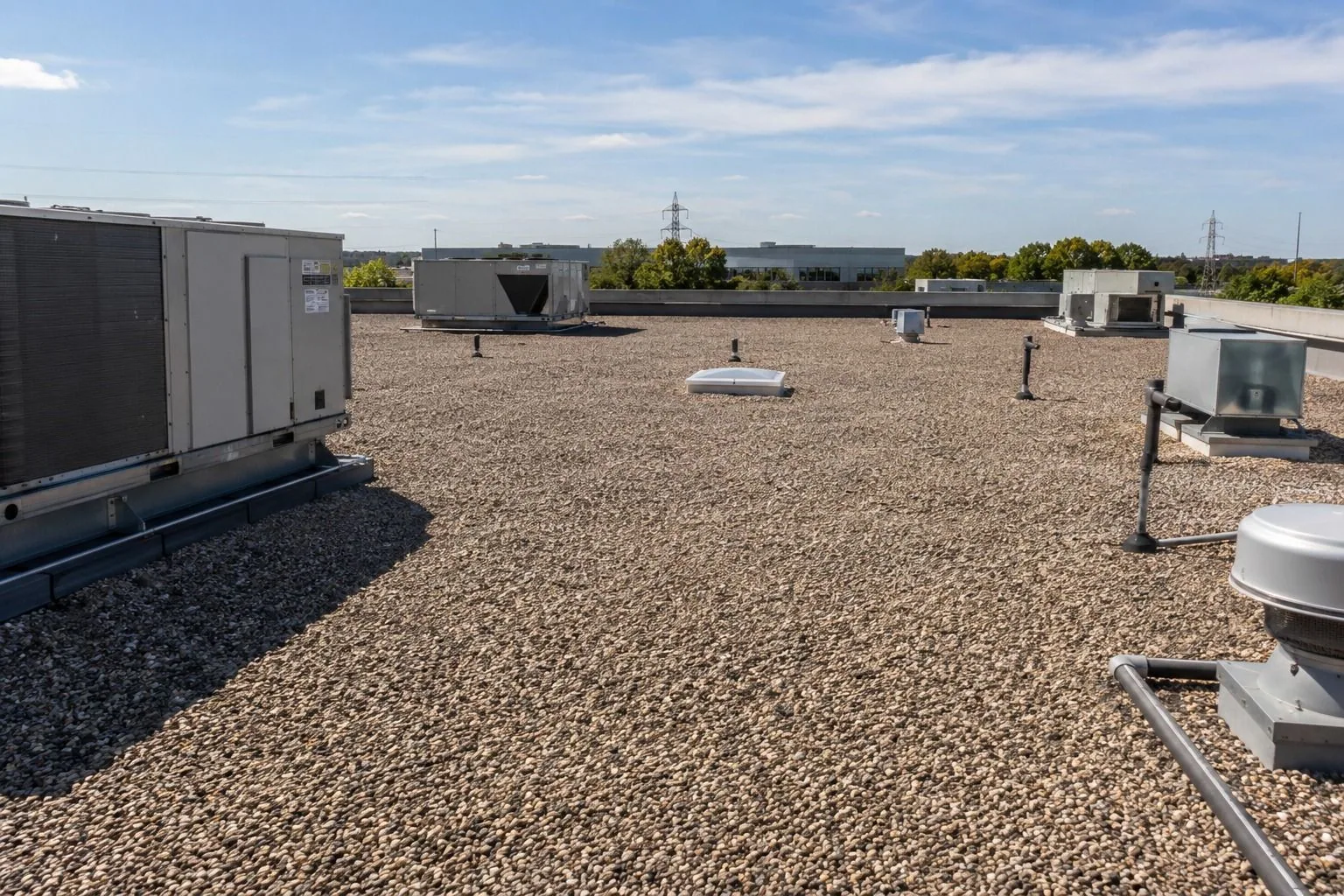
Coating starts with the surface that is already there. We identify the roof system, previous coating layers, loose material, contamination, seam repairs, and areas where ponding or service traffic has affected the membrane. A test patch can help confirm adhesion and preparation requirements for the selected product. If moisture exists below the surface, adding a new coating can trap the condition rather than resolve it. We use readings and test openings where needed, then state which evidence is confirmed and which remains an estimate.
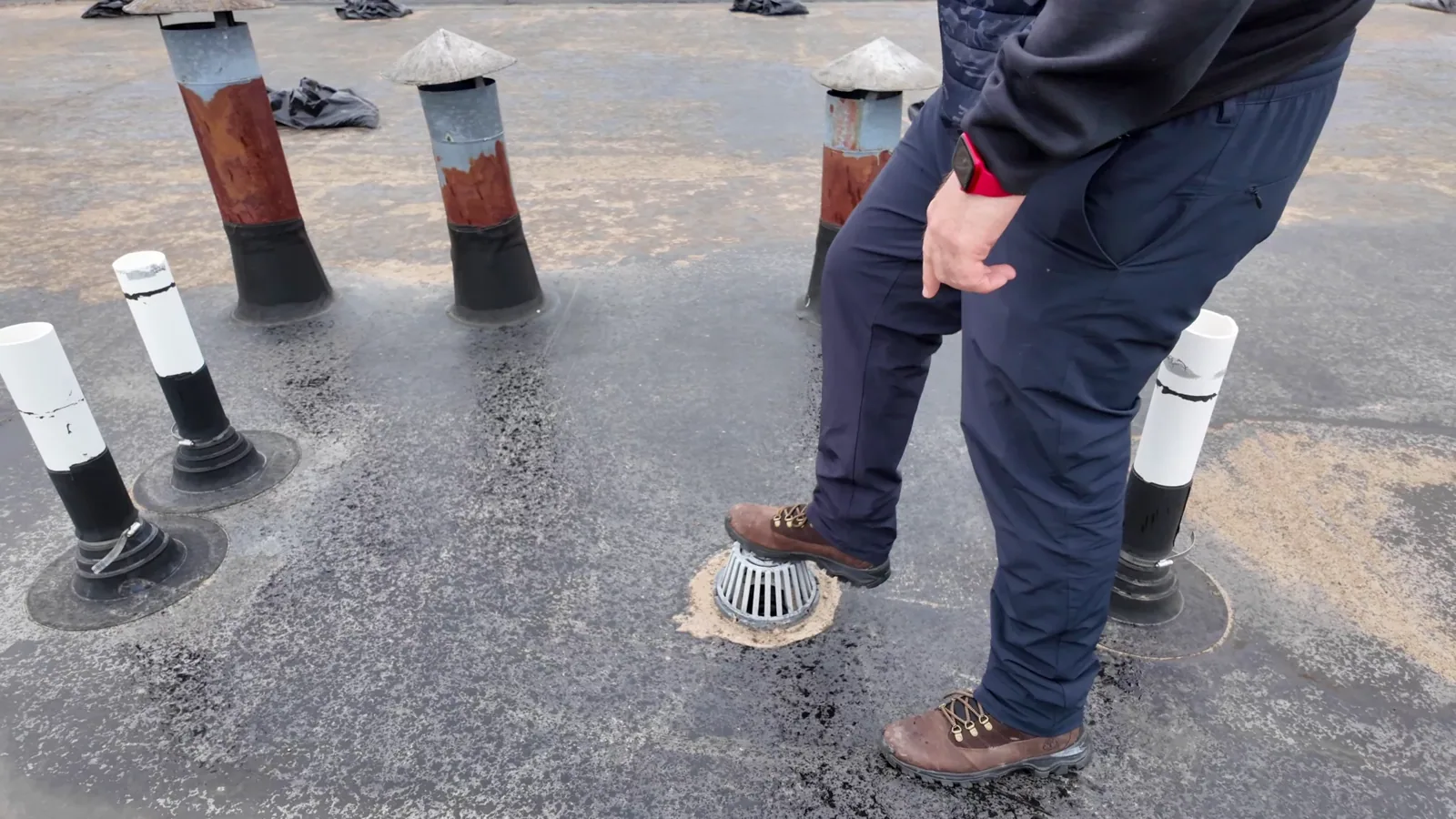
Edges and penetrations need separate attention. We check drains, scuppers, curbs, pipes, skylights, parapets, and expansion joints for movement or failed flashing. A coating can reinforce some details only when the substrate and reinforcement method are suitable. A roof inspection can map the assembly and flag repairs that must be completed before coating. A drainage review can determine whether low areas need a slope correction beyond surface treatment.
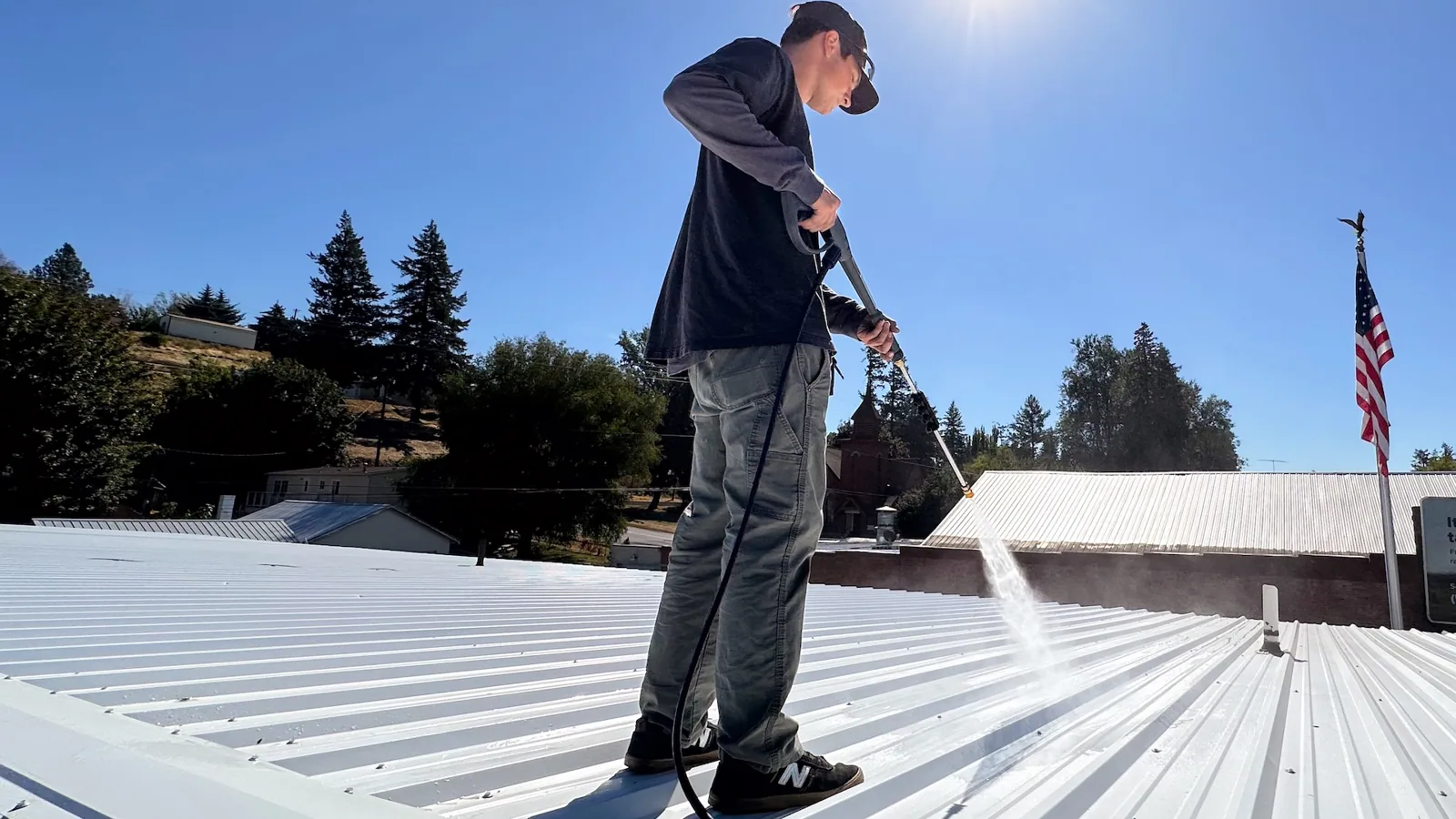
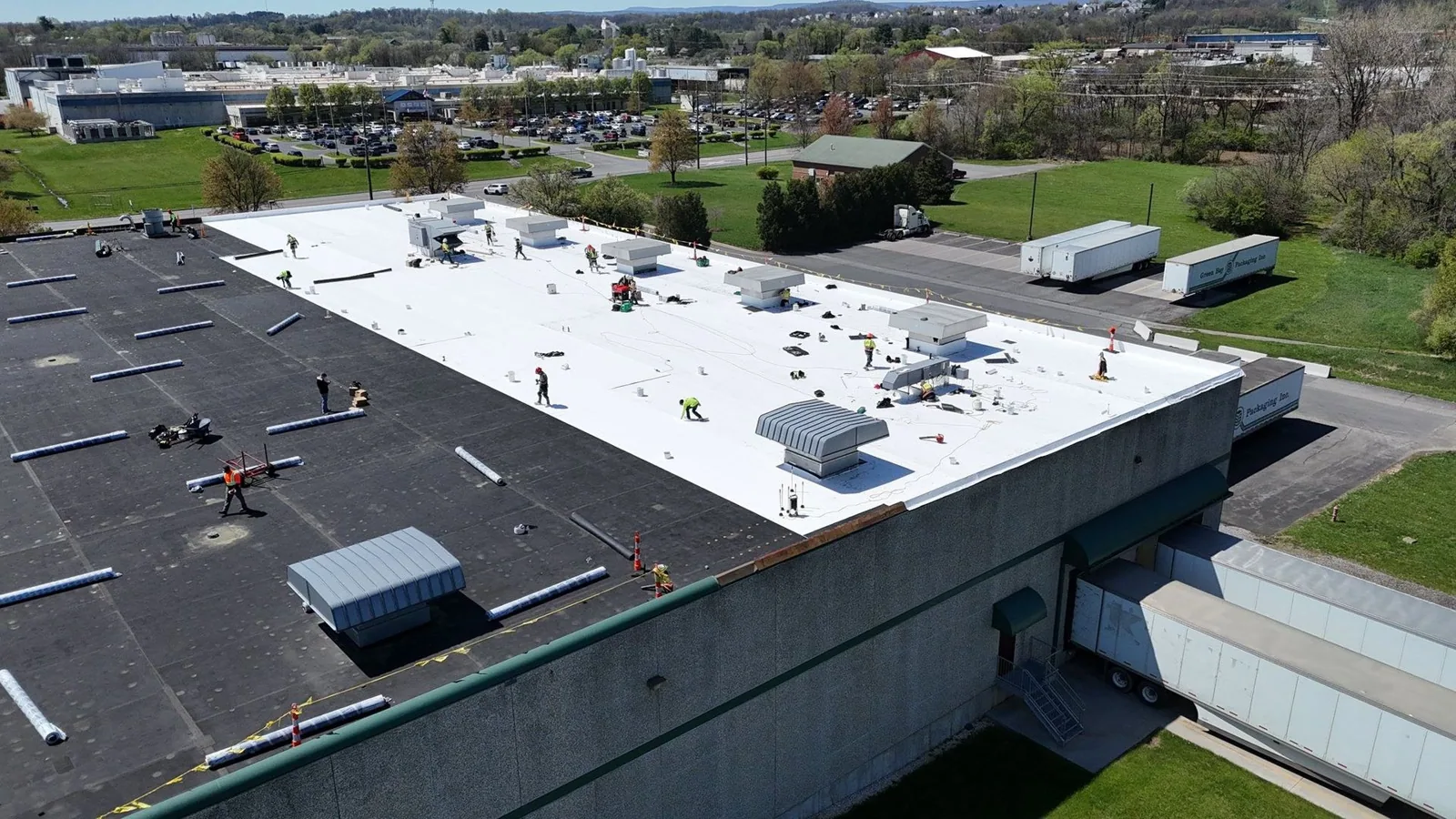
Preparation and coating build
A written coating scope should identify cleaning, surface repair, primer, reinforcing fabric, application rate, target dry-film thickness, and quality checks. It should also state the weather limits for application and cure. We measure the prepared roof area and confirm how details, seams, and transitions will be reinforced. A thin application can wear early; extra material in one area does not fix a missed transition. The final system must follow the selected manufacturer’s instructions and the condition of the existing roof.
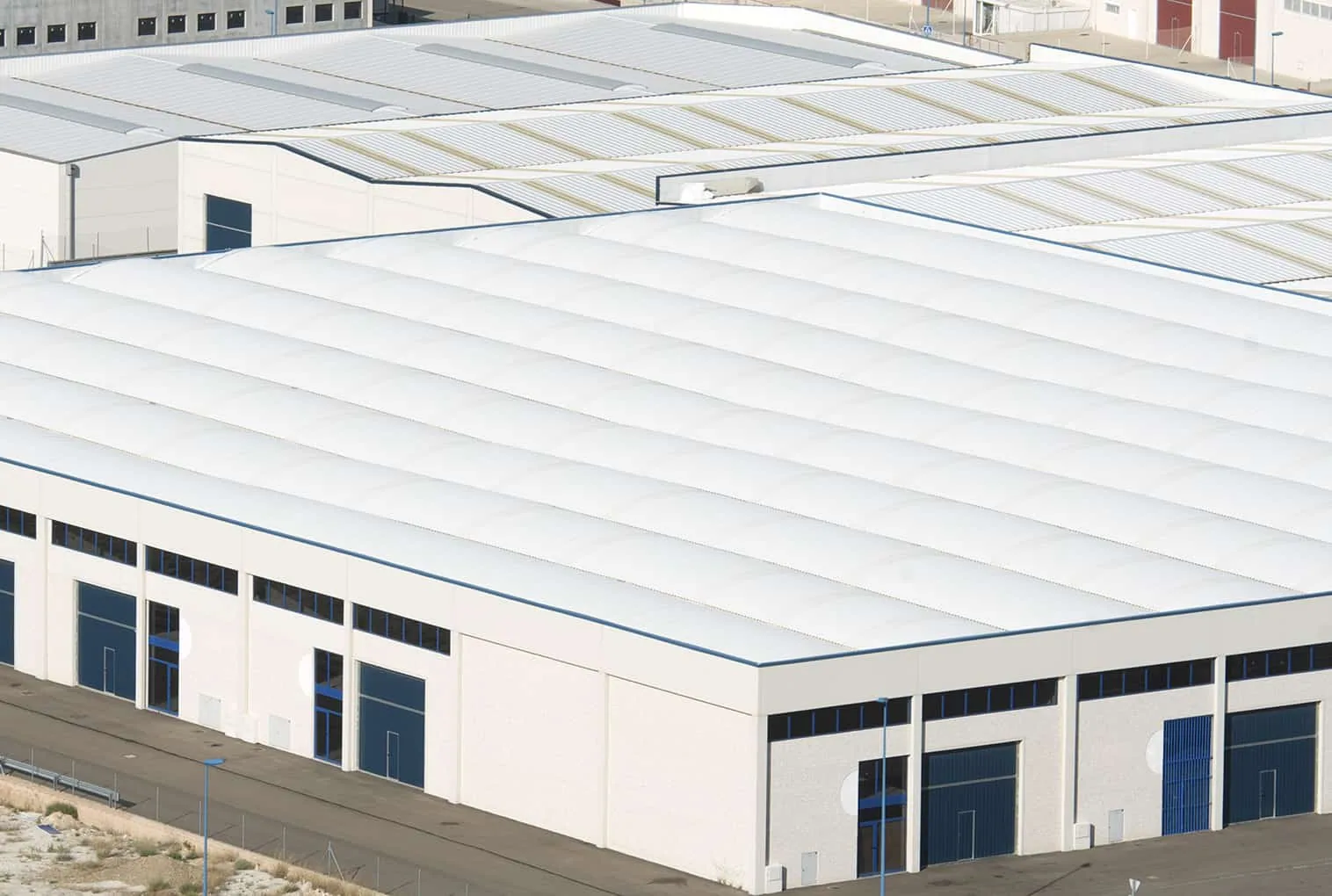
Silicone is often chosen for its ability to remain stable in standing water compared with some other coating chemistries. That does not make poor drainage acceptable or remove the need to correct drain and overflow problems. We document ponding depth and duration, then compare the proposed coating with the roof plane and outlet condition. A restoration assessment can distinguish an eligible recoat from repairs or replacement that should happen first.
The number of coats and reinforcing details should be visible in the estimate, not left as a general coverage allowance. We identify whether seams, fasteners, penetrations, and repair patches receive additional treatment and which transitions need fabric or another detail. The inspection plan should include wet-film checks during application and dry-film verification after cure when specified. Those checks give the owner evidence that the installed build matches the accepted submittal and help settle questions before access equipment leaves the site.
Water exposure and local timing
Rain can stop preparation, application, or curing, depending on the product and substrate. We check current conditions and close each work area at a secure boundary before leaving the roof. Sandy Springs’ winter months bring repeated rainfall, while summer heat adds another installation constraint. The crew stages materials to avoid opening more roof than can be completed within the available window. If rain arrives earlier than forecast, the protection plan should identify which seams, curbs, and roof zones are already closed.
Brookhaven’s planning work treats North Druid Hills Road as a movement corridor, considering traffic needs alongside walking, biking, and transit access. On a roof project in the area, confirm delivery routes, pedestrian protection, and access with the building contact. A North Druid Hills corridor roof review can record those limits alongside the coating survey.
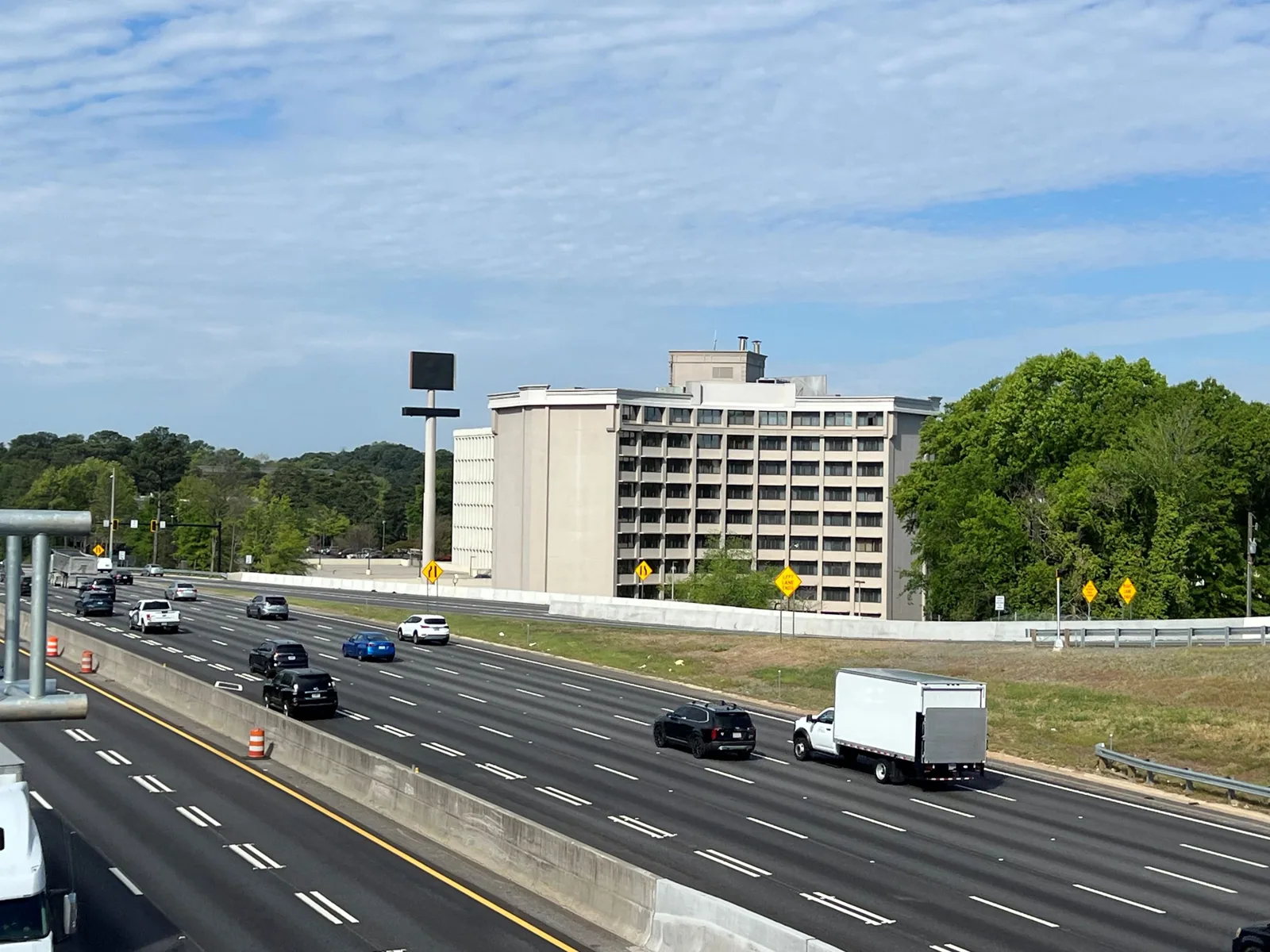
Powers Ferry is a western gateway with office, retail, and hospitality uses along I-285. A coating project there may need a material lift or staging window that does not conflict with tenant entries or deliveries. We confirm the specific building’s access and set protection below the work area. A Powers Ferry roof visit can add that logistics review to the surface and drainage survey.
When ponding is part of the decision, note where water remains after rain and compare the same low points on a later visit. Record drain and overflow conditions alongside the coating boundary so routine maintenance can distinguish an outlet blockage from persistent roof-plane water. If the owner wants a slope correction, show that work as a separate detail and cost before the coating area is authorized.
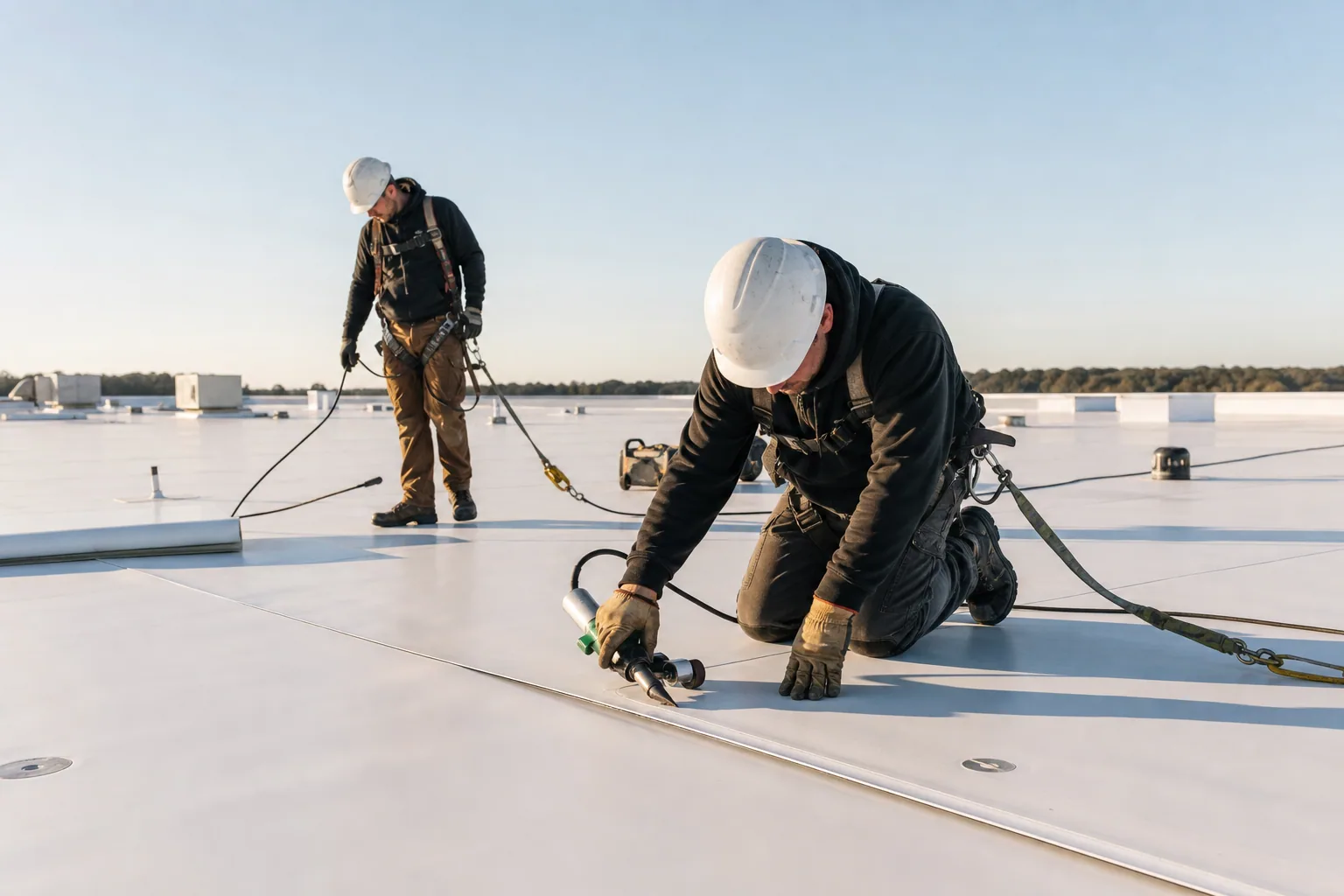
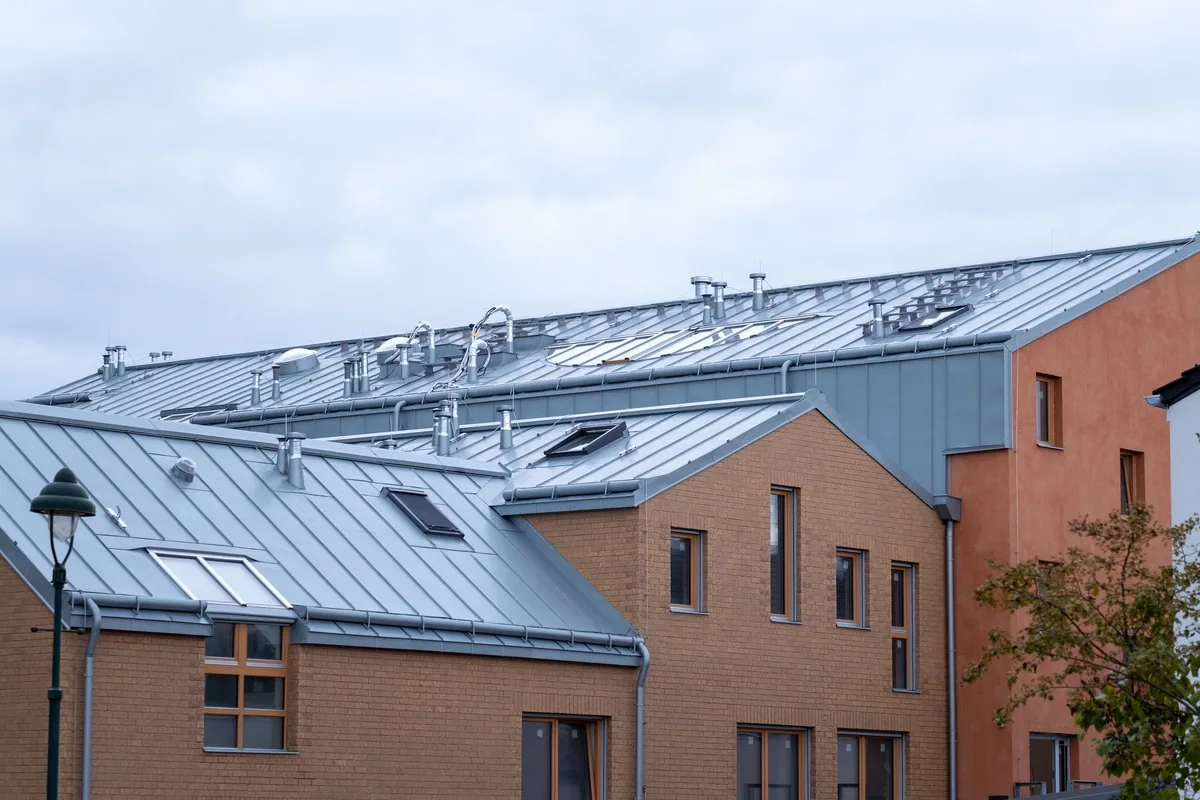
Silicone, acrylic, or replacement
Silicone and acrylic coatings have different weathering, adhesion, and maintenance characteristics. The right option follows the existing membrane, slope, water exposure, and project requirements. A acrylic coating may fit a different roof condition or drying schedule; we compare the product criteria rather than select by color. If the membrane has widespread wet insulation, weak attachment, or deteriorated edges, coating may be the wrong capital choice.
Replacement creates a new assembly and exposes concealed layers, while restoration preserves eligible existing material and requires careful preparation. A replacement review can compare tear-off and coating using the same roof zones, access assumptions, and moisture findings. A TPO membrane may be part of a new system comparison where the building and design requirements support it. We separate immediate repair from long-term renewal so the owner can align the choice with the budget year.
Inspection after restoration
Closeout should include coating product, preparation, test patch, measured area, thickness checks, repaired details, photographs, and any limitations. The owner should also receive cleaning and maintenance instructions and the manufacturer’s inspection requirements. Schedule follow-up to check edges, penetrations, drains, and areas with recurring water. If the coating is damaged by a later mechanical installation, record how the roof was reopened and restored.
Send roof records, leak history, access limits, known moisture, and the budget window. We will identify the preparation and testing needed, then return a coating or replacement comparison with repair boundaries. The scope will state what is complete at each roof section and what the next inspection needs to revisit. That record also helps the owner plan routine upkeep.
Recoat planning also needs a future access path. Rooftop units, service rails, and new penetrations can damage a restored surface if trades do not know the approved repair method. Keep the product information with the roof map and require each later service visit to photograph any coating disturbance. That record supports a repair that matches the system already in place and guides future service coordination and avoids adding an incompatible layer over a small affected area.
Questions About Silicone Roof Coatings
What must a silicone test patch show before I price a Sandy Springs roof restoration?
No. The existing membrane, coating layers, moisture, adhesion, drainage, and preparation requirements must support the selected product. We inspect those conditions and use a test patch where the result affects the scope.
Does silicone coating solve ponding water?
It can tolerate some standing-water exposure, but it does not correct a low roof plane, blocked drain, or failed overflow. We map the water path and include drainage correction when needed.
What should the coating proposal specify?
Require surface preparation, primer, reinforcement, application rate, target thickness, detail work, weather limits, testing, and closeout records. We show those items with the repair boundary and any areas excluded from the system.
How does rain affect coating work in Sandy Springs?
Rain changes substrate readiness and may interrupt application or cure. We check the current forecast and product limits, then divide work into areas that can be secured before conditions shift.
When is replacement a better choice than coating?
Widespread wet insulation, failed attachment, deteriorated substrate, or multiple failing transitions can make a new assembly more appropriate. We compare test results and repair history before recommending a coating scope.
Test a coating scope
Share roof plans, active leak areas, moisture findings, prior coatings, access requirements, and the budget window. We will return a test and preparation plan with defined next actions.
Call 555-555-5555 or send the building details.