Commercial Roof Maintenance in Sandy Springs, GA
Budget teams need an interval that reflects each roof’s condition, not a calendar copied across the portfolio. We inspect the assembly, map open details, and compare prior repairs with the next capital window. In Sandy Springs, frequent rain and humid summers put drains, seams, and rooftop transitions into repeated service cycles. A building in Central Perimeter may need access arranged around office occupancy, while a medical property may have continuous operations. The maintenance record should state what changed, what remains stable, and which finding would move a roof into repair or renewal.
The portfolio interval
A useful program groups roofs by exposure and observed condition. Start with system type, known installation or repair records, leak calls, drain history, and the areas that could not be reached. We inspect the same details at each visit so the owner can compare one season with the next. A roof with recurring ponding or repeated seam work may need a shorter review cycle than a section with a stable record. The interval should follow evidence, not the property’s address or a portfolio-wide anniversary. We mark active water entry separately from maintenance items and longer-range capital needs.
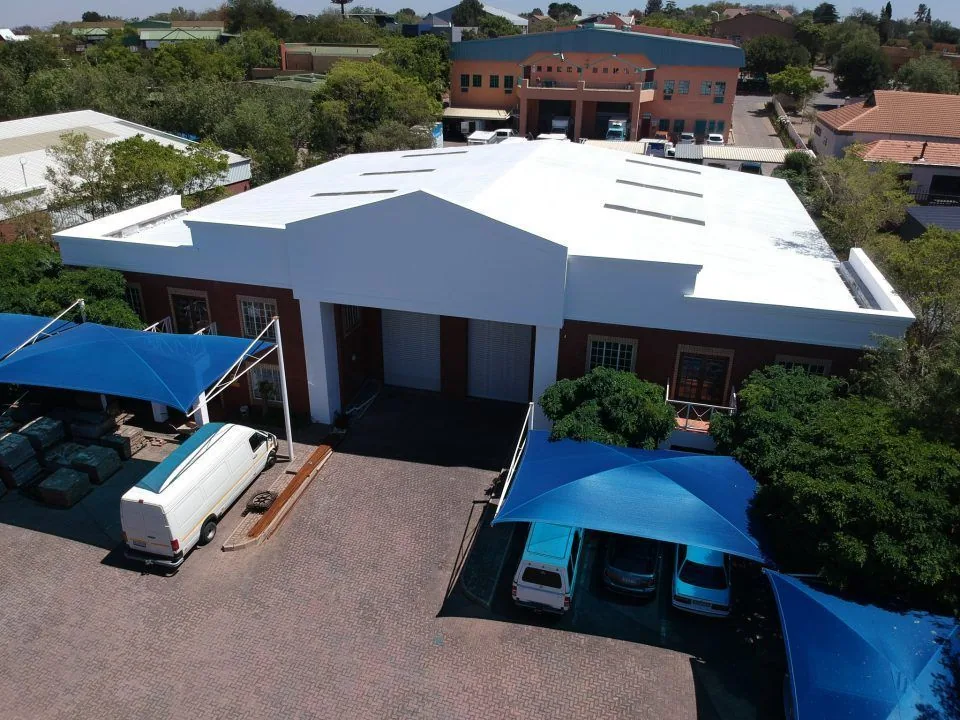
Central Perimeter contains a major office concentration and has four MARTA stations with access to I-285 and Georgia 400. Maintenance timing for a Central Perimeter property starts with its roof map, access schedule, and service history. For an occupied office property, however, access and tenant hours belong in the visit plan. The Central Perimeter service area has a different scheduling profile than a lower-occupancy warehouse. We confirm the owner’s contact, loading constraints, and roof entry before setting the inspection window.
Where routine visits focus
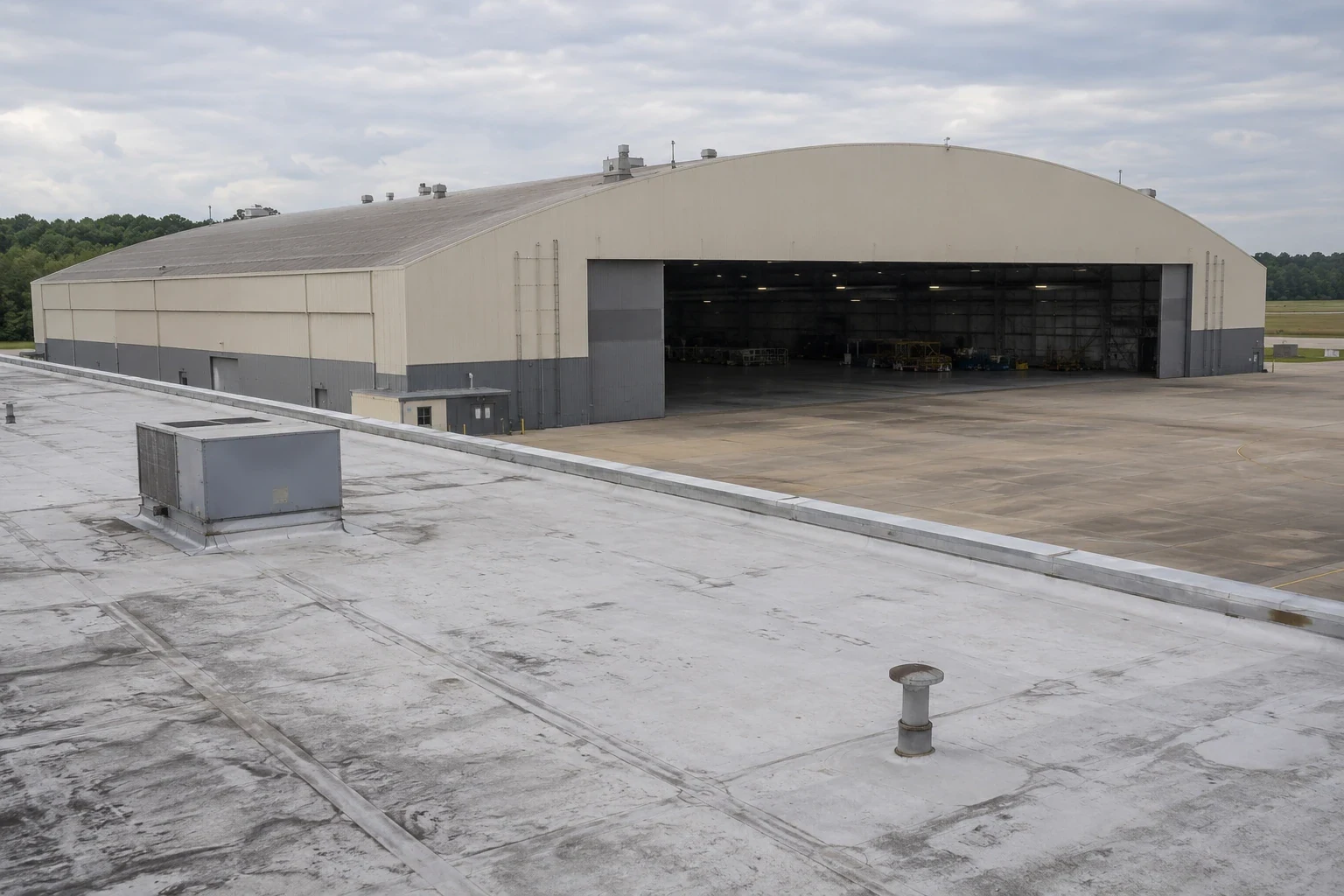
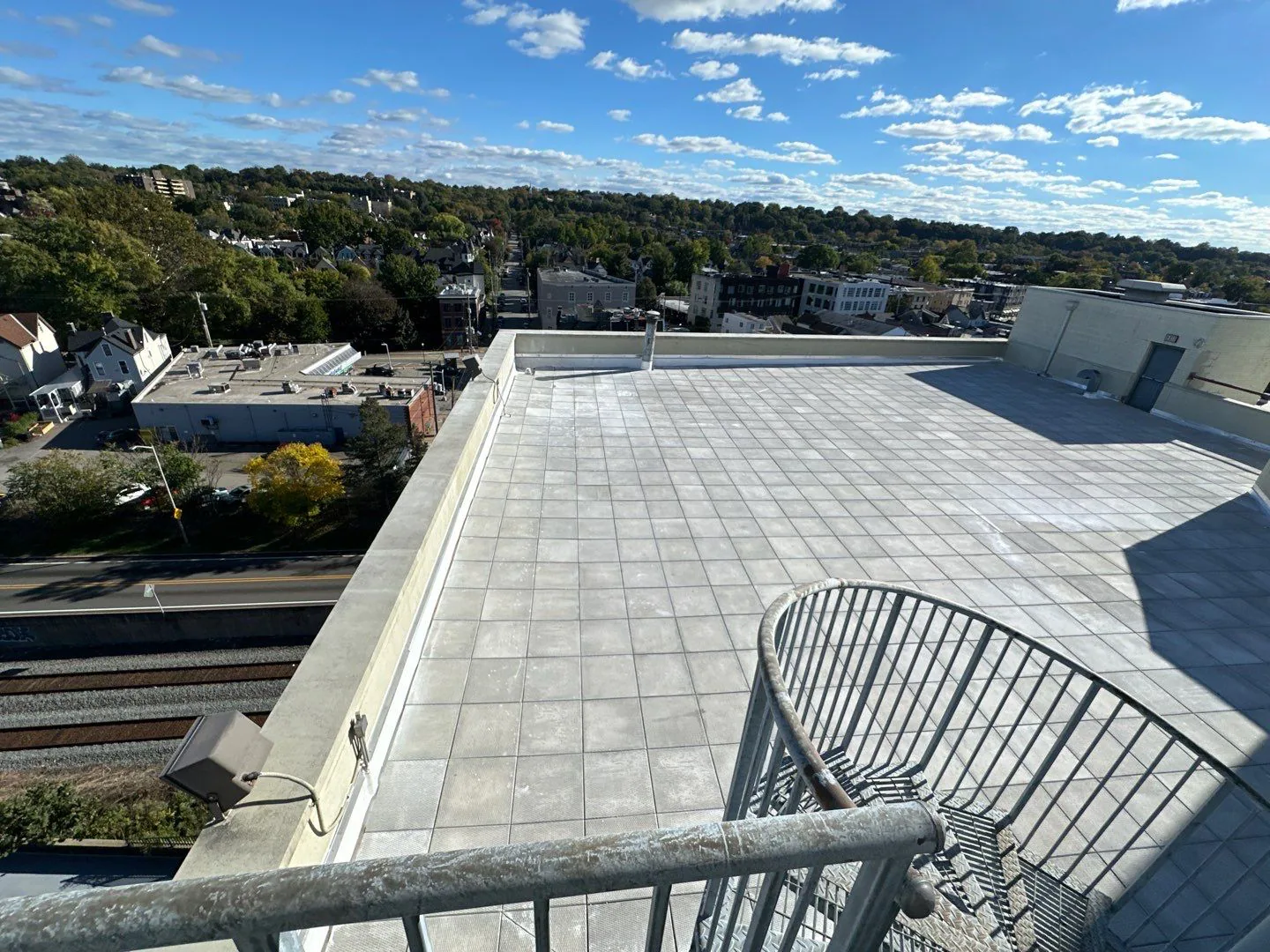
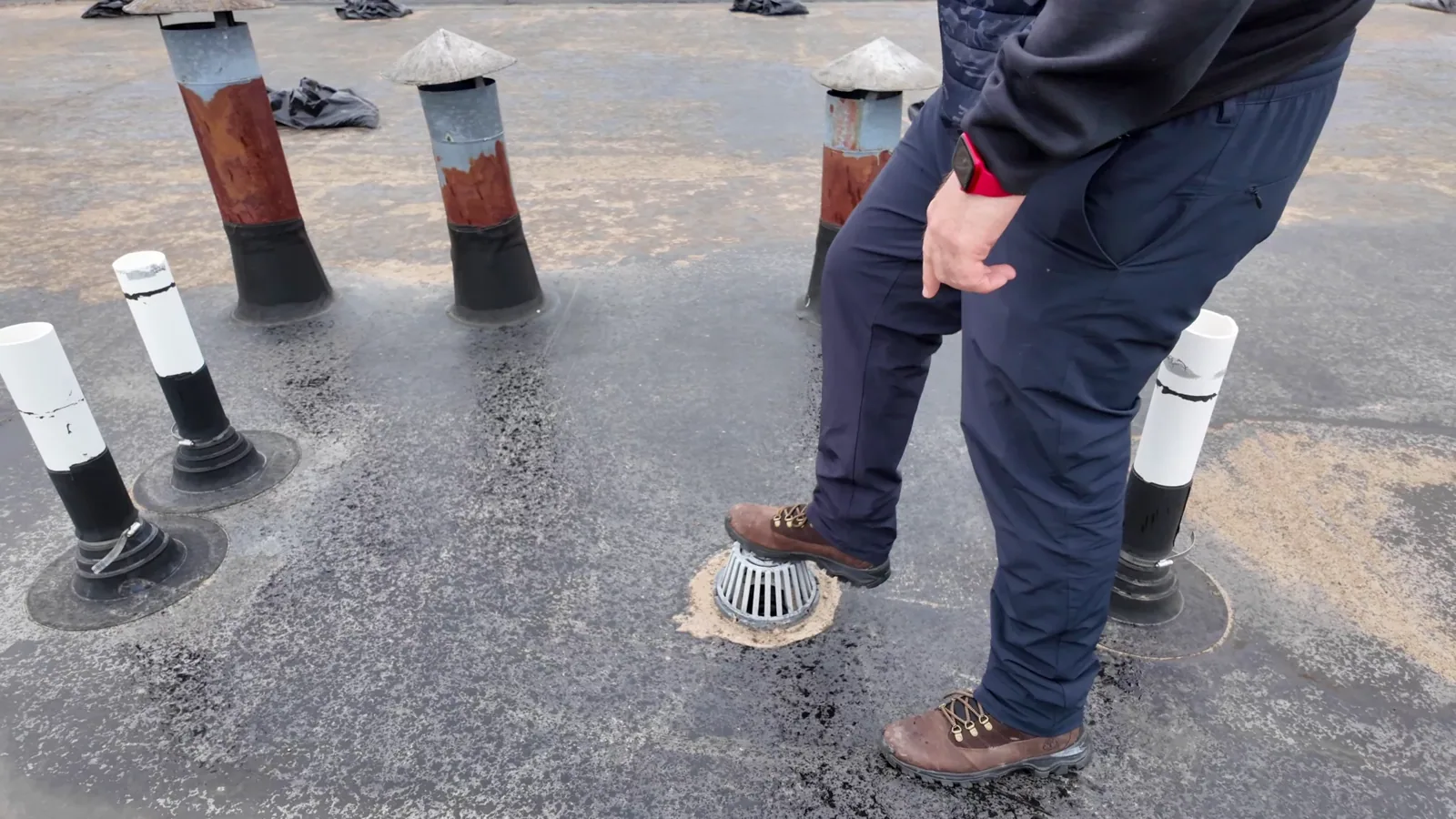
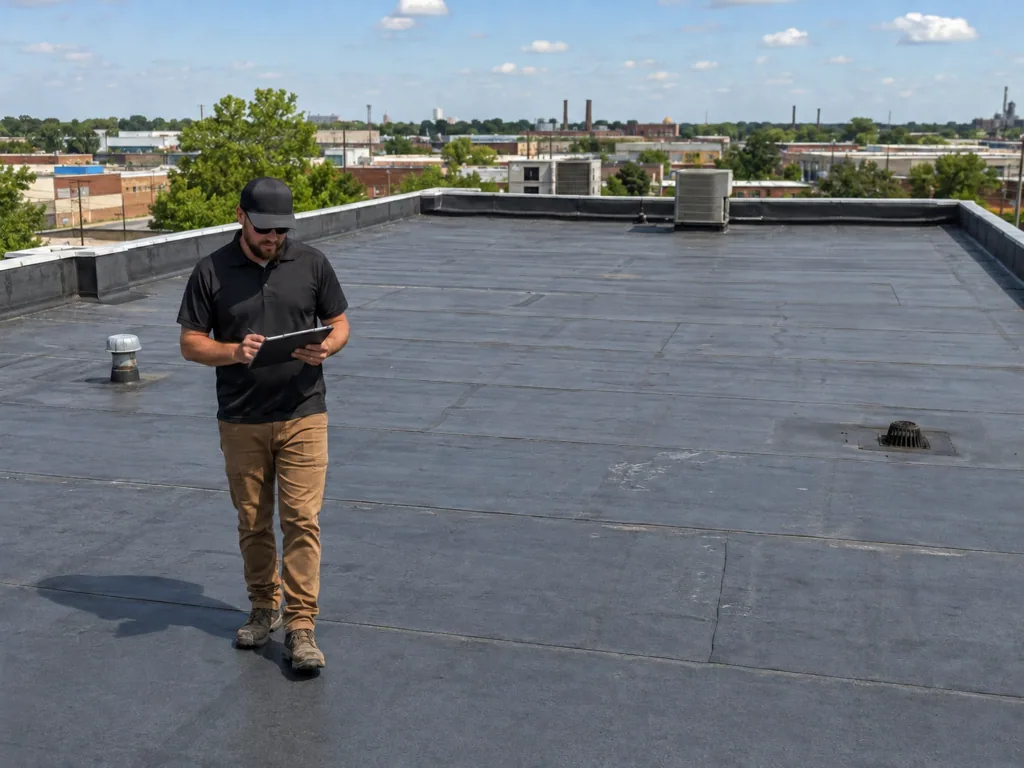
Each maintenance visit checks field seams, penetrations, curb corners, wall transitions, perimeter metal, and drainage. We look for open laps, loose terminations, damaged sealant, displaced fasteners, punctures, and evidence that water is taking a different path. At drains, the review includes the bowl, strainer, flashing, overflow, and discharge route. A clear strainer does not settle a question about a buried line, so the record distinguishes roof-side observations from plumbing work. We photograph roof zones with reference points and identify whether a condition is new, recurring, or unchanged.
Sandy Springs’ humid summer heat makes roof-surface temperature and cure limits part of the visit record. We check exposed sealants and perimeter details during routine maintenance. A drain and scupper inspection can focus on outlets and discharge paths, while an inspection report records the broader assembly. The maintenance visit should not turn one blocked drain into a system-wide recommendation; we state the affected zone and the evidence for any next step.
Working around occupied hours
Routine roof work still affects the building below. A ladder, lift, or material drop can change how staff use an entrance, loading lane, or service corridor. We confirm who can approve access, which rooftop units must remain online, and whether interior protection or notice is needed. The owner can group work by roof section to avoid staging materials across several active areas at once. For healthcare properties near Northside Hospital, Emory Saint Joseph’s, and Children’s Healthcare of Atlanta Scottish Rite, the Medical District’s continuous activity makes clear coordination especially important. We do not infer an individual building’s schedule from the surrounding campus; the property contact identifies its own limits.
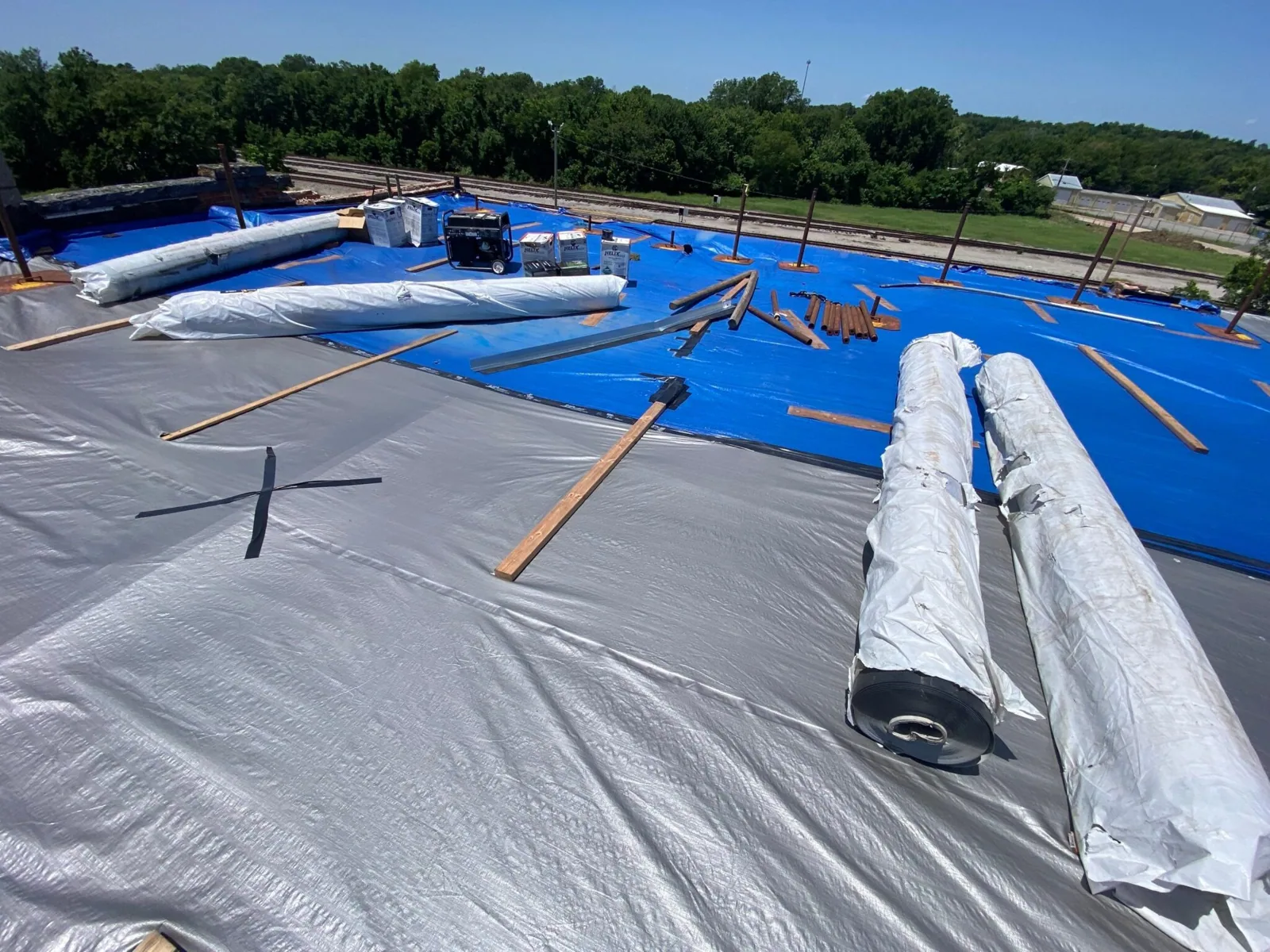
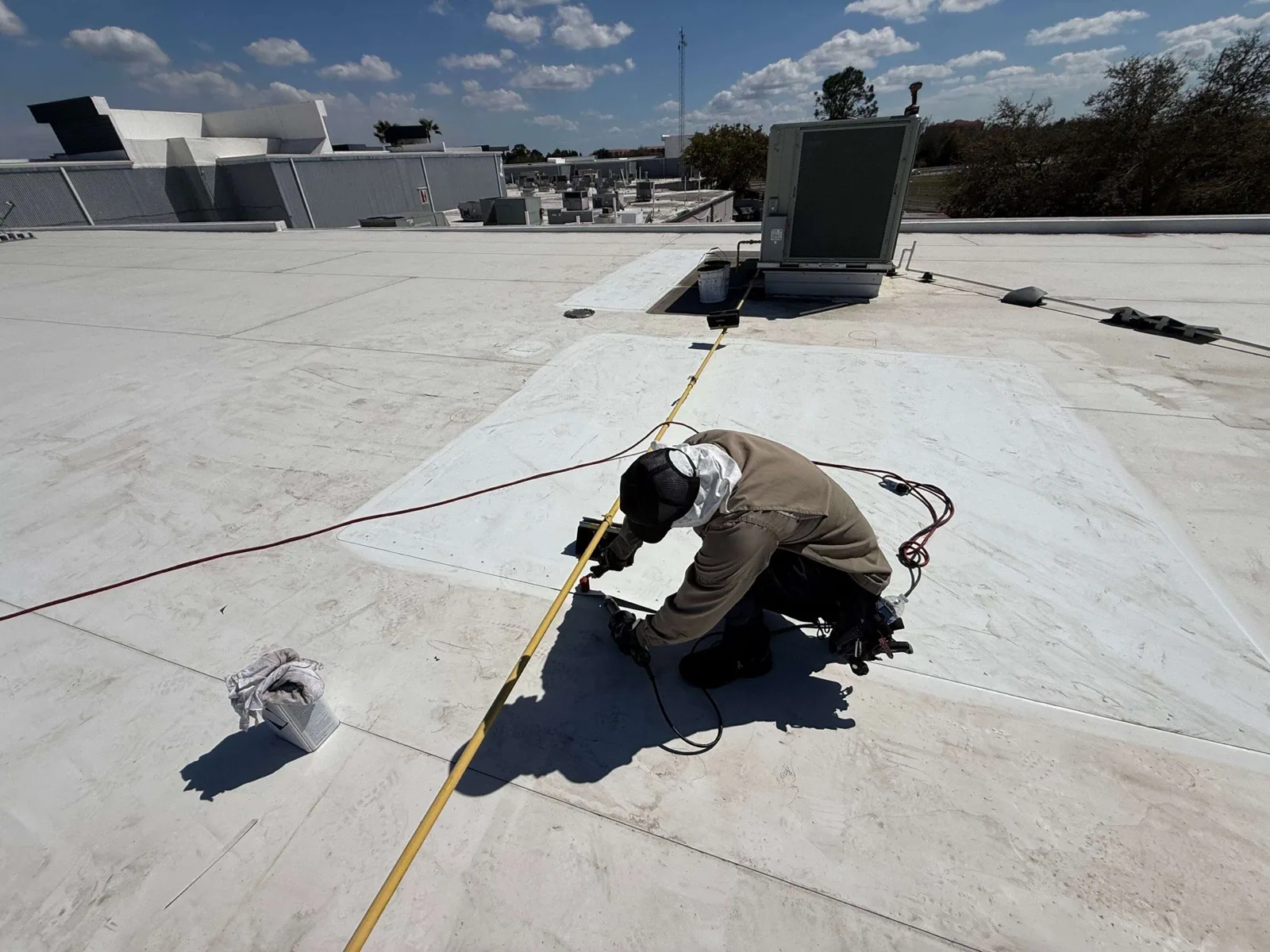
When maintenance finds an item that needs a defined scope, we separate it from the routine visit. A small flashing correction may fit an approved service window; wet insulation, failed attachment, or repeated leakage may require testing or a capital decision. The record can link a condition report to the related repair scope, while preserving the maintenance history for later comparison. A work order should name the roof zone, access plan, closure point, and who accepts the area when the crew leaves.
Maintenance versus renewal
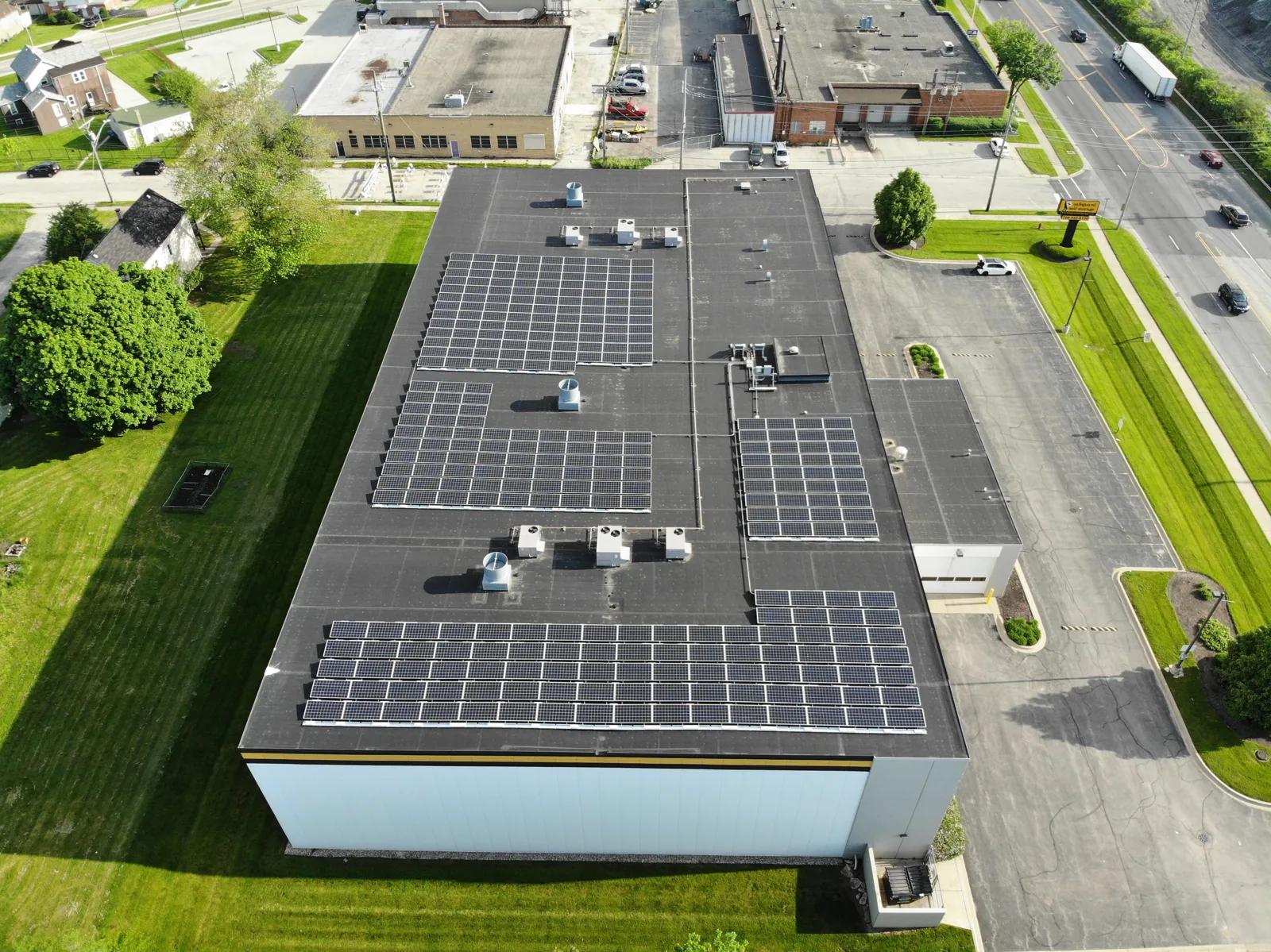
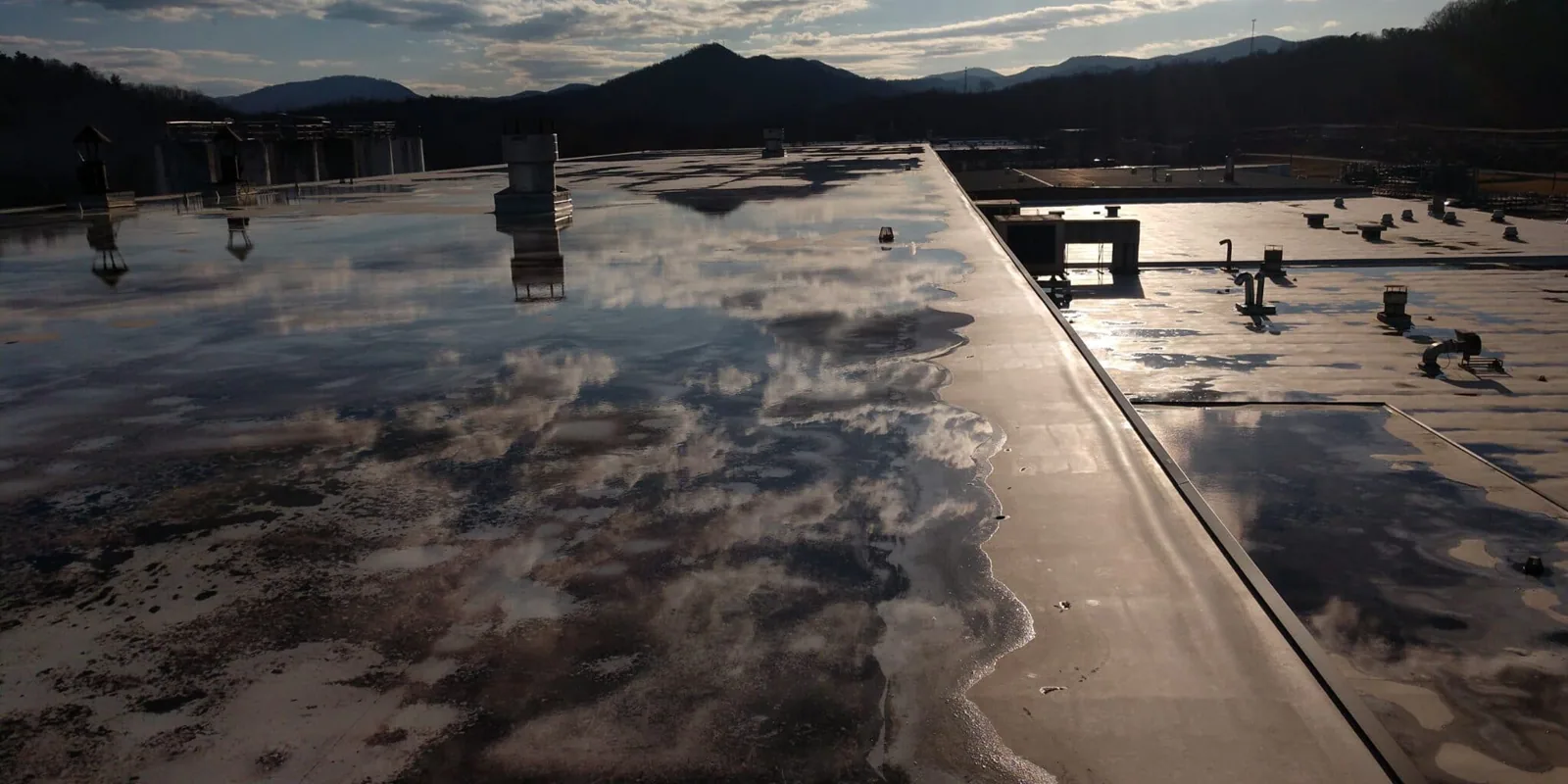
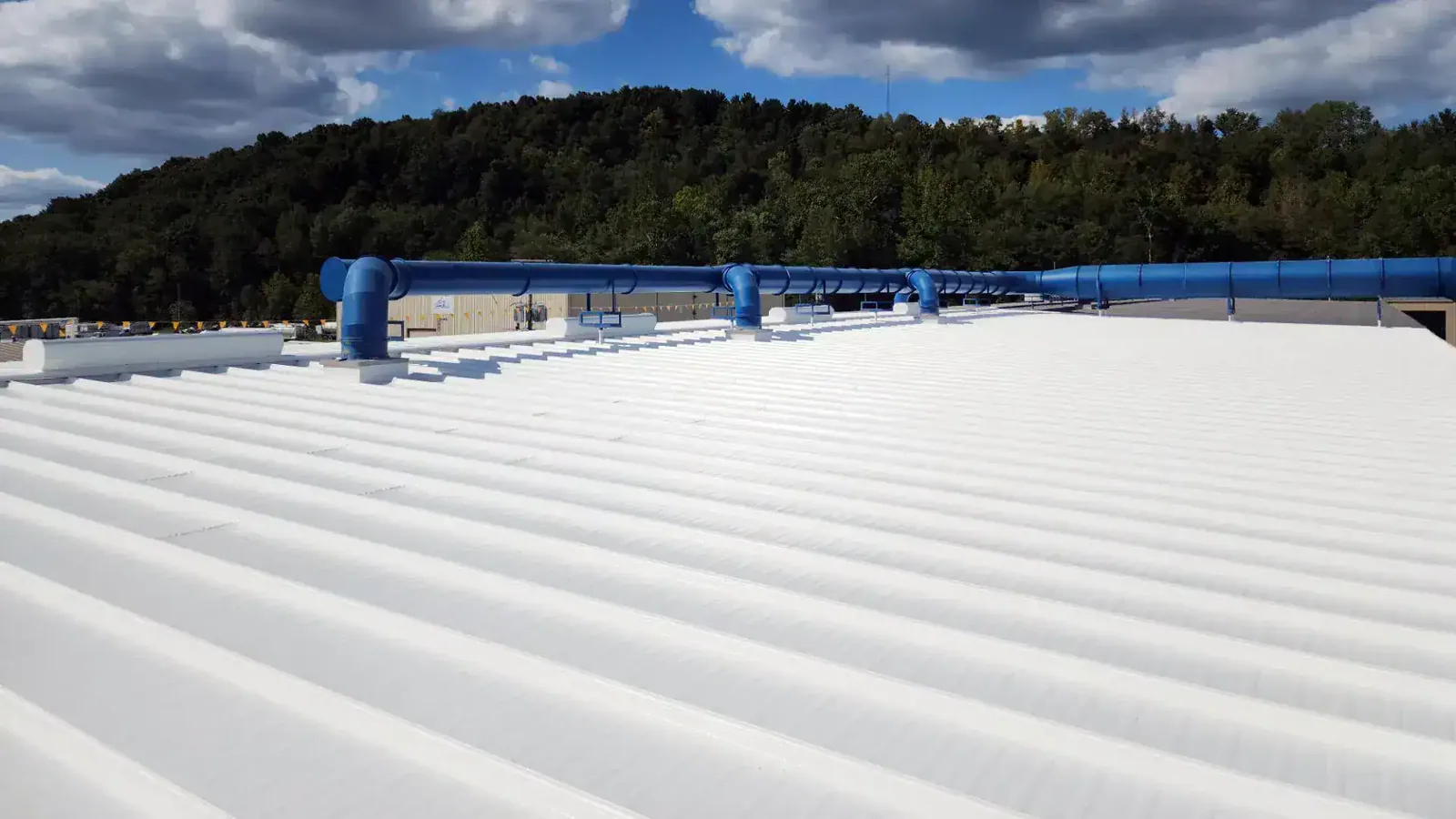
Maintenance is valuable when it prevents a known detail from becoming a wider repair, or when a documented observation changes the timing of renewal. It is not a substitute for replacing a roof section that has lost its serviceable attachment or has moisture extending beyond a local boundary. We compare repair frequency, the area involved, system compatibility, and the owner’s budget year before recommending a path. If a coating is under consideration, the surface must meet preparation and compatibility requirements; the coating cannot repair a failed substrate by itself. A coating assessment examines those conditions before the owner prices restoration.
A record that supports the next decision
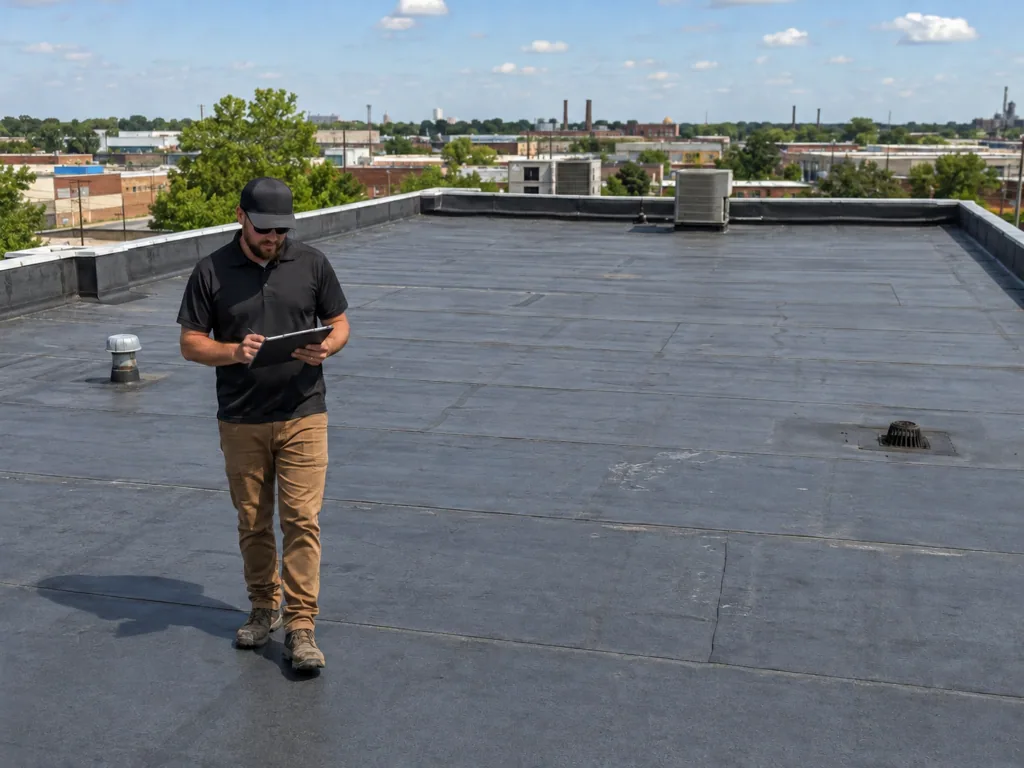
After each visit, the owner receives a roof map, dated photos, observed material where identifiable, work completed, and a list of open actions. We note if weather, access, or equipment restrictions prevented a section from being reached. The next report should compare the same zone and explain whether the condition changed. That makes the maintenance interval responsive: a stable trend can support a longer gap, while a new leak or failed transition can trigger a focused return. We keep measured facts separate from assumptions about concealed layers.
At City Springs, civic, event, dining, residential, and retail uses sit within a connected district. That mix can influence delivery and access windows for commercial properties, though each facility sets its own operating requirements. We can organize a visit around those constraints and coordinate the roof work with the building contact. Share roof plans, prior work orders, active leak areas, occupied hours, access requirements, and the budget window. We will return prioritized next actions, not a blanket replacement date. For an owner weighing repair against renewal, a capital planning review connects the condition trend to the next funding cycle.
Set the next review date
The right interval follows the roof’s current exposure and the consequence of a missed change. A property with active repairs, complicated drainage, or limited access may need another look after the next wet cycle. A roof with a well-documented stable record can stay on a planned maintenance schedule. We state the reason for the interval and the specific condition that would bring the visit forward. If the roof remains in service while renewal is planned, the program tracks temporary measures and confirms each one at the next visit. The owner can then budget with a clear distinction between upkeep, repair, and deferred capital work.
To start, send the roof list, system records, repair history, access rules, and target budget period. We can walk the priority buildings, identify the roof sections that need attention, and build a practical sequence around occupied hours. Each recommendation names the next action and the evidence behind it, so facilities and finance teams can use the same record.
Questions About Commercial Roof Maintenance
How should we set maintenance intervals across different buildings?
Use each roof’s repair history, drainage performance, system condition, and access limits. We inspect a representative set of details, then recommend an interval for that building or roof section. A stable trend may support a longer cycle; recurring leaks or open transitions call for closer follow-up.
What should a visit cover before Sandy Springs’ wet season?
We check drains, scuppers, overflows, seams, penetrations, perimeter metal, and any open repair detail. Metro Atlanta’s wet winter months make clear drains, sound transitions, and secure daily closures useful checkpoints before repeated rain.
Can routine maintenance delay a full replacement?
It can address serviceable details and help track a roof while capital work is planned. It cannot reverse widespread moisture, failed attachment, or a system that no longer supports a sound repair. We map the condition and compare targeted repair with renewal before setting the budget action.
How do you keep roof work from disrupting an occupied property?
We coordinate access, material staging, rooftop equipment, tenant or staff notice, and the work zone below with the building contact. A phased sequence can limit the area open at one time. The owner approves any closure or outage before work starts.
What information helps build a multi-site program?
Share roof plans, system records, past repairs, leak locations, maintenance invoices, access rules, and each building’s budget window. We group observations by roof zone and recommend separate intervals where the evidence differs.

Build a maintenance interval around condition
Share the roof list, active leak areas, access requirements, operating hours, and budget window. We will return a prioritized review with defined next actions for each building.
Call 555-555-5555 or send the building details.