Built-Up Roofing in Sandy Springs, GA
A built-up roof can look uniform under aggregate while its layers hold different conditions. We inspect the surface, drains, flashings, seams, and prior repairs, then use test openings where the result could change scope. The owner needs to know whether a leak is a local surface defect, a failed transition, or a broader issue between plies. In Sandy Springs, frequent rain makes drainage and dry-in part of that decision. The recommendation ties each finding to a roof zone and a repair or renewal boundary.
Layers and concealed condition
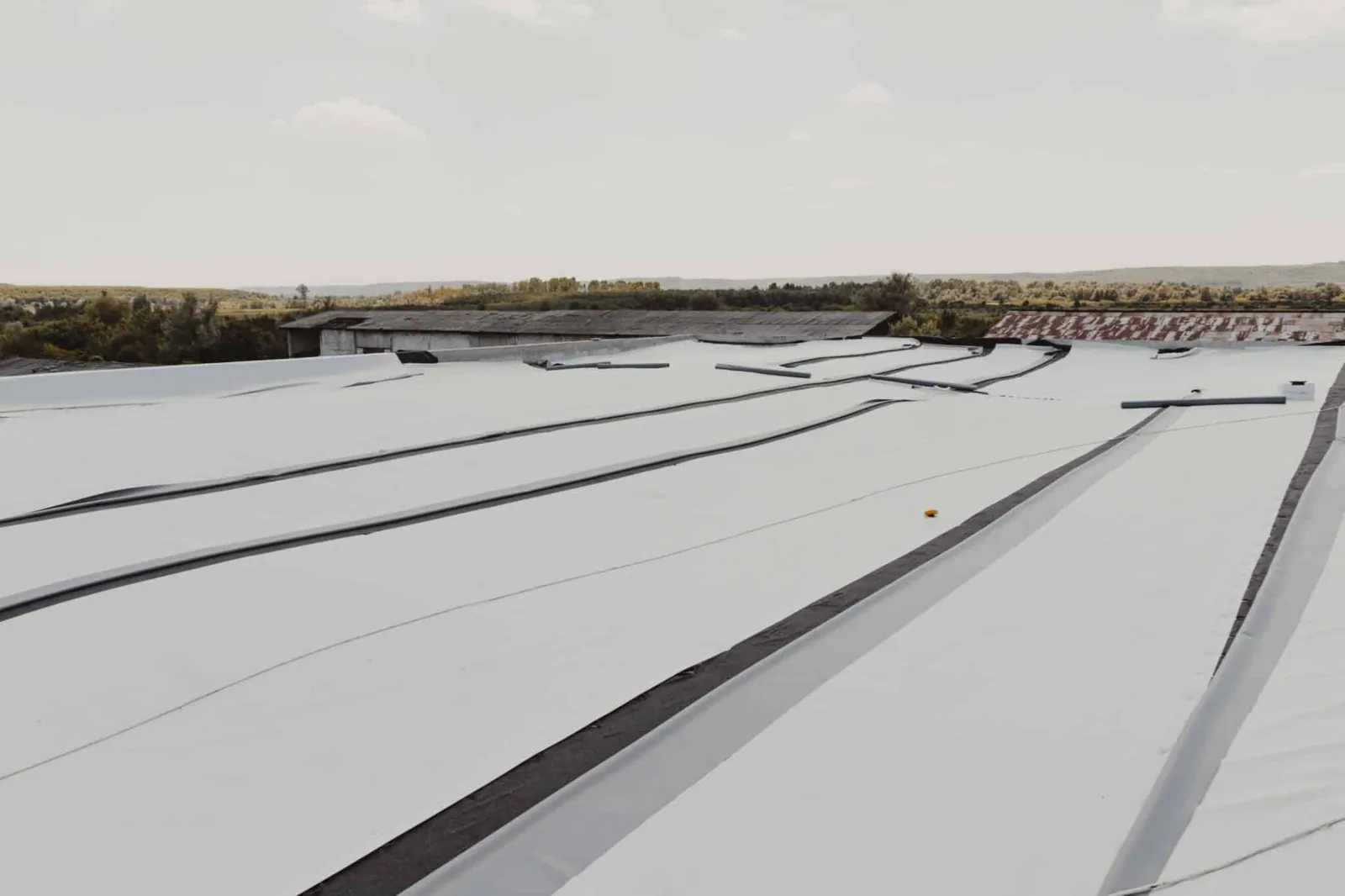
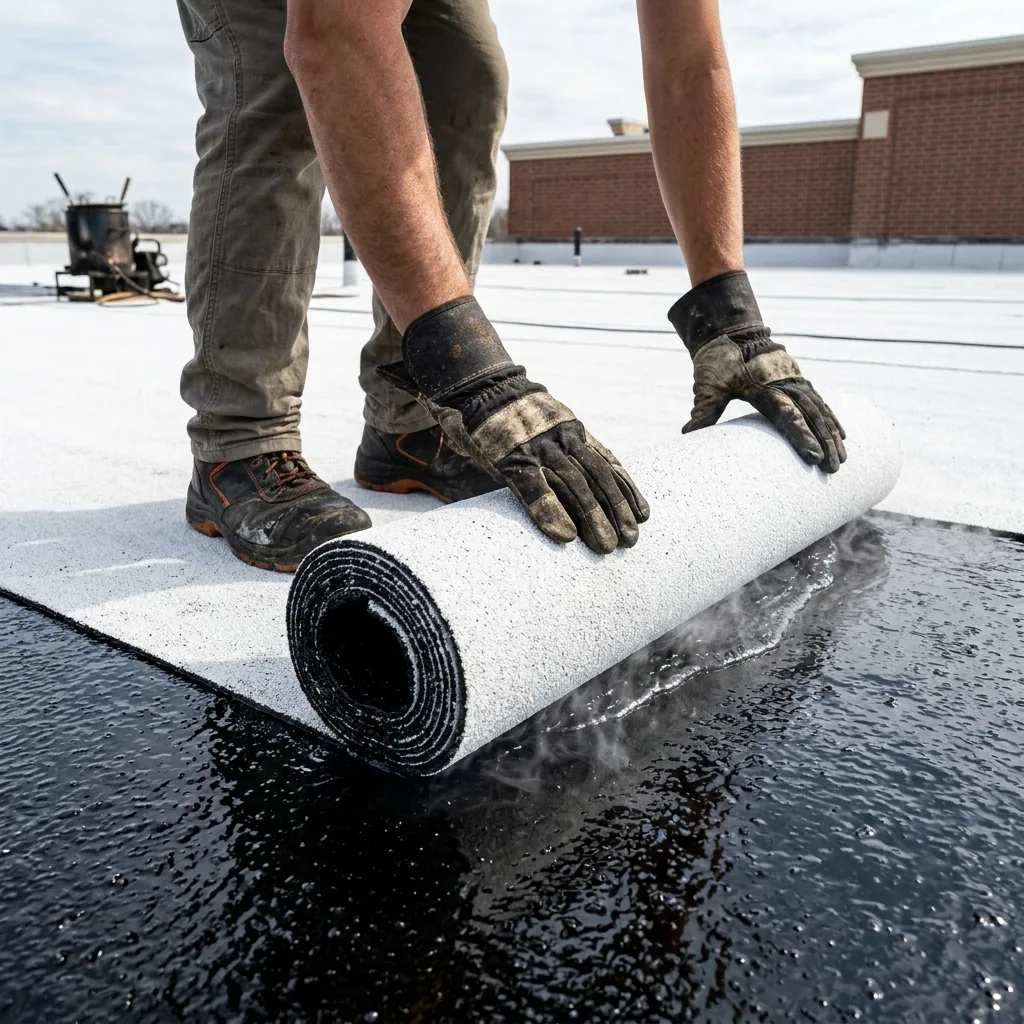
Built-up roofing combines layers of reinforcing felts with bitumen, often finished with aggregate or another protective surface. The number and condition of layers matter when deciding whether to patch, recover, or remove the assembly. We document what is visible and use a test cut to confirm material and moisture when needed. A dry surface does not establish that insulation beneath the plies is dry. A moisture survey can help target locations for testing, but only an opening confirms the material at that point.
Test cuts should be located where they answer a specific question: layer count, attachment, insulation condition, or deck exposure. We photograph the opening before and after closure and identify who approved the repair. If several zones show different construction, the plan should keep those assemblies separate rather than assign one section-wide assumption. That record can reduce scope changes after removal begins and help the owner compare a recover option with tear-off using documented layers.
Aggregate, seams, and penetrations
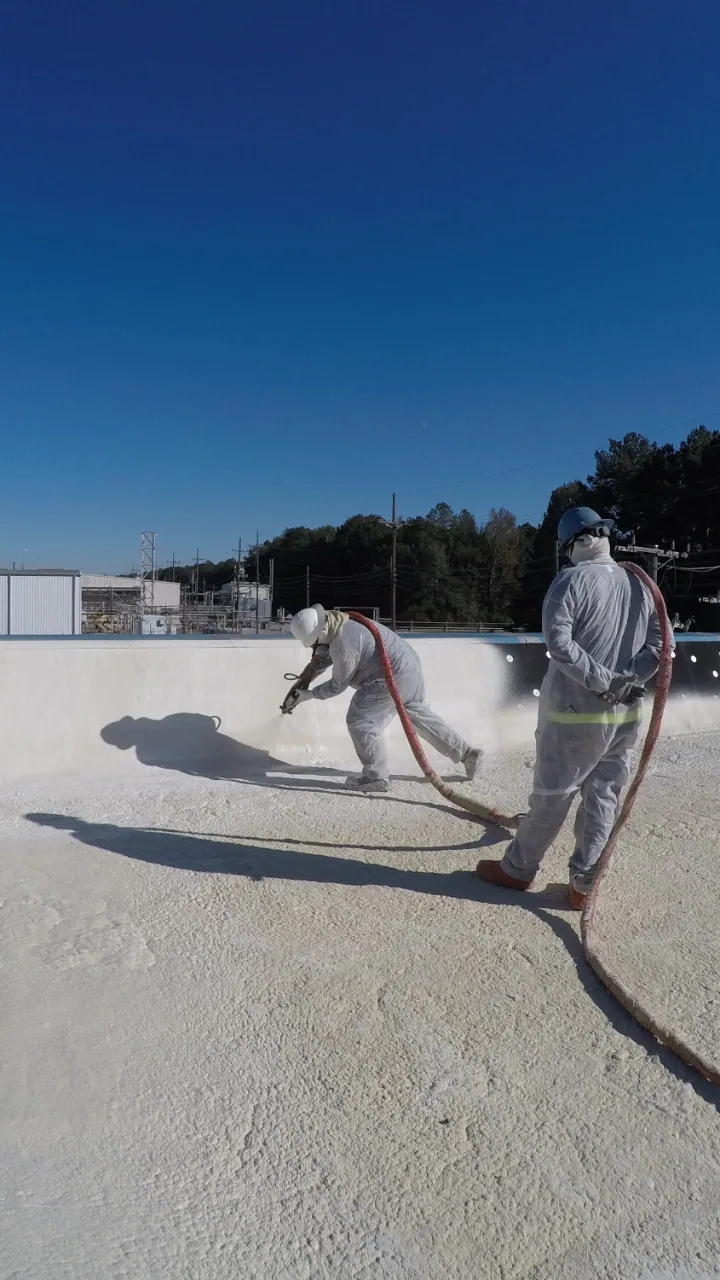
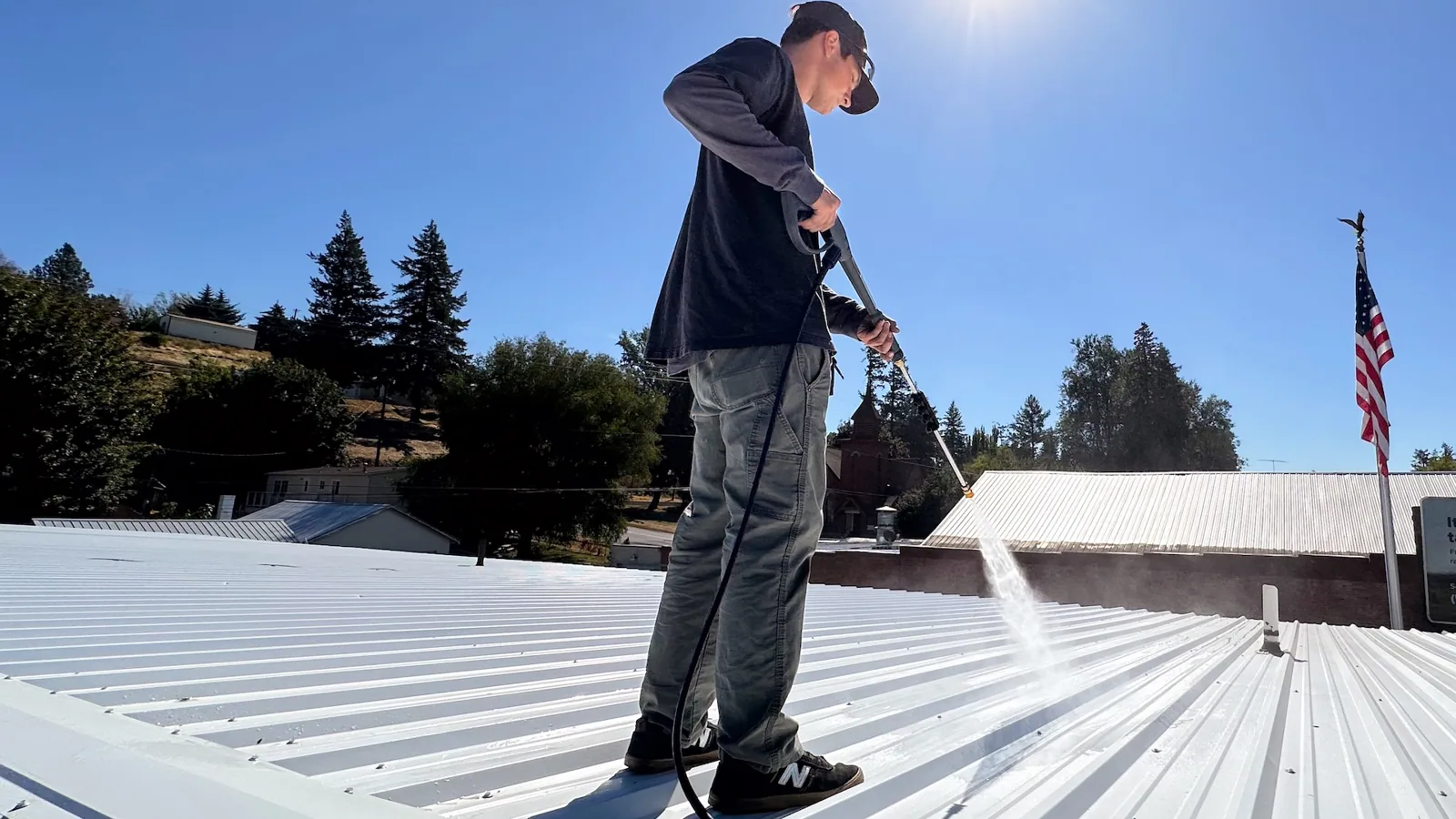
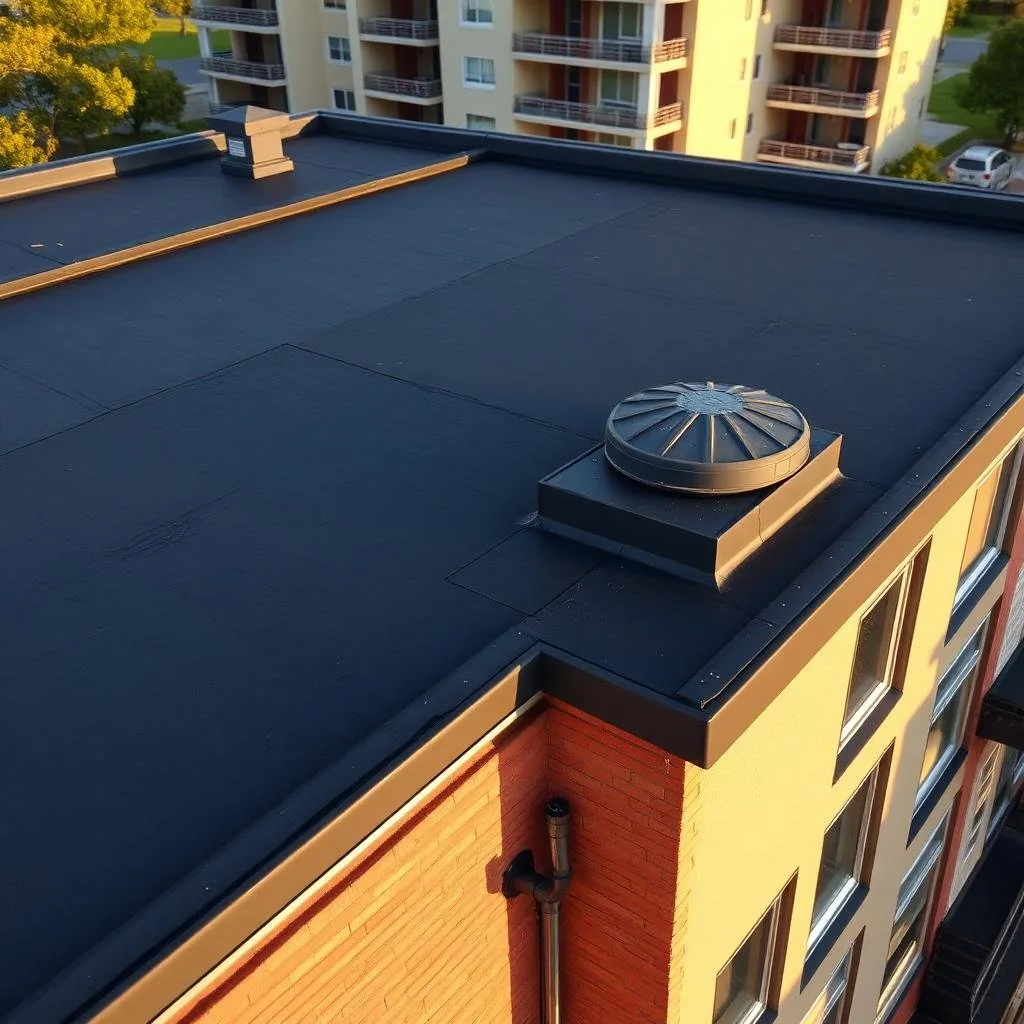
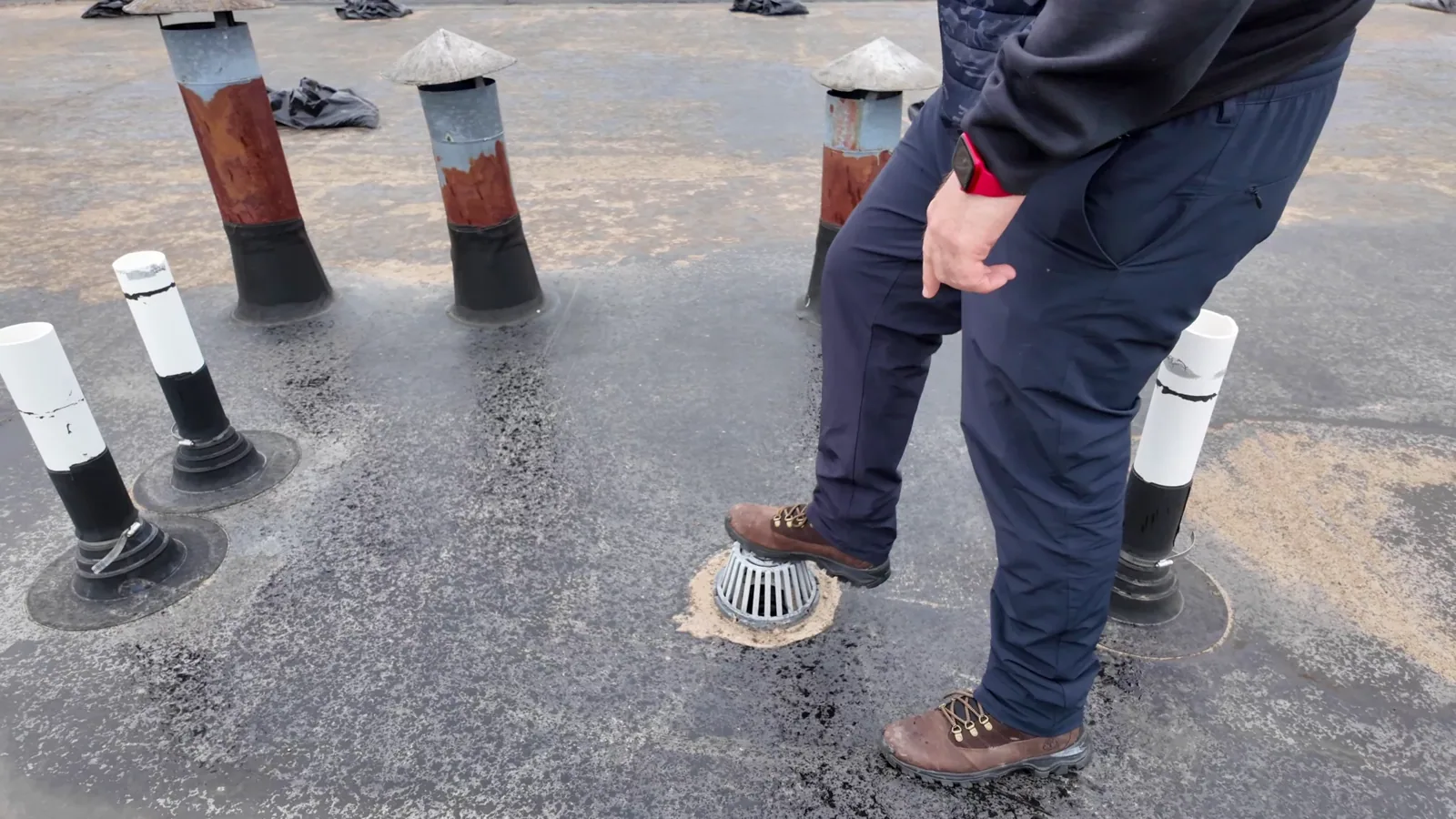
Aggregate can shield bitumen from direct exposure, but loose stone, bare patches, and areas disturbed by service traffic need attention. We inspect transitions where gravel stops, around drain bowls and scuppers, at parapets, and where pipes or curbs pass through the roof. A membrane or flashing repair may require clearing aggregate to create a sound tie-in. The proposal states how surfacing will be moved and restored so the owner can compare a localized repair with a larger section.
Drainage affects both the surface and the plies below. We note standing water, sediment, drain-ring condition, and any low area that remains after the outlet is clear. A drainage assessment can identify whether the next step is outlet maintenance, flashing correction, or a slope review. The flashing inspection can check whether water is entering at a wall or curb rather than through the roof field.
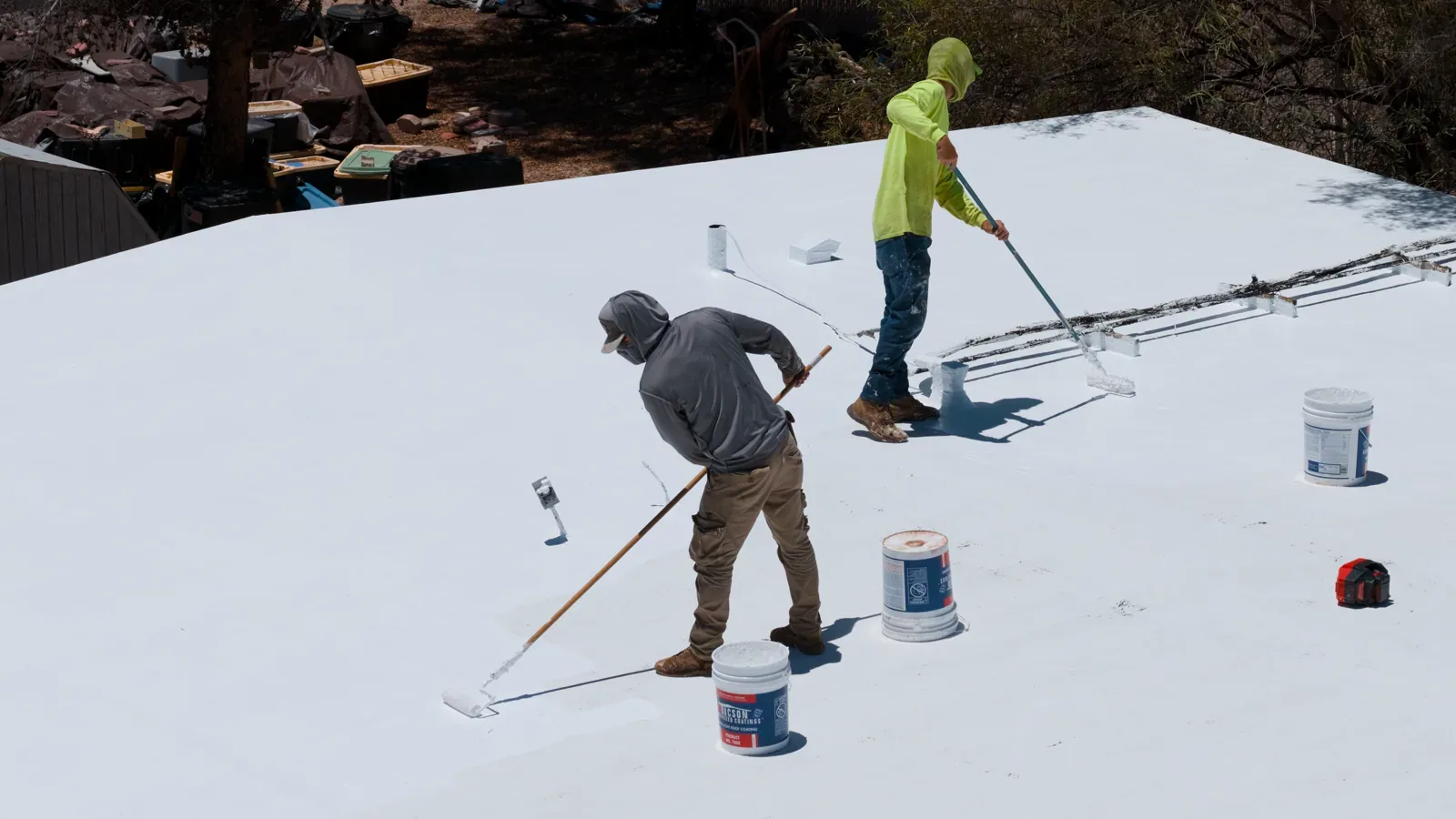
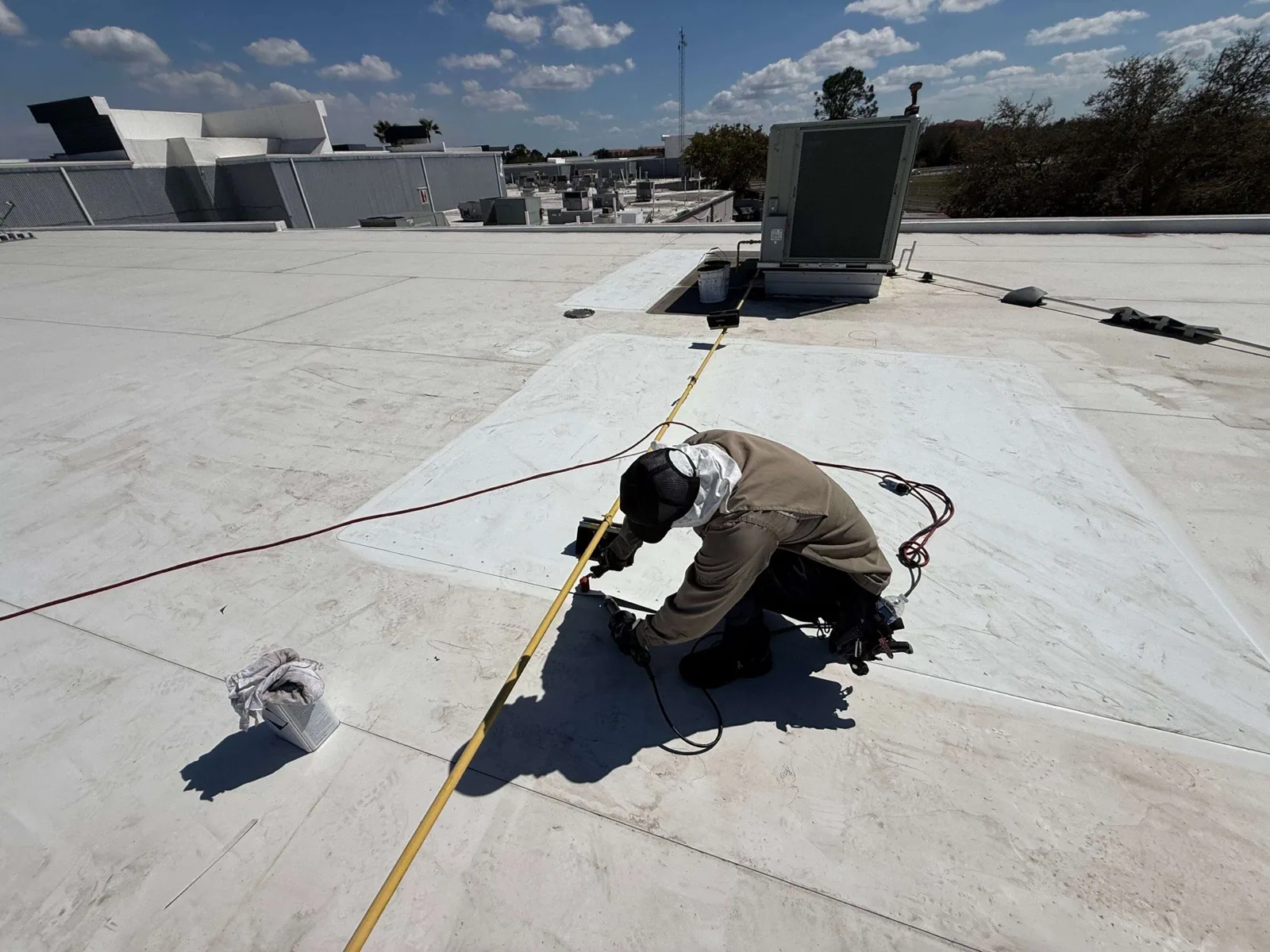
Aggregate removal should be controlled so the repair team can see the cap sheet and define a sound tie-in without scattering material into drains or occupied areas. We note where the surface was cleared and how protection was restored. If the roof is considered for a liquid restoration system, the design must account for adhesion to the exposed surface, the aggregate remaining, and the detail at each drain and curb. A test area can answer those questions before a wider application is priced.
Commercial access and roof use
The former Concourse campus is a major opportunity area within the Perimeter District, and the broader Central Perimeter office market has more than 123,000 workers. Those office operations can make roof entry, material staging, and noise timing part of the project plan. We confirm the specific building’s operating hours, roof-entry access, safety route, and rooms below the work. A Hammond Drive corridor roof review can align those requirements with the assembly survey.
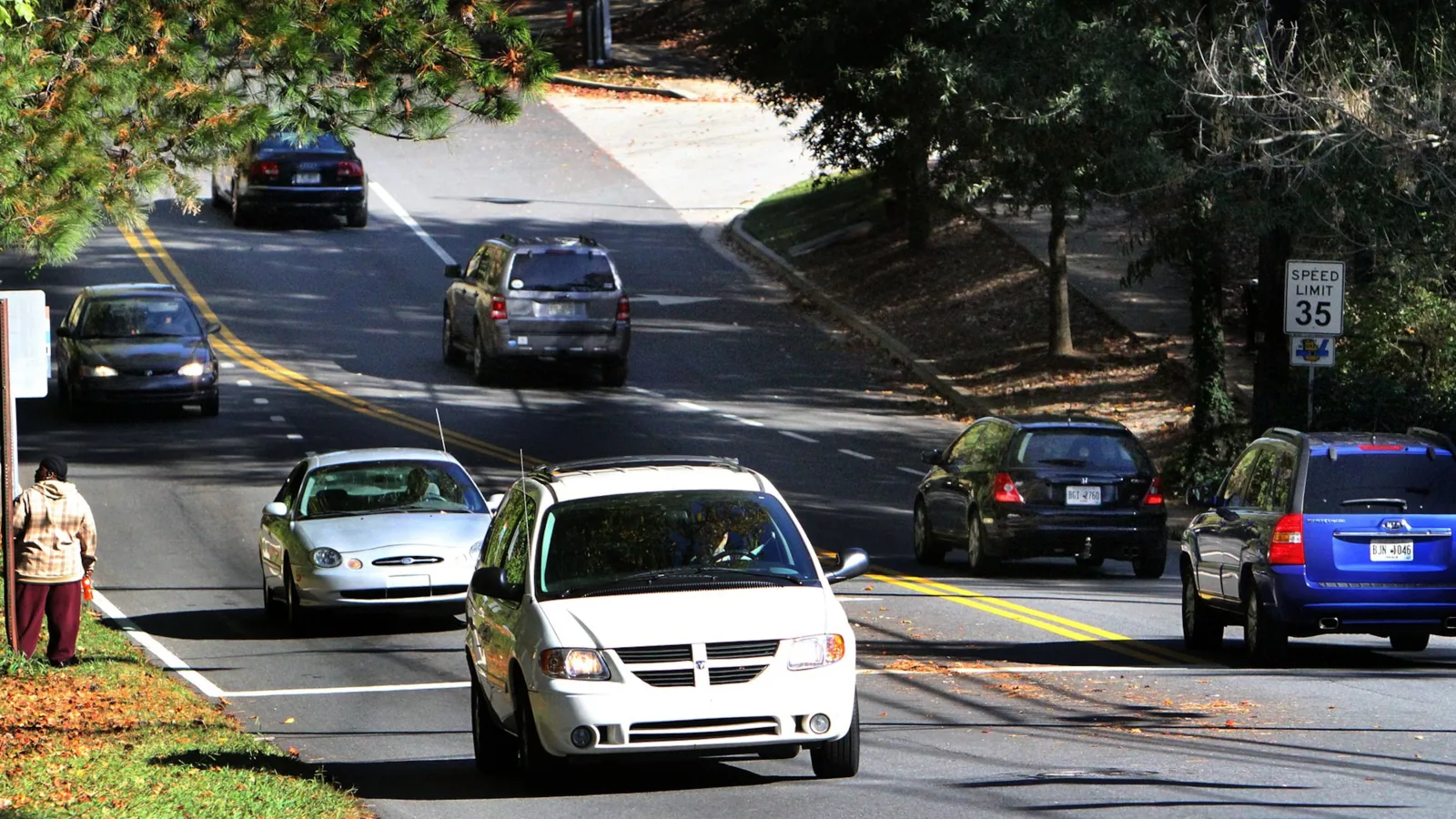
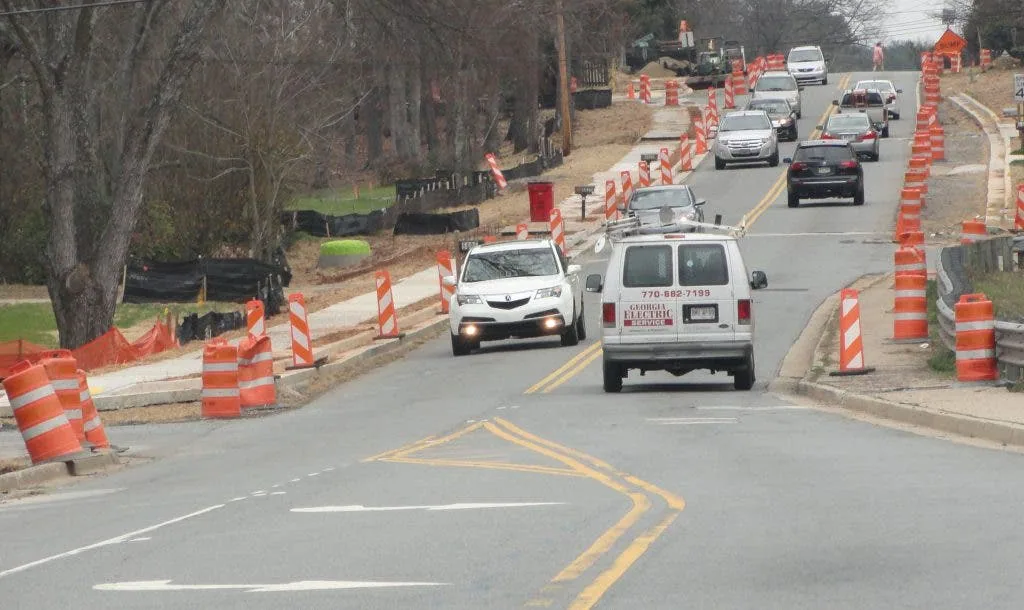
Sandy Springs’ Johnson Ferry and Abernathy Road corridor links the Chattahoochee River and Perimeter Center through an east-west commercial route. Traffic and access planning can affect delivery timing, but each building still has its own loading and security procedures. We coordinate the delivery route and work zone with the authorized property contact. A Johnson Ferry and Abernathy corridor roof assessment should record actual deck access and any tenant restrictions before work is scheduled.
Patch, recover, or remove
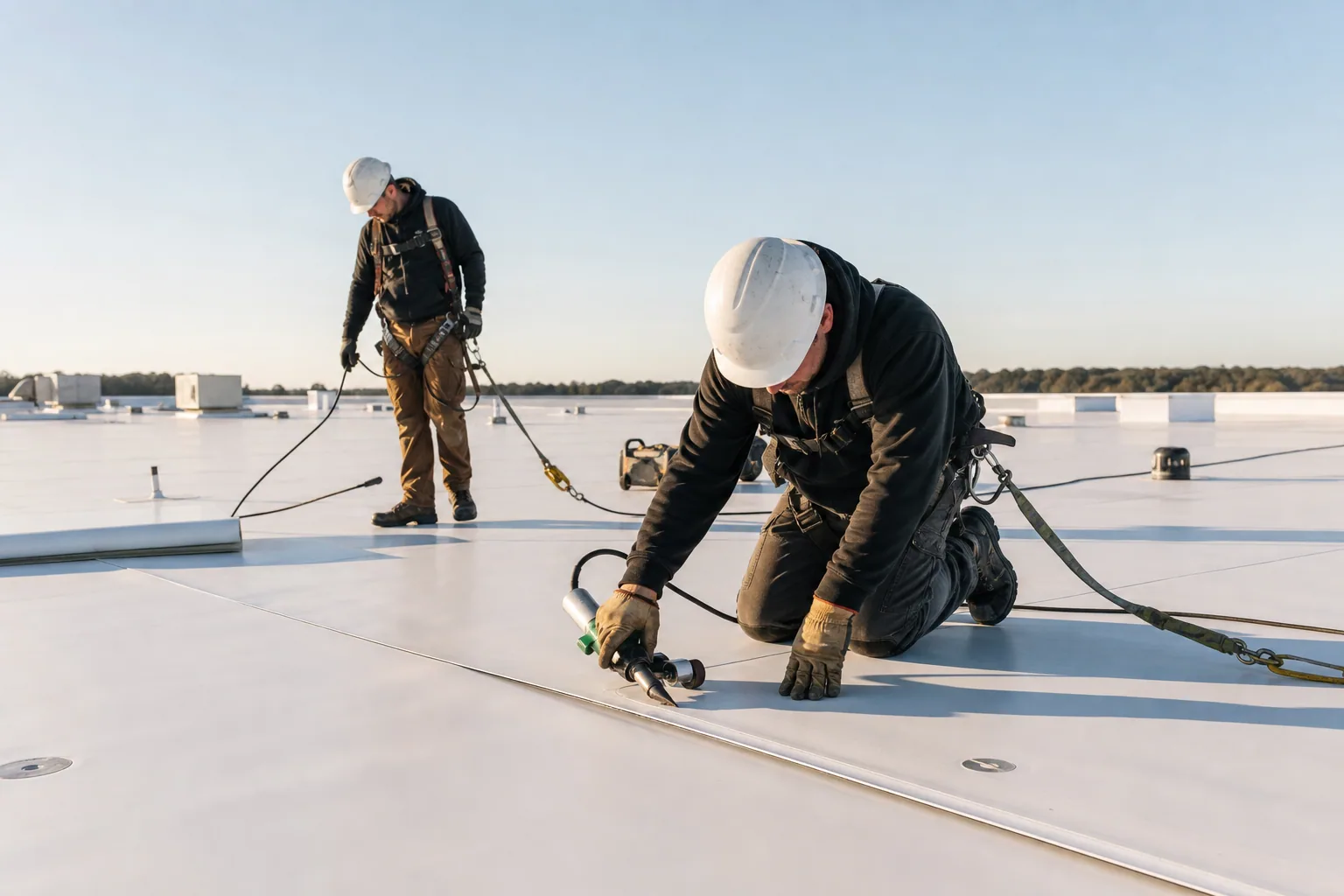
A localized blister, split, or puncture can be repaired when the surrounding assembly is bonded, dry, and suitable for a tie-in. We identify the layer being repaired and restore aggregate or coating protection after the membrane detail is secure. If water has spread between plies or insulation, a surface patch may leave the source below. A roof repair scope should state the test results and any concealed condition that remains open.
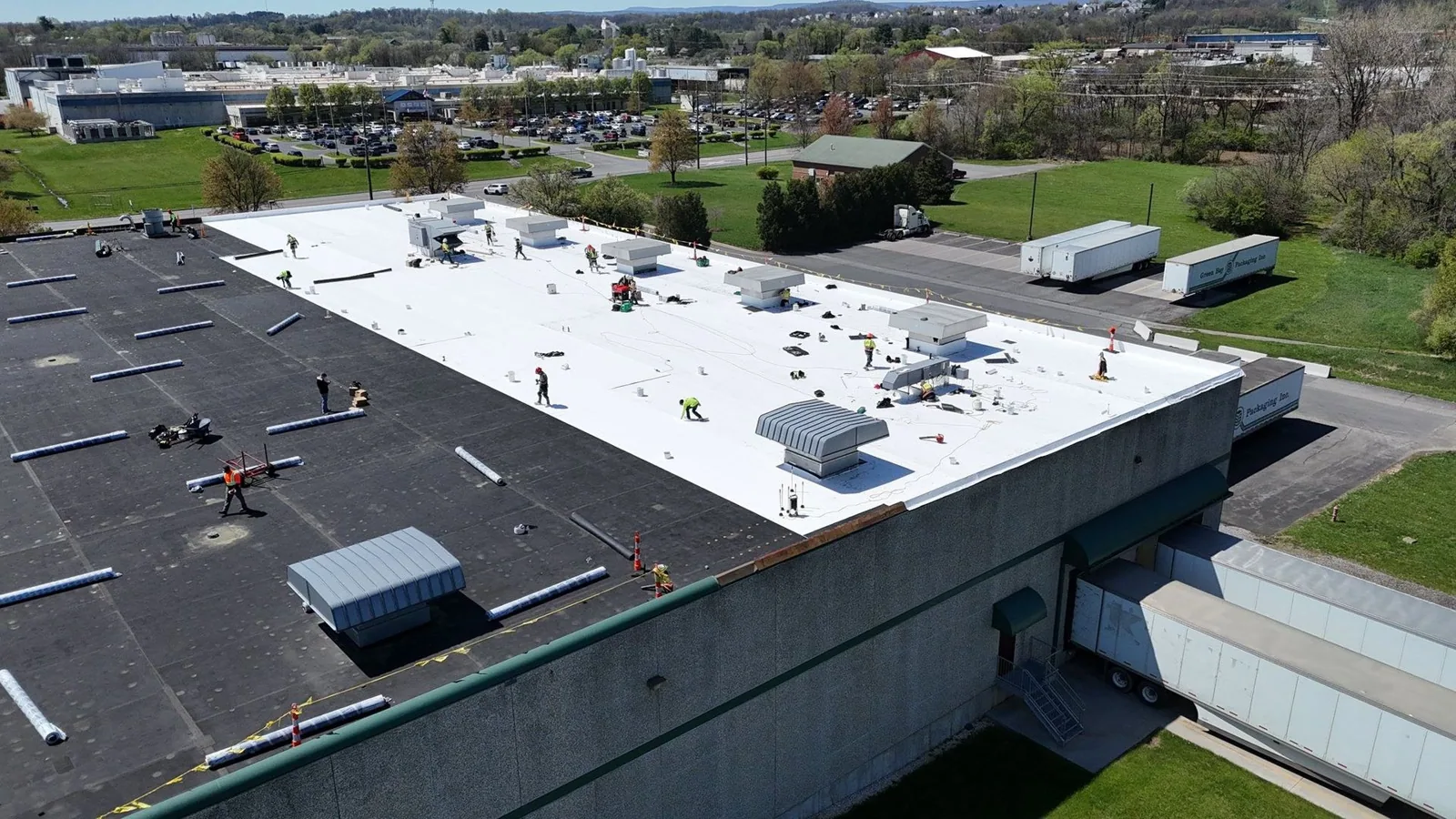
A recover can reduce tear-off, but the existing roof must meet project limits for moisture, attachment, weight, drainage height, and edge conditions. Tear-off exposes the deck and lets the owner address wet insulation or unstable layers. Modified-bitumen systems also use reinforcing sheets, though their materials and installation details differ. A modified-bitumen assembly or EPDM membrane may be compared for renewal when the roof geometry supports it. A replacement assessment can set the full removal and transition boundary.
When the owner compares near-term repair with replacement, include the disruption caused by access, material handling, debris removal, and protected operations below. A phased tear-off can spread the work window, while a single mobilization may simplify staging where building use allows. We describe both the production assumptions and the dry-in boundary so the schedule is visible beside the system recommendation.
Rain protection and construction timing
Built-up work needs a sequence that protects exposed felts and bitumen before rain returns. We set the day’s removal limit, have dry-in materials ready, and confirm that drains remain open during construction. Hot, humid summer conditions can affect the working window and material handling. The actual substrate and product requirements control whether work continues. Each shift closes the assembly at a boundary the owner can inspect and the crew can secure against weather.
Hail and damaging thunderstorm winds recur across North and Central Georgia. After a reported event, we document displaced edge metal, punctures, loosened flashing, or debris damage at the property and distinguish observed impacts from routine wear.
Maintain a useful roof history
The closeout should show the roof section, layers found, repair method, material, aggregate restoration, drainage condition, and photos from each test cut. If a test exposed wet insulation, record the affected area and the approved closure. A later inspection can revisit the same coordinates and compare the assembly without reopening the entire roof. We also identify areas not reached because of equipment, access, or safety limits.
Send prior roof reports, leak history, drawings, access needs, and the budget window. We can prioritize test openings, local repairs, and renewal options separately. A capital review can connect the verified condition with the owner’s schedule for future work without treating every built-up roof as the same age or construction.
Questions About Built-Up Roofing
How do you find moisture beneath built-up roofing?
We compare leak reports with surface conditions and use a moisture survey or test cut when it can change the scope. An opening shows the actual plies and insulation at that location; a surface reading alone does not confirm the full assembly.
Can loose aggregate be restored after a repair?
Yes, when the repair is complete and the selected system calls for aggregate protection. We prepare a sound membrane tie-in, then restore surfacing in the approved area and record the finished condition.
When is a built-up roof a recover candidate?
Layer count, moisture, attachment, deck condition, weight, drainage, and edge height all need review. We document those factors and identify any testing required before comparing a recover with removal.
What can cause a leak in a built-up roof?
A leak can enter through a split, puncture, failed flashing, drain detail, or movement between layers. We trace the likely water path and verify the affected material before defining permanent work.
How should test cuts be documented?
Record the roof zone, date, layers exposed, insulation condition, photographs, closure method, and the owner’s decision. That detail lets a future scope distinguish tested areas from assumptions.
Review a built-up roof
Share roof plans, repair history, leak areas, available test results, access limits, and the budget window. We will return a prioritized review with testing and repair actions by section.
Call 555-555-5555 or send the building details.