Commercial Roofing on the Hammond Drive Corridor, Sandy Springs, GA
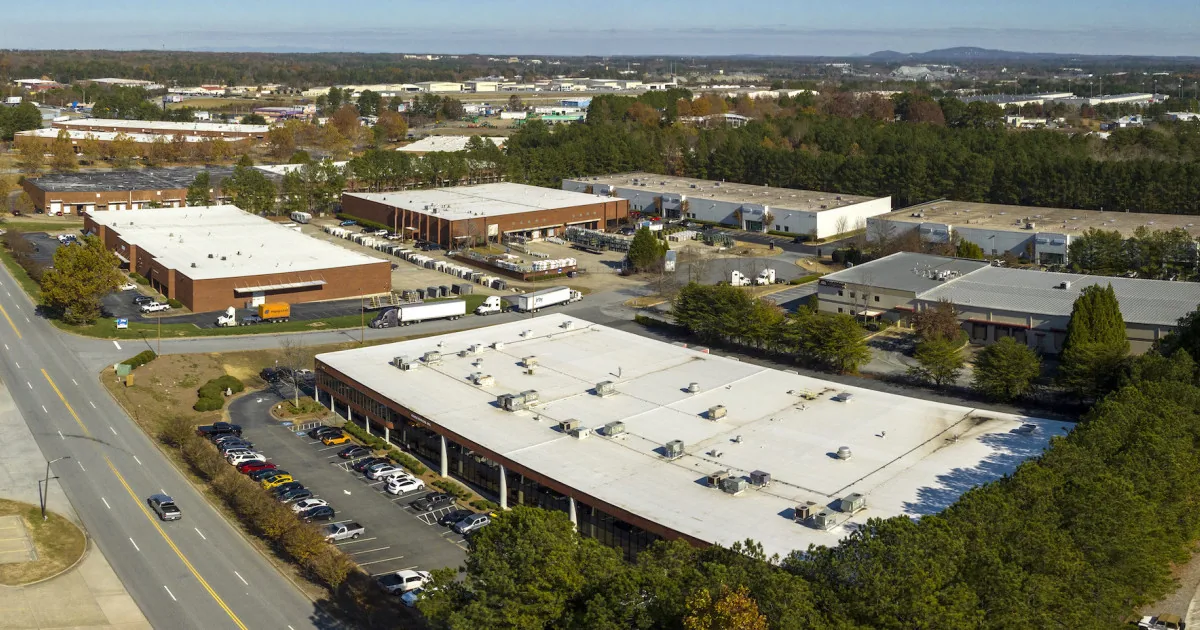
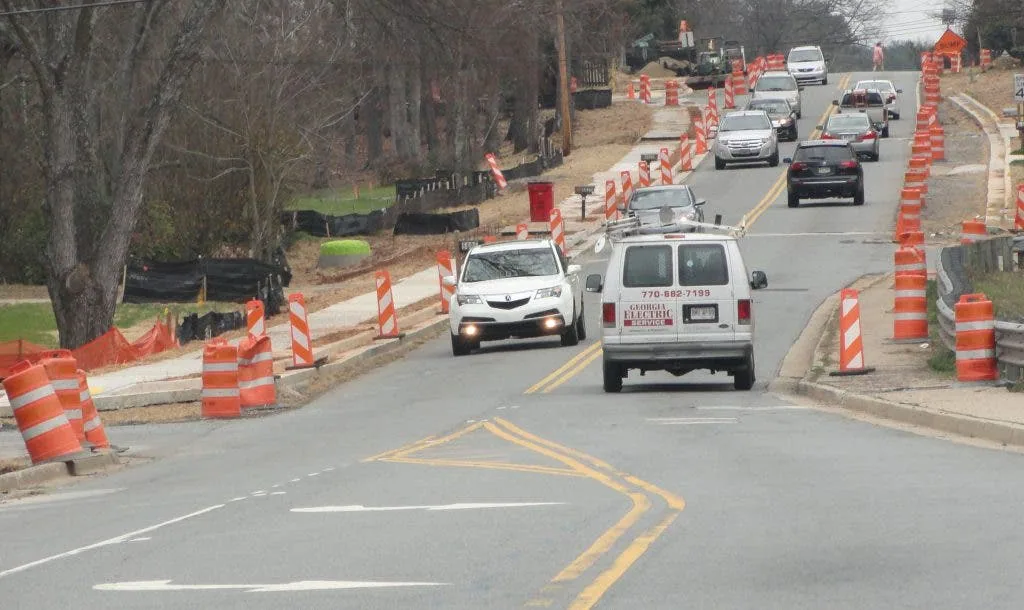
A commercial roof capital plan along Hammond Drive needs more than a renewal year copied across a portfolio. The City of Sandy Springs’ Hammond Drive Improvements project covers the section between Roswell Road and Glenridge Drive and includes a multi-use path along both sides of the road, with pedestrian crossings at four locations. The planned crossings and paths make staging and delivery routes worth confirming before work begins. We inspect each building’s roof section, access, drainage, and repair record, then compare immediate work with the owner’s budget window. The inspection still sets roof scope and project priorities for each property.
Office operations and roof access
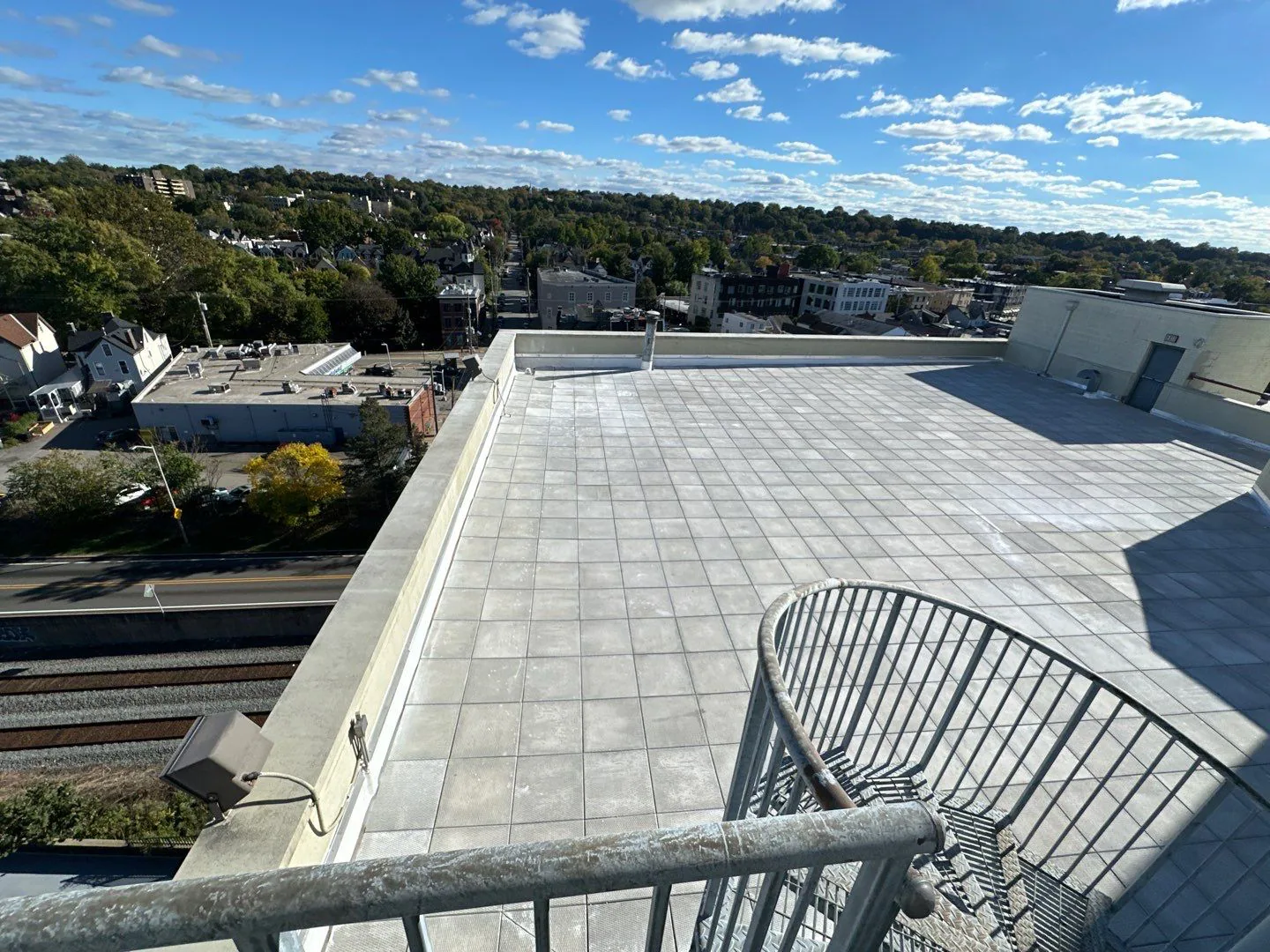
Before mobilizing, confirm roof entry, security procedures, loading, tenant hours, equipment routes, and areas that cannot be interrupted. A roof plan should identify hatches, ladders, guardrails, mechanical equipment, and staging limits. If material must be hoisted, determine where it can be positioned without obstructing building access. We coordinate these details with the property contact rather than assume properties along the corridor share one operating schedule.
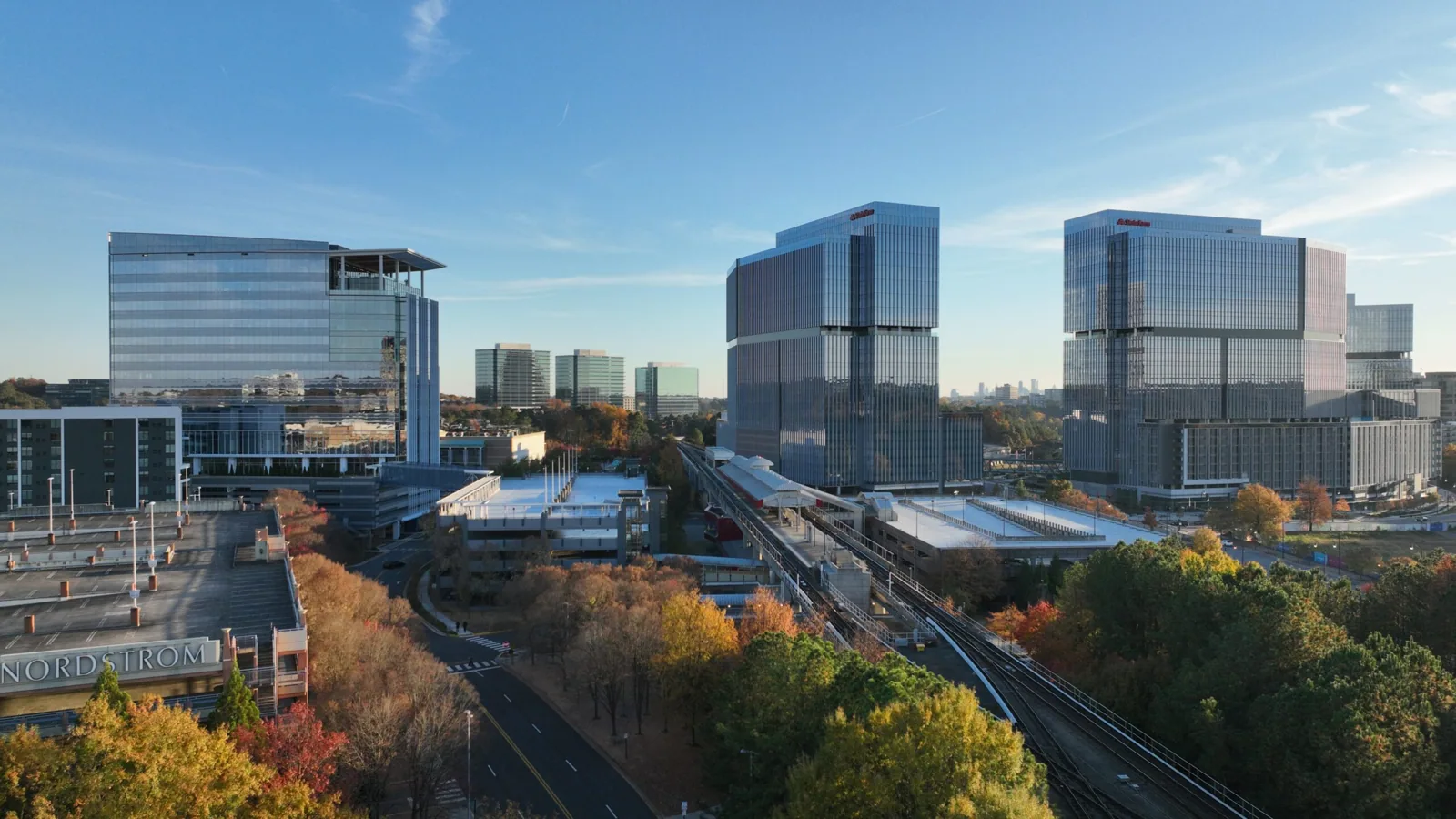
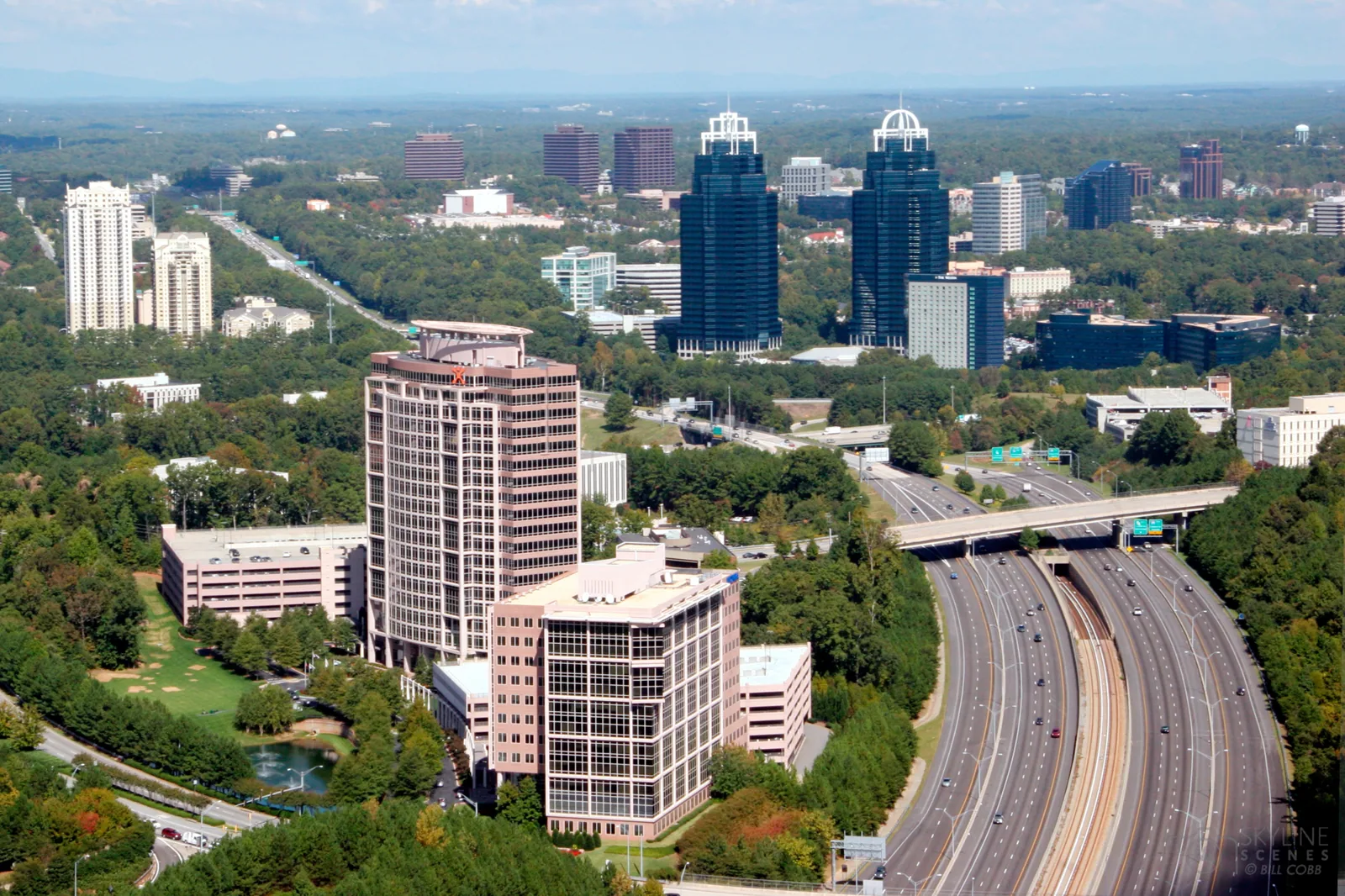
Interstate 285, Georgia 400, MARTA rail, and commuter routes provide the district’s transportation framework. Central Perimeter also includes four MARTA stations. The Central Perimeter office area and the Johnson Ferry and Abernathy Road corridor have their own property contexts. Along Hammond Drive, access still depends on its approved route, security, work hours, and roof layout.
Occupied offices may require coordination for noise, deliveries, or temporary access restrictions. We break work into areas with defined start and closure points, identify any equipment that must remain in service, and confirm who approves a shutdown. That plan can change labor and duration, so it belongs in the scope before pricing is finalized.

Roof condition and asset record
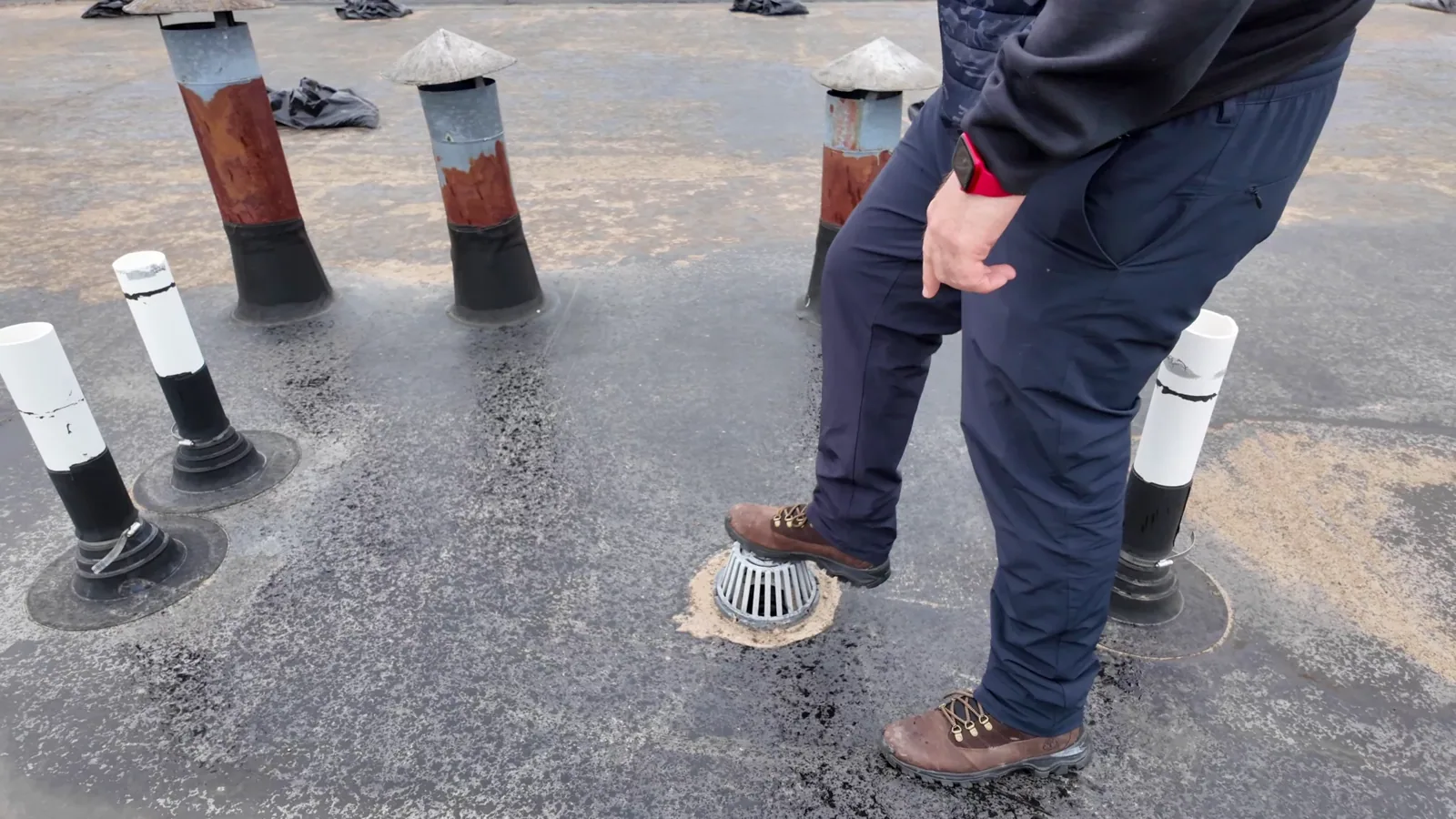
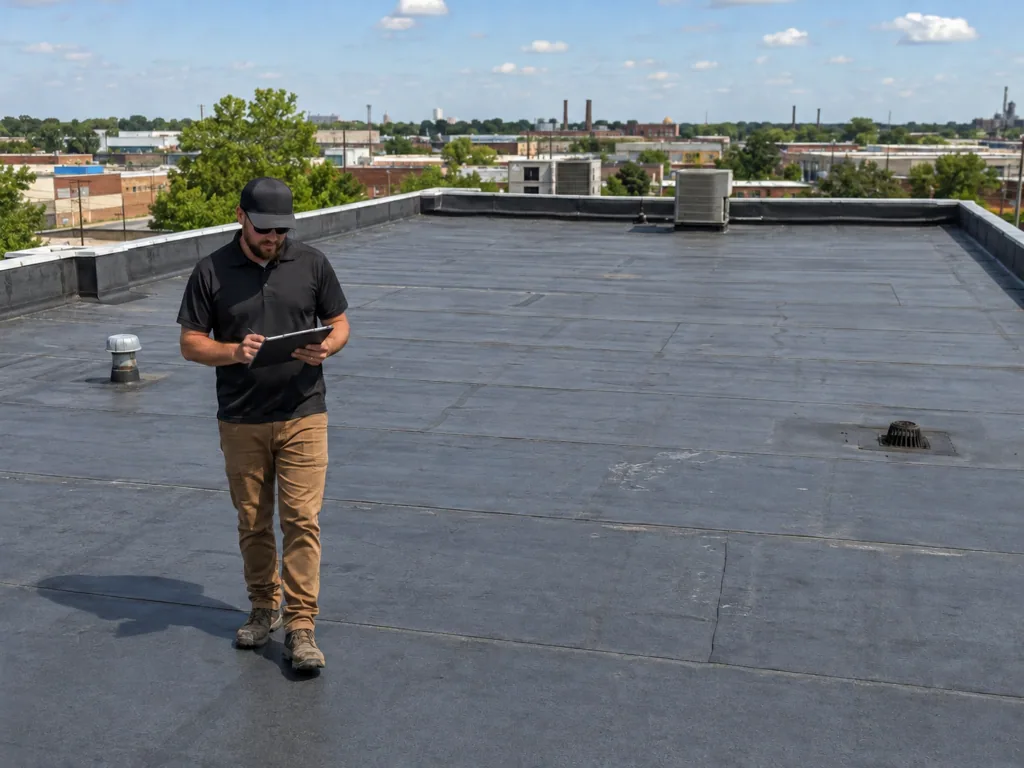
We identify the membrane or metal assembly, visible attachment, repair history, and transitions before estimating a repair. The walk covers seams, curbs, pipes, drains, scuppers, parapets, edge metal, and roof-to-wall details. Leak reports are tied to roof-zone labels rather than treated as proof of the entry point. The record separates confirmed defects from suspected moisture and identifies where access prevented a conclusion. For an office property, also map service paths around rooftop units, screen walls, and mechanical equipment. That allows facilities staff to see which work area could affect equipment access and whether the next inspection needs an escort or shutdown window.
Sandy Springs summers are hot and humid. Atlanta metro summers bring daytime highs near 90 degrees in July and August, with overnight lows around 72. Heat can influence material handling and work windows, while summer rain makes an end-of-shift dry-in plan important. We limit exposed area to what can be safely prepared and secured, and record the forecast and substrate condition that affected work.
Drainage deserves separate attention. Across the Atlanta metro, monthly precipitation averages more than four and a half inches from January through March. We inspect outlets, low points, overflow paths, and nearby membrane, then record whether water remained after rainfall where visible. A roof drainage review can help distinguish a restricted outlet from a slope or assembly problem. The commercial roof inspection also records access limits and conditions that need testing.
Repair sequence and work boundaries
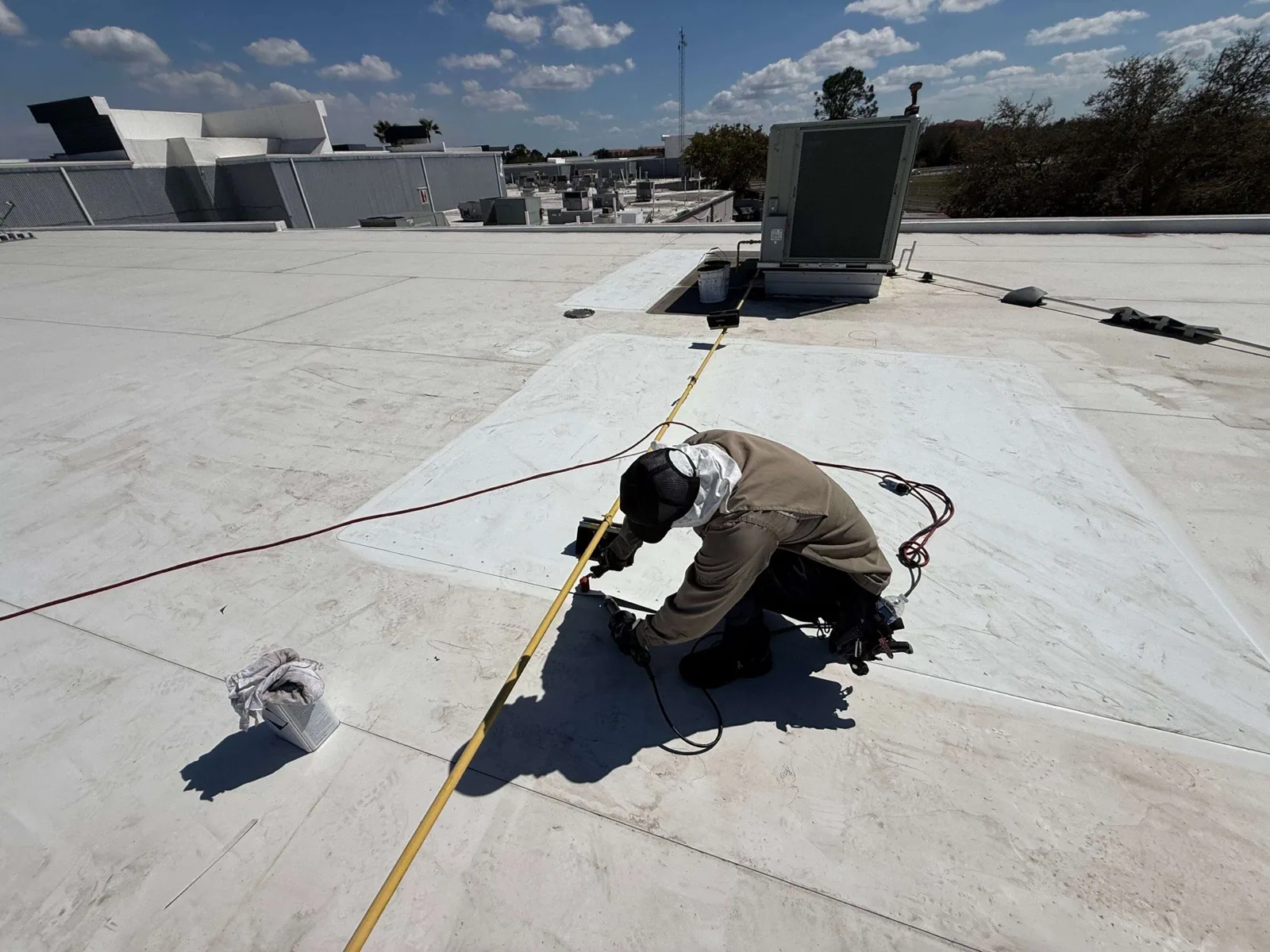
A localized seam defect, puncture, or flashing failure may be repairable when the surrounding system is sound. We define preparation, materials, the roof zone, and the conditions left outside scope. If failures recur around multiple penetrations or moisture spreads past the reported leak, investigate the broader area before pricing another isolated patch. A commercial repair scope should say what is corrected and what could still affect the next decision.
Storm response also needs a building-level record. Regional hail and thunderstorm wind climatology helps explain why an owner may request inspection, but it does not show that a Sandy Springs property sustained damage. We document actual punctures, open seams, displaced edge metal, and flashing separation. A hail review can record tested areas and mark sections that could not be accessed.
Temporary stabilization buys time but remains an interim action. Keep its material, location, and follow-up date in the maintenance file. If the permanent work moves to a later budget year, track the exposed condition and inspect after relevant weather or mechanical work. This helps ownership see which deferred items still require attention.
Recover or replacement analysis
A recover may reduce removal but only if the existing assembly, attachment, moisture, drainage height, deck, and applicable requirements support another layer. Replacement removes existing roofing and exposes concealed conditions, with added debris and access demands. We compare the options against a consistent measured area and state which test results could change quantities or schedule. A recover feasibility review can assess the existing layers before ownership commits to that approach.
Georgia follows state construction codes, and the authority having jurisdiction confirms the applicable edition and amendments. Insulation, edge securement, fire classification, equipment curbs, and roof height all matter to the final detail. We list the questions that need design confirmation and separate those from conditions documented during the roof walk.
Where a roof has additions or repairs from different dates, keep each system and transition distinct. The TPO system may have different seam and flashing requirements from an adjacent metal or bituminous area. We identify material based on records and field clues, not the office market label or a neighboring property.
Budget window and closeout file
Access equipment, occupied hours, material staging, wet insulation, deck repair, edge work, removal, and disposal drive cost and duration. We show those factors by roof section so owners can compare urgent repair with planned renewal. A capital planning review can rank actions using documented condition, operational effect, and budget year. A corridor mobility project is not evidence of roof condition; project scope and timing come from the individual building’s inspection and owner priorities.
Keep roof-zone maps, photos, moisture test locations, drain observations, system identification, repairs, and unresolved questions together. A condition report connects each recommendation to its evidence and gives the next inspection a baseline. If access or equipment changes, update the record so future work uses the current roof plan.
Share available plans, leak reports, system history, prior repairs, access rules, and budget timing. We will inspect the building and return prioritized actions with clear limits and follow-up. That gives ownership a decision sequence it can apply to the roof under review without treating the wider office market as one asset. Record which recommendations are ready for authorization and which await testing, design, or a tenant schedule so the budget request can distinguish committed work from unresolved exposure.
Questions About Hammond Drive Corridor
Does the Hammond Drive corridor project mean nearby roofs are due for replacement?
No. The city project addresses corridor mobility and safety, not roof age or condition. We inspect the individual building and set timing from its system, repair history, moisture, drainage, and access.
How do you plan roof work in an occupied office market?
We confirm security, loading, tenant hours, equipment dependencies, and roof entry with the property contact. The scope sets work zones and secure stopping points around those building-specific requirements.
What should be checked after heavy rain on an office roof?
We inspect drain bowls, scuppers, low areas, seams, penetrations, and any reported leak path. The record notes where water remained and what needs cleaning, testing, or repair.
Can one inspection report cover several buildings along Hammond Drive?
A portfolio can use common reporting fields, but findings remain tied to each building and roof zone. We record separate systems, access limits, and condition so a stable roof does not inherit another building’s scope.
Which records help compare a roof recover with replacement?
Use the roof map, assembly identification, moisture results, attachment clues, repair history, deck findings, drainage notes, and access requirements. Those details show what is confirmed and which questions remain open.
Set a Hammond Drive corridor roof review
Share roof plans, leak locations, inspection records, access requirements, and budget timing. We will return a prioritized sequence by roof section.
Call 555-555-5555 or send the building details.