Commercial Roofing for Real Estate Investors and REITs in Sandy Springs, GA
A roof condition becomes an investment decision when the owner has to compare near-term cash flow with deferred exposure. We inspect the assembly, current water path, repair history, and access limits before assigning a renewal interval. Sandy Springs, GA, has a commercial inventory exceeding 60 million square feet across several property uses. Central Perimeter is a large employment district with a daytime workforce that more than doubles the residential population. That density makes work timing relevant, but the roof decision still follows building-level evidence. We separate active failures, monitored conditions, and capital candidates so a portfolio can move through review without treating every asset as equivalent.
What should due diligence verify?
A due diligence survey should identify the observed system, areas accessed, visible defects, interior reports, and remaining uncertainty. Roof plans and seller records can direct the review, but they do not establish the condition of every section. We compare those documents with seams, drains, edges, penetrations, and representative test locations. A roof due-diligence survey can describe immediate water exposure and the investigation needed before closing. The report ties photographs to roof zones and distinguishes observed conditions from estimates. Investors can then compare repair allowances with planned capital and note when additional testing could change the decision.
A transaction file should distinguish a roof walk from destructive testing. We state which sections were visible, whether interior access was provided, and where records were missing. If a test opening is recommended, the investor can decide whether to complete it before closing or carry a defined allowance. The report includes the result that would change the scope, not a general warning to investigate further. That makes uncertainty measurable for a purchase committee and keeps a provisional quantity from appearing as completed work. We can also note whether temporary protection is needed before the next occupancy or weather window.
How does the roof affect the hold period?
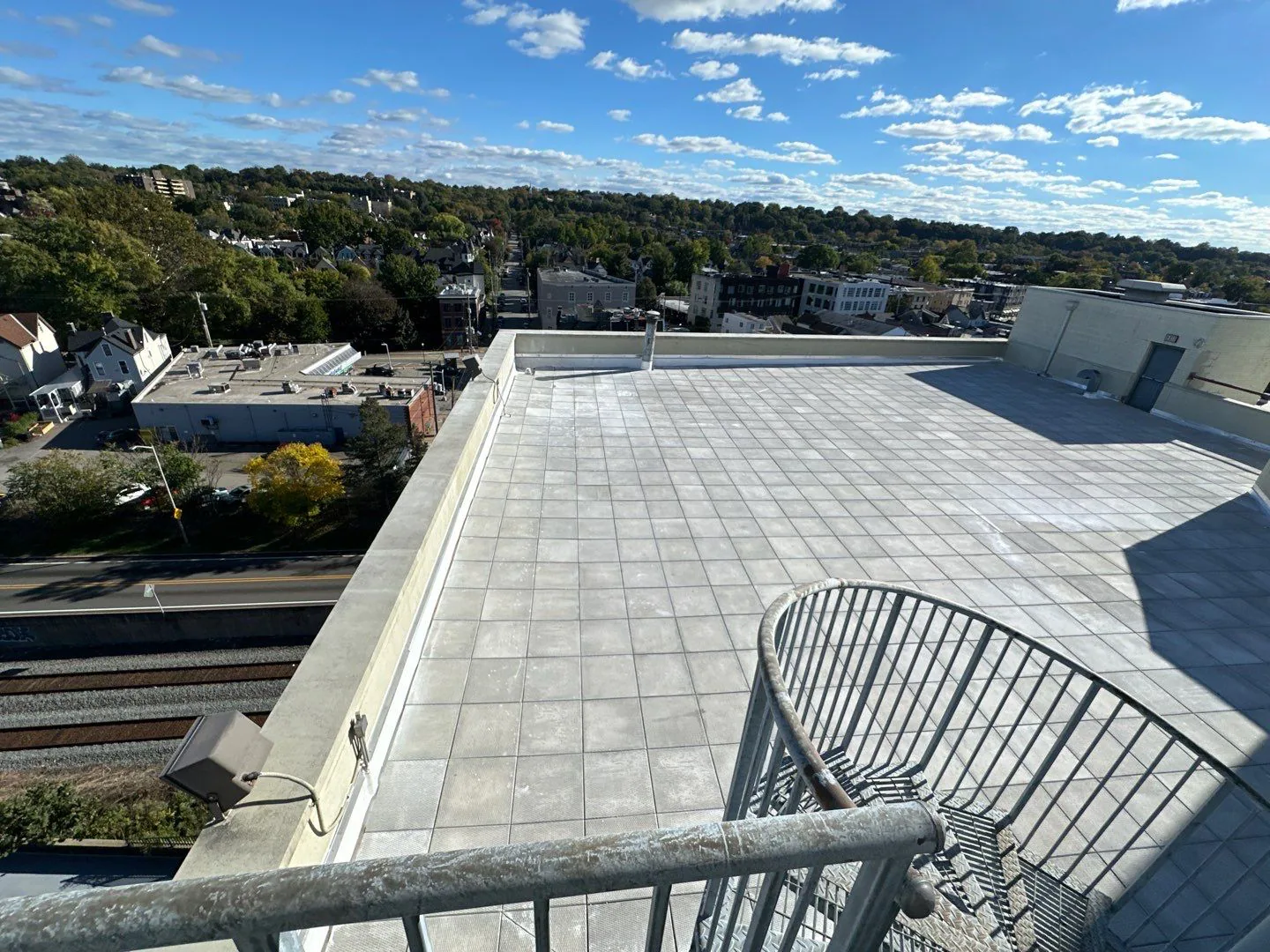
A near-term repair can protect occupancy while a broader renewal waits for the next capital window. That works only when the repair boundary is sound and the remaining roof is monitored. We identify repeated failures, moisture, attachment, drainage, and transitions that affect service life. A photo condition report gives asset teams a baseline to compare at later reviews. If the property remains stable, the next action may be a seasonal inspection rather than replacement. If evidence shows broad deterioration, delaying the project can add interior repairs and disrupt tenant plans. The recommendation describes the condition that would prompt a return or expand the scope.
A property-management operating plan connects the roof recommendation with tenant notices and service calls after acquisition. The investor still needs to know which roof conditions require capital and which can remain in maintenance. We identify active entry, deferred exposure, and the next review interval separately. If a manager inherits incomplete records, a new inspection can establish a baseline without implying that prior work was ineffective. The field record uses locations and photos that the asset team can carry into later underwriting, budgets, and owner reports.
What does the local asset mix change?
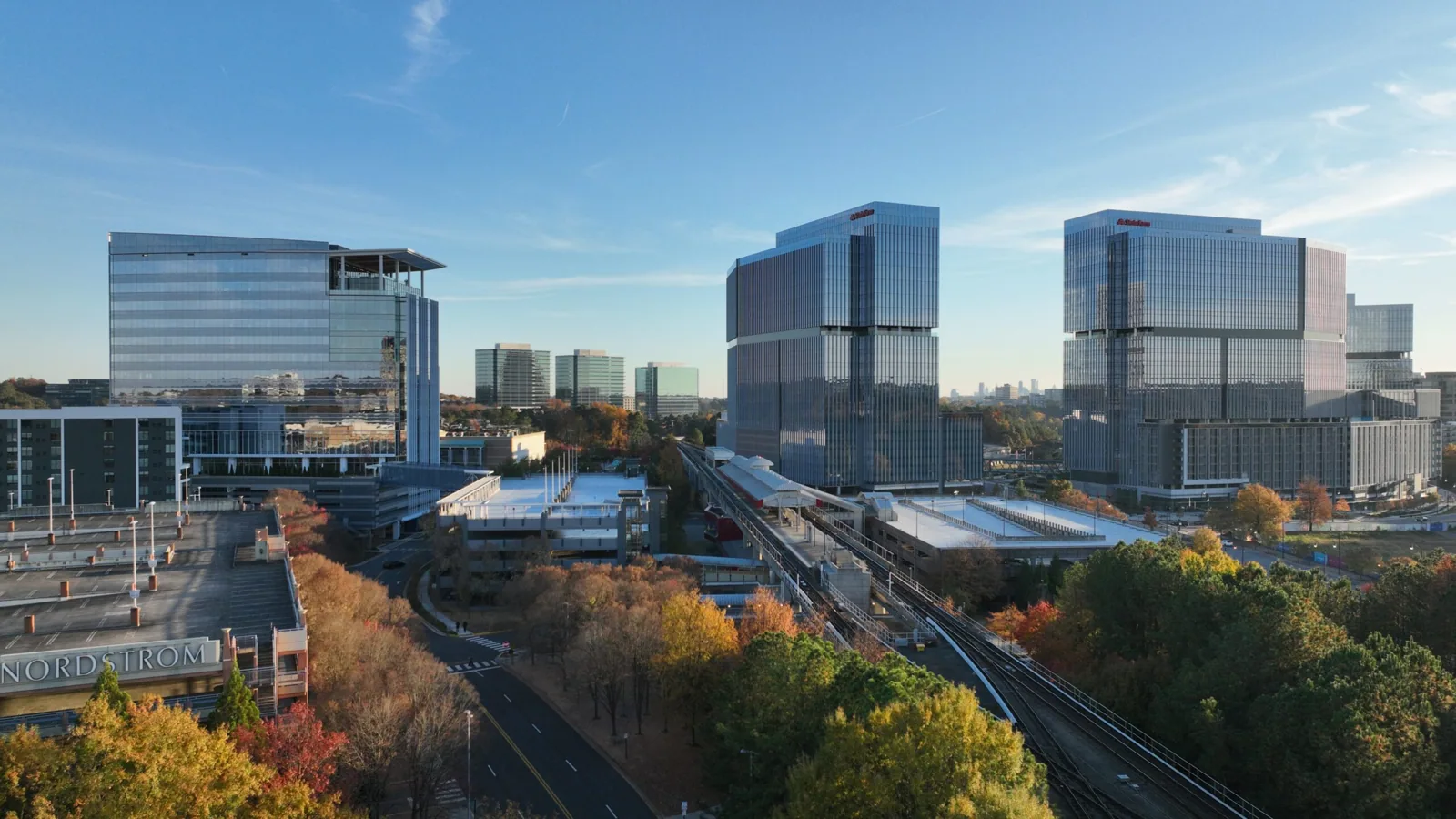
Central Perimeter combines corporate offices, transit-served buildings, and a broad regional workforce. Powers Ferry has smaller office, retail, and hospitality uses near I-285. Those districts present different occupancy and staging patterns. We confirm each property's access, tenant hours, loading rules, and equipment interfaces before setting a work window. A Perimeter District review frames the local context; it does not substitute for a site inspection. An asset at one end of the market may need an after-hours sequence, while another can be divided into roof sections and closed during a standard shift.
Portfolio comparisons are most useful when the same evidence fields are used across buildings. We track roof type, accessible area, reported leaks, repair boundary, moisture testing, edge condition, drains, and remaining open items. A healthcare property review may place more weight on access and continuous occupancy; a conventional office asset may have different work hours. In either case, we do not transfer a condition from one address to another. A portfolio summary can rank decisions, while the underlying report remains tied to the actual roof, lease, and site contact.
How should capital options be compared?
Repair, recover, and replacement estimates should use the same roof boundary, insulation assumptions, drainage scope, and access plan. We identify tear-off, perimeter work, equipment curbs, disposal, and protection as separate cost drivers. A recover assessment checks attachment, moisture, layer count, and flashing clearance before proposing another assembly. If concealed conditions may change quantities, we name a test or allowance and the approval step. This lets an investment committee compare a near-term repair with a broader project without mixing confirmed work and contingency. A capital plan can put the decision into a staged renewal sequence tied to the hold period and budget year.
How do occupied properties stay productive?
Tenant access, equipment shutdowns, and delivery windows determine how a roof package is sequenced. We mark lift positions, staging, interior protection, daily dry-in limits, and each trade interface. The phased work plan defines a closed section before another zone opens. If a tenant fit-out adds rooftop equipment, the contractor confirms the opening and flashing responsibility in advance. Concourse Office Market is a major Perimeter office opportunity site, and the district's workday density makes coordination a practical schedule issue. We record the actual building constraints rather than infer them from a district designation.
What evidence should investment teams retain?
Keep the roof map, inspection photos, test results, repair quantities, open conditions, and follow-up trigger with the asset file. A portfolio record helps compare buildings using common fields while keeping their assemblies distinct. Management can then see which findings are confirmed and what could alter timing. Share acquisition plans, hold period, tenant schedule, roof history, and the budget window. We will return a prioritized review with immediate protection, near-term work, and capital options. The result is a decision record that a lender, operator, or future buyer can interpret without relying on an undocumented verbal handoff.
A roof project can also intersect refinancing, tenant renewal, or façade work. We identify what must happen before the planned milestone, which tasks can be phased, and what scope depends on concealed conditions. If an addition or tenant improvement is planned, the general contractor should identify new penetrations and rooftop equipment early. The roofing estimate then names the interface, sequencing, and daily dry-in. The investor can compare project timing with rent, vacancy, and operational windows without confusing those business assumptions with an observed roof fact. Closeout keeps approved changes and remaining work visible to the next asset review.
Questions About Real Estate Investors and REITs
Can a buyer rely on the prior roof report?
Use it as a starting record, then confirm the areas, date, and scope. We note what was accessible and whether changed conditions or missing tests could affect the decision.
When is a repair preferable to replacement?
A defined repair can fit when the failure is localized and adjacent material supports a durable tie-in. Broad moisture, weak attachment, or repeat failures may justify a larger project.
Can an investor compare several buildings in one report?
We can use a consistent format across assets, but each roof retains its own map, assembly, and findings. The summary can rank actions without merging site conditions.
What should be included in a capital allowance?
State the roof areas, tear-off assumptions, insulation, flashing, drainage, equipment work, access, and concealed-condition process. We separate observed quantities from allowances.
How do you account for tenant operations?
We coordinate access, notices, staging, and work windows with each property contact. Daily dry-in and closeout are tied to the actual roof zone.

Review roof exposure by asset
Share the roof plans, repair history, transaction timing, tenant schedule, and budget window. We will map the evidence and define the next investment decision.
Call 555-555-5555 or send the building details.