Roof Systems in Sandy Springs, GA

Compare membrane, metal, and coating systems for Sandy Springs commercial roofs using assembly condition, drainage, exposure, and repair history.

Roof Systems in Sandy Springs, GA

Roof Systems in Sandy Springs

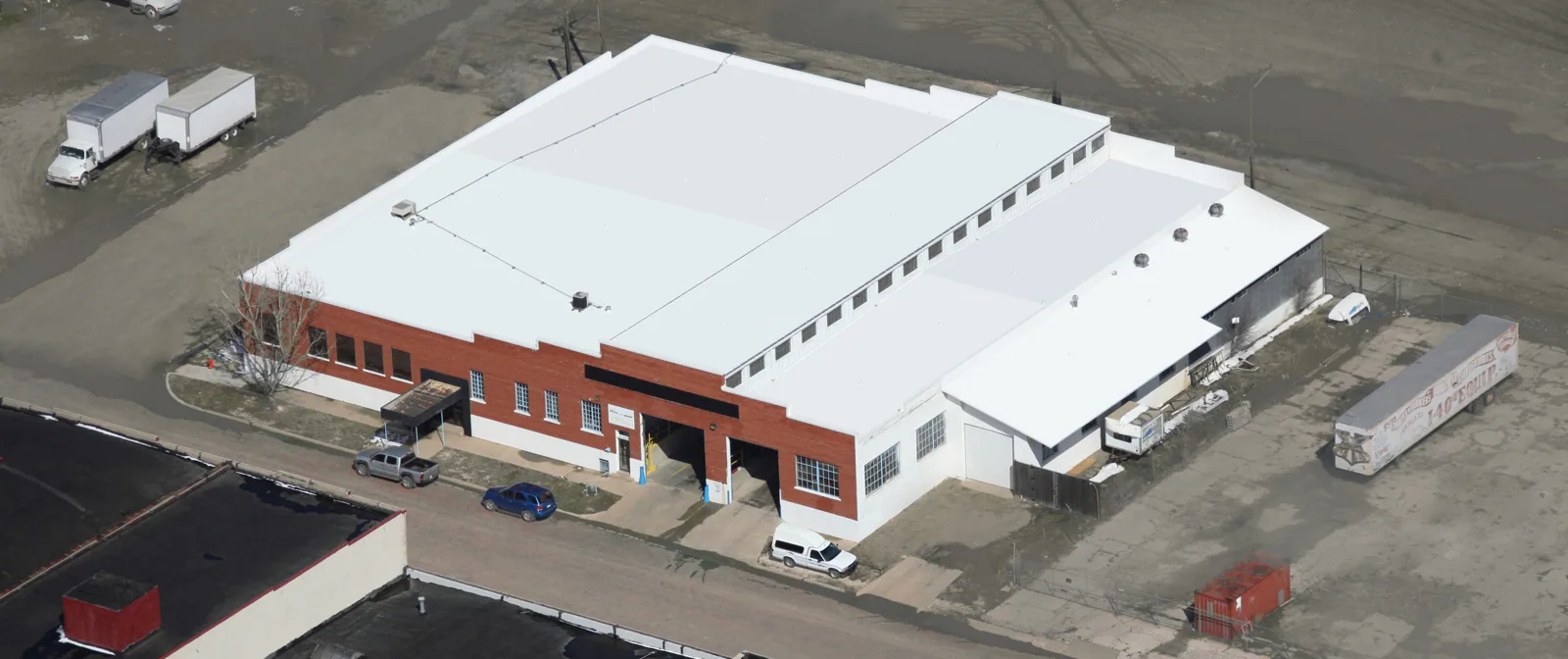
A roof system decision starts with what is installed, how it is attached, and which details have changed over time. In Sandy Springs, heat, humidity, frequent rain, and regional hail and wind exposure make seams, drainage, and perimeter details important to the condition record. We identify the assembly before recommending a repair, recover, coating, or replacement. A Central Perimeter office building and a North End commercial property may need different access plans even when their membranes appear similar.
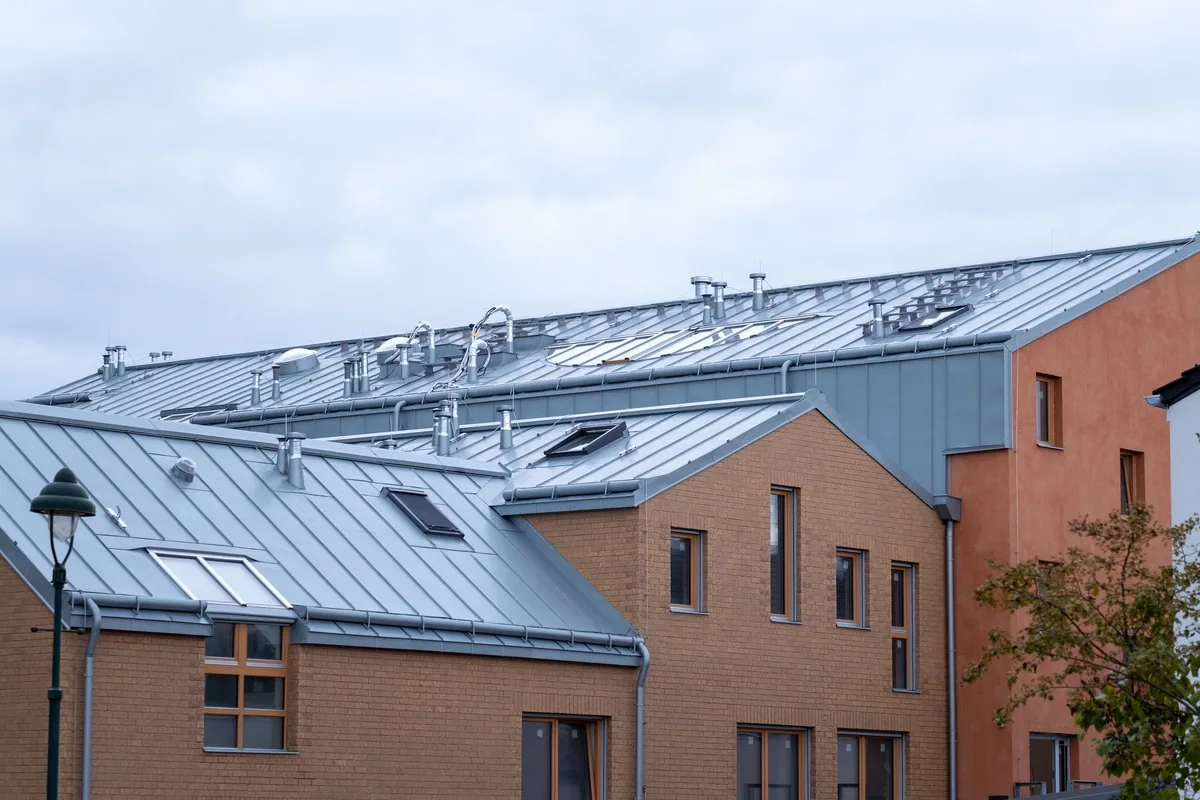
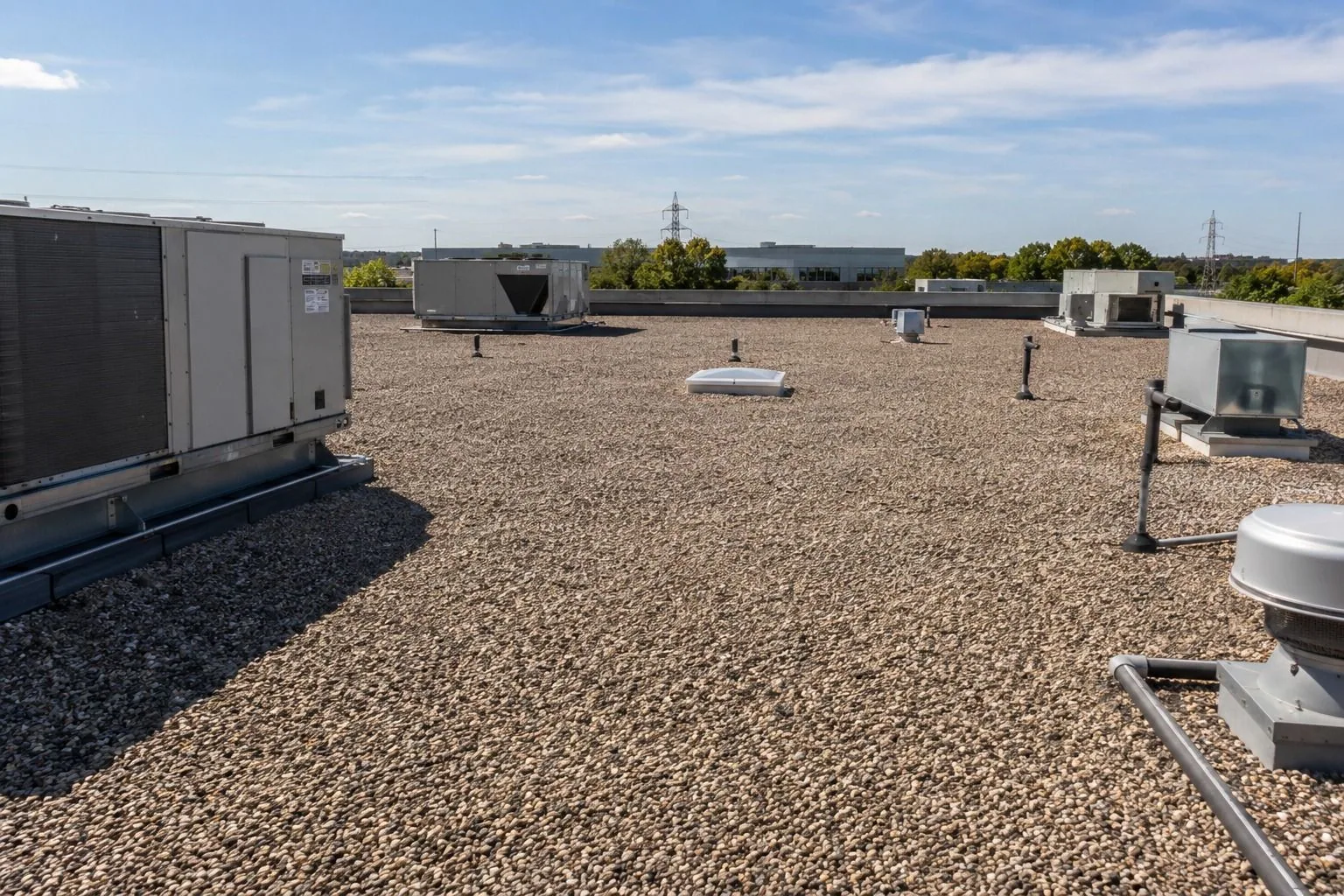
Single-ply and built-up assemblies

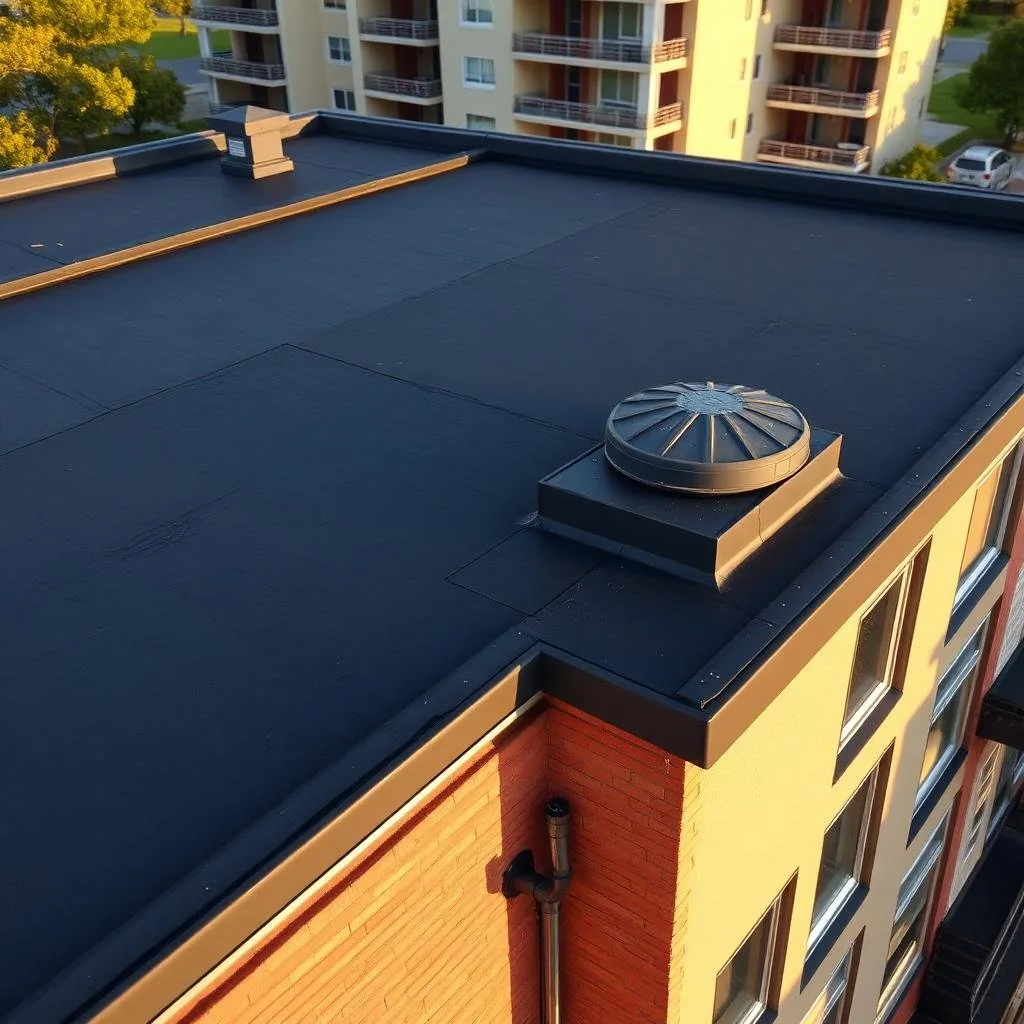
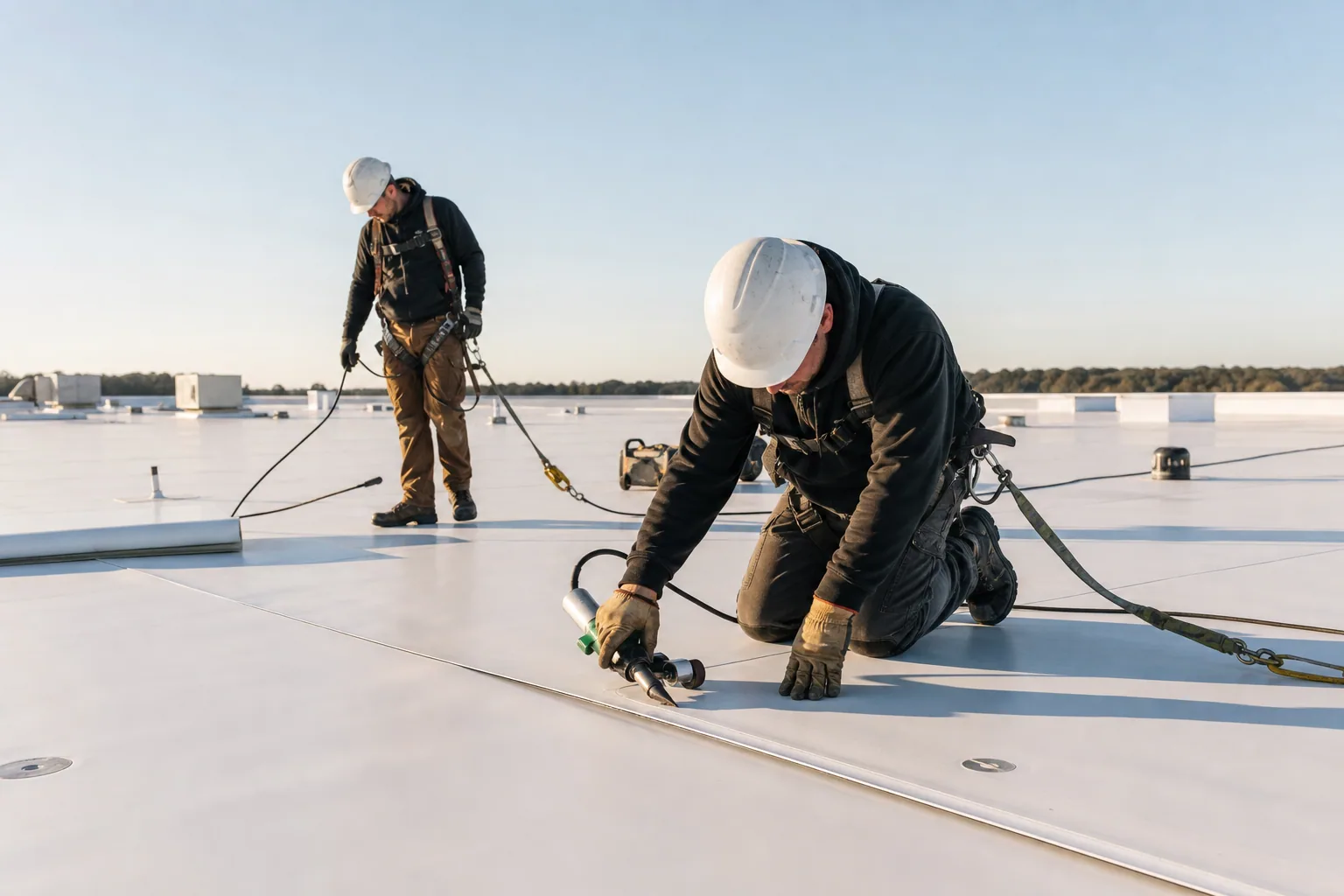
Thermoplastic membranes use heat-welded seams, while EPDM relies on adhered or mechanically fastened sheets with taped or bonded joints. A TPO roof, PVC assembly, EPDM system, and KEE membrane each require compatible repair materials and seam methods. Modified bitumen and built-up roofs use layered assemblies with their own surfacing and flashing details. We verify the actual material and repair history instead of inferring system type from a building’s use.

Roof Systems in Sandy Springs, GA

Metal, foam, and coating choices

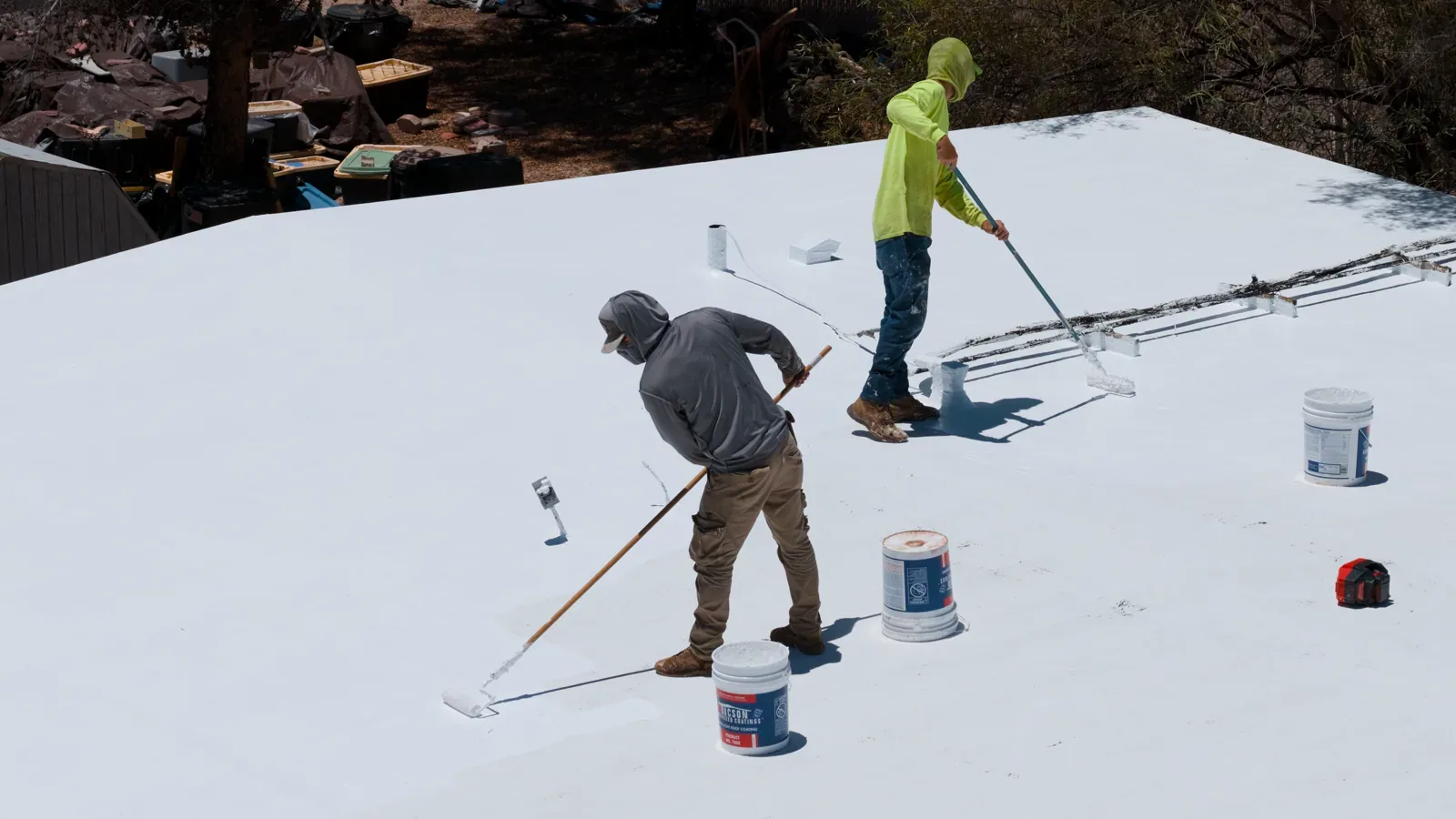
Standing seam panels, retrofit metal systems, and spray polyurethane foam respond to different substrate and attachment conditions. A standing-seam metal roof needs attention at clips, seams, penetrations, and terminations; a metal retrofit must account for the existing deck and support layout. Coatings can restore suitable surfaces when preparation and detail conditions support the application. We inspect first, then compare silicone or acrylic systems against the roof’s exposure and drainage.

Match the system to the evidence

Sandy Springs’ hot, humid summers and frequent rainfall put drainage and work windows into the condition review. Weather context can shape inspection timing, while observed assembly details determine whether a repair or broader work is warranted. The inspection records seams, fasteners, insulation, edge securement, curbs, drains, and moisture evidence. A moisture survey may help define test locations when surface observations leave uncertainty. Replacement and recover options are compared only after existing layers, attachment, deck, and code requirements are understood.

Roof Systems in Sandy Springs, GA

Keep maintenance tied to the assembly

For every system, note material identification, repair method, products used, tested zones, and any limits on access. Hail and thunderstorm winds recur across North and Central Georgia. A dated storm report gives an owner a point to compare with inspection photos, repair history, and current seam or edge conditions. A written condition trend gives ownership a basis to plan inspection intervals, maintain drainage, and compare a targeted correction with broader renewal.

Roof Systems in Sandy Springs, GA

Questions About Roof Systems

Can a roof material be identified from a photograph?

A photo can narrow the possibilities, but records and field details provide stronger confirmation. We check seams, attachment, flashing, and repair evidence before specifying materials.

Which system is best for a Sandy Springs building?

The decision turns on the existing assembly, deck, drainage, exposure, operating needs, and budget window. We compare compatible options after inspection rather than assign one system across different assets.

Does a coating work on every membrane?

No. Surface condition, material compatibility, moisture, prior coatings, and detail preparation affect suitability. We inspect and identify testing or preparation required before recommending an application.

When should a recover be considered?

Only after existing layers, attachment, moisture, deck condition, drainage height, and applicable code support another assembly. The evaluation should identify assumptions that could change scope.

Confirm the roof system before setting scope

Share assembly records, leak history, repair details, and roof access rules. We will inspect the system and compare repair or renewal options against its condition.

Call 555-555-5555 or send the building details.

Call555-555-5555