Spray Polyurethane Foam Roofing in Sandy Springs, GA
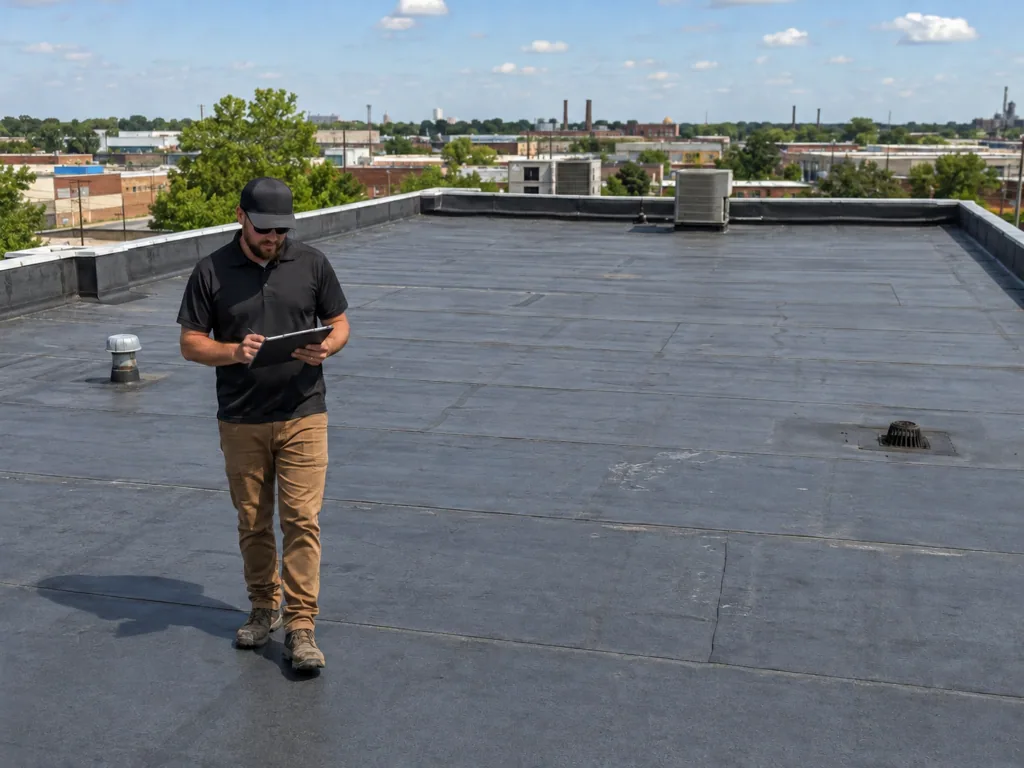
A spray polyurethane foam roof depends on the bond between the substrate, foam, and protective coating. A continuous field can still fail where water collects, coating wears thin, or a curb interrupts the surface. We inspect the underlying roof where accessible, map foam condition, check drainage, and measure the protective layer before recommending repair or recoat. Sandy Springs’ hot summers and frequent rain make coating condition and daily dry-in central to the maintenance plan. The owner needs a roof-zone record that shows what can remain and what requires preparation or replacement.
Substrate, moisture, and adhesion
Foam cannot correct a wet or unstable base by covering it. We identify the substrate, review prior repairs, check for trapped moisture, and look for movement or separation at the roof edge. An adhesion test can help establish whether the existing coating and foam remain bonded in the test area. If moisture readings point to concealed water, a moisture survey can prioritize openings for confirmation. We state the limits of each test so the owner does not treat one sample as a roof-wide result.
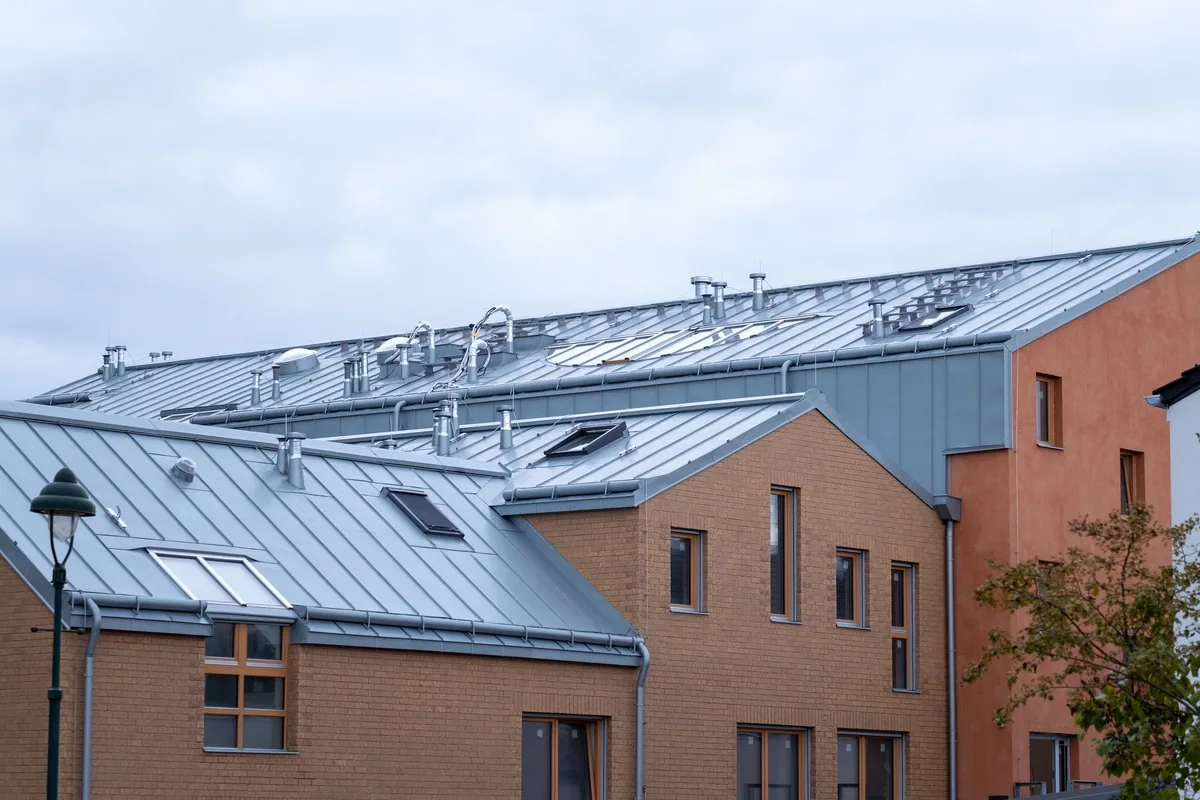
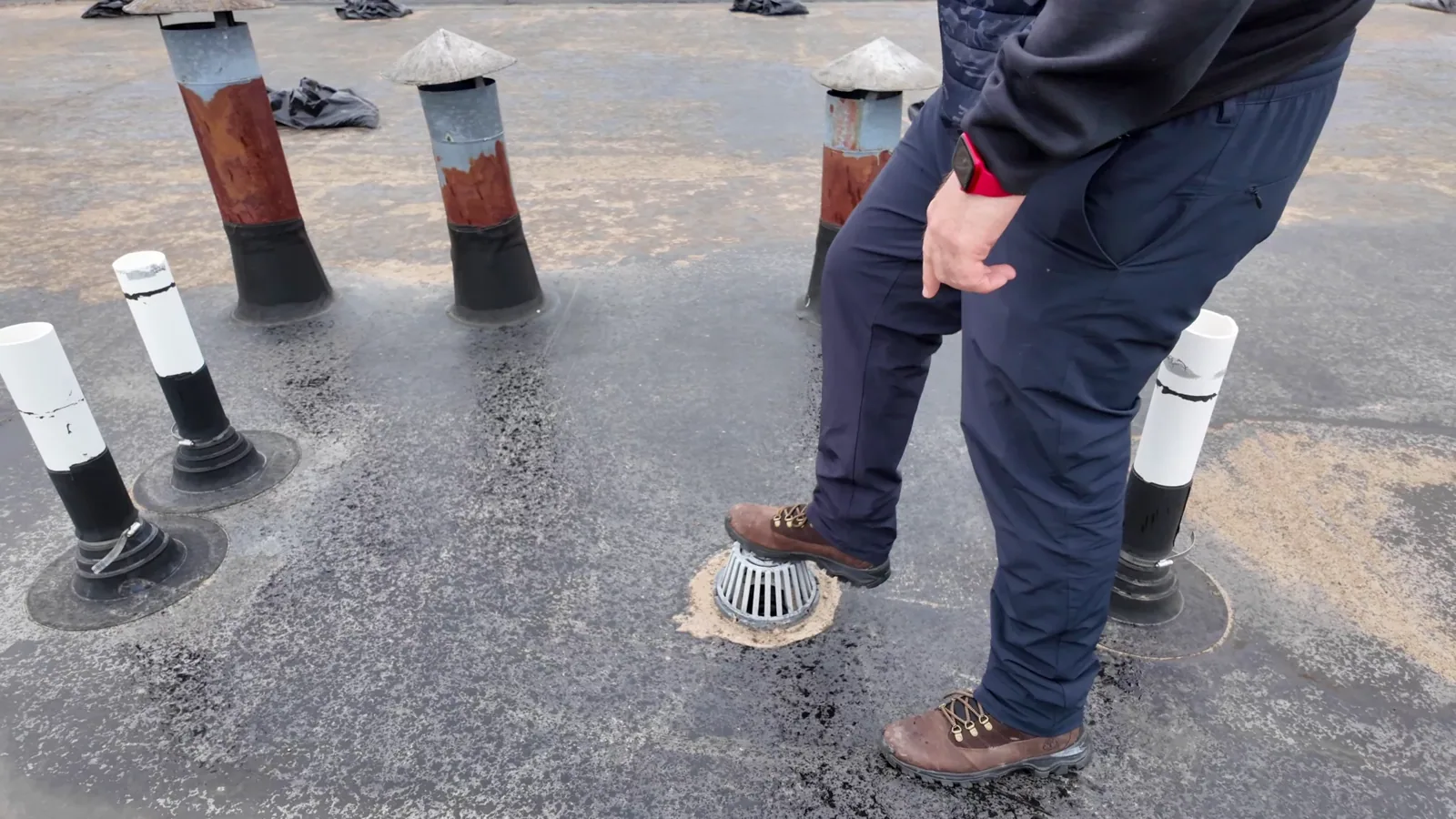
At penetrations, the foam profile should tie into curbs, pipes, skylights, walls, and drains without creating a thin edge. We inspect transition thickness, sealant, reinforcement, and the location where water leaves the roof. A coating patch needs the right preparation and compatible material; spraying over contamination or a loose layer can conceal rather than fix the defect. A hands-on roof review can map these details before the repair boundary is priced.
Foam thickness and drainage
The foam profile can create slope toward an outlet, but that profile must be measured against the roof’s current water path. We look for depressions, ridges, ponding, and places where the coating has worn at a transition. Added foam changes elevations at scuppers, curbs, and roof edges. If drainage is poor, a drainage assessment can determine whether the correction belongs in outlet work, profile repair, or a broader design.
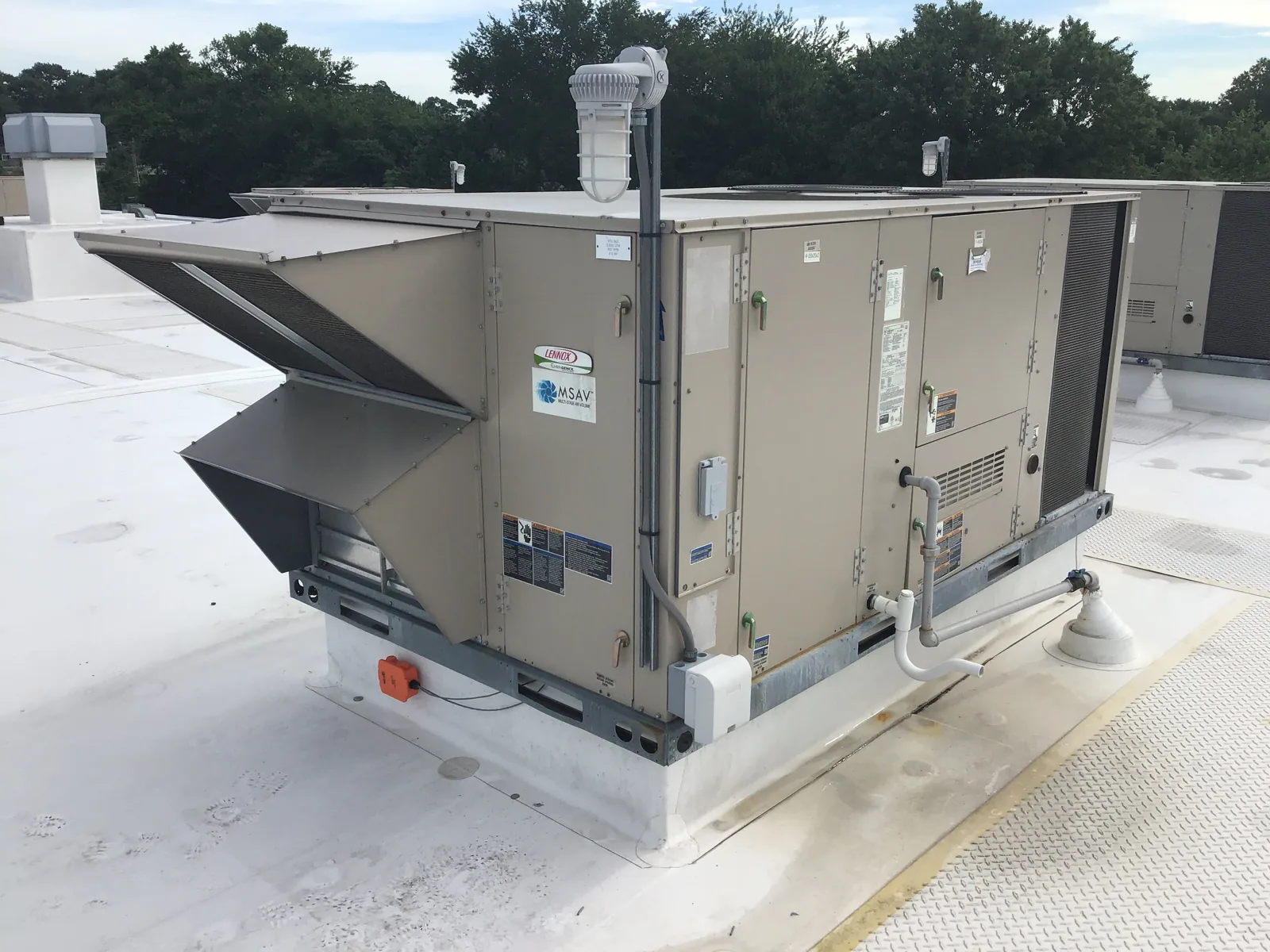
We also check penetrations for movement. A new pipe or equipment base can cut through the foam and interrupt the protective surface. The repair must restore both the foam shape and the weather barrier, with a tie-in that sheds water. A curb and support review can identify equipment bases that require a coordinated roof detail. The roof plan should mark them so future service work does not puncture the system without a closeout.
Foam thickness should be checked at transitions as well as across the open field. A thin edge at a curb or parapet can leave a short path for water, while an overbuilt area can change how runoff reaches an outlet. We record representative measurements and compare them with the intended slope. If the existing profile has settled or is holding water, the owner needs a correction design rather than another coat over the same geometry.
Protective coat and renewal choices
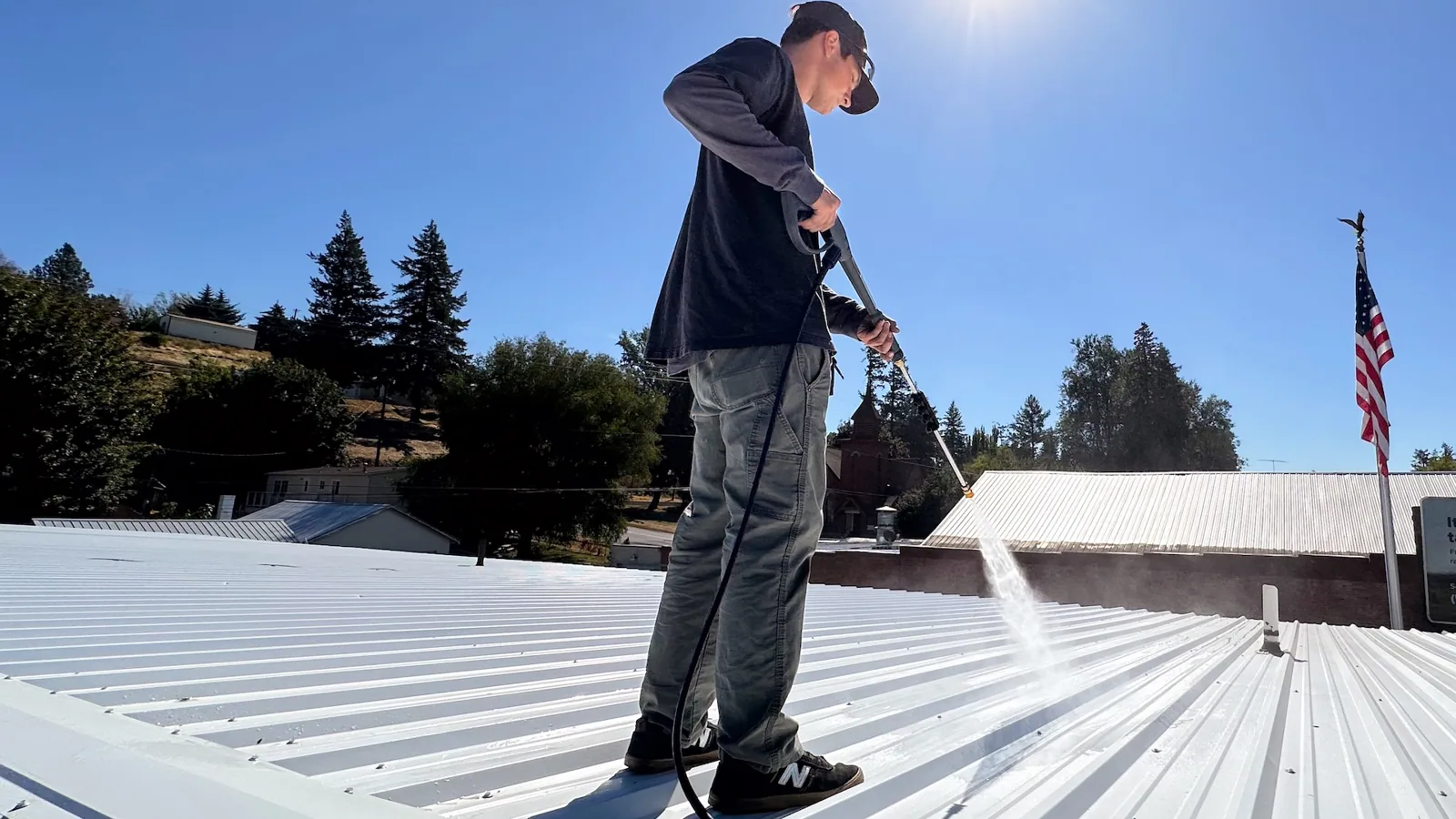
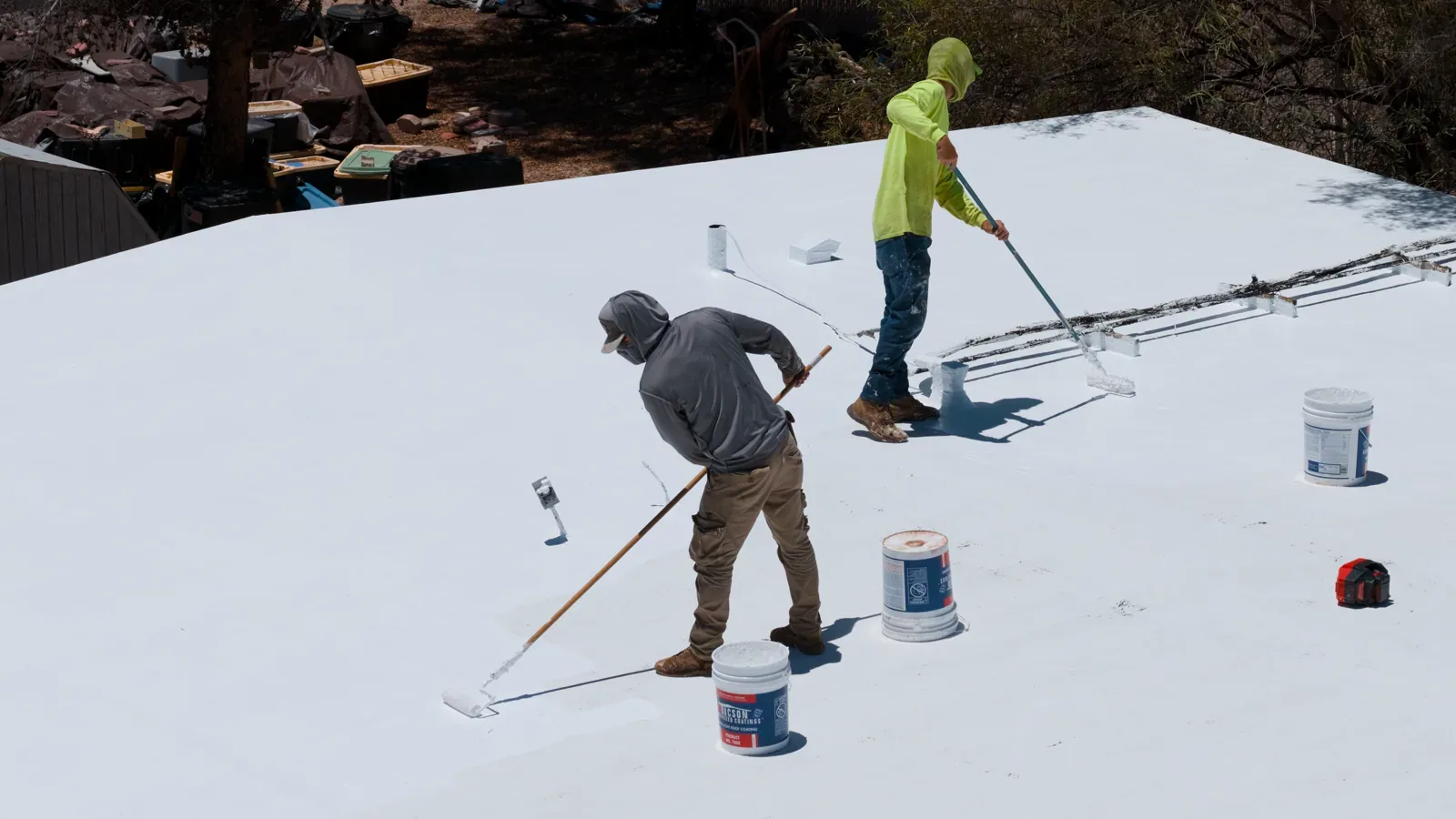
The surface coating protects SPF from ultraviolet exposure and weather; exposed foam needs attention before a new layer is considered. We inspect the coating for thin areas, cracks, blisters, erosion, and exposed foam, then check the manufacturer’s criteria for cleaning, repair, and recoat. A new layer needs a sound surface and compatible tie-ins at drains and edges. A silicone coating or acrylic coating can be considered only when the existing assembly and drainage conditions support the selected system.
Restoration may be appropriate when the foam remains bonded and dry, the slope is functioning, and the coating can be prepared. Widespread wet areas, failed adhesion, damaged substrate, or repeated repairs may call for removal or a different roof assembly. A coating restoration review can map preparation and test areas. A condition report can record coat thickness, repaired zones, and any limits that affect the next maintenance interval.
Local access and roof use
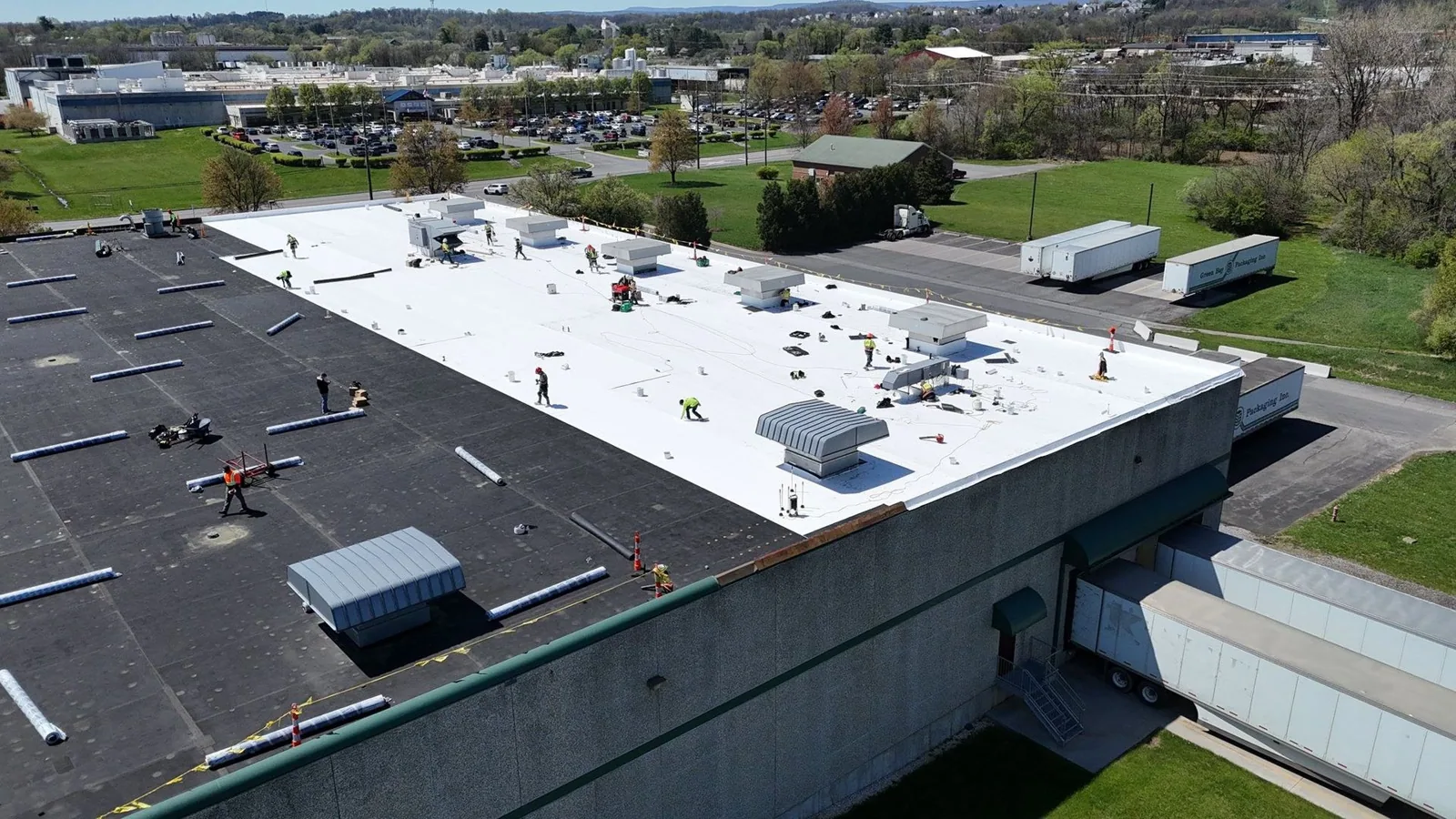
Technology Park Atlanta is a large office campus with employers in technology, engineering, healthcare, and life sciences. The property type does not identify any individual building’s foam roof, but active offices can affect delivery, roof access, and occupied-hour planning. We coordinate the roof walk with the building contact and identify any area that must remain open. A Technology Park roof review can connect those operating requirements with the system survey.
North Point Activity Center in Alpharetta includes a regional shopping center and a major commercial corridor. Retail access, loading, rooftop units, and customer routes may influence a project schedule; the actual property contact confirms the details. A North Point area assessment can include material staging, lift timing, and protection below. Hot Atlanta summers make surface temperature and product limits part of the application window.
Recoat interval and closeout
After repair or recoat, the owner should receive photographs, test locations, preparation notes, material details, and areas where foam or substrate could not be verified. Mark drains, curbs, penetrations, and traffic routes on the roof map. Follow-up inspections can measure the same coat areas and identify changes before foam remains exposed for an extended period. The maintenance record should also identify any cleaning or recoat conditions required by the selected product.
Send system records, active leaks, previous coating work, access restrictions, and the budget year. We will inspect the assembly, define test areas, and separate localized renewal from work that requires removal. The next action will be tied to measured roof condition rather than an assumed coating life.
Maintenance should revisit exposed foam, repair seams, coating terminations, drain bowls, and equipment routes. If a later contractor adds a conduit, service platform, or penetration, document how the surface was restored and who approved the change. Keep the inspection map with roof-zone labels and dated photographs. At the next review, compare coating loss and moisture indicators with earlier readings, then schedule patching or recoat before a small wear area becomes a broad exposure.
The work plan also needs a weather hold point. Application stops when the substrate, ambient conditions, or forecast falls outside product requirements. We state how the roof will be protected during a delay and which areas can be completed in the available window. This is especially useful when occupants, mechanical service, or delivery schedules limit the crew’s access to the roof. We record the alternate date and who can authorize a return.
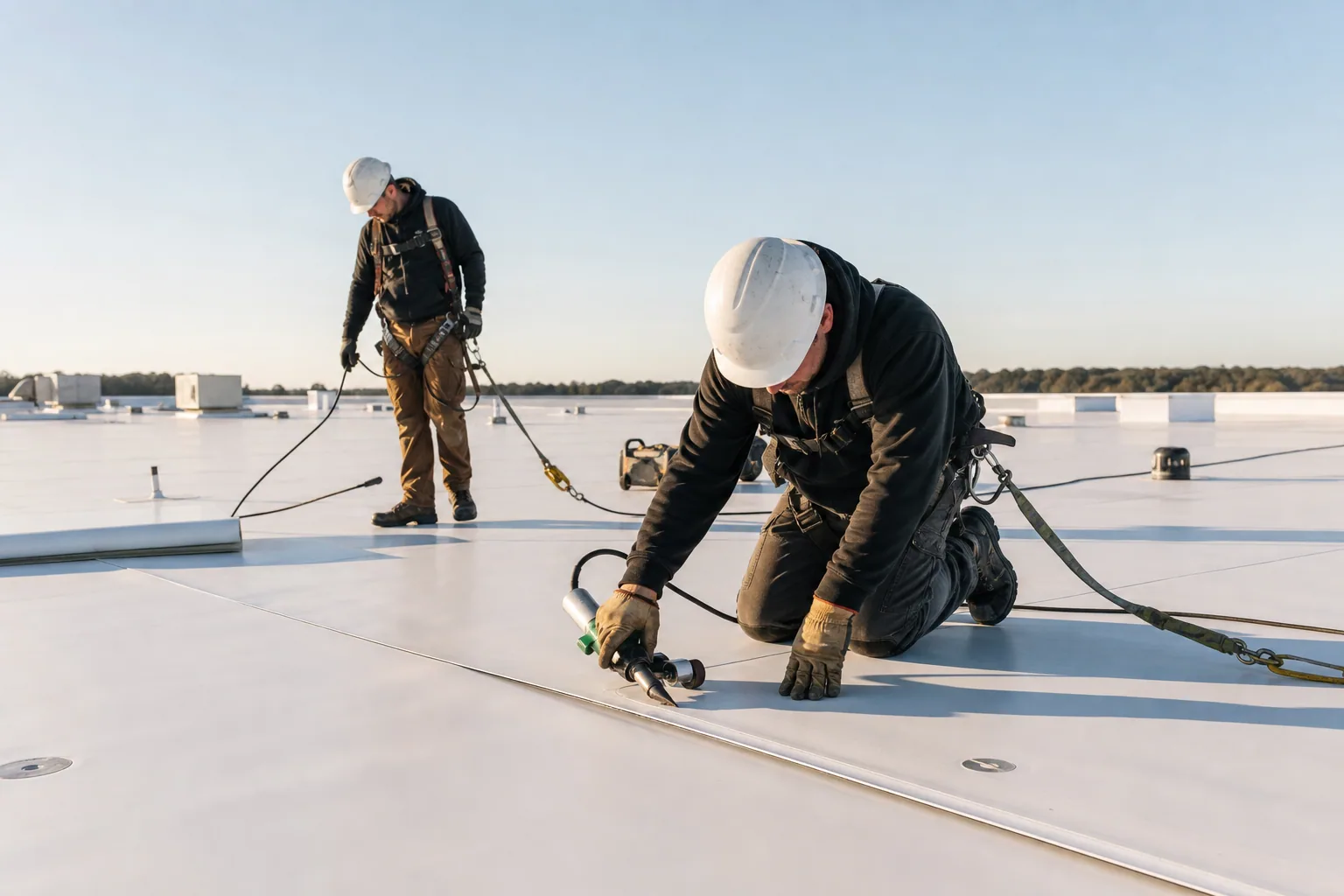
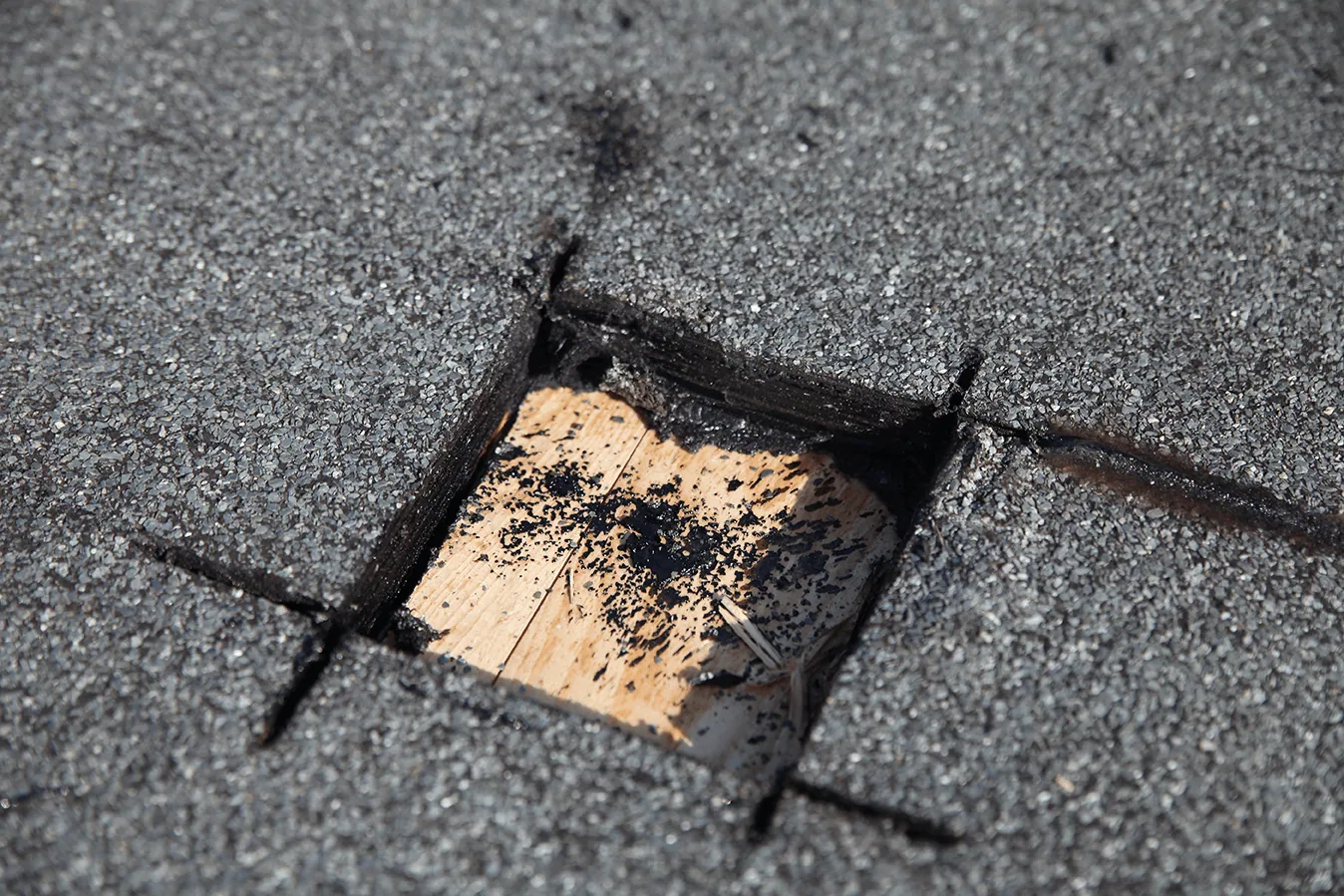
Before coating or foam work, the crew should confirm substrate condition with the specified tests and record the exact repair limits. Blisters, wet areas, and loose coating need separate treatment; covering them without resolving the cause can hide a problem rather than correct it. We plan a small representative test area, review adhesion and finish, then proceed only after the owner accepts the sample. Closeout photos and material records give the next maintenance visit a reliable baseline.
Questions About Spray Polyurethane Foam Roofing
Which conditions would move a Sandy Springs SPF roof into a recoat plan?
We check foam adhesion, substrate moisture, coating wear, drainage, and the manufacturer’s preparation limits. A test area may be needed before the owner prices a larger recoat.
Can spray foam fix ponding water?
Foam can be shaped to improve drainage when the design and existing assembly support that work. We measure low areas and outlet elevations first; coating alone does not change a roof profile.
What happens when the protective coating wears through?
Exposed foam needs prompt evaluation because water and ultraviolet exposure can damage the surface. We map the affected zone, check for moisture below it, and specify compatible repair and protective coating work.
Does an SPF roof need regular inspections?
Inspection timing follows coat condition, drainage, roof traffic, equipment service, and the owner’s maintenance program. We record repeat measurements so the next interval reflects observed wear.
Can new rooftop equipment be added to an SPF system?
The equipment support and roof transition must preserve drainage and restore the foam and protective coating around the opening. We coordinate dimensions and flashing with the mechanical provider before the base is installed.
Review an SPF roof
Share system records, leak areas, prior coating work, access requirements, and the budget window. We will return a prioritized condition review with test and recoat decisions.
Call 555-555-5555 or send the building details.