Commercial Roofing for Property Management Companies in Sandy Springs, GA
A portfolio roof decision starts with uneven evidence. One building may have an active leak, another may be approaching replacement, and a third may have no recent inspection record. In Sandy Springs, GA, long hot summers, frequent rain, and recurring hail and wind make roof conditions move on different schedules. The owner needs a way to compare those buildings without forcing one renewal date across the portfolio. We record assembly, reported leaks, repairs, access, and unresolved conditions by site. Central Perimeter has a large daytime workforce and four MARTA stations, while Powers Ferry includes office, retail, and hospitality uses. Those districts illustrate the range of operating patterns a manager may coordinate. The field record still begins at each roof section, not the portfolio label.
Which buildings need attention first?
We group findings by active water entry, condition trend, occupancy, and what remains unknown. Each property receives its own roof map, photographs, repair history, and recommendation. A roof asset review can place those facts into a common register while preserving site-level differences. An isolated curb failure may justify a short repair; broad moisture or failed attachment can move a building into capital planning. We identify where an additional test would change that choice. The manager can then separate immediate protection from near-term repair and planned renewal. That sequence is more useful than ranking buildings by age alone, because an older roof with stable details may present less immediate exposure than a newer assembly with a repeating water path.
Where records are incomplete, we assign a specific follow-up instead of marking the condition as unknown and moving on. That may mean a moisture survey, a test opening, or a return visit after rain. The manager can see what evidence is missing, who can provide access, and whether the result could change timing or scope. We separate urgent water control from a recommendation that depends on concealed layers. This makes the work order easier to approve and limits the chance that a building moves into a capital queue on an unsupported assumption.
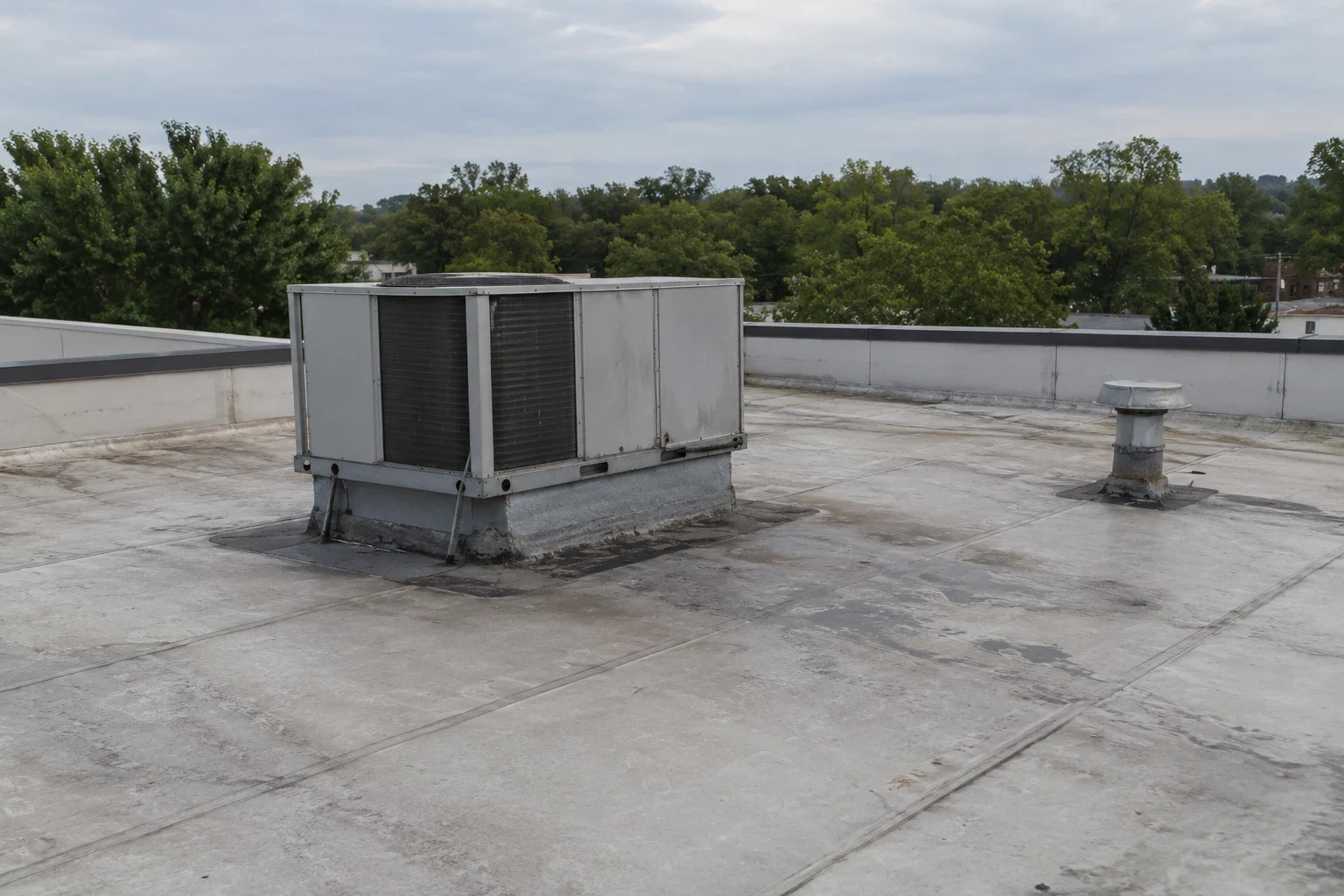
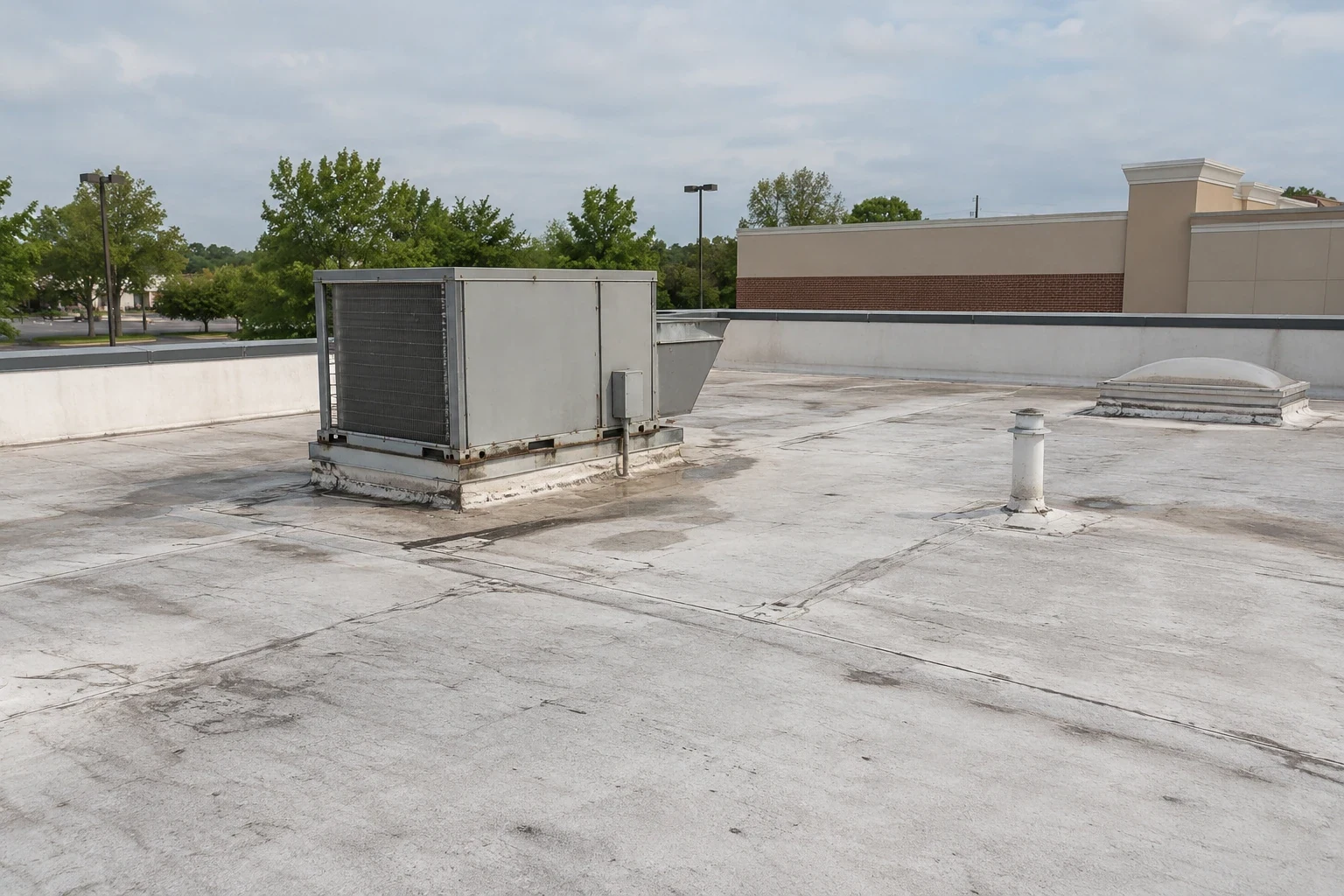
How do service requests become reliable scopes?
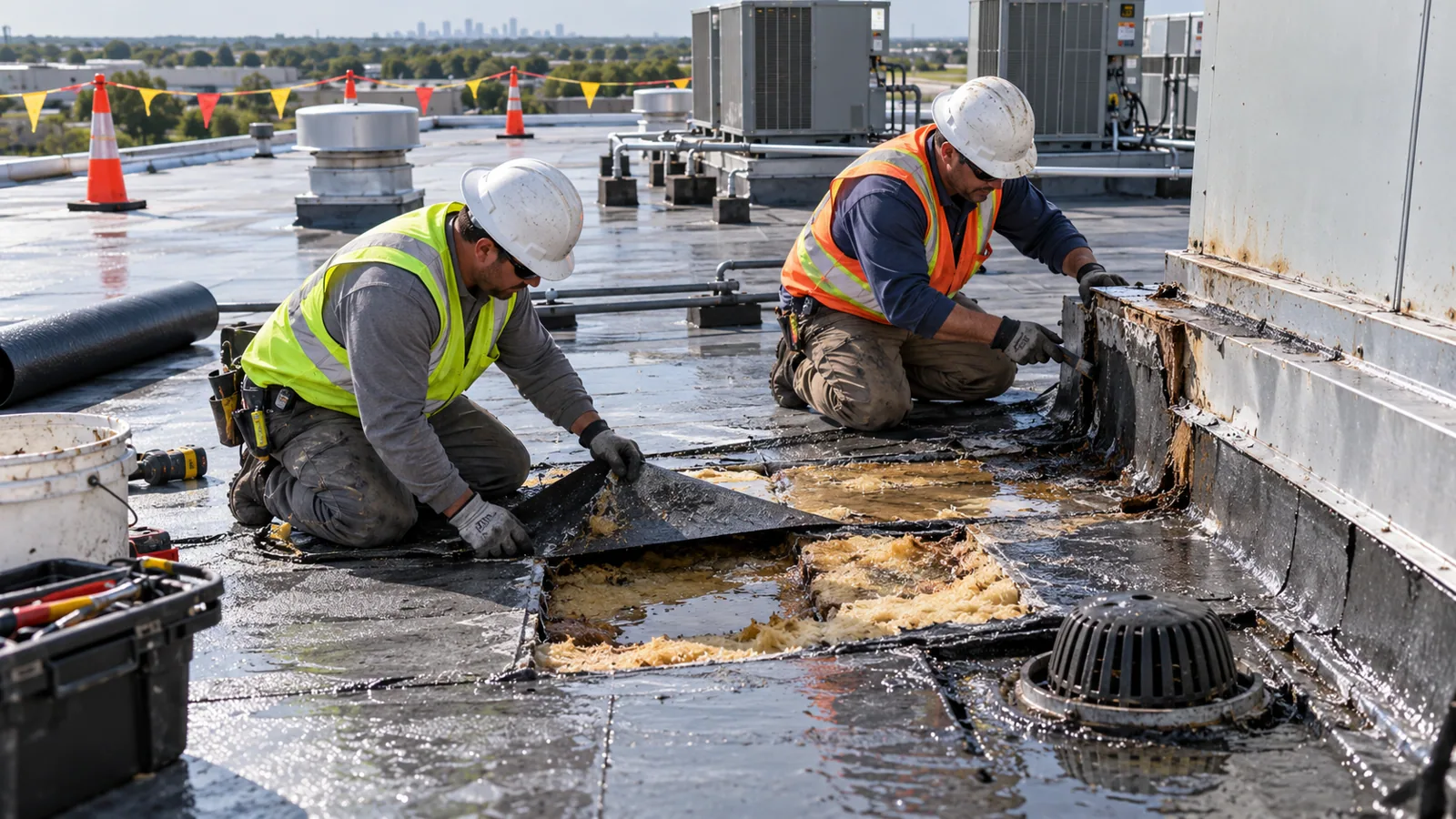
A tenant report, maintenance ticket, and roof inspection each describe a different part of the problem. We connect them by date, interior area, roof section, and prior repair. Water can travel before appearing at a ceiling, so the visible stain is one clue rather than a complete repair boundary. A leak investigation documents the likely path and identifies what needs confirmation. When a condition repeats, we compare the current detail with earlier photographs and repair limits. The resulting scope states what can be repaired, what needs testing, and what remains outside the approved work. This gives a property manager a defensible update for ownership without turning a single complaint into a roof-wide replacement recommendation.
What changes across occupied properties?
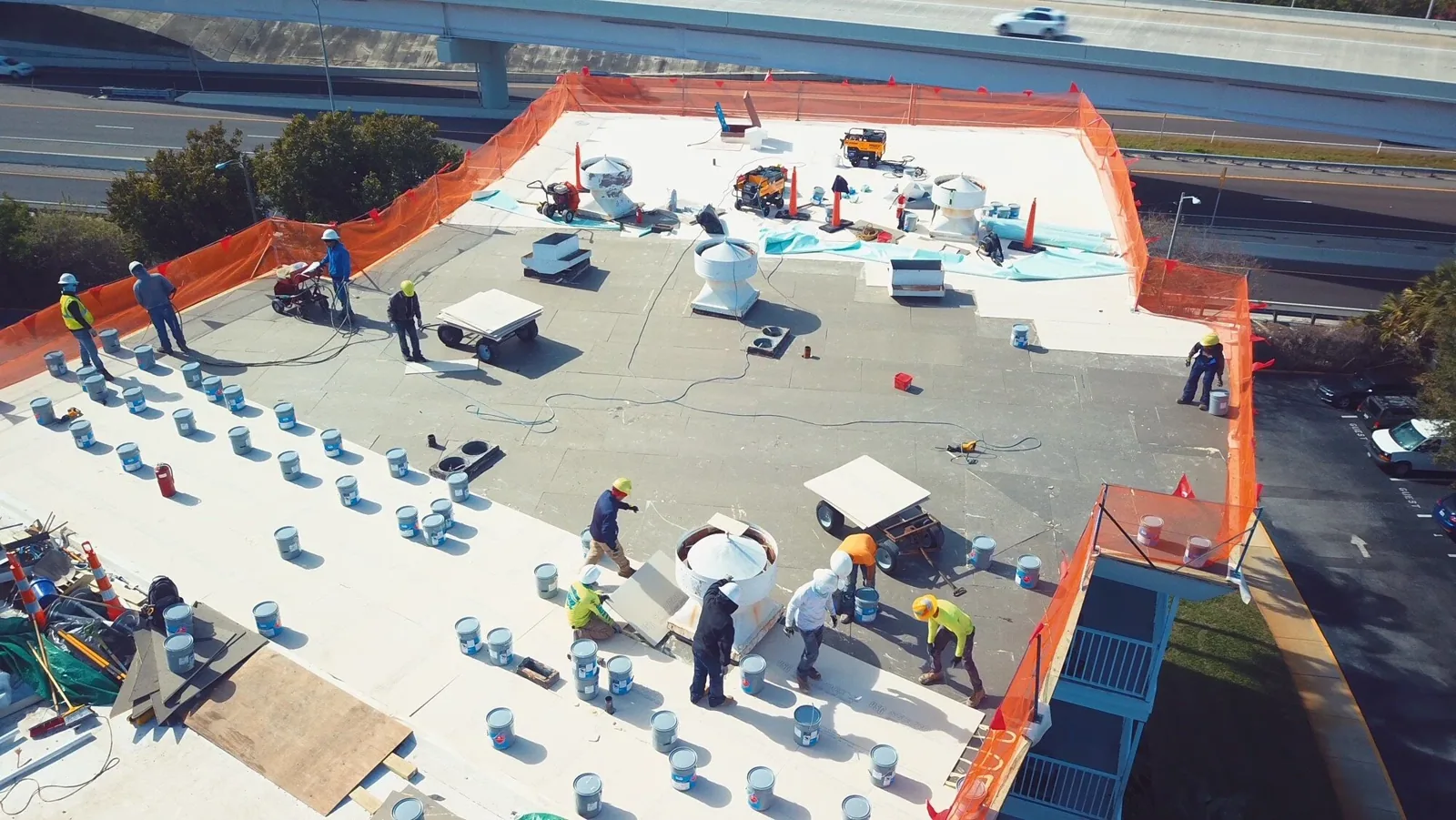
Access windows, tenant hours, equipment schedules, and staging differ from building to building. We identify the route to each roof, lift placement, interior protection, and the point at which a work area can be closed each day. The phased occupied-building sequence can set these limits before pricing. A property in the Medical District may have access requirements that differ from a retail property near Roswell Road; those operating contexts should be confirmed with each site contact. We record work zones, notice responsibility, rain procedures, and any trade interface. If a vendor replaces rooftop equipment, the roof restoration and final inspection remain explicit tasks, not assumed closeout. That coordination keeps management, tenants, and contractors working from one schedule.
A maintenance plan can also address vendor access after roofing work is complete. We mark sensitive transitions, note approved walk paths, and record how service teams should restore a curb or penetration they disturb. If tenants call about a new leak, the manager can compare the date with the vendor log and the last roof photograph. This does not assign cause before inspection. It gives the field team a sharper starting point and helps ownership decide whether the event belongs in routine maintenance, a separate trade scope, or capital renewal.
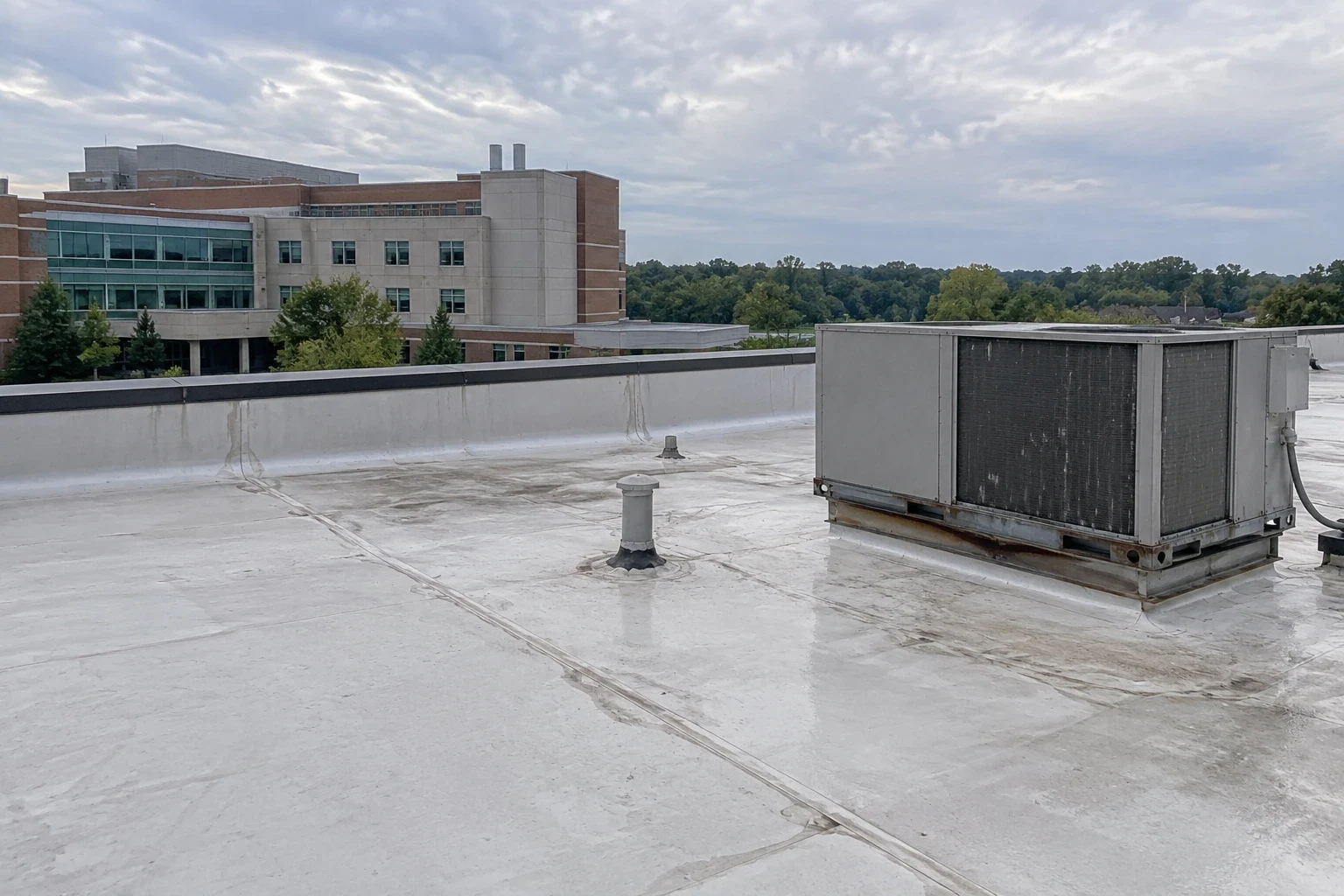
How should the next budget year be set?
We compare condition, likely service interval, repair history, and exposure before placing projects in the capital queue. A capital plan can identify which sections need action now and which can remain under observation. Repair, recover, and replacement estimates should use the same roof boundaries so ownership can compare cost drivers fairly. Tear-off, insulation, edge details, drains, equipment curbs, access, and tenant protection all affect scope. If concealed moisture could change quantities, we state a test or allowance separately. The manager can then align work with tenant renewals, planned renovations, and budget approvals. In Sandy Springs, the high daytime population in Central Perimeter also makes work windows relevant; scheduling should follow each building’s own occupancy rather than a portfolio-wide assumption.
How does regional access affect the schedule?
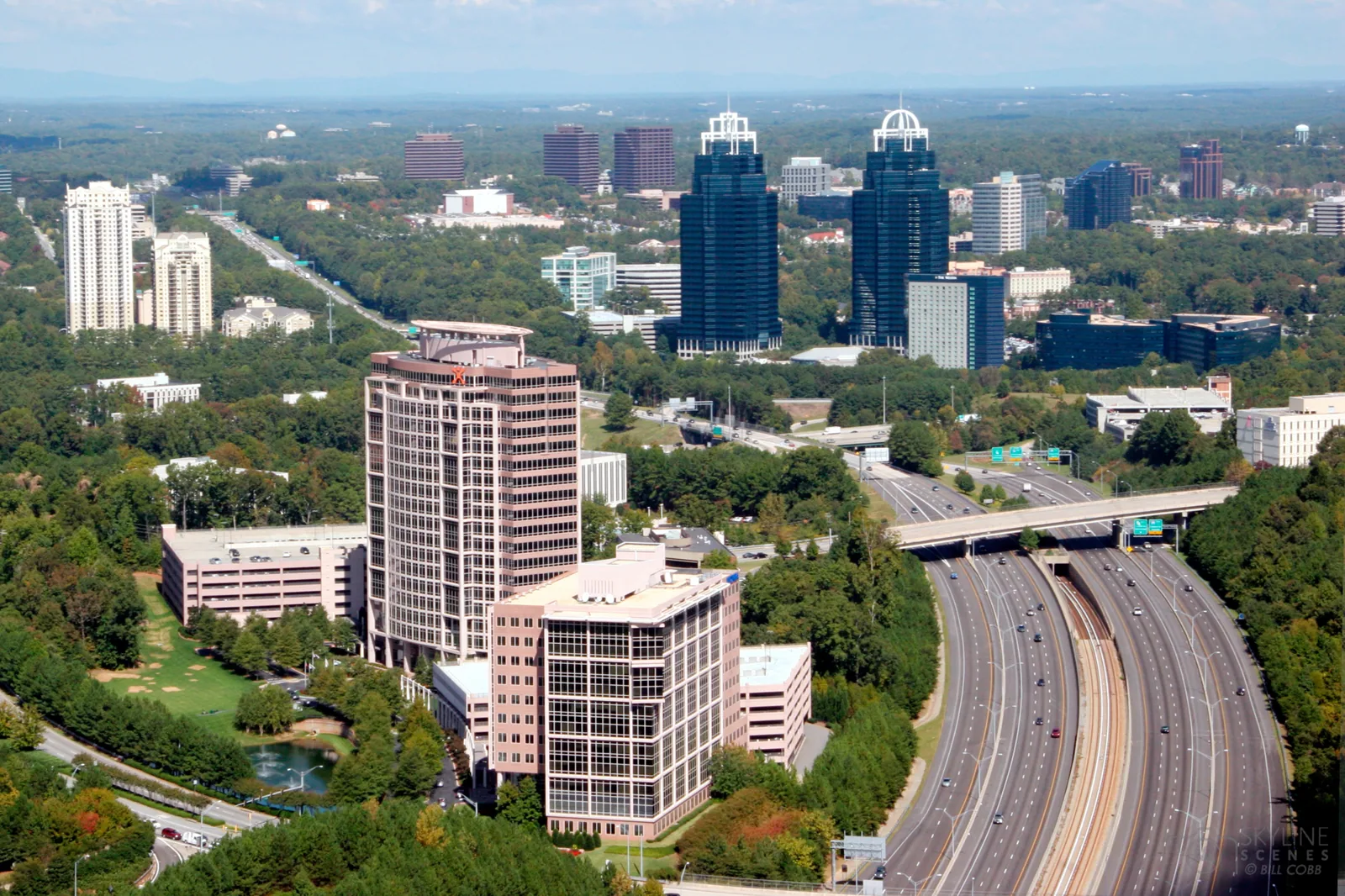
Interstate 285, Georgia 400, and nearby I-75 provide primary regional highway access, while four MARTA rail stations serve Central Perimeter. The Central Perimeter is a major office district with more than 123,000 workers. That movement helps explain why staging and delivery timing can vary, but the manager confirms the actual gate, loading route, and permitted work window at each property. The investor review can frame portfolio timing, while a healthcare portfolio has different occupancy and access needs. Each recommendation stays tied to observed roof conditions. We close the visit with a roof-section map, photos, open items, and a next action that management can carry into its work-order and capital systems.
What should ownership receive after the review?
The owner should receive a ranked list that explains urgency, evidence, and the next decision for each building. We identify completed repairs, unresolved moisture, access limits, and recommended follow-up. A photo condition report supports later comparisons without treating a previous observation as current. Managers can share roof plans, tenant reports, equipment work orders, prior scopes, and budget windows. We will return a prioritized review that distinguishes immediate water control from capital work. If a portfolio contains several municipalities or commercial districts, we preserve the name and facts for each property rather than transfer a local condition to another site. The record gives the next reviewer a starting point and makes planned renewal easier to sequence across the calendar.
Each recommendation carries an owner, due date, evidence requirement, and condition that closes the item. The manager can report progress in the same register and review it each quarter.
Questions About Property Management Companies
How do you compare several roofs with different histories?
We record each building’s assembly, leak history, repairs, access, and visible condition. A common register supports comparison, while recommendations stay specific to each roof section.
Can a recurring tenant complaint justify replacement?
Not by itself. We trace the water path, review prior repairs, and test when concealed conditions could change the scope. Renewal follows the evidence across the affected roof area.
What belongs in a property manager roof file?
Keep plans, inspection photos, repair boundaries, dates, equipment work, access limits, and follow-up items together. These details connect later service requests to the actual roof section.
How should emergency repairs fit the capital plan?
We separate immediate dry-in from permanent repair and note whether the temporary work changes the long-term recommendation. Ownership can then compare mitigation with planned renewal.
Can you coordinate work across occupied buildings?
Yes. We document access, tenant notice, staging, work zones, and daily closeout for each property. Schedules are based on each site’s operating limits.
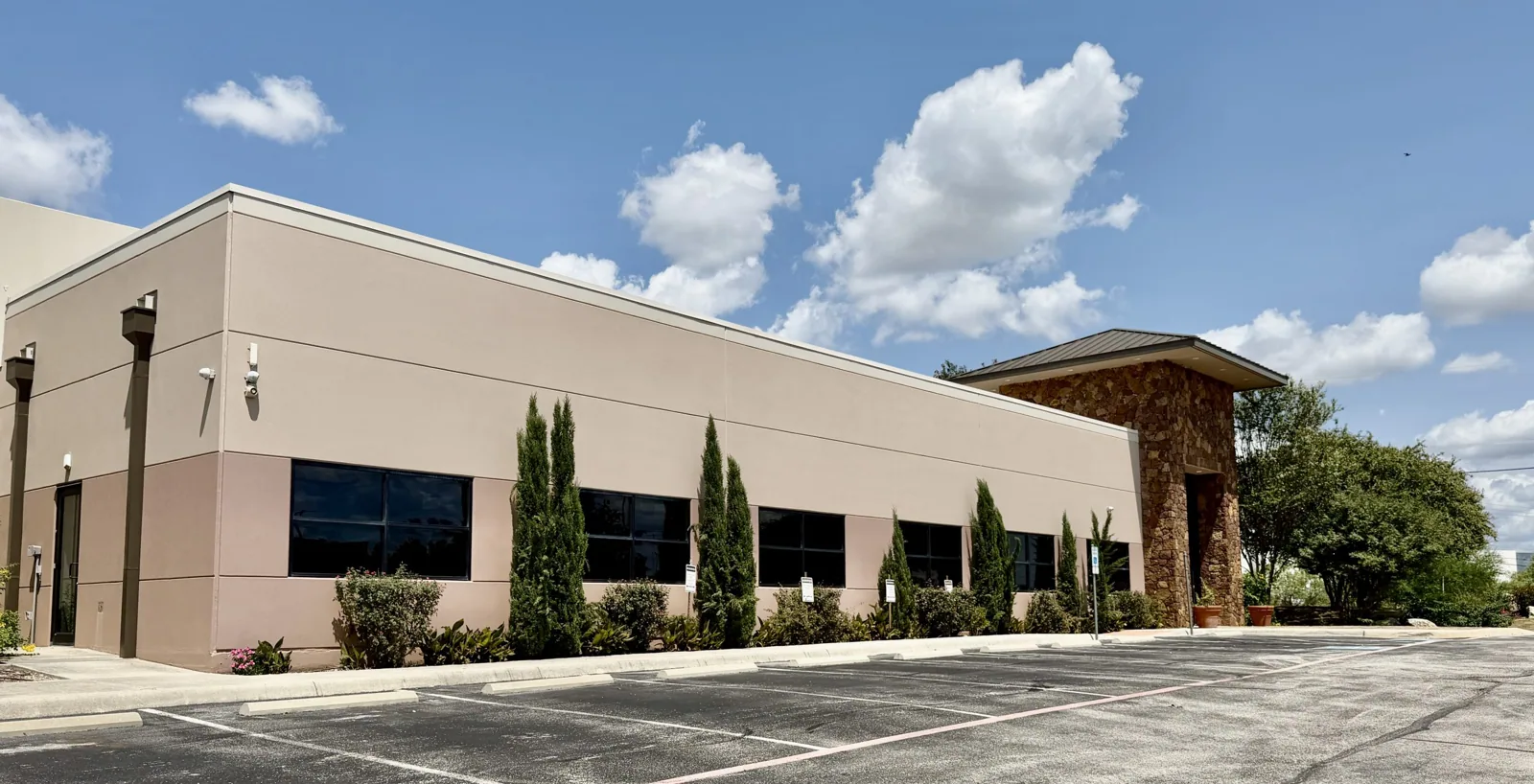
Prioritize the managed roof portfolio
Share roof plans, repair history, tenant reports, access rules, and the next budget window. We will return a property-by-property priority review.
Call 555-555-5555 or send the building details.