Data Center Roofing in Sandy Springs, GA
A data-center roof is part of a larger continuity plan. A repair may be technically straightforward and still require careful coordination around security, cooling equipment, redundancy, and access approvals. We inspect the roof as an asset system: identify the affected zone, confirm the water-control detail, and distinguish observed conditions from areas that need testing. In Sandy Springs, hot humid summers and heavy rain make drainage, curb transitions, and the timing of exterior work especially relevant to long-term reliability.
Map roof condition to operating zones
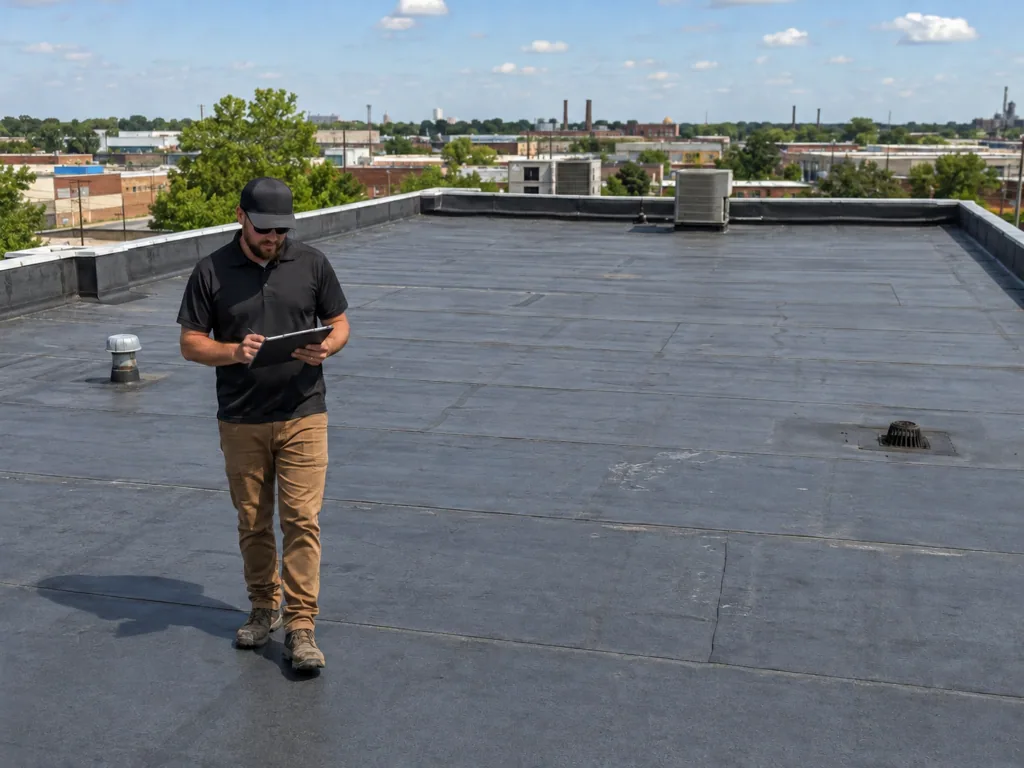
We begin with building and roof plans, reported leaks, previous repairs, equipment locations, and the facility's access protocol. The field review covers membrane seams, penetrations, supports, drains, edge conditions, and any accessible insulation or cover board. We note which sections were reached and where line-of-sight or equipment restrictions left an area unverified. A roof inspection gives the owner a condition record; an infrared survey can help target follow-up testing when conditions support that method.
Central Perimeter has four MARTA stations and a workforce above 123,000. For a data center in the district, coordinate roof access with controlled entries, service roads, and daily building operations through the facility lead. We coordinate the work window and staging area with the site lead before pricing a disruptive scope.
Moisture readings or thermal patterns can identify where additional review may help; a test opening or other approved method confirms concealed materials at the sampled location. If a test opening is justified, we agree on its location, protection, and closeout. The report should label the sample point and separate confirmed findings from the larger roof area that remains untested.
Protect penetrations and drainage paths
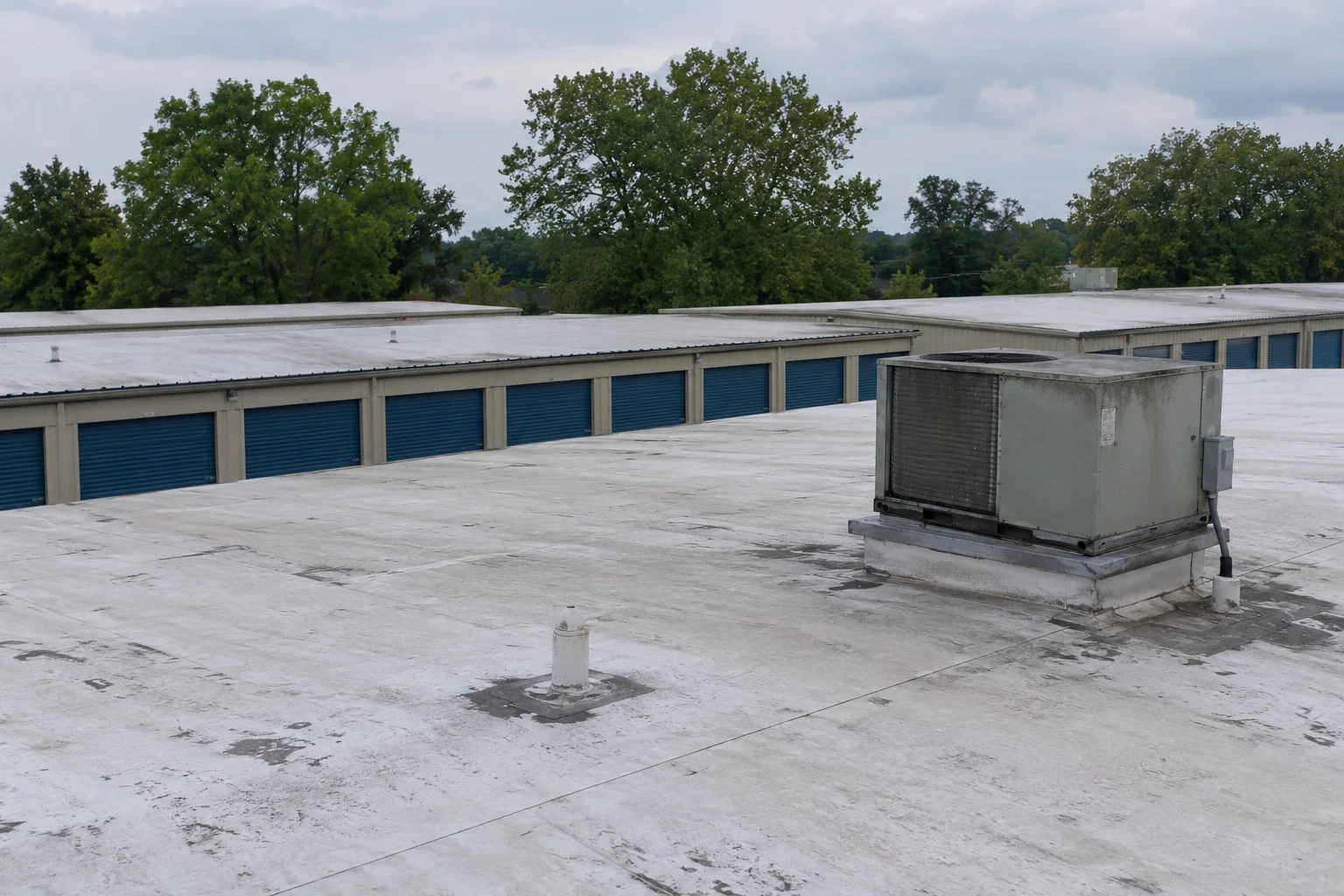
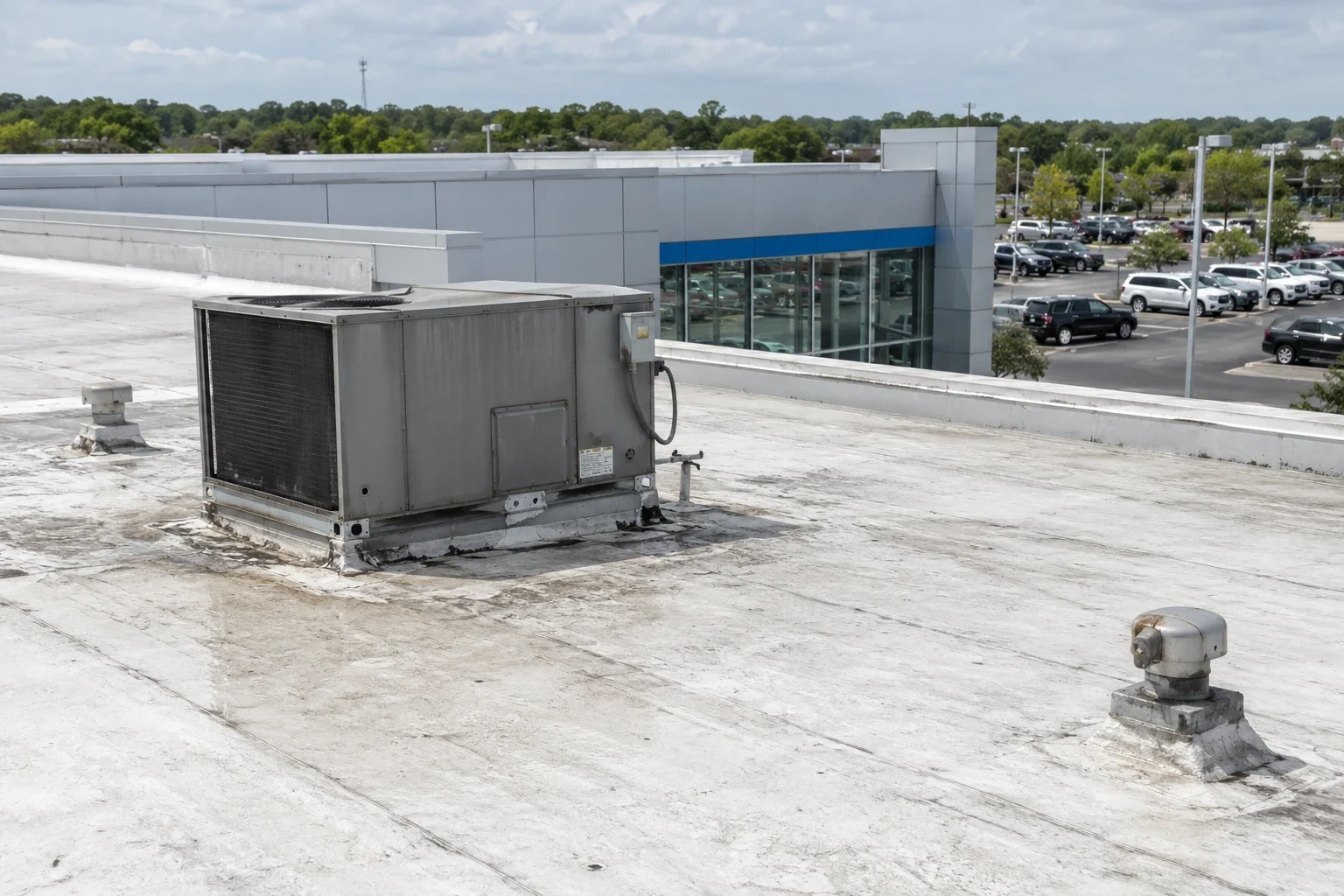
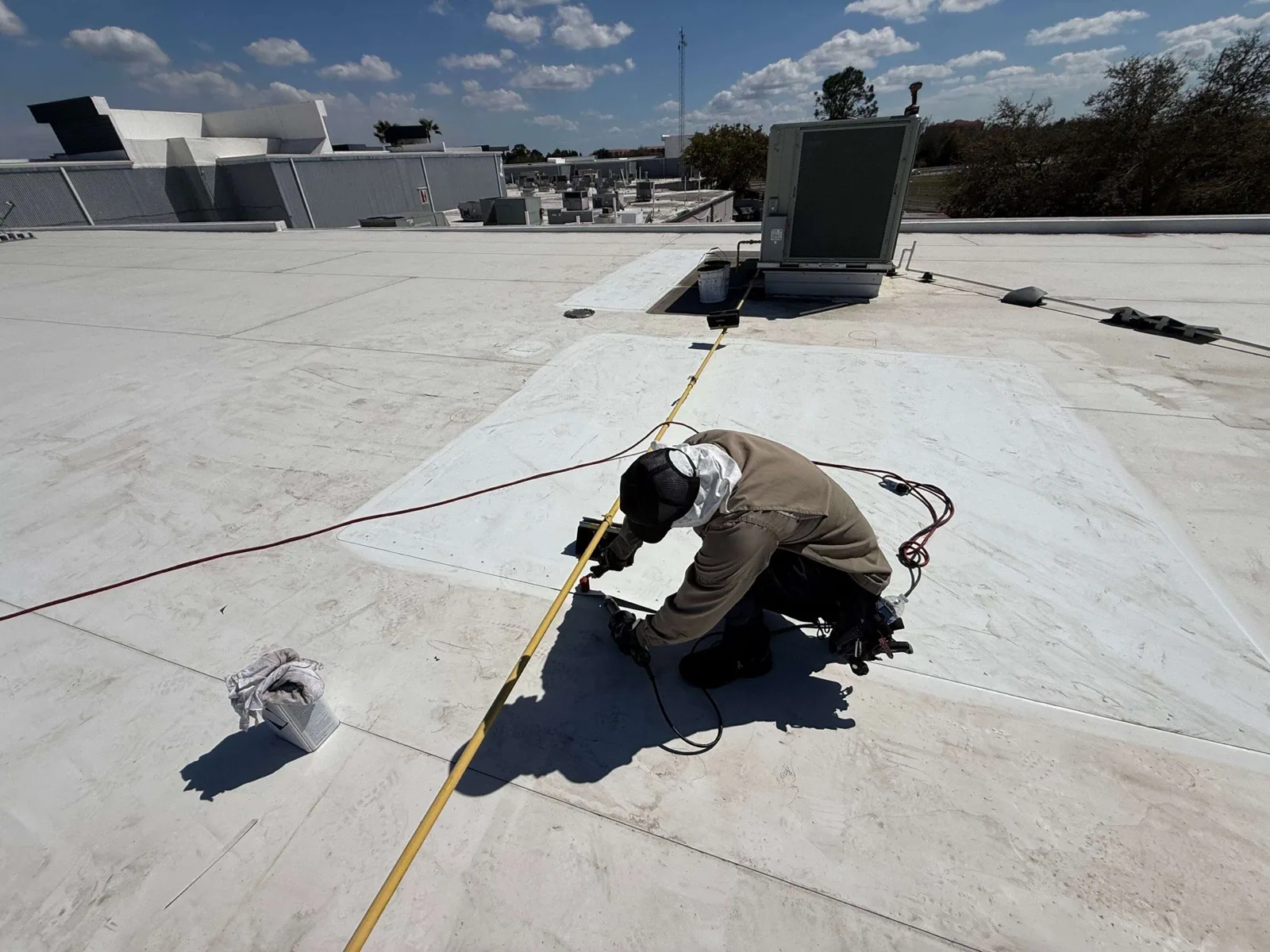
Data-center roofs can carry cooling lines, electrical routes, exhausts, pipe supports, and equipment curbs. Each added interface creates a detail to inspect and maintain. We record the visible flashing, membrane tie-in, support base, and any prior patch around each selected zone. Roofing work should not shift, disconnect, or alter live equipment. The facility identifies the responsible mechanical or electrical contractor, and the roof scope states where that trade's work begins.
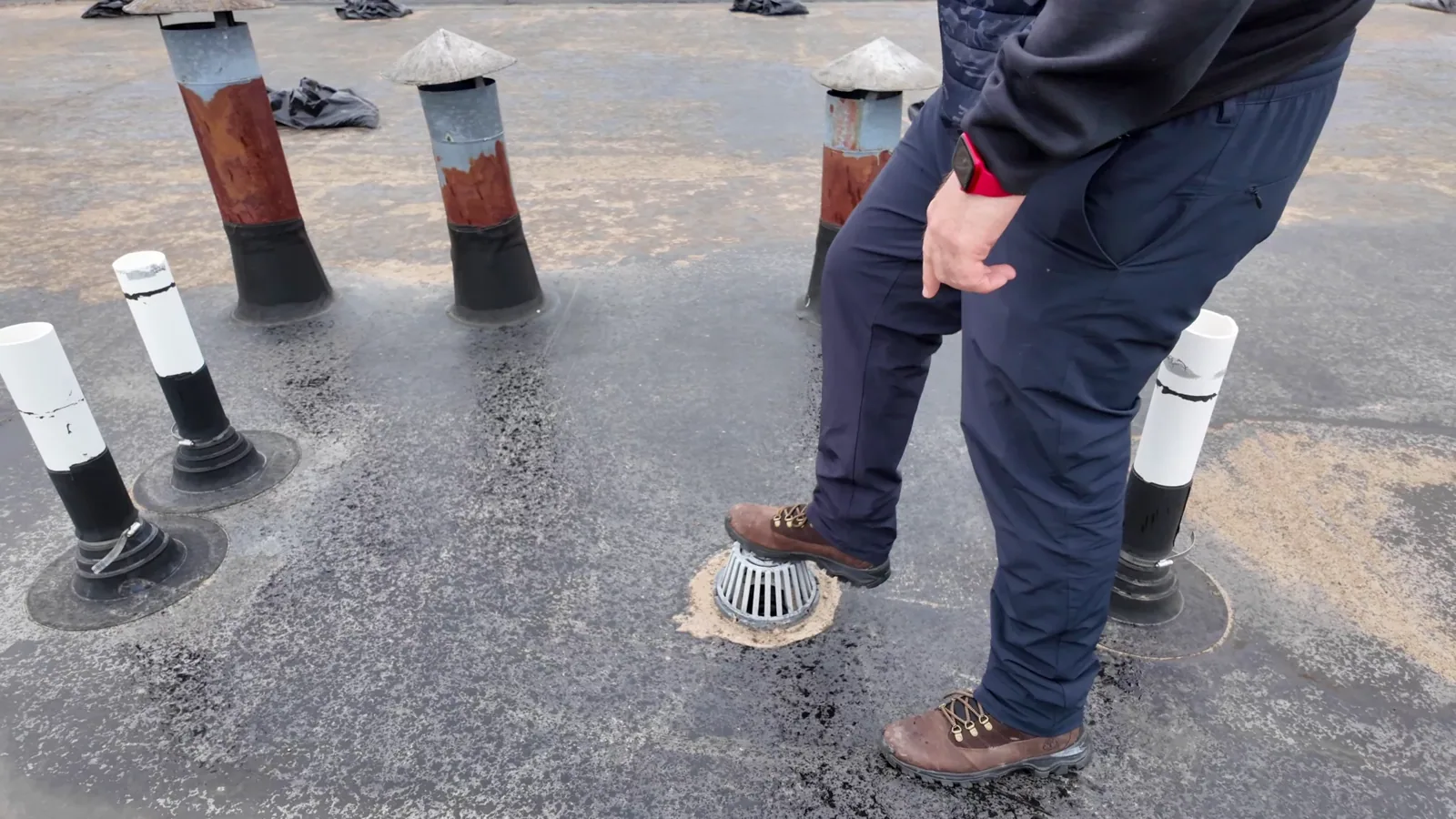
Recurring winter and early-spring rain makes the water path important: we look for blocked drains, overflows, low areas, and discharge conditions that could affect an equipment route or roof edge. A drainage review maps the outlets and overflow provisions, while insulation and cover-board work can address an assembly concern when testing supports that scope. For membrane-specific options, compare TPO and EPDM only after existing materials and tie-in compatibility are identified.
Where rooftop equipment masks a seam or drain, we record the access limitation rather than treating an unseen detail as sound. The next step may be a coordinated equipment-side inspection or a controlled opening. A repair should leave a clear service path and a documented transition around every item the facility expects to remain in place.
Set secure access before mobilization
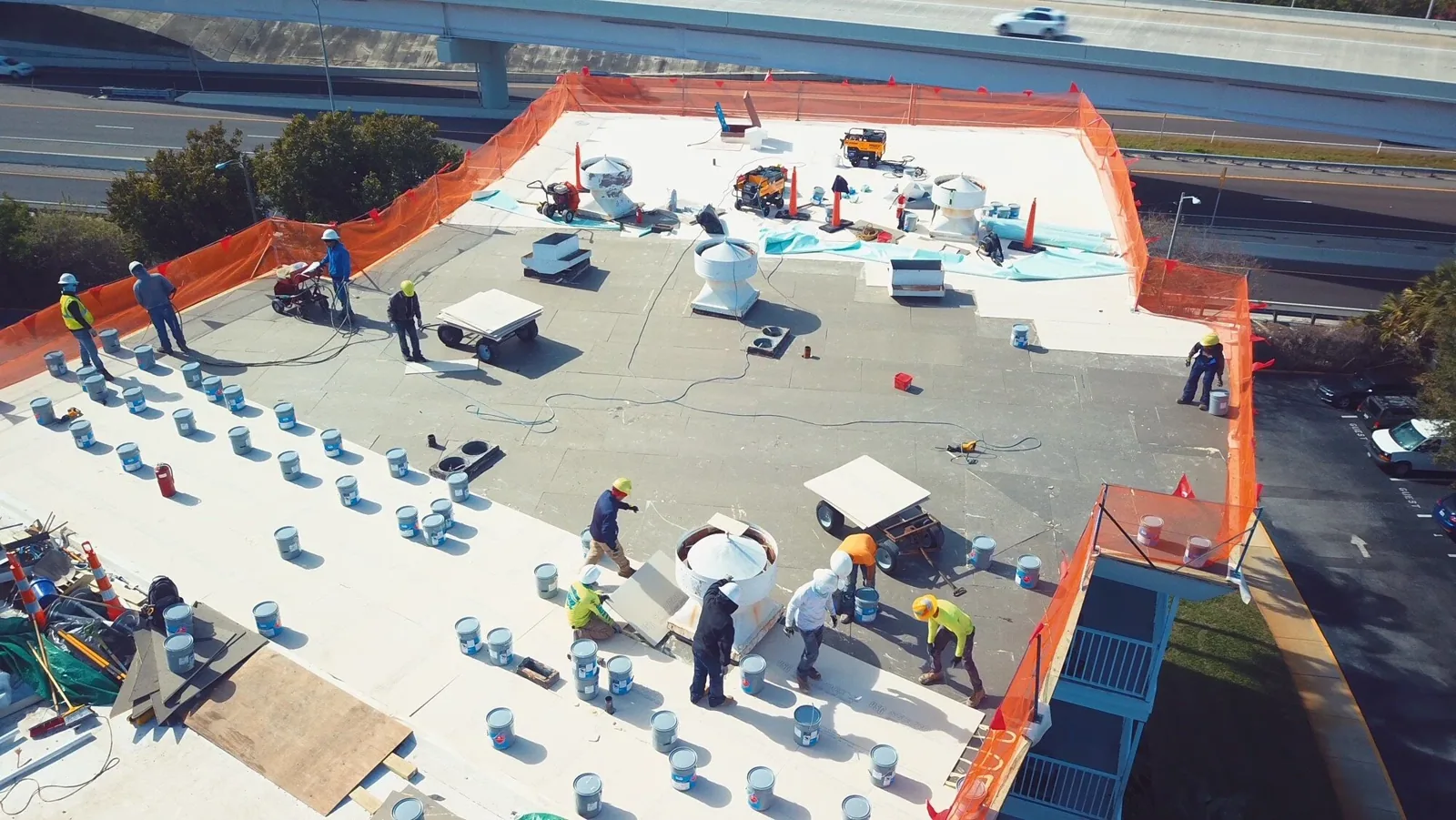
Before a crew arrives, the owner confirms badging, escort rules, approved tools, delivery timing, roof entry, lift location, and emergency contacts. A data-center site may require advance screening for people and materials. We incorporate those constraints into duration and staging so the estimate reflects the actual path to the roof. If access can only occur in a defined maintenance window, the work sequence should identify what can be completed and safely closed before that window ends.
Georgia 400 and Interstate 285 connect Sandy Springs to regional business and service routes. In the Central Perimeter, transit and office activity can shape arrival and loading times. The site contact approves a staging point that keeps fire lanes, equipment yards, and tenant circulation available.
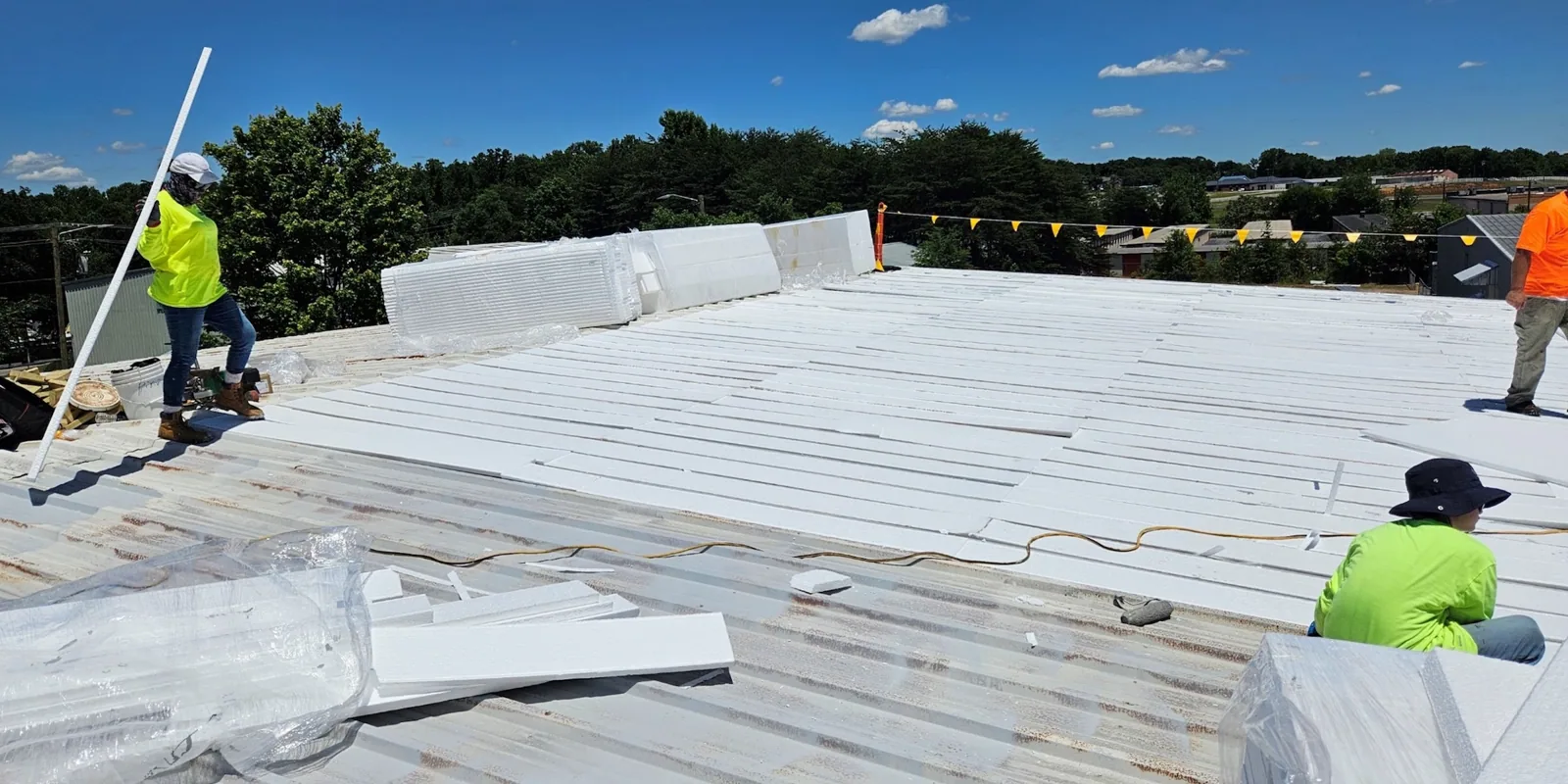
For a repair, we limit the open area to the approved boundary, protect adjacent equipment, maintain drains, and record temporary conditions at shift end. If removal reveals a larger wet area or a different assembly, the crew secures the opening and requests direction before expanding the scope. A phased work plan can define access windows, daily closeout, and the decisions that would change sequence or cost. The facility remains responsible for operating decisions and equipment settings throughout the work.
Compare repair, recovery, and replacement
A targeted repair may be appropriate when the defect is localized, the surrounding assembly is stable, and the proposed material can tie into the existing roof. Repeated leaks, broad moisture, failing attachment, or many incompatible repairs may point toward a larger project. We compare the affected zones, test results, roof age where documented, access burden, and operating impact. We do not recommend replacement from a single symptom or a roof-wide assumption.
Cost and timing depend on tear-off depth, equipment coordination, protection, lift access, detail count, and how many secure work windows the facility can provide. A repair scope addresses confirmed defects. A roof recovery review can evaluate whether the existing assembly is eligible for another layer after condition and code constraints are checked. A replacement plan compares removal, insulation upgrades, transitions, and phased work. The estimate should state assumptions and identify concealed conditions that could change quantities.
For owners with several critical facilities, compare roofs by condition, remaining service needs, and capital year rather than by square footage alone. Similar buildings can have different membrane histories and equipment layouts. A decision memo should separate urgent water-control work from discretionary upgrades and explain which evidence would change the recommendation.
Make closeout useful to the next team
Closeout should include the roof-zone map, materials installed, repaired penetrations, drain work, test locations, photographs, and any portion the crew could not reach. The report records whether an observation was confirmed, sampled, or left for follow-up. That lets facility engineering compare a future service call with the same location instead of relying on a broad label such as north roof or equipment area.
Keep the record with the facility's roof plans and work orders. When a mechanical contractor adds a support or changes a line, update the roof map and confirm the water-control detail before the work order closes. A condition report can support this record; owners managing adjacent offices may also compare planning with office-building roofing and warehouse roofing while keeping each assembly's evidence separate.
Share access rules, plans, leak history, equipment restrictions, and the capital window before the site review. We will return a prioritized scope that names the roof areas, decisions, and next actions. That gives operations and finance a usable basis for scheduling without treating unknown concealed conditions as settled facts.
Questions About Data Center Roofing
Can a data-center roof be repaired while equipment stays online?
The facility sets its operating limits and identifies equipment that must remain active. We coordinate roof access, protection, and daily closure with the site lead and any responsible mechanical contractor.
What should an inspection cover around rooftop cooling equipment?
Review curbs, line penetrations, supports, seams, drains, and the visible flashing around selected equipment zones. The report should list restricted or concealed areas that could not be verified.
When is infrared testing useful?
It can help identify areas for additional investigation when roof conditions and the survey method are suitable. A targeted opening or other test may still be needed to confirm concealed materials.
How does Sandy Springs weather affect data-center roof work?
Hot humid summers and recurring rainfall influence surface conditions, drainage attention, and application windows. We schedule against the actual roof and product requirements rather than relying only on a calendar date.
What information helps price a secure-site roofing project?
Provide roof plans, access and escort rules, equipment limits, prior repair records, preferred work windows, and known leak zones. These details help set staging, duration, protection, and scope assumptions.

Plan a secure data-center roof review
Share roof plans, access requirements, equipment restrictions, repair history, and the capital window. We will document confirmed conditions and identify the next roof decision.
Call 555-555-5555 or send the building details.