PVC Roofing in Sandy Springs, GA
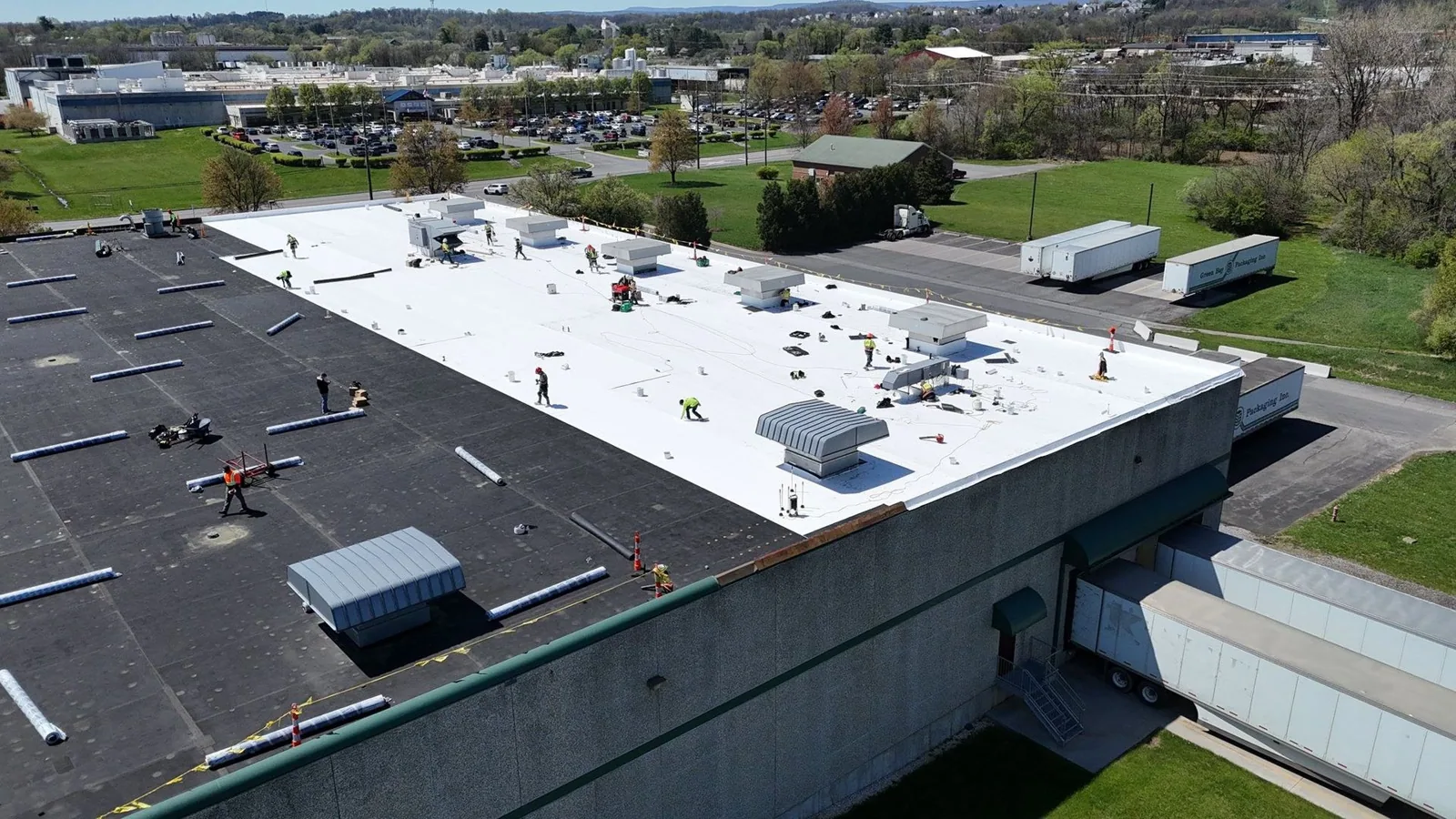
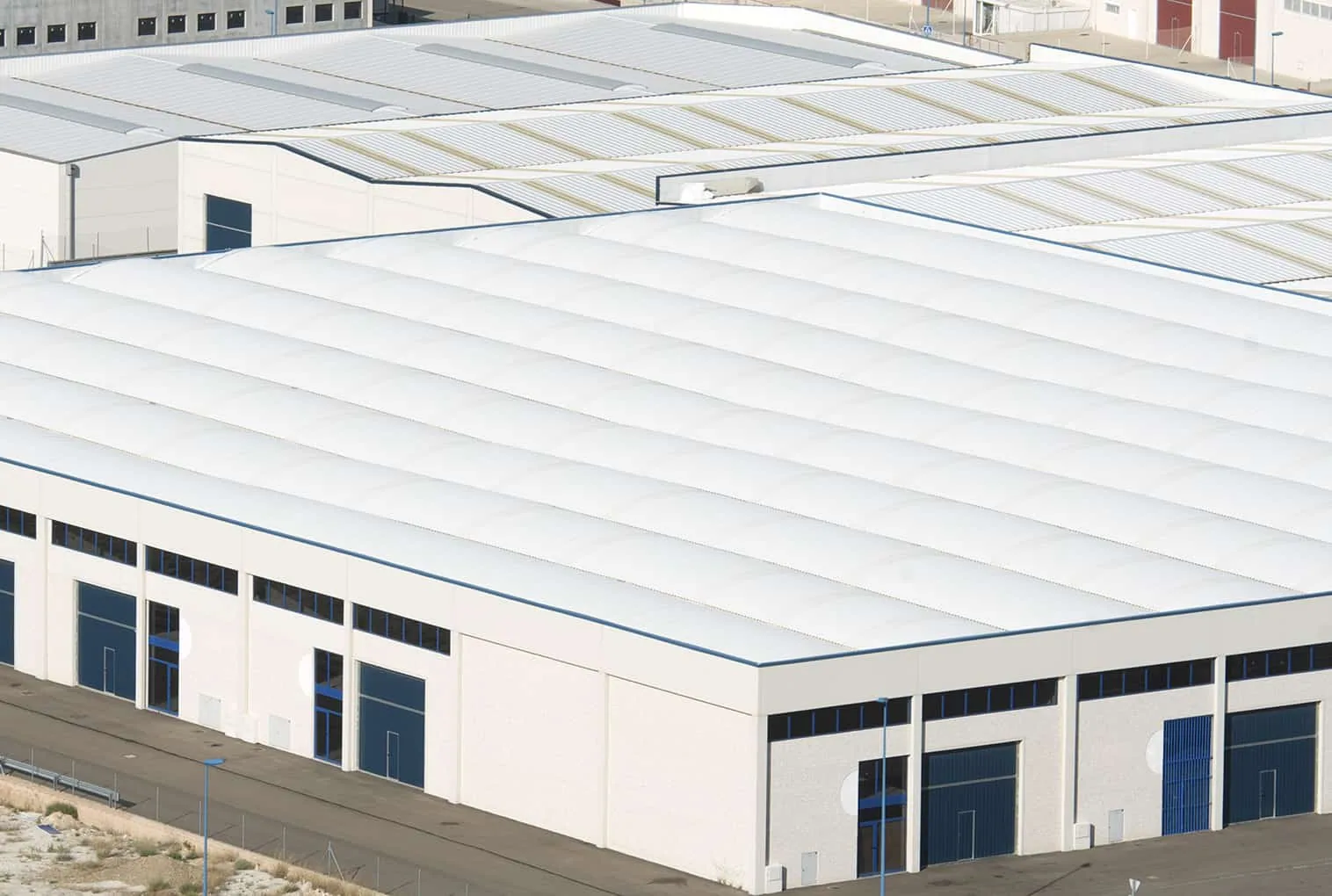
A PVC roof should be judged at its welded joints and transitions, not by the membrane color alone. We check seam integrity, sheet condition, attachment, insulation, drains, equipment curbs, and any exposure that may affect the surface. Sandy Springs’ commercial mix includes offices, retail, hospitality, and major healthcare employers, each with different operating hours beneath the roof. The inspection sets the system condition and the work boundary before the owner compares a localized repair with restoration or replacement.
Surface exposure and seam quality
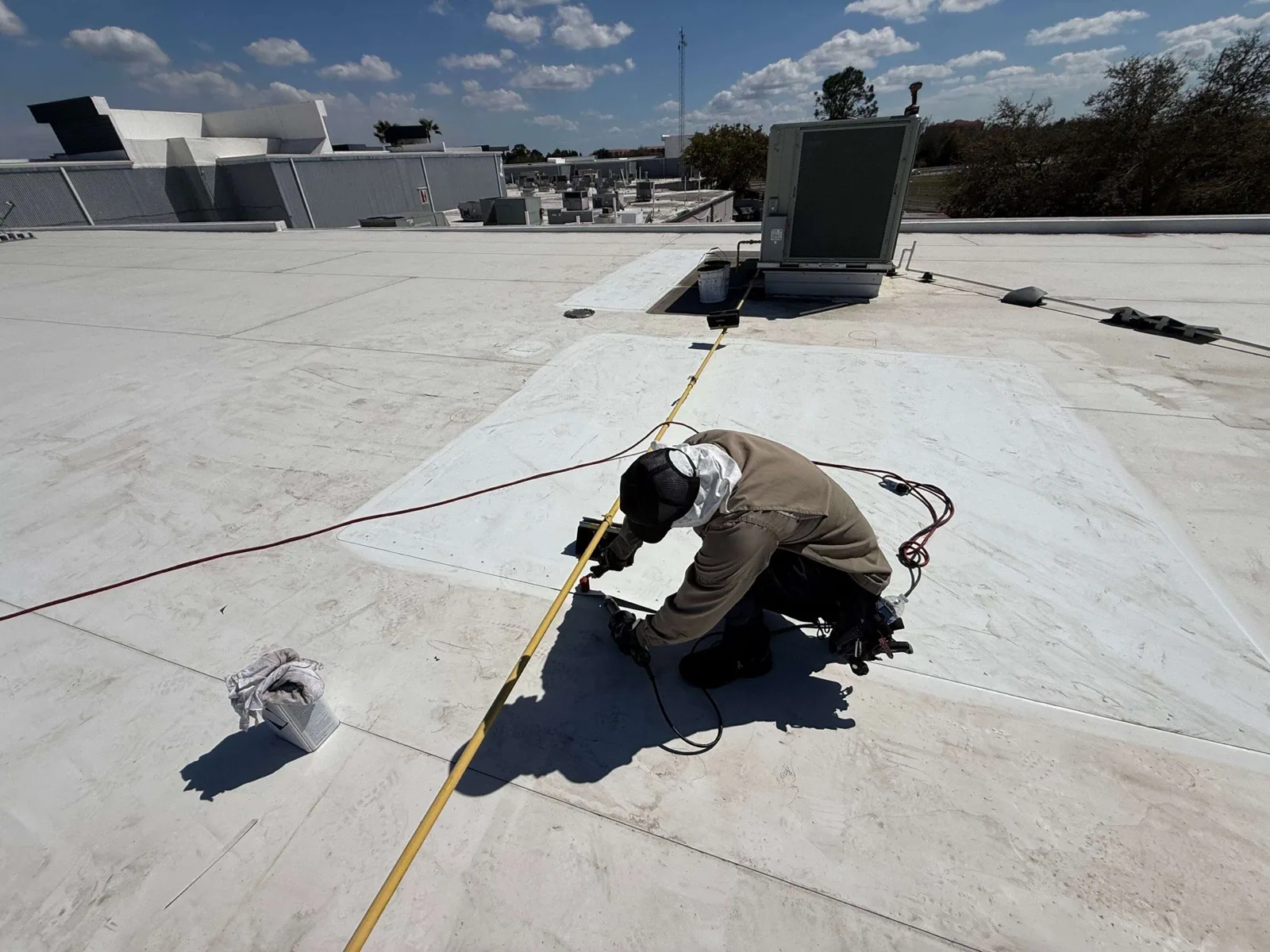
PVC is a thermoplastic single-ply membrane, and heat-welded seams carry the field connection between sheets. The weld needs clean material and suitable installation conditions; residue, movement, poor preparation, or an incompatible earlier repair can weaken the bond. We inspect lap edges and corners, probe suspect areas where appropriate, and check for cracking, distortion, or surface change. Where kitchen exhaust or rooftop process equipment is nearby, we document the actual discharge and membrane condition rather than assume the exposure from the property type.
In the Sandy Springs Medical District, commercial roofs serve a concentration of healthcare and research operations. A leak path can affect rooms that cannot simply be taken out of service, so scheduling, controlled access, and staging deserve attention before work begins. The building team can identify its own operating restrictions and the areas that require special coordination. A Medical District roof assessment can align the survey with those operating windows and the roof zones under review.
Where exhaust or process output could contact the surface, we record its location, direction, and visible effect on the membrane. A stain, soft patch, or surface change prompts a closer review, not an automatic conclusion about the cause. The owner can provide service logs or vendor notes that identify what is discharged and when. We use that information to define the review area and decide whether the affected sheet remains suitable for repair or needs a wider evaluation.
Layers beneath the membrane
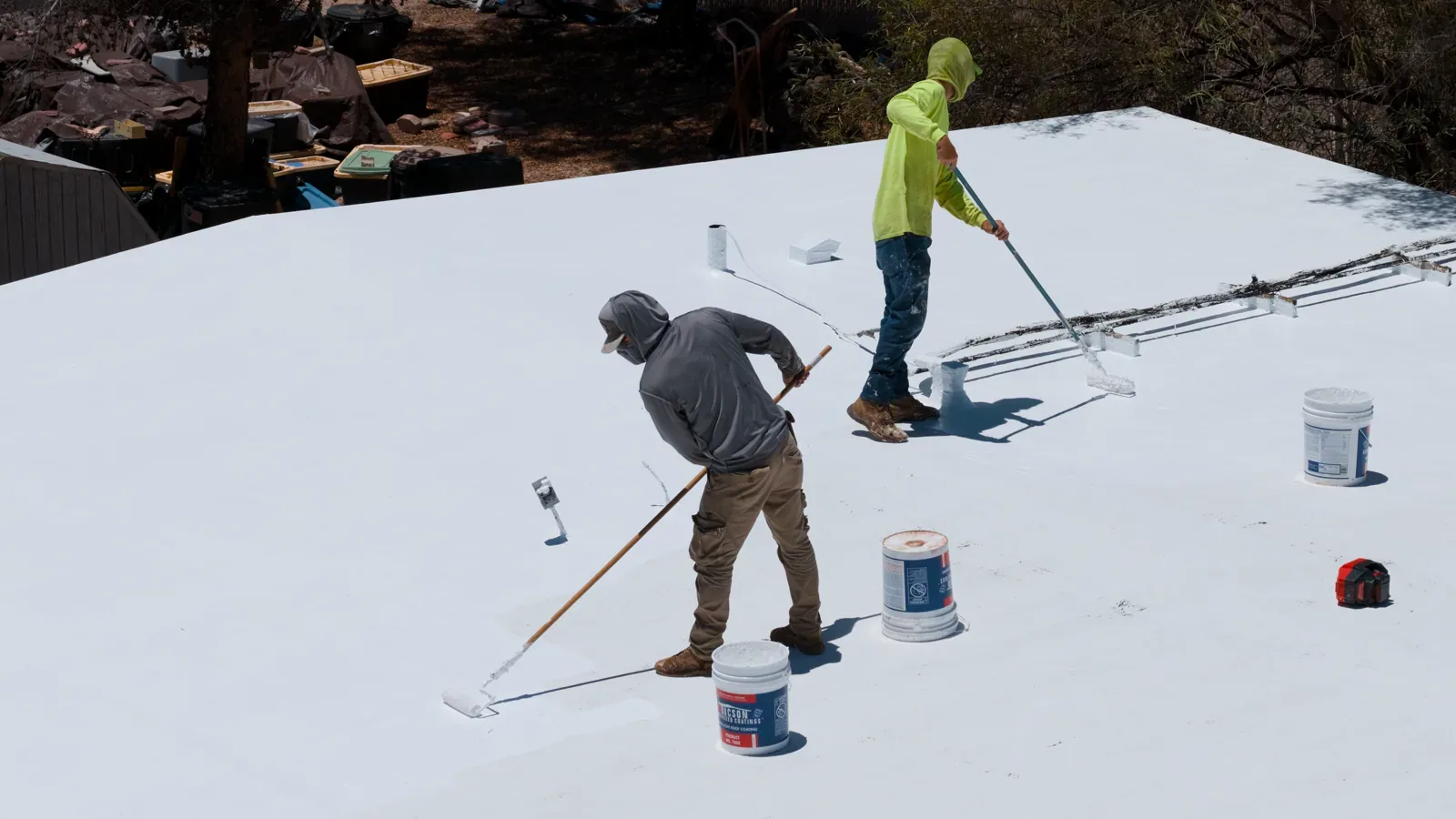
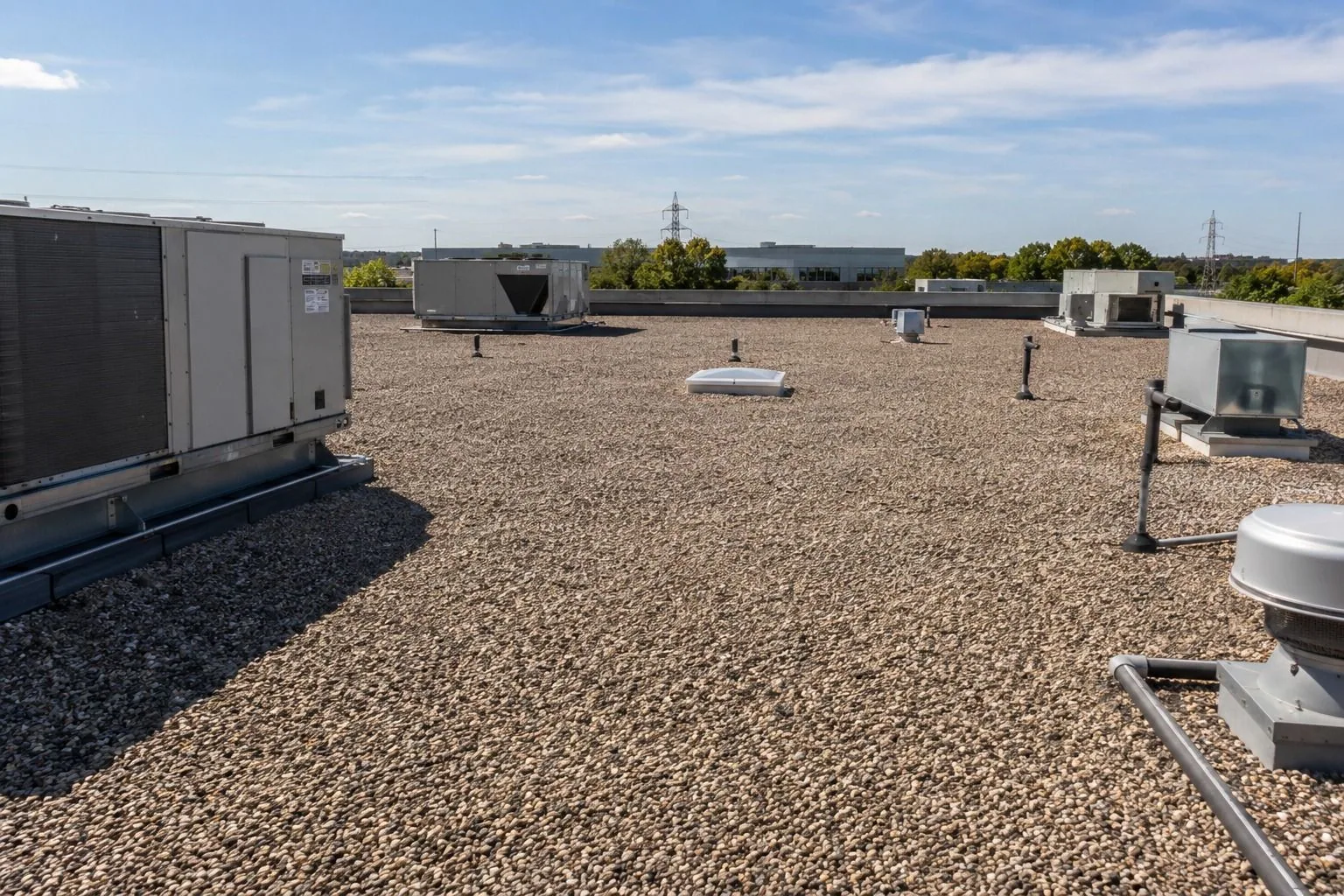
The membrane covers a larger assembly: deck, insulation, cover board, vapor-control components where designed, attachment, and edge details. A dry-looking field does not confirm that concealed insulation is sound. We compare leak reports with moisture readings, seams, drain locations, and prior repairs. If the result could change the removal boundary, a controlled test opening can confirm layers and condition. A moisture survey can help target those openings, while the final report distinguishes mapped indications from confirmed wet material.
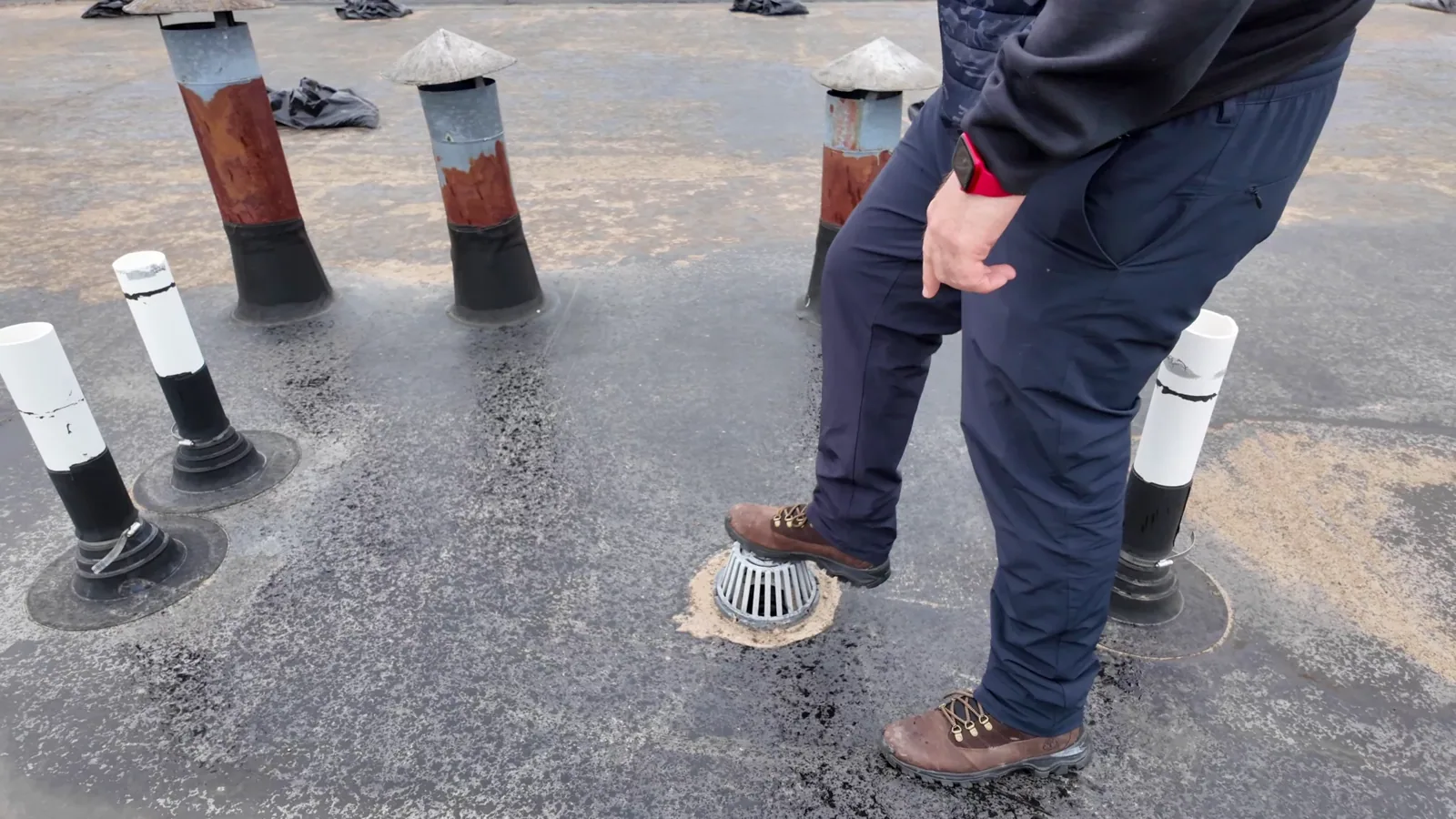
At parapets, curbs, scuppers, expansion joints, and pipe supports, the PVC flashing must tie into the field membrane without leaving an exposed edge or trapped water path. We review corner reinforcement, terminations, cover strips, and the height available above the finished surface. A drain and overflow review checks the outlets and low areas that can keep water against a seam. The connection between those details matters more than a broad material description when a roof has recurring leaks.
Repair boundaries and renewal
A puncture or isolated open weld can support a local repair when the membrane remains suitable around it. We prepare the surface, install a compatible patch or flashing detail, then inspect the weld and perimeter. If multiple areas show brittleness, poor attachment, trapped moisture, or repeated repair, a single patch does not settle the system question. A targeted roof repair names the area treated and the conditions that remain outside the scope.
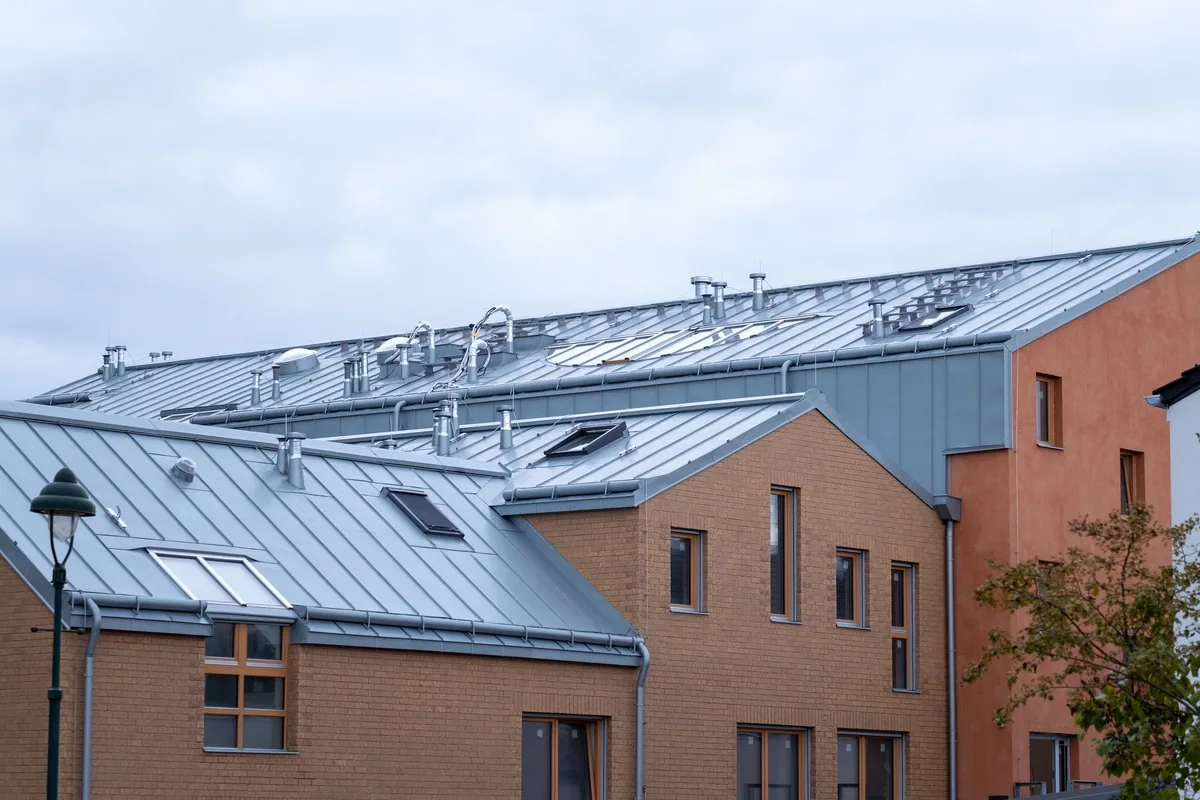
Recovering a PVC assembly requires review of moisture, existing layers, attachment, drainage, height, and applicable requirements. Tear-off exposes concealed material and lets the owner address deck or insulation problems before installing a new system. A new KEE membrane or TPO assembly may be considered alongside PVC, but each option needs a compatible flashing and attachment design. A replacement review compares the complete assemblies rather than membrane names alone.
Weather and access timing
Rain can interrupt surface preparation and membrane welding, while hot, humid weather affects material handling and the crew’s safe work window. We check the current forecast, substrate condition, and product installation limits before opening a roof section. Atlanta’s winter months also bring substantial rain, so each shift needs a secure closure and clear responsibility for temporary protection. If storm activity damages the roof during the work period, we record the affected area before returning to the planned repair sequence.
City Springs is a walkable mixed-use district where a connected street grid links civic, dining, and residential destinations. Those uses can create separate delivery and access windows for buildings in the area. We confirm the property’s event calendar, loading route, roof access, and interior protections with its authorized contact. A City Springs roof visit can set a survey window that fits the specific building, while a phased reroof plan can preserve agreed operations during replacement work.
Each shift should leave a dry, accessible tie-in at its boundary. Record where welding stopped, what protection remains, and who releases the next roof section. After a wet period, a walk should revisit laps, drain tie-ins, curb corners, and areas where water recurs. We compare the observed conditions with earlier photographs and mark any change by roof zone. If a surface looks different after repeated heat exposure, the record should distinguish cosmetic wear from a split, loss of adhesion, or compromised weld. That comparison helps the owner set a repair priority without turning every discoloration into a replacement recommendation. We also record any test area that remains inaccessible and schedule a timely follow-up if the condition needs confirmation.
Compare cost and condition
The estimate should show preparation, membrane removal or recover assumptions, insulation, cover board, attachment, edge metal, flashing, drainage changes, and occupied-area protection. Separating those items lets the owner compare options by roof section and see why a lower material allowance may omit important transitions. A capital review can place urgent repairs beside planned renewal using the same condition evidence. Where existing PVC is retained, the owner also needs maintenance requirements and a record of repairs to guide future inspections.
Keep installation records, roof-zone maps, seam repairs, moisture tests, drainage observations, photographs, and open questions together. We can document the current assembly and return a prioritized sequence with the test or approval needed for each decision. Share system age if known, leak areas, access limits, and the budget year before scheduling the survey.
Questions About PVC Roofing
How can a PVC seam be checked for failure?
We inspect the weld edge, sheet condition, corner details, and nearby leak evidence, then probe suspect areas where appropriate. The repair limit should extend to sound material and include a finished-weld check.
Does PVC handle grease or chemical exposure?
PVC formulations are used where certain chemical exposures matter. Suitability follows the actual substance, concentration, temperature, and manufacturer requirements. We document the observed discharge and compare it with the specified membrane.
Can a PVC roof be recovered?
We check the existing layers, moisture, attachment, height, drainage, and project requirements before considering a recover. If those conditions are unclear, targeted testing may be needed before the owner compares a recover with removal.
What makes a PVC repair last?
The surrounding membrane must be clean and weldable, and the detail needs compatible material, careful preparation, and a sound perimeter. We also check why the original area failed so water or movement does not continue at the next transition.
What roof records should an owner retain?
Keep the system description, repair zones, seam tests, moisture findings, photos, drainage notes, and any limits on access or testing. Those records help the next reviewer distinguish a recurring failure from an isolated detail.
Review PVC roof condition
Share roof plans, leak locations, known chemical exposure, prior repairs, access needs, and the budget window. We will return a prioritized PVC review and defined next actions.
Call 555-555-5555 or send the building details.