Commercial Roof Recover in Sandy Springs, GA
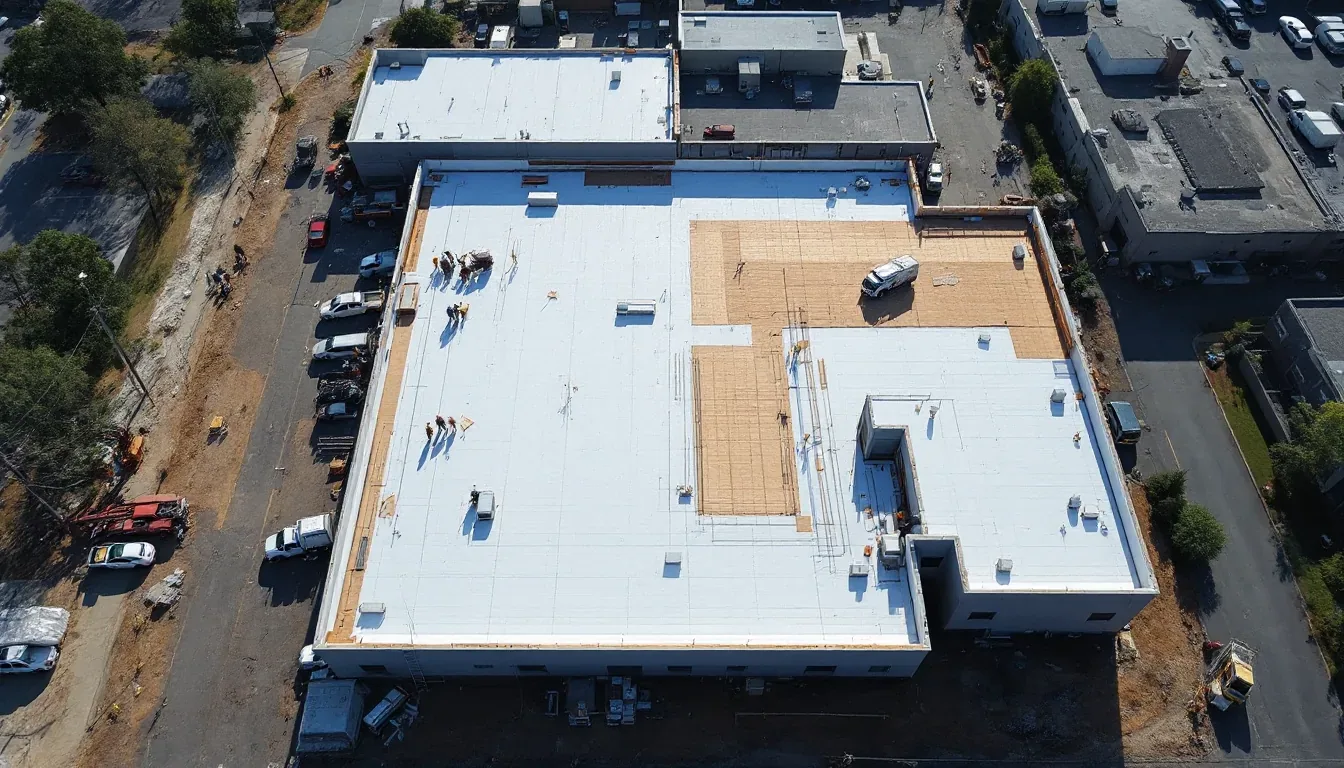
An overlay can preserve a roof section that still has a sound base, but it can also hide wet insulation or unstable attachment. The decision starts with the existing assembly. We verify layers, probe suspect areas, review drainage and perimeter height, and identify where an opening would change the scope. For a Sandy Springs owner, the practical comparison is not simply less removal versus more removal. It is whether the recover can meet the building's performance needs without carrying forward a condition that will shorten the next capital interval.
Existing Layer Condition
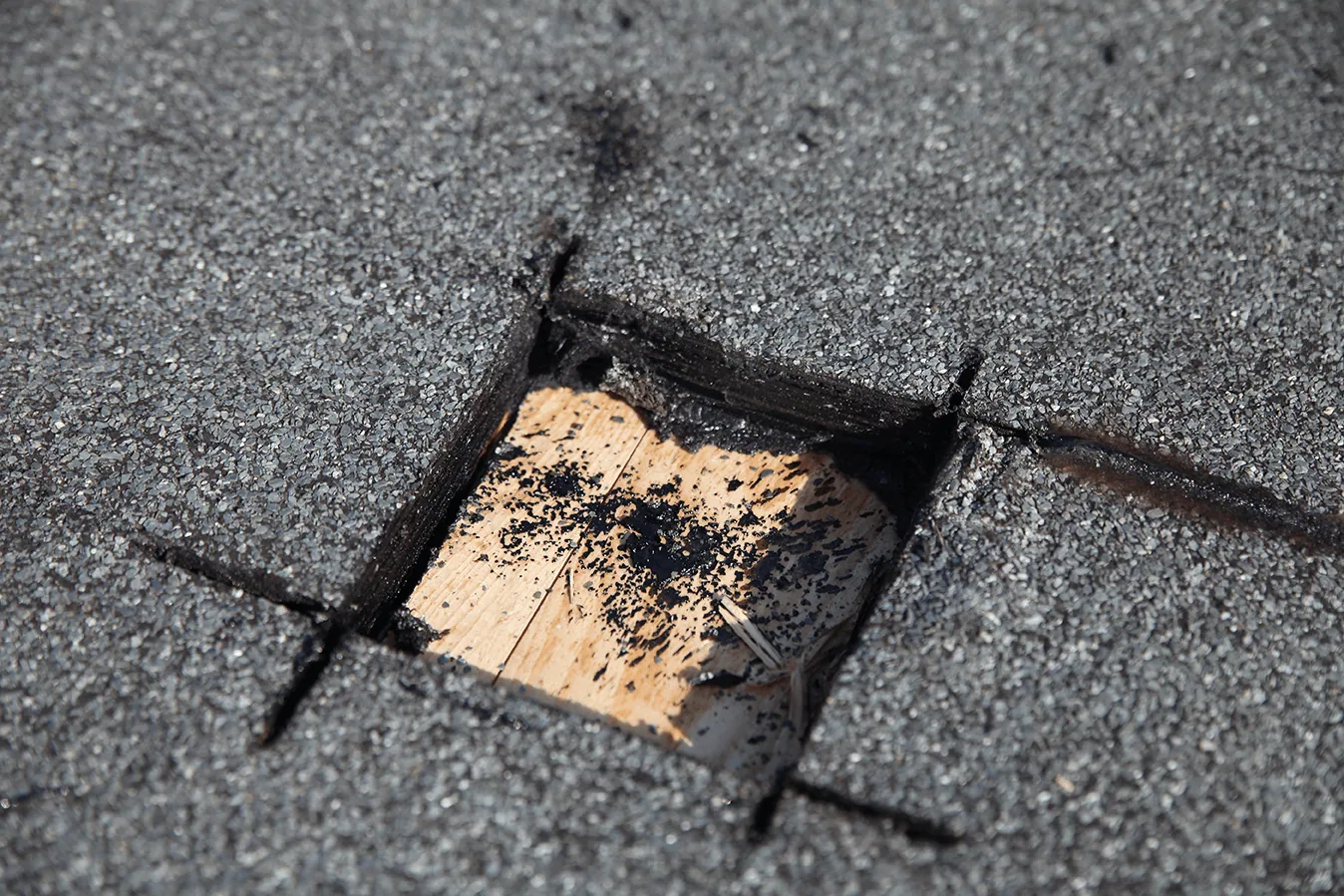
We map the roof before evaluating an overlay. That means identifying membrane or metal, prior recover layers, repair patches, moisture indications, penetrations, drains, and changes between additions. A scan may help locate a test, but a core or other controlled opening confirms layers at its point. If moisture is widespread, if the deck is compromised, or if the existing system cannot support another assembly, the recover option may not fit. A moisture survey with verification helps define whether an opening or removal boundary is needed.
The inspection also looks for trapped water at seams, soft insulation, loose fasteners, corrosion, and incompatible coating or patch materials. We record the size and location of each finding instead of extending one test result over the whole roof. Along Roswell Road’s North End, existing shopping centers sit within an area being considered for mixed-use housing, retail, office, and green space. A North End Sandy Springs roof review establishes the property’s current condition and the evidence needed to set its service-life decision.
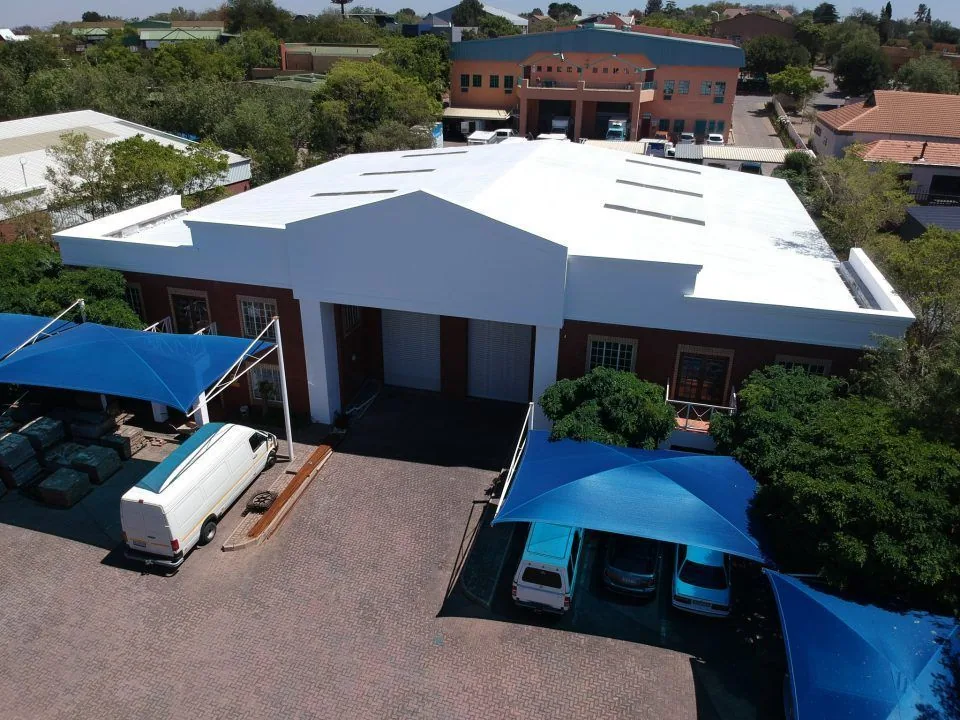
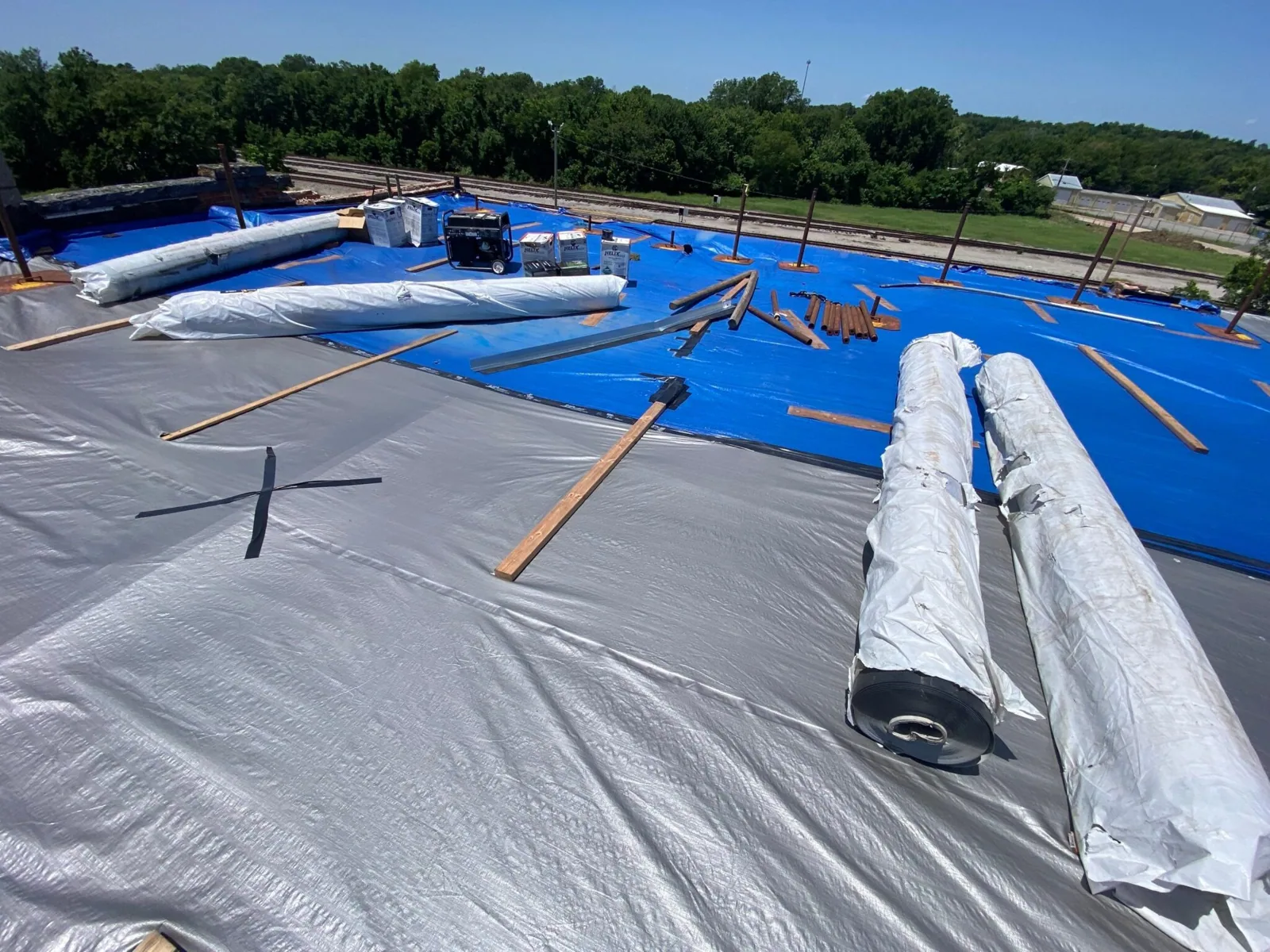
Drainage and Finished Height
Every added layer raises the finished roof surface. We check parapet coverage, door thresholds, equipment curbs, rooftop walkways, expansion joints, and the height available at edge metal. Drain bowls and scuppers need compatible extensions or replacement details so water can leave the assembly. The scope must account for overflow paths and the connection between old and new membrane. A drainage and scupper inspection records the outlet and overflow conditions before the recover detail is selected.
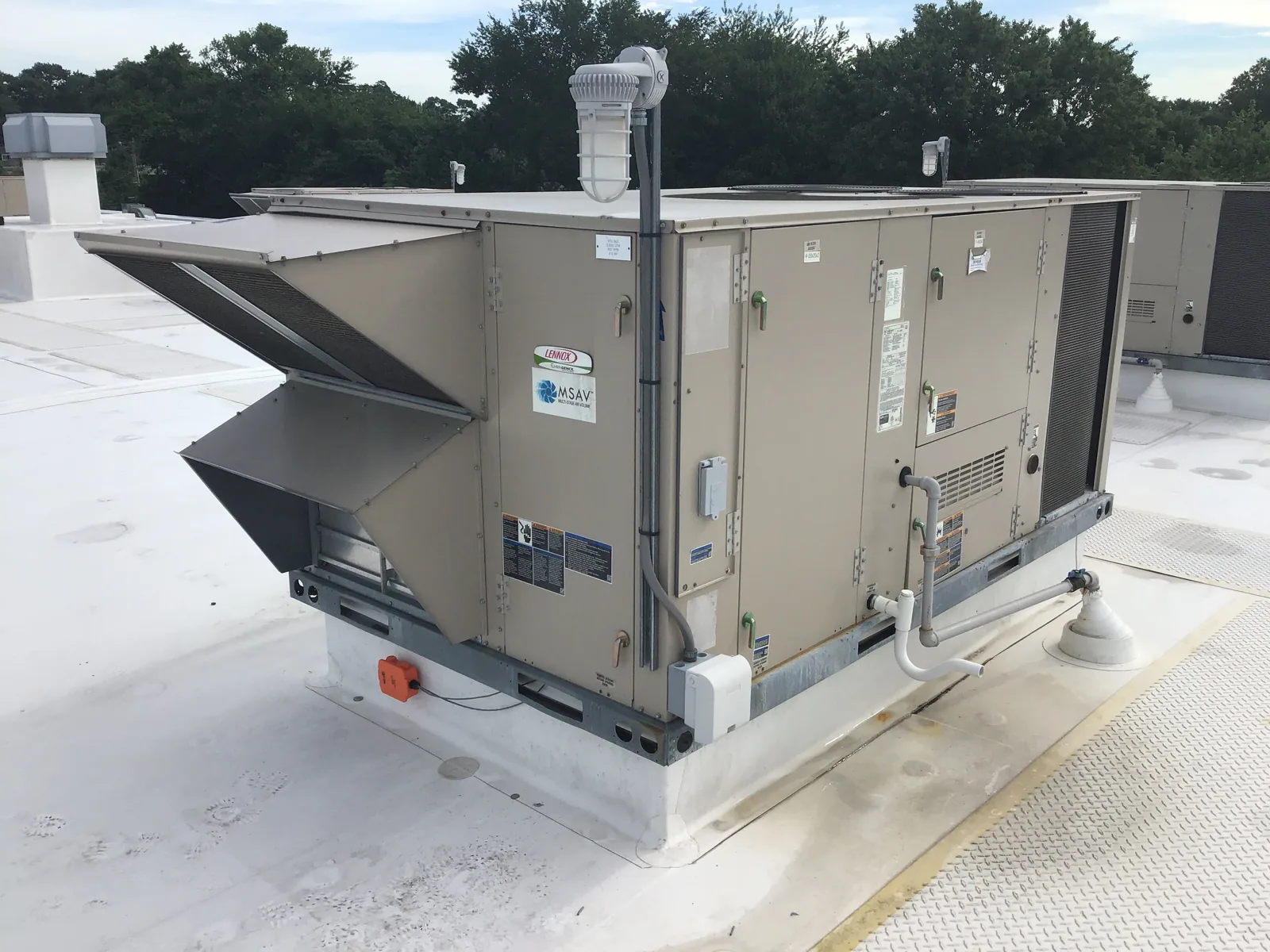
Central Perimeter has four MARTA stations and direct access to I-285 and Georgia 400. For a property in the district, we map rooftop equipment and service routes, confirm delivery access, then coordinate any curb extensions or mechanical work with the facility contact. If an existing unit is replaced later, the new flashing connection must meet the recovered surface rather than the former roof plane.
Assembly and Code Review
Before recommending another roof layer, we review attachment, existing layer count, structural considerations, fire classification, drainage, wind design, and applicable code requirements. Sandy Springs follows Georgia State Construction Codes. The 2024 International Building Code with 2026 Georgia amendments took effect January 1, 2026; confirm the applicable energy-code edition and project requirements with the authority having jurisdiction. A changed roof assembly needs project-specific review.
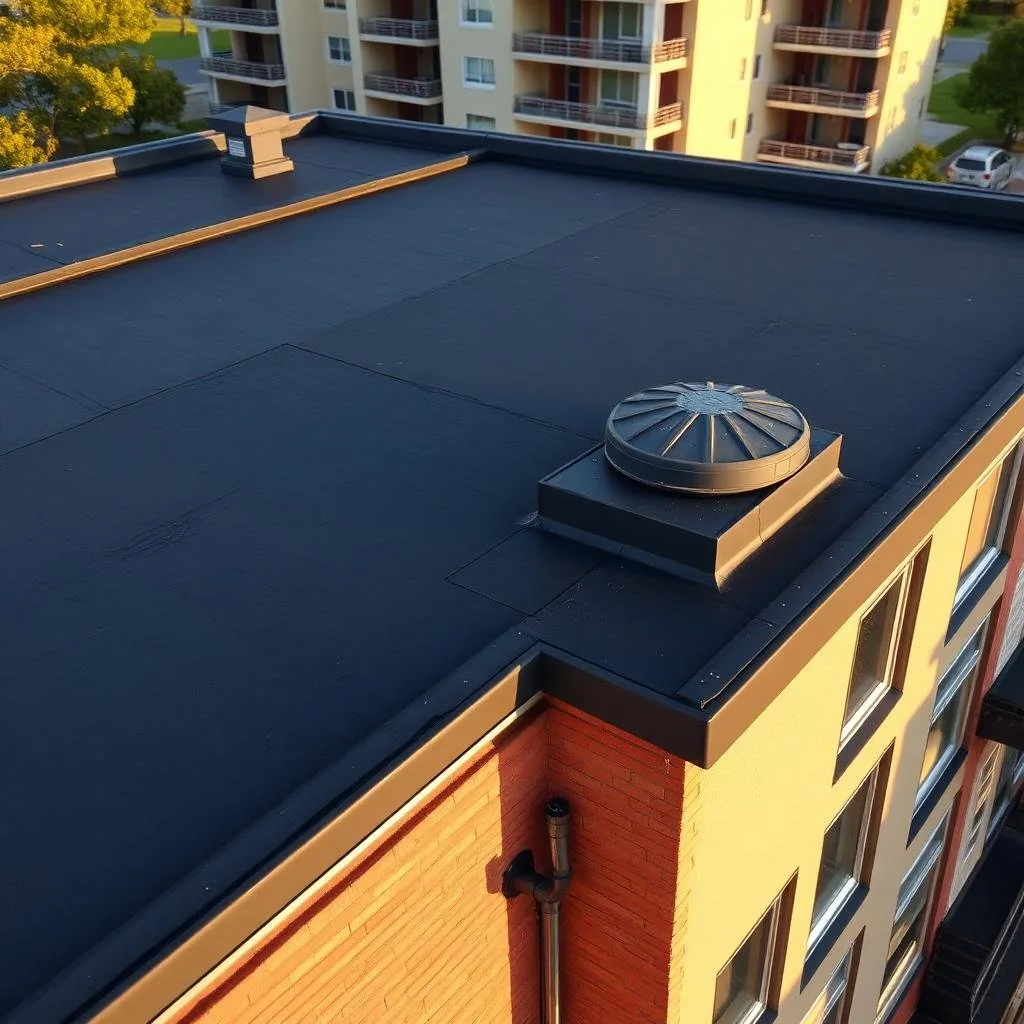
The system detail depends on the substrate and the selected membrane. A recover may use mechanically attached or adhered components, but edge securement, perimeter transitions, penetrations, and termination conditions still need a continuous load path and watertight detail. If the current surface is incompatible or cannot be prepared, removal may be needed. A single-ply system comparison can help assess assembly characteristics, while the project documents and field survey govern the final choice.
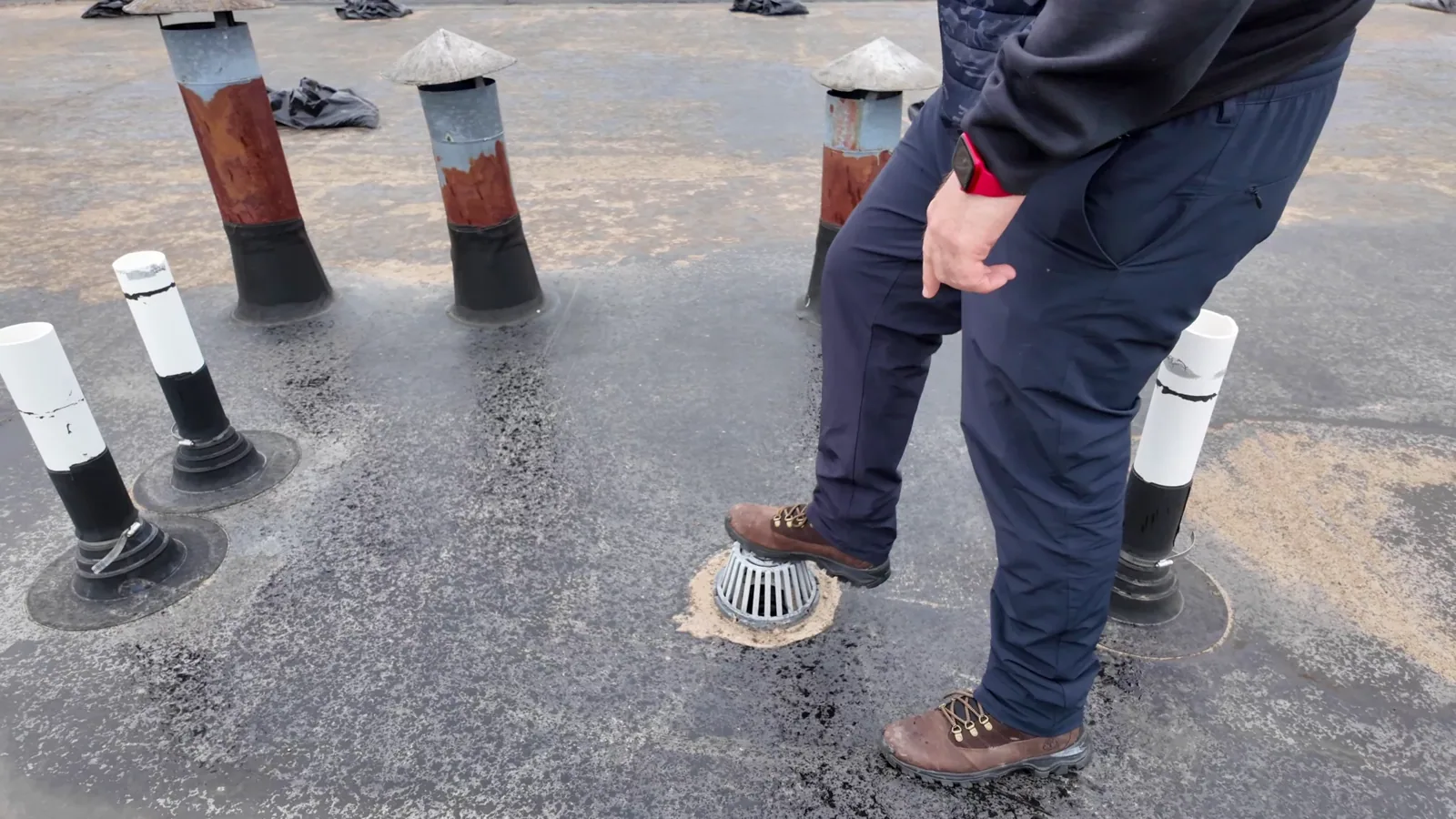
Removal Versus Recovery
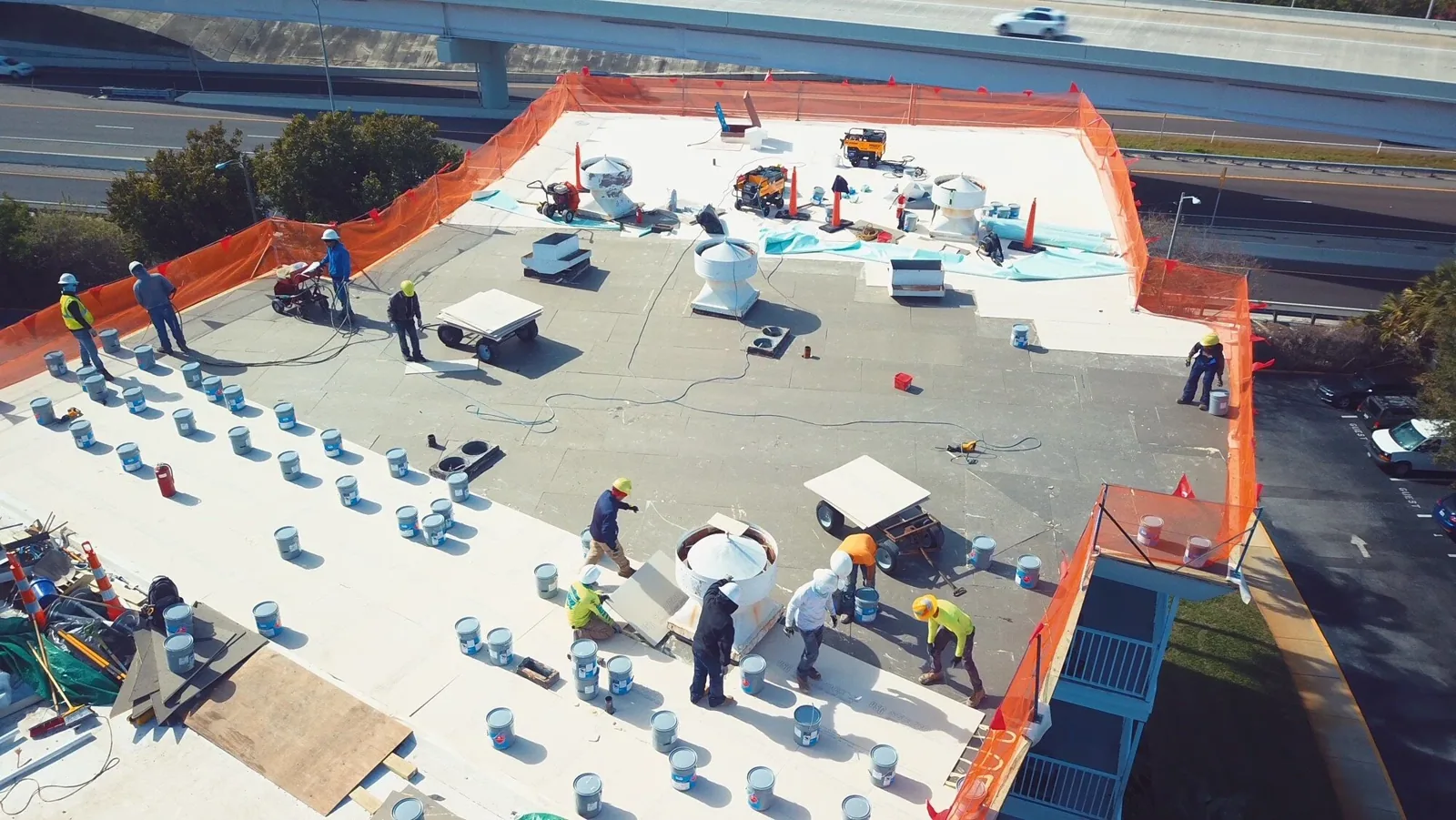
Recovery can reduce demolition and keep more of the building envelope intact, but it is not an automatic cost-saving choice. Removal gives the owner access to concealed insulation and deck conditions, while an overlay depends on the existing base being dry, stable, and suitable. We compare preparation, new insulation, edge and drain modifications, disposal, equipment coordination, labor staging, and the expected maintenance burden. A tear-off replacement estimate should use the same roof map and scope boundary so the owner can compare alternatives fairly.
Timing also depends on occupied hours and the number of roof sections that can be secured each day. Hot, humid Atlanta summers can affect surface preparation and installation windows. Winter freeze events occur, but sustained snow loading is not a dominant roof stress in the metro. We set daily closure points and weather checkpoints for either option. Where the building stays occupied, a section-by-section work sequence can protect entrances and equipment while keeping the recovery or removal boundary visible.
Central Perimeter's large office workforce can create daytime circulation demands around loading, parking, and entries. Powers Ferry includes office, hospitality, and retail uses near I-285. For a property in the Powers Ferry District, we confirm the staging area, hoist location, and access window with the facility contact before selecting a mobilization sequence.
Approval and Documentation
The recover recommendation should show the evidence behind it: assembly, layer count, test openings, moisture results, attachment observations, roof height, drain details, and unresolved conditions. It should also name what could change after work starts. If a core shows wet insulation beyond the tested point, the contract needs an agreed process for expanding removal. That keeps the owner from mistaking a preliminary budget for a fixed scope when concealed conditions remain.
We separate roof conditions that need prompt repair from sections that can remain in service under an inspection interval. A roof condition report can preserve the marked test locations and photographs, while a capital schedule can place eligible sections into a future budget year. The records should state which decision is supported now and which requires another test, rather than blending each roof section into one portfolio date.
Share the roof plan, known layer history, leak map, equipment constraints, occupied hours, and planned capital window. We will return a recover-versus-removal comparison with the test boundary and next approval points. For an office or healthcare property with year-round occupancy, the schedule should reflect the people and equipment below each section as clearly as the membrane above it.
Before recommending a recover, verify the existing assembly in representative locations and record each layer, attachment condition, and moisture result. A single test point cannot establish conditions across a large roof, so the sampling plan should cover different drainage areas and visible repair histories. If the evidence varies, separate the roof into decision zones and compare options for each one. That creates a clearer scope than assuming one recovery detail will suit every section of an occupied building.
Questions About Commercial Roof Recover
When can a commercial roof be recovered instead of removed?
A recover is considered when the existing assembly is dry enough, securely attached, compatible with the new system, and within applicable layer and code limits. We verify those conditions by roof zone. Wet insulation, unstable attachment, damaged deck, or excessive finished height can shift the recommendation to tear-off.
How do you find moisture under an existing membrane?
We review visible conditions and may use infrared or another survey to locate areas for testing. A controlled opening confirms the layers at that point. The report distinguishes scan indications from confirmed wet material and shows how each result affects the removal boundary.
Will an overlay affect drains and rooftop equipment?
It can. Added height changes drain bowls, scuppers, parapet coverage, curbs, and equipment clearances. We document those transitions before pricing and include extensions, replacement details, or mechanical coordination where the field conditions require them.
Does Sandy Springs code allow every roof to be recovered?
No blanket assumption applies. We check current state construction requirements, existing layers, attachment, fire classification, and the proposed assembly with the project team and authority having jurisdiction. The applicable requirements depend on the actual building and scope.
What should an owner compare in a recover and tear-off proposal?
Use the same measured roof sections for each estimate. Compare removal, substrate risk, insulation, edge and drain changes, staging, disposal, equipment work, weather protection, and what happens if concealed conditions are found. The written alternatives should make those assumptions explicit.
Compare the Roof Options
Send the roof plan, known system history, leak areas, equipment restrictions, occupied hours, and capital window. We will define the test boundary and return a prioritized recover or removal recommendation.
Call 555-555-5555 or send the building details.