Rooftop Equipment Curbs and Supports in Sandy Springs, GA
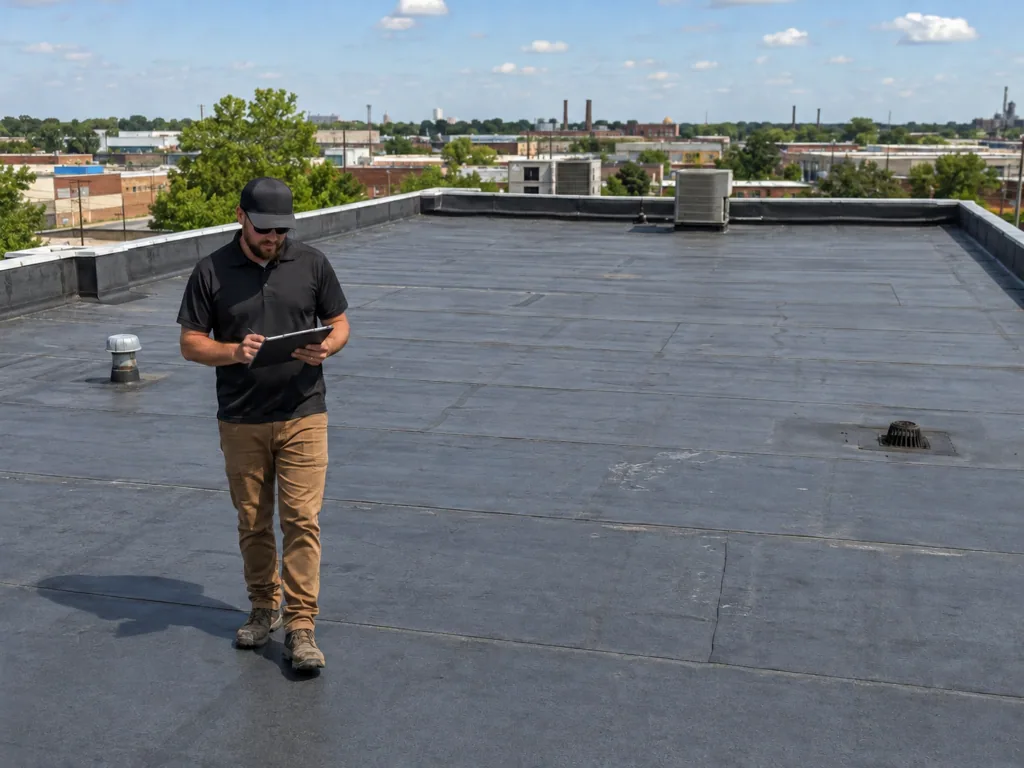
A new rooftop unit can reset a roof’s exposure before the owner has planned a renewal. The curb may be too low for added insulation, the new footprint may leave old flashing exposed, or a service route may cross a seam that was never built for repeated traffic. We inspect the roof assembly, equipment base, supports, and nearby drainage before defining roof work. In Sandy Springs, occupied office and medical buildings make lift timing part of the capital decision. The inspection record ties each curb to its condition, access window, and next action.
Curb and support condition
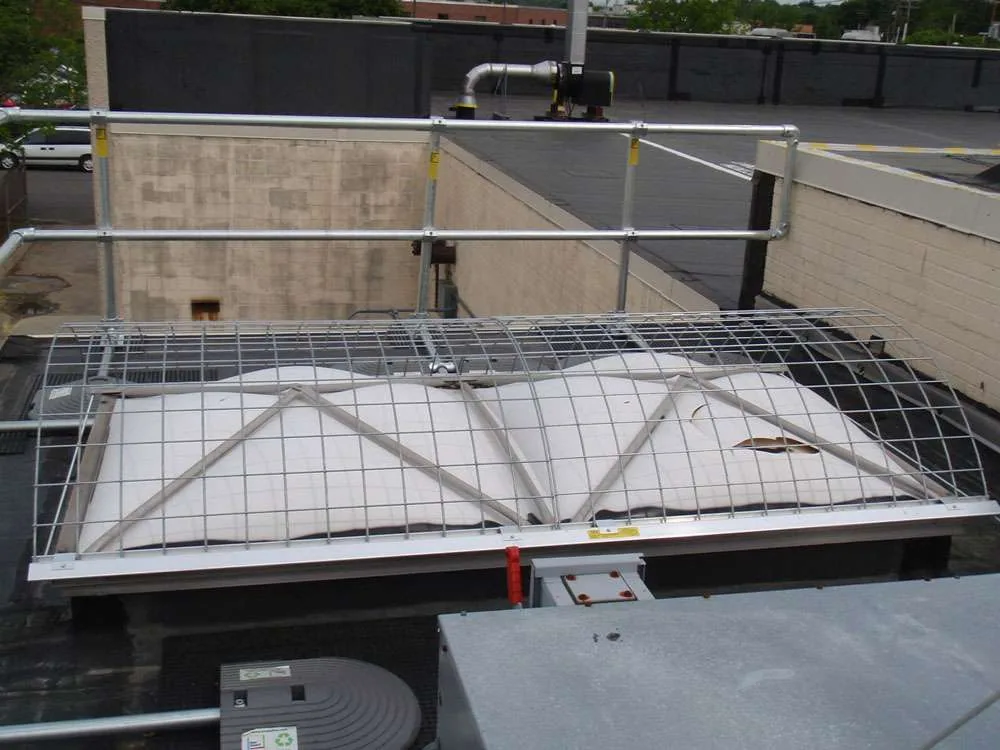
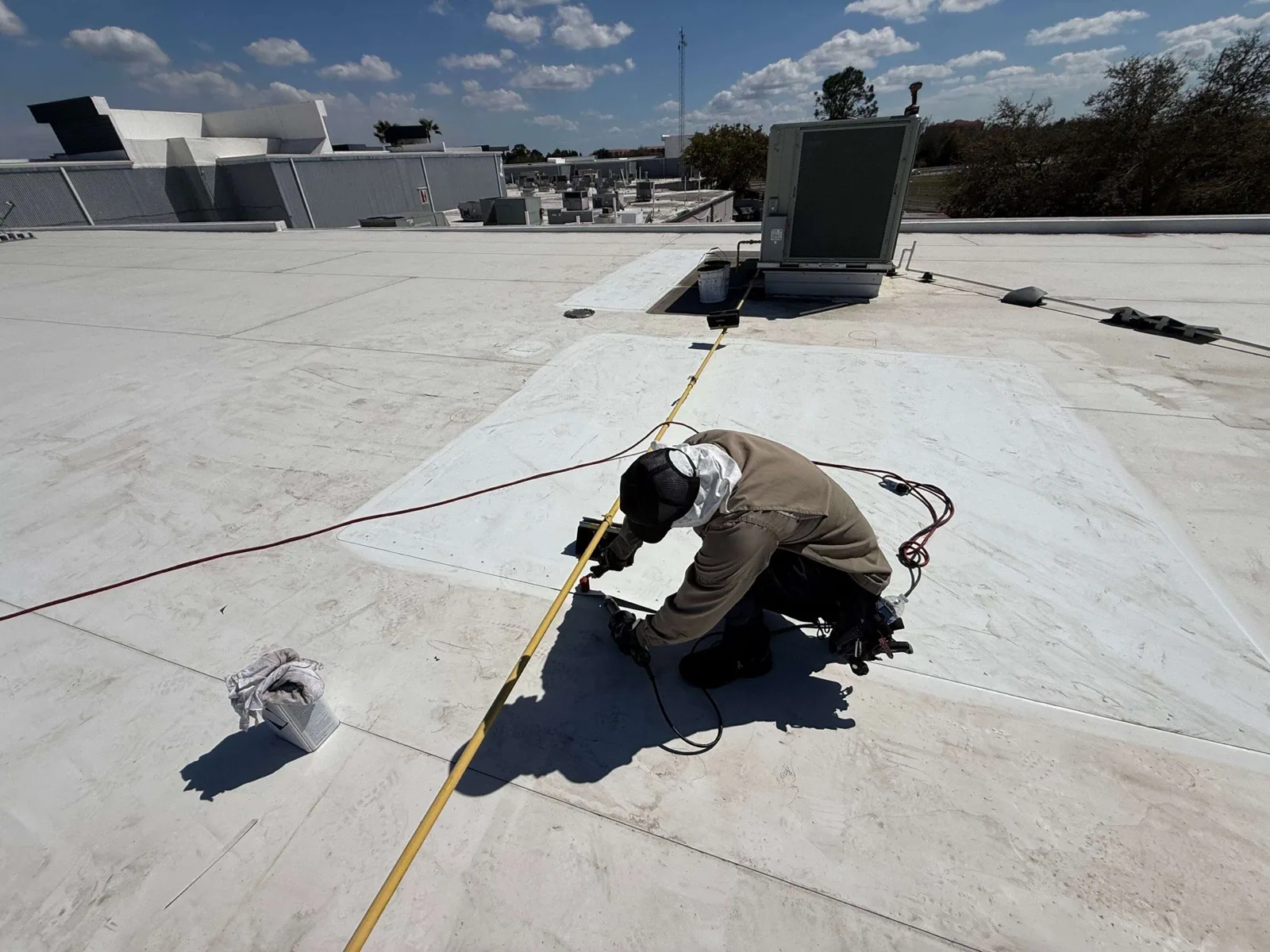
A curb corner is a small roof section with several ways to fail. We check the membrane transition, flashing height, counterflashing, fasteners, sealant condition, curb attachment, and the path water takes around the unit. Movement, corrosion, torn reinforcement, or a previous patch can show where the detail is losing continuity. We compare those observations with interior leak reports and the equipment service history. A commercial roof inspection can extend the map to nearby seams, drains, skylights, and roof edges before the owner approves a repair boundary.
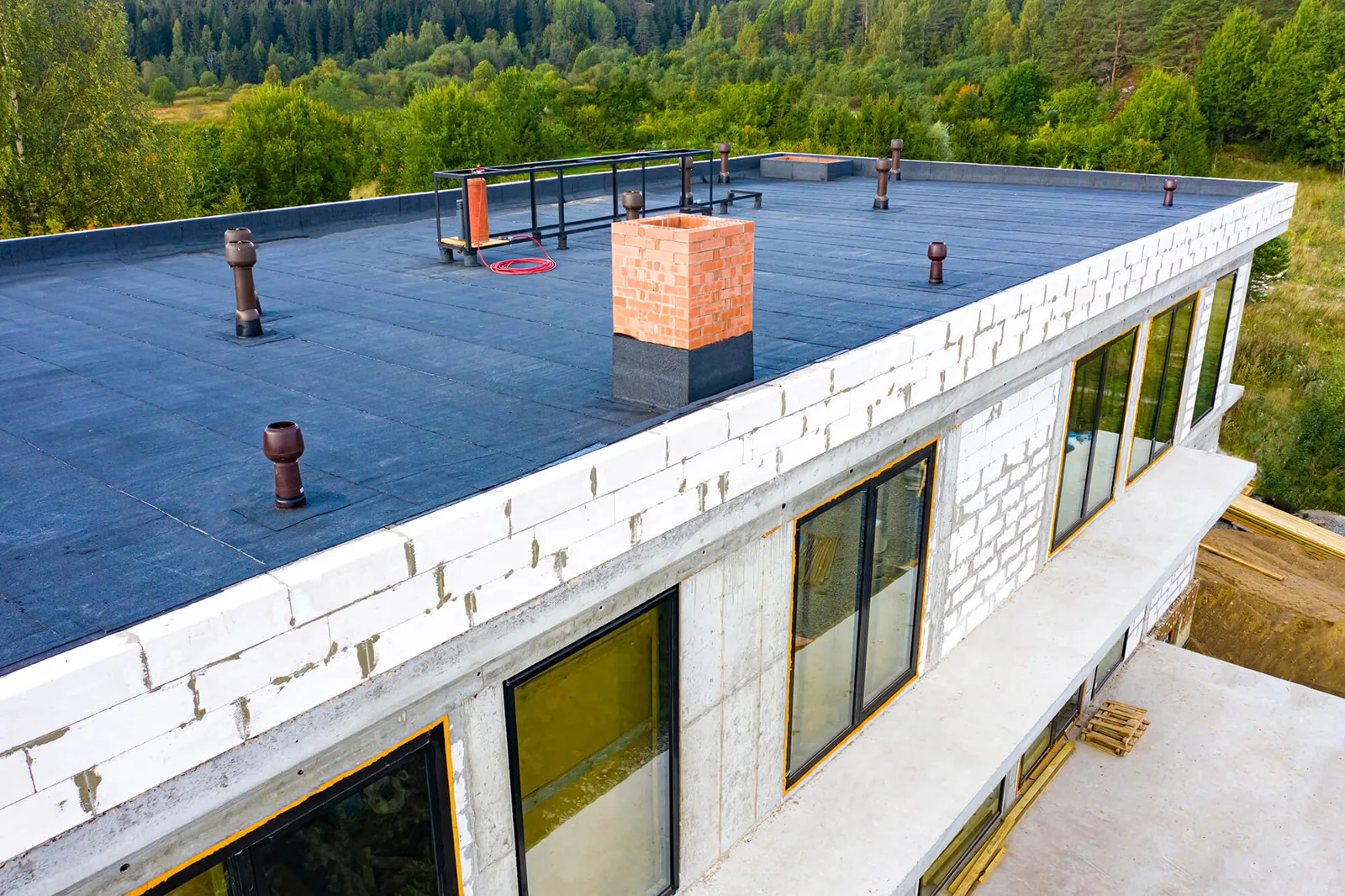
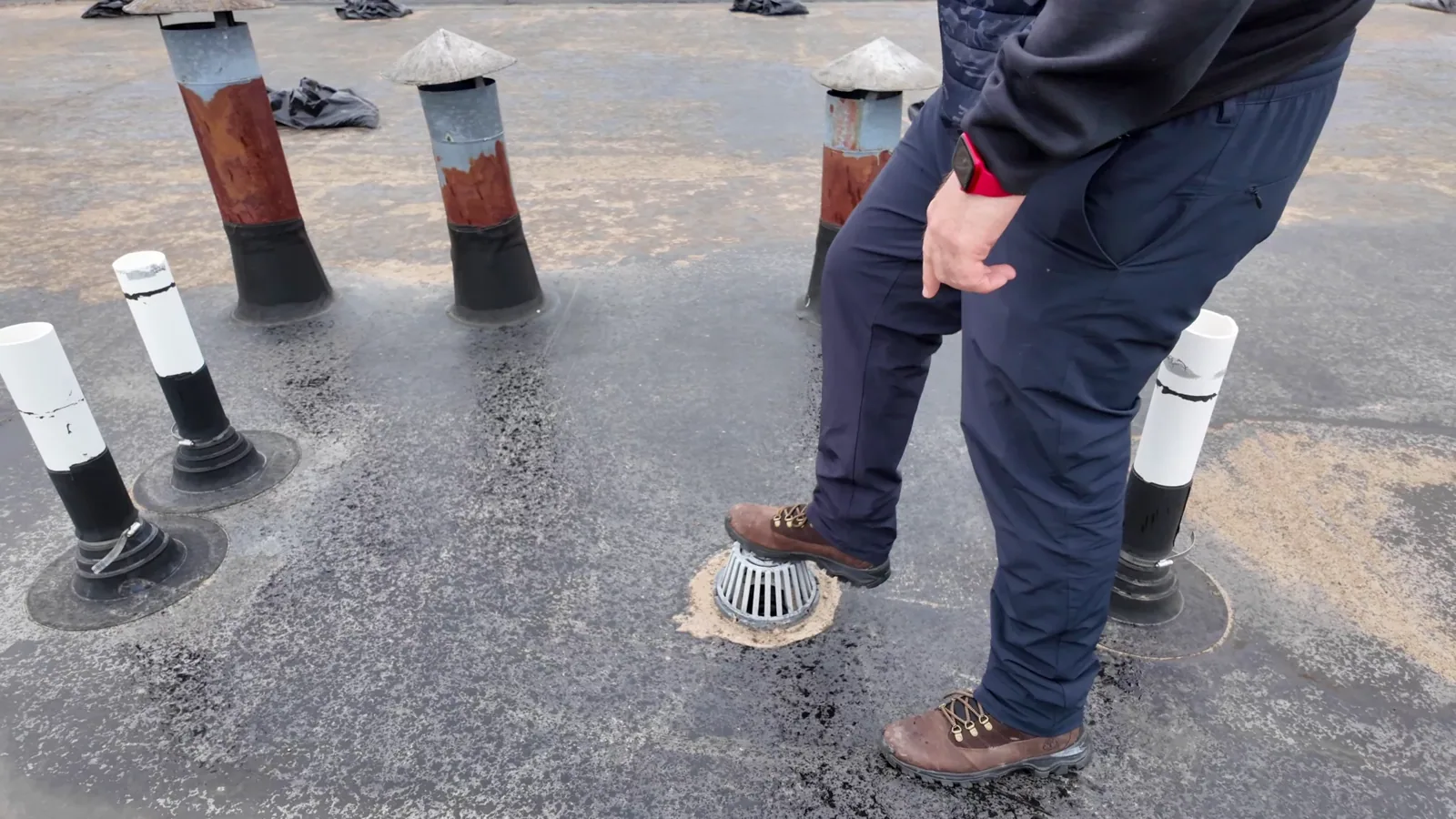
Pipe stands, conduit supports, and rails need stable bearing without crushing insulation or abrading the membrane. We inspect the base, protective pad, attachment, spacing, and visible loading. A support set through the roof needs flashing compatible with the assembly; a non-penetrating support still needs a stable surface and a path that does not obstruct drainage. If a technician repeatedly crosses the same section, a designated walkway can reduce incidental wear. The report separates roof defects from mechanical concerns that need another trade.
Equipment access and occupied hours
A replacement unit can require shutdown, disconnects, crane access, temporary opening protection, and a restart check. The roofing sequence depends on the final curb dimensions and the mechanical schedule. We confirm who controls the lift, who protects the equipment opening, and who approves the flashing before materials are ordered. The work plan sets a secure stopping point for each shift. It also shows which rooms, entrances, or roof routes need protection while the unit is offline.
Central Perimeter is a major daytime employment district served by four MARTA stations and regional highways. The site contact confirms each building’s gate, loading rules, and delivery window before equipment or roofing materials arrive. A Central Perimeter roof review begins with the property’s access contact, tenant schedule, and lift route. For a building in the Sandy Springs Medical District, continuous clinical activity may make equipment shutdowns and intake protection especially important to plan with facility staff. Across the Atlanta metro, July and August average highs approach 90 degrees, with overnight lows near 72. On a low-slope roof, sun-heated curb metal and membrane conditions can change how materials are handled during installation. We plan around product temperature limits, substrate moisture, and the time needed to complete each flashing transition. Rain planning matters too: the base and curb cannot be left open through a shift. We stage materials, temporary covers, and a secure closeout point before the lift begins.
What movement reveals
Vibration can loosen fasteners or fatigue a curb transition over time. A service technician may also shift a panel, pull a conduit, or carry tools across a vulnerable seam. We look for movement at curb corners, distorted sheet metal, cracked sealant, open laps, and marks that show repeated traffic. If water appears indoors, the nearest unit is not automatically the entry point. We compare the reported room and timing with the roof slope, drain locations, flashing transitions, and any moisture readings. A seam assessment can help determine whether movement is local to the curb or continues along a larger roof section.
Condensate and relief lines need a clear discharge path. Water should not be released across a membrane seam, onto a wall joint, or into a low point around the unit. We document visible supports and outlet conditions, then coordinate connection questions with the mechanical provider. A drainage review can address a nearby outlet that stays wet after rain. The roof-side recommendation should not conceal a plumbing issue or redirect water toward another curb.
Repair, modify, or renew
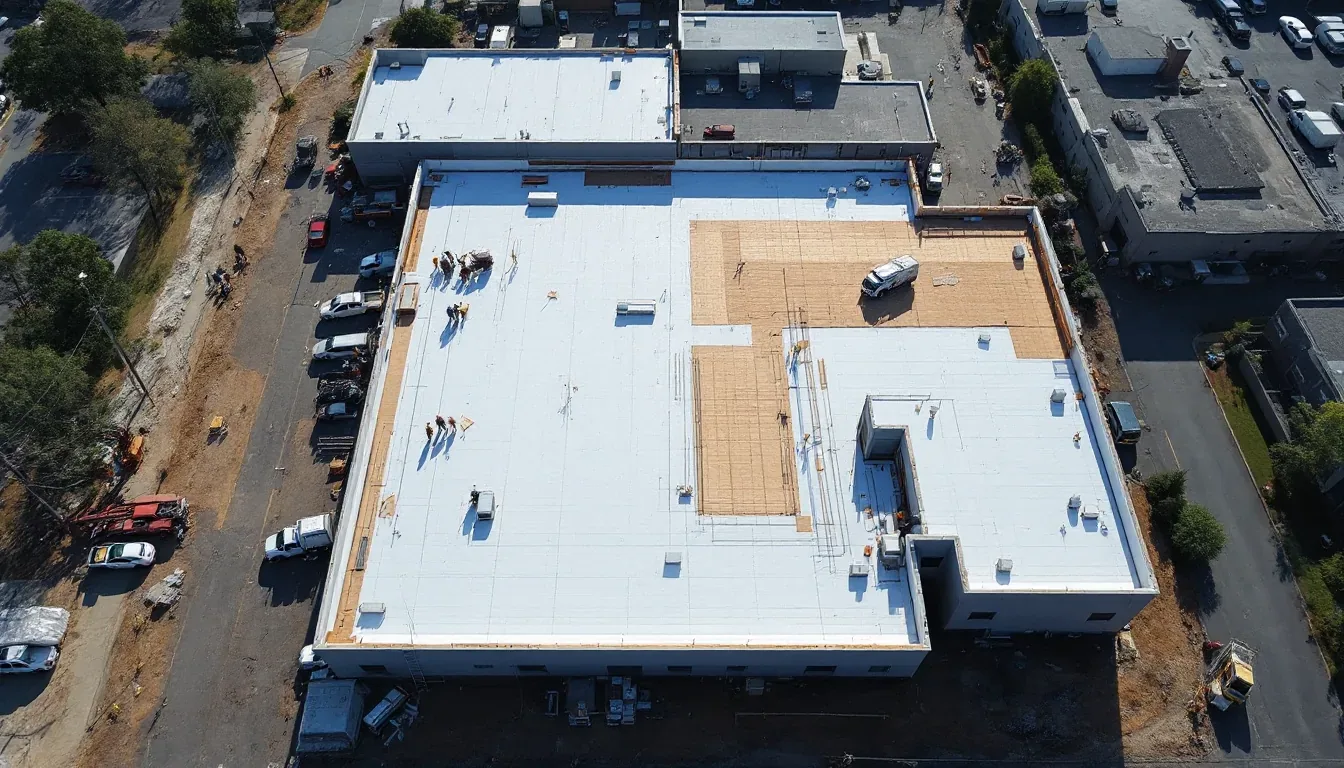
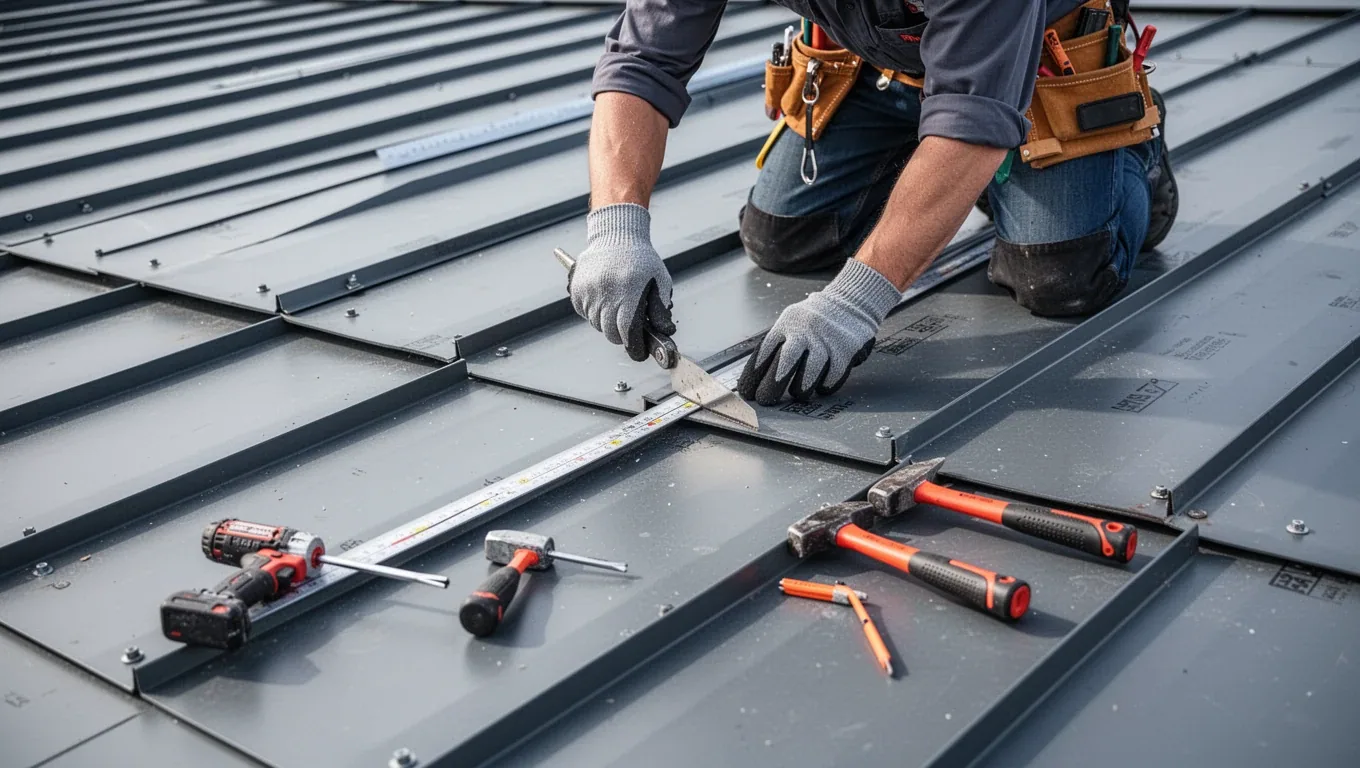
A sound curb with a failed membrane tie-in may need a localized reflash. A low, corroded, or poorly matched curb can require a modification or lift before the roof detail is closed. If added insulation changes finished height, the flashing dimension needs to be checked against the new roof plane. We identify the roof system, curb material, transition, and any concealed condition that could change scope. A replacement plan should coordinate curb heights and equipment sequencing before tear-off begins; an isolated curb repair should stay limited to the verified area.
Budget decisions also depend on what the equipment schedule can support. Repeated curb failures across one building may justify grouping roof work with the next planned unit replacement, while an active leak needs immediate protection. A capital review can rank the roof section by condition trend, service interruption, and budget year. If the owner is comparing thermoplastic assemblies, the TPO system discussion should include compatible curb flashing and the details around every penetration, not just the field membrane.
Closeout and next interval
After work, we label each repaired curb or support by roof zone and photograph the completed tie-in. The closeout notes the membrane transition, support method, equipment status, any temporary protection removed, and the condition that remains outside the scope. If a mechanical startup check or follow-up inspection is pending, the record names the responsible contact and timing. A roof condition report can keep those observations with the building’s service history so a future unit change does not restart the review from memory.
Send available roof plans, leak locations, unit replacement dates, access requirements, and the budget window. We can separate a curb repair from a broader renewal recommendation and identify which detail needs the next inspection. The owner receives a prioritized sequence with the work boundary, access needs, and open decisions stated by roof section.
Measure the existing curb after the old unit is isolated and before ordering a replacement detail. Confirm whether the new base covers the full opening, how the duct or conduit crosses the curb, and where the finished membrane can terminate above expected water depth. Photograph those dimensions for the mechanical and roofing teams so the replacement arrives with a coordinated flashing plan instead of a field-built guess.
Questions About Rooftop Equipment Curbs and Supports
Can a curb be reflashed without lifting the equipment?
A curb that remains sound and accessible can often be repaired in place. A lift or modification may be needed when the curb is too low, damaged, or incompatible with the membrane. We verify dimensions and assign equipment handling to the mechanical provider before the roof is opened.
What changes when insulation is added below a rooftop unit?
Added insulation raises the finished roof plane and can reduce the curb’s effective flashing height. We check the transition, edge conditions, drainage, and equipment clearances against the proposed assembly before installation.
Who is responsible for disconnecting and restarting a unit?
The facility’s qualified mechanical provider handles equipment disconnects and restart checks. Our scope covers the roof opening, curb dimensions, flashing, and temporary protection, with the sequence coordinated before the lift.
How do you keep a support from creating a leak path?
We match the support detail to the roof system and the load it must carry. The base should not crush insulation or cut the membrane; penetrations need a compatible flashed transition and clear drainage around them.
What information helps set the next inspection interval?
Keep the unit service date, curb repair photos, leak history, support locations, and any deferred mechanical work with the roof-zone record. We use that condition trend and the facility’s access window to prioritize the next review.

Set a curb and support review
Share roof plans, active leak areas, equipment timing, access limits, and the budget window. We will return a prioritized review with a defined curb scope and next actions.
Call 555-555-5555 or send the building details.