Acrylic Roof Coatings in Sandy Springs, GA
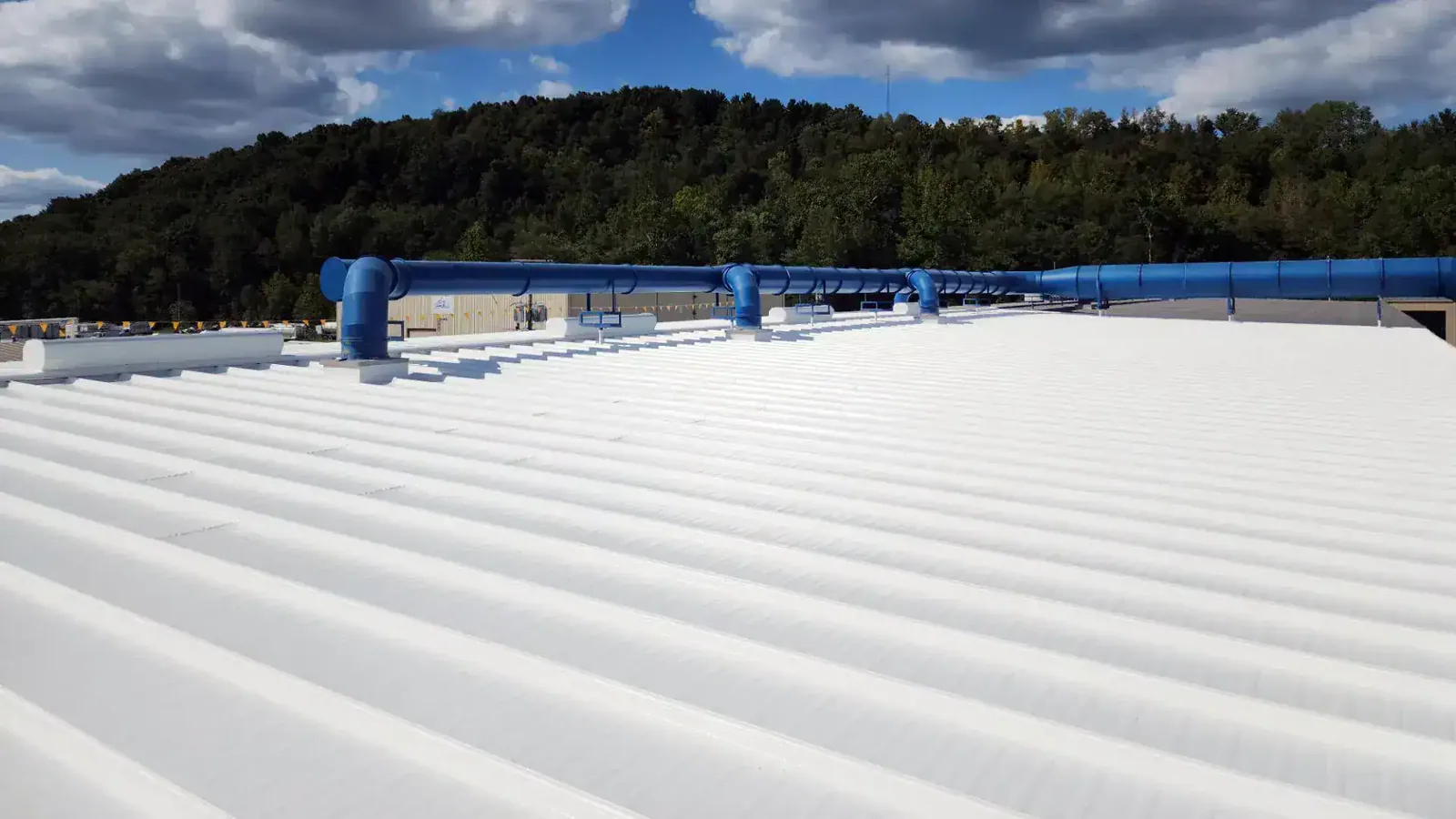
An acrylic coating is a water-based restoration option for an eligible roof, with preparation and cure conditions that need careful timing. We inspect the existing membrane, repairs, moisture, drainage, and flashings before recommending a test area. Sandy Springs has frequent rain and hot summers, so a dry substrate and protected application window matter. A roof with sound attachment and serviceable transitions may support coating; a roof with trapped moisture or repeated ponding needs a different review before another layer is added.
Surface and assembly readiness
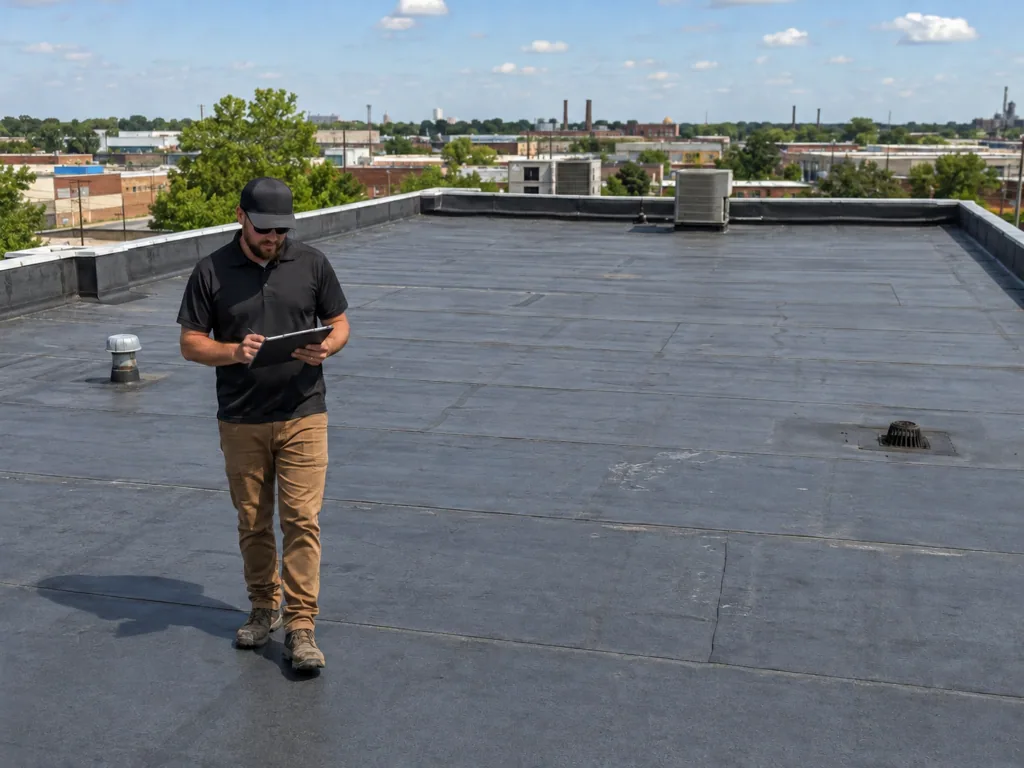
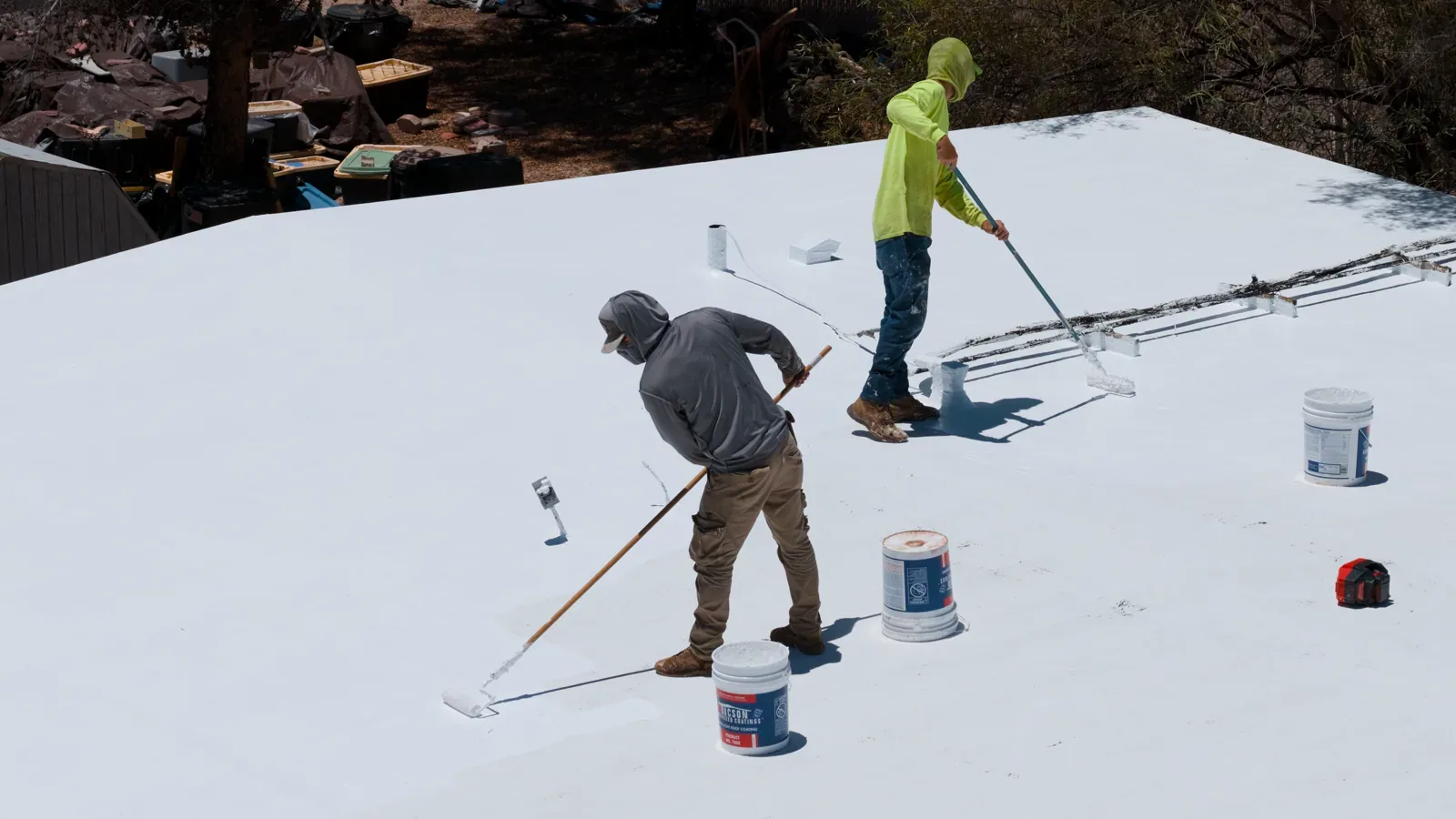
We identify the existing roof material, coating history, surface contamination, repairs, and areas where water or foot traffic has worn the finish. Acrylic systems need a prepared surface and compatible primer where specified. Adhesion testing can confirm whether the proposed coating bonds in the test area. If moisture is suspected below the membrane, a reading or test opening may be required before the owner approves restoration. A roof inspection can map the areas that need testing and the transitions that need repair first.
Preparation is not a cosmetic step. Cleaning, seam repair, fastener treatment, reinforcement, primer, and dry-in all affect the final film. We measure the roof zone, identify details that need additional reinforcement, and confirm how debris and wash water will be handled. The estimate should specify application rates, target thickness, cure limits, and quality checks. An incomplete preparation scope can make a low bid difficult to compare with a system that includes the necessary repairs and inspection points.
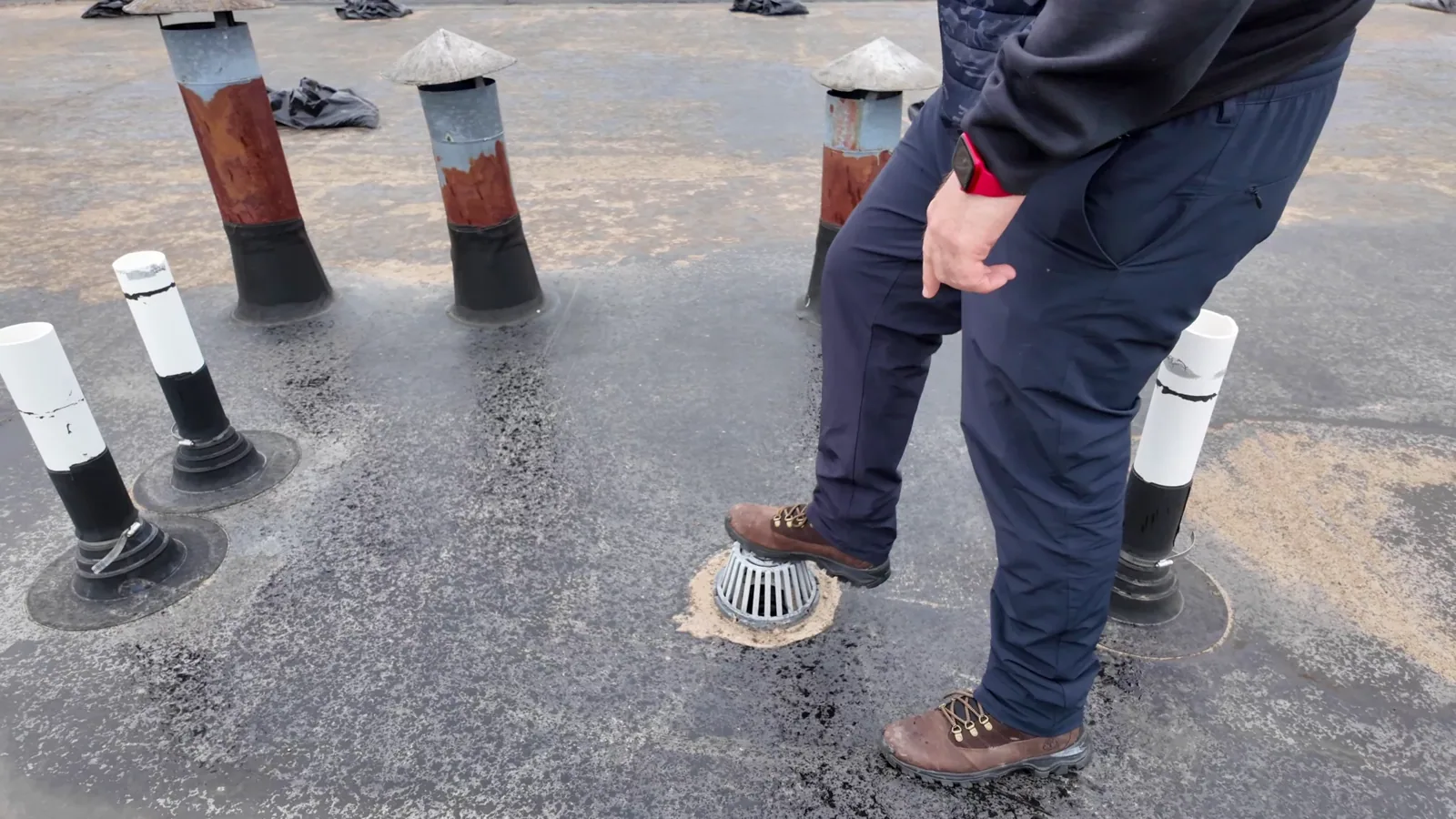
Repairs should be completed before coating, not hidden under a new film. We address loose seams, punctures, failed flashings, and fastener concerns in a sequence that lets the repair cure and receive its own inspection. If a coating crosses a material change, the detail needs a compatible transition and enough reinforcement to accommodate movement. We note where the coating begins and ends so later maintenance can identify the treated surface without extending it over an untested section.
For a coating test, mark the sample location and identify the membrane or prior finish underneath it. Keep the area large enough to evaluate preparation, primer, reinforcement, and bond after cure. Photograph the surface before and after each step, then compare the result with the proposed production method. If adhesion or cure differs from the product requirements, revise the repair or test another compatible area before extending application.
Drainage before coating
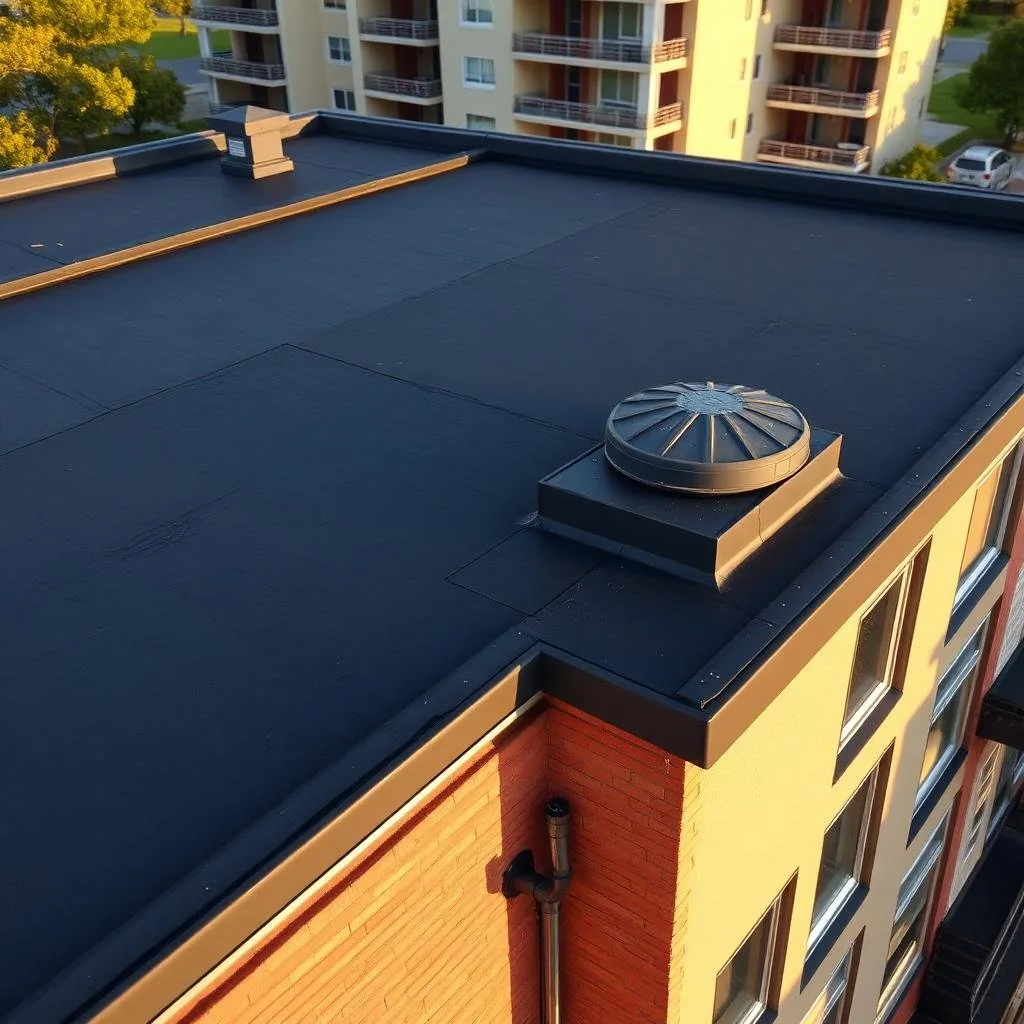
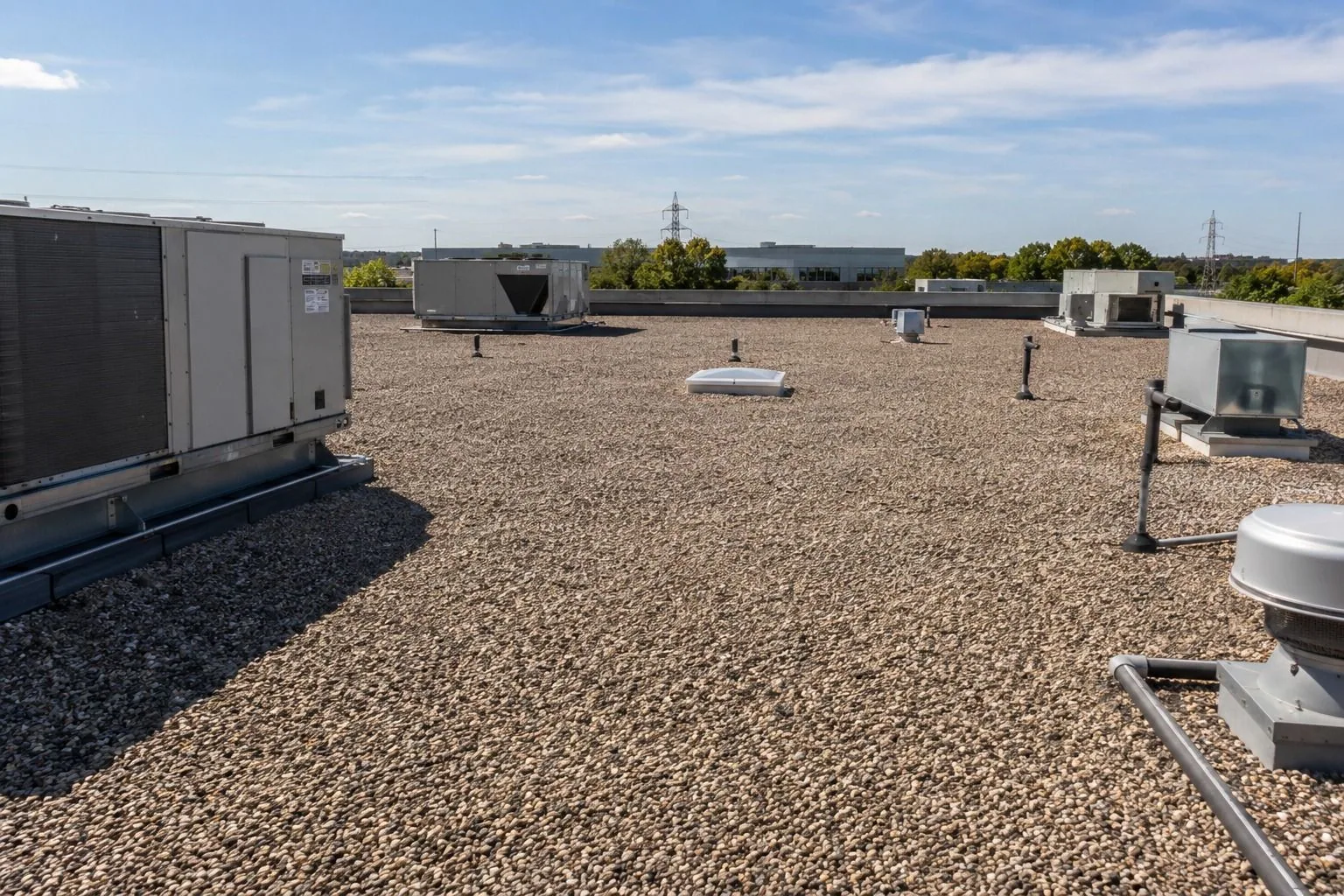
Acrylic coatings are generally less suited to prolonged standing water than silicone systems, so drainage needs careful review. We check outlet height, low areas, crickets, scuppers, and any ponding marks before deciding whether the roof plane can receive the system. A drainage review can identify blocked outlets or slope corrections that should happen before coating. Surface material cannot replace a correction to the water path.
Dunwoody’s Perimeter includes a broad mix of office and retail properties, and State Farm’s Park Center campus has three completed buildings. Before a coating test on a property in the district, confirm roof entry, tenant hours, equipment routes, and staging with the site contact. A Dunwoody roof assessment can tie those requirements to the preparation plan.
Rain, temperature, and cure
Water-based acrylic needs time to dry and cure under suitable conditions. Rain too soon can affect the film, while hot roof surfaces can change working time and application behavior. We check the current forecast, substrate moisture, surface temperature, and product requirements before each stage. The work area should be small enough to protect if weather shifts, with drains left open and temporary protection ready. Each shift ends at a defined boundary with the completed coating and details secure.
Marietta’s Roswell Street Tier A commercial overlay guides development compatibility, road use, pedestrian safety, and preservation of historic structures. On a property in this corridor, confirm delivery timing and protection below with the site contact before application begins. A Roswell Street roof visit can record the staging and access limits.
Warm roof surfaces can accelerate drying at the top of an application while the material below remains wet. We follow the product’s published temperature, humidity, and recoat windows and avoid closing moisture into the assembly. A shift plan should account for mixing, application, film checks, and cure protection. If a test section does not bond or cure as expected, the crew stops and the owner receives the result before the remainder of the roof is treated. The owner approves each change before application resumes.
Acrylic, silicone, or new membrane
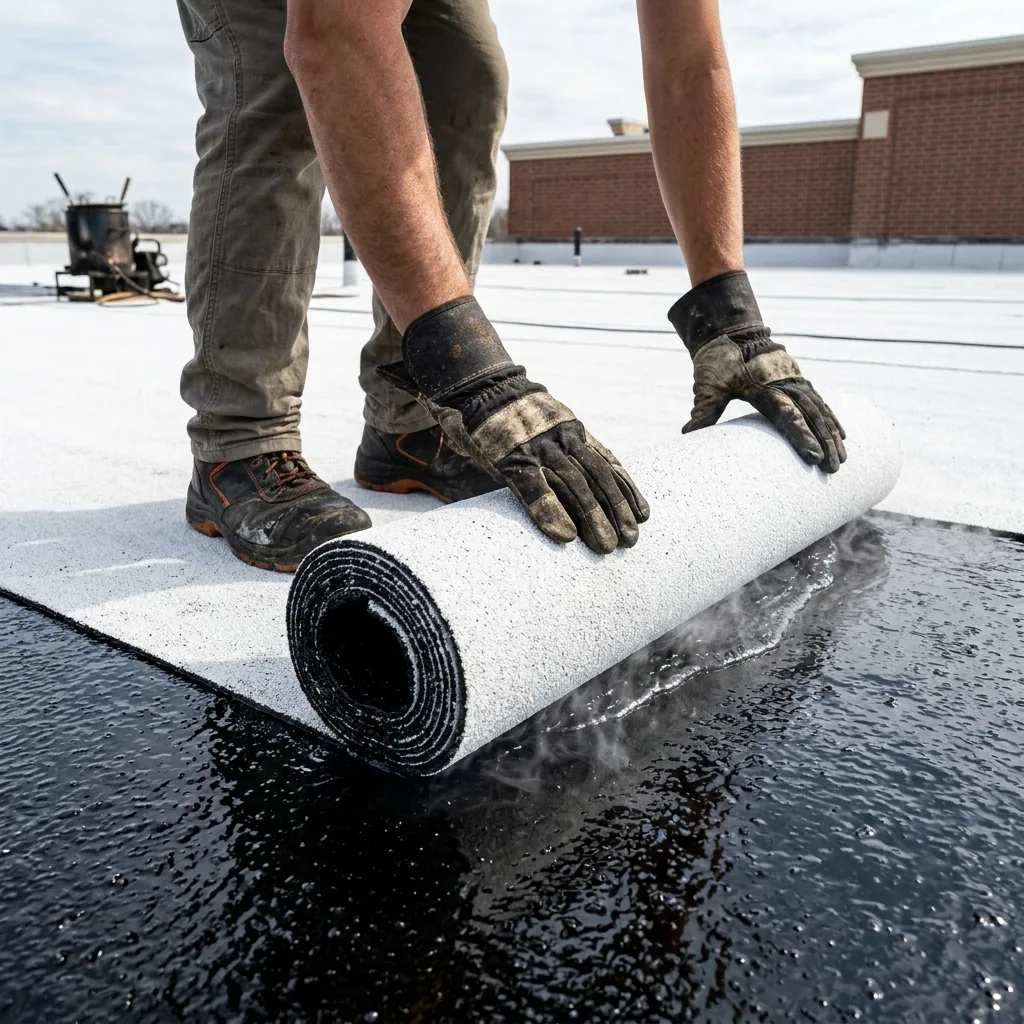
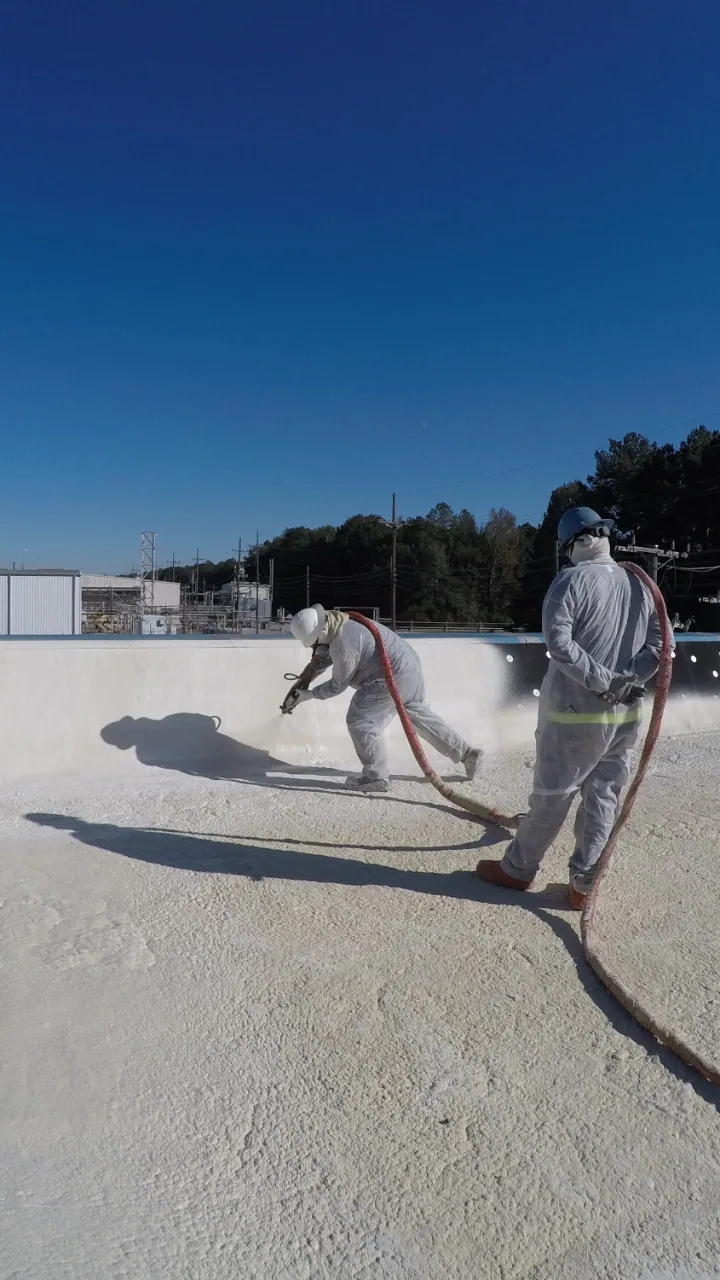
Acrylic and silicone coatings differ in water exposure, cure conditions, and maintenance. The existing surface, roof slope, ponding history, and manufacturer requirements guide the comparison. A TPO assembly or other new membrane may be more appropriate when the old roof has widespread wet insulation, poor attachment, or failed transitions. A coating restoration review should state the preparation, test results, excluded areas, and limits before the owner commits to the application.
Coating and replacement should be compared with the same evidence. A replacement scope can include removal, insulation, flashing, edge metal, drainage changes, and protection of occupied spaces. The coating proposal should include surface work, repairs, application, testing, and closeout. We identify which condition would make the recommendation change, such as a failed adhesion test, moisture below the membrane, or ponding that cannot be corrected within the restoration budget.
Closeout and future inspection
Record the coating product, surface preparation, test patch, target and measured thickness, repaired details, weather conditions, and photographs by roof zone. Include cleaning and maintenance requirements and the manufacturer’s inspection guidance. The owner should know which drains, seams, and transitions need a closer check after installation. If later mechanical work damages the coating, document how the area was repaired and tied into the existing film.
Send roof plans, coating history, active leak areas, moisture findings, access needs, and the budget window. We will return a preparation and test plan with restoration or replacement choices tied to the inspected assembly. A condition record can keep the baseline with the building’s service history and next review interval.
A portfolio owner can compare each roof by system, date, preparation, and measured thickness. That record helps forecast which sections need touch-up before broad wear develops. It also prevents a prior coating’s warranty terms or product limits from being lost during a property handoff. Keep the closeout with the roof plan and note any later work that changes drainage, penetrations, or the protected surface.
Questions About Acrylic Roof Coatings
When is an acrylic coating suitable for a commercial roof?
The existing assembly should be sound, dry, compatible, and able to drain. We inspect the substrate, repairs, adhesion, and ponding before recommending a test area or full application.
Can acrylic coating be applied to a roof with standing water?
Prolonged ponding is a concern for many acrylic systems. We identify the low area and outlet condition, then determine whether drainage correction or a different system should be compared.
How does rain affect an acrylic coating schedule?
The coating needs a suitable dry window before rain or dew can affect its film. We follow the product’s application and cure limits and secure a work area that can be protected if conditions change.
What preparation should the proposal include?
List cleaning, repairs, primer, reinforcement, application rate, target thickness, test areas, weather limits, and inspection steps. We show which details are included and which conditions require owner approval.
How do we know whether the coating remains in serviceable condition?
Follow-up inspections compare film wear, adhesion, ponding, flashing, and repairs with the closeout photographs. We record any exposed substrate and recommend patching or recoat based on the observed area.
Plan an acrylic coating review
Share roof plans, active leaks, coating history, drainage concerns, access limits, and the budget window. We will return a prioritized test and preparation scope.
Call 555-555-5555 or send the building details.