Commercial Roof Membrane Puncture Repair in Sandy Springs, GA
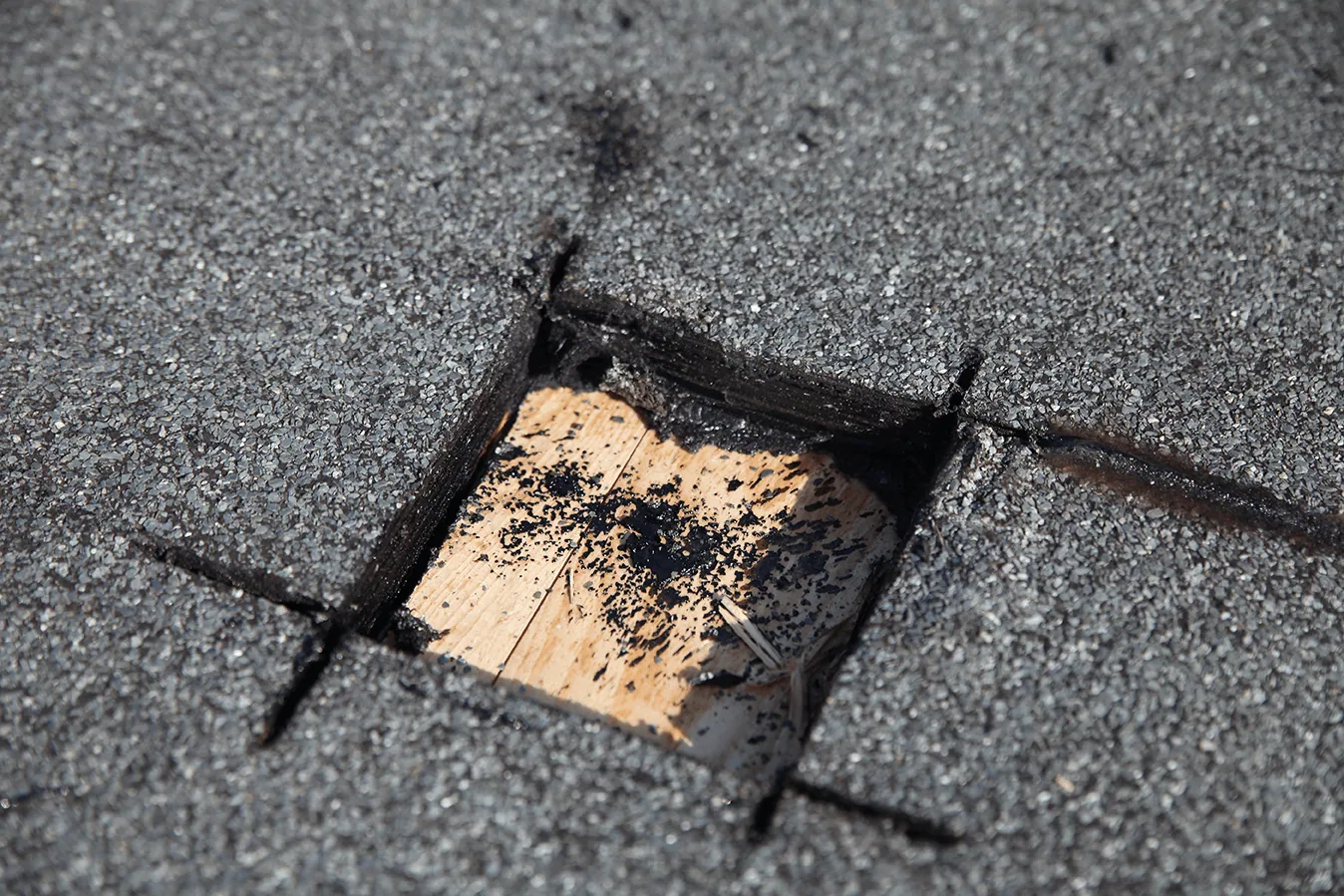
A puncture can start as a small opening and become a larger repair if foot traffic, equipment movement, or water exposure continues. The visible mark alone does not show whether insulation or the deck below has been affected. We locate the damage, inspect the surrounding membrane, and identify what caused or could repeat the condition before selecting a repair. The result should explain the prepared area, repair material, tie-in, and any follow-up check. Sandy Springs, GA, includes office, retail, healthcare, and hospitality properties where rooftop equipment and service access vary widely. We do not assume how a particular roof is used. Instead, the site contact helps identify recent work, regular access paths, and any equipment activity that could have affected the membrane.
Locate the opening and inspect beyond its edge
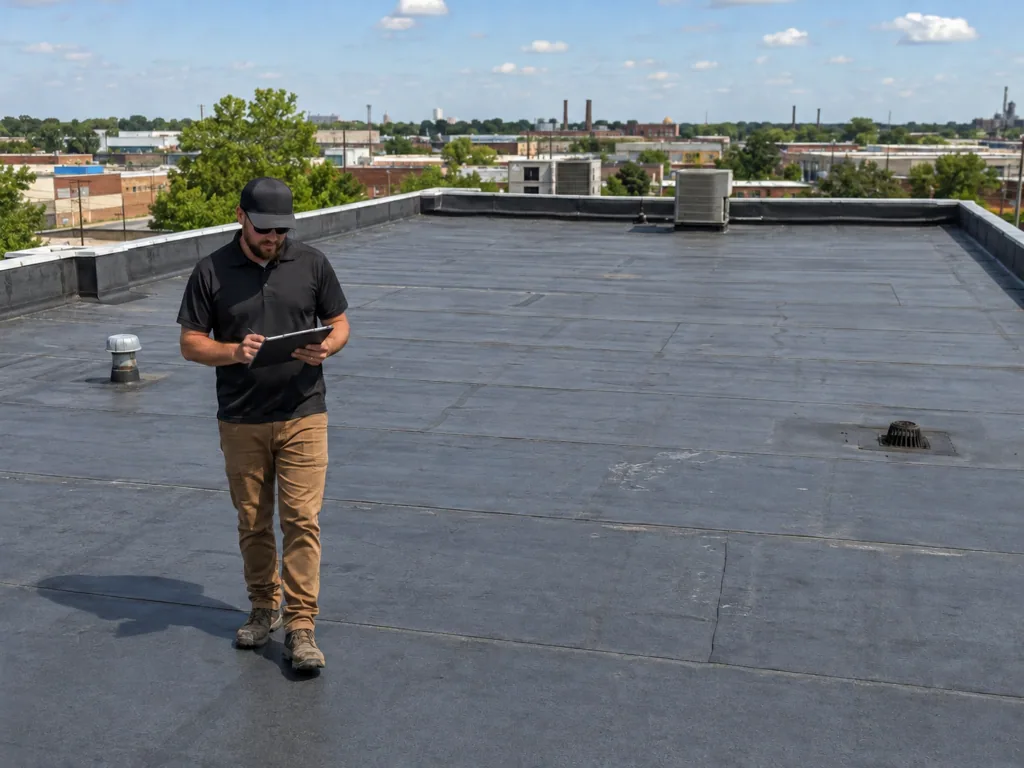
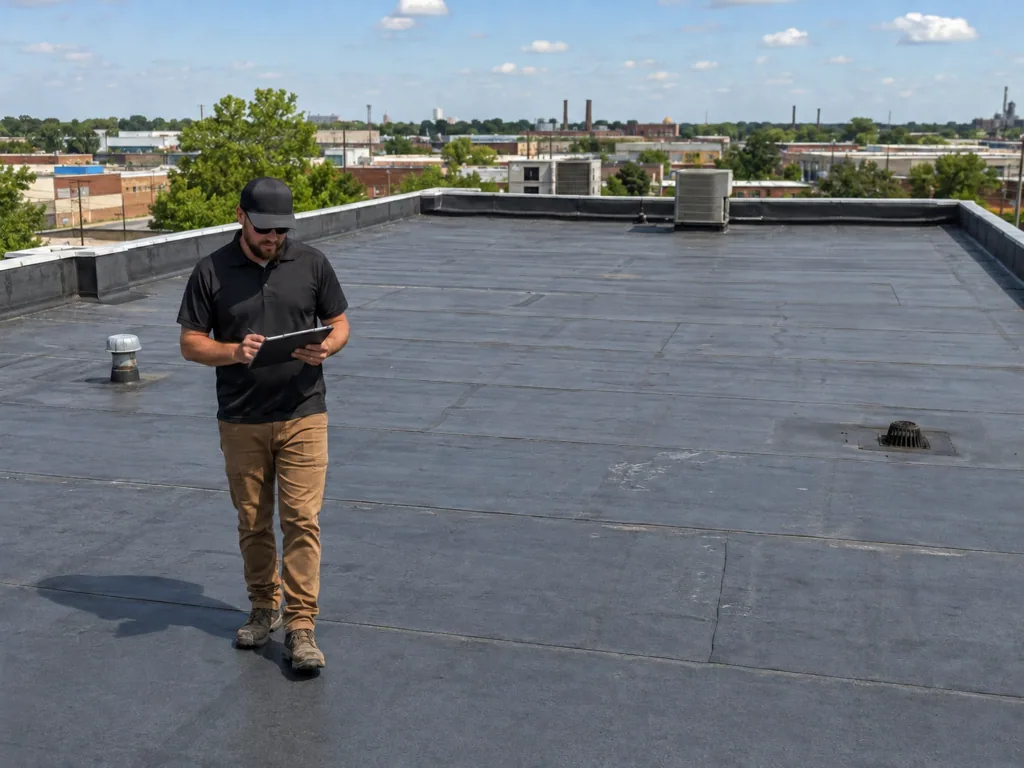
Mark the puncture on a roof plan or photograph and note its size, shape, and position relative to seams, drains, curbs, and walking routes. We inspect the immediate perimeter for scuffing, crushed insulation, displaced surfacing, or more than one opening. A roof inspection can document the condition and examine nearby transitions before a patch is specified. If the roof is surfaced with gravel or pavers, identify whether material must be removed and restored to reach the membrane.
The likely cause matters to prevention. A tool, fastener, dropped component, or repeated path may leave a pattern around the opening. Ask whether recent mechanical service, sign work, or material staging occurred, and review access logs where available. We record reported information as context and distinguish it from what the inspection confirms. If the cause remains unknown, the repair can still be made, but the property team should consider a protection or access change so the same area is not exposed again.

Check for moisture without overstating the evidence
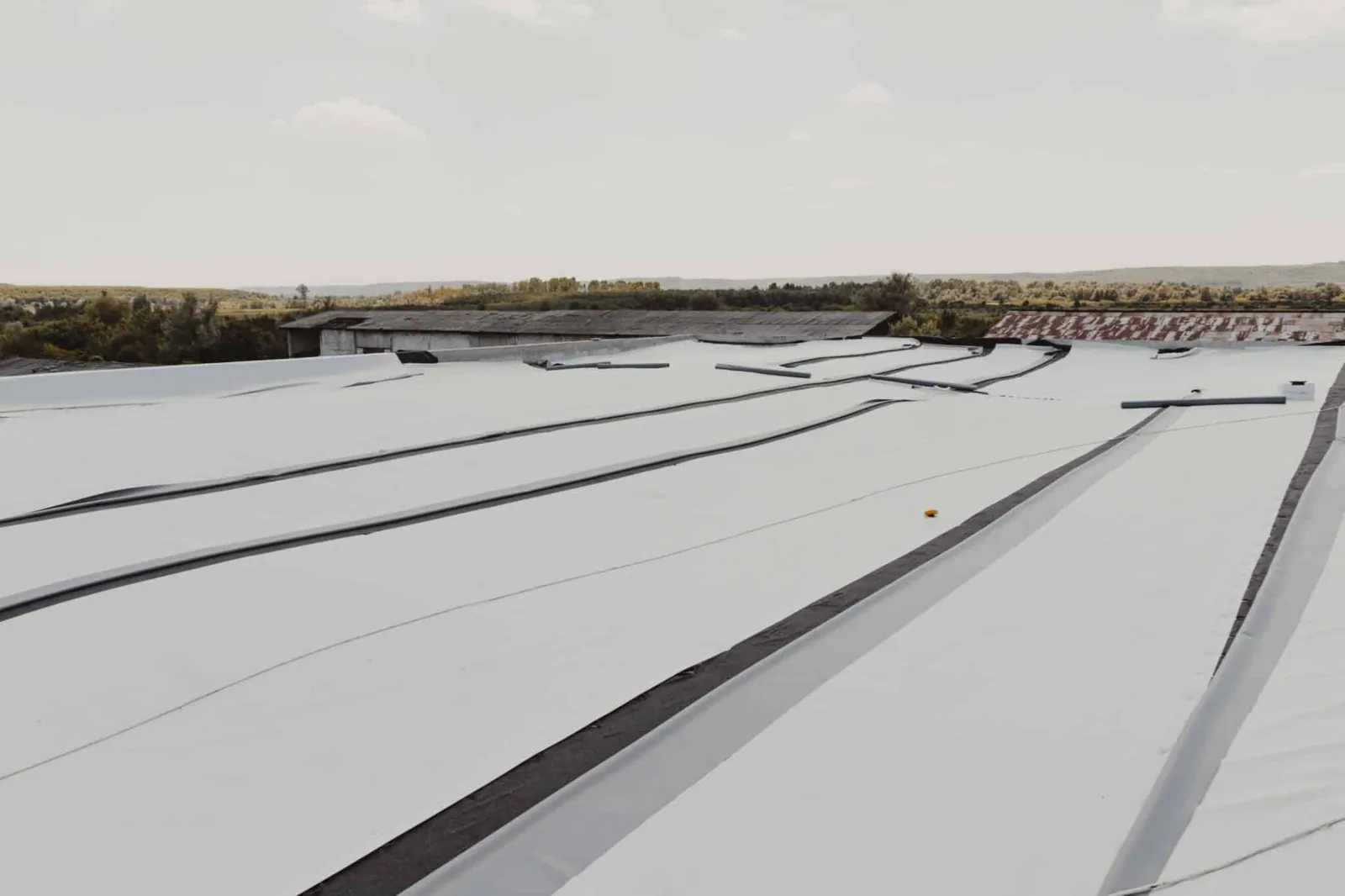
Water can enter beneath a small puncture and travel farther than the visible mark. We review interior reports, nearby insulation indicators, deck condition where accessible, and the roof’s slope and drainage. A moisture survey may help prioritize areas for verification, but a thermal image does not by itself confirm wet insulation. If an opening is needed to test the assembly, define the location, authorization, and restoration plan before cutting.
When the membrane is lifted, record each exposed layer and its condition. If the insulation is wet or deck material is damaged, measure the extent and pause before extending quantities. A condition report can connect the puncture photo with test results and repair limits. The owner receives an explanation of which material was observed and which condition remains concealed. That gives the team enough information to decide whether the original patch can proceed or whether a different scope needs approval.
Select a repair compatible with the membrane
Repair material depends on the existing system, surface condition, and puncture location. We verify membrane type when records or markings allow, prepare the area according to the selected method, and extend the repair onto material that can accept a sound tie-in. The scope should name the dimensions, layers, and edge treatment rather than say only “patch leak.” A system identification review can help when the material is unknown or an older patch has complicated the surface.
A puncture close to a seam or penetration needs its own detail. Do not bridge an open seam or cover a loose flashing termination with a patch intended for a field opening. A seam assessment addresses separation along a joint, while a flashing review checks a curb or wall interface. If the puncture is near a drain, verify that the repair does not obstruct the flow path. The owner can then see why one area may need more than a single membrane patch.
Protect repaired areas from future traffic
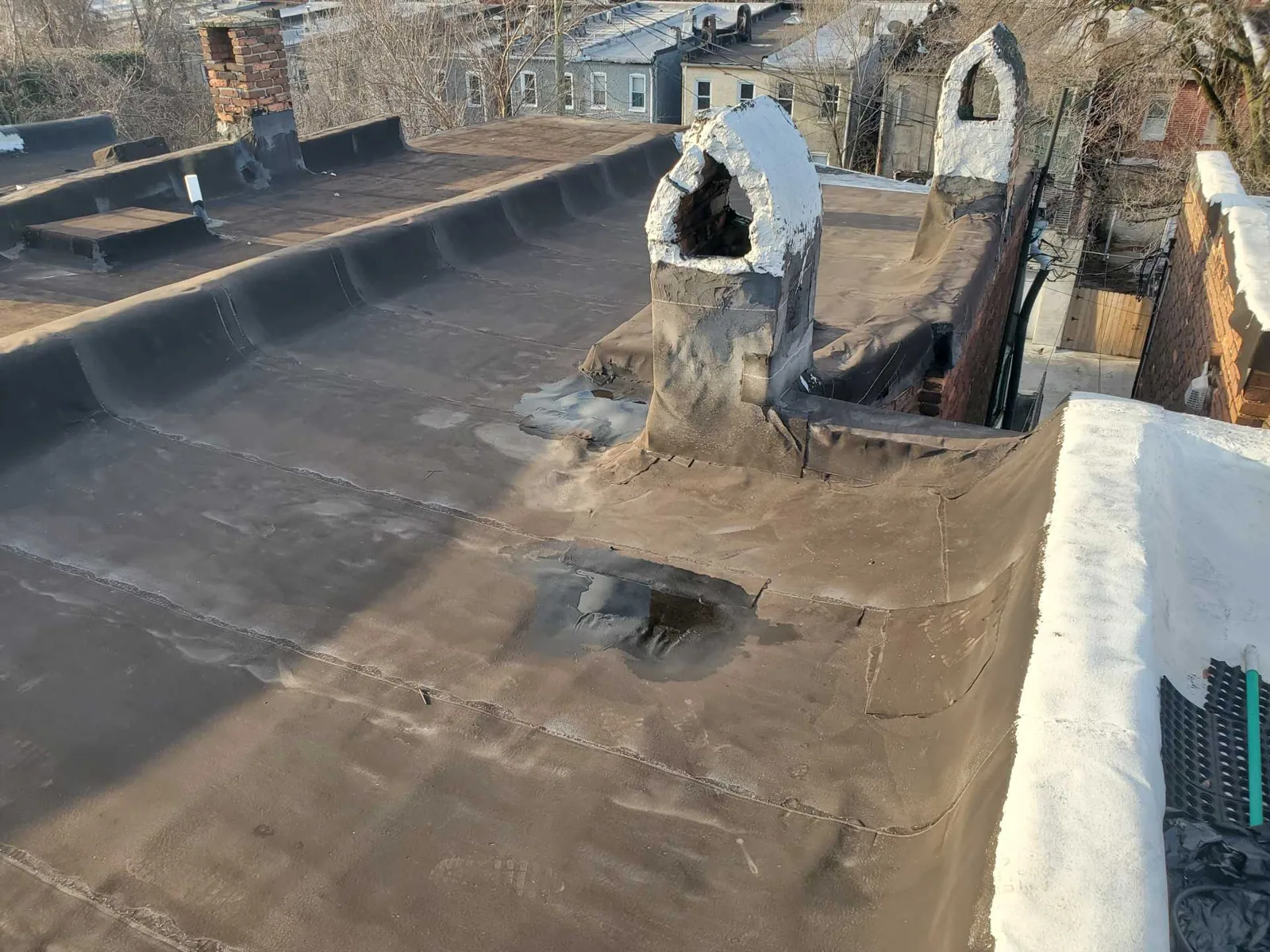
Foot traffic is often concentrated around ladders, hatches, units, and service points. We identify where technicians routinely cross the roof and whether walk pads or a designated route are present. A protection recommendation should fit the actual path and preserve access to drains and inspection points. If a contractor needs to stage parts near a unit, set a safe staging area that does not rest sharp materials on the membrane. The property team can add those rules to vendor orientation and work orders.
Central Perimeter’s office district is served by four MARTA stations and supports substantial weekday activity. Powers Ferry includes office, retail, and hospitality settings near I-285. Along the Powers Ferry commercial area, confirm the building's roof-access window, loading path, and equipment-service schedule with the site contact. Before a Powers Ferry area roof inspection, confirm the property’s loading and escort requirements with its site contact. A property management team can help communicate the approved route to multiple vendors without treating all buildings as identical.
Coordinate the repair with nearby equipment
Mechanical service can involve tools, fasteners, refrigerant lines, and components that move across the roof. Before a repair, confirm whether equipment must be shut down and whether the puncture sits beneath or beside a unit. A curb and equipment review can clarify the interface when the opening is close to a support or penetration. The roofer and service contractor should agree who protects the repaired membrane and who reports any new disturbance.
If the puncture followed recent work, use the project’s photographs and service notes to locate the path. We do not assign responsibility based only on timing. The condition and work history should be reviewed together, and any additional access or repair should be approved by the owner. If a unit move is planned, complete flashing coordination after the equipment location is set rather than patching a detail that will immediately be reopened. The sequence protects the new work and keeps responsibilities visible to all trades.
Close the repair with an inspection record
At closeout, record the repair location, membrane system when known, material and method, photographs, and any remaining open item. Note whether the area was dry and whether testing or interior follow-up remains. If the repair was temporary, identify that status and the conditions for permanent work. A maintenance inspection can review the patch and adjacent roof area after the owner’s chosen interval or following a new leak report.
City Springs has civic, restaurant, retail, and event uses; the Medical District has active healthcare facilities. Their operating needs differ, so access and notifications should come from each site’s representatives. A healthcare facilities team may need a specific window for work above clinical space. Keep the final photographs and roof map with the building record, then compare any future puncture against the original repair. This makes recurring damage easier to locate and helps maintenance staff identify when vendor access practices need adjustment.
Questions About Commercial Roof Membrane Puncture Repair
Can a small puncture cause interior water damage?
A small puncture on a low-slope roof can send water along insulation joints or deck flutes before a ceiling stain appears. We inspect the opening and surrounding roof and compare it with interior reports before defining the repair.
Do you replace insulation below a puncture?
Only when inspection or testing confirms a need and the owner approves the added scope. Concealed conditions are measured and documented separately.
Which membrane details guide a puncture repair on a Sandy Springs roof?
We identify the membrane when possible and check surface condition and compatibility before specifying preparation, tie-in, and edge treatment.
Can roof traffic puncture a membrane?
Repeated access or equipment handling can damage a roof surface. We ask about service routes and can recommend protection that fits the observed traffic path.
What should I provide before a puncture repair?
Share the reported location, recent rooftop work, equipment access history, interior symptoms, roof plans, and any available membrane information.

Schedule a membrane puncture inspection
Send the reported roof location, any recent rooftop service history, access rules, and leak details. We will inspect the surrounding assembly and define repair limits.
Call 555-555-5555 or send the building details.