Commercial Roofing in the North Springs MARTA Corridor, Sandy Springs, GA
The North Springs MARTA Corridor Study covers 1.75 miles of Peachtree Dunwoody Road between Abernathy Road and Spalding Drive, together with the station area. The adopted plan addresses safer multimodal access, a potential PATH 400 extension, and future station-area development. For commercial properties along this corridor, we inspect the actual roof, confirm building access, and map repair needs by section before setting a capital window.
Corridor access and property coordination
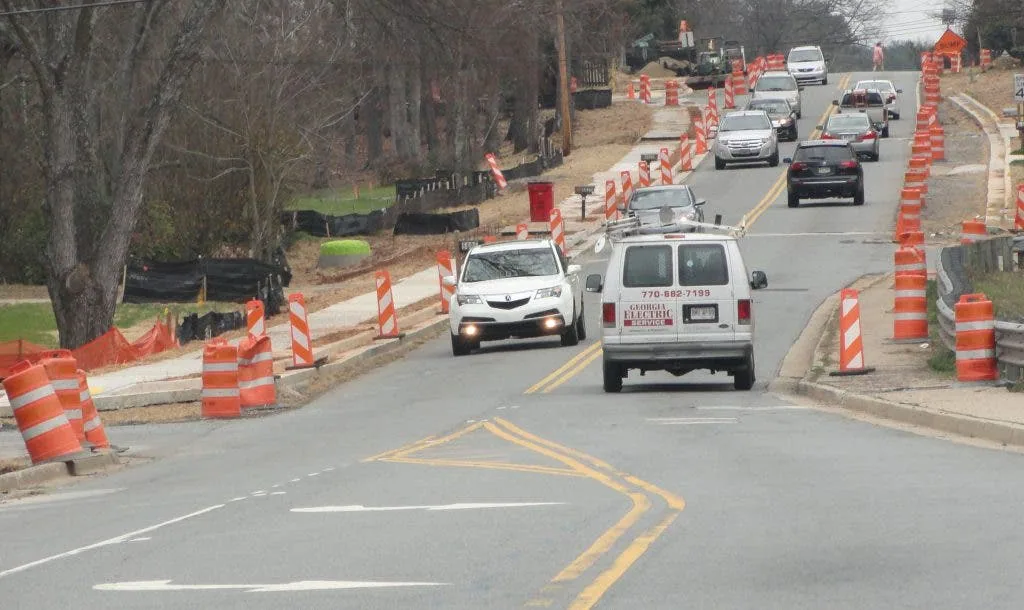
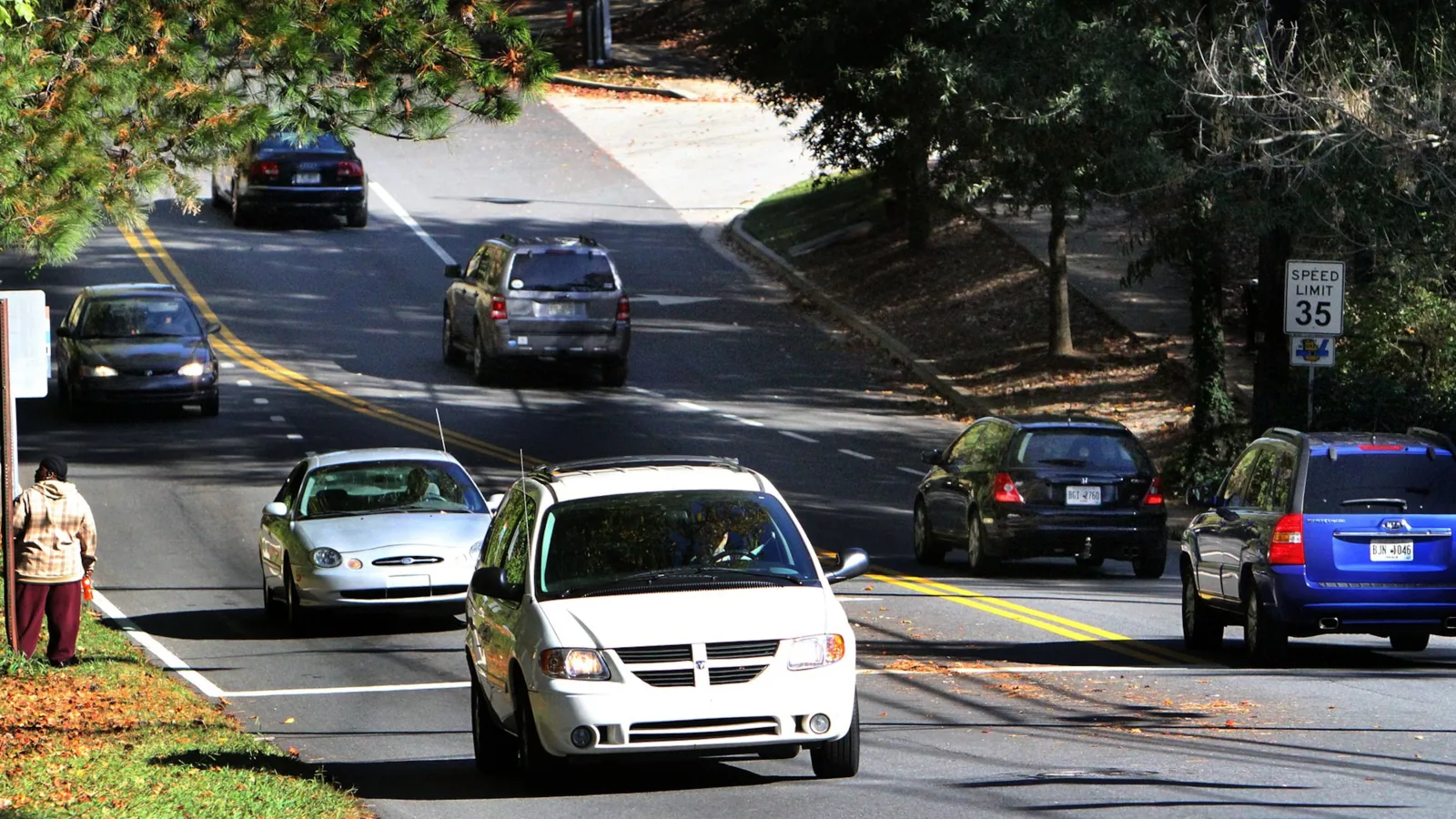
The city’s corridor plan considers Peachtree Dunwoody Road access, a trail connection, and the North Springs station site as related but distinct parts of one study area. A commercial roof project still requires a site-specific plan for vehicle access, material delivery, lift staging, and safe pedestrian movement. We confirm the roof hatch or ladder, building hours, loading access, and restrictions with the property contact. Before mobilization, verify the delivery route and roof entry; transit activity and nearby Georgia 400 make arrival timing part of the plan.
Central Perimeter is a separate employment district served by four MARTA rail stations. A Central Perimeter commercial roof review may involve a different property and schedule, while the Hammond Drive corridor has its own city-defined improvement segment. For a commercial property in this corridor, we keep the roof map tied to the actual building and record each confirmed access point before preparing a sequence.
Where roof work can affect a public or tenant route, the owner defines protection needs and notice. We identify staging and work-zone boundaries before mobilization, then set a secure daily stopping point. Those steps can affect cost and schedule, especially if materials must be carried or lifted during a narrow access window.


Roof condition and water movement
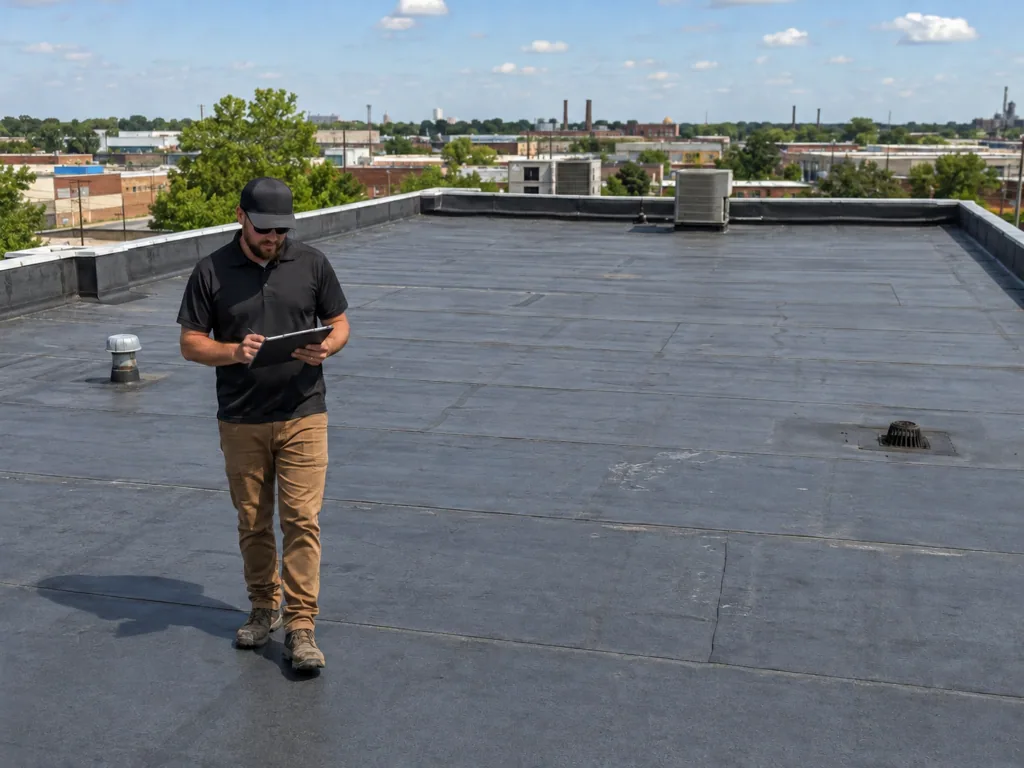
The first walk identifies the assembly, visible repair history, seams, flashing, equipment supports, drains, scuppers, and perimeter details. We mark the roof zones and follow likely water paths toward outlets. An interior leak location does not necessarily identify the roof entry, so we compare reports with the plan, previous repairs, and observable conditions. Photographs should capture a detail and its context, allowing the next inspection to compare the same location.
Hot, humid Sandy Springs summers make exposed transitions and daily roof closure important parts of the work plan. We confirm the material and attachment in the field before selecting a repair detail. A commercial inspection can document the membrane, edges, water paths, and limits of access.
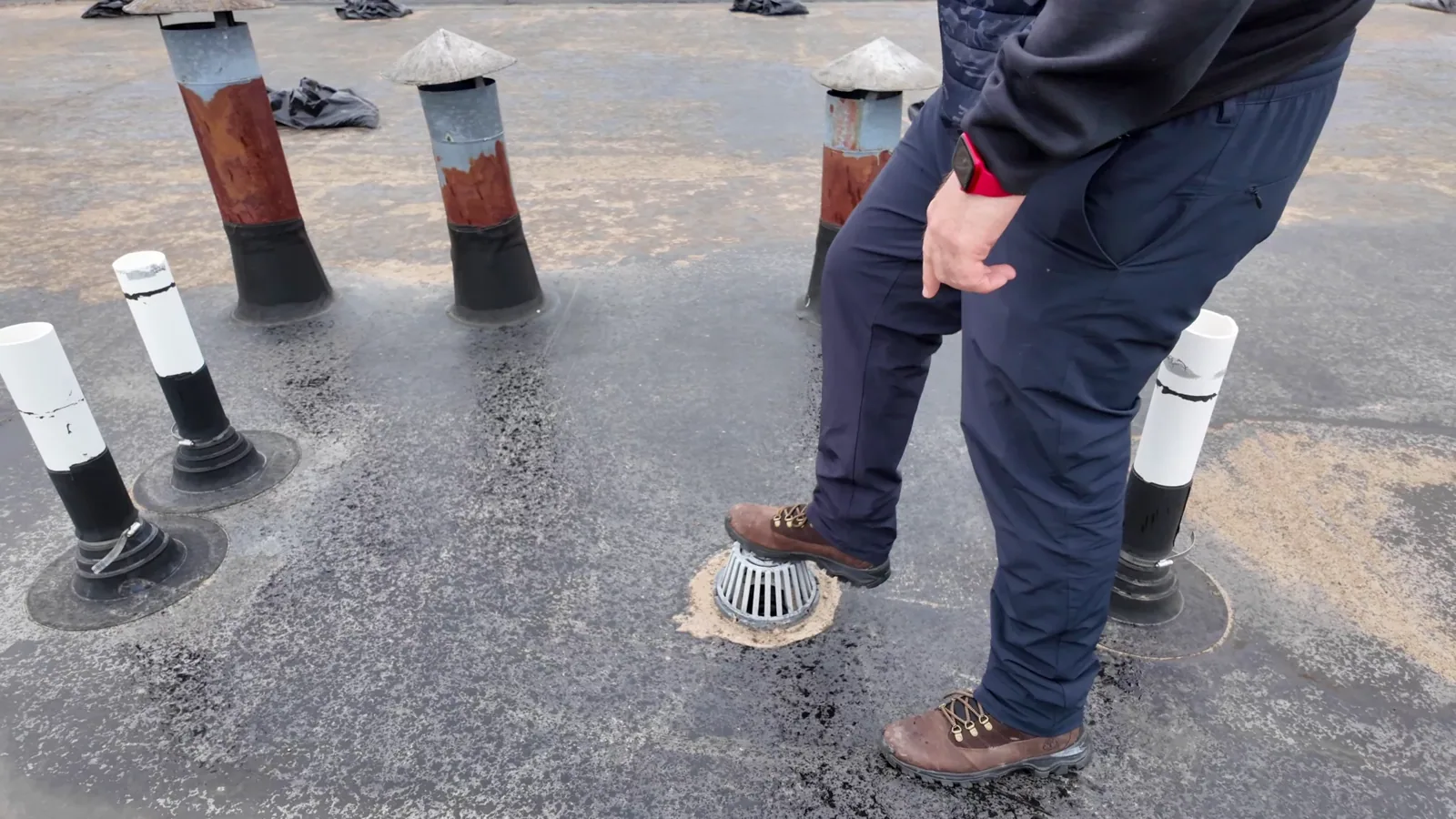
Drainage deserves a clear record. We inspect strainers, drain bowls, scuppers, overflow routes, and low areas, noting restrictions or standing water when visible. Recurring winter and early-spring rain gives property teams a reason to compare drainage after wet periods. A drainage assessment can distinguish cleaning from a slope or assembly concern. Moisture readings can help target confirmation but do not establish the condition of areas that were not tested.
Maintenance record and storm response
A maintenance visit should close with a list of completed work, observed defects, and items that need a separate scope. Clear drains, inspect accessible flashing, note foot traffic, and photograph changes since the prior visit. If a leak was reported, record whether the roof area was reached and what evidence could be confirmed. A preventive maintenance visit can keep these findings attached to roof zones and set a follow-up interval based on actual condition.
After a hail or wind report, inspect the accessible membrane, edge metal, curbs, and penetrations for actual impact, movement, puncture, or separation. Large hail and tornadoes occur across the broader North and Central Georgia region. After a reported event, we inspect accessible sections and document the conditions found at the commercial property under review. We document observed conditions and mark any area that could not be inspected. A wind damage review can connect the storm record to roof findings without assuming the whole property needs replacement.
Temporary stabilization and permanent correction have different schedules. If water is entering, identify the affected area, protect interior operations as directed, and record the temporary measure and its follow-up date. Then determine whether the repair boundary is local or whether moisture and repeated detail failures call for a broader investigation. The maintenance file should keep the interim action visible until a permanent scope is complete.
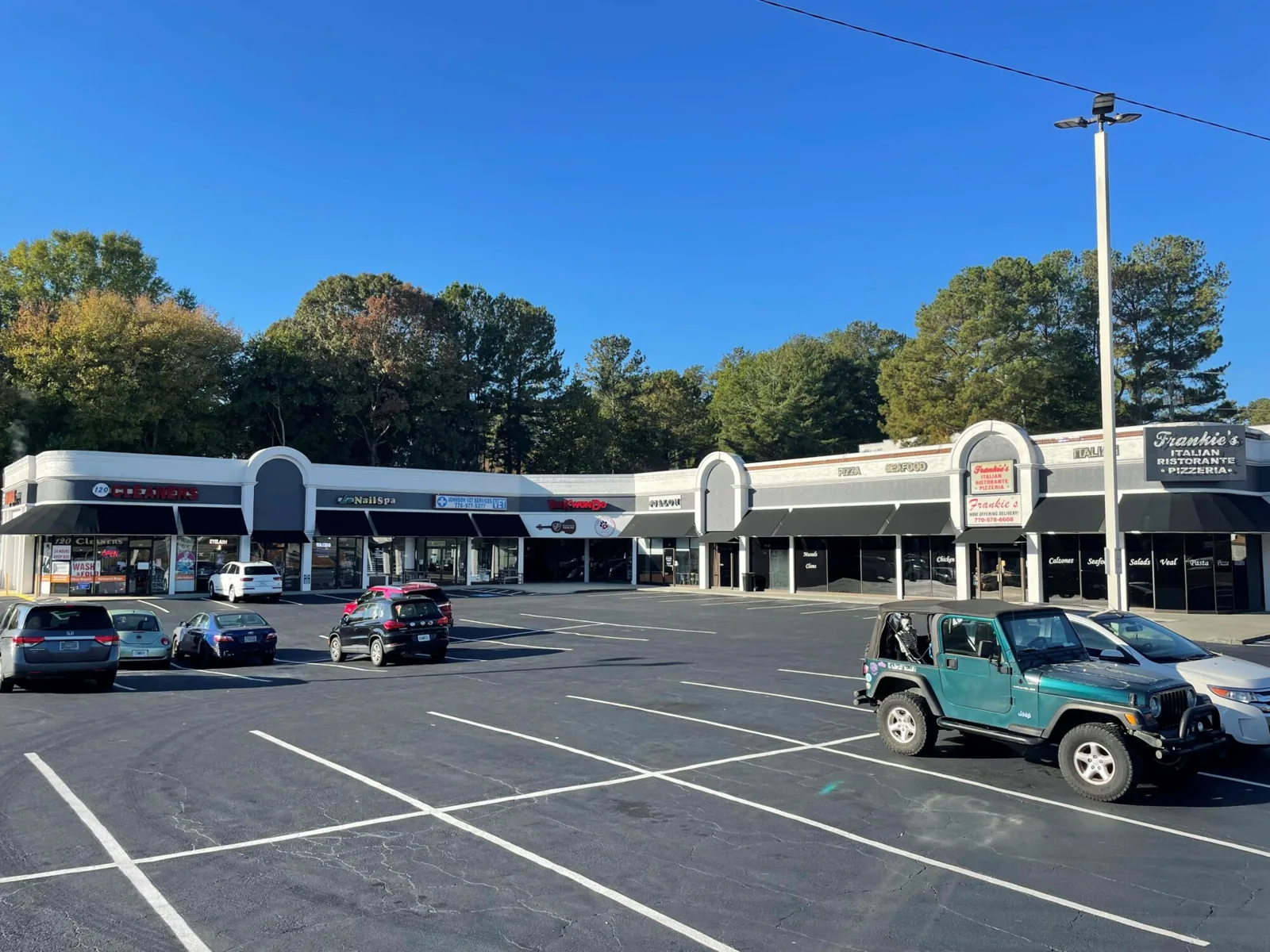
Repair and renewal choices
A seam opening, puncture, or loose flashing can be a repair when surrounding material is sound and the layers below support a compatible detail. We define preparation, materials, roof zone, and conditions beyond the boundary. If repeated repairs cluster in one section, or testing indicates widespread moisture, reassess the system before committing to another patch. A repair scope should state why the work is local or what evidence supports expanding it.
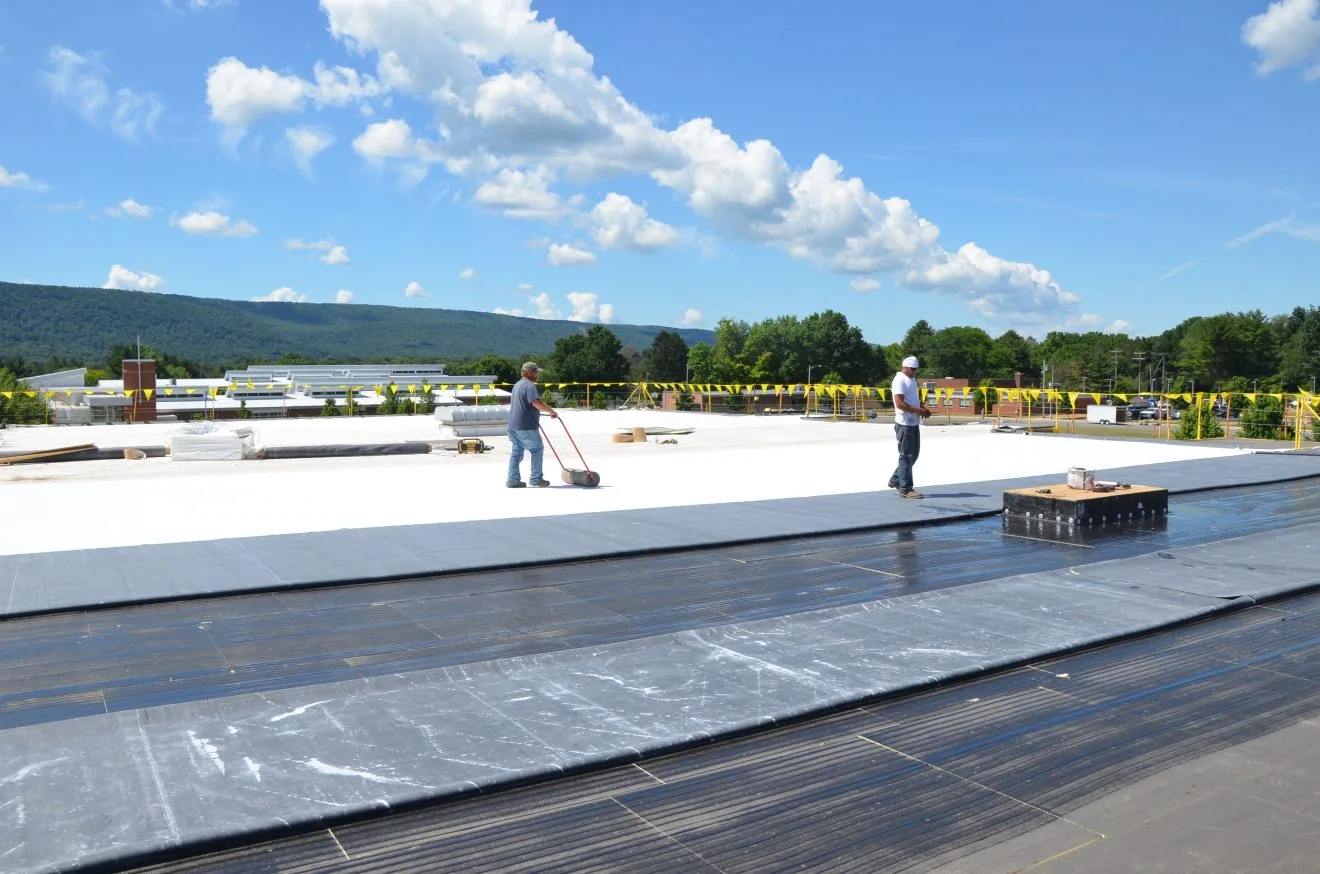
A recover adds a new layer only when attachment, moisture, height, drainage, deck, and applicable code conditions support it. Tear-off exposes concealed layers and may allow insulation or deck correction, but adds removal, disposal, and operational disruption. We compare both choices with the same map and note the questions that could affect quantities. A recover feasibility review can test that path against a replacement estimate before the budget is set.
Before design starts, verify with the permit reviewer which Georgia code edition and amendments govern the project. Insulation targets, perimeter securement, fire requirements, and roof height can influence design and tie-in details. We record what was observed, then identify code or design questions that need confirmation rather than treating the district plan as a technical specification.
Budget sequence and closeout
Cost and schedule can change with roof access, hoisting, wet insulation, deck repairs, perimeter work, material movement, and occupied hours. In an area near a transit station and Georgia 400, confirm the building’s own delivery and staging plan before the estimate is finalized. Separate immediate protection from testing, repair, and renewal so the owner can compare actions within the budget year. A capital planning review can rank sections by condition and deferred exposure.
Closeout should include the roof-zone map, photos, repair materials, drain observations, moisture locations, access limits, and approved changes. A roof condition report gives ownership a baseline for the next interval. If a project affects equipment or access, update the record with the condition at handoff and any follow-up needed.
Share available roof plans, active leak reports, installation history, repair records, access requirements, and budget timing. We will inspect the property, state what is confirmed, and return the next actions by section. The result should reflect the roof evidence and the facility’s operating window, with transit and district plans used only for local context.
Questions About North Springs MARTA Corridor
Does the North Springs corridor plan indicate the roof system at a building?
No. The plan describes transportation and station-area context. We confirm the membrane, attachment, insulation, drainage, and access from records and the building inspection.
How should a property prepare for roofing near Georgia 400?
Confirm the approved delivery route, roof entry, staging area, tenant hours, and any pedestrian protections. We coordinate the work sequence with the site contact before materials arrive.
What should an owner track after winter rain?
Record drain performance, low areas, leak reports, and repairs after wet periods. We compare those notes with the roof plan and flag any condition that needs testing or correction.
Can a storm report alone support a roof replacement?
A replacement decision needs property-specific findings. We inspect actual membrane, edge, and flashing conditions, then compare them with repair history and moisture evidence before defining the scope.
What belongs in a North Springs roof closeout?
Keep the marked roof section, repair detail, photos, material record, drain condition, access limits, and follow-up date together. That lets the next budget review start from completed work.

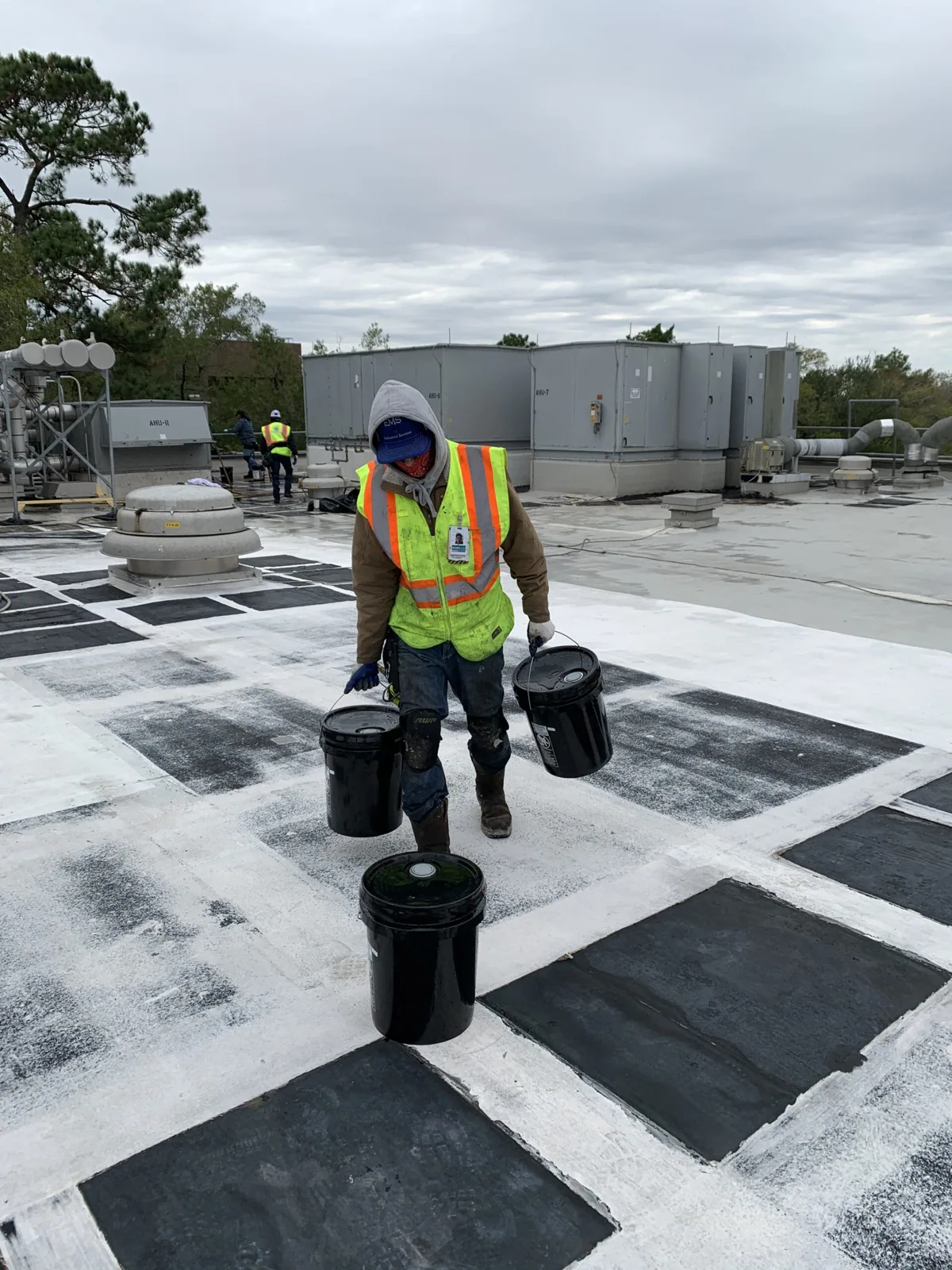
Review a North Springs roof section
Share roof plans, leak reports, prior repairs, access requirements, and budget timing. We will document condition by area and return prioritized next steps.
Call 555-555-5555 or send the building details.