Carlisle SynTec Roofing in Sandy Springs, GA
A Carlisle SynTec label narrows the product search, but it does not show the roof condition. We still need to identify the membrane, how it is attached, what sits below it, and which details have failed more than once. That evidence controls the scope. In Sandy Springs, warm humid summers and recurring rain make drainage paths and field transitions recurring maintenance points. A property in the Medical District can have its own operating calendar, so roof access and noisy work need to be sequenced with the facility contact.
Membrane identity and attachment
Carlisle SynTec offers several commercial membrane families, including Sure-Weld TPO and Sure-Seal EPDM. They do not use the same seam method or repair preparation. TPO seams are heat welded, while EPDM uses compatible seam materials and detail methods suited to that rubber membrane. We confirm the installed material from records and field evidence before selecting a repair detail. Surface color or an old estimate alone is not enough to identify the current roof after multiple repairs or additions.
The attachment method matters as much as the membrane. A roof can be mechanically fastened, fully adhered, or ballasted, and edges or perimeters may have separate securement. We note visible plate patterns, adhesive evidence, ballast, and termination details, then identify unknown construction that would need a test opening. A TPO condition review is different from an EPDM assembly inspection, even if both areas appear dark from the access point. The owner needs the roof map to show each transition clearly.
When two system generations meet, identify the transition before scheduling work. A GAF system comparison may be useful where a later addition used another product family, but it should not blur the repair boundary. We record the system found in each zone, the detail tying it to the adjacent area, and any uncertainty that affects compatibility. That gives future maintenance and capital reviews a usable baseline.
Seams, penetrations, and perimeter details
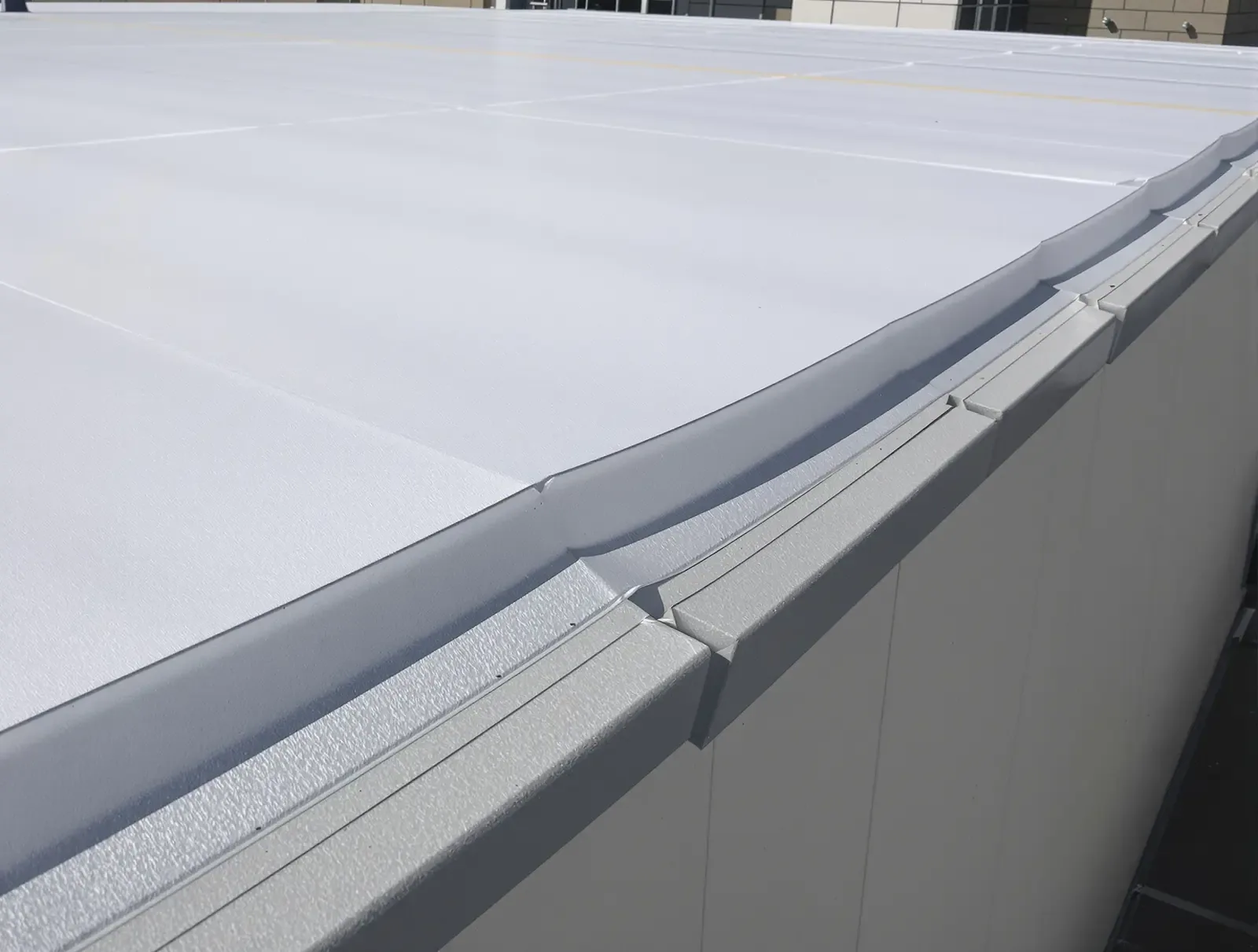
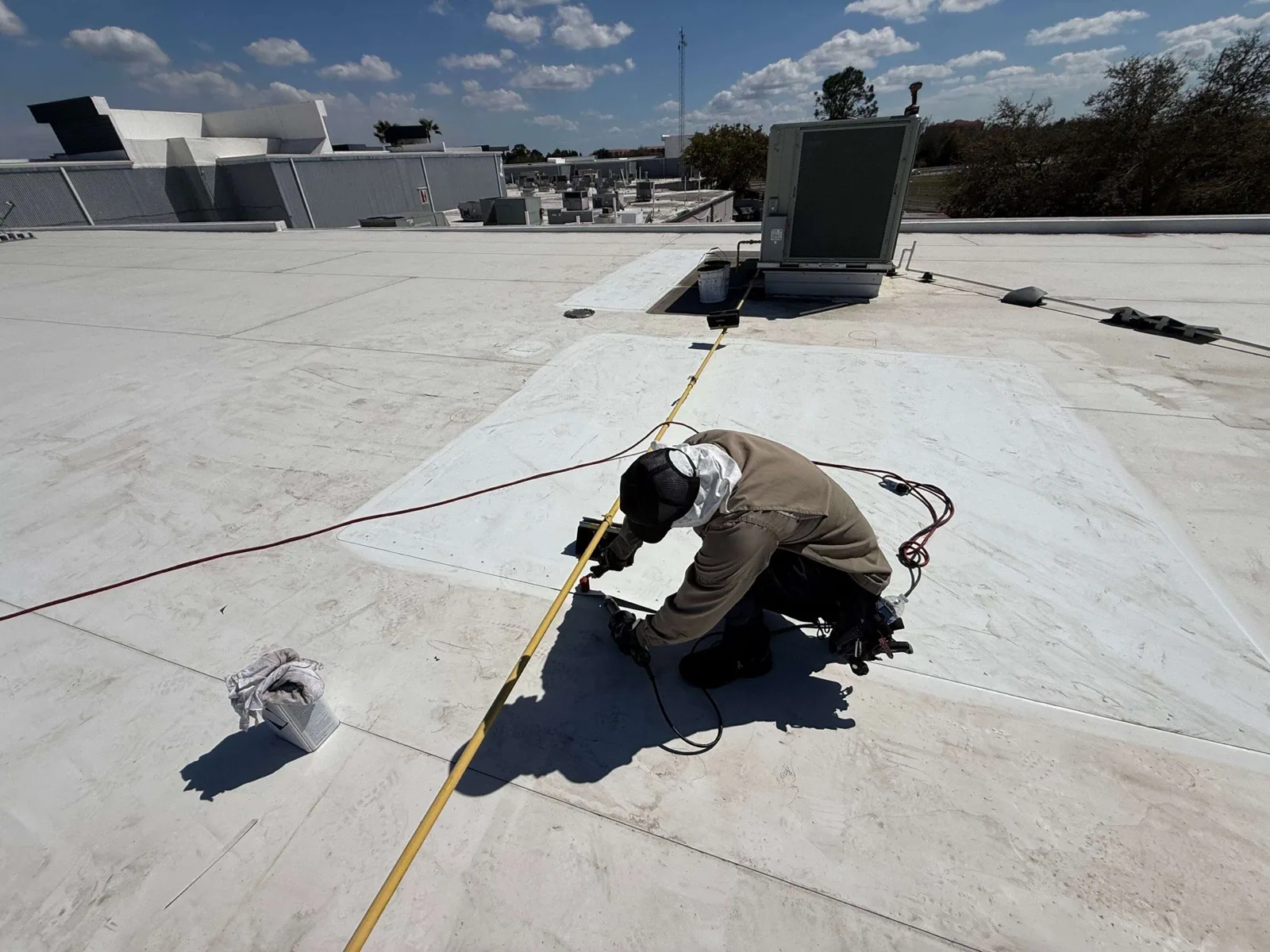
On Sure-Weld TPO, the weld edge is a practical inspection point. We look for contamination, incomplete fusion, open corners, patch edges, and movement around penetrations. On EPDM, we examine field seams, cover strips, flashing transitions, and the condition of the bonding surfaces. Each repair needs preparation that matches the membrane and the weather conditions. A patch that is incompatible or placed over a damp, dirty surface may conceal the defect without correcting it.
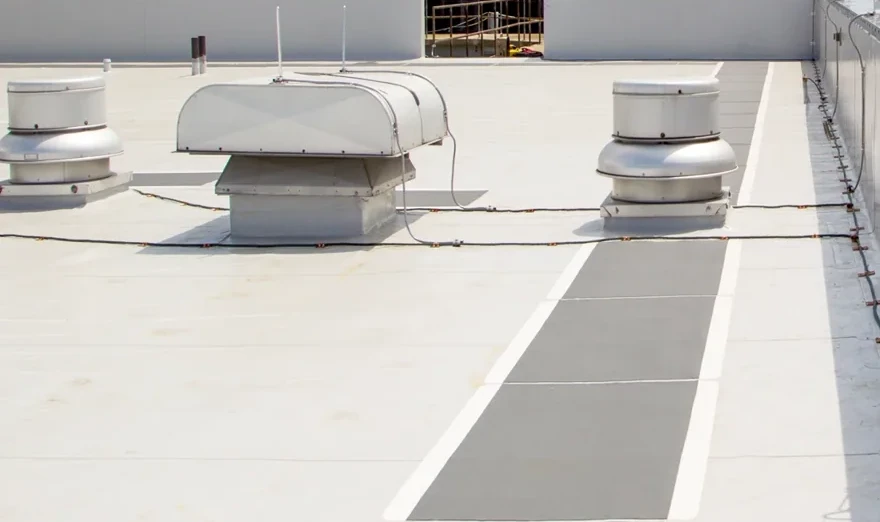
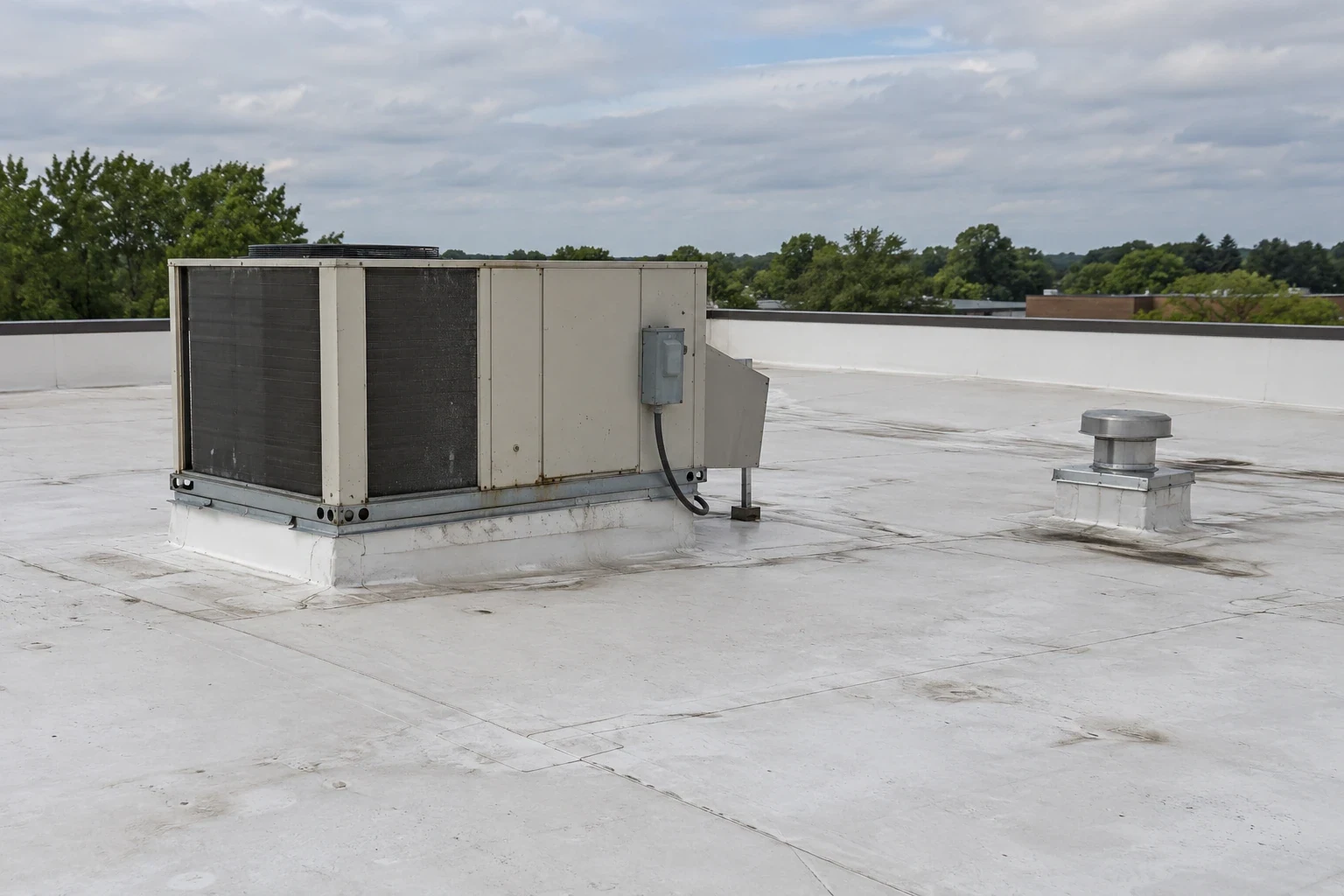
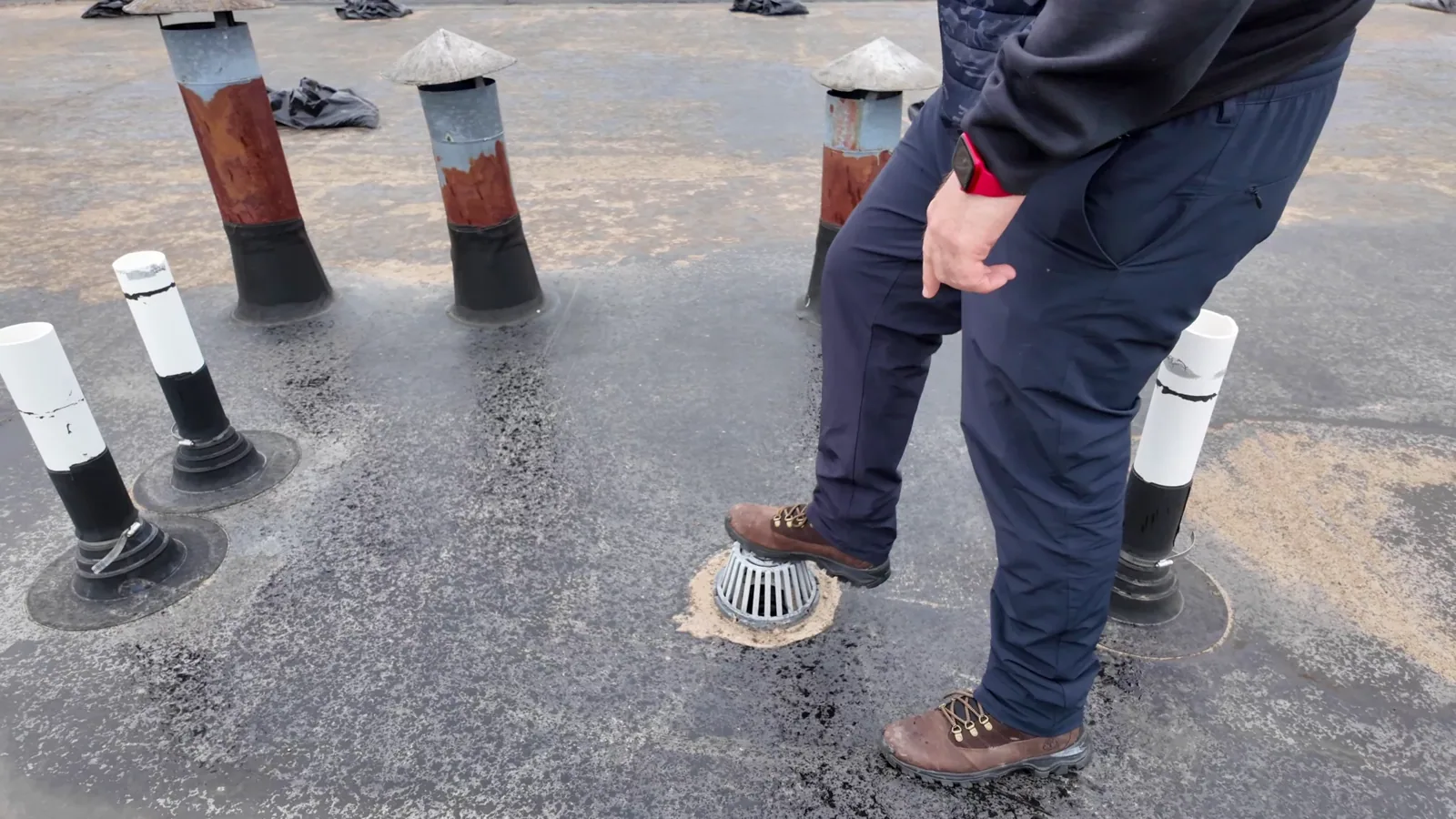
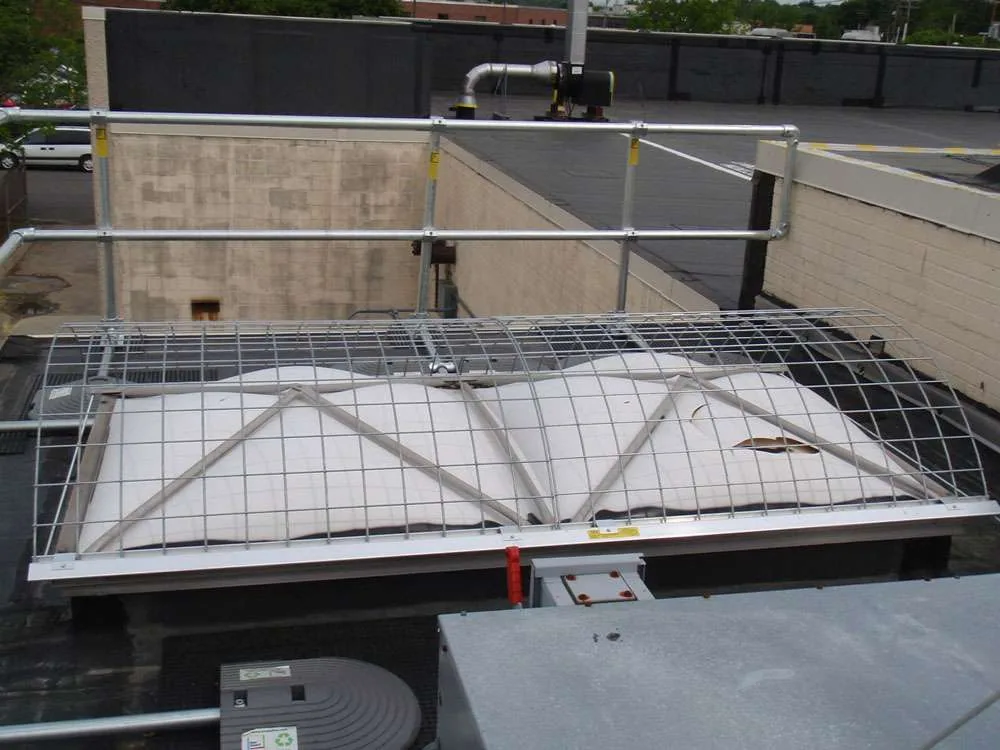
Drain bowls, scuppers, curbs, expansion joints, pipe penetrations, and parapet corners interrupt the field. We trace where water could move, check whether an outlet is restricted, and inspect nearby flashing for separation or trapped debris. When leak reports recur after rain, compare the reported area with roof slope and details instead of assuming the ceiling stain marks the entry. A drainage and scupper visit can document outlet condition, while a penetration review records the flashing at equipment and skylight openings.
Central Perimeter is a major office market with a large daytime workforce and four MARTA rail stations. We confirm ladder or hatch locations, escort needs, material routes, and occupied hours. A property in the Medical District may need a different work window from an office near City Springs.
Moisture evidence and repair limits
A surface inspection cannot establish every concealed layer. We note blisters, soft areas, ponding, patch history, and interior reports, then use appropriate testing when the assembly question changes the decision. Infrared or capacitance readings can help target test cuts, but readings need interpretation and confirmation where warranted. A wet area should not be treated as dry because the membrane looks intact. The condition record should show the test method, locations, and limits.
A localized repair can make sense when the surrounding membrane remains sound and the substrate supports a compatible tie-in. We mark the zone, describe the preparation and detail work, and note any nearby condition that remains outside the scope. If failures repeat along a seam, at a perimeter, or around several curbs, expanding the investigation may prevent another cycle of isolated patches. A commercial repair scope should identify both the corrected defect and the open question that could change the next action.
For roof areas with broader moisture or aging, a recover or replacement study compares different capital paths. A recover requires suitable attachment, dry-enough existing layers, acceptable height, sound details, and applicable code conditions. Tear-off exposes the deck and insulation, but adds removal and disposal work. A recover review and a replacement assessment should use the same verified condition map so estimates compare equivalent scope.
Regional exposure and occupied schedules
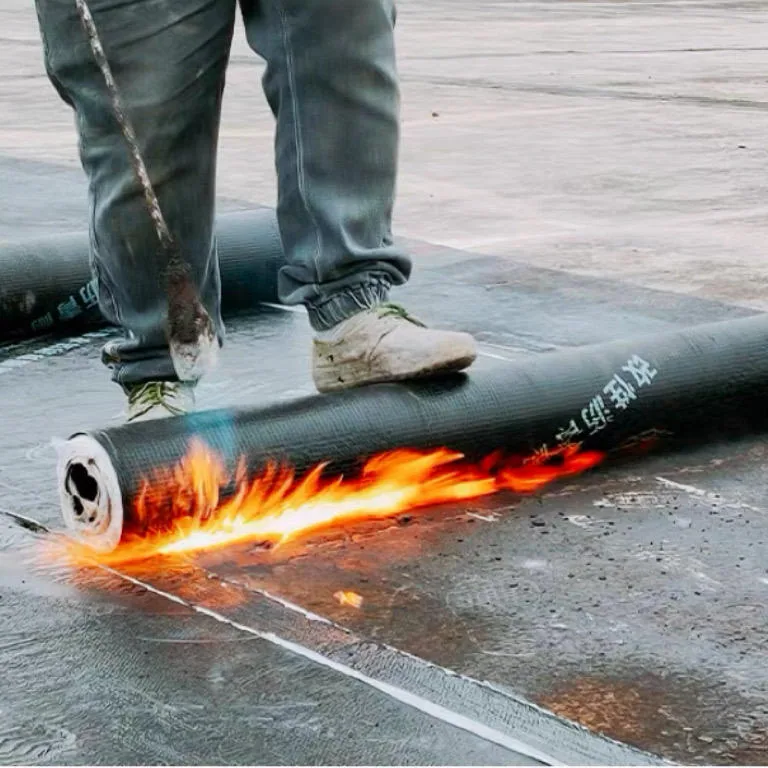
At Atlanta’s airport station, July and August average highs approach 90 degrees and average lows stay near 72. Hot, humid conditions affect work planning and can keep rooftop surfaces warm into the evening. We check substrate condition, material requirements, and forecast before assigning a work area. Rain requires a defined stopping point and a secured edge, particularly when insulation or deck is exposed. The work plan should state which zone can be closed each shift and how the building will be protected if the weather changes.
The Sandy Springs Medical District includes Northside Hospital, Emory St. Joseph’s, and Children's Healthcare of Atlanta's Scottish Rite facility. For an occupied healthcare property, we coordinate roof access, service interruptions, deliveries, and any infection-control or facility procedures supplied by the owner. A Medical District roof assessment starts with that building’s access and operating limits.
After hail or wind, we inspect the affected roof areas and document marks, displacement, punctures, and open details. Storm reports should be tied to observed conditions and photographs, with inaccessible areas clearly identified. The storm record then informs priority without being mistaken for a complete roof evaluation.
Repair sequence and budget window
Put each recommended action against its roof section, urgency, access requirements, and expected disruption. A seam repair may be scheduled promptly while a test cut or replacement study moves through the next capital window. If the assembly has open questions, identify the evidence needed and who will authorize it.
Keep Carlisle membrane work distinct from adjoining systems, and record any areas where the field changes. Another manufacturer family, such as Johns Manville roofing, may appear on a phased roof or addition; the transition detail determines the tie-in. Owners can compare the scopes on condition, interruption, and timing rather than a broad roof-wide label.
Send the roof plan, known installation history, leak locations, past repair records, access requirements, and the budget year. We will inspect the assembly and return prioritized repair or renewal actions, preserving remaining uncertainty in the record.
Questions About Carlisle SynTec Roofing
How can you tell whether a Carlisle roof is TPO or EPDM?
We check project records, membrane markings, seam construction, flashing, and attachment clues. If those do not establish the system, we record the material as unconfirmed until additional evidence is available.
Can Carlisle EPDM and TPO repairs use the same materials?
No. The membrane and detail method determine the compatible cleaning, primer, seam, and flashing materials. We identify the assembly first and specify repair materials for that system.
When does a Carlisle seam problem justify more than a patch?
Repeated openings, wet insulation, weak attachment, or nearby failures can point beyond one seam. We inspect the surrounding roof zone and expand testing when that evidence could change repair versus renewal timing.
How do you plan roof work near Sandy Springs hospitals?
The property contact sets the access, operating, and safety procedures. We coordinate entry, material movement, work hours, and closure points so the roof scope fits the building’s actual requirements.
What Carlisle records help with a future replacement decision?
Keep system identification, roof-zone maps, repair details, moisture test results, photos, and maintenance dates together. The history shows where conditions are stable and where repeated work is increasing deferred exposure.
Review a Carlisle SynTec roof
Share system records, roof plans, leak areas, repair history, access limits, and the budget window. We will document condition by roof zone and set the next actions.
Call 555-555-5555 or send the building details.