Johns Manville Roofing in Sandy Springs, GA
Before a Johns Manville repair enters the budget, confirm which assembly is on the roof. The company offers TPO, PVC, EPDM, and bituminous systems, and each has different seams, flashing, and repair materials. We start with markings, project records, roof details, and any prior replacement documents, then map confirmed and unknown areas. In Sandy Springs, rain and summer heat make field transitions and outlets useful maintenance checkpoints. A portfolio owner can compare those findings against the capital window without assuming buildings share one system or condition.
System map and field evidence
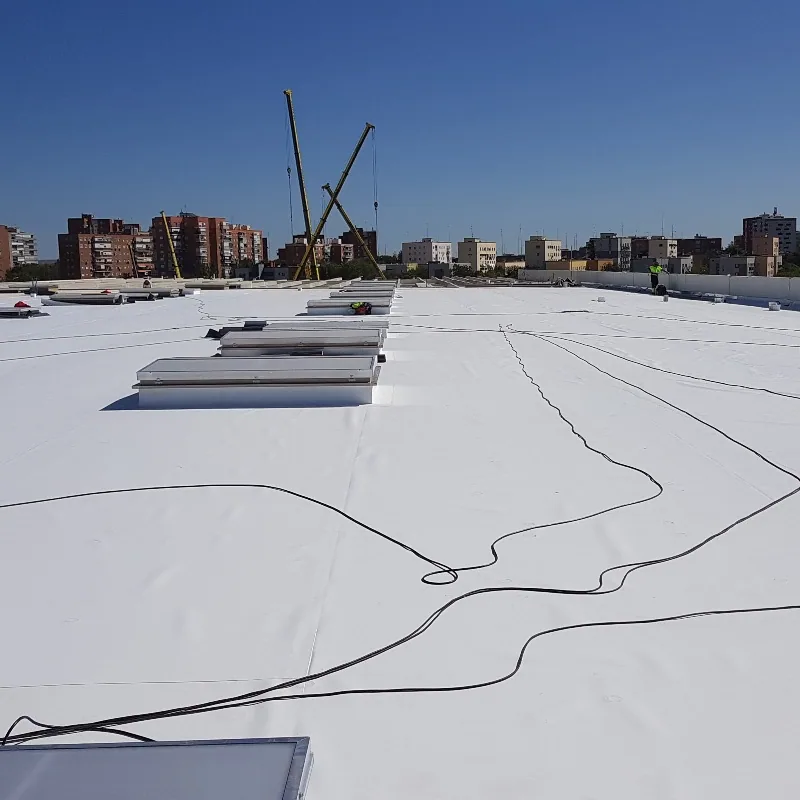
Johns Manville’s commercial range includes thermoplastic membranes, EPDM, and modified bitumen. We identify the installed layer and note whether the roof has been repaired, coated, or recovered since original construction. Old records can help, but a roof plan should reflect the field evidence now visible. Where an addition meets an older area, map both systems and inspect the transition detail. A TPO roof evaluation considers heat-welded seams; an SBS or APP modified bitumen review considers its own laps and surfacing.
Attachment and substrate change the recommendation. A single-ply field may be mechanically attached or adhered, with separate securement at edges; a bituminous assembly may include several plies and surfacing. We record visible fastening, adhesive, flashing, and edge conditions, then mark areas that require a test opening. If membrane identification remains uncertain, we keep that question open instead of guessing from color. A Carlisle SynTec comparison or GAF assembly comparison is useful only when the actual roof includes that product family or a transition to it.
Central Perimeter has more than 123,000 workers and four MARTA rail stations. For an occupied office there, confirm roof entry, loading, equipment routes, and work hours with the property contact before choosing a repair window.
Seams and rooftop details
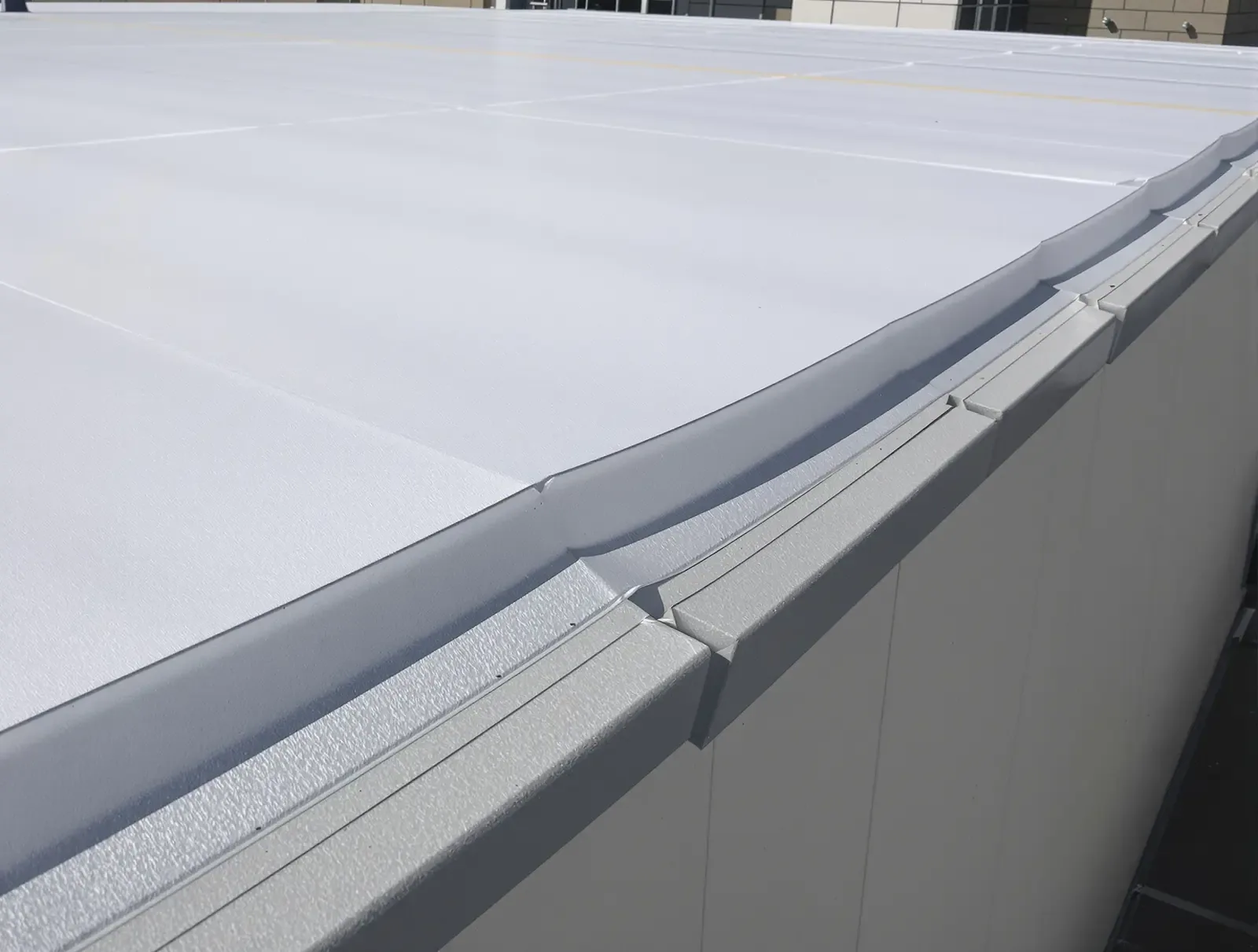
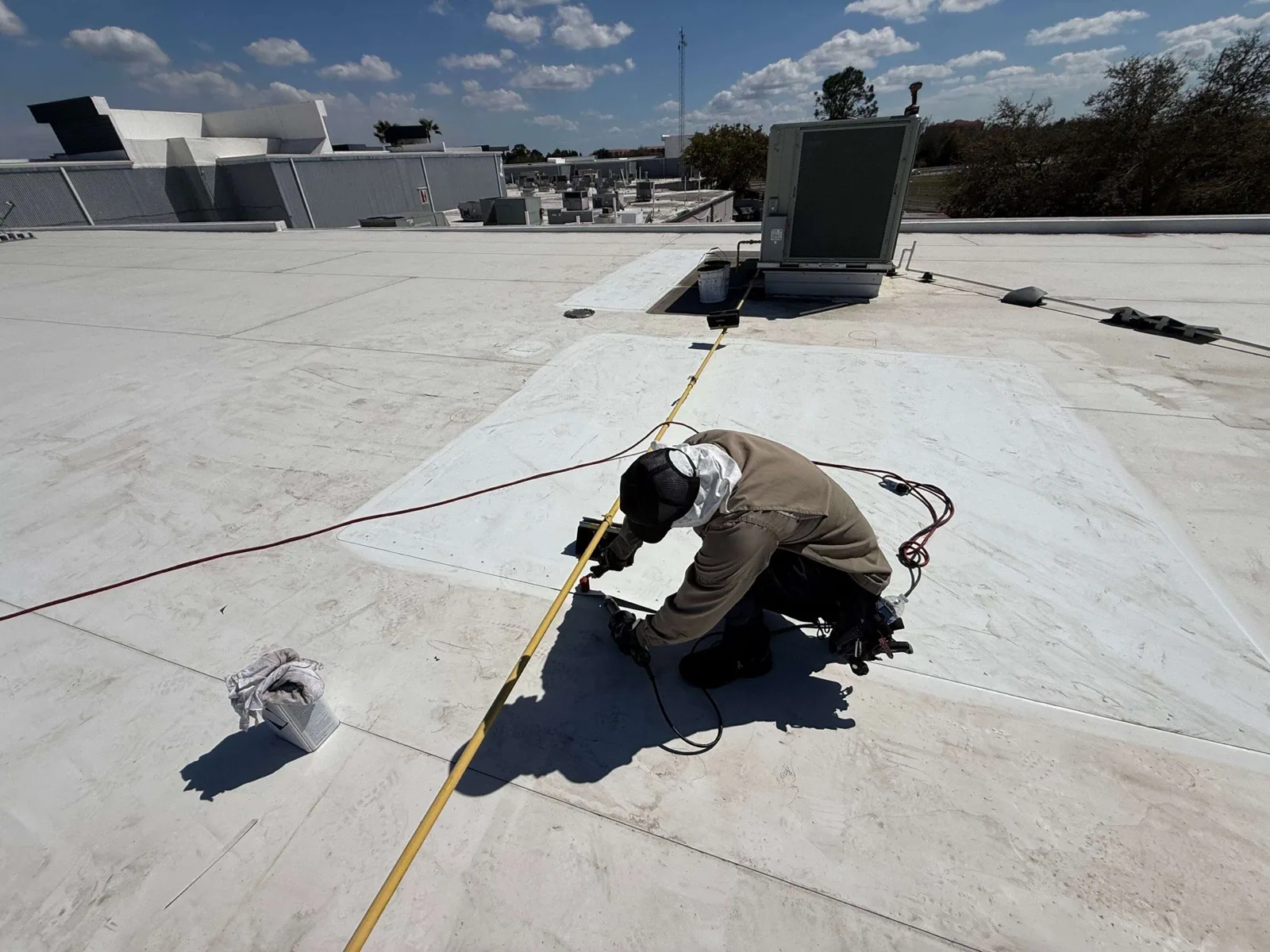
For TPO and PVC, we inspect welds, terminations, patches, and corners for separation or poor fusion. EPDM calls for attention to its seam materials and flashing transitions. On a modified bitumen roof, laps, surfacing, and changes at curbs deserve a close look. A repair detail needs a sound tie-in to the existing system, not a product that merely appears similar. We document what failed, where the defect stops, and whether moisture or deck conditions could extend the work area.
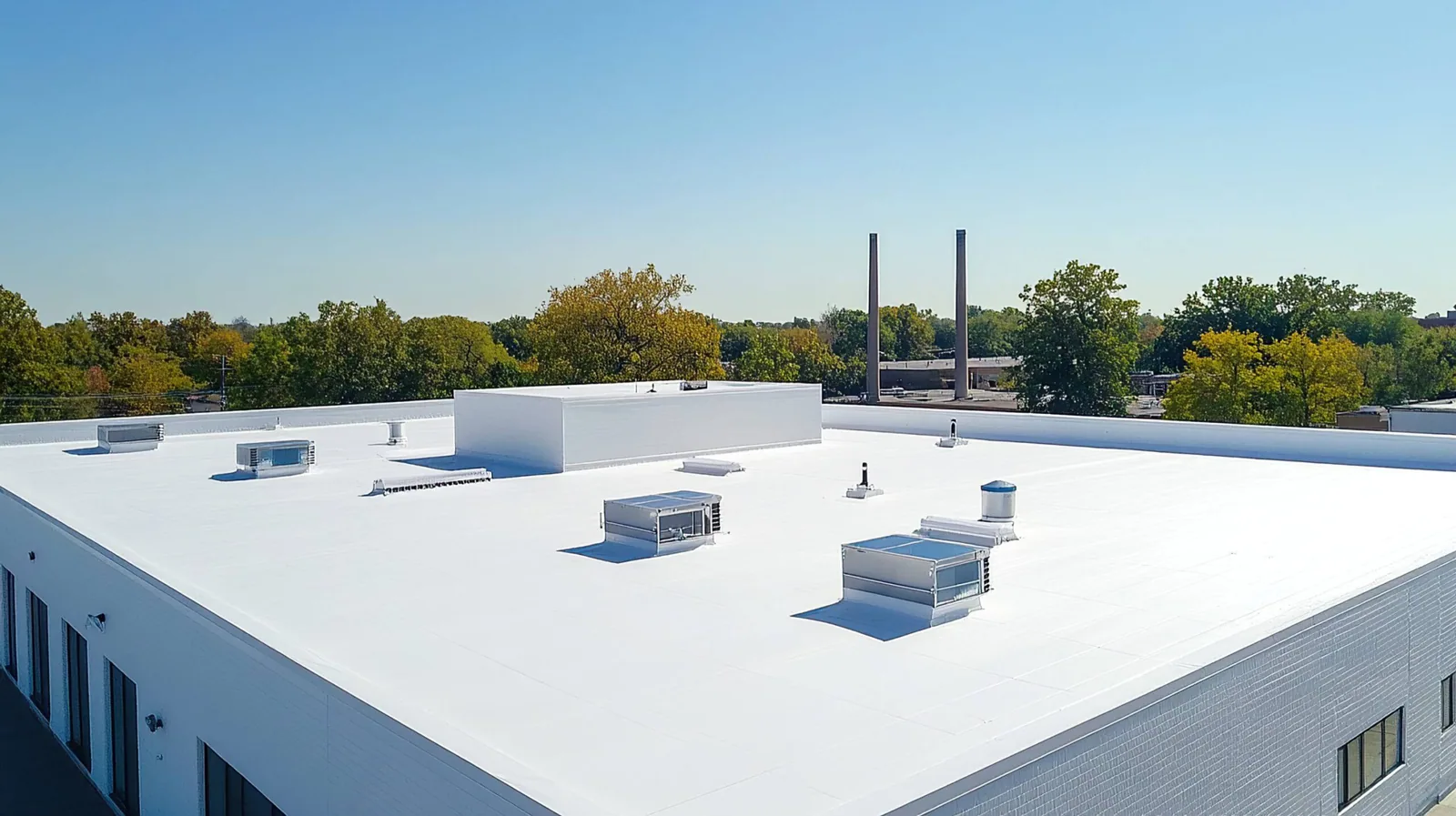
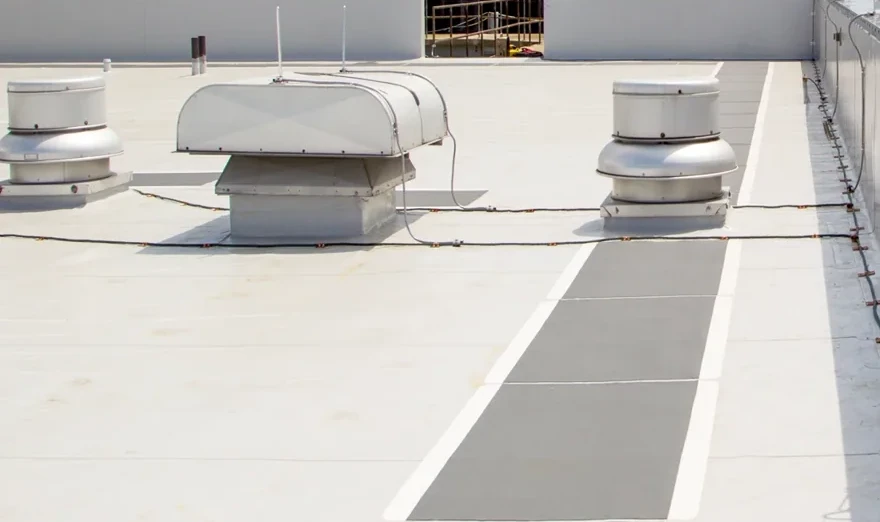
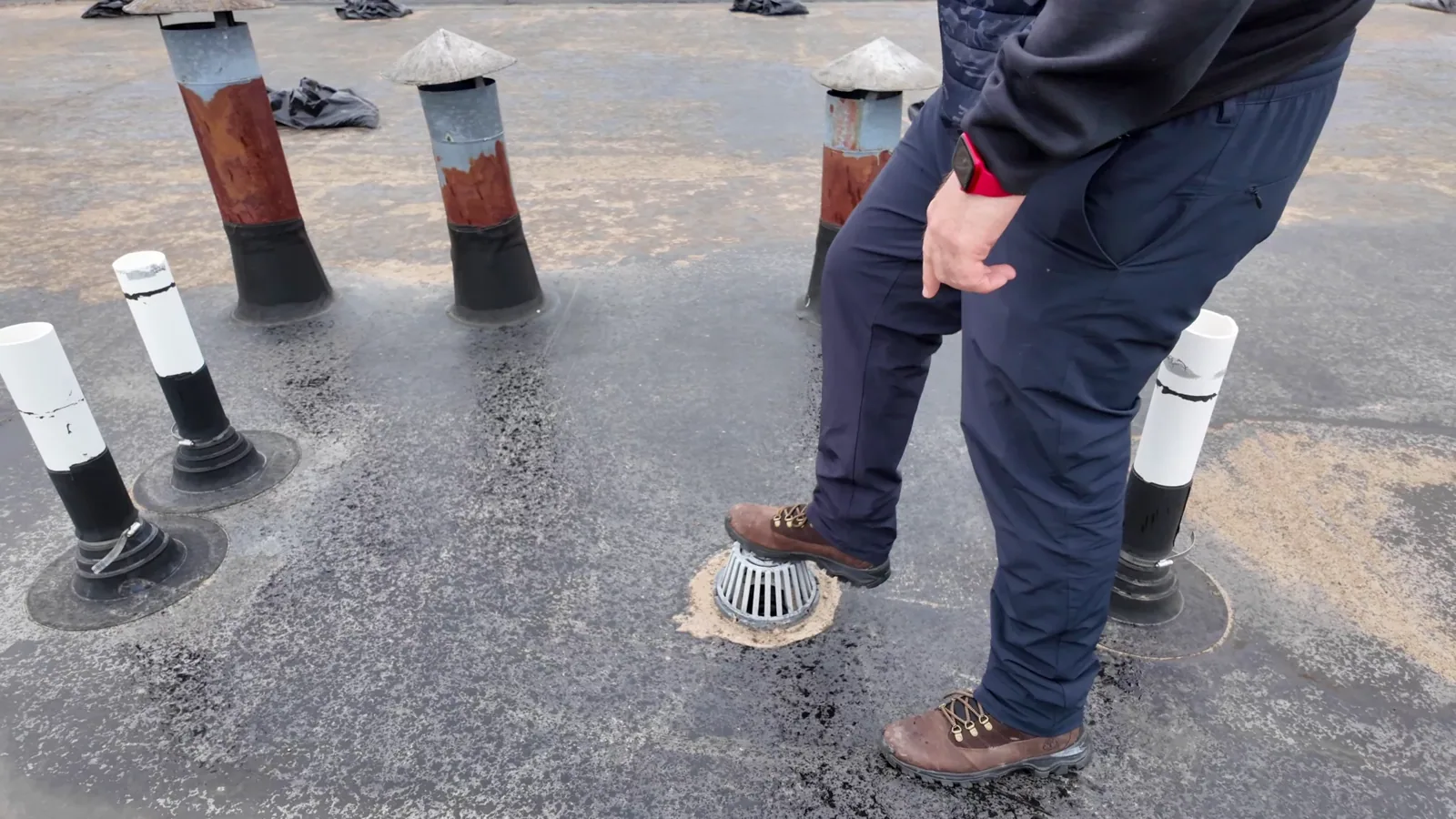
Drains, scuppers, pipe penetrations, skylights, equipment curbs, and parapets interrupt the roof field. We trace each water path to an outlet, check for debris and low areas, and inspect nearby flashing. A stain inside a building can appear away from the entry point, so we compare reports with roof layout and weather timing. A drain inspection can record outlet performance, and a perimeter metal review checks the edge conditions that protect terminations.
Roswell Road is Sandy Springs’ main north-south arterial and links the city with I-285. Properties along that corridor can have different delivery and staging constraints from a campus setting. We confirm the actual roof access and work route before mobilization rather than making assumptions from the road network. A Roswell Road corridor assessment connects those local logistics to the building’s documented roof section.
Repair limits and renewal paths
A localized opening, puncture, or failed flashing may be a repair when the surrounding membrane or bituminous surface remains serviceable. We define the preparation, compatible materials, and limits of the work. If the same detail has been repaired repeatedly, nearby seams are also opening, or moisture extends beyond the visible defect, the investigation should widen before the budget locks in a patch-only plan. A repair inspection can establish the immediate scope and identify the remaining exposure.
Recover and replacement are different capital paths. A recover depends on the existing assembly’s attachment, moisture condition, height, drainage, and code requirements. Replacement removes layers and may expose deck or insulation conditions that were not visible from above; it also requires debris and access planning. We compare those scopes by roof section, including phasing and occupied hours, then show which unknowns could alter the result. A recover feasibility review is useful when the assembly supports further evaluation.
Roswell Road’s North End is being considered for new homes, retail, office uses, and green space alongside existing shopping centers. For a property there, we record roof access, drains, equipment, and tenant constraints before tying its condition to a renewal date.
Weather windows and occupied work
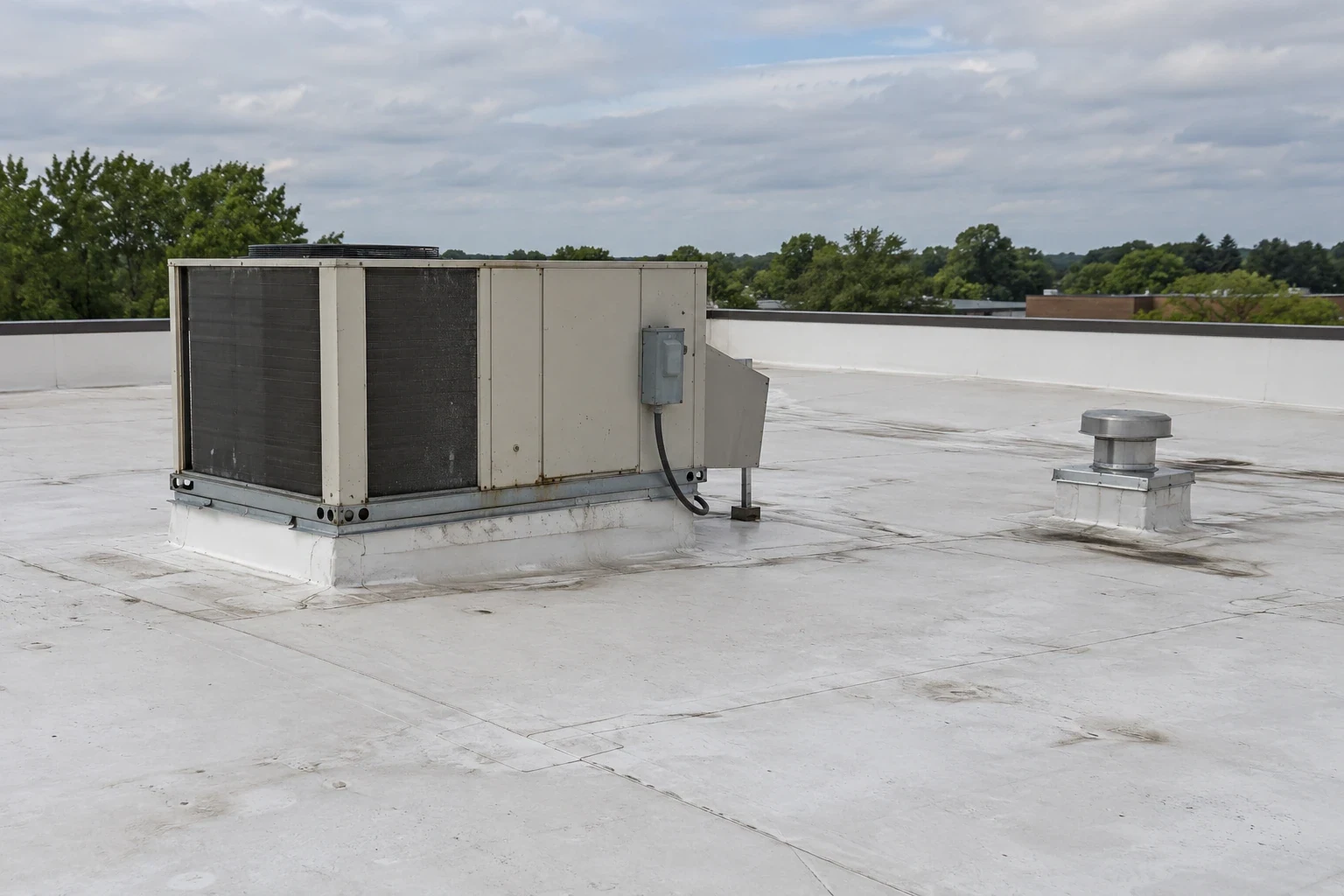
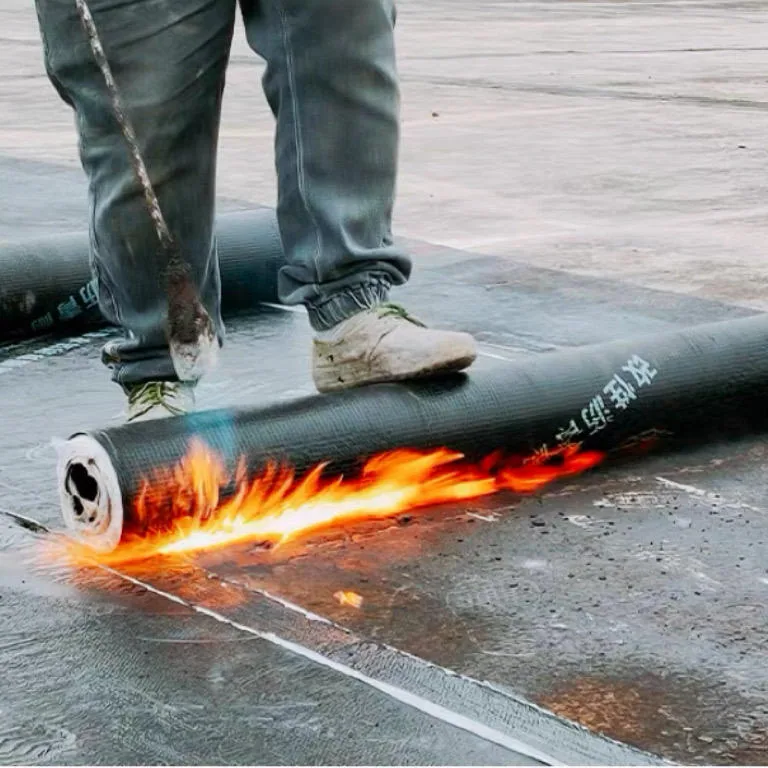
Average Atlanta highs near 90 degrees in July and August make midday roof conditions a planning factor. Heat can affect adhesives, membrane handling, and crew pace, while rain can interrupt preparation or expose open insulation. We divide the work into sections that can be secured at the end of a shift and follow the applicable product instructions for temperature and substrate. The schedule should include a safe stopping point if a storm arrives earlier than expected.
Children’s Healthcare of Atlanta’s Scottish Rite facility is in the Sandy Springs Medical District. Healthcare buildings may have continuous occupancy, active loading, and sensitive interior operations. The facility contact defines its protocols; we coordinate access and roof activity around those requirements. A hospital roof scope should show how work affects entrances, equipment, and service continuity, while a Medical District roof visit begins with the specific building’s rules.
Hail and thunderstorm winds are part of the North and Central Georgia weather record. After a reported event, we inspect edge metal, membrane, flashing, and penetrations, then document observed damage with photographs. A hail damage assessment separates confirmed impacts from unrelated aging and notes areas that could not be reached. That record supports repair priority and later claim documentation without assuming all roofs across the district were affected.
Condition record and budget sequence
Keep product identification, roof plans, inspection photos, test locations, repairs, and dates in one building record. Label each section so a later visit can compare the same seam, drain, or transition. A capital plan review can sort urgent repair from work that belongs in a later budget year. If the property has several Johns Manville systems or different generations, record those separately instead of grouping them by manufacturer.
Share the available plans, system history, active leak areas, repair files, access constraints, and budget timing. We will inspect the roof, state what is confirmed, and prioritize repair, testing, or renewal by area. The result should identify the action, decision driver, and follow-up evidence in terms ownership can use across facilities.
Questions About Johns Manville Roofing
Which Johns Manville roof system is installed on my building?
The best evidence is the original system record checked against current field details. We look at membrane markings, seams, attachment, flashing, and any later recover or addition before identifying the assembly.
Can a Johns Manville TPO repair be used on PVC?
Repair preparation and material must suit the membrane present. We identify the roof system and confirm compatibility before specifying a weld, patch, or flashing repair.
What does repeated water entry say about the roof scope?
It calls for comparing leak reports with seam, drain, flashing, and moisture evidence. If the same zone keeps failing or the wet area is broad, we test beyond the visible spot before setting the repair boundary.
How should owners time Johns Manville roof work in Sandy Springs?
Use the roof condition, forecast, access limits, and occupied schedule to choose a work window. Summer heat and rain can narrow daily production, so the plan needs secure section closures and clear weather contingencies.
What belongs in the file after a Johns Manville inspection?
Keep the system identification, marked roof zones, photos, repair history, moisture findings, and open testing questions together. That record helps ownership compare condition and budget timing at the next review.

Set a Johns Manville roof sequence
Share roof plans, system records, leak locations, prior repairs, access needs, and the budget window. We will return a condition-based sequence for each roof section.
Call 555-555-5555 or send the building details.