SOPREMA Roofing in Sandy Springs, GA
A SOPREMA roof may involve a membrane field, a bituminous assembly, or a liquid-applied detail system. The name alone does not tell us which layers are installed or whether the roof is ready for another treatment. We check records, seams, flashing, attachment, drainage, and prior coating or repair work. In Sandy Springs, rainfall makes outlets and transitions recurring inspection points, while humid summer heat affects the work window. The owner needs a condition map before selecting a compatible repair or comparing capital options.
System identity and substrate
SOPREMA’s commercial roofing range includes PVC membranes, SBS modified bitumen, and ALSAN liquid-applied systems. These are different assemblies, not interchangeable surface treatments. We identify the roof that is actually present and inspect how it was attached, surfaced, and flashed. If an older roof has received a recover or coating, the original system record may no longer describe the top layer or the current repair requirements.
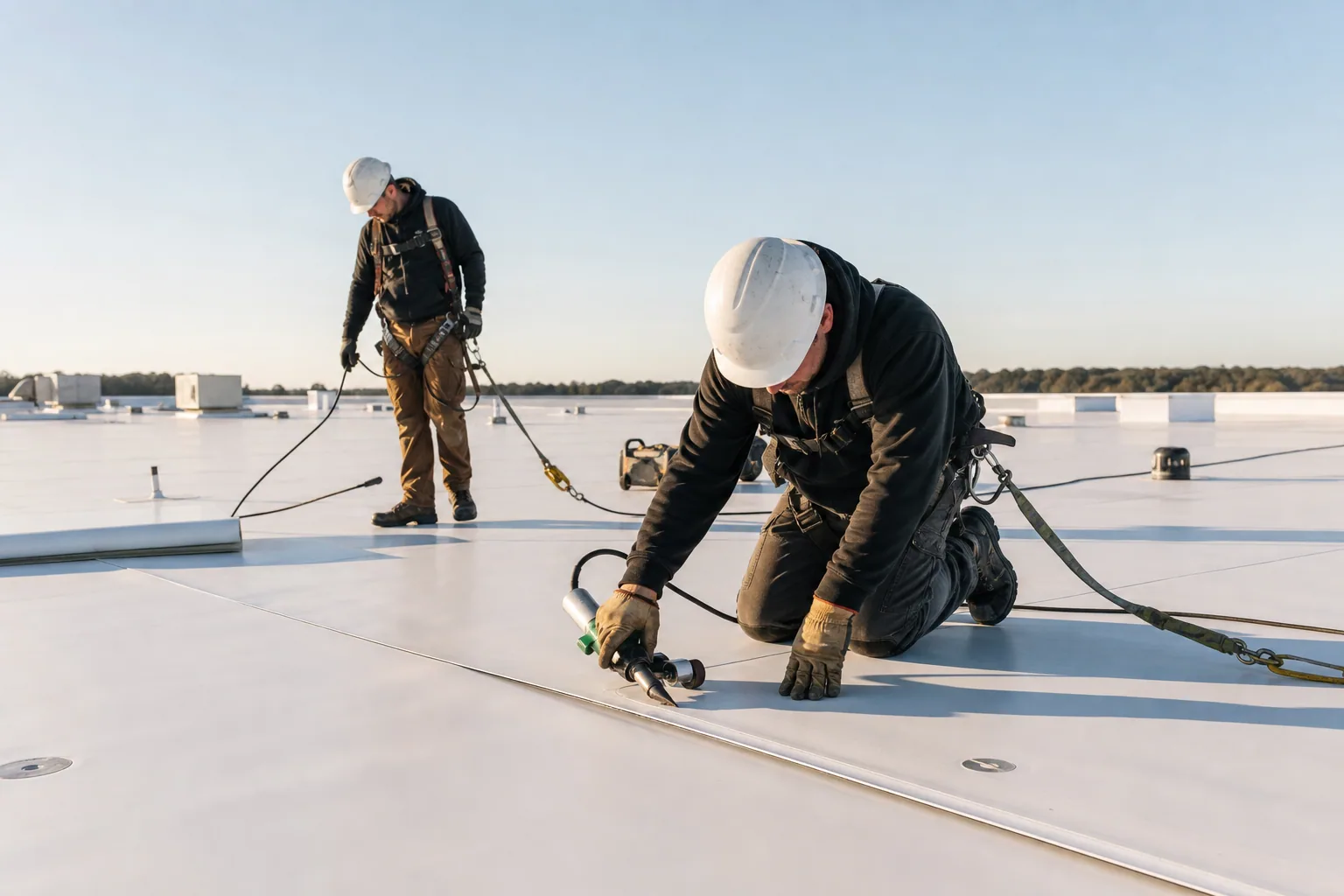
For PVC, we inspect heat-welded seams, reinforced areas, corners, and transitions. For modified bitumen, we review laps, surfacing, blisters, and detail conditions. A liquid-applied system needs a suitable substrate and carefully prepared transitions. We confirm what can be observed and flag concealed conditions that could require a test opening. A PVC membrane review and a modified bitumen assessment should follow the assembly found on the roof, not a product name copied from an old estimate.
A mixed roof deserves a map before estimating. An addition may use a different membrane, and a repaired section may not match the surrounding field. A GAF roof comparison can help keep an adjacent product family distinct when that system is confirmed. We record the boundary, detail, and evidence supporting the identification.
Flashing, coatings, and transitions
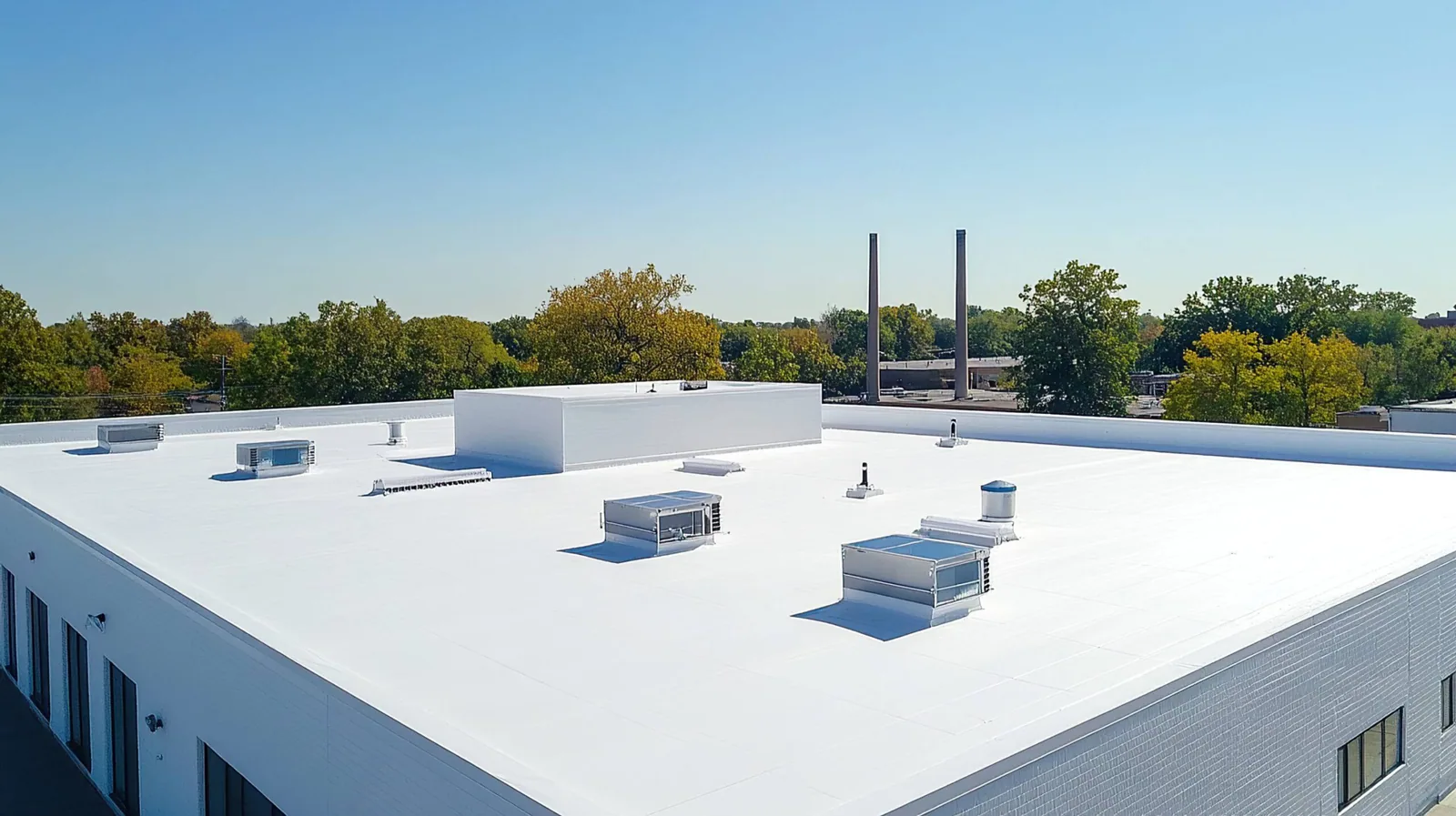
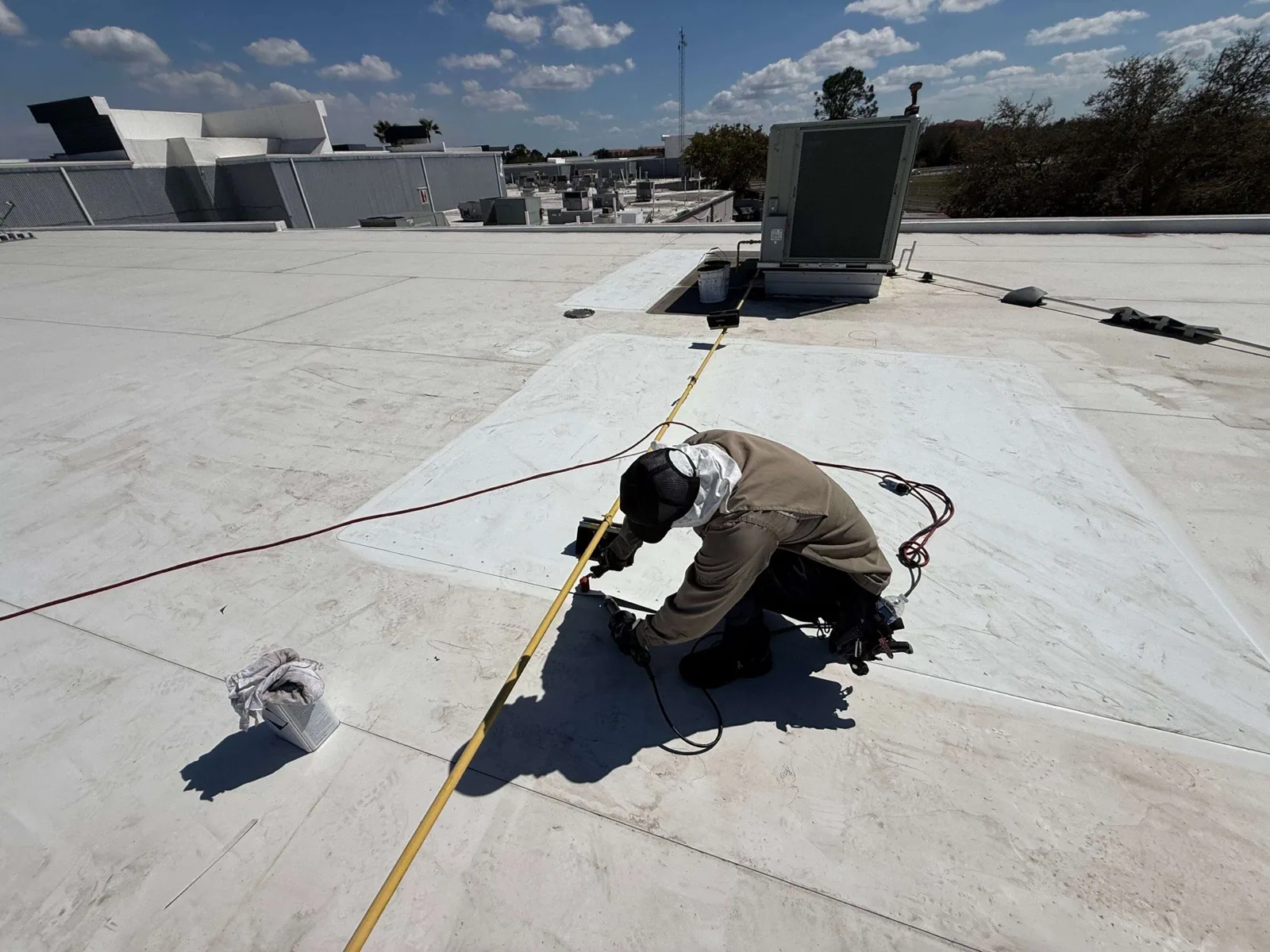
Liquid-applied products can form a reinforced flashing or coating system when the surface and detail are appropriate. They do not correct every wet assembly or drainage problem. We inspect the substrate, prior coating layers, surface contamination, movement, and water entry before deciding whether preparation and application are suitable. Where a roof has ponding or moisture below the surface, resolve that condition before considering a coating over it.
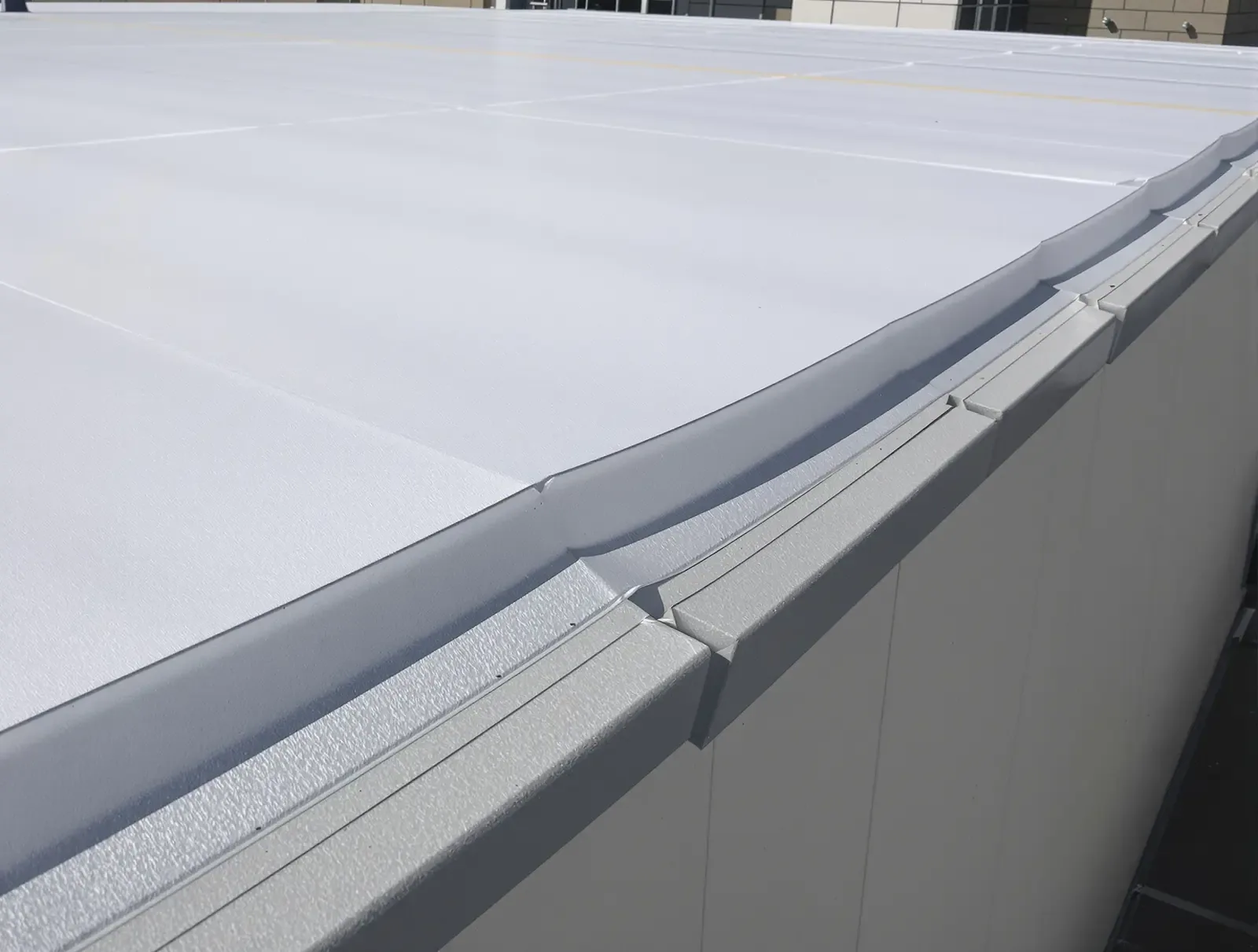
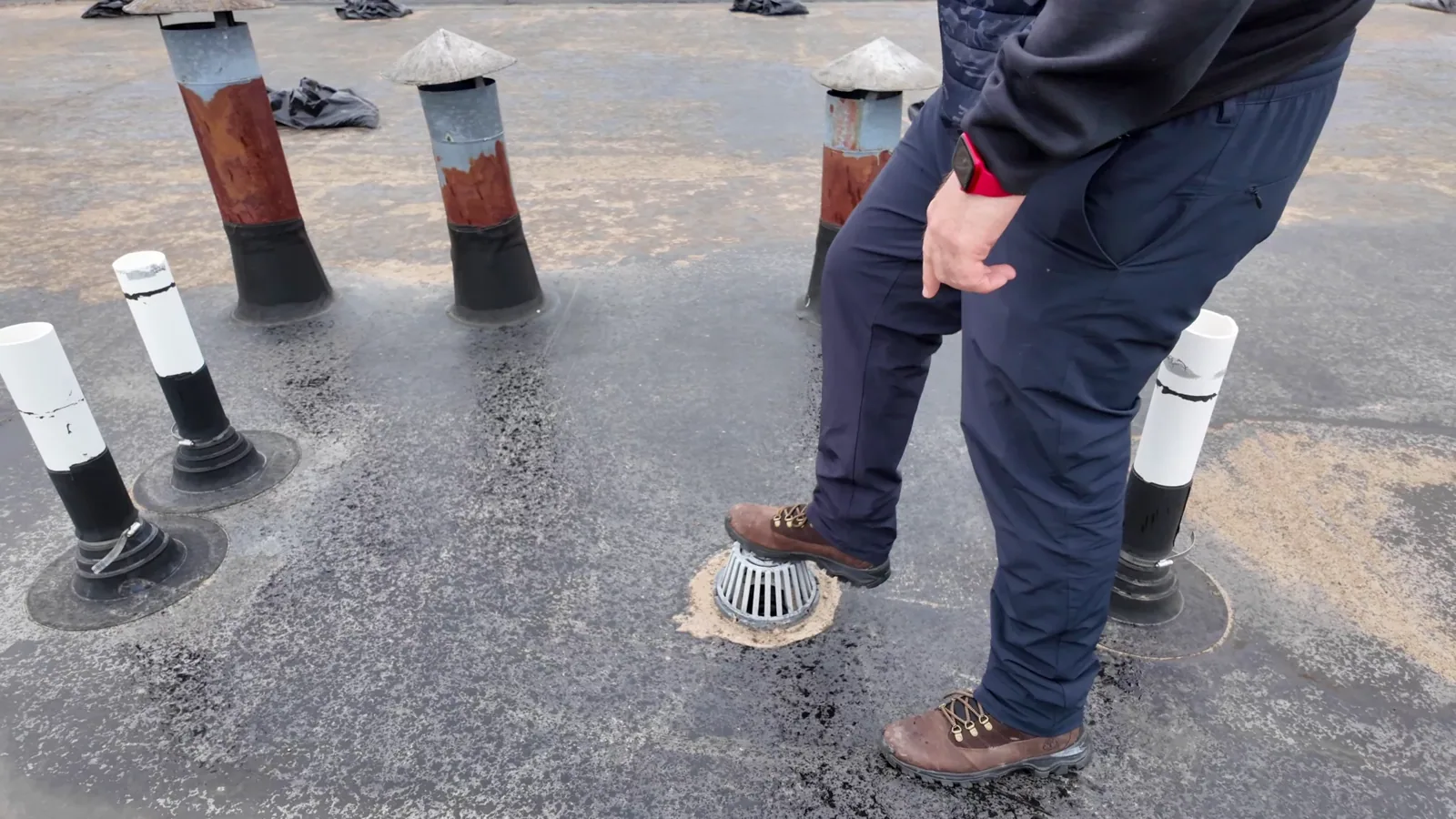
At parapets, penetrations, drains, curbs, expansion joints, and equipment supports, details carry several changes of plane. We look for open laps, cracked sealant, loose termination, damaged metal, and patches that stop short of sound material. A roof coating cannot replace an inspection of these transitions. A penetration and flashing inspection can establish detail condition, and an edge metal review checks perimeter securement. The repair boundary should include the actual failed detail and leave adjacent questions clearly recorded. On a coating project, we check whether the existing surface is clean, dry, firmly attached, and compatible with the proposed primer and reinforcement. A sample area can help confirm preparation and adhesion before production work expands across the roof.
Central Perimeter has four MARTA rail stations and a large daytime office workforce. Those local operating conditions affect access planning for occupied buildings, while the roof still needs direct inspection. We confirm roof entry, lift or material staging, and tenant schedules with the site contact before work begins.
Drainage and moisture evidence
Water remaining after rain can come from a blocked drain, a low point, altered slope, or a roof section that has settled. We note the area, nearby seams and penetrations, outlet condition, and how long the water remains when observations are available. A drain that clears does not prove the surrounding insulation is dry. If the hidden layers could change repair versus renewal timing, use testing that identifies its method and limits.
Moisture mapping helps focus test locations but should not be treated as a full survey of untested areas. We compare readings with leak reports, roof plans, and repair history, then confirm with a test opening when needed. A moisture survey can organize those locations, and a drainage review documents how the water leaves the roof. Keep the two findings separate in the final scope so a drainage correction is not confused with insulation replacement.
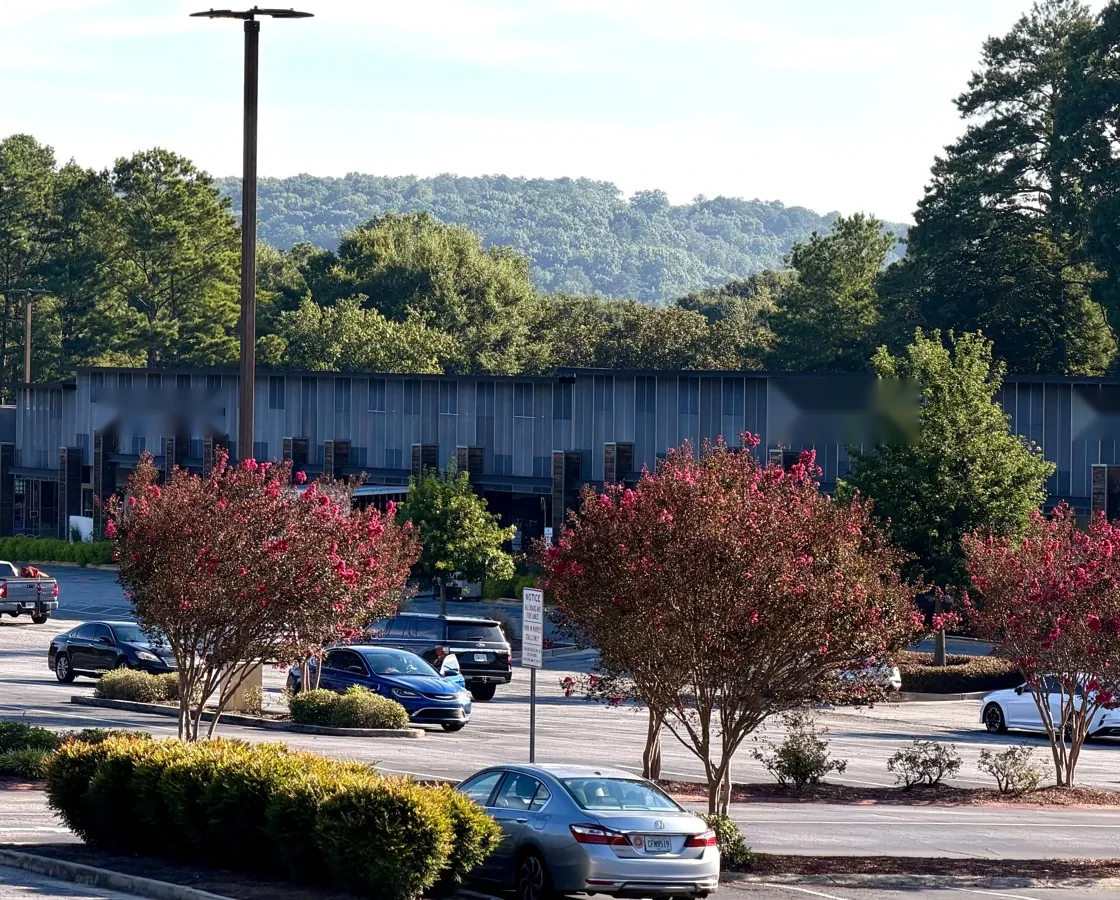
Frequent rain across Sandy Springs puts drain bowls, overflow routes, seams, and liquid-applied transitions into routine review. After a wet period, we record whether drainage is clear and whether the flashing detail shows a change. The North End Sandy Springs service area includes commercial properties along Roswell Road, where actual access and building hours still need confirmation.
Repair and recover decisions
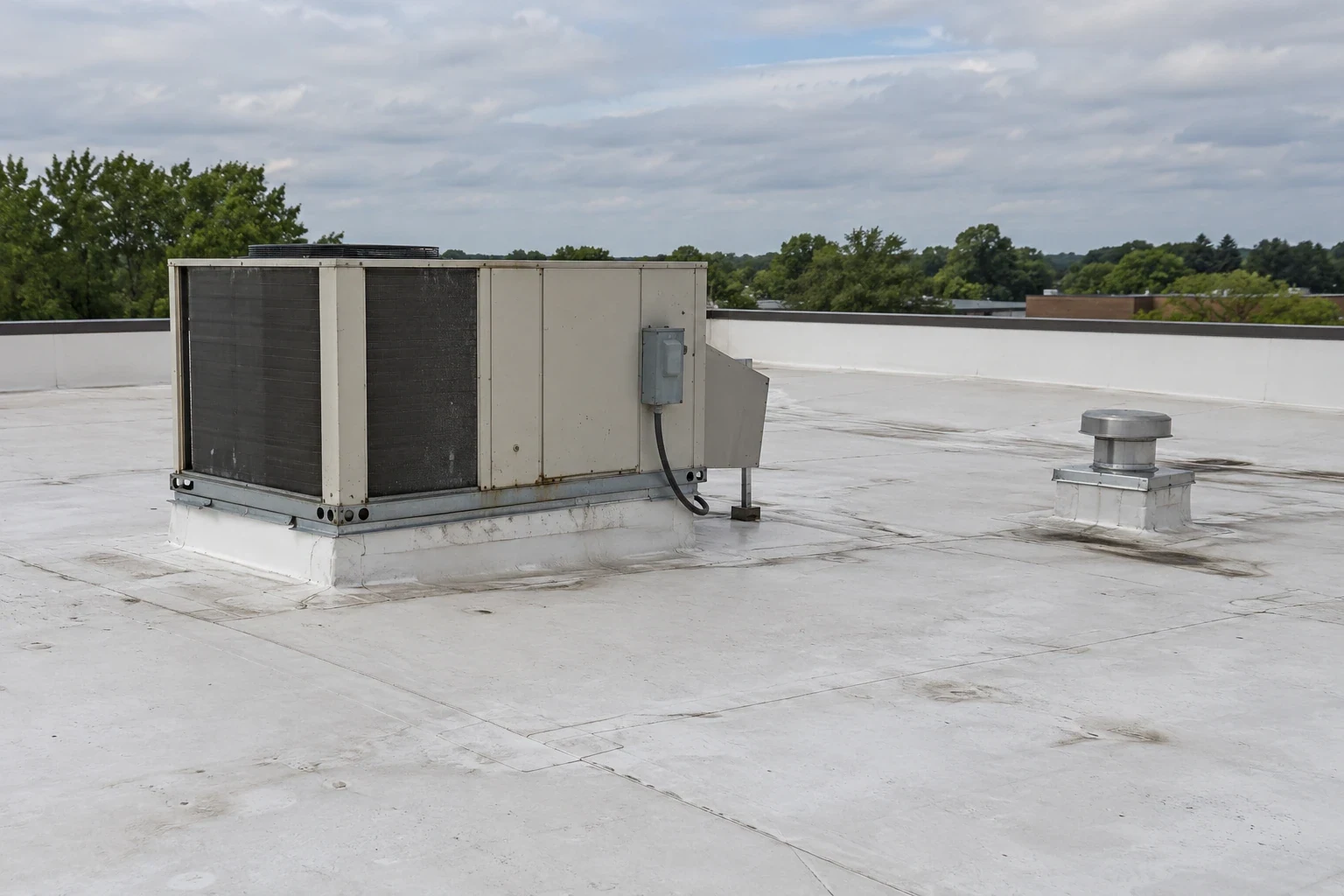
A local repair may fit where the material around the defect remains sound and the proposed method is compatible. We identify the preparation, reinforcement or patch, transition, and areas left outside scope. When repairs repeat in the same roof zone or moisture spreads beyond a visible opening, widen the investigation before approving a series of surface fixes. A commercial repair scope should state the condition supporting the work and the limits that remain.
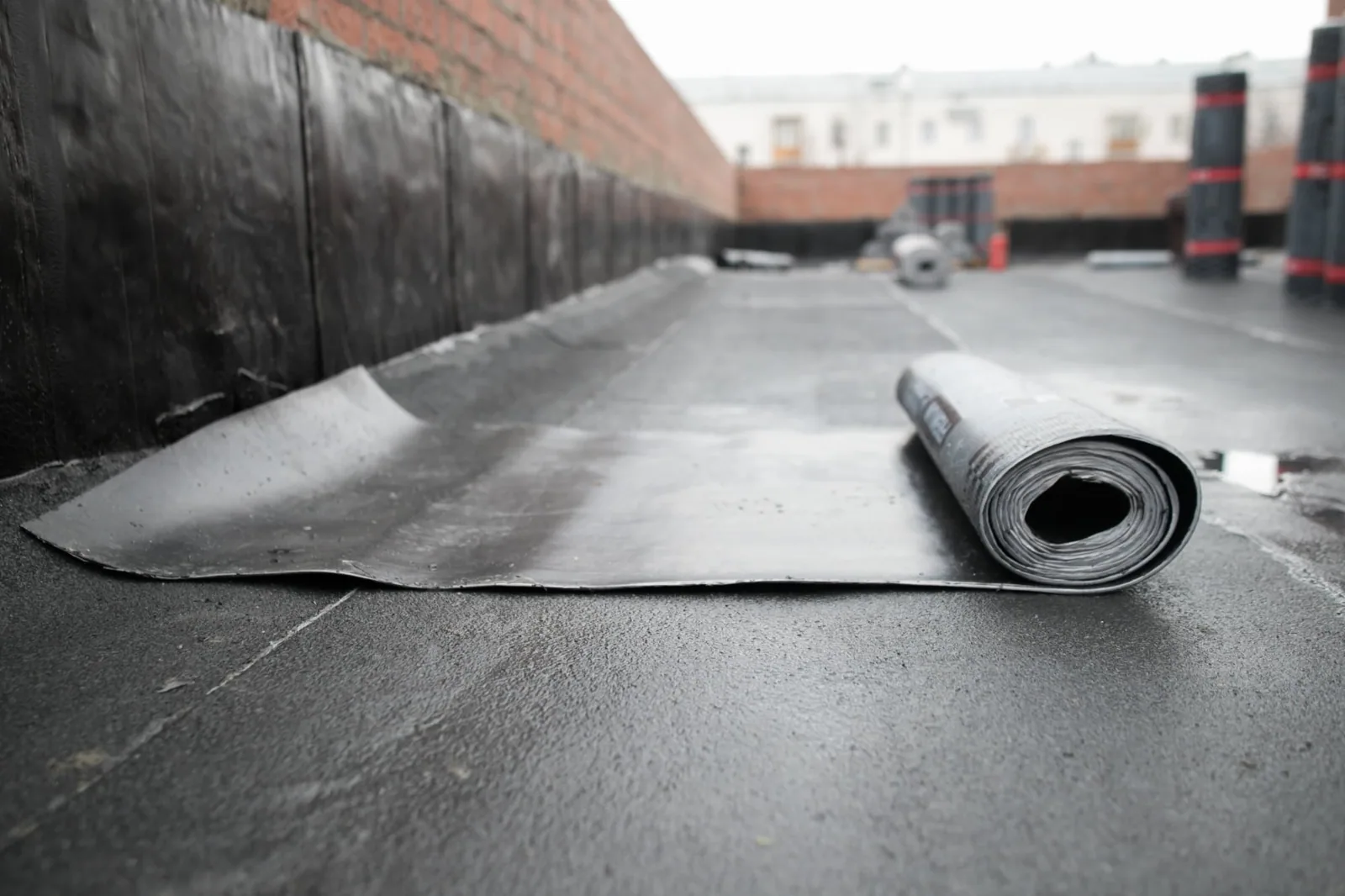
A recover is possible only when existing attachment, moisture, height, drainage, and code requirements support another layer. Tear-off can expose concealed insulation and deck, while adding removal, disposal, and scheduling demands. Coating is a separate restoration option with its own substrate and preparation requirements. A recover review can compare the existing assembly with a removal plan before setting a capital request.
City Springs mixes civic, event, dining, fitness, and residential activity. For a property there, roof access and material delivery may need a defined calendar and safe stopping point. We confirm actual operations with the owner and sequence work by section, not by assuming one schedule fits every nearby building.
Capital window and roof file
Keep the product identification, roof map, coating history, repair photos, moisture locations, and open testing questions together. A condition report can show whether a detail remained stable or moved into a broader replacement study. A different manufacturer, such as Duro-Last PVC roofing, may occur on another section, but the transition and field evidence control the repair plan.
Share plans, active leaks, previous work, roof access rules, and budget timing. We will inspect the assembly, note what is confirmed, and return actions ranked by condition and operational effect. Each recommended item should name the roof zone and the next decision needed to keep deferred exposure visible through the budget year. Record any drain cleaning, flashing replacement, or moisture test as a separate action with an owner and follow-up date. This gives the next inspection a clear comparison point.
Questions About SOPREMA Roofing
How do you determine which SOPREMA system is on the roof?
We review project records and compare them with field layers, seams, surfacing, and flashing. If a coating or later recover obscures the original assembly, we mark what is confirmed and what requires more investigation.
Can a SOPREMA coating correct ponding water?
A coating does not correct a drain restriction, low slope, or settled area. We determine why water remains and evaluate substrate condition before considering a coating as a restoration layer.
When should modified bitumen receive a broader review?
Widespread open laps, repeated blistering, moisture, or failing transitions can move the question beyond one patch. We map the affected sections and test where the result could change the capital choice.
How does Sandy Springs weather affect SOPREMA roof work?
Rain can interrupt preparation and make it harder to close an exposed area, while hot humid conditions affect the daily work window. We plan the section size, materials, and stopping point against current conditions.
What should be documented after a SOPREMA roof repair?
Save the marked roof zone, existing system, preparation method, installed repair, photos, weather conditions, and any unresolved moisture or drainage concern. The owner can use that file to set the next review date.
Set a SOPREMA roof review
Share system records, roof plans, repair history, leak areas, access requirements, and budget timing. We will return a prioritized repair or renewal scope by roof zone.
Call 555-555-5555 or send the building details.