Hotel Roofing in Sandy Springs, GA
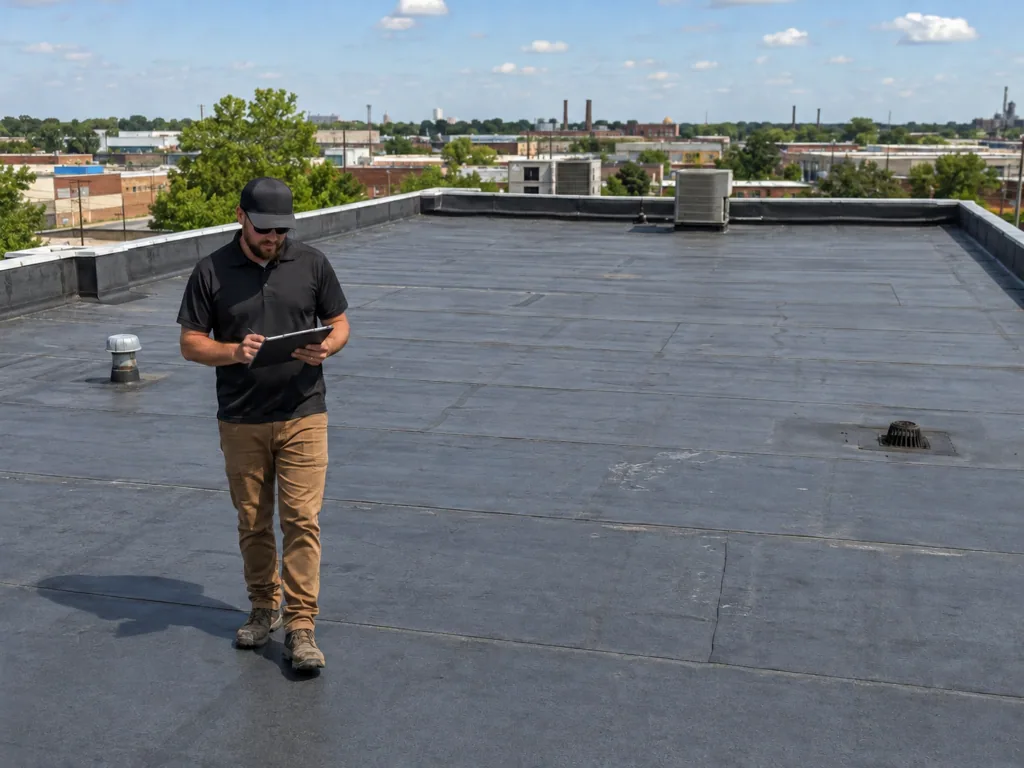
A hotel roof decision has an operating consequence on both sides of the membrane. Water intrusion can affect guest rooms, meeting areas, kitchens, vertical circulation, or mechanical systems, while roof work can affect arrival routes, noise, and occupied floors. Sandy Springs has hospitality uses in districts including Powers Ferry and the wider Central Perimeter, alongside a large office and commercial building base. Hot, humid summers and frequent rain put pressure on drainage and penetrations; hail and thunderstorm winds add event-driven inspection needs. We record the affected roof section, likely water path, and daily access limits before setting a repair or renewal scope. A commercial roof survey helps ownership prioritize immediate exposure and planned capital work.
Guest and event windows
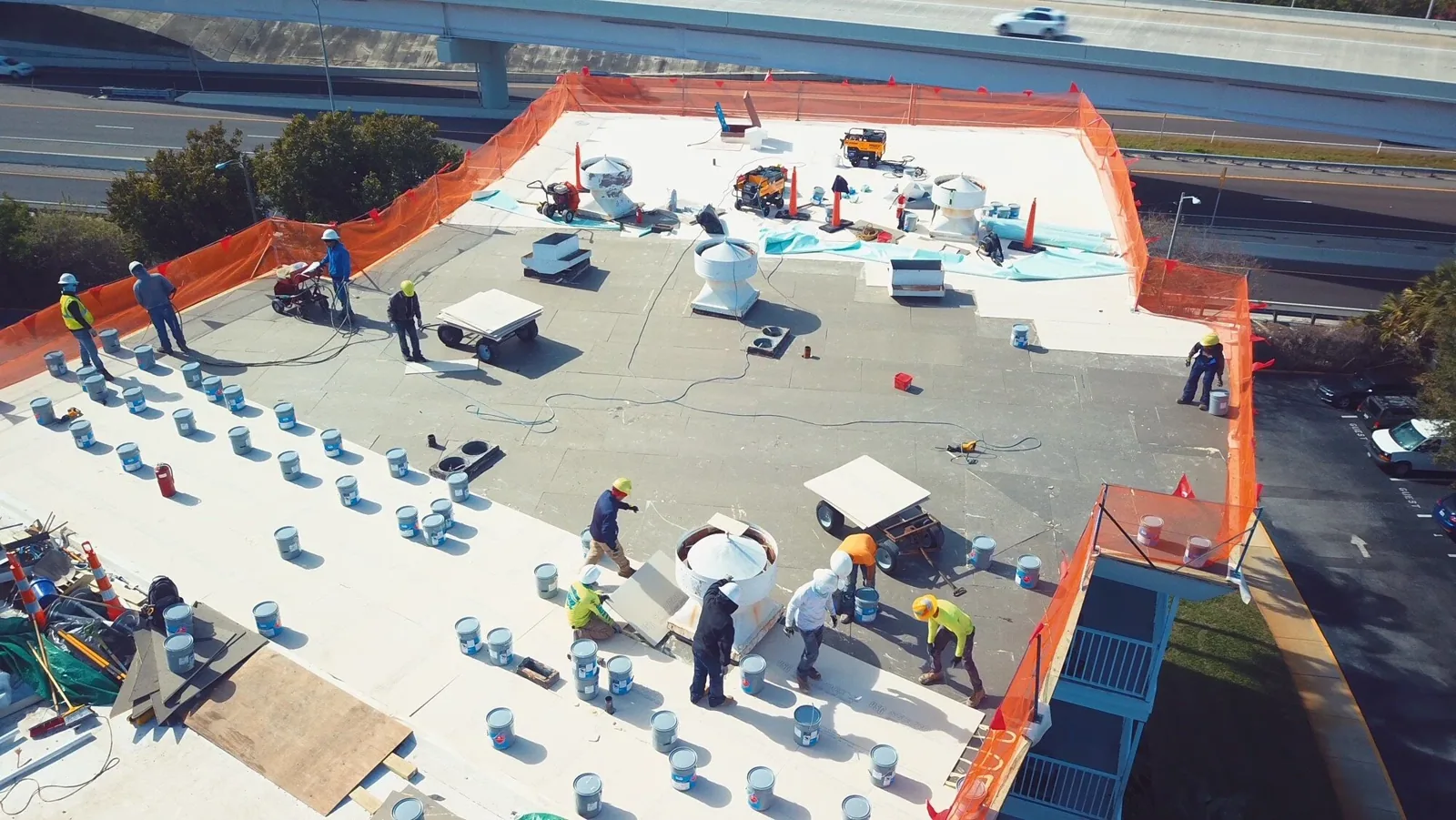
The work sequence should account for room occupancy, meetings, catering, loading, and periods when noise or lift activity is less disruptive. We map roof access and staging against the hotel’s daily operations, identify the interior zones below each work area, and state how the roof closes at the end of a shift. A phased occupied-building plan may keep work moving without opening more roof than can be protected. The hotel’s operations team can identify quiet hours, event dates, and service routes that affect scheduling. If a conference or food-service area is below a repair, the interior protection plan should be stated in the scope rather than left to daily improvisation.
A hotel roof register should connect roof sections to the rooms and amenities beneath them without treating every symptom as a roof defect. We identify recurring reports by date, weather, floor, and location, then compare them with equipment, drainage, and flashing above. If the source is not confirmed, the report states what further inspection or testing would resolve it. This helps facilities staff distinguish a single repair from a recurring condition trend. A multifamily roof assessment uses a similar unit-level record, while hotel operations add guest turnover, event schedules, and service standards that influence repair timing.
Mechanical and moisture review
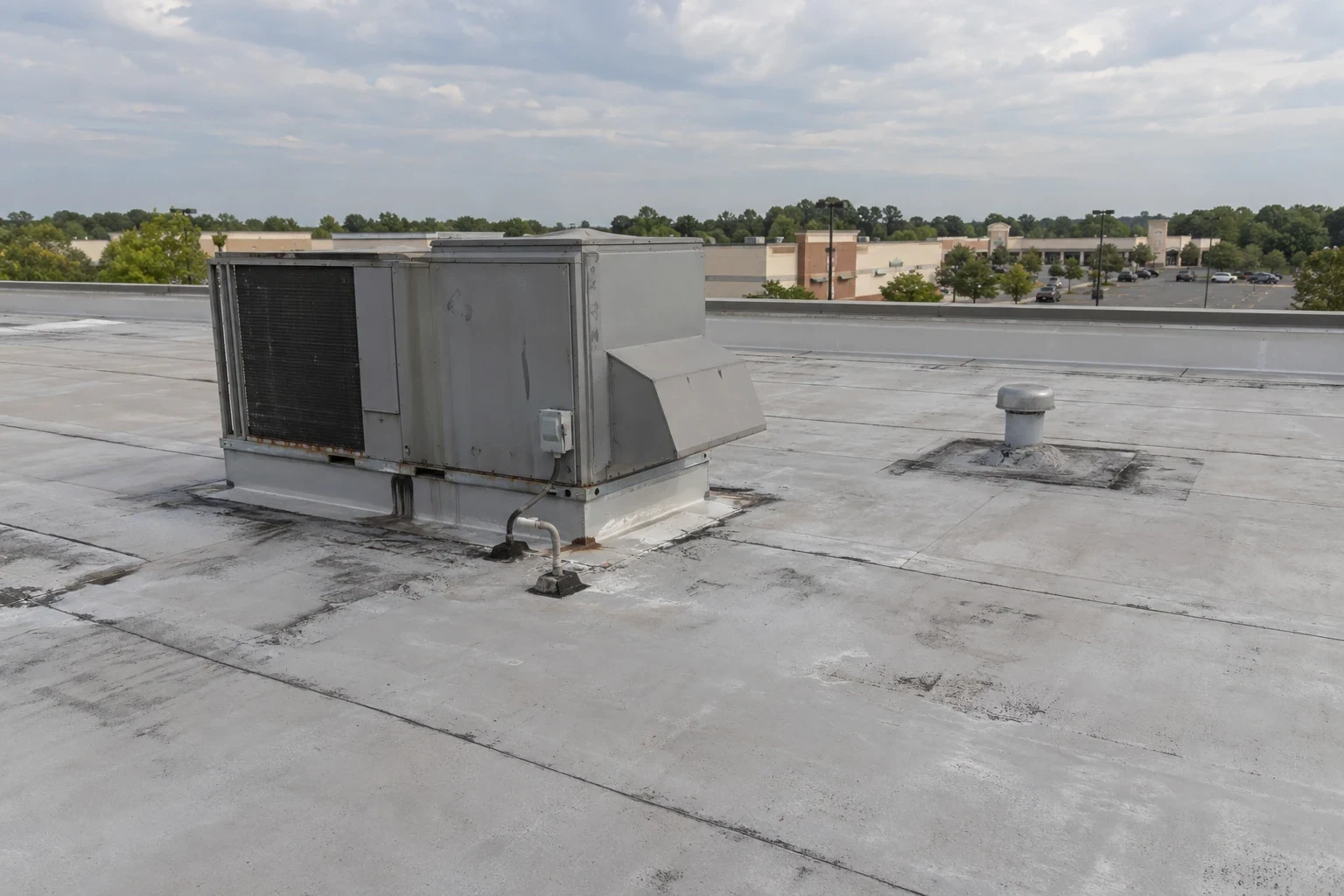
Hotels rely on extensive HVAC and exhaust equipment, with curbs and service lines that interrupt the roof field. We inspect flashing, supports, seams, drains, and prior patches around each unit. If condensation or a plumbing issue could be confused with a roof leak, the investigation separates those possibilities before repair. Infrared or targeted moisture testing may be useful where the surface record suggests concealed wet insulation. A moisture survey identifies suspect areas for confirmation, not a replacement for opening or testing where needed. The roof report notes what was inspected, what was inaccessible, and where the next test would reduce uncertainty.
Before work begins, management should know which entrances, meeting areas, or service routes could be affected by equipment lifts and material delivery. We mark the staging boundary and coordinate with security, catering, and building engineering. If a project crosses a high-occupancy period, the owner can compare a short targeted repair with a larger phased project after the event calendar clears. The budget review should include temporary protection and any required after-hours work as separate assumptions. A medical office roof plan offers another example of sensitive occupied space, though a hotel sets its own rules for guest notification and access.
Storm response and water control
After a wind or hail event, we document visible impacts at edges, membrane, rooftop units, and penetrations. Hail and damaging thunderstorm winds recur across North and Central Georgia, so a hotel should preserve dates and photographs after a reported event. A storm assessment identifies openings that require immediate protection and separates fresh observations from pre-existing wear. Drainage review remains part of that survey: water that stays at a low point can complicate both leak tracing and the next repair. The closeout names the temporary measure, permanent repair boundary, and follow-up inspection date.
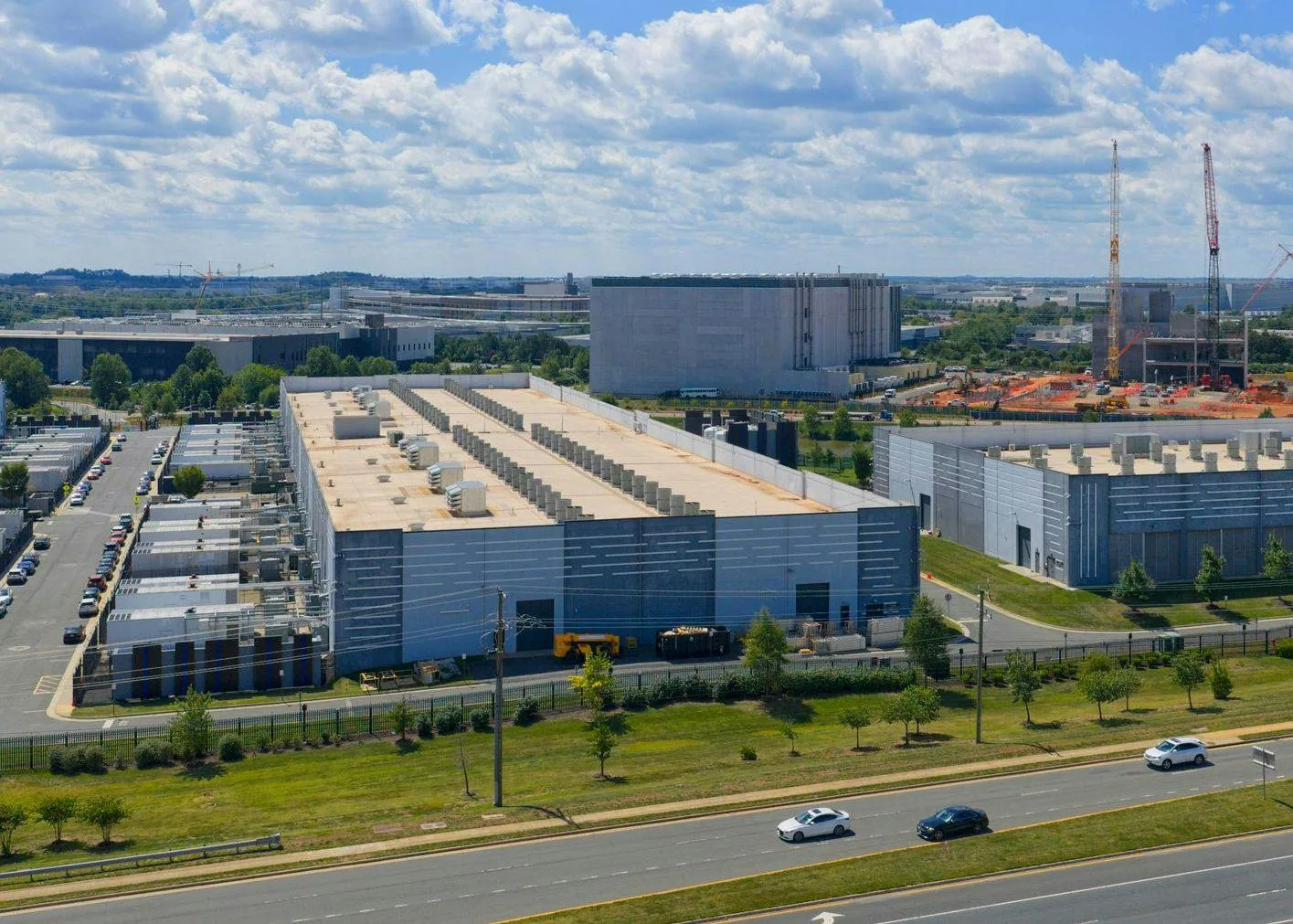
The Powers Ferry area supports retail, office, and hospitality uses along I-285, while the broader Central Perimeter is a large employment district. In the Powers Ferry commercial area and Central Perimeter, confirm each hotel's roof condition, work access, and operations schedule with its own facilities team. We inspect the actual roof, confirm entry points, and record equipment and drainage by zone. Material staging, shuttle or valet movement, and event activity should be confirmed with hotel staff before mobilization. That practical coordination reduces the chance that an otherwise sound roofing sequence conflicts with guest arrival or an important function.
Repair and replacement choices
A localized flashing failure may call for a targeted repair, while broad moisture, seam deterioration, or recurring leaks can shift the decision toward recovery or tear-off. We check the current assembly, insulation, attachment, drainage, edge height, and prior layers before presenting options. A recover study tests whether an overlay can meet detail and code constraints; replacement provides access to concealed layers and allows broader correction. At a Sandy Springs hotel, we match repair materials to the identified assembly and code details before setting the occupied-hours work sequence. Georgia's current construction codes apply in Sandy Springs, and the authority having jurisdiction confirms project-specific requirements. The estimate separates roof work from mechanical, electrical, and interior items so ownership can compare the true scope.
Portfolio record and budget year
Hotel closeout should state which roof areas were completed, what repairs remain, where moisture was found, and how later equipment work must restore flashing. A photo condition record gives facilities staff a basis for future leak calls and renewal planning. Owners with multiple properties can use a capital sequence to compare active risk, work windows, and budget-year options across buildings. Share the roof plans, occupancy restrictions, known leak history, equipment schedule, and access requirements. We will return a prioritized review that separates urgent protection, near-term repair, and longer replacement planning.
When a roof project spans multiple wings, closeout should show which rooms or service areas were below the completed zones and whether follow-up was requested. We note remaining work separately from completed repairs and identify the conditions that would trigger another inspection. Facilities can then align future roof access with room occupancy and engineering schedules. This is more useful than a general statement that the roof is complete because it preserves the scope boundary and the next action. A portfolio manager can carry the same format to another hotel while keeping each building's condition and operating limits distinct.
Questions About Hotel Roofing
Can reroofing be scheduled around hotel occupancy?
The sequence can be planned around guest and event patterns, but weather, access, and the roof condition set practical limits. We define work zones, daily closure, staging, and any interior protection before confirming the schedule.
How can a Sandy Springs hotel team separate condensation from roof entry?
We compare the timing and location of interior symptoms with rooftop equipment, plumbing, seams, and moisture evidence. The report identifies what supports a roof entry point and what needs additional testing.
What if a leak affects guest rooms?
We identify the roof section above the affected area, protect the interior, and define an immediate repair boundary. The permanent scope follows the roof inspection and may include nearby details if the water path supports that work.
Does a storm inspection document every roof defect?
It records observed conditions in accessible areas and notes limitations. A storm report distinguishes visible event-related changes from older conditions; concealed damage may require additional testing.
How should hotel owners compare renewal bids?
Require each bid to use the same roof zones and list tear-off, insulation, flashing, drains, equipment work, access, guest protection, and exclusions. A clear sequence makes operating impacts easier to compare.
Set the next roof decision
Share the roof age, active leak areas, access requirements, and budget window. We will review the evidence, identify immediate exposure, and return a prioritized scope with clear next actions.
Call 555-555-5555 or send the building details.