Commercial Roof Warranty Management in Sandy Springs, GA
A roof warranty is easier to manage when the owner can locate the document, understand its requirements, and connect service records to the covered roof area. We help organize warranty information, maintenance, repairs, and open questions by building. In Sandy Springs, heat, humidity, and recurring rain can expose drainage or flashing issues between planned reviews, so a clear record helps the owner act without losing track of the applicable terms.
Match warranty documents to the roof
We review the documents the owner provides: issued warranty, roof plans, closeout package, product and system information, maintenance history, and repair records. The record should identify the building, covered section, issue date where documented, term, exclusions, required maintenance, notification process, and party responsible for each step. We do not infer coverage from a proposal or product label. When a term or document is missing, the file marks the gap for owner or manufacturer confirmation.
Four MARTA stations serve the Central Perimeter, where daytime activity rises above the residential population. That local concentration means property managers may oversee buildings with different roof histories and contractors. A roof asset register can link each warranty to the correct building and roof zone. The record should not imply that neighboring properties share a system, warranty, or maintenance requirement.
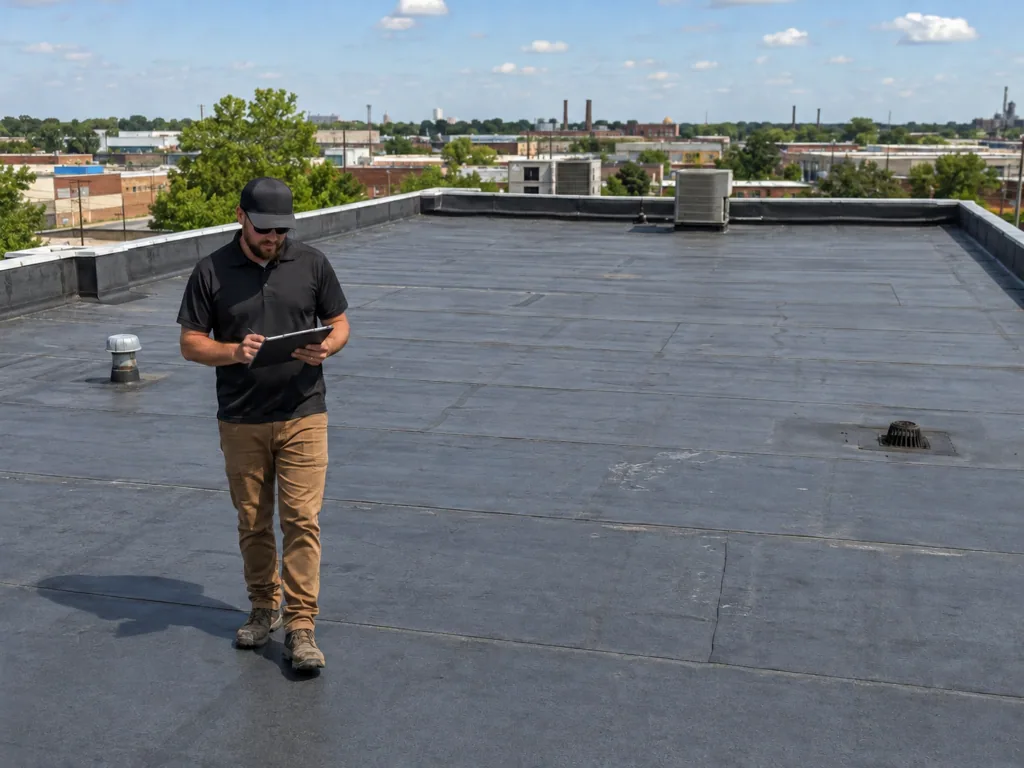
We compare the warranty map with the roof plan and closeout photos, then flag mismatched building names, areas, or product descriptions. A roof inspection can document the current visible condition. A condition report can preserve findings and identify which parts of the roof were reached, sampled, or left unverified.

Track required maintenance and notice
Warranty terms may require periodic review, prompt notice, or limits on who performs certain work. We extract the obligations stated in the document and assign a due date, responsible contact, and record to retain. The owner remains responsible for reading and following the issued terms. We identify the next action without interpreting an unstated extension or promising that a claim will be accepted.
Hot humid summers and recurring rainfall in Sandy Springs make roof maintenance a practical part of warranty administration. A maintenance visit can check drains, flashings, seams, and visible damage, then document work completed. The Roswell Road corridor has a mix of shopping and office areas, while each property has its own access and service requirements. We record the actual site and schedule, not a generic market assumption.
If a new curb, antenna, solar rack, or HVAC support is planned, review the warranty requirements before the penetration is made. The installer should record the interface and preserve the closeout. When another trade completes the work, identify the responsibility for flashing and follow-up inspection in the work order.
Document repairs before conditions change
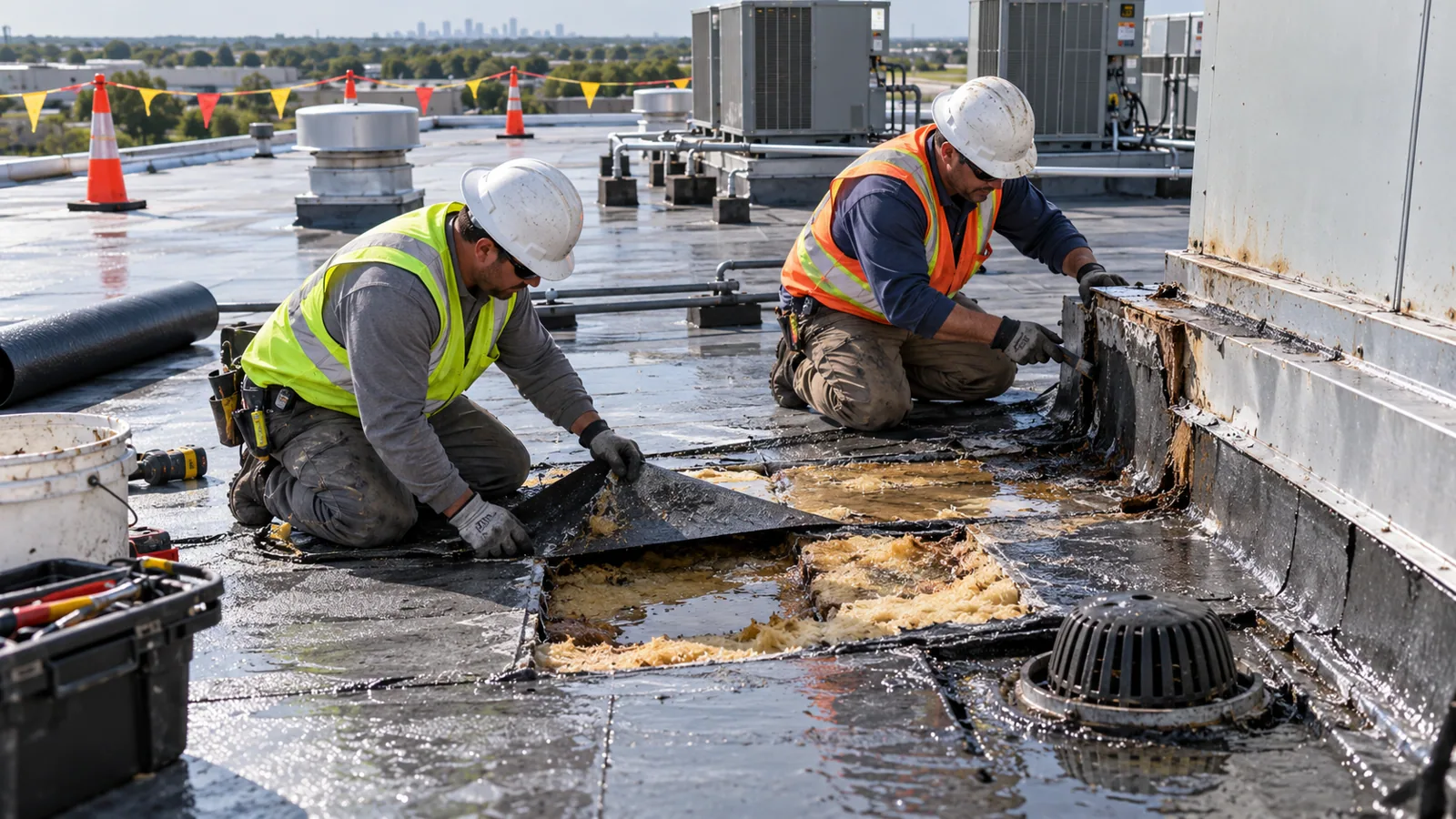
When a leak or storm issue is reported, capture the date, location, photographs, weather information supplied by the owner, temporary protection, and repair scope. A claim documentation review can organize measured conditions and supporting records when an insured event is involved. A repair scope should identify the materials and tie-in area. The owner can then determine whether notice to the warranty administrator is required before work proceeds.
Do not discard removed material or close an opening before required documentation is complete. The warranty terms and owner instructions control the process. If urgent water protection is needed, record why the action could not wait, where it occurred, and what evidence was captured before and after. That record is more useful than a later summary that omits timing and location. Keep the first notice, response, site visit, and repair closeout in date order. Note who received each communication and which roof area it concerned. If the administrator requests an inspection or specific supporting documents, assign the request to a named owner and track the due date. If the repair scope changes after removal, preserve the original estimate and document the revised quantity. This sequence gives the owner a complete file for future review and makes it easier to identify any requirement that was missed.
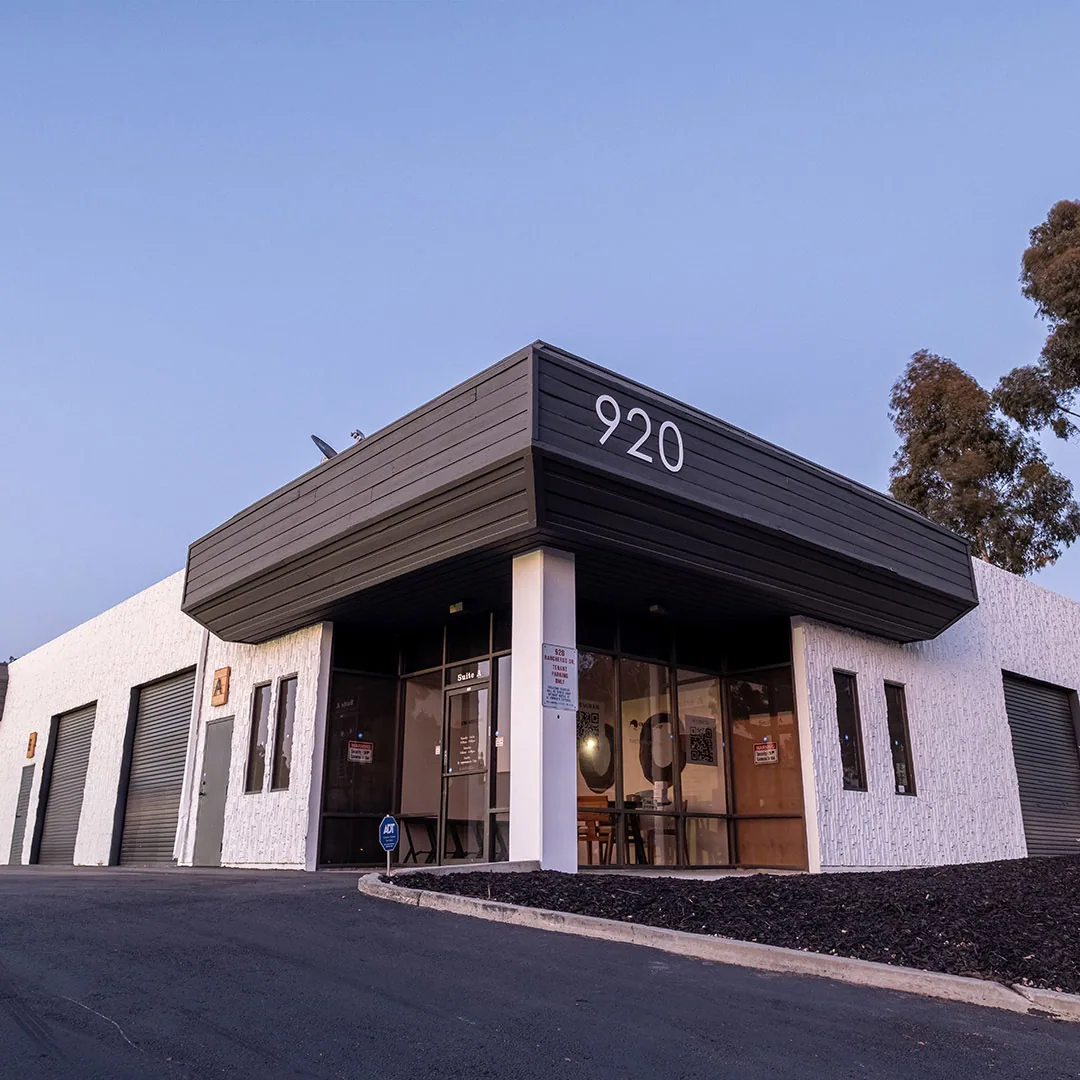
City Springs brings together public services, performing arts and conferences, open event space, dining, exercise, and housing. Those local property types have different operating schedules, but none determine warranty coverage. The covered roof area and issued terms control. We keep operational notes with the property record while protecting any information the owner restricts.
Separate warranty status from roof condition
A current warranty does not mean every roof detail is in good condition, and a visible defect does not by itself decide coverage. We report the observed condition, review the relevant requirement, and identify the next step for the owner. If the roof needs testing, a moisture survey may help target a sample when conditions are suitable. The report keeps the test boundary separate from any broader coverage question.
If repair is not a durable option, compare the warranty document with renewal alternatives and the remaining service needs. A replacement study can include removal, insulation, transitions, and phasing. Warranty transfer, termination, or new coverage depends on the issued terms and owner confirmation. We include questions for the manufacturer or administrator rather than assigning a result without that review.
For portfolios, list warranty dates, maintenance dates, active claims, repair records, and upcoming owner decisions. A multi-site program can standardize alerts and document storage while preserving each roof's actual terms and covered area.
Keep the warranty file ready for the next owner
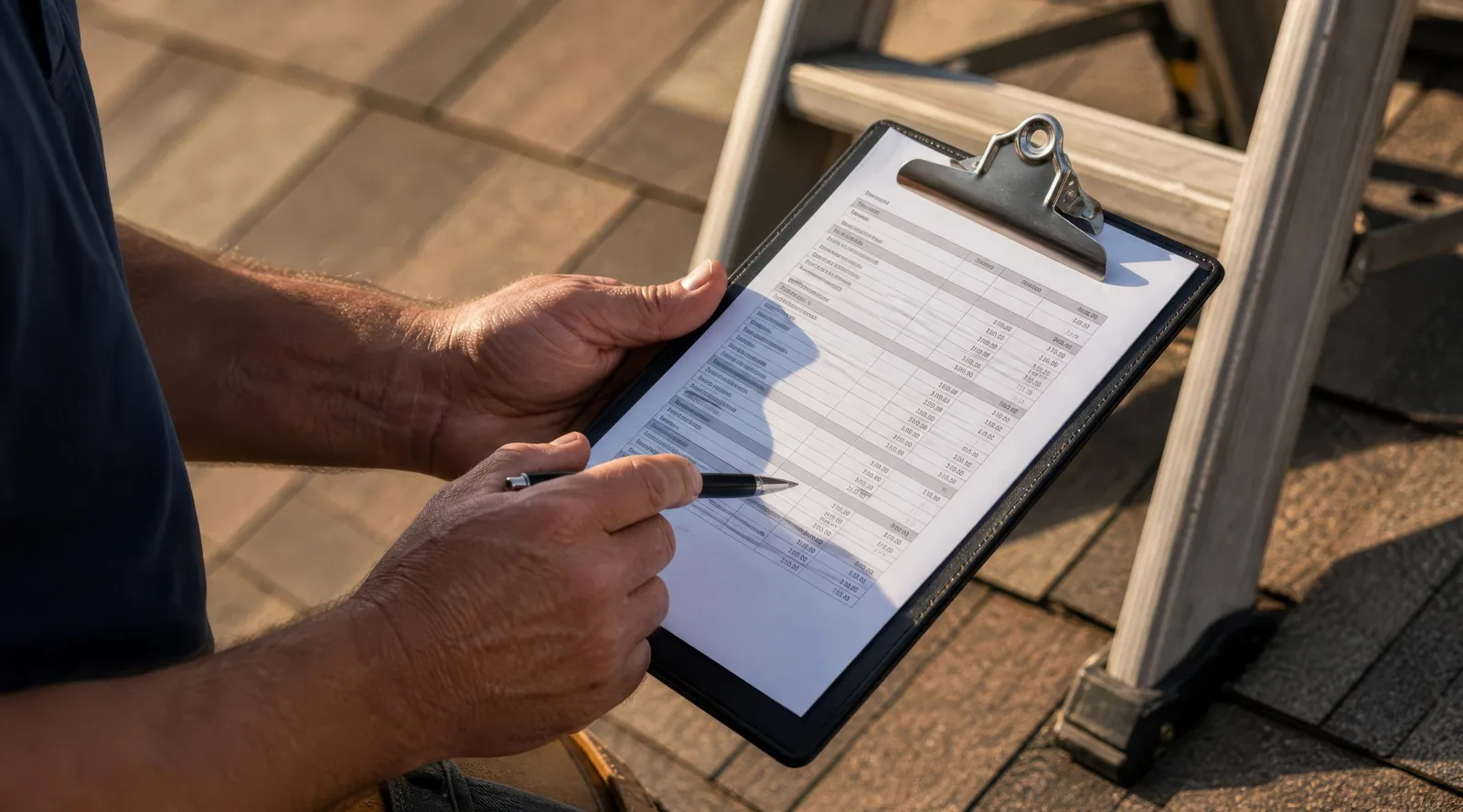
Maintain one record with the issued warranty, roof plan, closeout, maintenance log, repair approvals, correspondence, and photographs. Keep a dated list of open requirements and the party expected to act. If the property changes hands, transfer the file and confirm whether notice or approval is required under the existing document. If the original installer or property manager is no longer involved, identify who now holds the service records and who is authorized to communicate with the administrator.
Our drainage review or service inspection can update the maintenance record, but the warranty terms remain controlling. The owner should retain all correspondence and get a written response to questions about coverage. This avoids treating a contractor's repair note as a manufacturer decision. Keep the renewal date visible in the facilities calendar and assign a responsible facilities contact for follow-up.
Share available warranty documents, building and roof maps, service history, and the next renewal date. We will organize the requirements, identify missing evidence, and prepare a practical calendar for maintenance and owner follow-up.
Questions About Commercial Roof Warranty Management
What documents are needed to review a commercial roof warranty?
Provide the issued warranty, roof plans, closeout records, product details, maintenance log, repair history, and any correspondence. We map the stated requirements and identify missing records for follow-up.
Does a roof inspection confirm warranty coverage?
An inspection documents visible condition and access limits. Coverage depends on the issued terms and the administrator's review, so the report keeps those determinations separate.
What should happen before a new roof penetration is added?
Review the document's requirements and confirm responsibility for flashing, notice, and closeout. Keep the equipment work order and roof record connected to the affected section.
How should an emergency repair be documented?
Record the report date, location, condition, temporary protection, photographs, materials, and reason for urgent work. Follow any notice instructions in the issued document and retain the response.
Can a warranty be transferred to a new property owner?
That depends on the issued terms and required notice or approval. We organize the file and identify the question the owner should put to the warranty administrator.

Organize the roof warranty file
Share issued terms, roof plans, maintenance records, repair history, and active questions. We will map requirements and identify owner actions and missing evidence.
Call 555-555-5555 or send the building details.