Holcim Elevate Roofing in Sandy Springs, GA
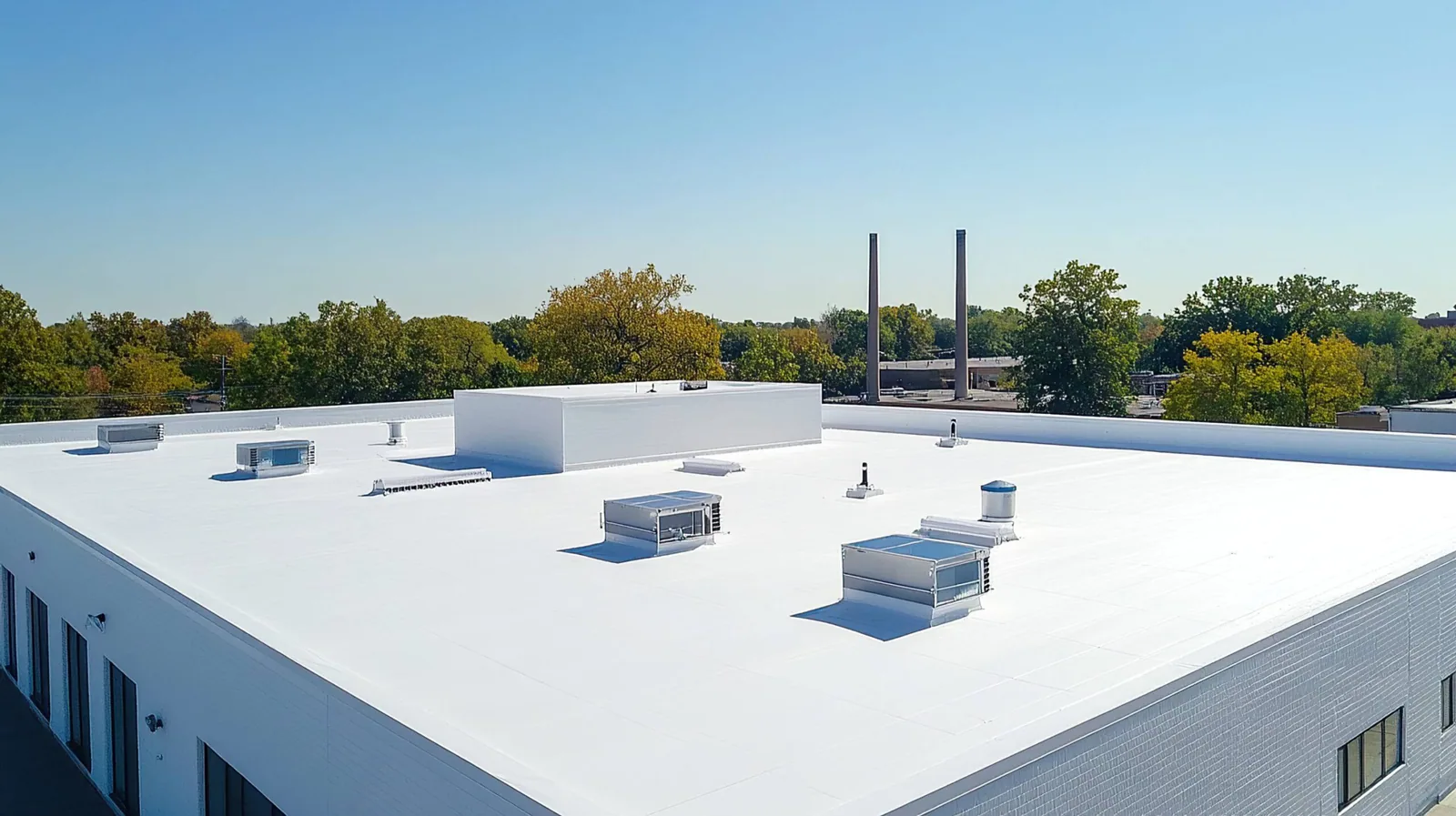
Holcim Elevate systems include more than one membrane family, so the product label is only the start of a roof review. We identify whether the installed area is TPO, EPDM, or another assembly, then inspect seams, attachment, flashing, insulation, and drainage. In Sandy Springs, hot humid summers and recurring rain can expose weak transitions or blocked outlets over repeated maintenance cycles. The owner needs the affected roof zone, repair history, and limits of the inspection before choosing a patch, recover, or capital renewal.
Product family and system confirmation
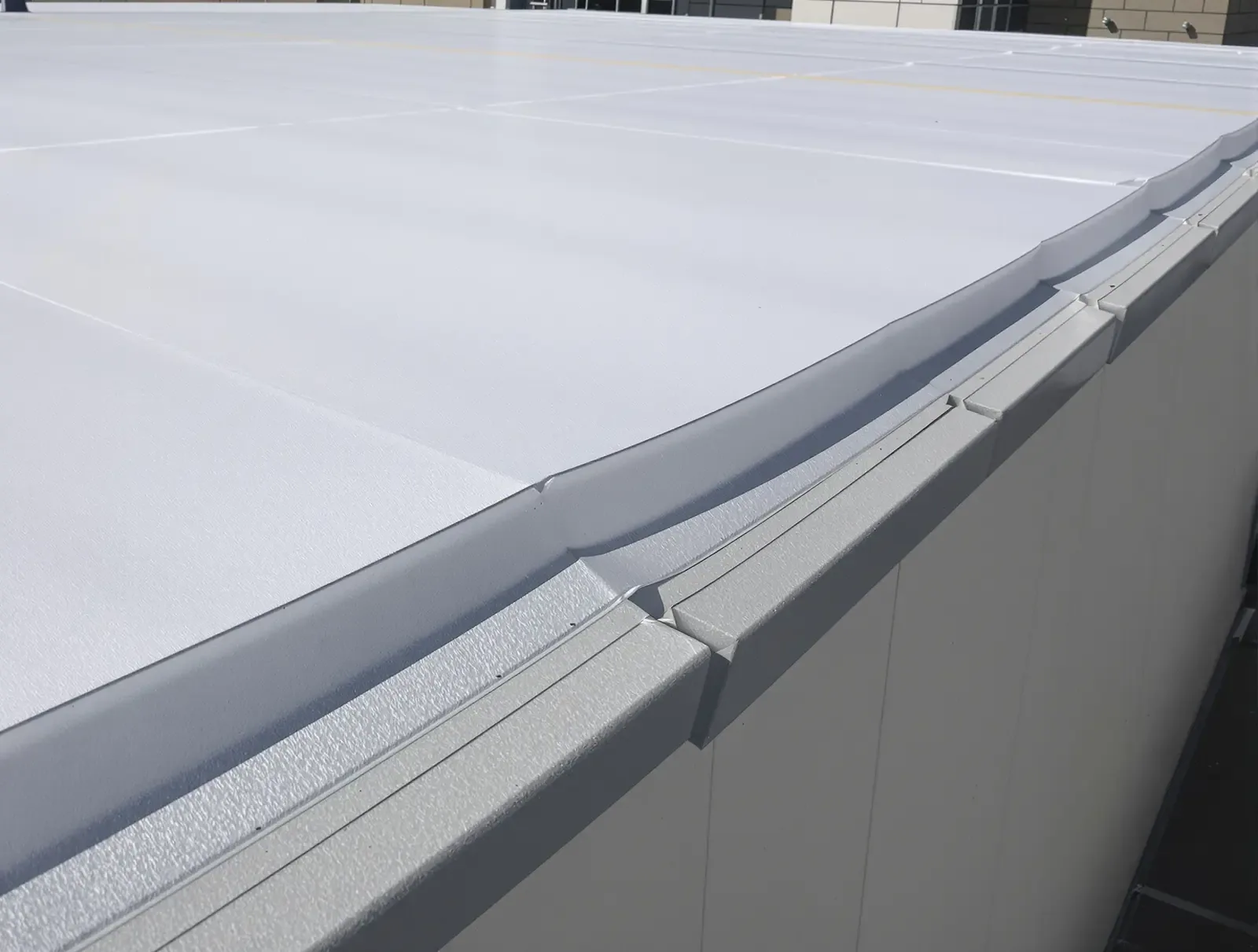
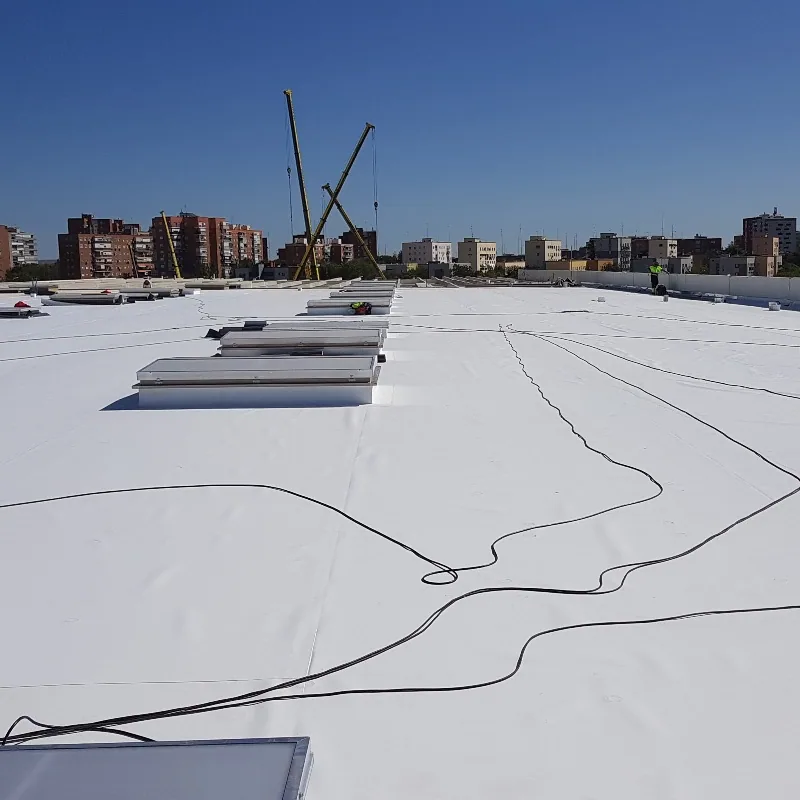
Holcim Elevate includes UltraPly TPO and RubberGard EPDM roofing families. Confirm which family is installed at the building by comparing product markings and project records with seam construction, flashing, edge details, and prior repairs. We compare close-up markings and system records with seam construction, flashing, edge details, and evidence of earlier repairs. If an addition or overlay changed the roof, the map should show the boundary instead of extending the older product label across the full field.
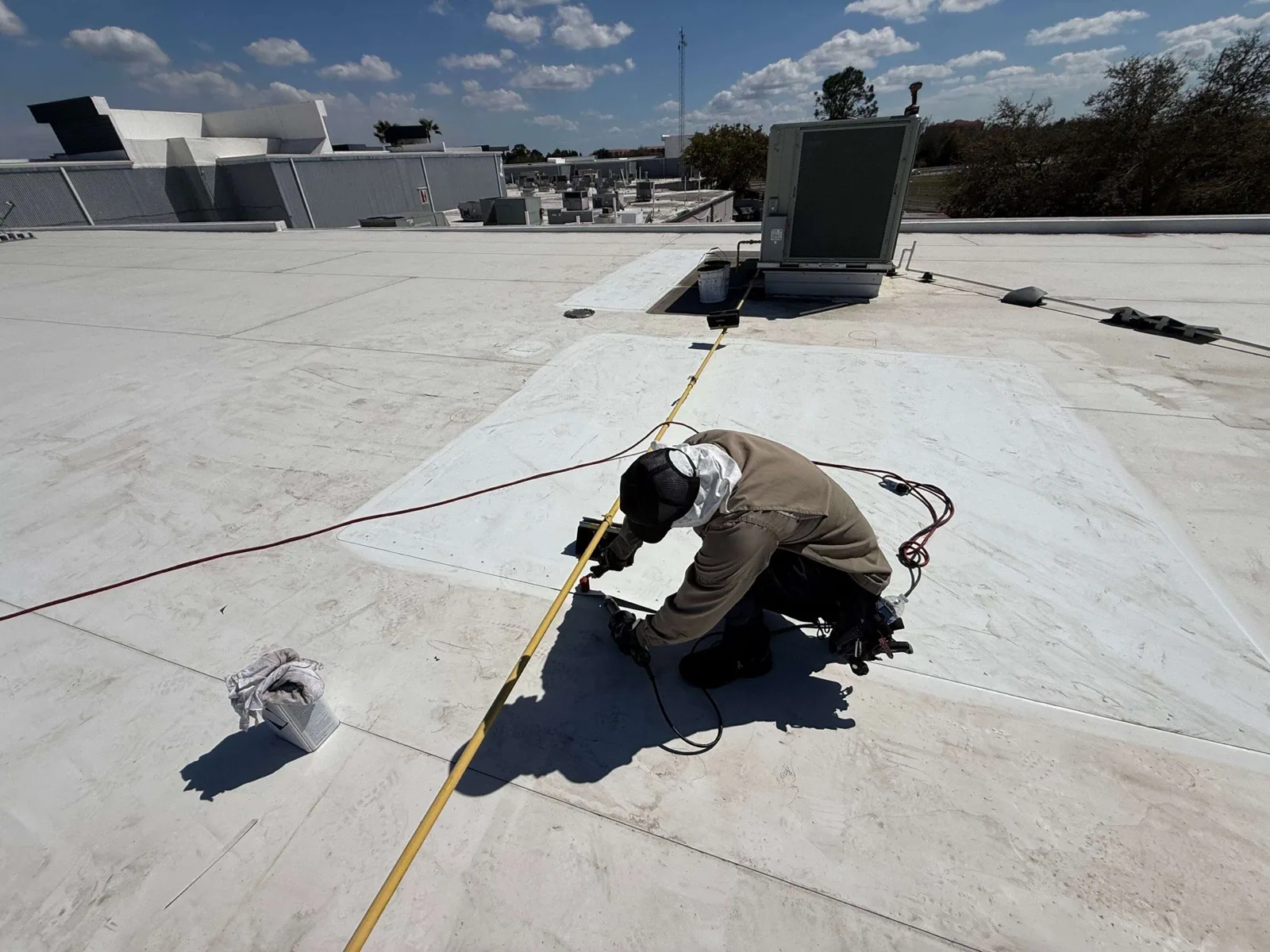
TPO uses heat-welded seams; EPDM uses different seam and flashing materials. Each repair begins with the membrane actually present and the condition around the defect. We check attachment clues and terminations, then identify any layers or concealed moisture that require testing. A TPO roof review and an EPDM condition assessment should describe separate assemblies when both occur on a property. A GAF system comparison or Carlisle SynTec roof review may help document a neighboring roof generation, but compatibility still depends on the actual transition detail.
Record the membrane, attachment, insulation, cover board if confirmed, and any unknown layer. If the owner has no installation records, state what the field inspection established and what remains uncertain. That simple separation protects a future budget comparison from treating an assumption as installed scope.
Drainage and water paths
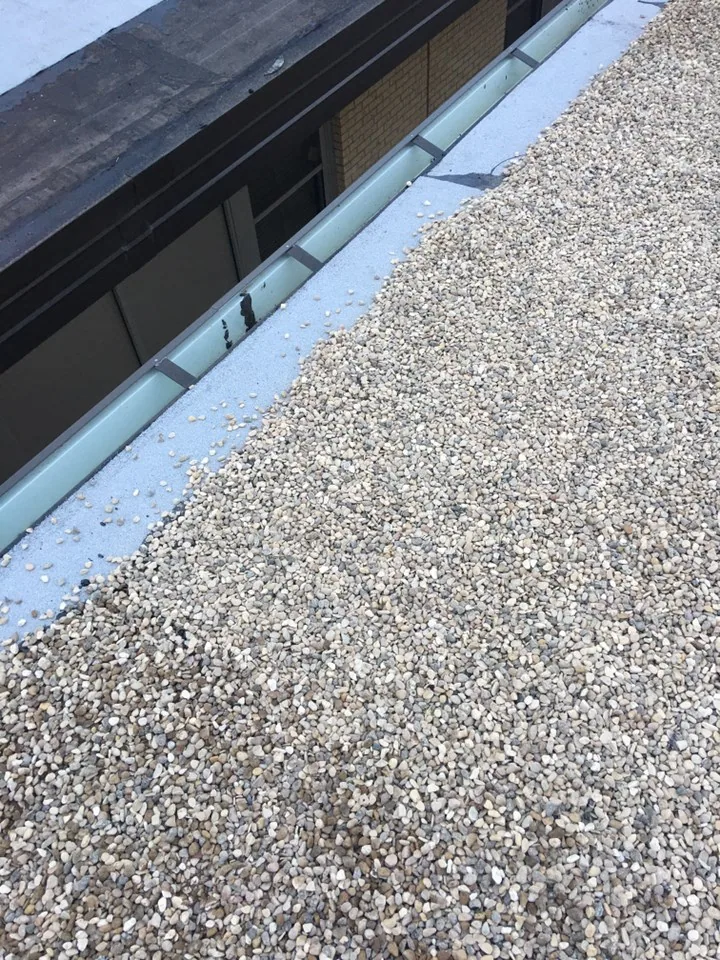
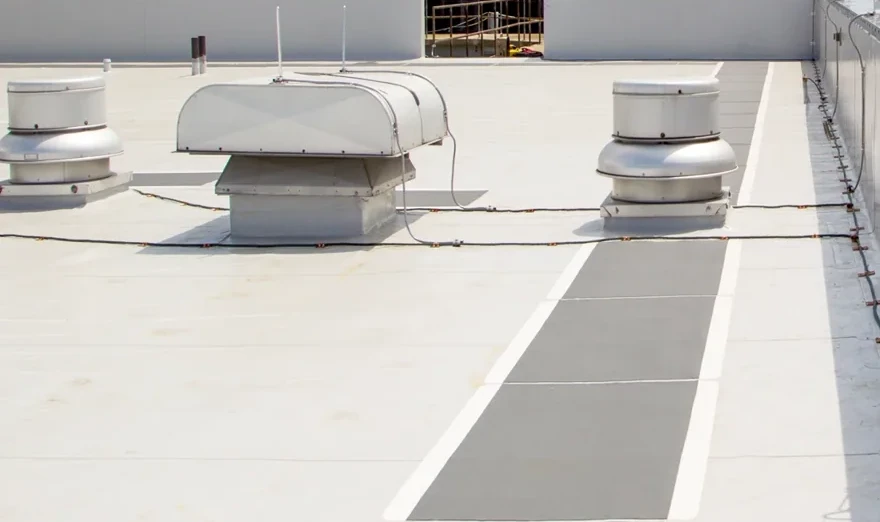
Drain bowls, scuppers, gutters, parapets, and roof-to-wall transitions shape where water moves. We inspect low areas and outlets for debris, deformation, and signs that water is staying longer than expected. A roof drain may be clear at the visit while a distant low point continues to hold water, so the report should map both the drainage route and observed condition. The owner can then separate cleaning from a slope, deck, or assembly concern.
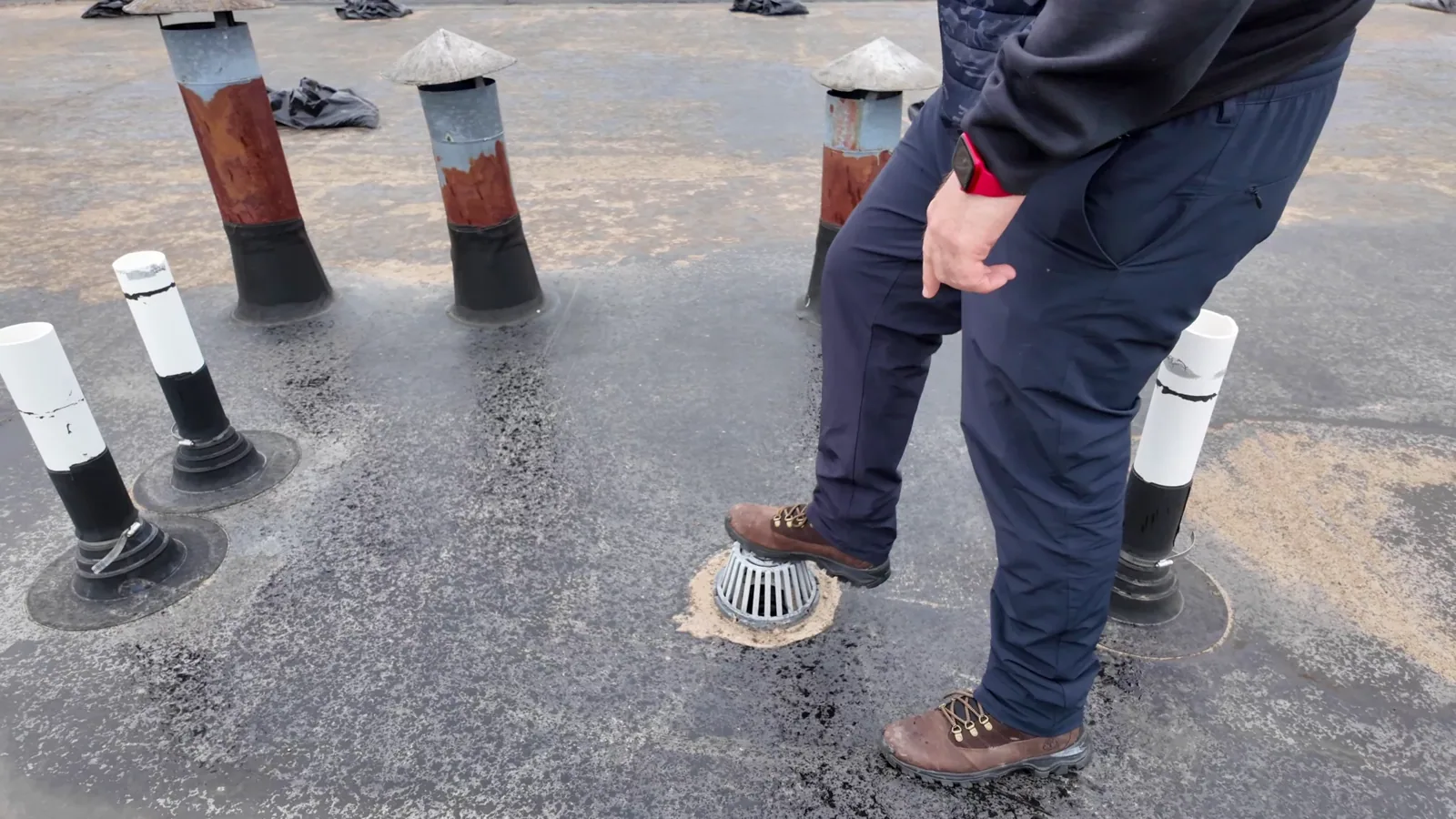
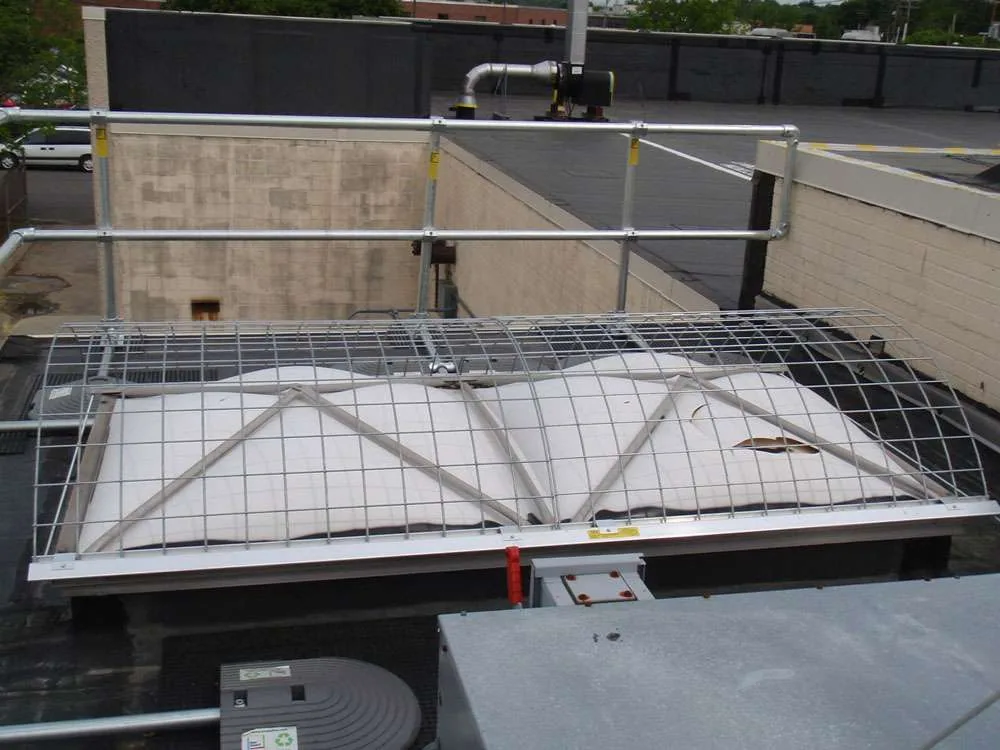
At curbs, pipes, skylights, and expansion joints, we inspect the flashing as its own roof component. A seam defect beside a penetration may need a wider repair boundary than the seam alone. A drain and scupper inspection can document outlet performance, and a penetration detail review records the curb or pipe transition. If leaks recur after rain, compare their timing with roof plans, maintenance logs, and interior reports rather than assigning the entry point from the ceiling stain.
The North End planning area includes existing shopping centers along Roswell Road and potential mixed-use changes. That gives property teams a reason to keep access and roof records current during future work, but it says nothing about a particular building’s assembly. We verify conditions on the roof and coordinate with the site contact before material staging or repair.
Condition evidence and repair boundary
A localized seam, puncture, or flashing defect may be repairable if the surrounding membrane is sound and compatible with the proposed detail. We define the preparation, patch boundary, and items left outside the scope. If failures repeat around multiple curbs or the membrane has broad aging, the owner may need testing before deciding whether the issue is local. Moisture readings can help focus test cuts, but they do not replace confirmation of concealed layers when those findings change the capital choice.
Adhered and mechanically attached systems have different inspection clues. We note visible attachment, edge securement, and movement at the perimeter, then flag inaccessible or hidden construction. If insulation is wet or the deck is compromised, the repair plan needs to address the affected assembly rather than cover it with a new surface layer. A commercial repair assessment should name the observed condition, scope boundary, and any remaining deferred exposure.
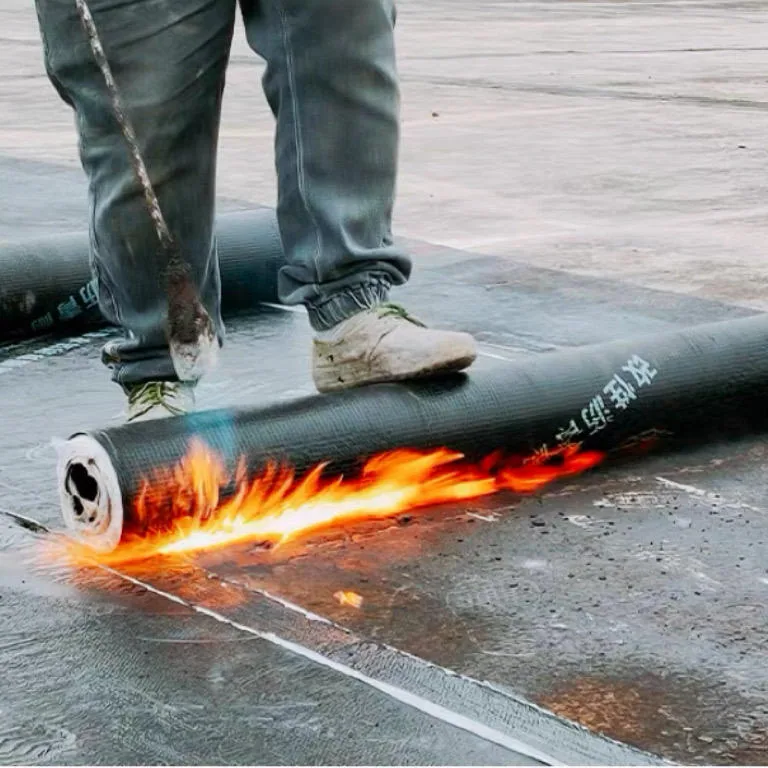
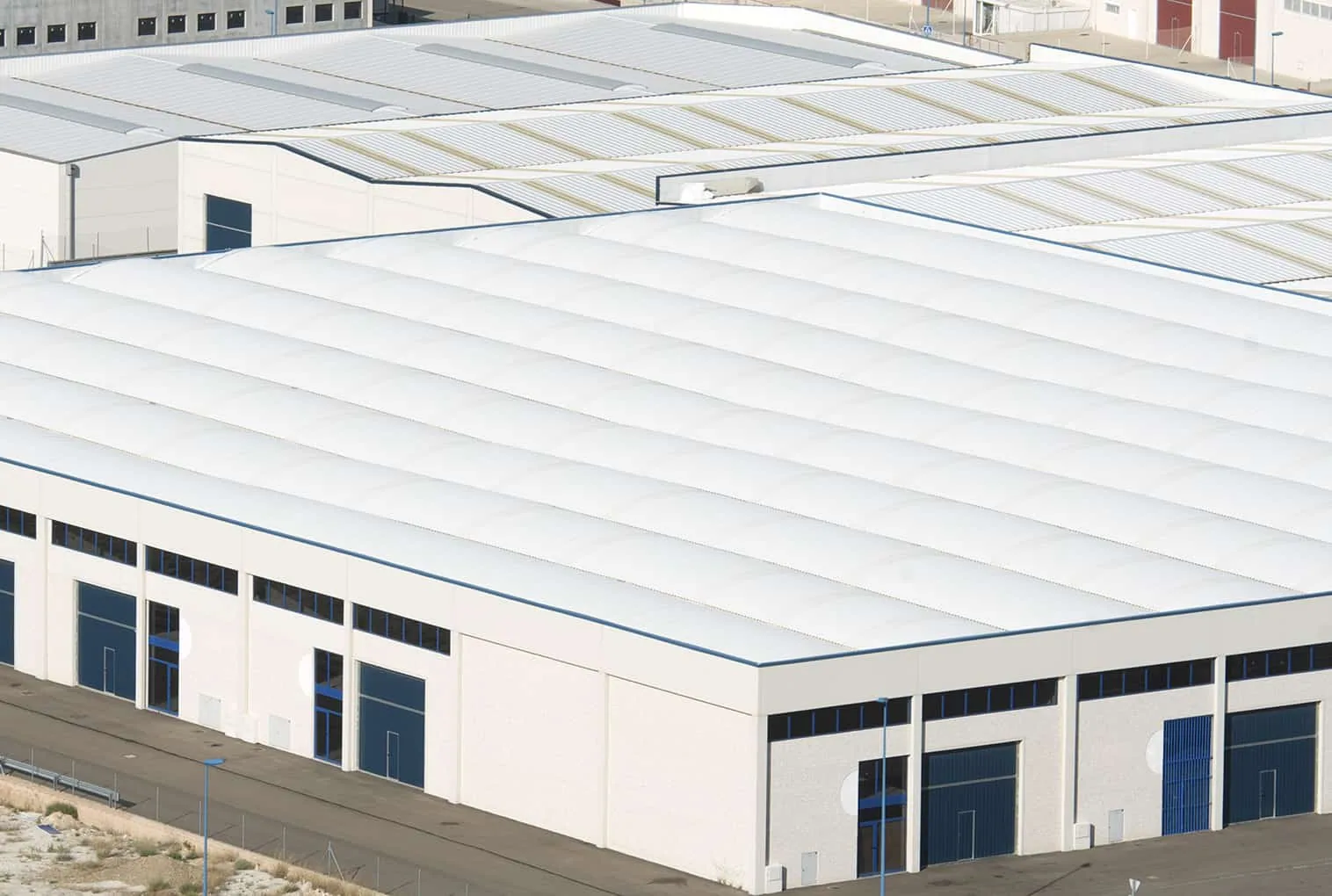
For a broader area, a recover can be considered only when attachment, moisture, drainage height, deck, and applicable code conditions support it. Tear-off offers access to concealed materials but changes removal, disposal, staging, and tenant impacts. A recover feasibility check can compare the roof evidence against a replacement scope before a budget decision is set.
Local access and work windows
In Atlanta, July and August normal daytime highs sit near 90 degrees, while nighttime averages remain close to 72. Those conditions affect roof surface temperature and the timing of membrane work, while afternoon rain can change how much area is safe to open. We plan section size, preparation, and daily closure around current conditions and the product requirements. A work sequence should account for the time needed to secure the roof before crews leave.
Central Perimeter has a daytime workforce above twice its resident population and four MARTA stations serve the district. Occupied offices may need roof access and material handling coordinated around tenant schedules and loading. We confirm each property’s actual entry route, equipment locations, and restricted hours. At City Springs, civic, event, dining, fitness, and residential uses can create different work windows from an office campus. We confirm the property schedule before assigning the sequence.
After a storm, inspect and photograph actual impact locations, opened seams, edge movement, and punctures. A hail damage review can document observed conditions and note uninspected areas. Pairing those records with existing Holcim Elevate system information helps owners track the repair history without treating an event report as a full roof survey.
Capital timing and closeout
Put repair actions, test needs, and long-range renewal on the same roof-zone plan. A small correction may fit an operating budget, while widespread moisture or recurring failure may need a capital request and phased access plan. The recommendation should show why the action is prioritized and what evidence could change the timing. A capital planning review can compare condition, operational consequence, and budget year across buildings.
Keep photos, product identification, moisture results, repair materials, and closeout dates with the roof file. A condition record helps ownership compare the next inspection with the original defect. Share roof plans, leak areas, service history, access constraints, and budget timing. We will return a defined scope by roof section and identify the follow-up needed to protect the property’s renewal sequence.
Questions About Holcim Elevate Roofing
How do you identify a Holcim Elevate membrane on an older roof?
We review product markings and project records, then compare them with seams, attachment, flashing, and repair details in the field. If those clues conflict, the report keeps the system uncertain until further evidence resolves it.
Can UltraPly TPO and RubberGard EPDM use the same repair method?
No. Their seam and flashing details differ, so the installed membrane controls preparation and compatible materials. We identify the system before setting the repair boundary.
When is a Holcim Elevate repair no longer a local repair?
Repeated defects, moisture beyond the visible opening, weak attachment, or broad membrane aging can justify testing or a section-level comparison. We inspect the surrounding assembly before deciding how far the scope should extend.
Do Sandy Springs summer conditions change roof installation timing?
The work window follows surface conditions, the product requirements, forecast, and a secure end-of-day stopping point. Heat and rain are both considered when the crew divides the roof into sections.
What should an owner keep after Holcim Elevate roof work?
Keep the roof-zone map, confirmed product family, repair photos, materials, moisture findings, and open follow-up items. Those records make later maintenance and capital decisions easier to compare.
Review the Holcim Elevate assembly
Share roof plans, product records, leak areas, repair history, access needs, and the budget window. We will document the assembly and set the next repair or renewal actions.
Call 555-555-5555 or send the building details.