Aircraft Hangar Roofing in Sandy Springs, GA
A hangar roof can span an active aircraft floor where clear height and open movement matter. The owner needs to know whether a leak sits at a perimeter, roof joint, door interface, or equipment penetration, and how the repair can proceed without exposing aircraft or interrupting a planned use. We document the affected zone, inspect the assembly, and define access and closure points. Sandy Springs is near Dobbins Air Reserve Base, where hangars, aircraft parking ramps, and support buildings form part of a larger aviation campus.
Trace the water path across the clear span
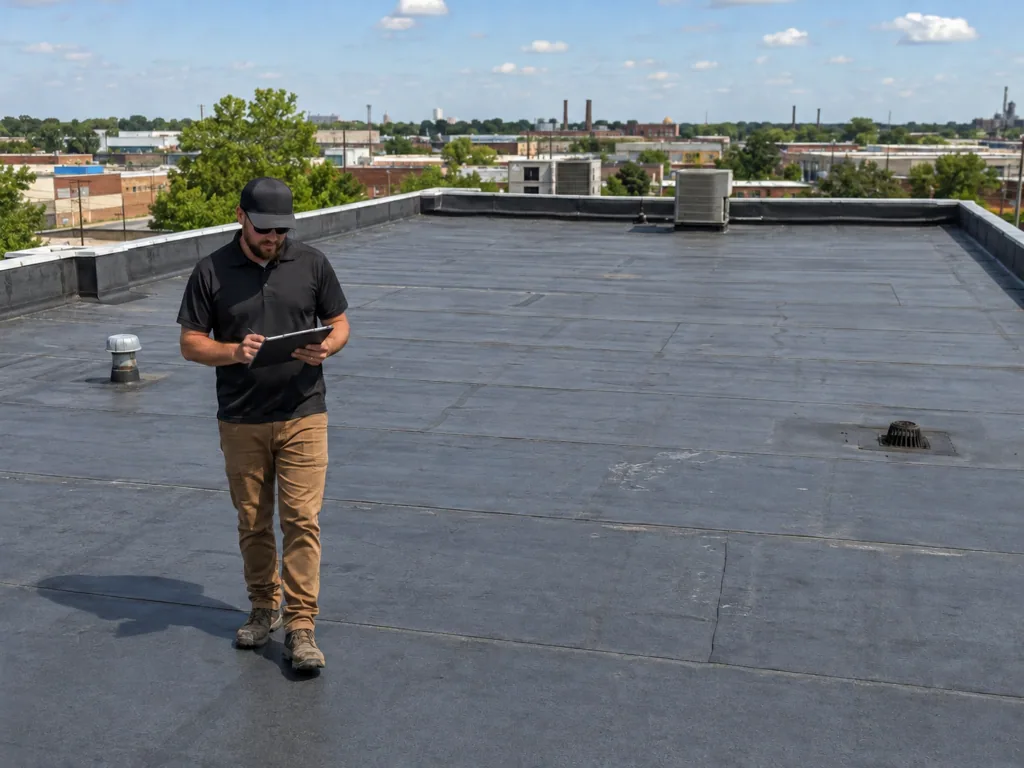
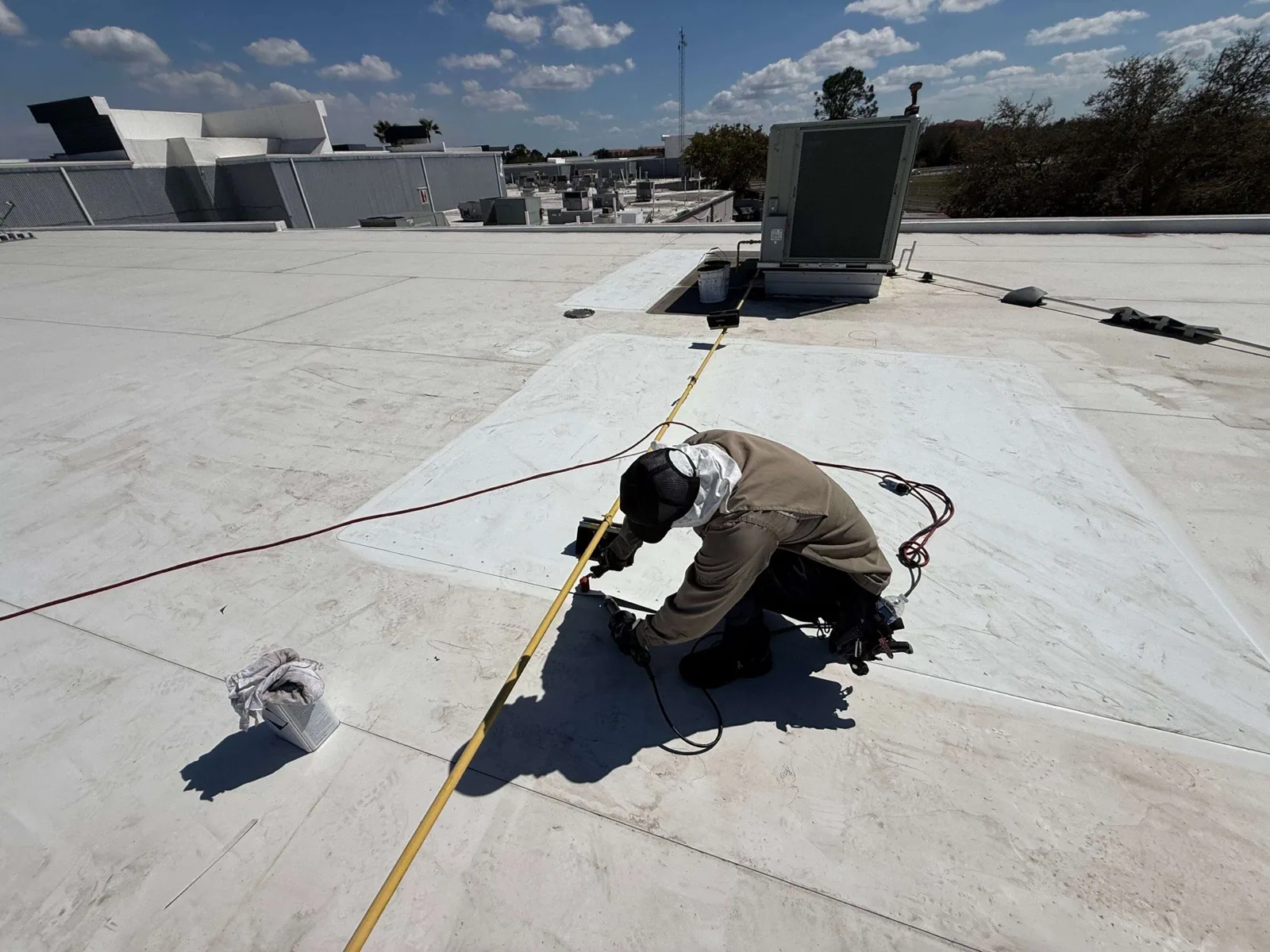
We begin with the roof plan, door layout, reported leak area, prior service records, and limits on aircraft or equipment movement. The inspection reviews membrane or metal panels, seams, high and low points, roof drains, edge conditions, and any visible prior repair. Large open interiors can make a small roof opening difficult to locate from below, so we compare the hangar bay and roof zone before setting a test boundary. A roof inspection records accessible areas and identifies where a lift, fall restraint, or owner escort is needed.
Dobbins Air Reserve Base sits west of Sandy Springs and includes a multi-branch military campus. The nearby Army Reserve facilities include administration space, a hangar, aircraft parking ramp, and motor pool. These local building uses show why access coordination and aircraft-area protection matter in the region. Dobbins has its own approval and security procedures; the facility authority defines the required badging, escort, work windows, and material controls for any project on an installation.
A roof leak near a hangar door may involve the door perimeter, adjacent wall, or roof drainage rather than the field membrane. We inspect the joint and the water path before recommending replacement of a larger area. If concealed layers affect the answer, a controlled opening is limited to the agreed location. The report records what was exposed and what remains untested across the surrounding roof section.
Inspect door edges and high-bay interfaces
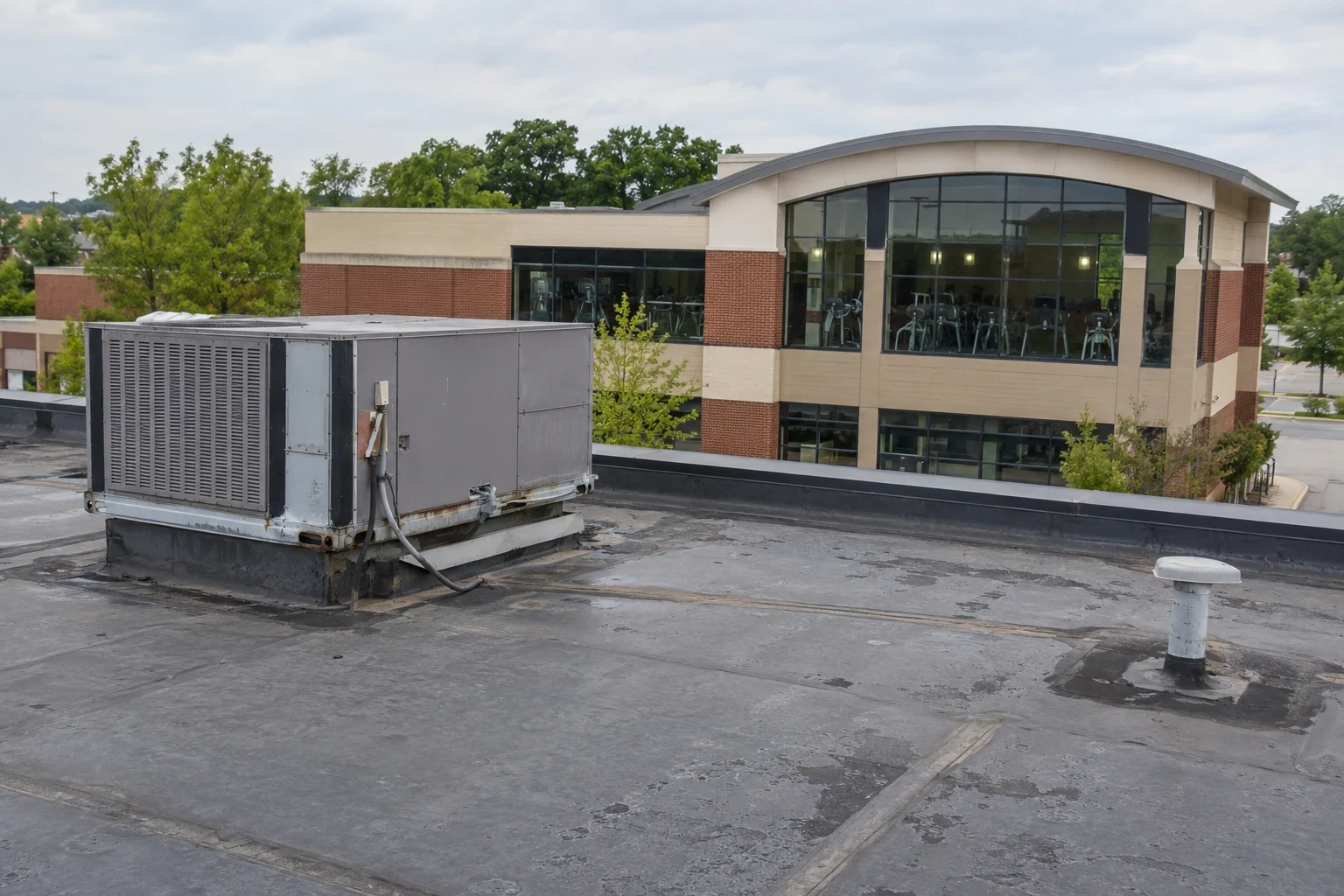
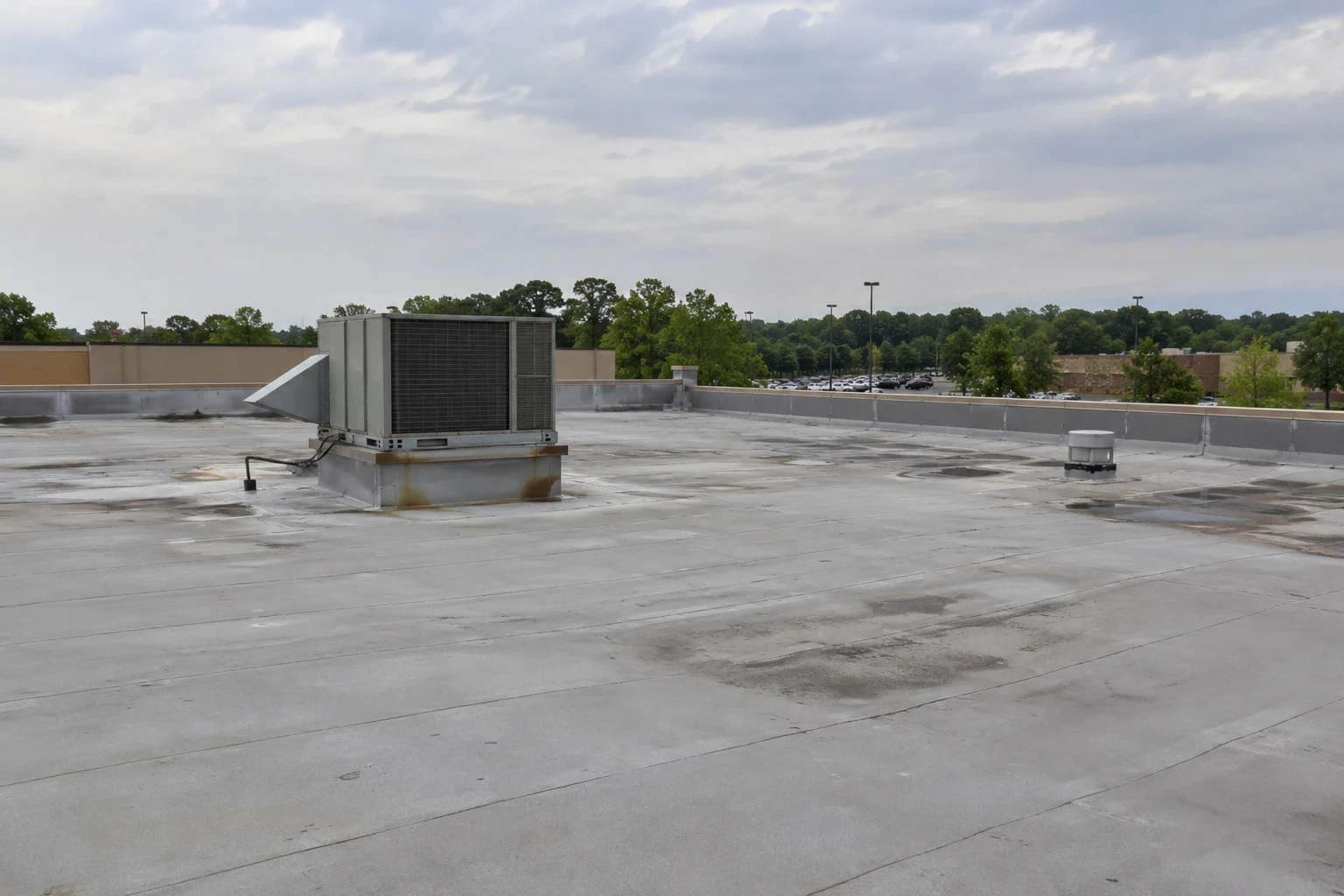
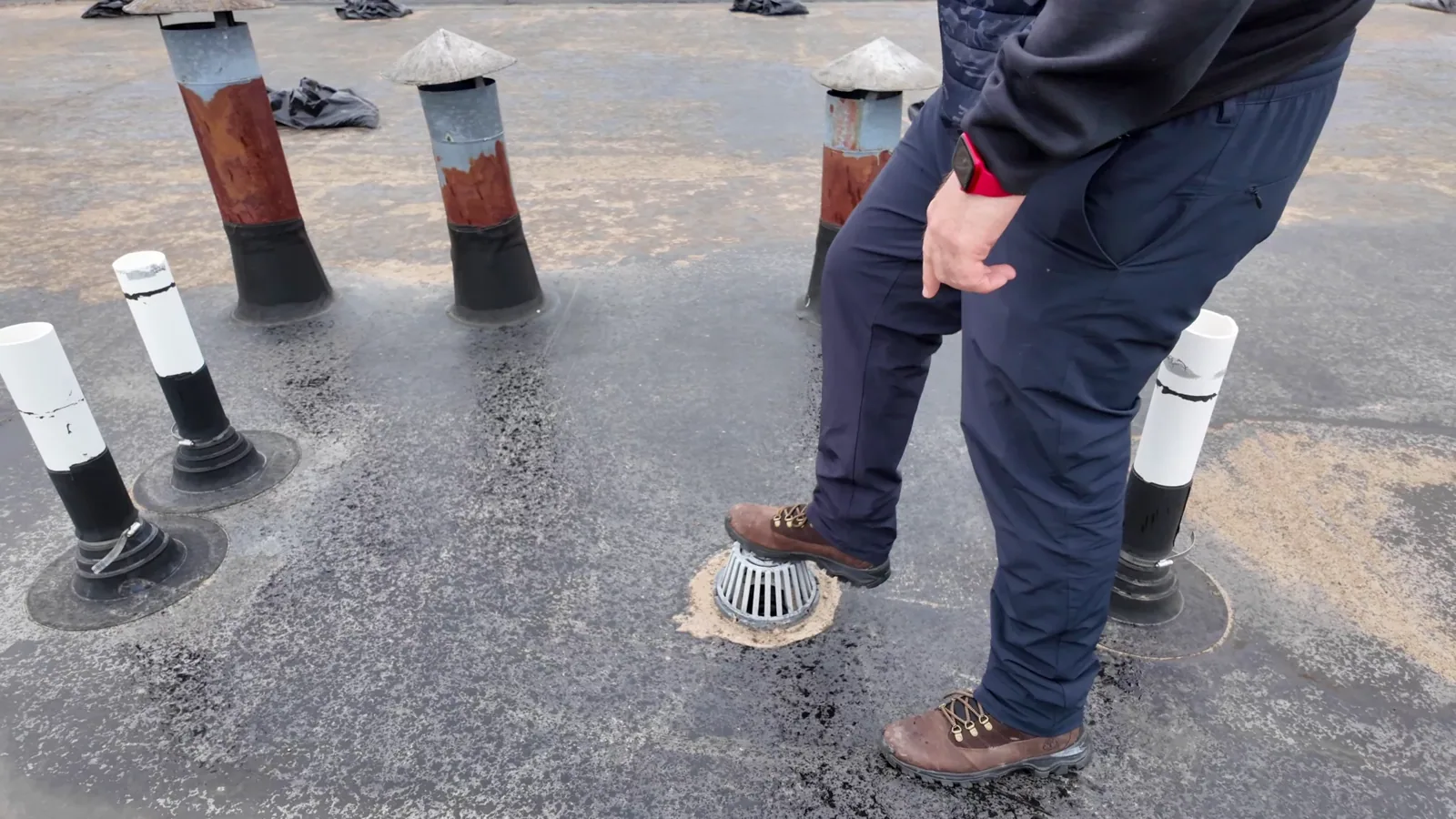
Hangar roofs have details that may differ from a typical warehouse: large door openings, tall wall transitions, long panel or membrane runs, and equipment that services the open bay. We check the visible flashing at the door head and jamb, transitions at parapets, equipment curbs, expansion joints, and supported penetrations. If a door system requires its own contractor, we separate that work from roofing while defining the boundary where the water-control detail connects.
Hot humid summers and recurring rain in Sandy Springs make water management important at low points and door thresholds. A drainage review checks drains, overflows, and discharge routes. If the hangar has metal panels, a metal-roof evaluation can assess seams, fasteners, and transition details. For membrane systems, a perimeter review can address edge metal and water discharge. The work scope should state which roof system was observed instead of assuming all high-bay buildings use the same material.
Interior aircraft or equipment protection requires a clean overhead plan. The owner identifies items that need relocation or covering and confirms which bays can be closed. Before cutting or removing material, the crew verifies protection and the weather window. A completed section should be left watertight and documented before aircraft access resumes.
Plan access and mission-sensitive windows
For any controlled facility, the site authority sets security rules, escort procedure, access hours, tool checks, material staging, and emergency contacts. The roofing proposal can identify the information needed to plan the work, but the owner provides the current facility-specific restrictions. At a commercial hangar, the manager confirms aircraft schedule, door movements, apron access, and the person who can authorize a temporary closure.
Georgia 400 and Interstate 285 connect Sandy Springs to regional commercial areas, and Dobbins lies west of the city. The Roswell Road corridor offers another local reference for planning regional travel and service access. Travel time is only one part of staging. A crew also needs an approved path from delivery point to roof, equipment access, lift placement, and a clear work zone beneath the overhead area. We confirm those details before the planned mobilization date.
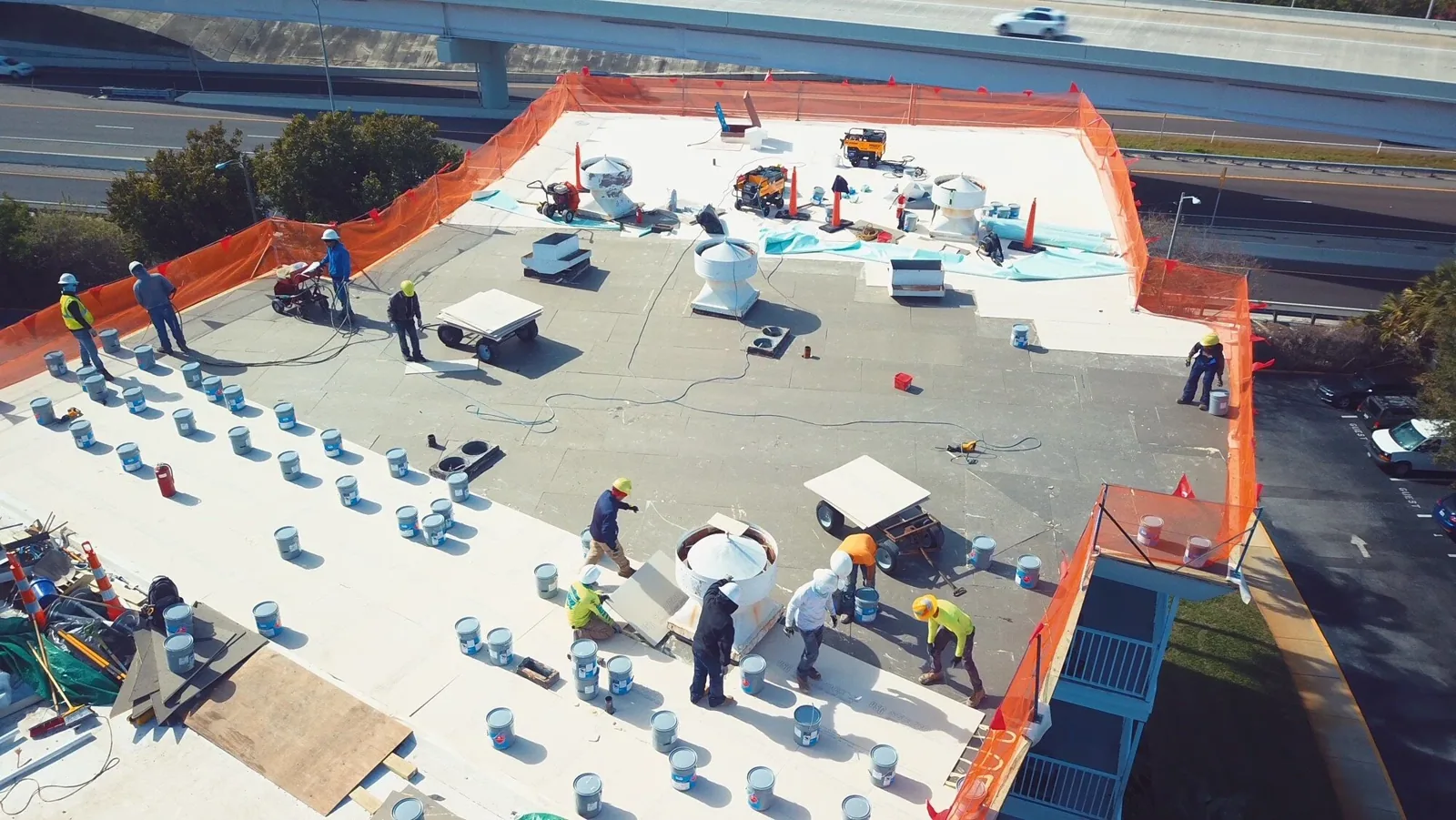
A phased hangar plan can divide work by bay or roof section, coordinate aircraft relocation, and state each daily closeout. If an opening reveals a different assembly or more wet material, the crew secures the area and requests direction before enlarging the scope. That pause protects the interior and keeps added work tied to owner authorization. The closeout notes when the bay may return to normal use and any follow-up condition that remains.
Compare repair timing with full-span renewal
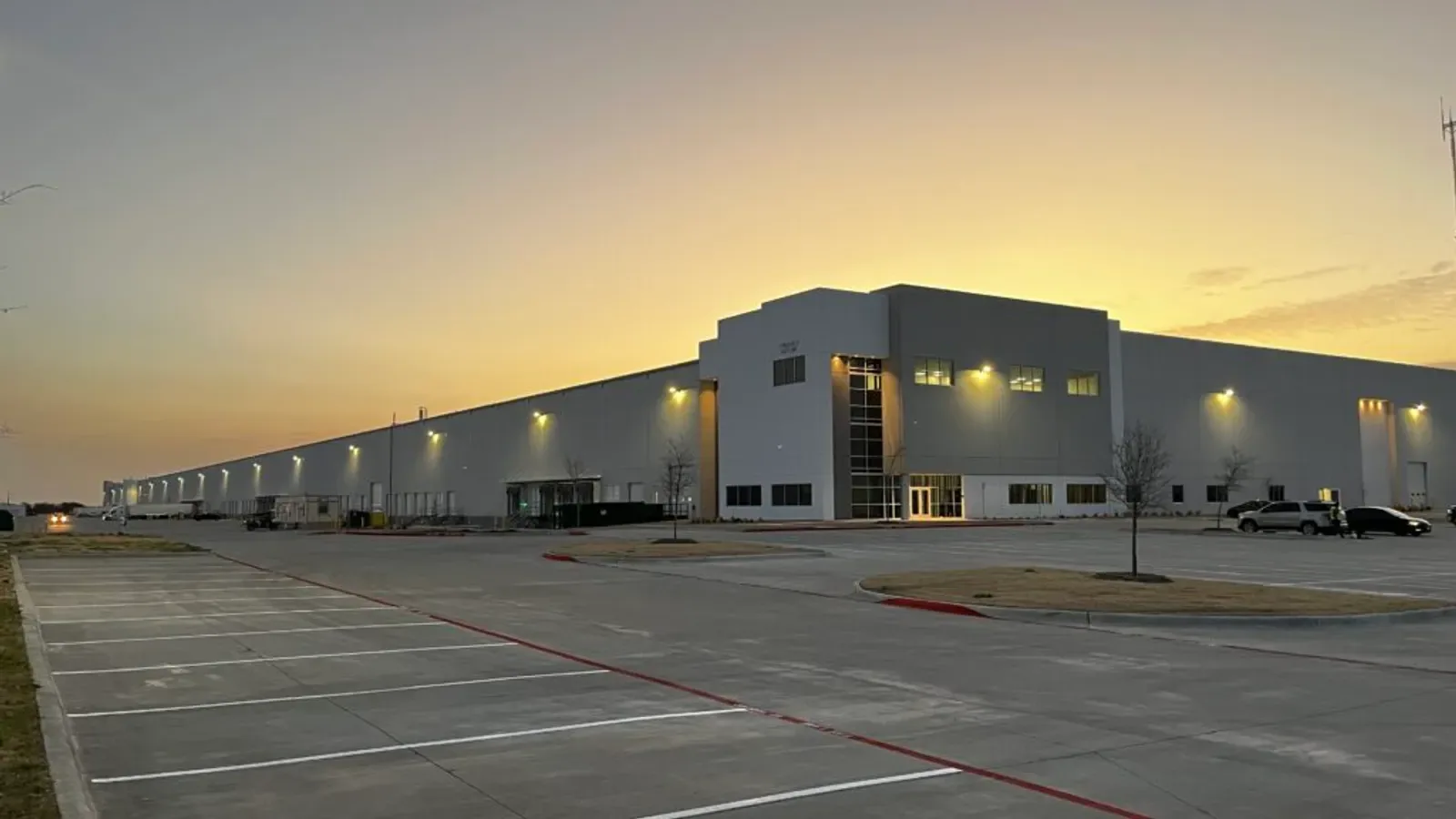
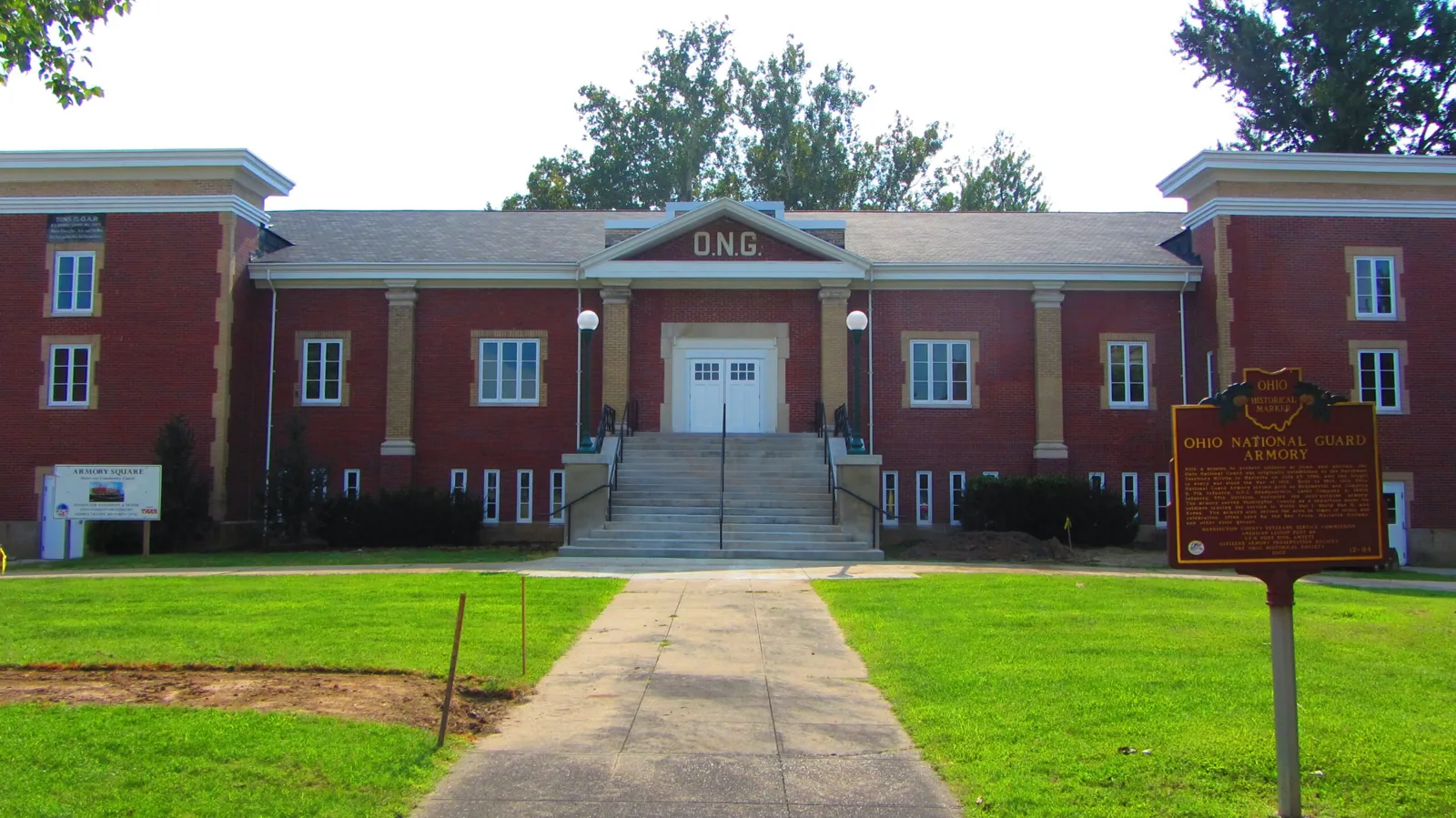
A repair may fit when the defect is limited and the surrounding surface can support a compatible tie-in. Repeated leaks, deteriorated panels or seams, broad moisture, or a planned capital cycle may justify comparing larger renewal. We review inspection findings, test results, door and wall interfaces, access costs, and the effect of closing a bay. The recommendation should separate a confirmed repair from the additional testing needed to price concealed conditions.
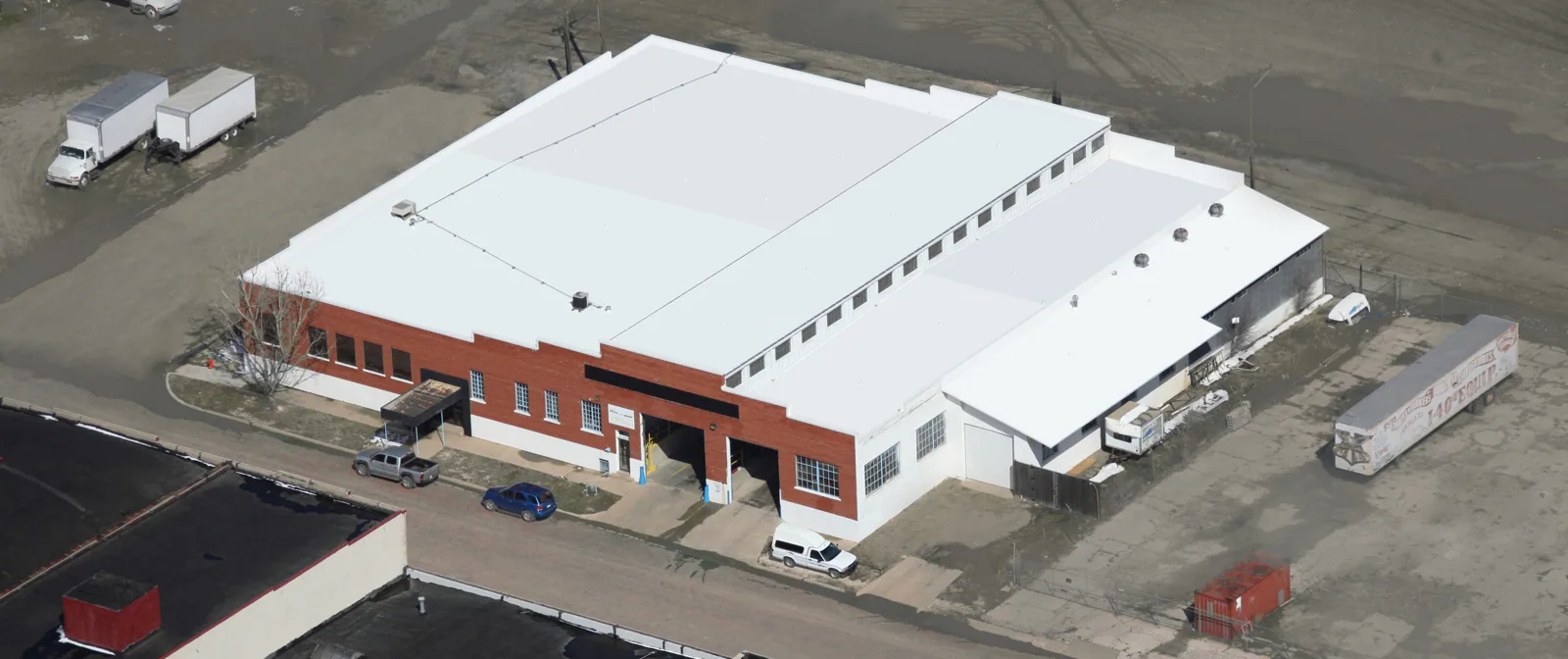
A repair scope can define a localized defect. A replacement study can compare removal, new insulation, perimeter conditions, and a phased sequence. If metal panels remain suitable for a recovery approach, the recover evaluation checks attachment, substrate, moisture, and final heights. Cost and duration depend on roof access, panel or membrane type, height, equipment protection, disposal, and the number of bays that can be closed at once.
For owners with more than one aviation building, compare each roof by span, system, condition, and operating restriction. Dobbins' support facilities include a hangar and aircraft ramp, while a commercial property has its own aircraft schedule and access rules. The local context can inform planning; the roof survey and operating contact determine the actual project.
Maintain the roof and facility handoff
Closeout should identify the roof area, materials, door and edge details repaired, equipment interfaces, photographs, test openings, and any section left for follow-up. If the facility uses bay or grid labels, match the roof map to those references without disclosing controlled information in an unapproved file. The next maintenance visit can then compare the same seam, joint, or drainage point.
When a contractor services doors, antennae, or roof equipment, the work order should include the membrane or panel tie-in and a final inspection. Owners comparing adjacent property classes can review warehouse roof planning or manufacturing-facility roofing, while keeping the open-span requirements of a hangar separate. A condition report can support a maintenance interval and capital decision.
Share plans, access rules, leak history, aircraft or bay schedule, and the budget year. We will document roof conditions and return a sequence that defines protection, work windows, and next approvals.

Questions About Aircraft Hangar Roofing
What hangar roof areas should be reviewed first?
Start with the reported leak zone, door perimeter, drains, long seams, penetrations, and prior repair boundaries. The inspection should also record roof areas that could not be reached or viewed.
Can roofing proceed while aircraft remain in the building?
The facility determines which aircraft can move and which bays can close. We plan overhead protection, access, debris control, and daily watertight closure around the approved operating window.
What changes when the hangar is on a military installation?
The installation authority sets current badging, escort, security, staging, and scheduling requirements. We incorporate those approved controls into the work sequence and identify what facility information is needed before mobilization.
How should a leak near a large hangar door be diagnosed?
Inspect the door head and jamb, adjacent wall flashing, roof seam, and nearby drainage path. The water entry point should be supported by visible evidence or a defined test before a broad repair is priced.
When does a hangar roof need a capital renewal study?
Repeated leaks, widespread seam or panel deterioration, moisture across several zones, or costly access for repeated repairs may support a renewal comparison. The study should include bay closure and aircraft protection.


Plan a hangar roof inspection
Share roof plans, leak zones, access rules, aircraft schedule, and the capital window. We will document conditions and define a practical repair or renewal sequence.
Call 555-555-5555 or send the building details.