Auto Dealership Roofing in Sandy Springs, GA
A dealership roof serves more than the showroom. It may cover vehicle display, customer service, parts storage, offices, and repair bays that cannot all close at once. We identify the roof area tied to the concern, inspect the related details, and plan work around the routes customers and vehicles use. Sandy Springs' commercial corridors carry steady office and retail activity, so staging and delivery need to be coordinated with the site's operating hours.
Separate showroom concerns from service-bay exposure
We begin with the site plan, reported leak area, repair records, rooftop equipment locations, and the manager's operating schedule. The roof review checks seams, wall transitions, curbs, drains, skylights, and prior patch edges. We note where a tall showroom volume, service bay, or later addition changes the roof plane. A roof inspection should map the observed condition and distinguish it from adjoining sections that have not been tested.
Central Perimeter is served by four MARTA stations and draws a daytime workforce well above its residential population. The Roswell Road corridor connects Sandy Springs with nearby commercial areas and I-285. The property contact confirms test-drive routes, service drop-off, parts delivery, employee parking, and where a lift or dumpster can sit without interrupting daily operations.
A ceiling stain over a customer area may not line up with the roof opening. We compare timing, weather reports from the owner, and exterior details before defining a repair. If hidden insulation or deck conditions could change the boundary, we identify a controlled test area. The report labels the point sampled and states whether the surrounding zone still needs review.
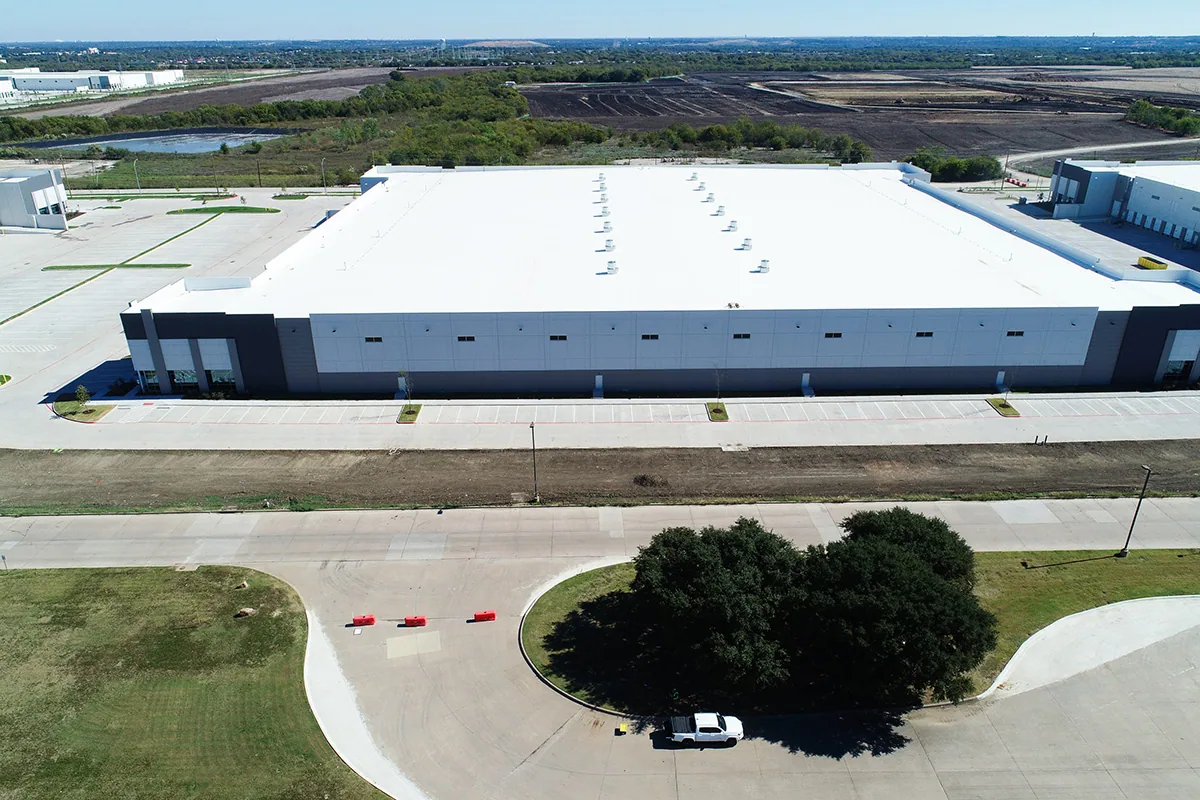
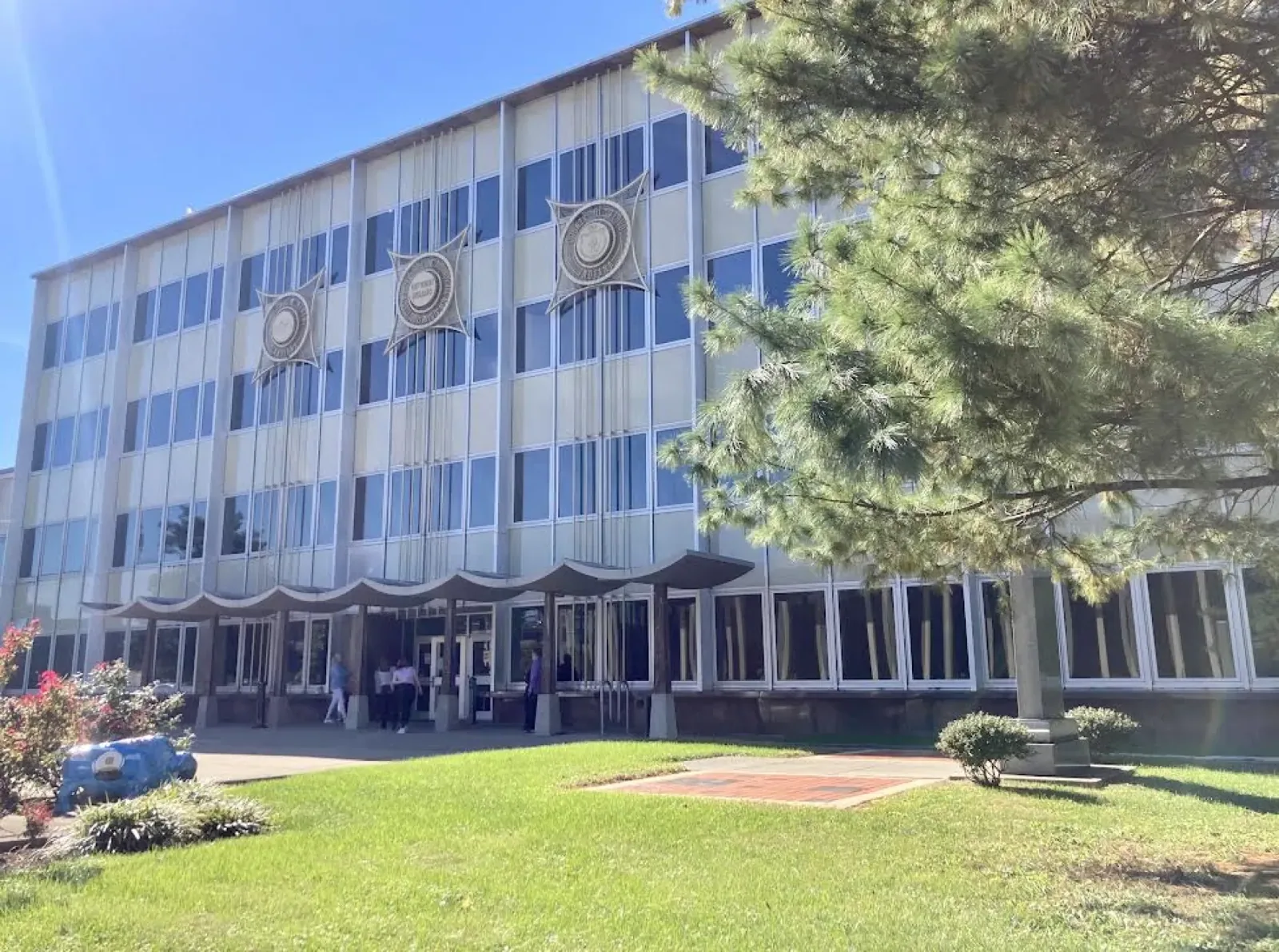
Inspect display glazing and service penetrations
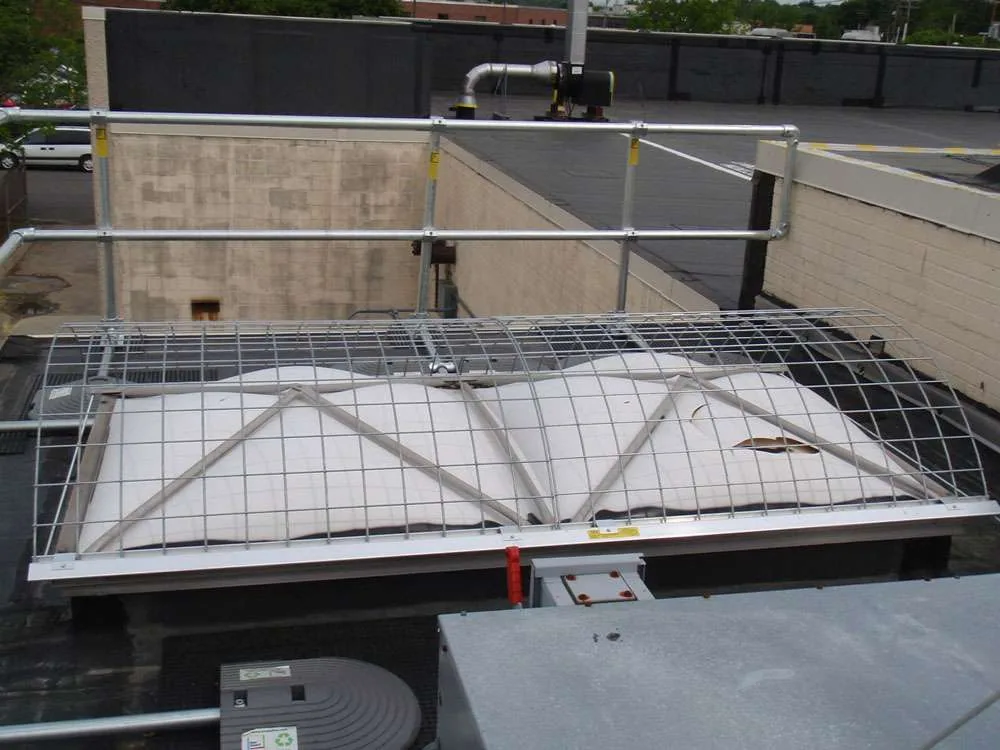
Dealerships can combine long roof spans with curtain-wall transitions, skylights, exhausts, lifts, and mechanical units. We inspect flashing at curbs, roof-to-wall joints, skylight perimeters, fasteners, edge metal, and drains. Where showroom glazing meets the roof or parapet, we record the visible termination and any water path that needs testing. Equipment and lifts remain under the site's operating direction; roofing work should not change their settings or position without approval.
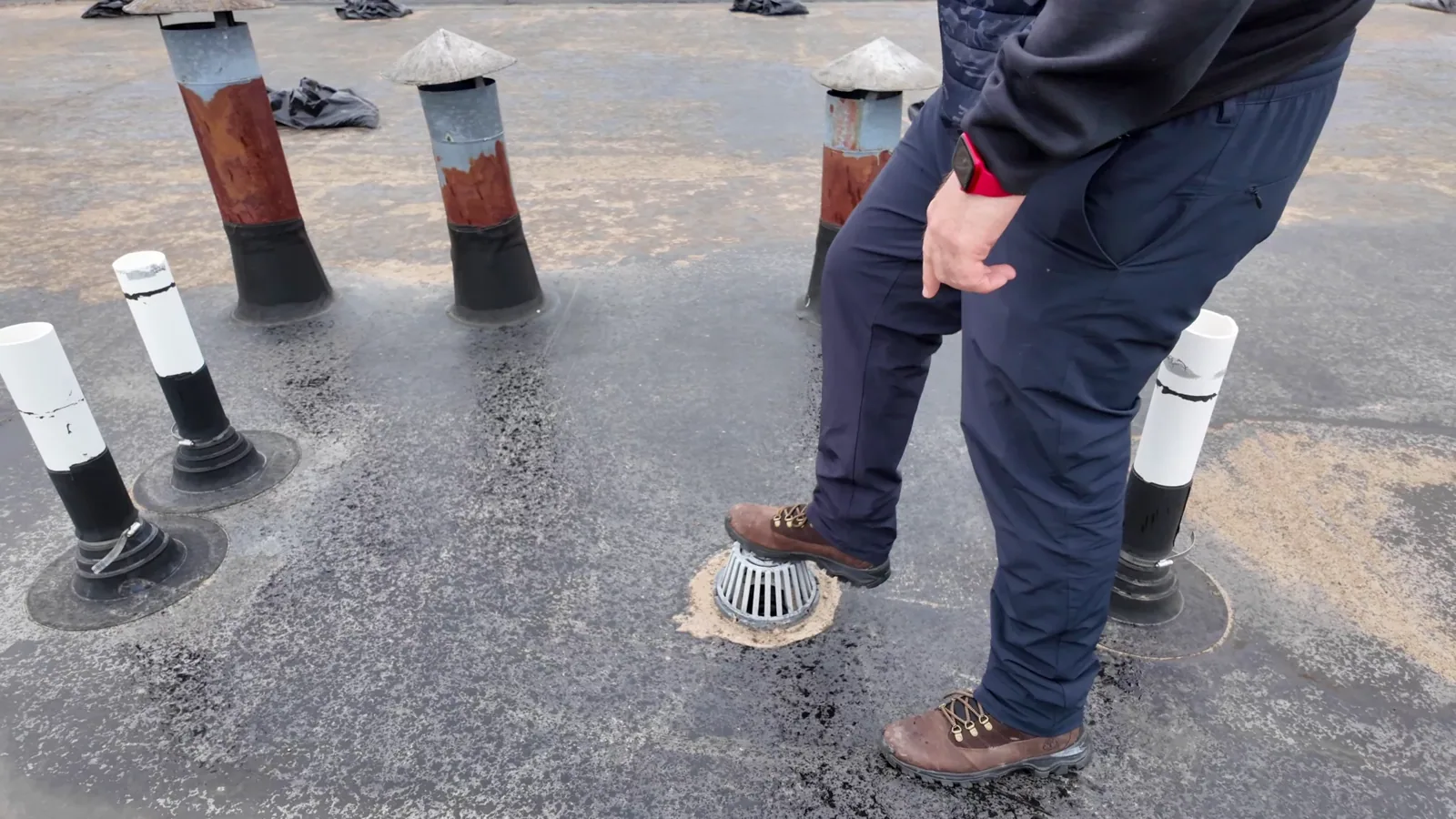
Hot humid summers and regular rain influence roof surface conditions and drainage maintenance. We check primary drains, overflows, scuppers, low spots, and discharge routes. A drainage review can identify whether the issue is debris, a damaged outlet, or a broader slope condition. If a curb or skylight detail is the reported path, penetration flashing work may be part of the repair. The scope should state which trade owns any glazing, HVAC, or electrical interface.
Outdoor vehicle display areas require protection from falling debris and overhead work. Before any lift or tear-off, the dealership identifies the rows or access areas that need temporary control. We coordinate the roof zone with vehicle movement and leave the area safe for the next shift.
Keep customer and vehicle flow open
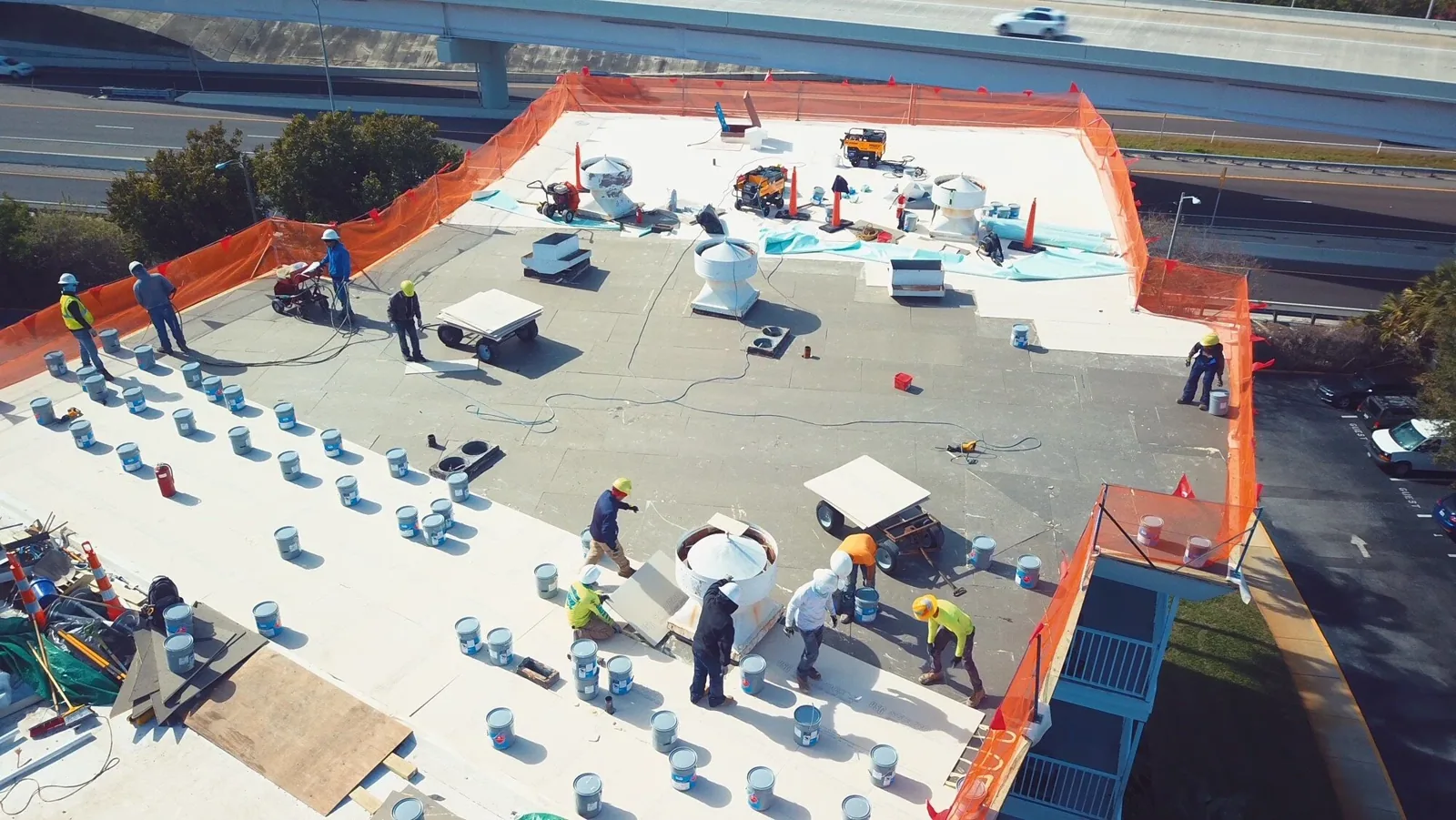
Before mobilization, the manager confirms showroom hours, service-bay operation, customer entries, delivery windows, roof access, security, and a person who can approve changes. The plan identifies material staging, equipment movement, overhead protection, and a clean route for customers and staff. Work above the service lane may need a different sequence from work over offices or parts storage. Each workday closes with the roof protected and an update that says which bays or routes can reopen.
Georgia 400 and Interstate 285 connect Sandy Springs businesses across the metro area. Along the Roswell Road corridor, commercial traffic can influence when a truck can turn or unload, but the site layout controls the actual route. We verify lift positioning and vehicle circulation with the dealership rather than relying on a map alone.
A phased reroof plan can move across roof zones while keeping selected operations open. For an active leak, we first protect the affected inventory or customer area as directed, then document the water path and temporary measure. If hidden conditions expand removal, the crew stops at a secure boundary, records the finding, and requests approval before extending the work.
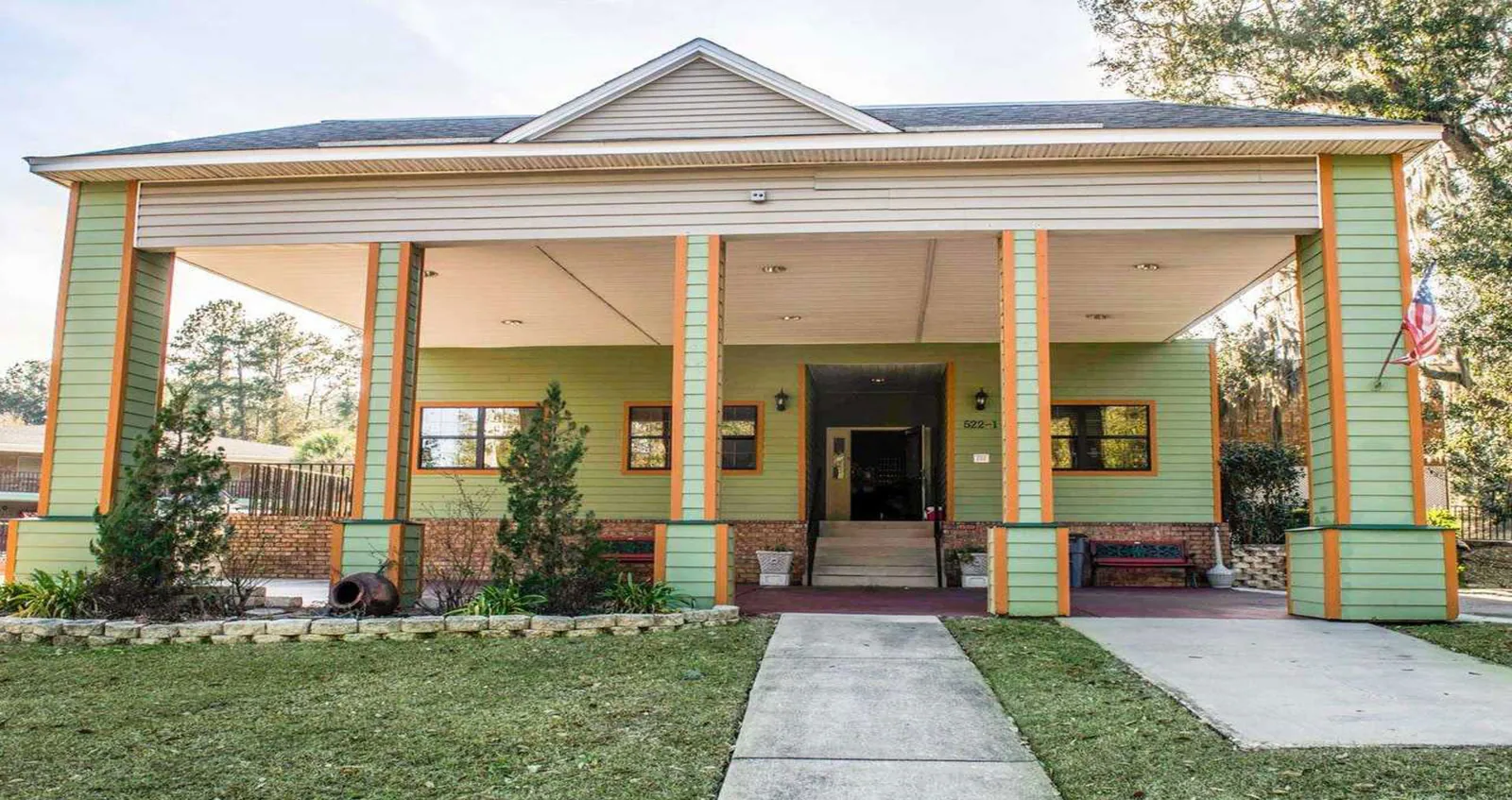
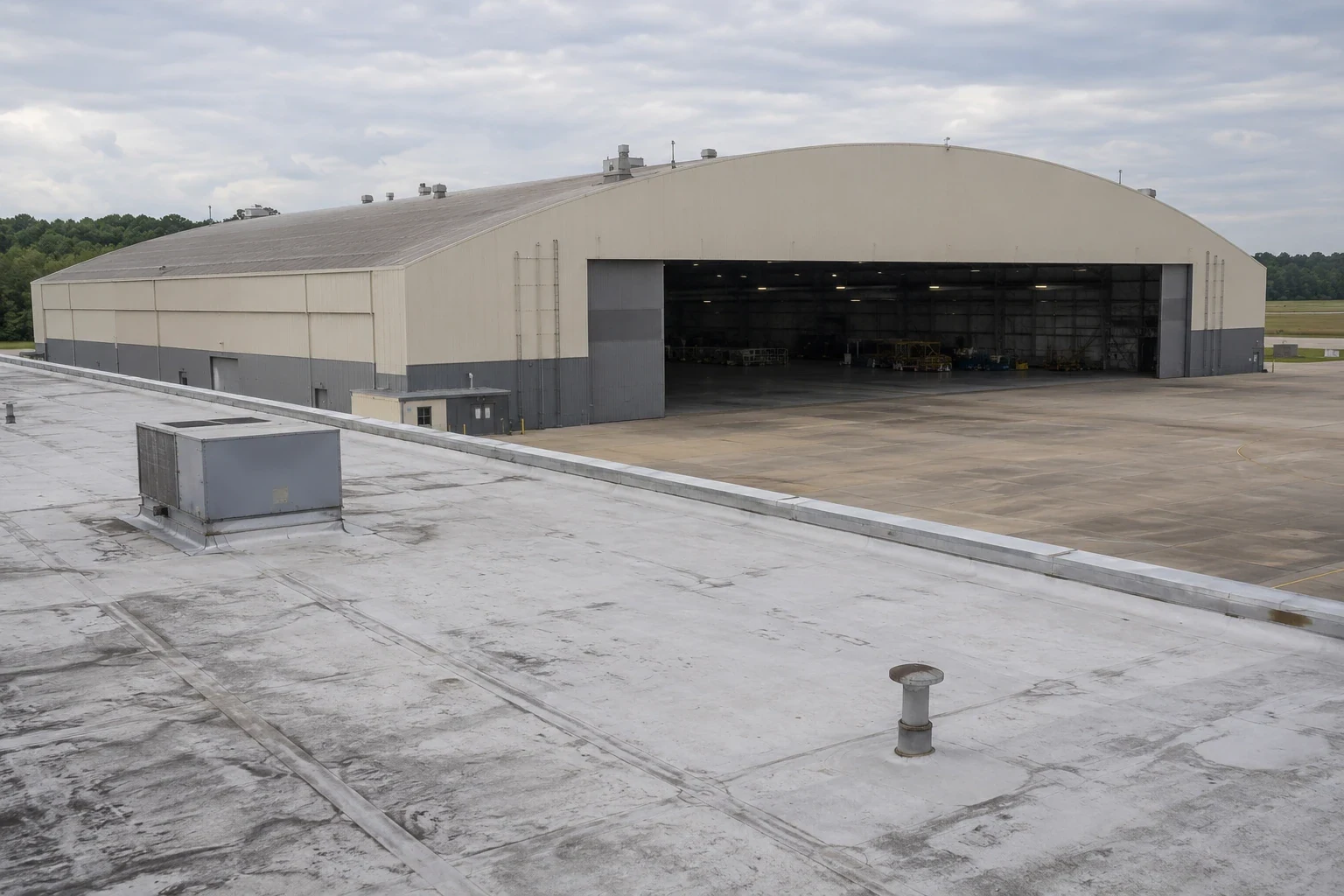
Compare targeted repair with full renewal
A repair may be appropriate when a defect is isolated and surrounding materials support a durable tie-in. Repeated leaks, widespread moisture, seam failure, or a roof nearing its capital window may call for a renewal comparison. We consider findings, service history, access, equipment coordination, and the value of maintaining specific work areas. The recommendation identifies which facts are confirmed and what remains a scope assumption.
A repair scope addresses verified issues. A replacement study can compare removal depth, insulation, curbs, perimeter metal, and phasing. An existing roof should be checked before considering a recover. Cost and duration depend on roof area, access, disposal, overhead protection, and whether sales or service activity can move between work zones. We give the owner a defined boundary and a clear change process if removal shows a different assembly.
Dealership groups can compare facilities by condition and operating impact, not by brand or building type alone. A service-heavy building may need an earlier work window than a facility with flexible bays. A capital schedule should distinguish repair that reduces immediate exposure from renewal that resolves broad assembly issues. For a group with several stores, compare each roof by confirmed condition, parts or vehicle exposure, and the time needed to shift sales or service activity. Include temporary protection and staging in the comparison so the budget reflects the full operating plan, not only membrane installation.
Record repairs by roof zone
Closeout should include the roof plan, zone completed, installed material, repaired penetrations, photographs, drainage work, and any restriction that remains. Keep an open item tied to a specific area and owner. This makes it easier to coordinate a future skylight, HVAC, lift, or electrical project without repeating the same investigation or leaving an old temporary patch undocumented.
When another trade adds equipment or a support, include the roofing tie-in in its work order and update the roof map. A condition report can help the property team track repeat service. Owners with distribution buildings may compare related access planning with warehouse roofing or distribution-center roofing, while keeping showroom glazing and service-bay needs specific to each dealership.
Share roof plans, leak reports, service records, operating hours, vehicle routes, and the budget window. We will return a prioritized list of repairs and renewal options tied to the roof areas and operating constraints.
Before using a crane or lift above vehicle inventory, the service manager should identify the drop zone, moveable stock, and routes that must stay open. The roofing plan names who clears the area and when it can reopen. If the scheduled vehicle flow changes, pause the lift and reset the protection boundary with dealership staff rather than relying on the prior day's staging map.
Questions About Auto Dealership Roofing
Can roof work continue while a dealership is open?
The manager identifies customer routes, service-bay activity, delivery schedules, and safe staging. We phase work where conditions allow and confirm each zone is protected before the next shift.
What roof details are common concern points at a dealership?
Review skylight perimeters, curtain-wall transitions, curbs, exhausts, drains, parapets, and edge metal. Equipment changes should include a roofing detail review before the work order closes.
How do you protect displayed vehicles during roof work?
The dealership marks display and circulation zones that require protection or temporary closure. We coordinate overhead work, lift locations, and debris control with the site's operating contact.
When should an owner compare replacement with a local repair?
Consider broader renewal when repeated service calls, moisture testing, or several failed details point beyond a single defect. The estimate should define the evidence and the work boundary for each option.
What should the site provide before an inspection?
Roof plans, leak locations, equipment records, access procedures, customer and service schedules, and prior repair notes help us plan the visit and identify any testing that could change the scope.
Plan a dealership roof review
Share roof plans, leak areas, equipment records, operating hours, and vehicle routes. We will map the condition and sequence work around the site's priorities.
Call 555-555-5555 or send the building details.