Commercial Roofing for Hospitality Groups in Sandy Springs, GA
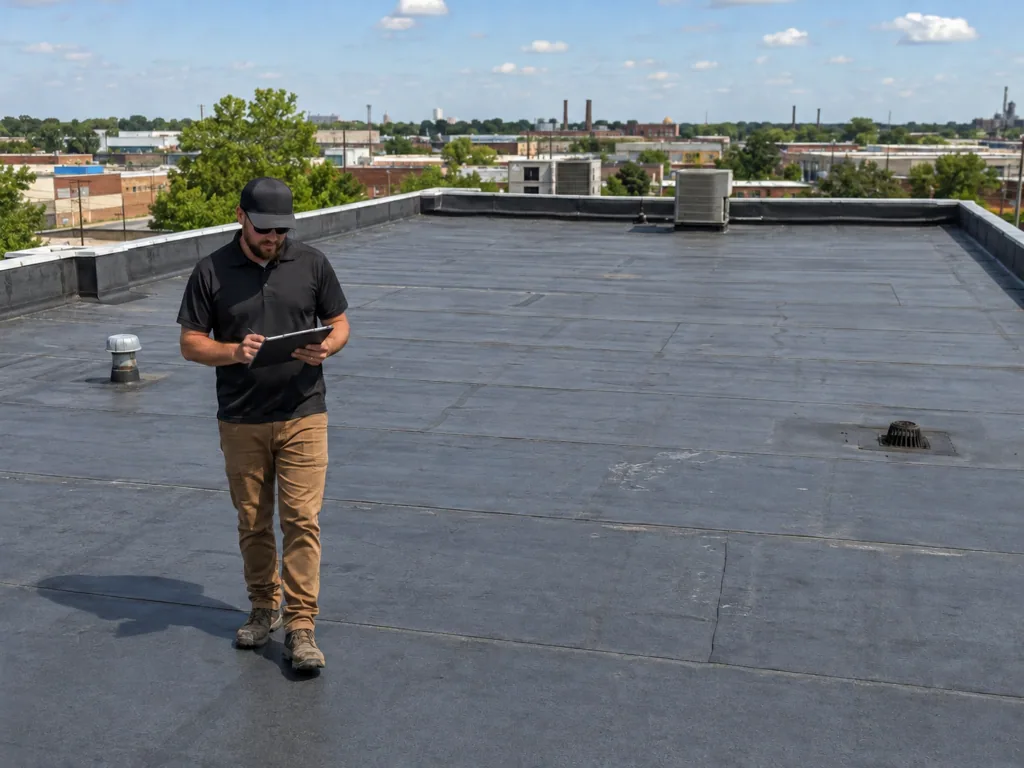
A hotel roof decision competes with room availability, event dates, and operating cost. We identify the roof section, reported water, and access window before recommending work. Sandy Springs, GA, includes hospitality uses in Powers Ferry, alongside office and retail properties near I-285. The city also reports more than 60 million square feet of office, retail, and commercial space. For a hotel, room schedules and roof access are property-specific; the inspection starts with the actual assembly and reported condition. We inspect each building's roof assembly, equipment, drainage, and repairs, then separate urgent protection from a planned capital scope.
Which occupied areas sit below the repair?
The hotel contact identifies guest rooms, meeting spaces, kitchens, service corridors, and areas that cannot be closed during the proposed work. We compare those locations with roof sections, curbs, drains, and interior reports. A roof inspection documents visible conditions and any access limit. Water may travel away from its entry point, so the field record connects a reported room with the roof path that can be confirmed. If interior access requires a room turn or escort, the hotel sets that window before testing begins.
Room-level reports should be connected to the roof section and date. We record whether the condition appeared during rainfall, after equipment service, or during a period with no recent weather. If a water path remains uncertain, the report names the inspection or test that would clarify it. The hotel can then protect the room and decide whether to close it, adjust its use, or maintain the space during a repair window. We do not assume the roof cause from an interior mark alone. This keeps guest response and roofing diagnosis connected without confusing their separate responsibilities.
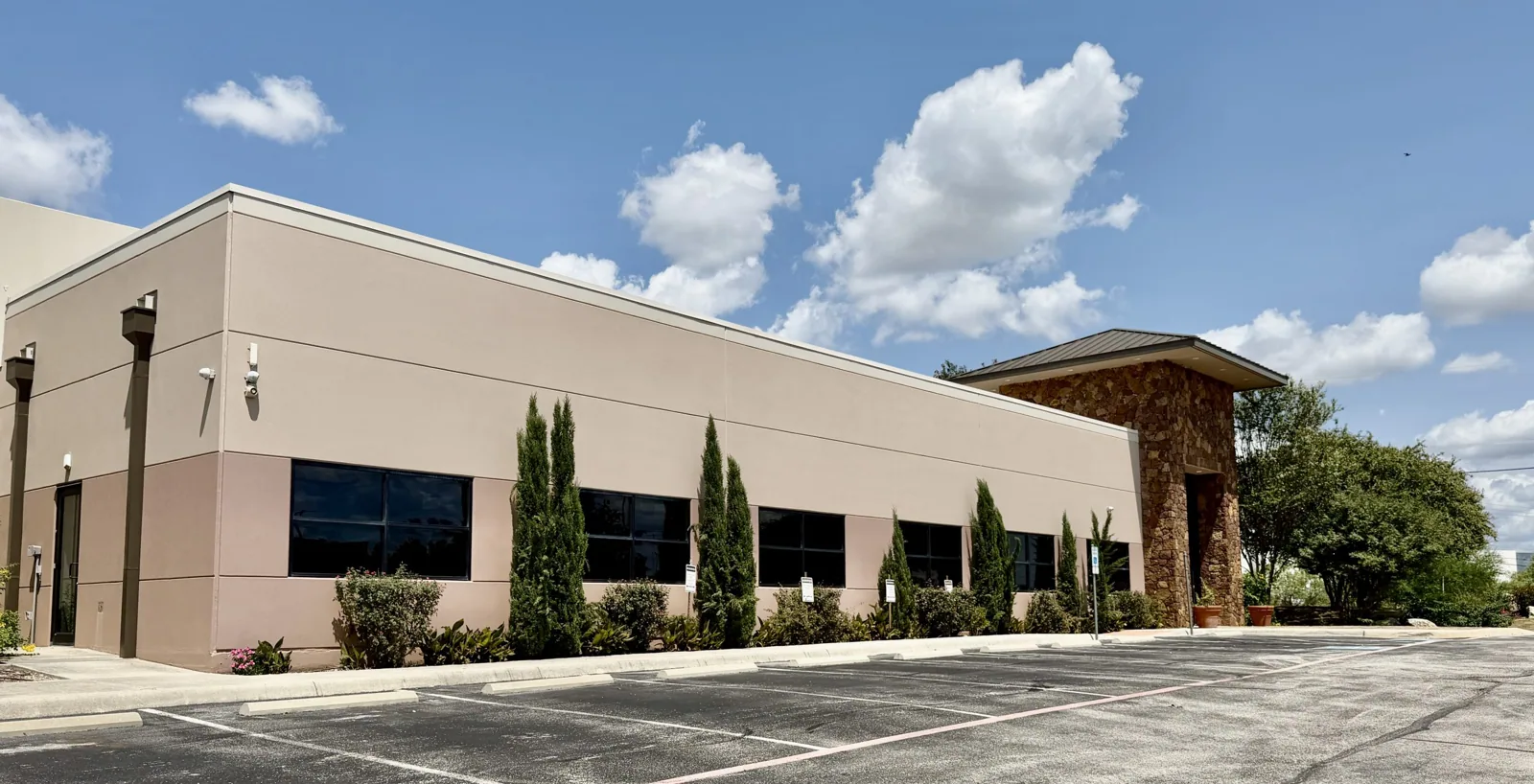
How should work fit events and occupancy?
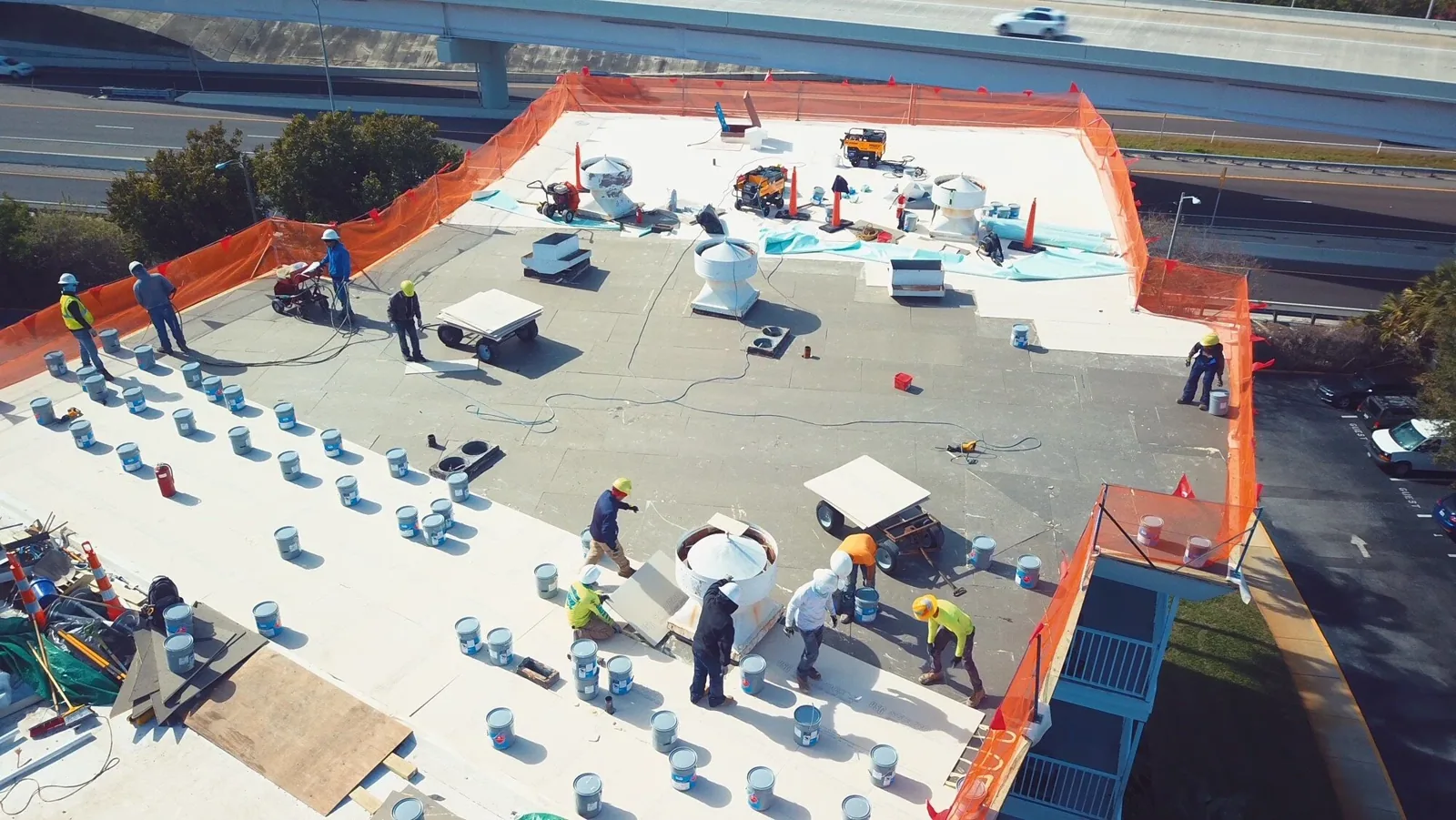
The event calendar, catering schedule, room occupancy, deliveries, and quiet hours shape the work sequence. We identify lift location, material route, noise, daily dry-in, and how an unexpected weather shift changes the open area. A phased work plan can isolate sections so rooms remain available where the roof condition permits. We state which areas may be affected and when the next handoff occurs. If work spans an event date, the owner can compare a short repair before the event with a larger phase afterward.
Before a large renewal, the owner can compare multiple schedule options. One may use a lower-occupancy season, another may work by wing, and a third may address urgent details now with capital work later. We estimate staging, materials, protection, and after-hours access as separate drivers. The proposal identifies the maximum open area and the daily closure point. If the forecast changes, the crew knows which section to protect first. Ownership can review the effect on rooms and events before approving mobilization, then receive a status tied to the actual roof zone.
What rooftop details need coordination?
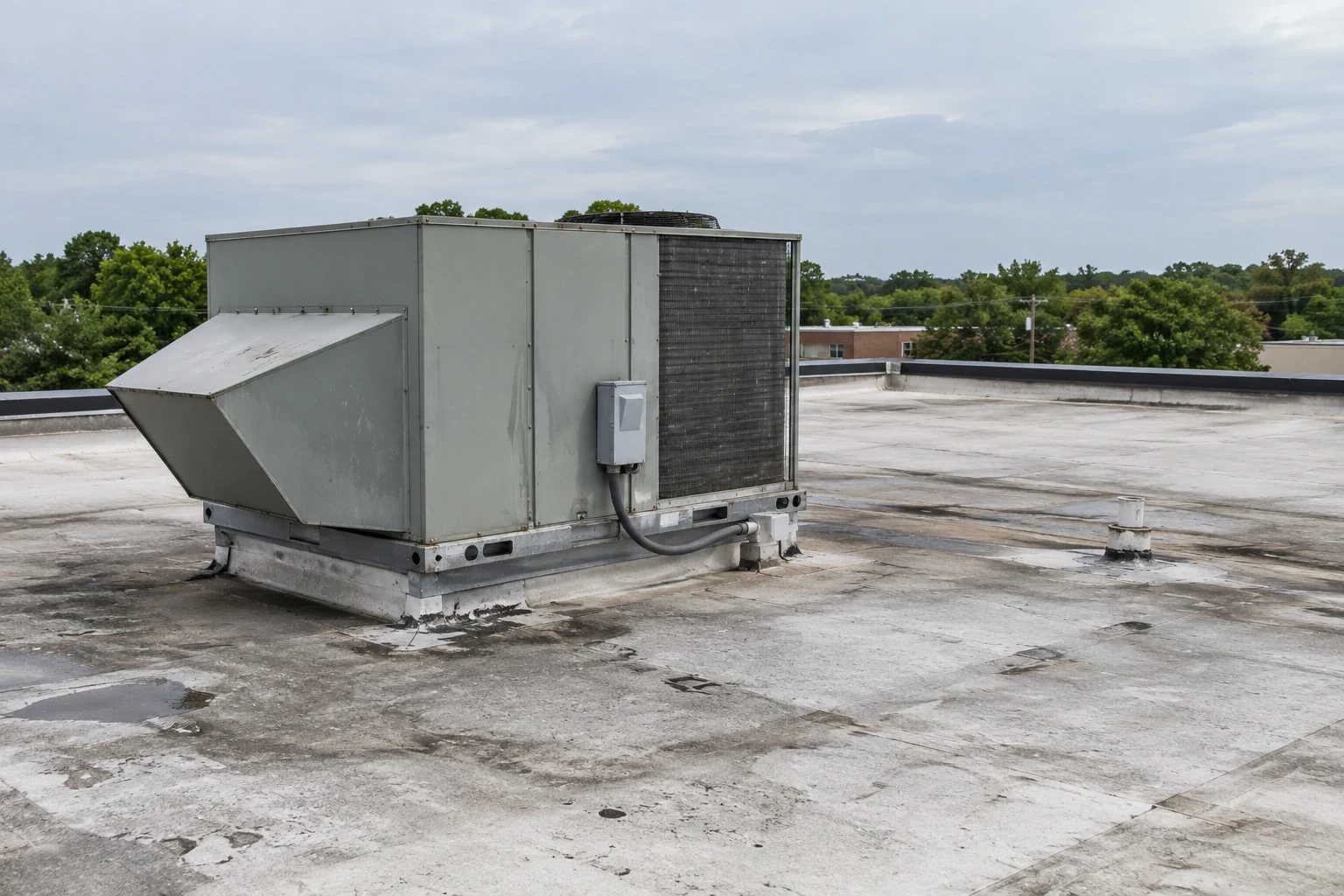
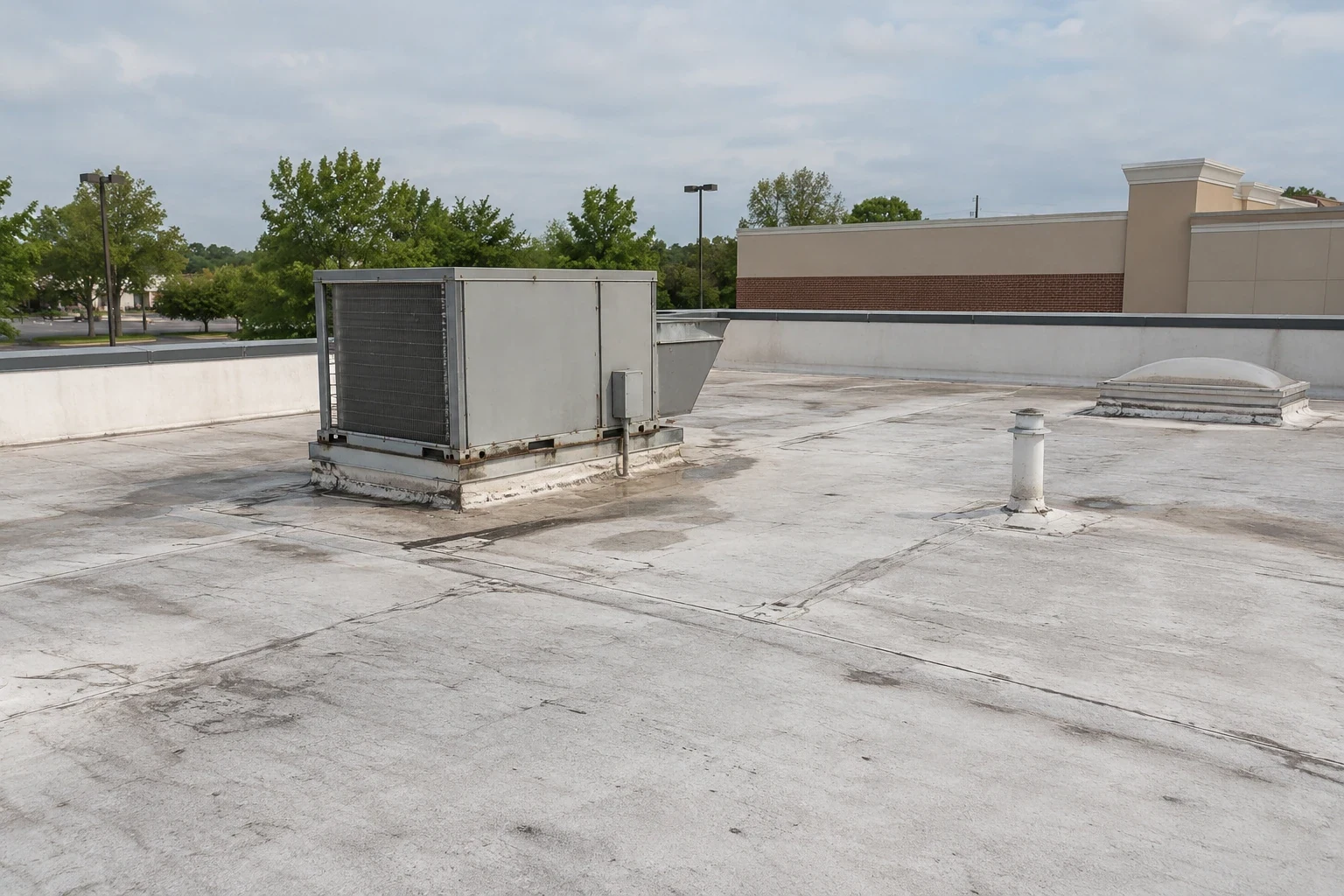
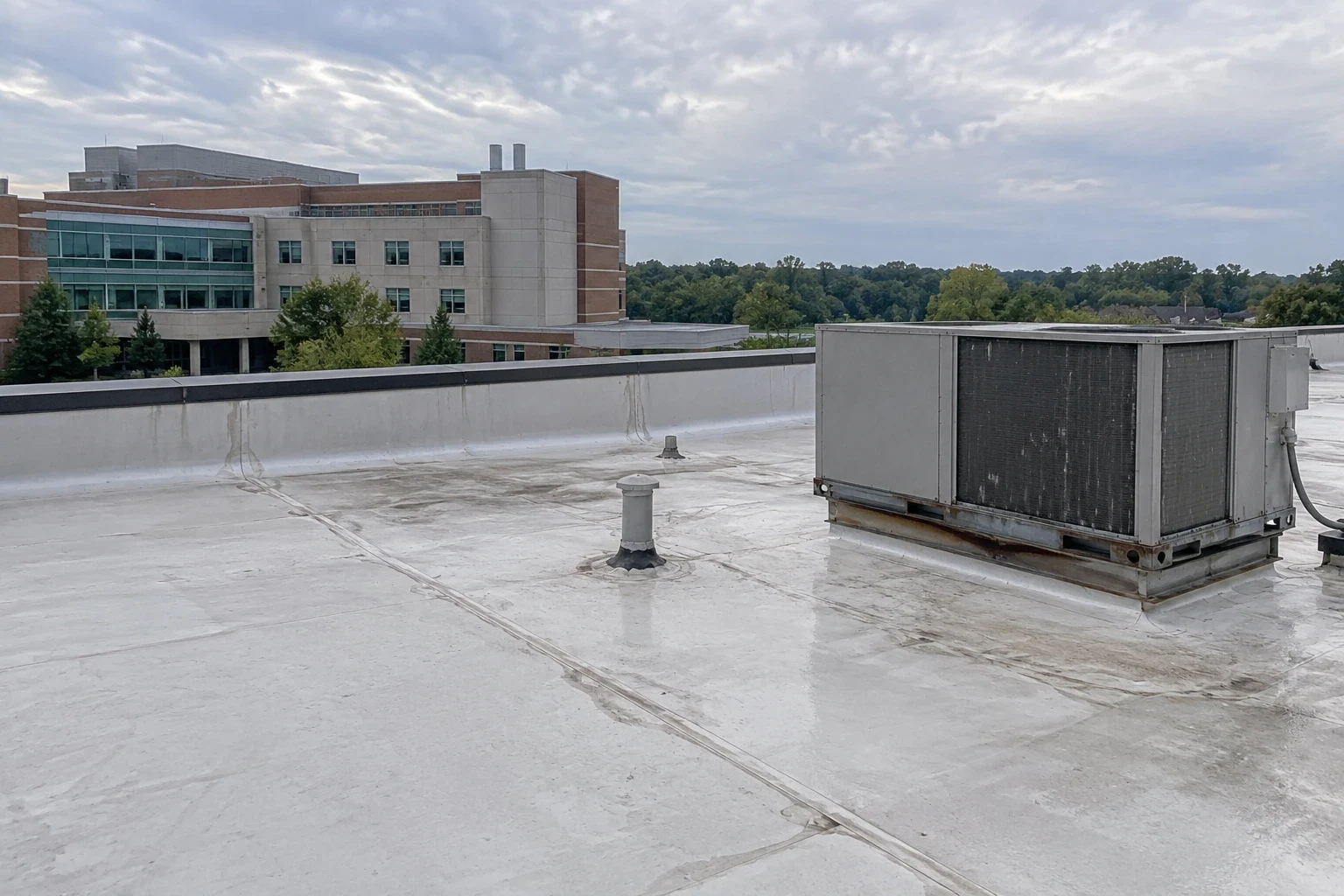
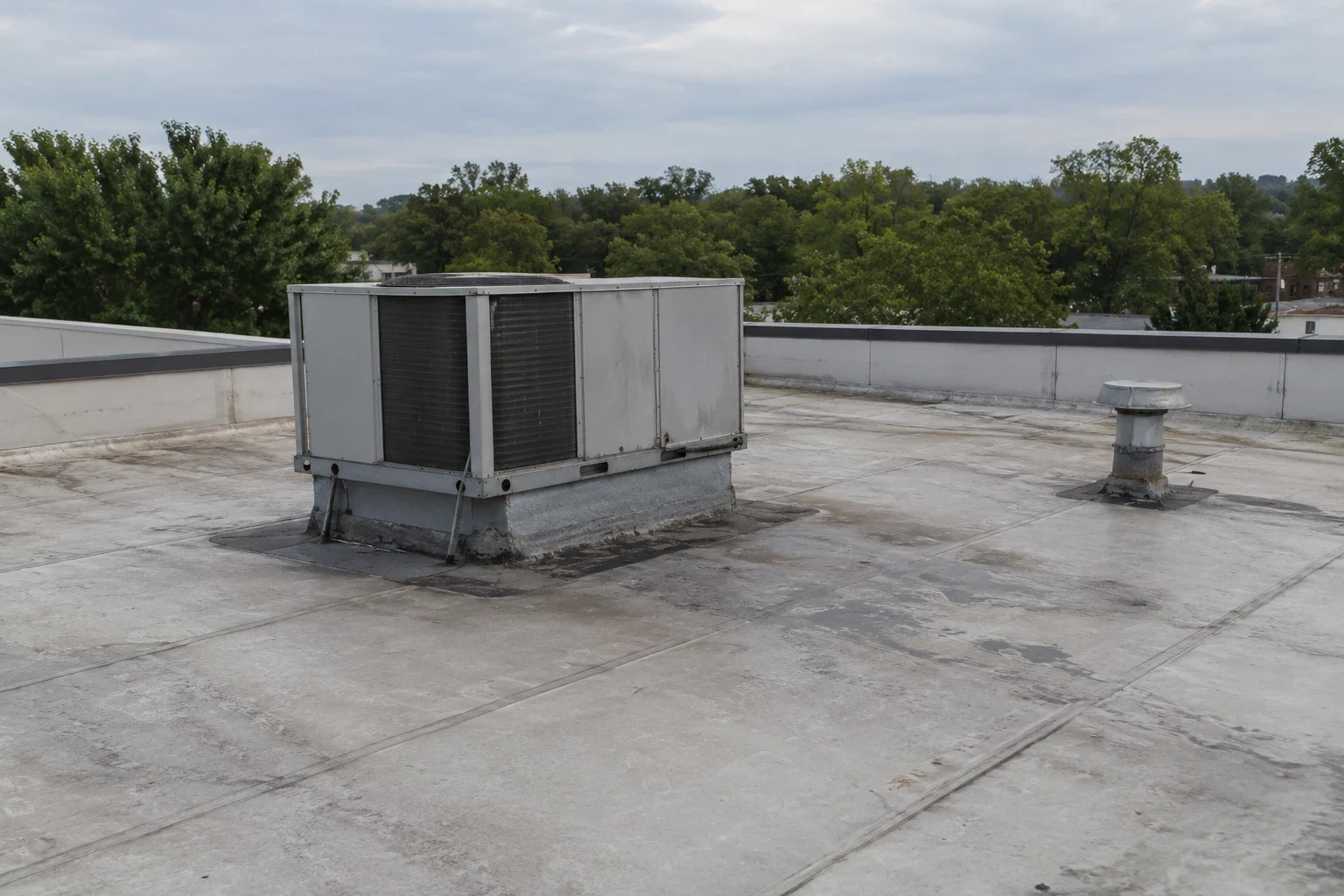
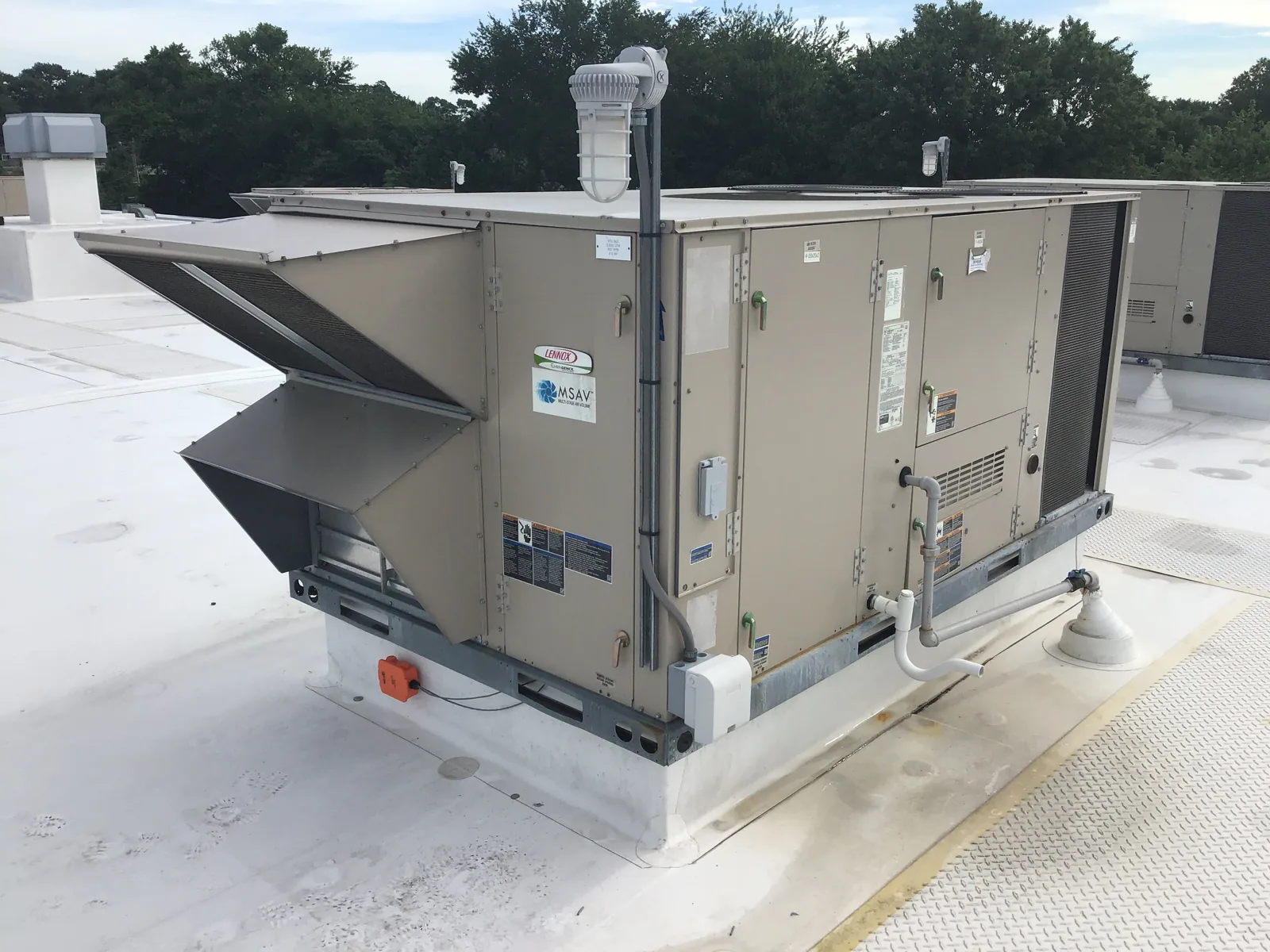
Hotels often have HVAC, kitchen exhaust, drains, skylights, and maintenance paths that share the roof surface. We inspect curbs, flashing, seams, supports, and any area changed by recent service. A curb inspection defines the roof-side work and the handoff to mechanical vendors. If a unit must be moved, the schedule identifies who opens and restores the membrane. Photographs of the completed detail help facilities staff compare later service calls and avoid treating an undocumented opening as part of the original roofing scope.
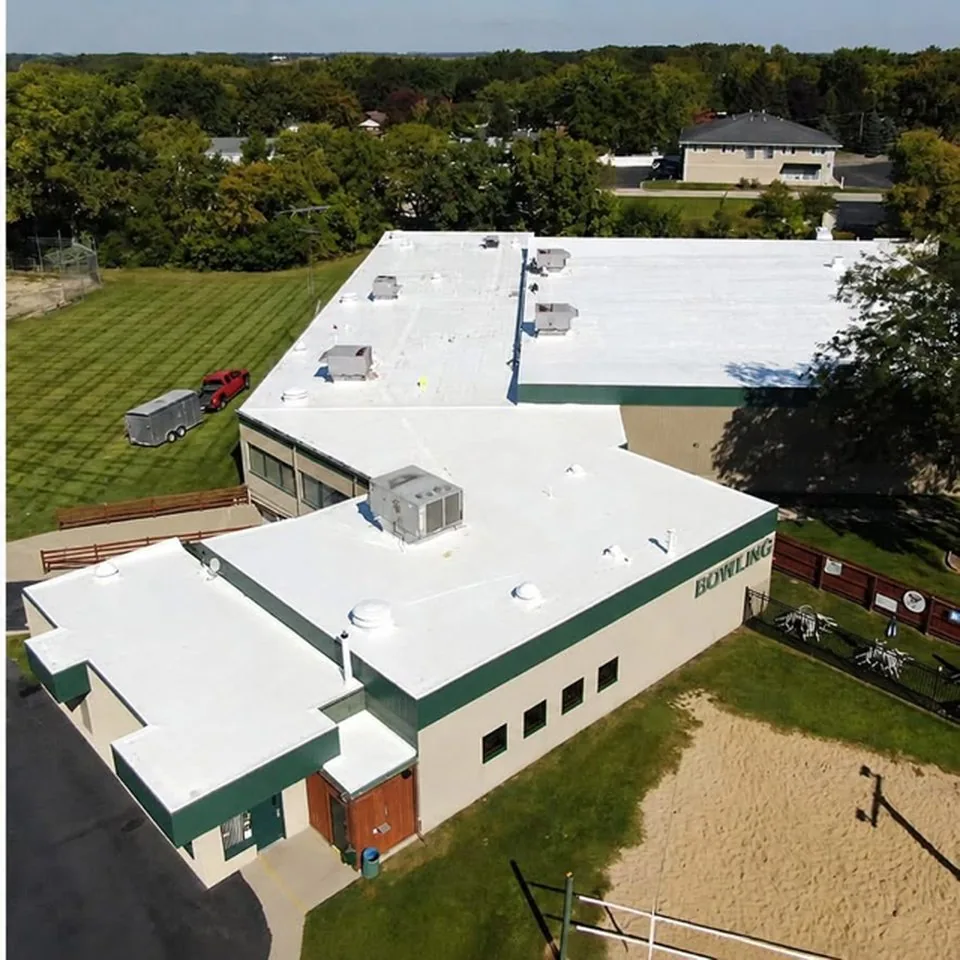
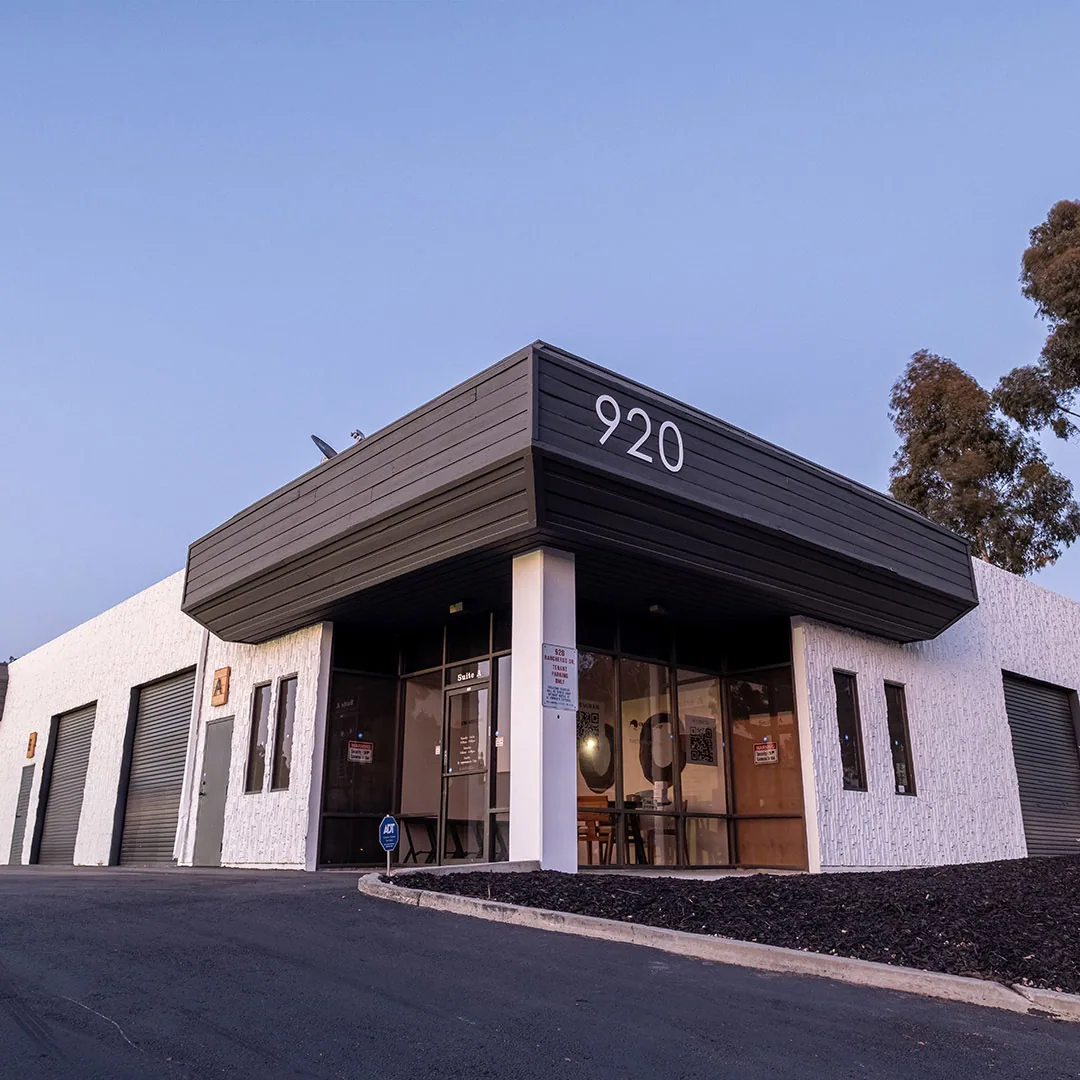
How do storms affect the review?
Sandy Springs experiences recurring thunderstorm winds and hail in the broader North and Central Georgia warning area. A hotel should inspect when it observes leakage, displacement, or a change at roof edges and equipment. We record the location, date, photographs, and any temporary dry-in. A storm assessment separates visible event conditions from older wear and identifies follow-up. If the roof is not safely accessible, the file says so and schedules a return. That is more useful than carrying an assumed damage finding across the whole property.
What capital options should ownership compare?
A local flashing failure may stay within repair. Repeated entry, broad wet insulation, or deteriorated attachment can make recovery or replacement more practical. We inspect the assembly, drainage, perimeter, and repair history, then compare options using the same roof zones. A recover review checks layer count, moisture, attachment, and clearances. A capital sequence can line up project timing with room renovations and the budget year. Cost drivers such as staging, after-hours access, equipment coordination, and protection remain visible in the estimate.
A group file should include building drawings, equipment logs, leak calls, repair photographs, and areas not reached. We use those records to compare condition trends but verify current conditions in the field. A renovation or unit replacement can change the roof interface after the earlier inspection. The latest record identifies what was added, who completed the flashing, and whether the detail was checked. This prevents a portfolio summary from masking a new opening at one property. It also gives facilities staff a clear handoff when a hotel changes operators or an asset moves to a new owner.
How does Powers Ferry affect coordination?
The Powers Ferry district includes a small-scale retail, office, and hospitality core along I-285 and borders the Chattahoochee River. For a hotel there, we coordinate gate, valet, loading, and lift plans with staff. A real-estate ownership review can frame capital decisions, and a retail portfolio plan may share tenant scheduling needs. The hotel schedule and roof findings remain specific to each asset.
What should the ownership team retain?
The closeout should name the roof sections completed, repairs, materials, photographs, open conditions, and next inspection. We distinguish temporary protection from permanent work and list any mechanical or interior handoff. Owners can compare buildings across a group while keeping each property's access and assembly separate. Share room and event schedules, leak reports, roof plans, equipment work orders, and the capital window. We will return a prioritized review that identifies immediate water control, near-term repair, and renewal candidates with a defined decision point.
The regional street and transit network can affect contractor arrival without resolving property access. We ask about valet and loading routes, guest entry, lift permits, quiet hours, and event traffic. If those plans change during construction, hotel staff names an alternate contact and approves a revised route. We record the decision with the work schedule so a second phase can use current information. These logistics make the repair proposal more precise and reduce the risk of staging conflict when a property remains open to guests and local visitors.
Each action includes an owner, timing, and closeout evidence.
When a leak is reported after a guest room turns over, preserve the room number, report time, and any temporary protection in the facilities record. The roof inspection should map the affected zone before the room is returned to normal use, then note whether moisture or a second entry path needs testing. That sequence keeps the guest response moving while the permanent roofing decision remains tied to evidence.
Questions About Hospitality Groups
Can roofing work continue during guest stays?
Often, when work areas, access, noise, and daily closure can be coordinated with hotel operations. We set the sequence around the facility’s approved limits.
How do you handle a leak during an event?
We coordinate interior protection and safe roof access, then document the temporary response. Permanent repair follows inspection of the entry point and nearby details.
Does one guest-room leak mean the roof needs replacement?
No. We inspect the likely path, adjacent roof sections, moisture, and repair history. Broader renewal is considered only when evidence supports it.
What information helps set the work window?
Share room occupancy, event dates, deliveries, equipment access, and construction milestones. We use those constraints with the roof condition to sequence work.
How should storms be documented across several hotels?
Use the event date to prioritize locations, then retain each hotel’s inspection photos, observed damage, and open access items in that property's record.
Set a hospitality roof review
Share roof plans, room and event schedules, leak history, equipment work, and access rules. We will map conditions and define next steps.
Call 555-555-5555 or send the building details.