Commercial Roofing for Retail and Restaurant Chains in Sandy Springs, GA
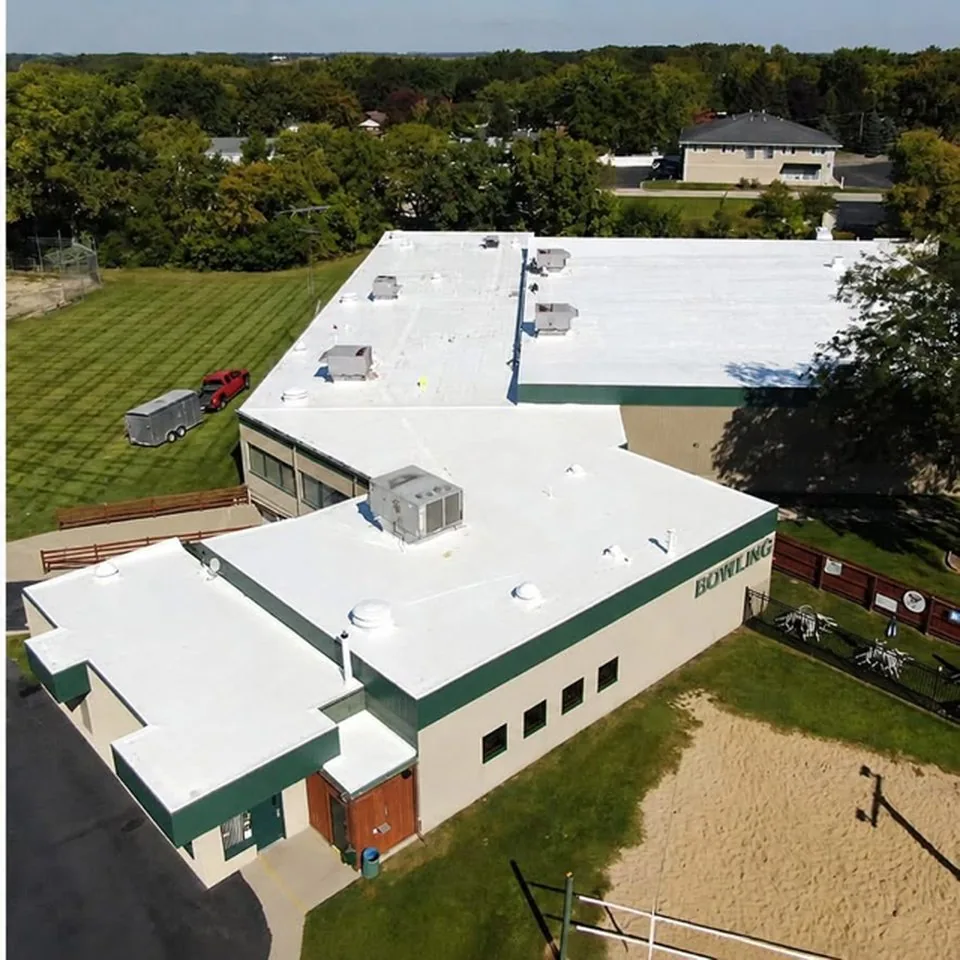
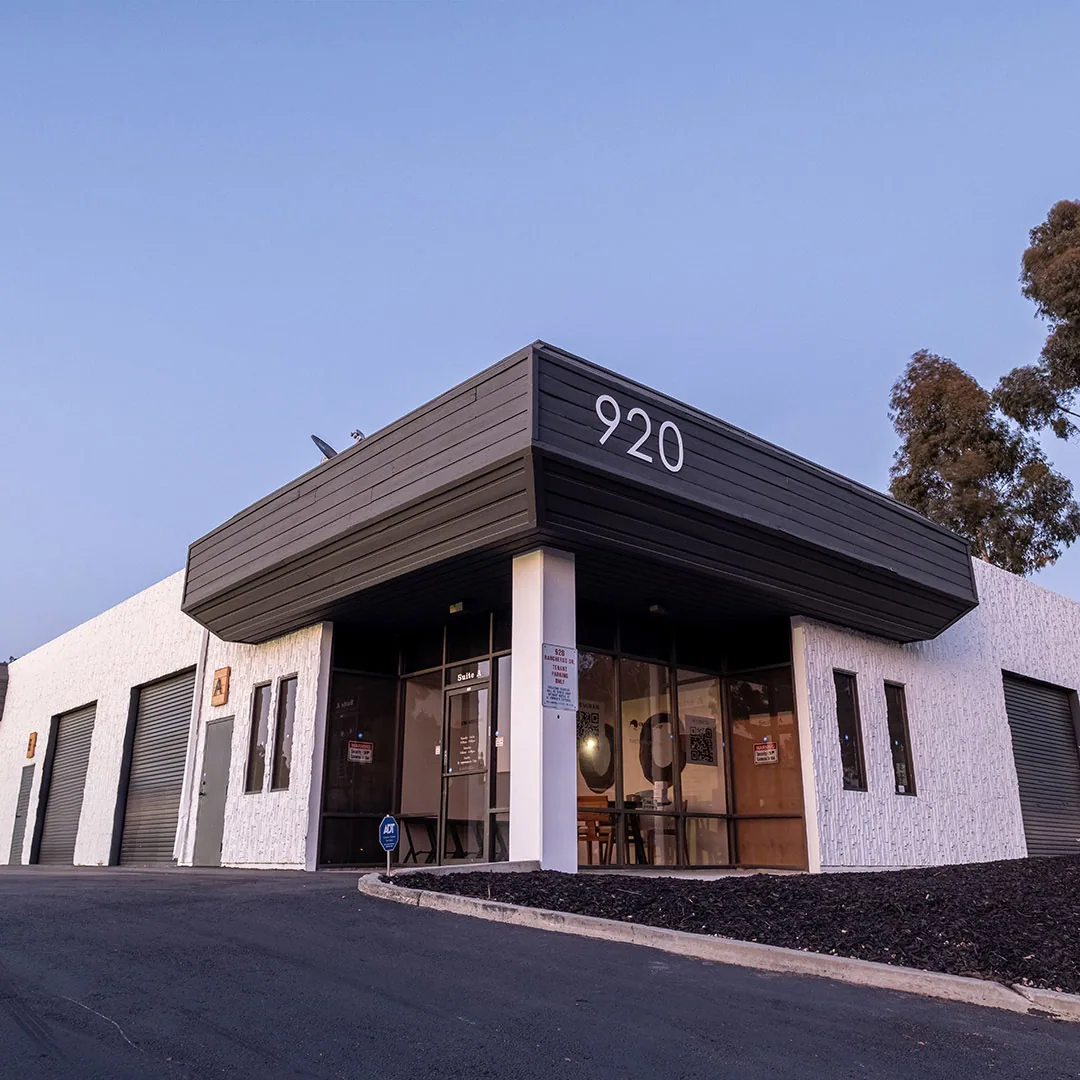
A chain roof program can look consistent in a spreadsheet while the buildings underneath it differ in age, use, and repair history. We verify each assembly and water path before assigning a standard scope. Sandy Springs contains over 60 million square feet of commercial floor area across offices, shops, and other uses. City Springs combines restaurants, retail, civic activity, and events, while the North End includes shopping centers along Roswell Road. For chain operators, district activity can shape deliveries and store schedules, while roof surveys keep every repair tied to the building inspected. We record roof section, leak history, equipment, and access limits, then compare immediate repairs with a portfolio renewal sequence.
How should locations be compared?
We use common fields for each building: roof system, visible condition, repairs, drainage, reported leaks, access, and next review. The findings remain tied to the actual location. A multi-site roof program can rank risks without carrying one store's condition into another. If records are missing, we identify which inspection or test would close the gap. A brand team can then distinguish active water entry from a roof that needs monitoring. That improves the capital view without assuming a shared build date or applying a single renewal interval across the chain.
A chain facilities team can define a standard closeout form without standardizing every repair. We list the store number, roof area, materials, photos, and any condition left open. If one location needs moisture testing and another needs flashing repair, those findings remain separate in the portfolio report. The regional office can compare work completed against the capital plan and identify sites that still need inspection. This structure makes a broad program easier to manage while preserving the evidence needed for each property.
What does a store need before work starts?
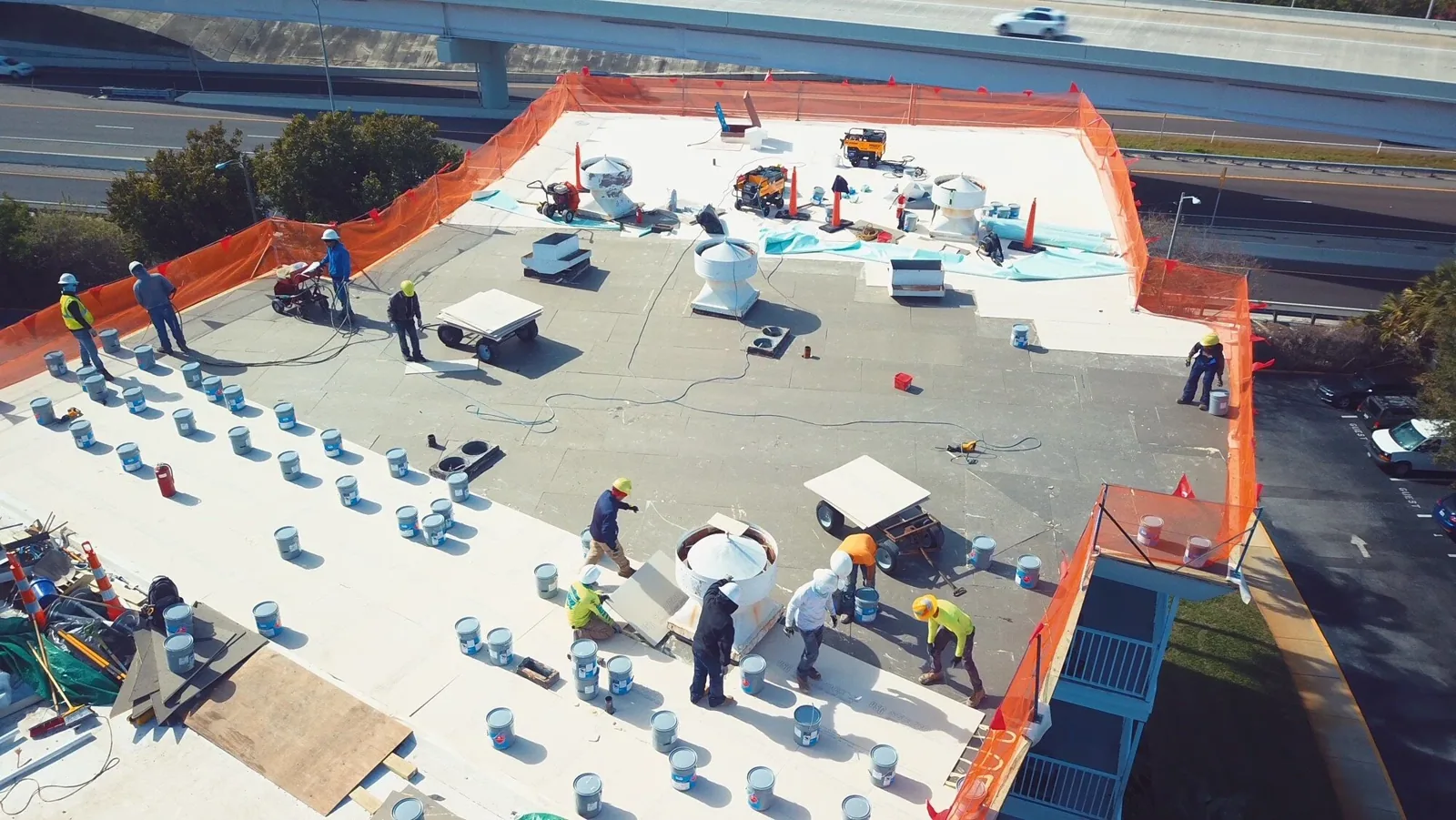
The operating contact identifies deliveries, food service, customer entrances, waste pickup, and any hours when noise or lift movement should be limited. We plan staging and work zones around those periods. A phased roof sequence sets daily dry-in and the point at which access returns. If a center has several tenants, the manager confirms shared loading areas and notices. A chain can provide standard operating rules, but each property contact verifies the route, lift location, and safety limits before mobilization. That keeps the schedule usable for both the regional team and the on-site manager.
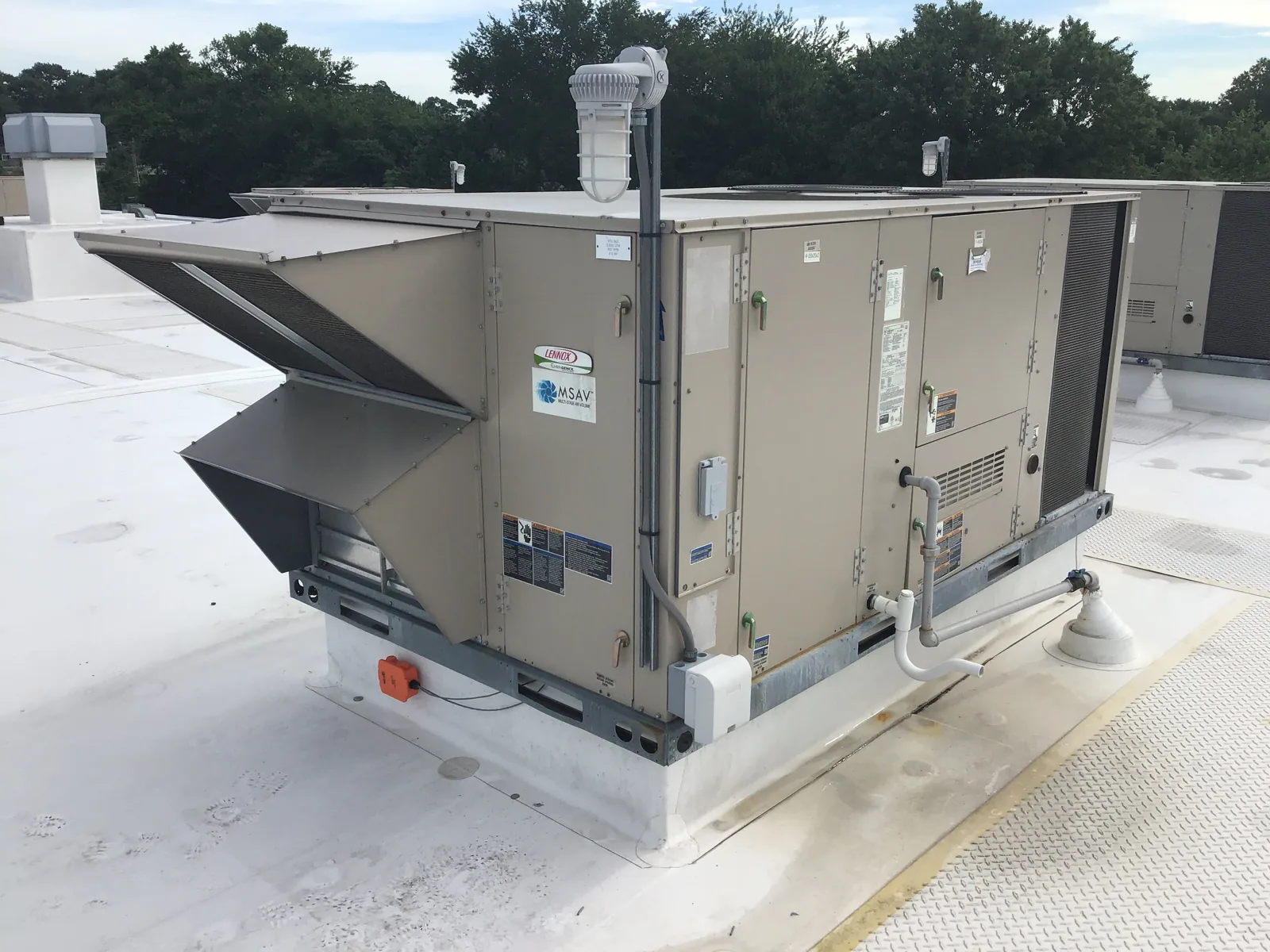
Tenant improvements and store refreshes can add equipment or change rooftop service routes. Before construction, we review the new curb, duct, pipe, and electrical penetrations with the general contractor. The roof scope states who restores the membrane and how the detail will be checked after the equipment is installed. If an opening cannot be closed that day, the responsible party and temporary protection are recorded. That handoff prevents the next store inspection from beginning with an undocumented roof change.
Which details recur across the portfolio?
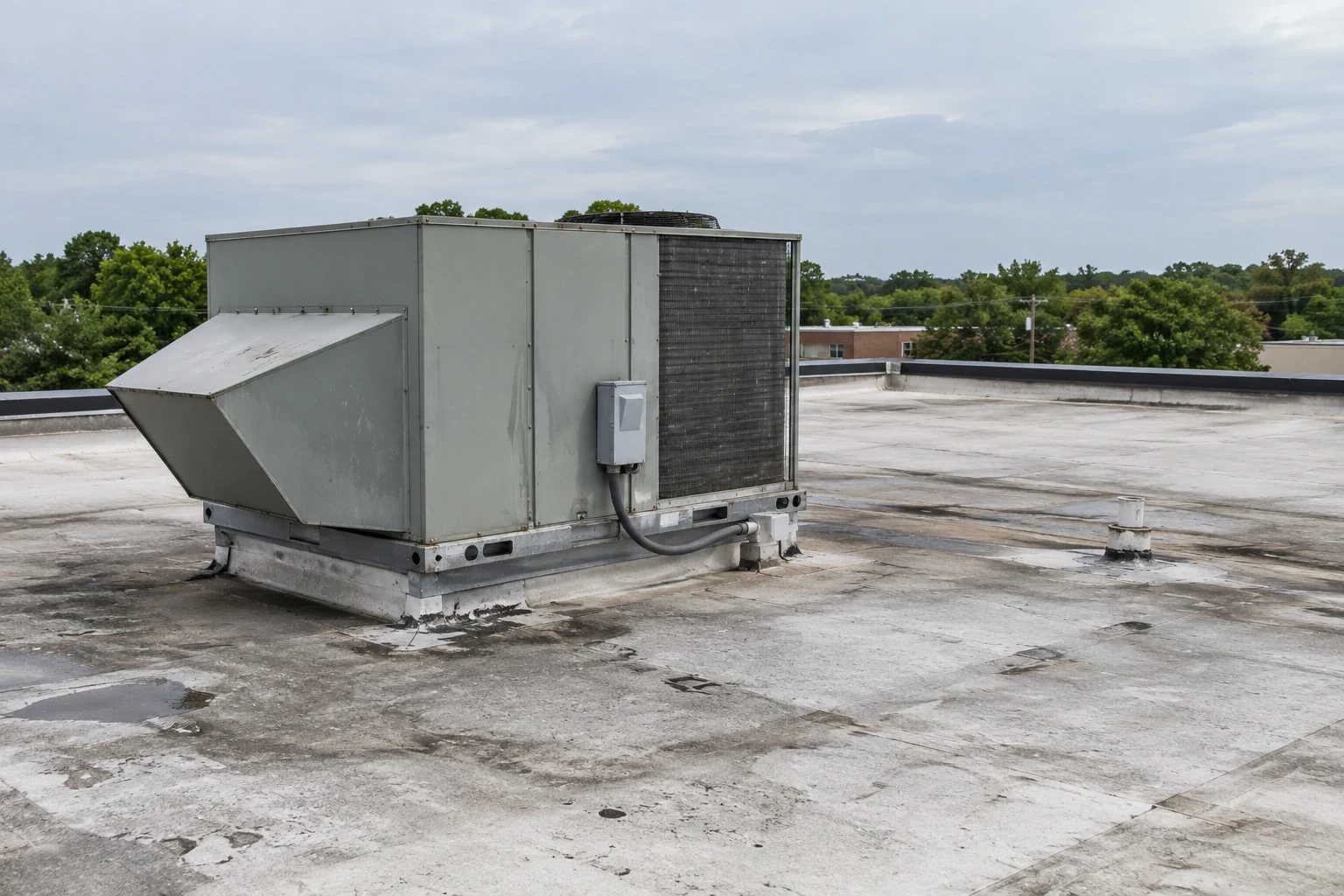
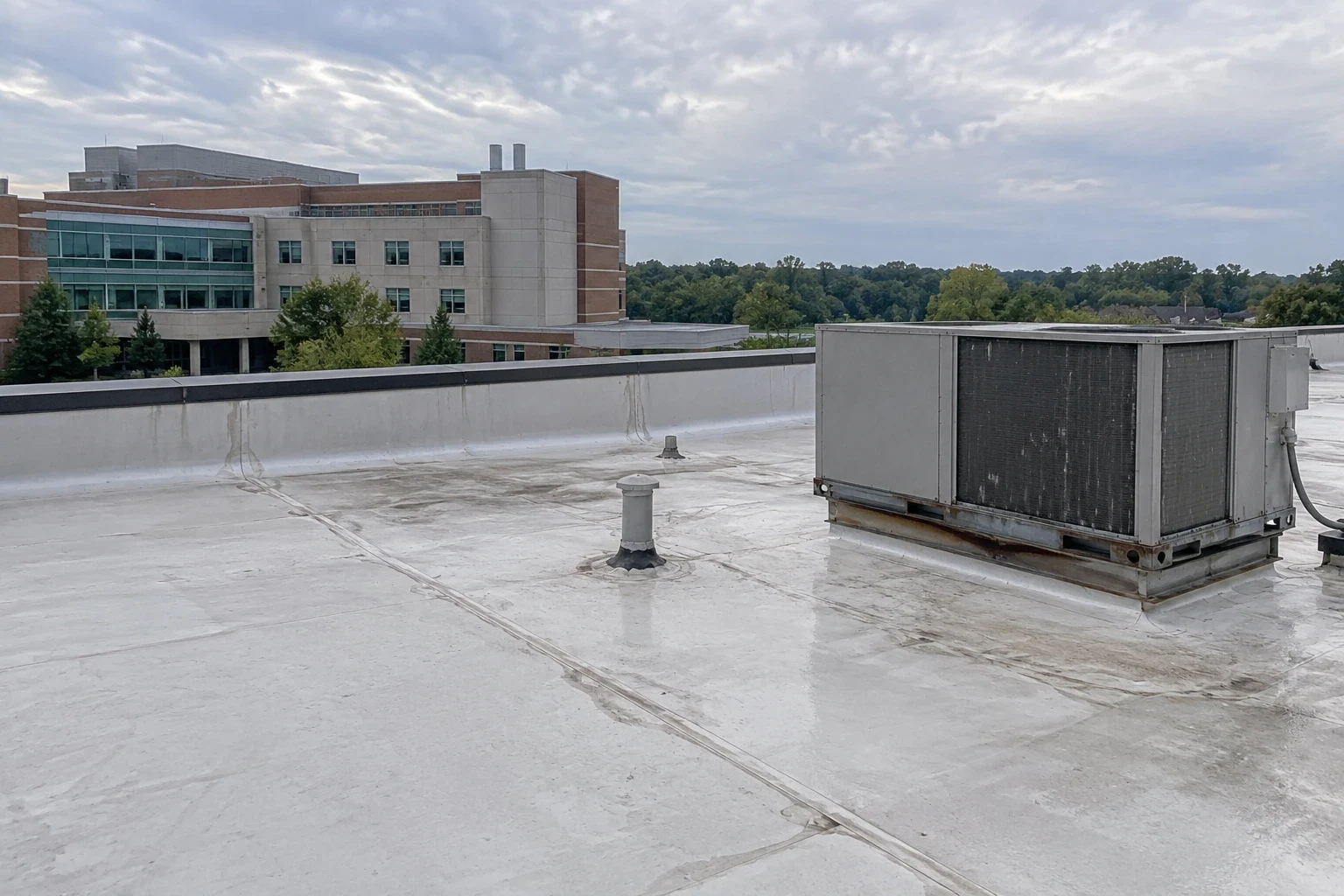
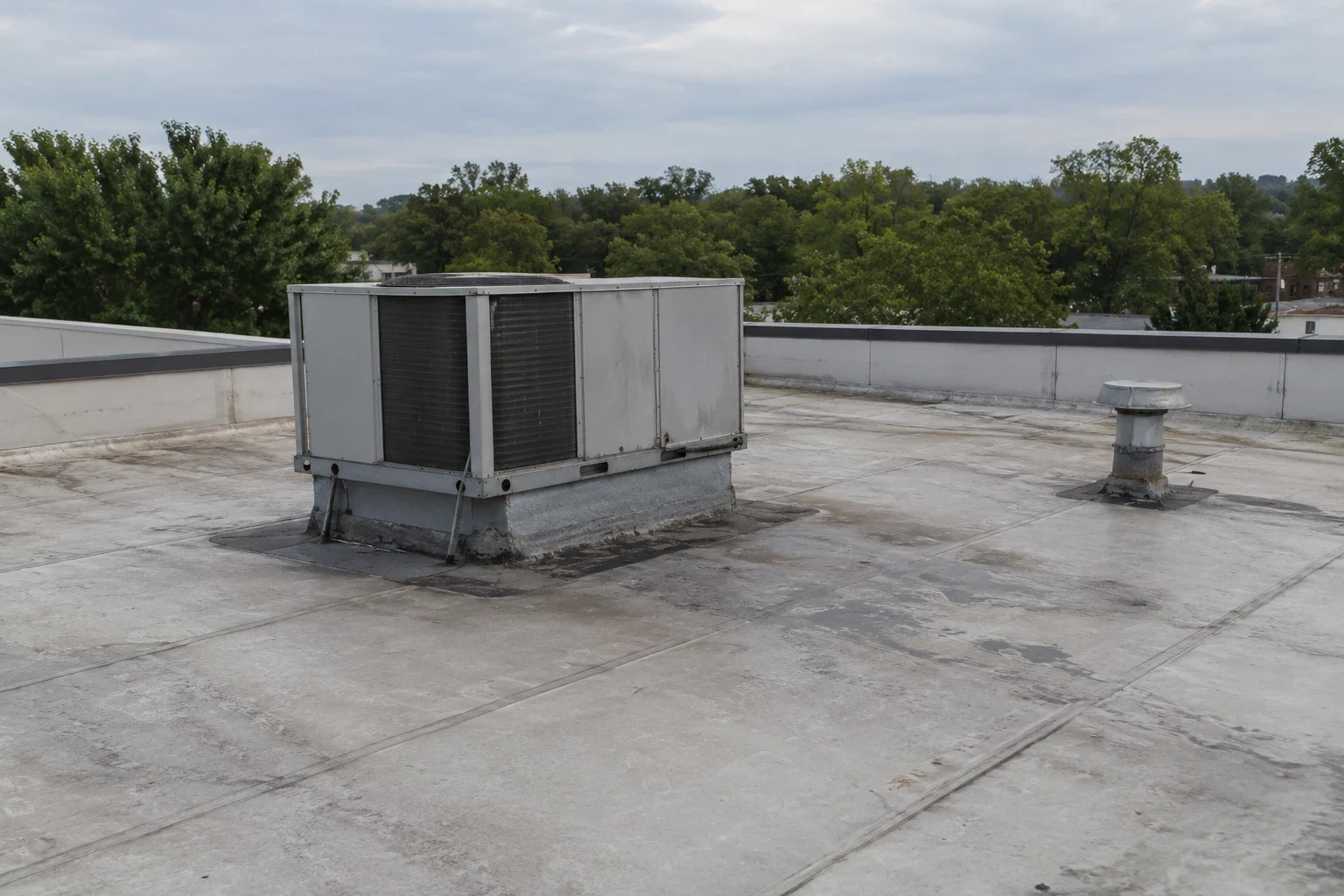
Kitchen exhaust, HVAC curbs, skylights, roof drains, and service paths can recur across stores, but their roof condition should be checked at each building. We record the location, flashing, membrane, and prior vendor work. A curb review can establish who restores the roof after mechanical service. If the same detail fails at several stores, we compare photos and assembly information before recommending a standard repair. A repeated symptom may have different causes if the roof systems or drainage routes differ. The recommendation states where an approved repair standard applies and where a separate scope is needed.
How should storm records travel across locations?
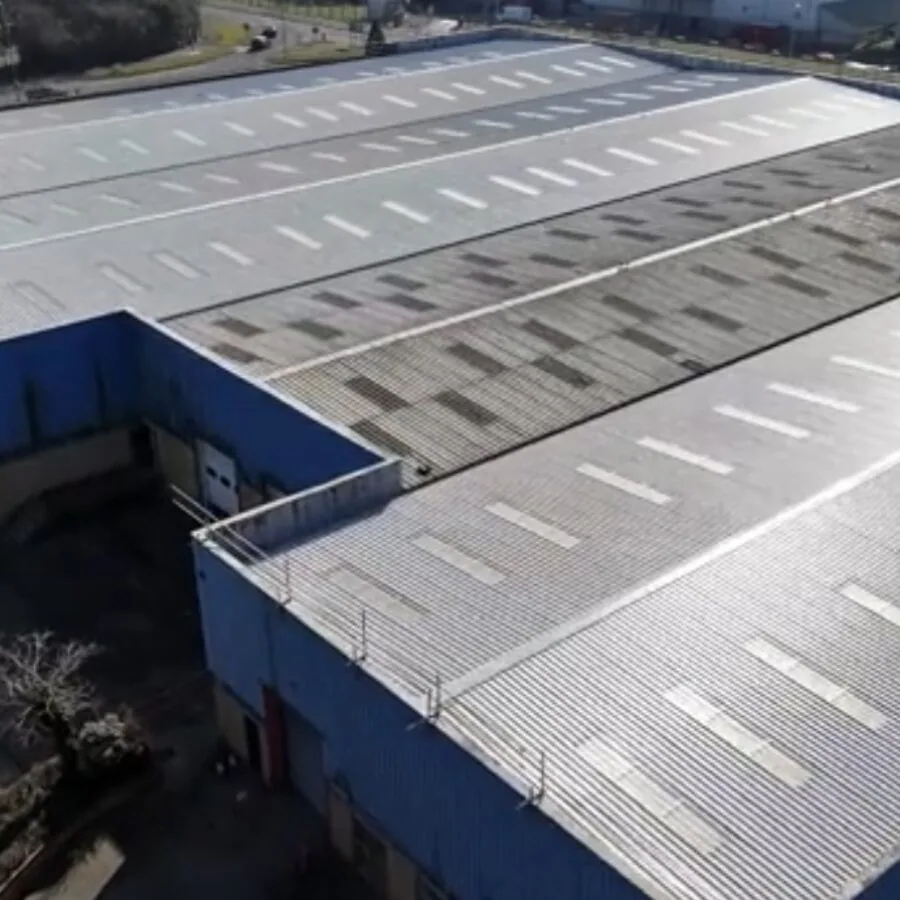
North and Central Georgia have recurring large hail and tornado activity, and damaging thunderstorm winds are most common in spring and summer. After an event, we record which locations were inspected, what was visible, and which areas could not be reached. A storm response survey identifies urgent protection without assuming every store was affected. The regional log links the event date to site-specific photographs and interior reports. A chain operator can then prioritize locations based on observed condition rather than broad geography.
A property-management coordination plan can help connect common-area access, tenant notices, and service requests at leased locations. A chain's own operations team adds brand procedures, delivery times, and store-level approval contacts. We identify both roles before mobilization so crews know who can grant roof access and who confirms an interior work window. For restaurants, kitchen exhaust schedules may also need review. The project record names each interface and keeps the roofing quantity distinct from mechanical or interior work.
How should bids distinguish repair from renewal?
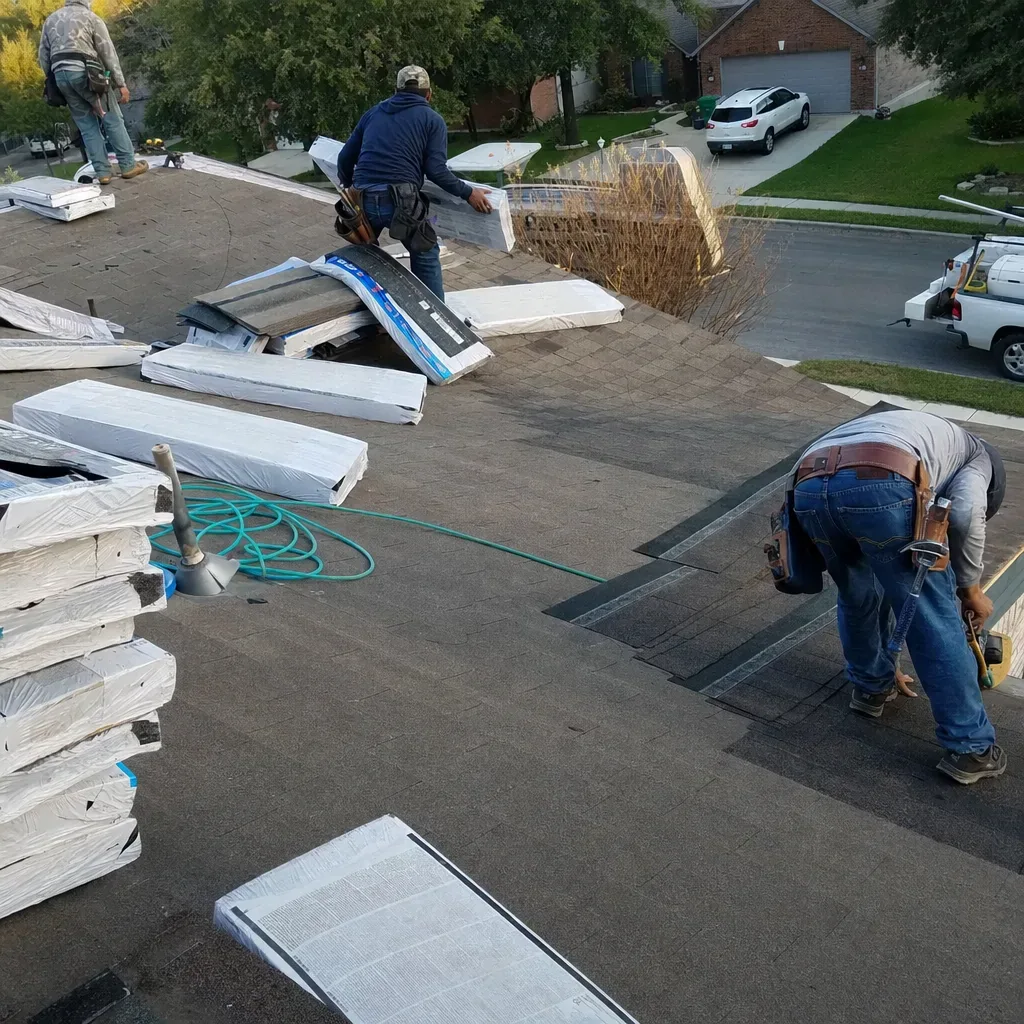
Each proposal should use the same roof sections, preparation, flashing, drainage work, access, and tenant protection. We separate confirmed repair from concealed-condition allowance and state the approval needed if removal finds additional damage. A replacement scope can be compared with repair or recover over the same areas. A capital schedule then places projects against the chain's budget year and lease cycle. The owner can review repair boundary, work window, and material choice without confusing a per-store estimate with a full portfolio commitment.
How do Sandy Springs districts affect store access?
Roswell Road is the city's principal north-south arterial and carries commercial property through the North End. City Springs includes retail and dining within a walkable street plan, and Powers Ferry has retail, office, and hospitality uses near I-285. A North End service area can frame route coordination; the store manager confirms site-specific loading and staging. A hospitality portfolio review may share access concerns, while retail and restaurant chains have their own delivery and service windows. We record each location separately and avoid inferring roof assembly from the district.
What should the chain retain?
The chain should retain a location list, roof maps, photos, repairs, vendor work, access rules, and next actions. The field record shows which sites have been inspected and which still need testing. We can provide a prioritized sequence that identifies immediate water control, near-term repairs, and capital candidates. Share store schedules, roof plans, leak tickets, equipment work, and portfolio budget timing. The result gives facilities, operations, and finance teams one view of roof exposure while keeping each building's conditions specific.
For multiple sites, the same weather window may affect several stores differently. We record which locations reported water, which were inspected, and what was observed at each building. A region-wide alert can set inspection priority, but the roof report establishes the condition. If access is delayed at one store, its status remains open until the field team can confirm the details. That lets operations share a timely update without labeling an uninspected property as damaged or clear.
Every site status includes an owner and next action.
Questions About Retail and Restaurant Chains
Can one repair standard be used at every store?
Only where the roof system and detail are verified as compatible. We compare assemblies and conditions first, then define where a repeated repair method applies.
How are stores prioritized after hail or wind?
Use the event notice to schedule inspections, then rank stores by reported water, visible impact, access, and tested findings. Keep uninspected properties open for follow-up.
Can roof projects be phased around business hours?
Yes. We coordinate work zones, lift access, deliveries, and daily dry-in with store operations. The sequence depends on the roof condition and the available window.
What should a chain include in bid packages?
Use common roof maps, measured areas, detail assumptions, access limits, allowances, and closeout requirements. Each site’s confirmed quantities remain separate.
How should vendor roof work be tracked?
Record the equipment location, date, contractor, flashing restoration, and follow-up check. That history helps connect later leak calls to the affected roof detail.
Set the chain roof review
Share location schedules, roof plans, leak reports, equipment work, access rules, and budget timing. We will rank the evidence and define next steps.
Call 555-555-5555 or send the building details.