Self-Storage Roofing in Sandy Springs, GA
A self-storage roof protects many separate units, but the roof decision is usually made at the property level. When water enters, the owner needs a reliable way to connect a report with the roof zone above it, then decide whether to repair one detail or review a larger section. We inspect the water path, document conditions, and account for tenant access during the work. Sandy Springs' warm humid summers and recurring rain make drain maintenance and secure closure important across the seasonal service cycle.
Map tenant reports to the roof zone
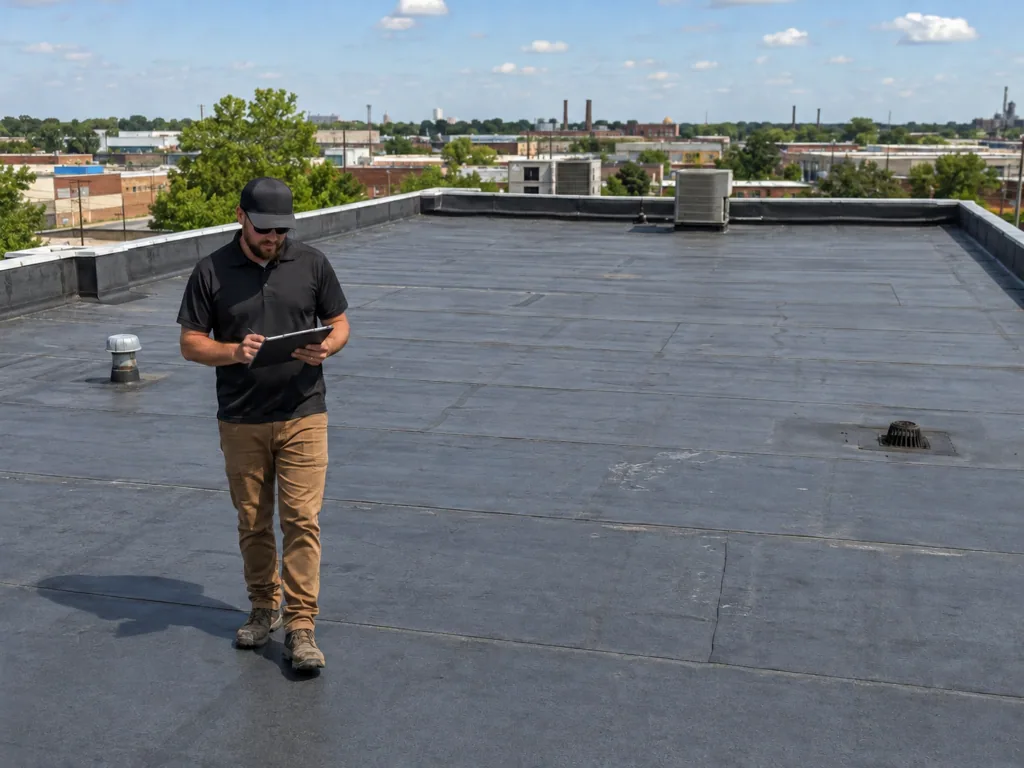
We review site plans, prior service records, reported unit areas, and the facility's access and notification process. On the roof, we examine seams, edges, vents, curbs, drains, scuppers, and visible repairs. A unit identifier can help the manager locate a report, while the roof record should use a corresponding zone or bay reference. A roof inspection can establish which condition was observed and which roof areas remain inaccessible or untested.
Central Perimeter is a major daytime employment district with four MARTA stations, while the Roswell Road corridor carries activity through Sandy Springs. We confirm gate hours, truck movement, customer parking, manager coverage, and lift locations with the site contact. The work sequence should keep tenant access available where possible and show any temporary closure in advance.
Water staining in a unit may track from an adjacent seam, penetration, or roof low point. We compare the report location with the exterior path and define a test if concealed insulation or deck conditions could change the scope. A scan or moisture reading may help select a sample area, but the test result only applies to the area examined. We label that boundary so a localized finding is not treated as proof about every unit below the roof.
Keep drainage and perimeter details serviceable
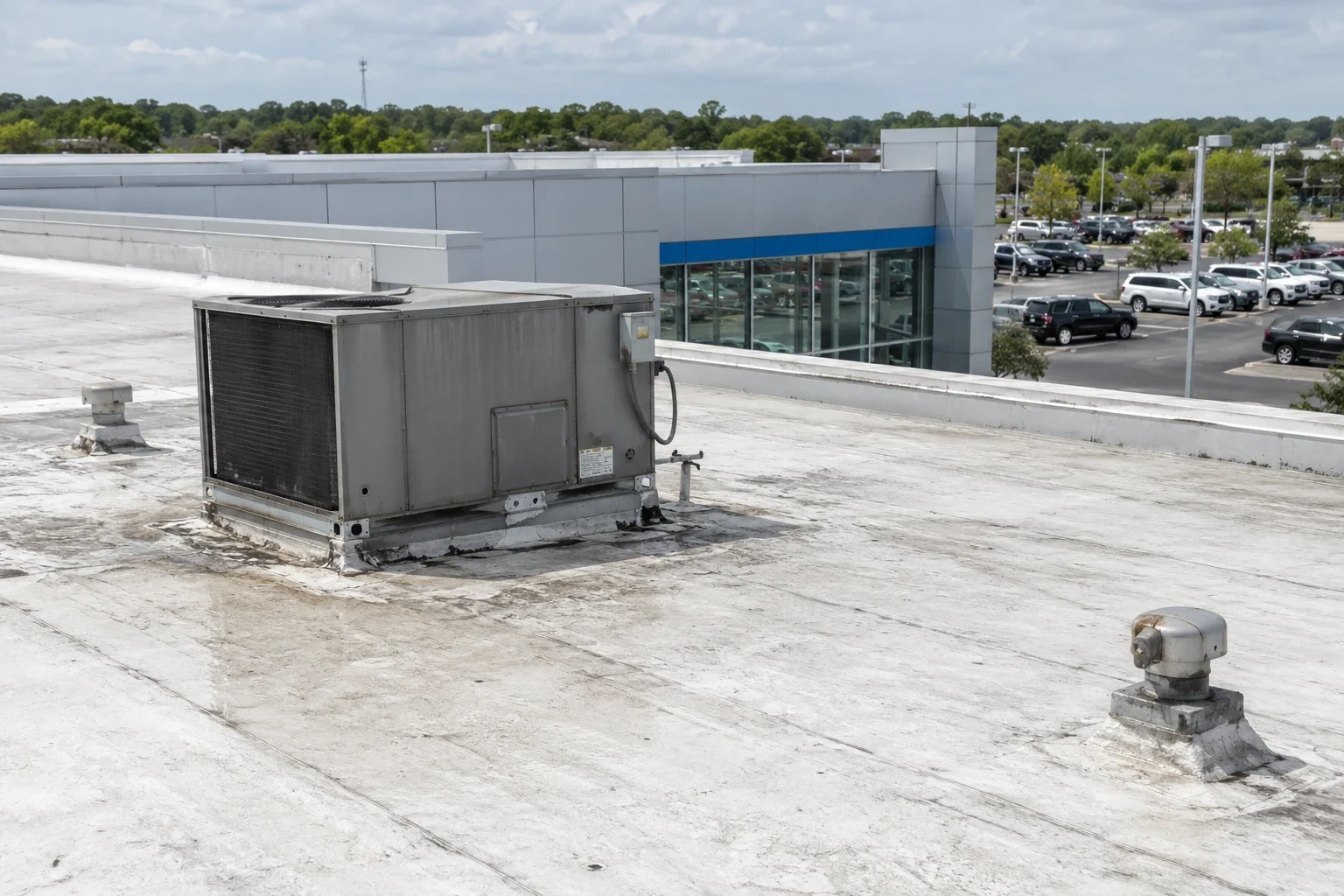
Many storage roofs have long membrane runs, repeated unit bays, and a smaller number of transitions at walls and equipment. We inspect the seam pattern, edge securement, penetrations, drains, and previous patches. Where a roof area meets a taller office or access structure, the transition may require separate attention. We identify the visible detail and any trade handoff before repair begins.
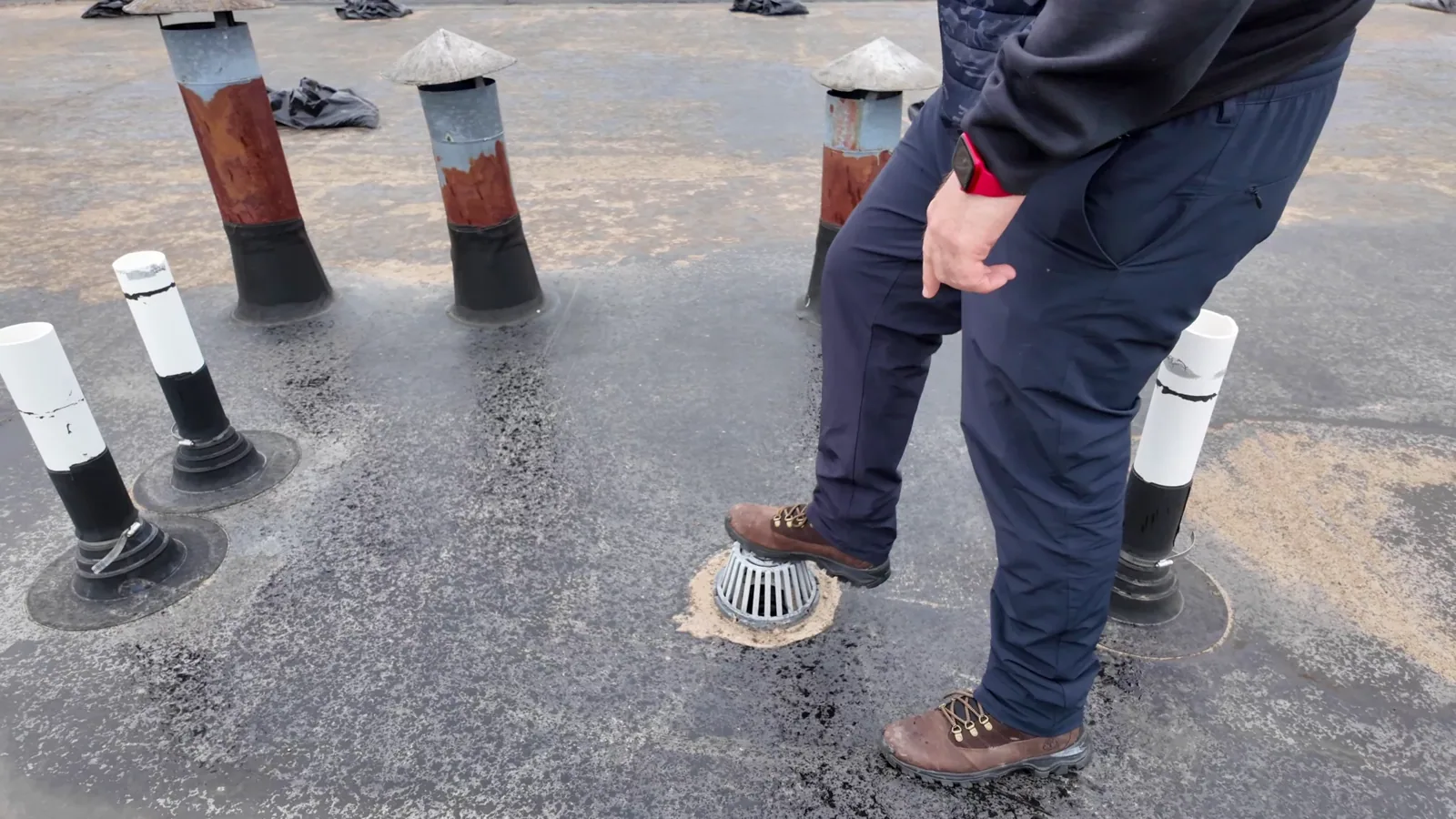
Recurring rain can expose low spots or blocked outlets, while hot humid conditions influence surface preparation and application windows. We check drain bowls, scuppers, overflows, discharge routes, and debris accumulation. A drainage review can separate cleaning from component repair or slope investigation. If insulation condition is uncertain, assembly testing can help bound removal before the owner commits to a larger scope. A roof coating or replacement will not correct a blocked drain by itself.
Roof access should be controlled around tenants and facility staff. We confirm the approved entry, ladder or hatch, fall-protection requirements, and storage of materials. If a repair requires working over a unit row, the facility can determine whether a short access restriction is necessary. Those details affect duration and should appear in the scope before the crew mobilizes.
Plan work without losing tenant control
Before the workday, the manager confirms gate operation, customer notice, vehicle circulation, roof access, lift placement, and who can authorize a change. We identify whether equipment or materials need to cross tenant areas and protect the route. At each shift boundary, the crew closes the roof, checks drainage, removes loose materials, and reports any temporary measure that remains. A written update should tell the manager which roof zone is complete and what access restriction can be lifted.
Georgia 400 and Interstate 285 serve Sandy Springs businesses. A property near the Roswell Road corridor may have different arrival and turning conditions from a site in the Central Perimeter. The road network informs travel but not the property's internal circulation. We confirm truck staging and loading with the facility contact and avoid assumptions about tenant parking or access rights.
A phased work plan can define sections, tenant notice periods, daily closure, and the sequence for moving equipment. For a leak, the first step may be temporary protection while testing confirms the repair boundary. If a larger area is involved, the owner can compare whether work should continue by row, building, or budget period. We document the basis for any change so the facility can update tenants accurately.
Compare repair with portfolio renewal
A targeted repair may fit when the defect is local and surrounding materials can accept the connection. Recurring leaks in separate zones, broad moisture, or deteriorated attachment may call for a comparison with renewal. We review repair frequency, test results, access, roof age where documented, and the owner's budget window. The proposal identifies included roof sections and which concealed conditions could change quantities.
A repair scope can address a confirmed defect. A replacement study can compare removal, insulation, edge details, and tenant staging. If the existing assembly is being considered for an overlay, a recover review must first check moisture and attachment. Storage owners comparing similar facilities may also review warehouse roof planning or flex-industrial buildings, while keeping each property's drainage and unit layout separate.
For multiple sites, sort the capital list by documented condition and expected service impact. A planned replacement can be phased by building or roof section, but mobilization and tenant communication influence total timing. Compare a repair that buys a defined interval with renewal that addresses broader conditions. The record should show where additional testing is still needed before funds are committed.
Make the next leak easier to locate
Closeout should include roof-zone names, photographs, materials, repaired penetrations, drainage work, test openings, and any unresolved condition. The property manager can map those zones to the unit grid privately, without putting tenant names or personal contents into the roofing record. If a future report references the same row, the facilities team can locate the last repair and understand what was confirmed.
When a new security camera, vent, or electrical conduit is installed, include flashing and roof-map updates in that work order. A condition report can help compare repeat calls and maintenance intervals. Owners with industrial inventory may compare the roof considerations for distribution centers, while using the self-storage unit layout and access controls for this property's own plan.
Share site plans, leak locations, tenant-notice rules, prior service history, and the budget year. We will return a prioritized review with a clear roof boundary for each repair or investigation.
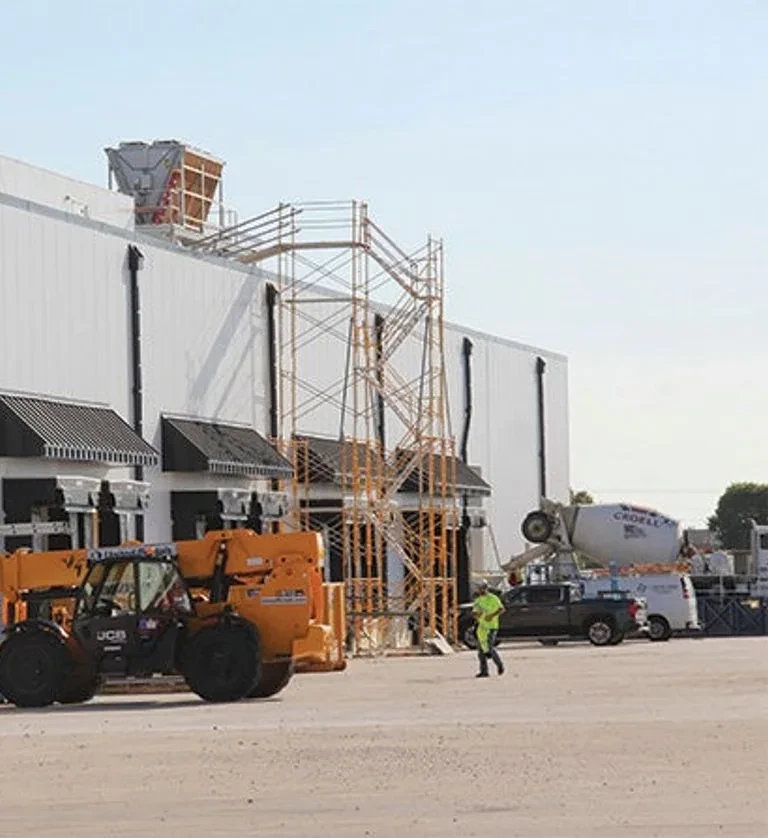
Questions About Self-Storage Roofing
How do you connect a tenant leak report to the roof?
We compare the reported unit area with the roof plan, drainage path, seams, and nearby penetrations. The roof record uses a zone reference and identifies whether testing is needed to confirm hidden layers.
Can roofing work proceed while tenants use the facility?
The manager sets access and notice requirements. We sequence work by roof section, protect circulation, and close the work area at the end of each shift when conditions allow.
When does a self-storage roof need a broader project?
Repeated leaks across zones, widespread moisture, or deteriorated attachment may support a renewal comparison. We review mapped conditions and repair history before recommending a larger scope.
What drainage details should the owner track?
Record drain condition, scuppers, overflows, low areas, and discharge paths. If cleaning does not restore flow, a component or slope issue may need a separate repair scope.
How can owners compare several storage properties?
Use the same condition categories and maintenance interval while keeping each roof map, system, access plan, and test result property-specific. That makes capital priorities comparable without treating buildings as identical.

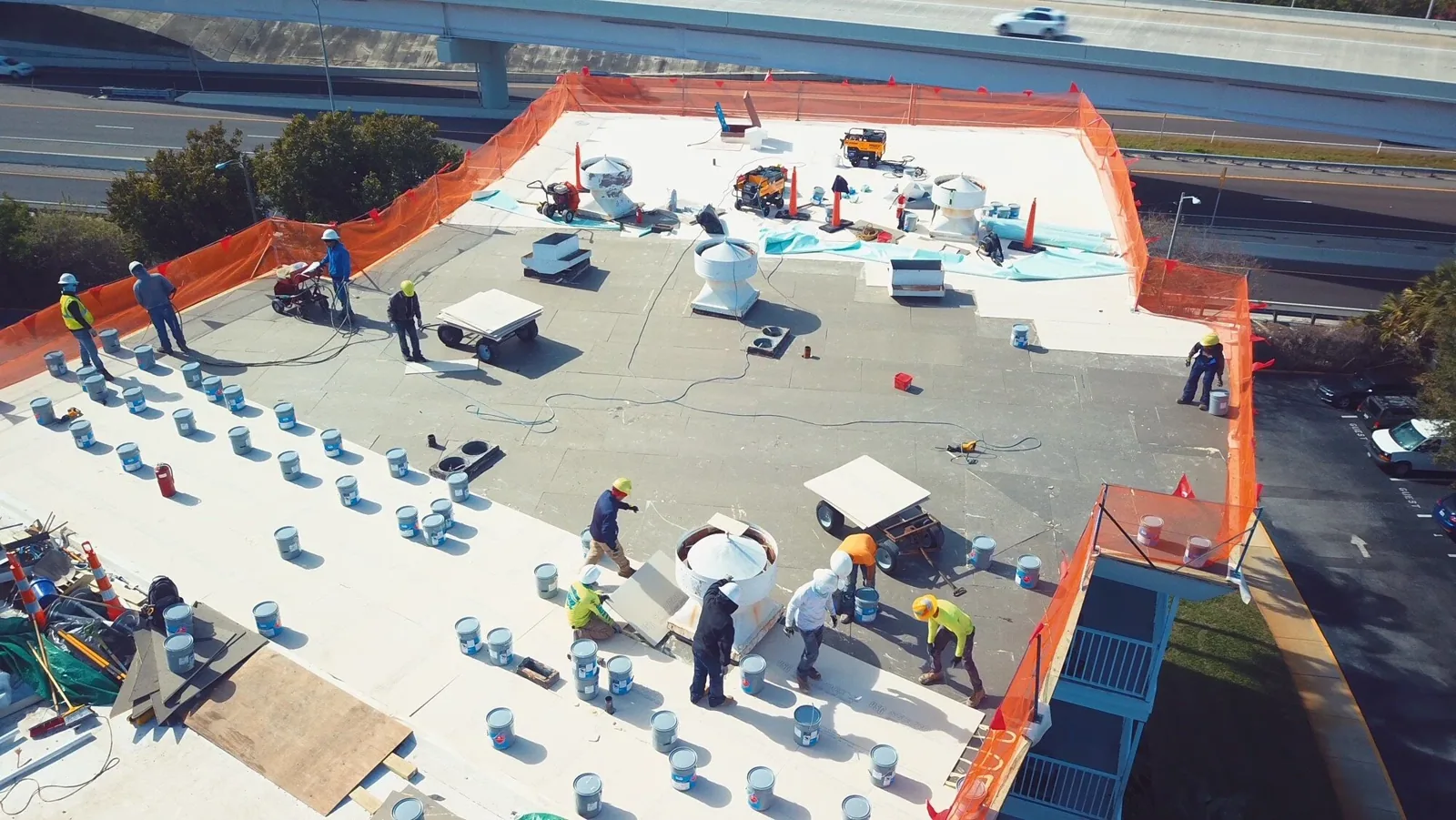
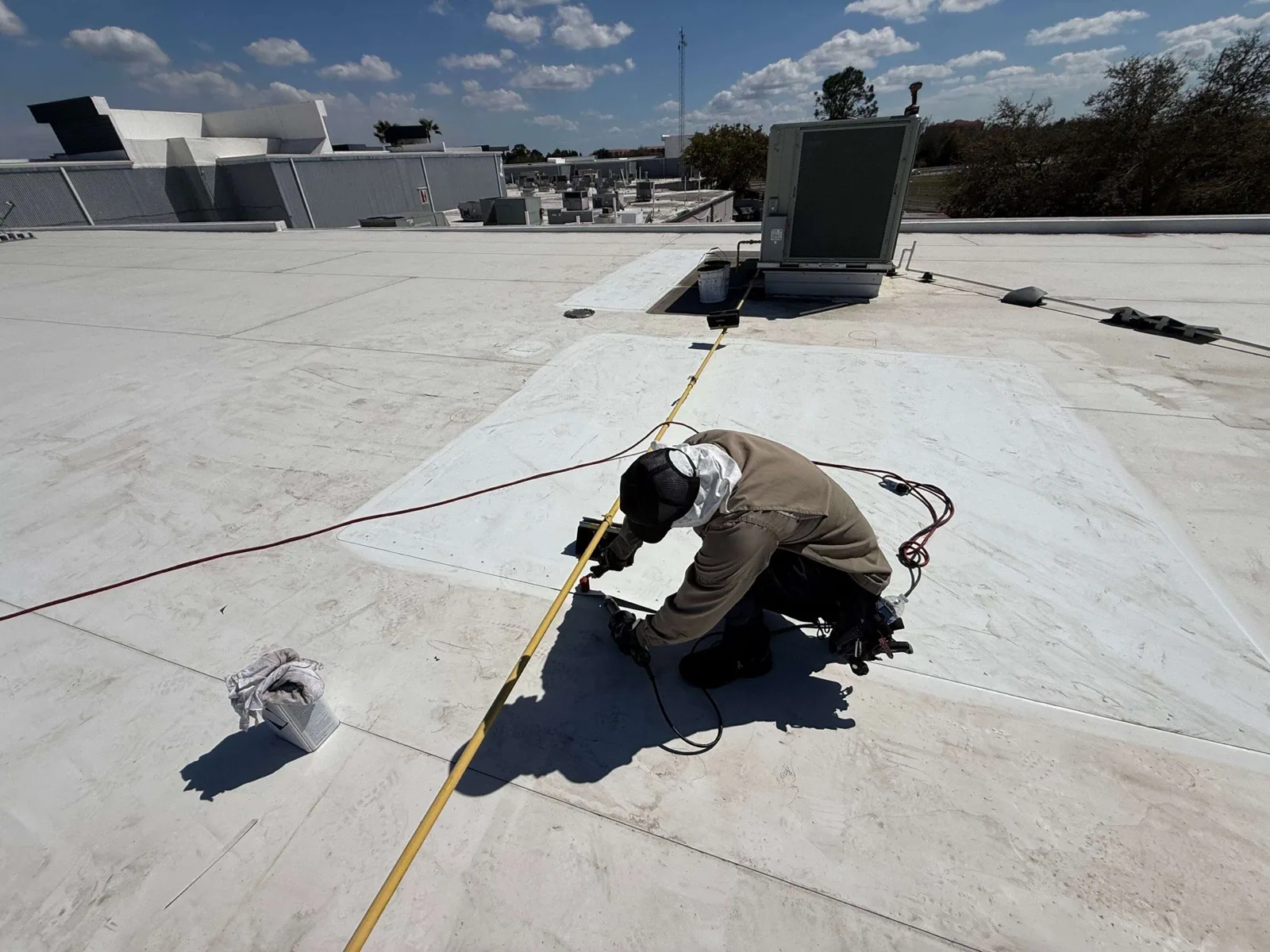
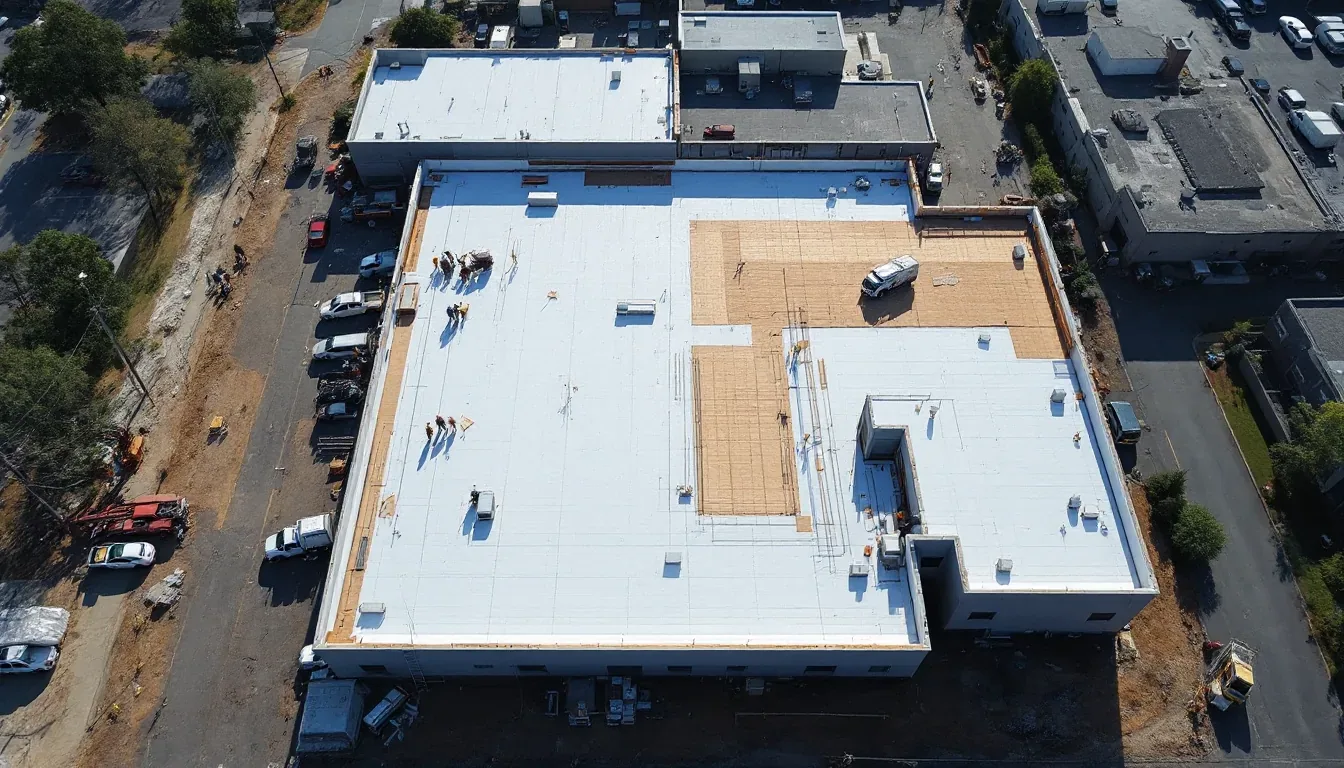
Map storage roof conditions to the site plan
Share the site plan, unit reports, access rules, service history, and budget window. We will identify roof zones and prioritize repair or renewal decisions.
Call 555-555-5555 or send the building details.