Commercial Roofing in Crossroads Small Area, Sandy Springs, GA
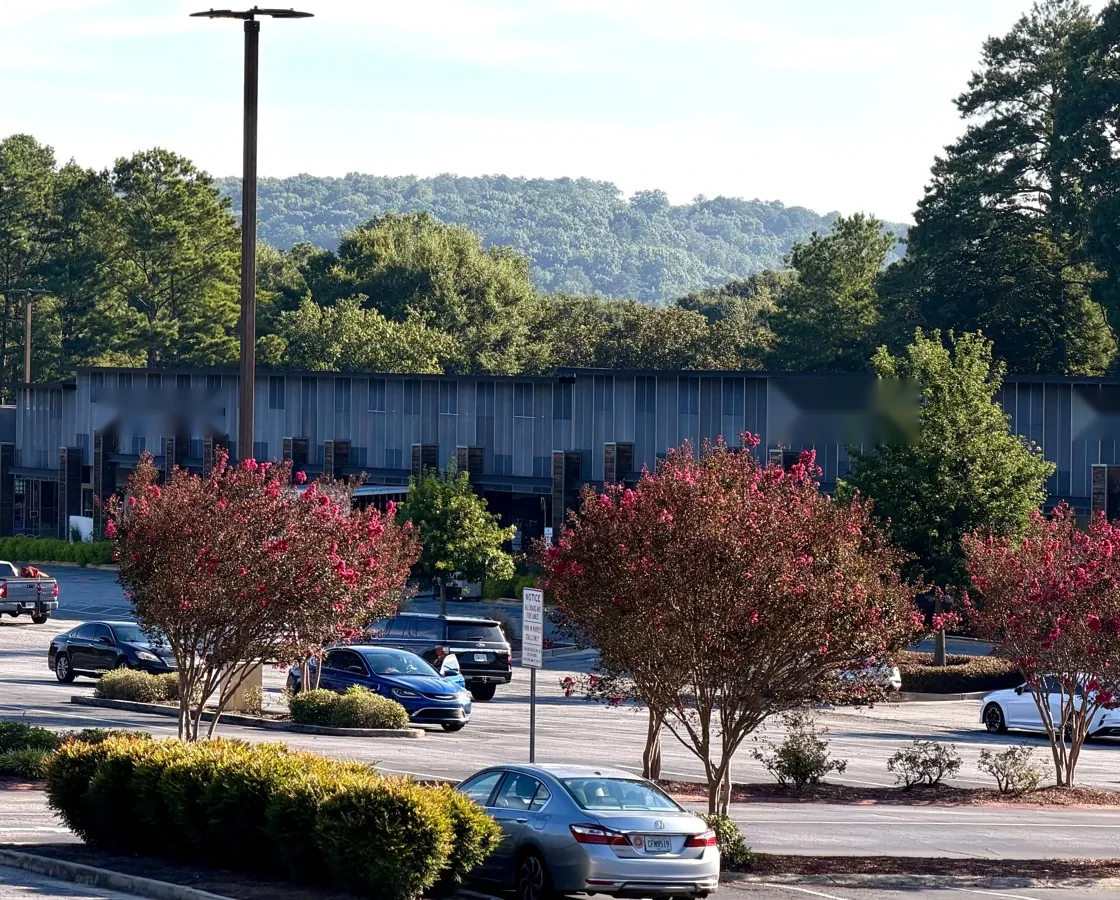
Roof decisions in the Crossroads Small Area start with the individual property and the larger plan area in view. The district covers properties east and west of Roswell Road between I-285 and the southern end of The Prado, with a planned mixed-use core and connections for streets, sidewalks, trails, bike routes, and transit. We inspect the roof assembly, map active conditions, and record access before setting repair or renewal timing. Owners can use the area's long-term land-use and transportation planning when coordinating future property work; roof scope still starts with an inspection of the building.
Area context and property access
The Crossroads planning area addresses land use, housing, transportation, parks, and open space over a 10 to 15 year horizon. Owners evaluating capital or property changes can keep roof records current alongside that 10-to-15-year area vision. We verify the building footprint, roof entry, loading path, and planned work boundaries with the owner before preparing an estimate.
Roswell Road runs through the plan area, and the wider corridor connects Sandy Springs with Roswell and I-285. A property with access from a local street may have a different staging route from one on the main arterial. We confirm where materials can be delivered, whether a lift or hoist is needed, and how pedestrian access remains open. A Roswell Road corridor roof assessment covers nearby commercial properties with related access questions, while the Northridge business district has its own broader North End redevelopment context.
The Crossroads area vision places a mixed-use core near The Prado, with nearby streets, sidewalks, trails, bike routes, and transit links forming part of the local access network. Each property owner still provides building plans, roof maps, access contacts, and operating hours. Those records keep a district-wide development discussion separate from the actual project scope.
Roof survey and condition record
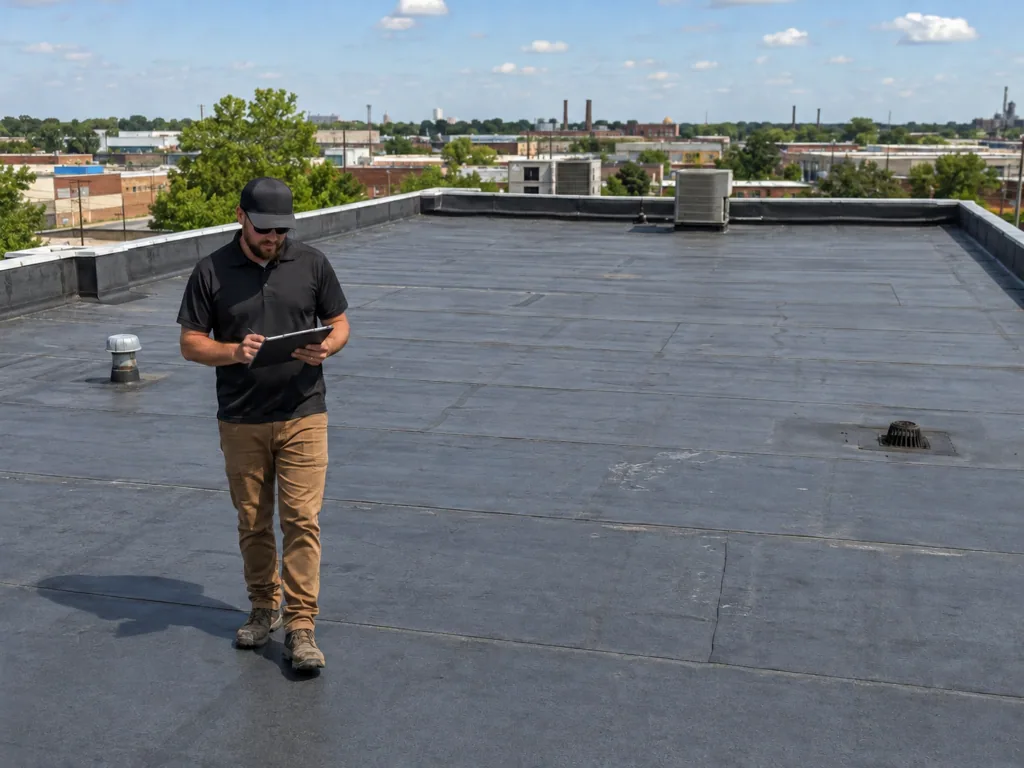
On a first walk, we identify the membrane or metal assembly, note visible repairs, and trace water paths from high points to drains, scuppers, or gutters. We inspect seams, flashings, curbs, penetrations, edge metal, and roof-to-wall transitions. Interior leak reports are plotted against the roof plan rather than assumed to mark the entry point. A commercial roof inspection produces a photo record by roof section and identifies areas that need testing or follow-up.
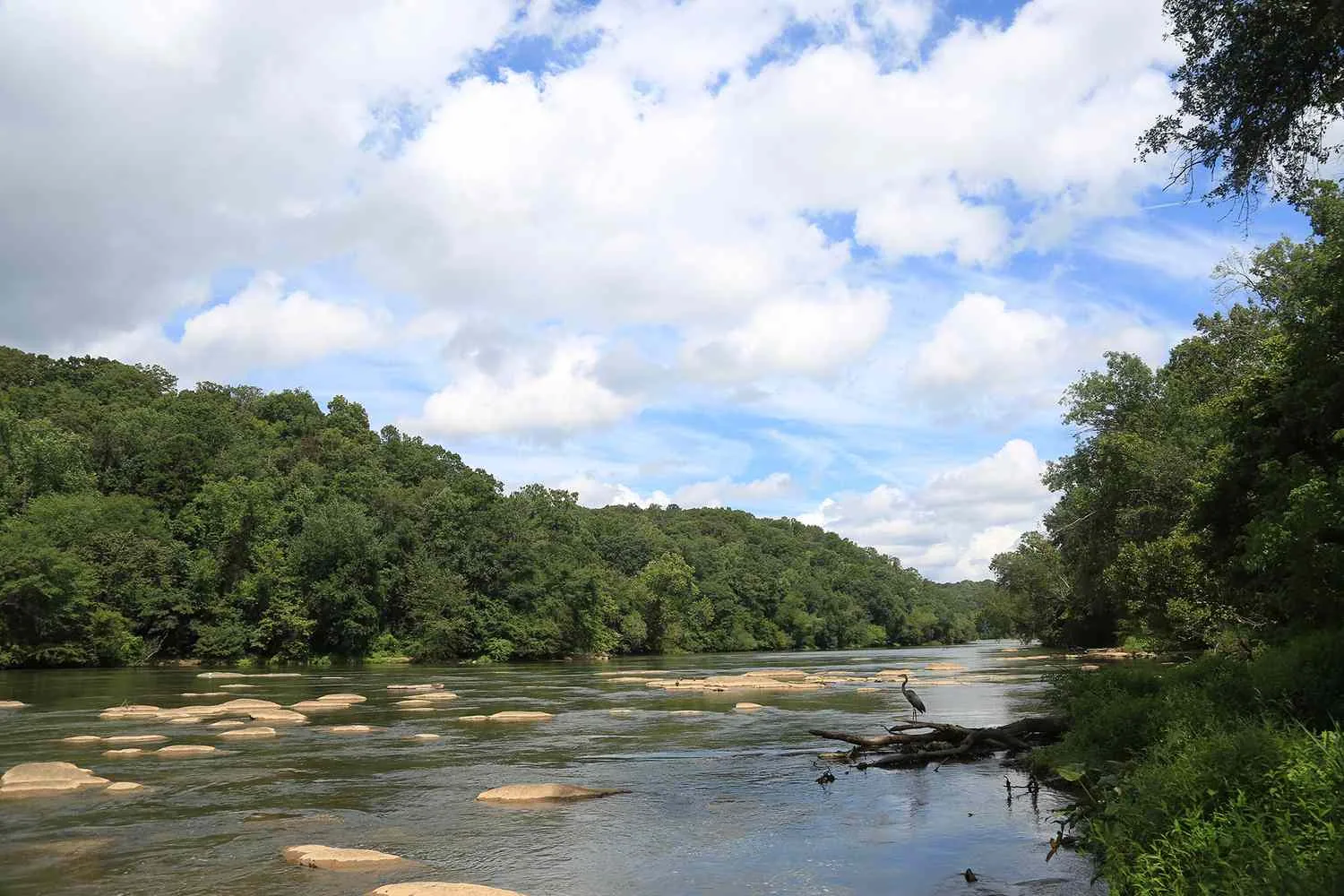
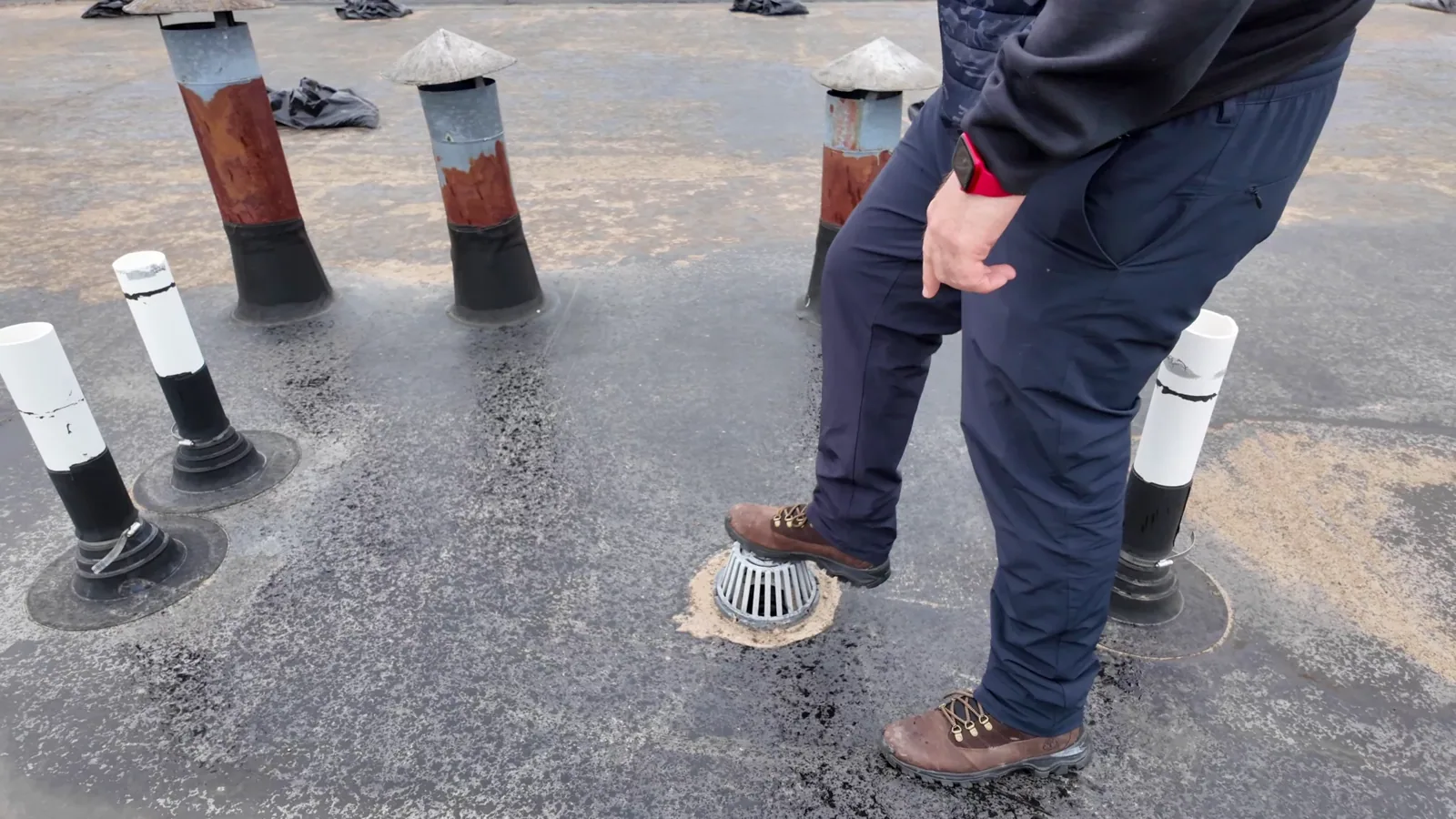
Frequent rain across Sandy Springs makes outlet capacity and overflow performance useful items in the maintenance record. We log restrictions, water remaining after rainfall, and the nearby assembly details. A drain and scupper review can distinguish routine cleaning from a low-area or slope question. Repeated water entry may warrant moisture mapping before the repair boundary is finalized.
Moisture readings help select the next test. We record the method, date, and location, then recommend an opening only when its result could change repair, recover, or replacement quantities. If the test finds wet insulation or a compromised deck, the owner can revise quantities before a permanent system covers the condition. A condition record should say which areas were reached and where access prevented a conclusion.
Repair response and storm exposure
A local seam opening, puncture, loose flashing, or damaged drain detail may suit repair when surrounding material remains sound. We define preparation, repair materials, and the exact roof zone, then list conditions left outside the scope. When defects recur in several areas or moisture reaches beyond a visible leak, widen the investigation before repeating patches. A commercial roof repair assessment can establish that boundary and show which evidence supports the action.
Storm review follows observed damage. Photograph displaced edge metal, open seams, punctures, and impact marks, then distinguish those findings from wear or older repairs. Recurring hail and tornado risk across North and Central Georgia makes dated roof records useful after a storm. Compare the reported event date with photographs, leak reports, and current observations at the Crossroads property. A wind damage inspection can connect a reported event to the conditions found on the roof and identify inaccessible sections.
If active water threatens interior space, temporary protection can reduce immediate exposure while a permanent detail is planned. Track the temporary material and follow-up date in the work record. The owner should know which area is stabilized, what remains exposed, and when the next inspection is due. This keeps emergency work from becoming an undocumented substitute for a lasting correction.
System options and future work
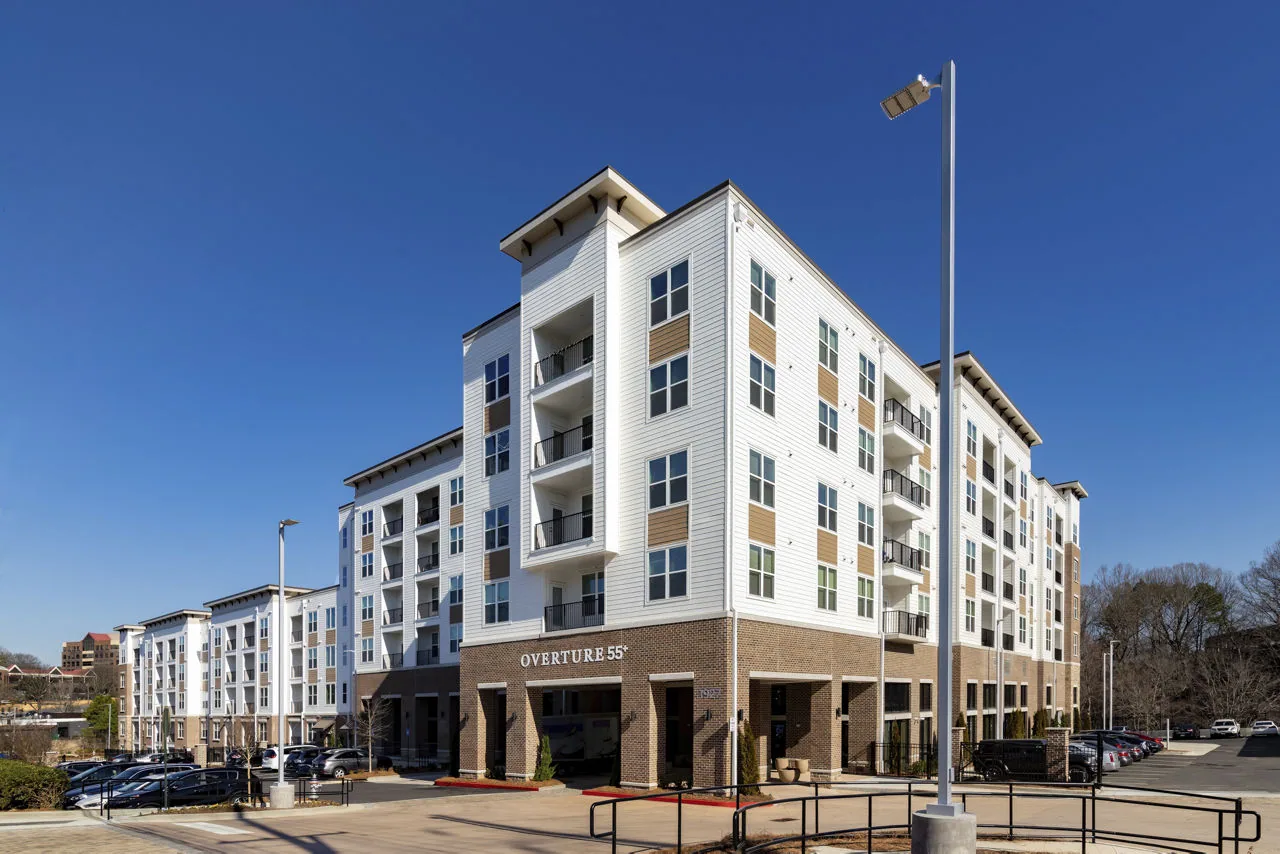
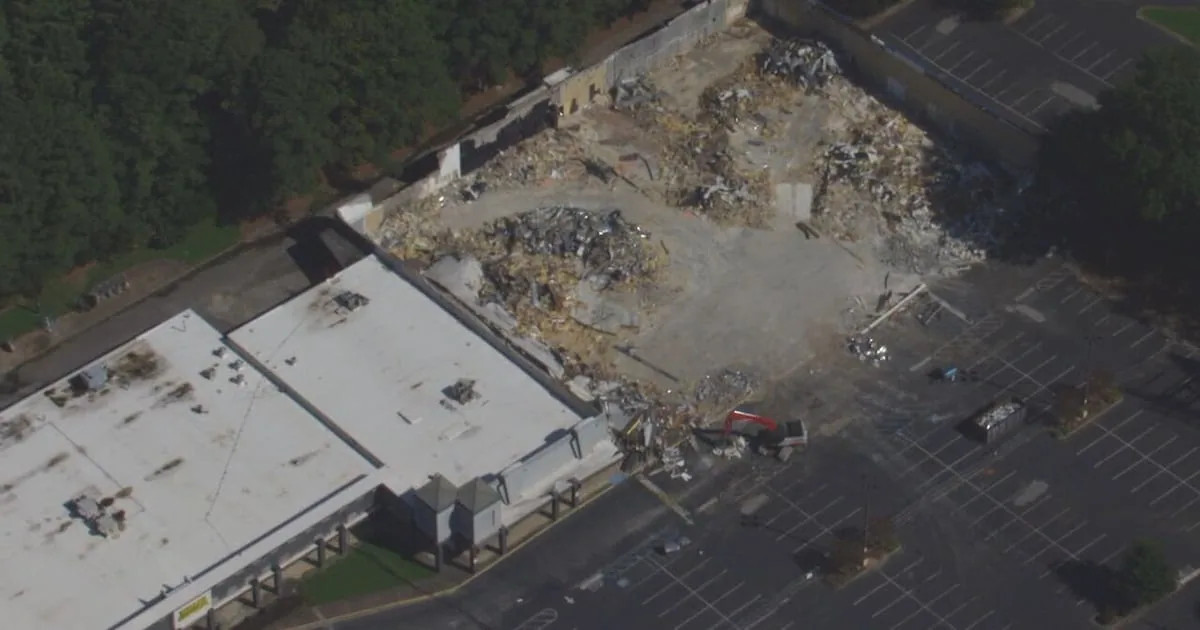
The plan area's changing land-use context does not decide whether a roof can be recovered. That question follows attachment, moisture, existing layers, roof height, drainage, deck condition, and applicable code requirements. A recover adds a layer when those conditions support it. Tear-off exposes the concealed assembly but adds removal, disposal, and disruption. The comparison should use the same measured roof area and list each assumption that could affect quantities.
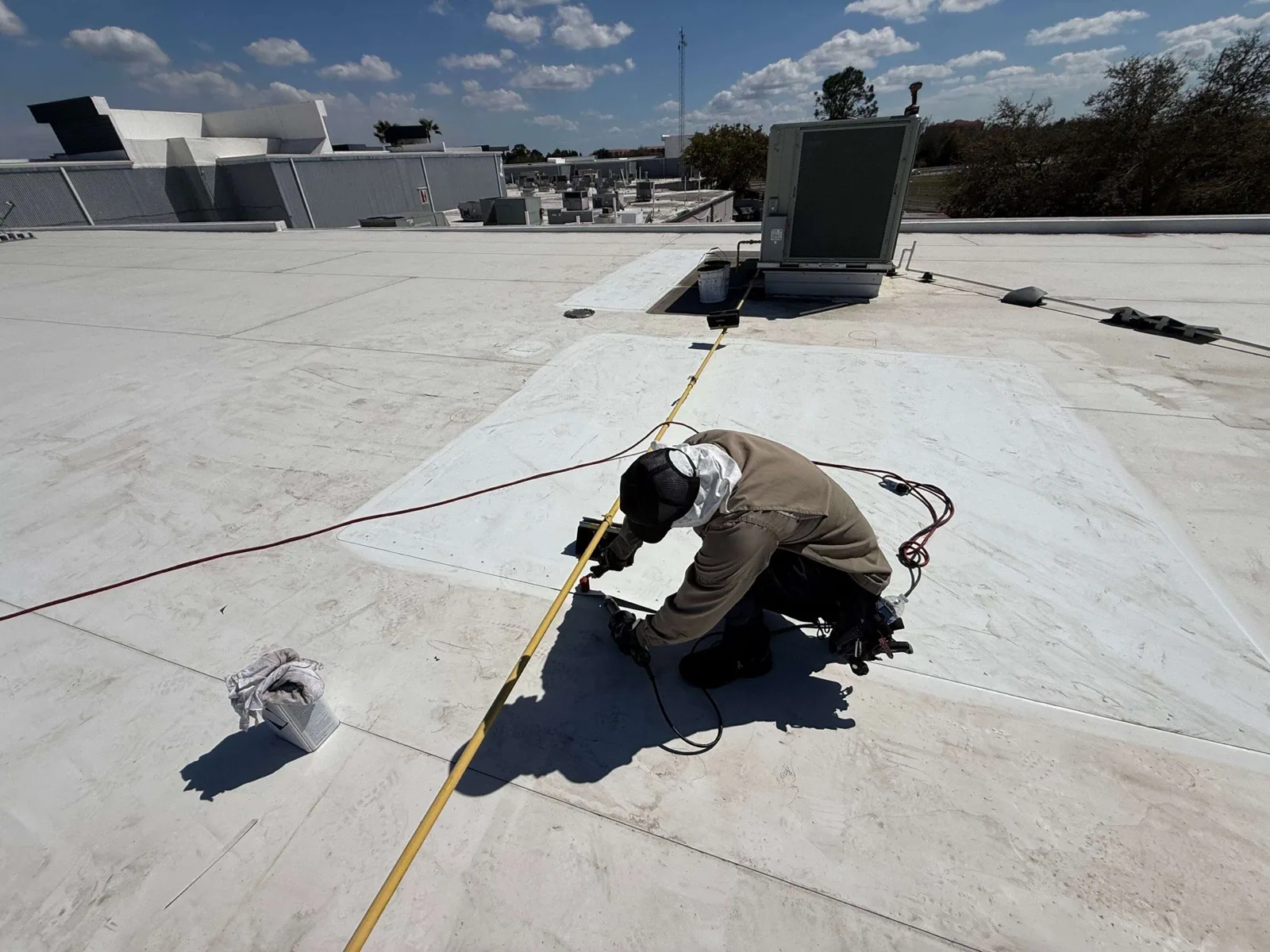
For a thermoplastic membrane, we inspect heat-welded seams and compatible flashing. Metal roof details require different attention to fasteners, laps, and movement. A TPO system evaluation can document the field and transition conditions when that is the assembly present. We identify the existing system from roof records and field observations before selecting compatible seam and flashing materials; the planned mixed-use work near The Prado informs access planning.
Georgia’s 2024 International Building Code with 2026 state amendments took effect January 1, 2026. Insulation, fire classification, perimeter securement, drainage height, and access conditions can affect renewal details, so the project team should resolve design and permit requirements before approving the final scope.
Capital window and maintenance interval
Repair cost and timing reflect access, staging, assembly layers, moisture, edge height, equipment, disposal, and hours available for work. If the owner is coordinating roof work with other planning in Crossroads, separate the confirmed roof need from a future property concept. A capital request can show the immediate repair, test allowance, and longer-range renewal as distinct decisions. A roof capital review can rank sections by documented condition and deferred exposure.
Closeout records should include roof-zone labels, photos, material used, moisture results, drain observations, and any change approved during the work. A condition report gives the next review a baseline. If surrounding work alters access or adds rooftop equipment, update the plan instead of assuming the old maintenance interval still applies.
Share the roof plan, recent leak reports, prior repairs, property access rules, and budget year. We will inspect the assembly, identify open questions, and return a repair or renewal sequence by section. The decision should connect the observed roof condition to the owner’s timing, not to the broad planning horizon alone.
Questions About Crossroads Small Area
Does the Crossroads Small Area plan identify roof conditions?
No. It describes a broader planning area and future land-use, transportation, and open-space considerations. We inspect each property’s assembly, drainage, access, and repair history before recommending roofing work.
How do you set a repair boundary near Roswell Road?
We inspect the affected seam or flashing, surrounding membrane, water path, and moisture evidence. The scope names the roof zone and any nearby condition that needs separate testing or future work.
What does repeated ponding mean for a Crossroads property?
It can reflect a blocked outlet, a low roof area, or another drainage condition. We record where water remains and inspect nearby seams and drains before deciding whether maintenance or further evaluation is needed.
Can roofing be coordinated with future Crossroads improvements?
Roof maintenance and capital work can be scheduled alongside owner-approved property projects, but the roof scope is based on present conditions. We confirm access, staging, and timing with the property contact before mobilizing.
What should an owner keep after a roof inspection in the plan area?
Save the marked roof map, photographs, system identification, drainage notes, test locations, prior repairs, and open decisions. Those details help compare future work even if property plans change.

Review a Crossroads roof section
Share roof plans, leak locations, access details, repair history, and budget timing. We will return prioritized findings and next actions by roof area.
Call 555-555-5555 or send the building details.