Commercial Roofing in Downtown Alpharetta, GA
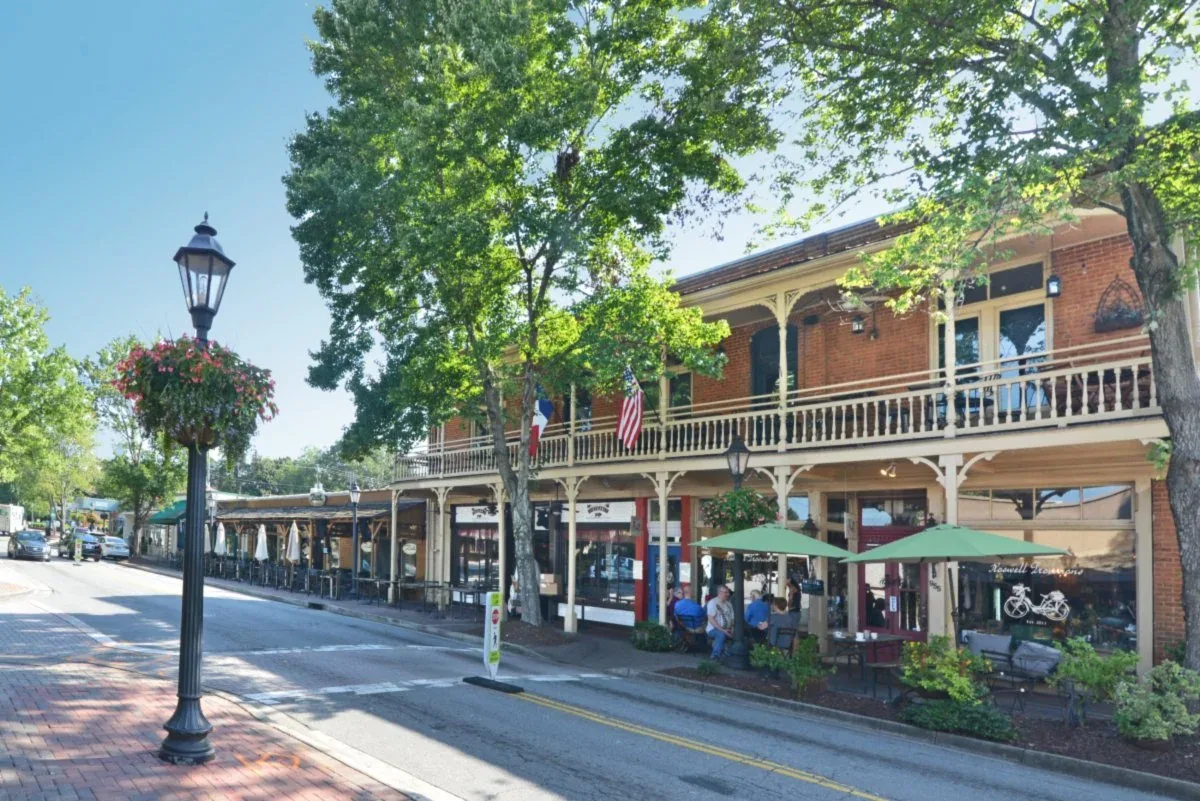
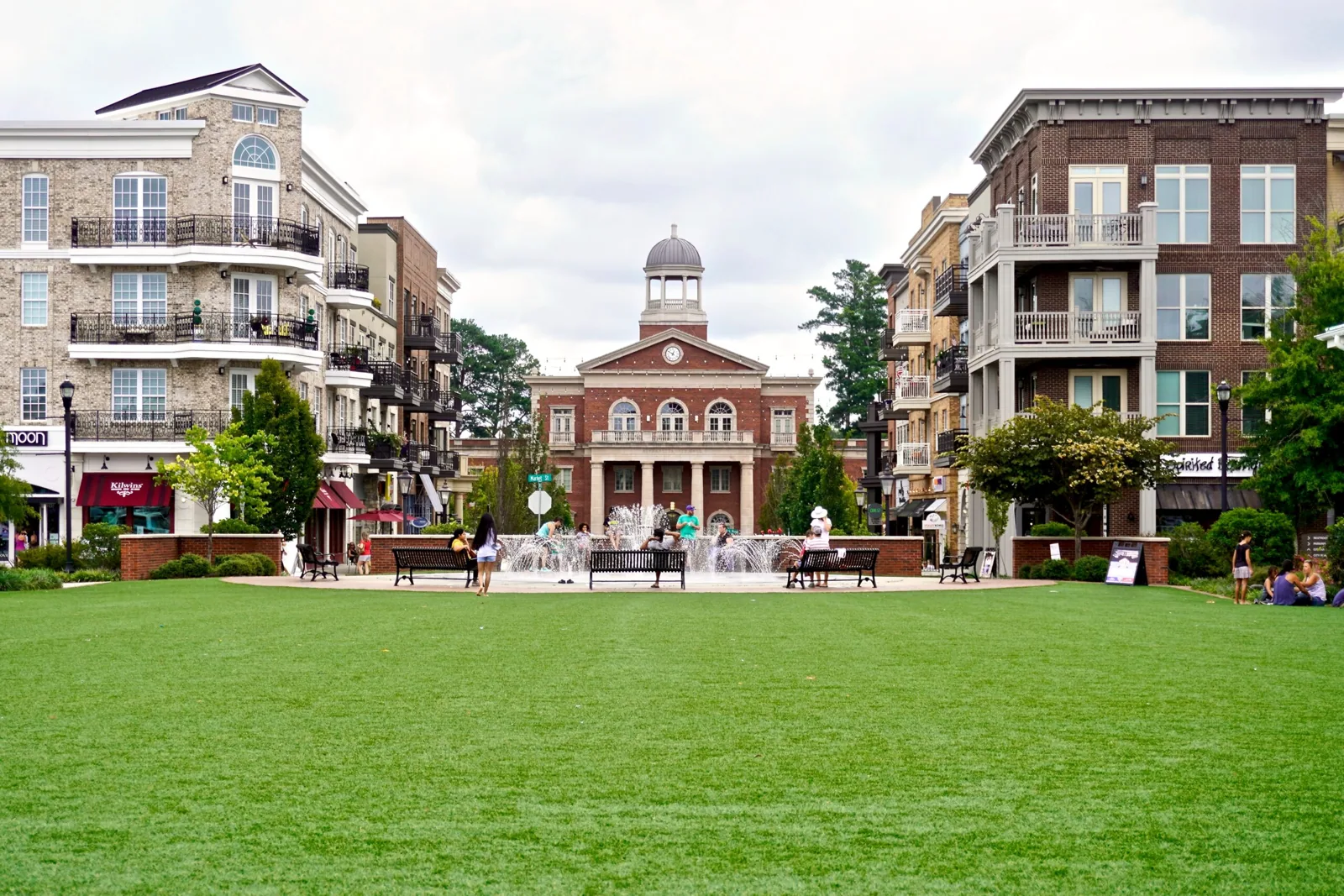
Downtown Alpharetta is a distinct commercial activity center with shops, restaurants, galleries, and recurring music, art, and street-festival activity. For a commercial roof, that context makes the building’s entrances, operating hours, and delivery plan worth confirming before work begins. We inspect the specific roof assembly and map defects by section, then set a repair or renewal recommendation from field evidence. The activity-center setting informs coordination; it does not substitute for an inspection of the individual asset.
Coordinate around downtown activity
Before mobilization, confirm where materials may be staged, which entrance or sidewalk must remain open, and whether deliveries have a designated window. A downtown setting with shops and public events calls for clear separation between the roof work zone and activity below. The property contact should approve barriers, equipment position, and any temporary route change. We define what section opens, how it is protected, and where the crew can stop if weather or a concealed condition changes the sequence.
Downtown Alpharetta is one of the city’s distinct activity centers, alongside Avalon and North Point. Shops, restaurants, galleries, music, art, and street festivals make current access and operating hours useful planning inputs. A citywide Alpharetta roof review and a North Point assessment keep those settings distinct. Confirm each downtown property’s rules with its manager before setting the work zone and delivery window.
Check whether rooftop equipment must remain in service and who can approve a shutdown. Identify hoisting or lifting requirements, noise limits, deliveries, and any interior protection. The schedule should show the work zones and daily secure condition. These decisions can affect labor and duration, particularly if equipment must be moved around an active entrance or staging space is constrained.

Separate public-space coordination from roof findings
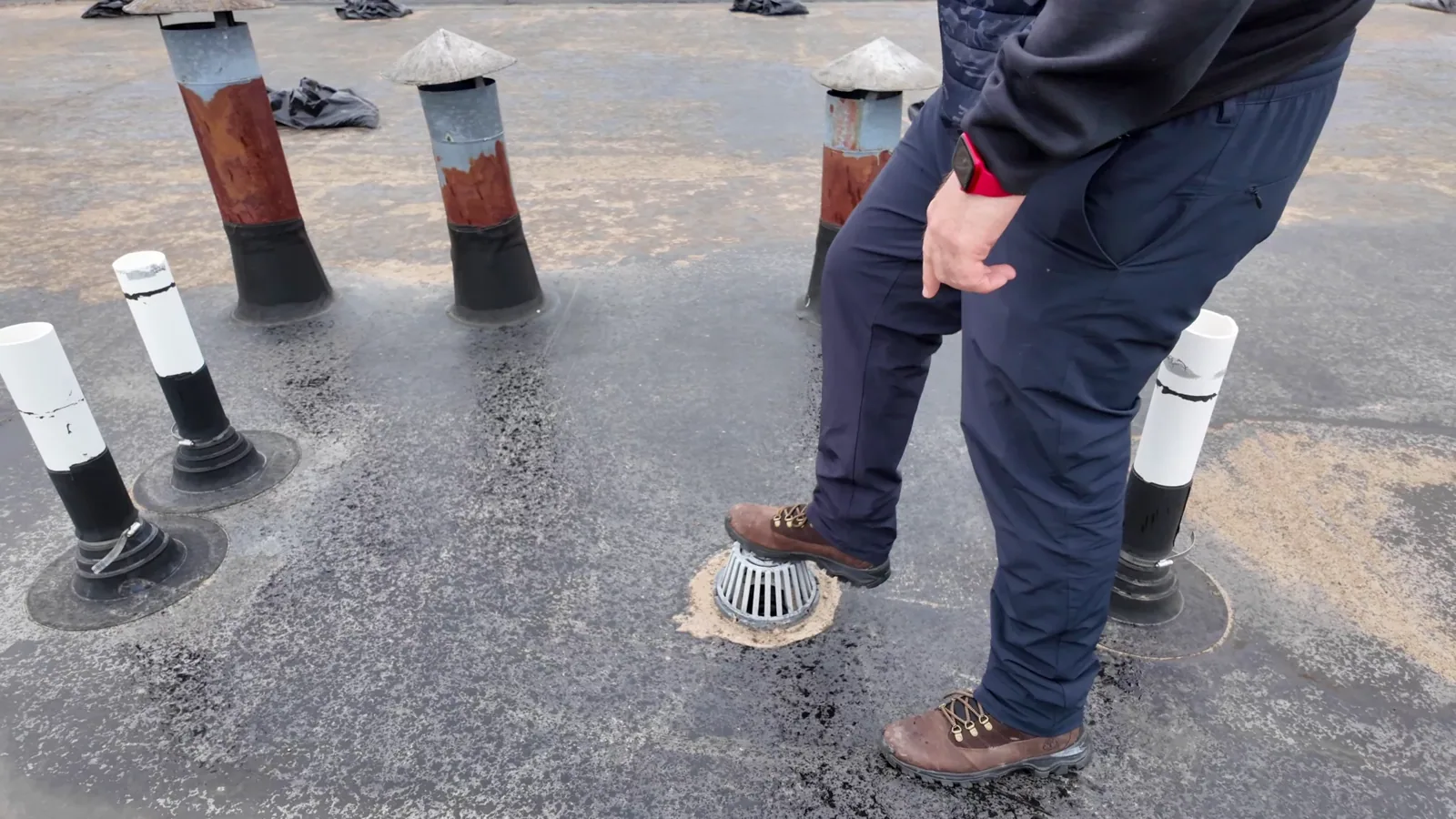
We identify the assembly and map visible details before pricing a repair. Inspect membrane seams, metal joints, flashing, curbs, penetrations, drains, scuppers, parapets, edges, and previous repairs. Match leak calls with roof zones, then trace the likely entry point above the reported interior stain. Photograph the observed condition, measure the affected area, and distinguish confirmed defects from suspected moisture or inaccessible sections. That record tells the owner what can be corrected now and what needs testing.
At Atlanta’s airport station, the typical July high is just above 90 degrees; August averages 89, and overnight lows sit near 72. Hot, humid periods affect safe work hours and material handling. We select an opening boundary that can be protected before the shift closes and adjust to actual weather and substrate conditions.
Rain is another scheduling input. Atlanta airport records show normal rainfall above 4.5 inches in each of January, February, and March. Inspect drains, strainers, overflow paths, low areas, and the details near public-facing edges where water may travel to an occupied interior. A drainage review records whether an outlet was clear and what condition warrants follow-up. An infrared survey can help assess moisture when surface signs alone do not explain a leak report.
Set repair limits before opening the assembly
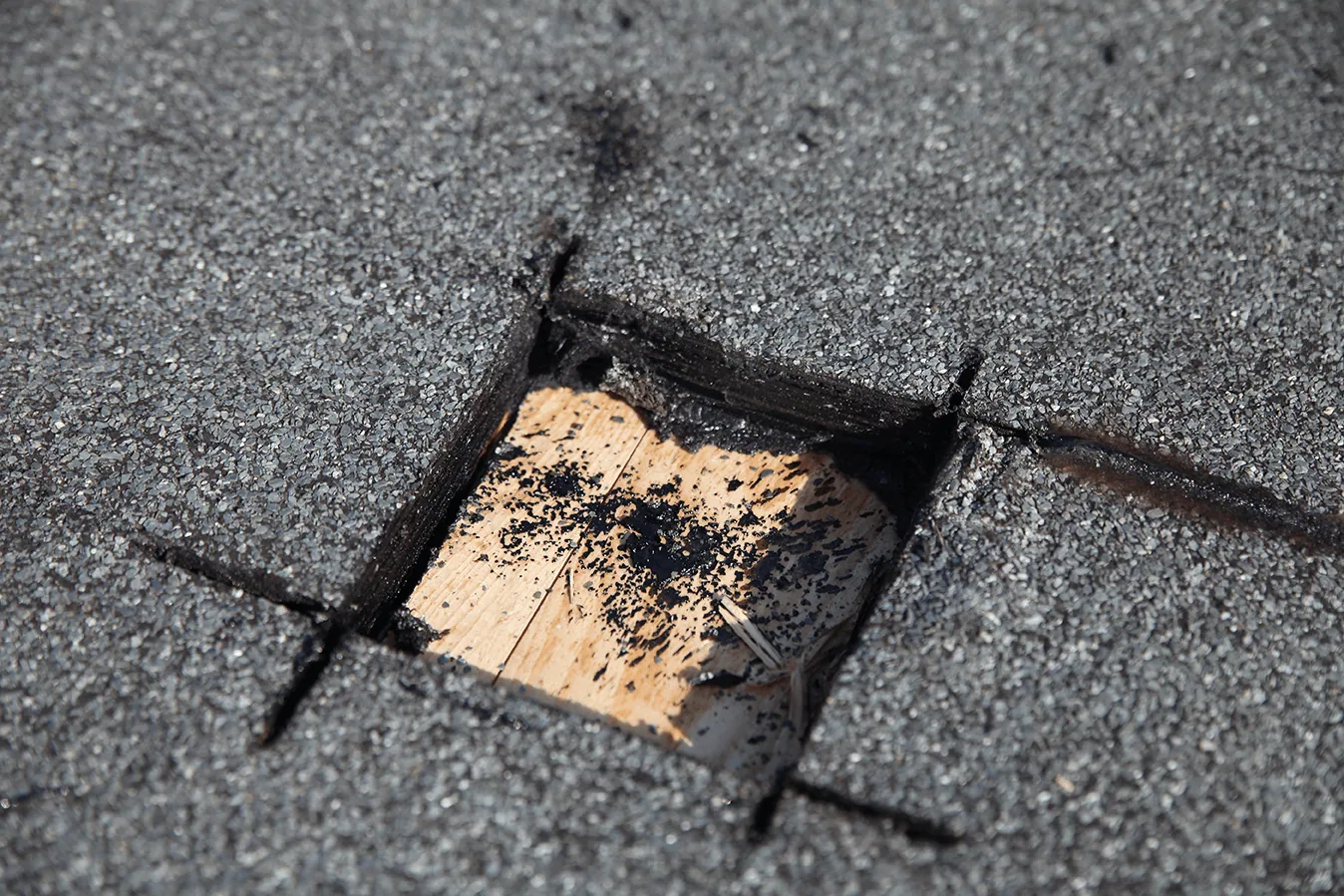
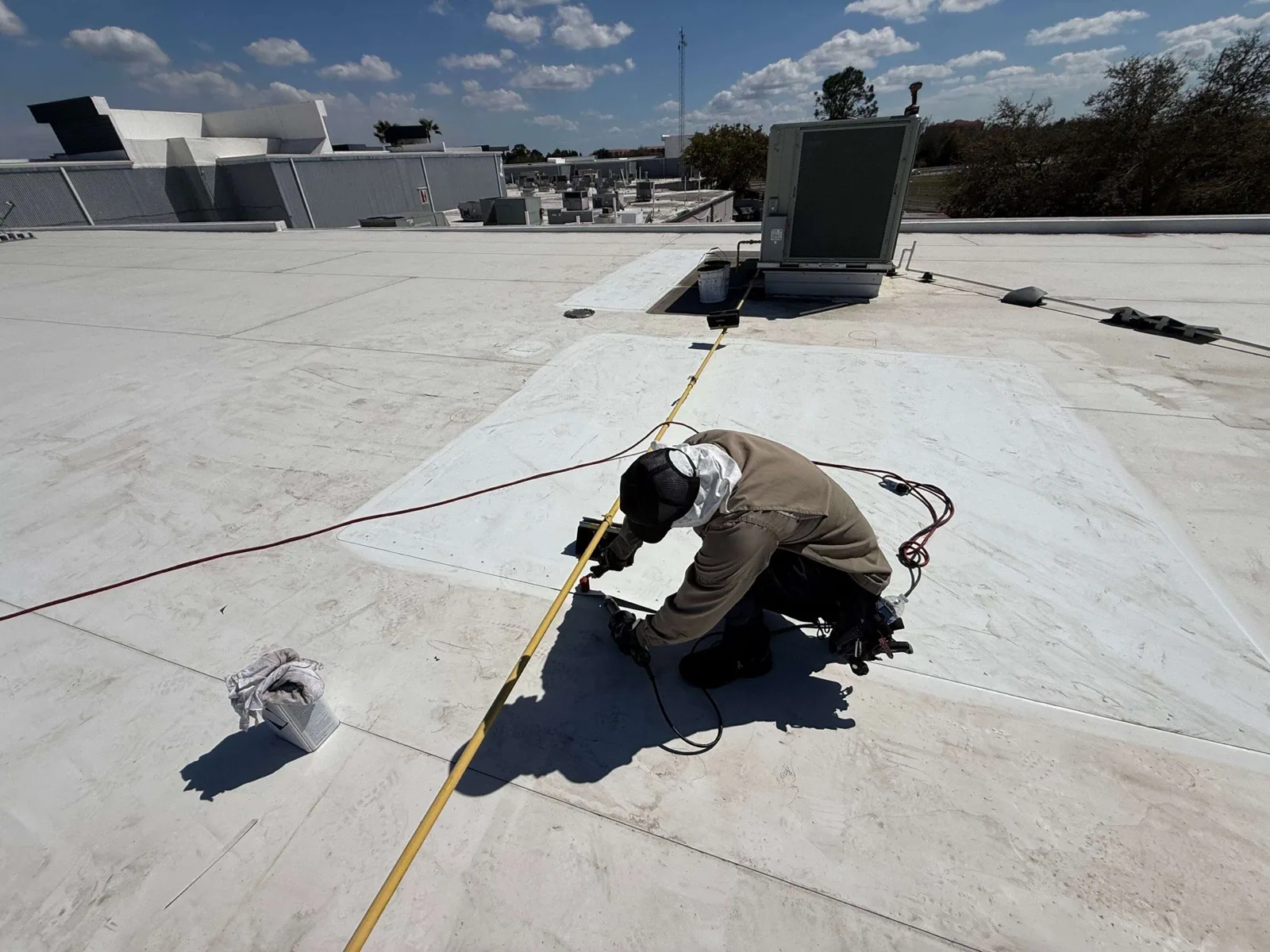
A local seam opening, puncture, or flashing failure may support a repair if adjacent material can take a compatible correction. We state preparation, materials, the roof zone, and exclusions. If symptoms recur or moisture readings extend beyond the reported area, test the wider section before applying another isolated patch. A commercial roof repair scope should connect the work to the evidence and identify what remains open.
Public circulation and active businesses can affect a short repair window. Confirm barriers, deliveries, noise, and access with the responsible manager before mobilization. After severe weather, photograph any impact mark, lifted edge, open lap, or shifted flashing and mark the limits of safe access. Separate new observations from older repairs.
Temporary stabilization should be labeled as interim, with its location, material, and next review date recorded. If an opening exposes wet insulation or a different layer than expected, secure the area, measure the added work, and obtain owner approval before continuing. This keeps a scope change connected to an observed condition rather than a scheduling pressure.
Compare alternatives with a complete roof record
Retaining the existing roof beneath a new system is possible only after confirming its layers, attachment, moisture, deck, outlet elevations, and code path. Full tear-off brings the substrate into view and requires a different debris and weather-protection plan. We compare options across measured zones and identify any test that might shift the recommendation. A recover assessment can clarify layer and moisture questions before a decision.
Georgia State Construction Codes apply to roofing work; the local authority confirms adopted requirements. Insulation, fire classification, edge securement, penetrations, curbs, and transitions can affect details. Downtown Alpharetta’s shops, galleries, restaurants, and event activity make access planning important. Keep field observations separate from design decisions and list assumptions that remain unresolved.
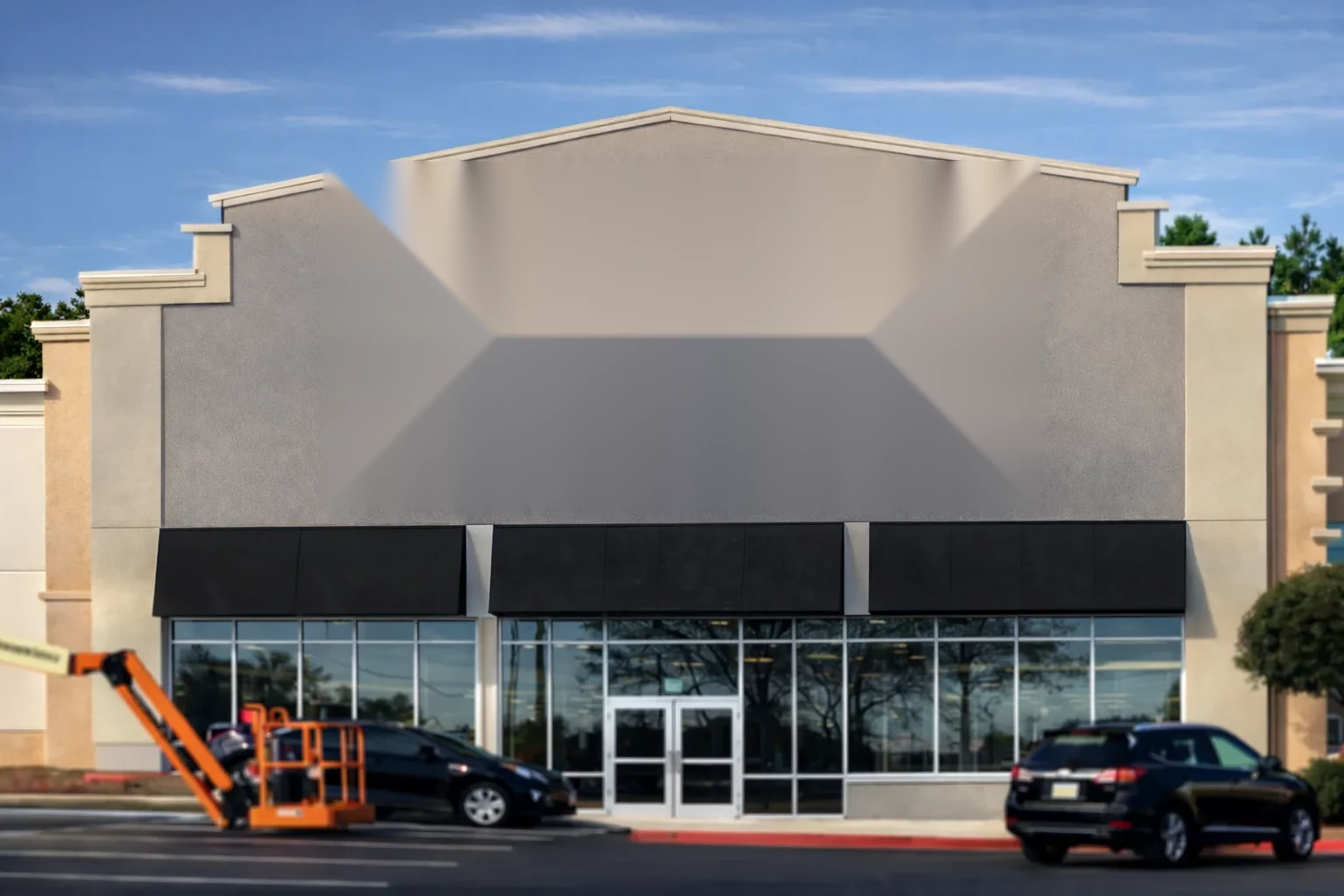
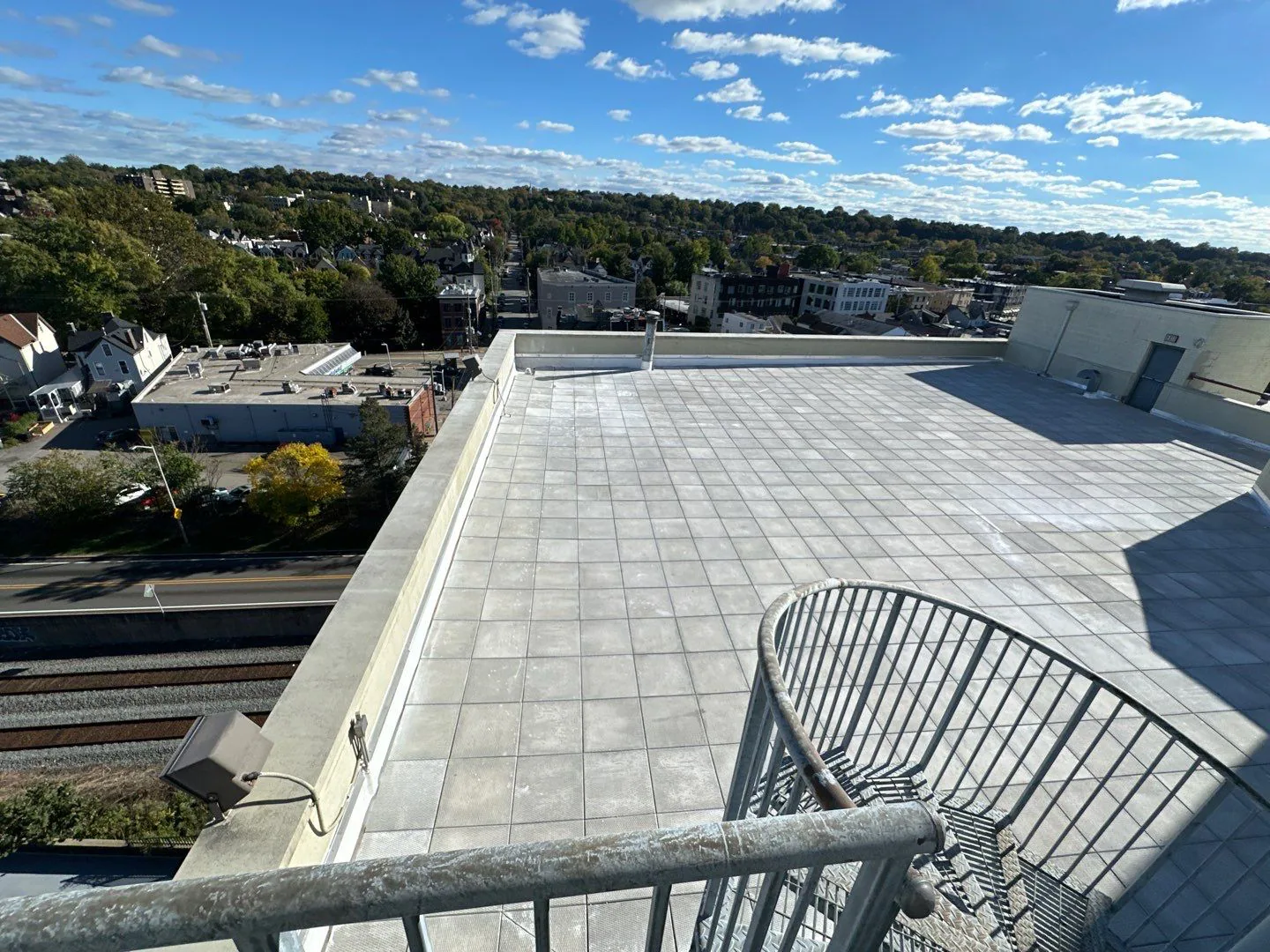
For a mixed-use property, equipment, façade interfaces, and access routes may differ by roof section. Identify each assembly and transition before selecting materials. A standing-seam metal area needs a system-specific detail, while a membrane section must use compatible seams and flashings. Confirm the installed material from plans, repairs, or field indicators and state any remaining uncertainty in the estimate.
Keep the record useful for the next capital review
Access equipment, staging, pedestrian protection, occupied hours, removal, wet insulation, deck repairs, drainage, and edge work can change cost and schedule. We list those factors by roof zone so ownership can compare immediate repair with capital renewal. A capital planning review can rank actions by condition, operating impact, consequence of delay, and available budget window.
Keep the marked plan with dated images, assembly notes, test readings, repairs completed, and actions awaiting review. A condition report makes that history available to the next inspector, who can compare current observations with earlier evidence. Record access limits, temporary protection, and follow-up dates. If a sidewalk, public space, tenant schedule, or delivery route changes, update the access plan before a future mobilization.
For a first review, share any roof plan, leak history, prior repair details, access rules, equipment dependencies, and the capital year under consideration. We inspect the property and return a prioritized list with quantities and clear scope boundaries. List immediate protection, investigation, and renewal as separate actions when each has a distinct scope and approval. That gives an owner a practical decision path for downtown Alpharetta without assuming one schedule or roof condition across the activity center.
Questions About Downtown Alpharetta
Does Downtown Alpharetta’s activity-center designation identify the roof system?
No. It describes the district’s role and uses, not the assembly at a specific property. We verify materials from available plans and inspection before recommending a repair.
How do you keep sidewalks and entrances usable during roof work?
We confirm the property’s protection requirements and approved staging, then sequence work with barriers and safe stopping points around the active route.
Can roof work fit around downtown restaurants, galleries, or event activity?
The owner or manager confirms current operating windows and delivery rules. We show those constraints in the work sequence and identify any shutdown or noise dependency.
When is a repair better than a full replacement?
A local repair fits when the defect is contained and nearby material supports it. Wider moisture, repeated failures, or deteriorated transitions can call for more testing or renewal.
What records should remain after the project?
Keep the marked roof plan, dated photos, system notes, repair limits, moisture and drainage observations, access restrictions, and follow-up dates together.
Plan a downtown Alpharetta roof inspection
Share active leak areas, available roof plans, operating hours, access rules, and the budget window. We will return documented findings with prioritized repair and renewal options.
Call 555-555-5555 or send the building details.