Commercial Roofing in North Point Activity Center, Alpharetta, GA
North Point is one of Alpharetta’s primary regional activity centers. North Point Mall is a regional shopping center with more than 1.3 million square feet of retail space; measure roof scope from the individual building plans and field conditions. The Big Creek Greenway runs parallel to North Point Parkway from Windward Parkway to Mansell Road, connecting the activity-center corridor. We inspect each building separately and use those local facts to plan around access, not to infer roofing scope.
Plan roof work around customers and service routes
Retail activity makes delivery timing and safe pedestrian access worth confirming before a crew arrives. Identify the property’s roof entry, staging location, service lane, loading schedule, and any entrance that must remain open. If rooftop equipment serves occupied space, name the units that cannot be shut down and who can approve an interruption. We set work limits by roof section and specify how the crew will secure the assembly before the shift closes.
North Point Mall’s reported retail area provides scale for the activity center; measure each property’s roof from its plans and field survey. The Greenway’s route beside North Point Parkway is another corridor feature that may affect access coordination where a project touches public circulation. Nearby Downtown Alpharetta and the broader Alpharetta market have distinct activity-center contexts. Those area identities help with coordination, while findings remain tied to the property being inspected.
For an operating retail property, confirm hours, deliveries, roof access, lift placement, and any limitations on noise or odors. Plan a dry-in boundary that can be finished even if weather shortens the shift. If the work requires interior protection or access to tenant space, assign an owner contact to coordinate that step. These conditions influence labor and duration and should appear in the work plan before the start date is fixed.
Establish the roof condition before setting urgency
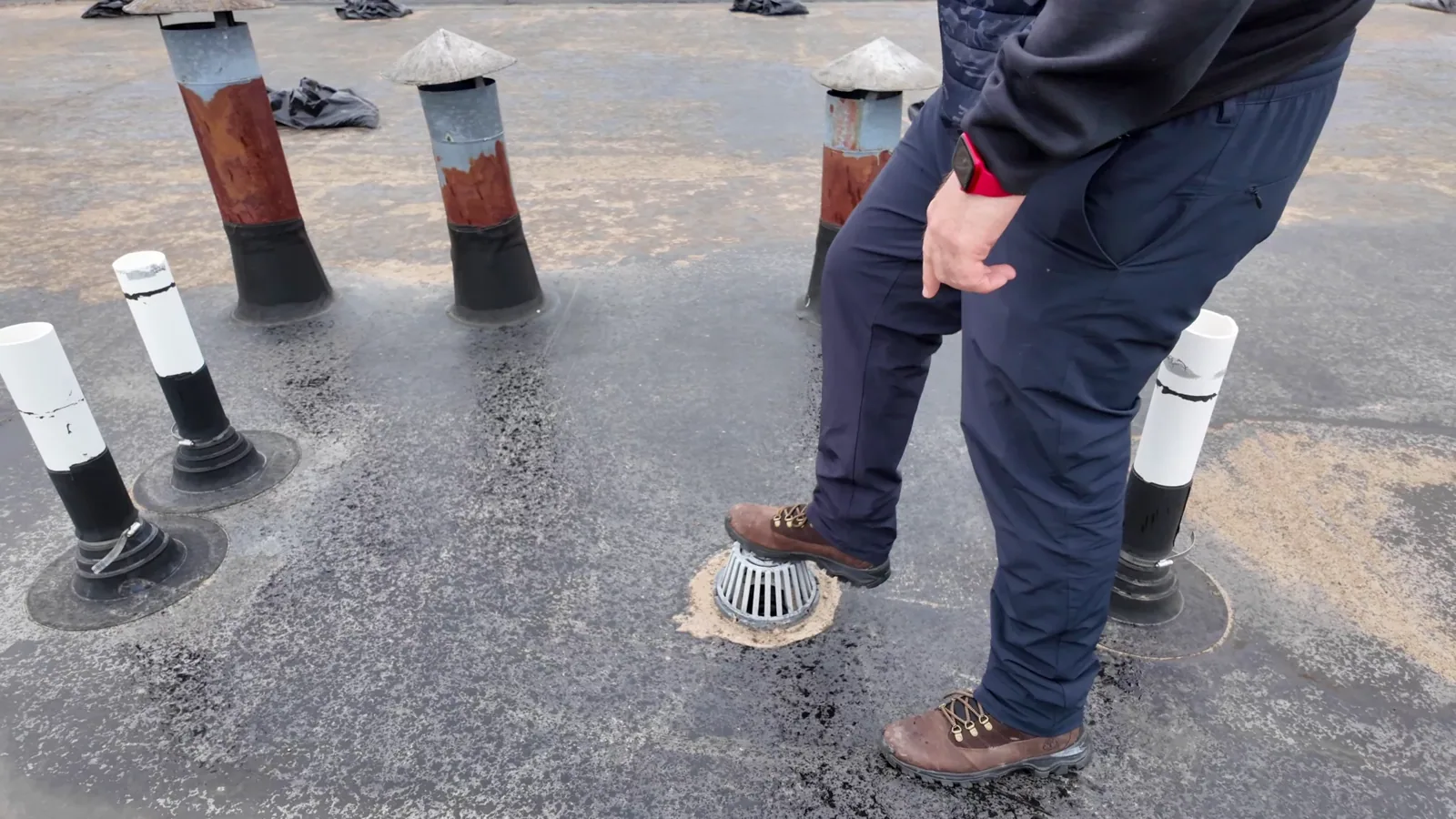
We identify the installed system and map visible areas before recommending repair. Inspect seams, flashing, curbs, penetrations, drains, scuppers, edge metal, parapets, and previous patches. Tie reported leaks to roof zones but distinguish the interior symptom from a confirmed water entry. A roof plan, photographs, moisture observations, and measurements should show what we inspected, which areas were inaccessible, and whether a test is needed before a permanent scope.
At Atlanta’s airport station, July highs average just over 90 degrees and August highs about 89, with overnight lows around 72. Hot, humid shifts affect material handling and safe work periods. Hot, humid shifts can affect material handling and safe work periods. We plan how much of the roof can be opened, prepared, and secured before the end of the work window.
Atlanta airport records show average rainfall above 4.5 inches in January, February, and March. That pattern makes outlet and overflow observations useful after a wet period. Inspect strainers, outlets, overflow paths, low points, and the seams or flashing around them. Note the conditions observed rather than classify a roof from one visit. A roof drainage check can distinguish routine maintenance from a slope or assembly concern. A drone survey can provide broader visual coverage where safe access is constrained.
Resolve the defect before expanding the scope
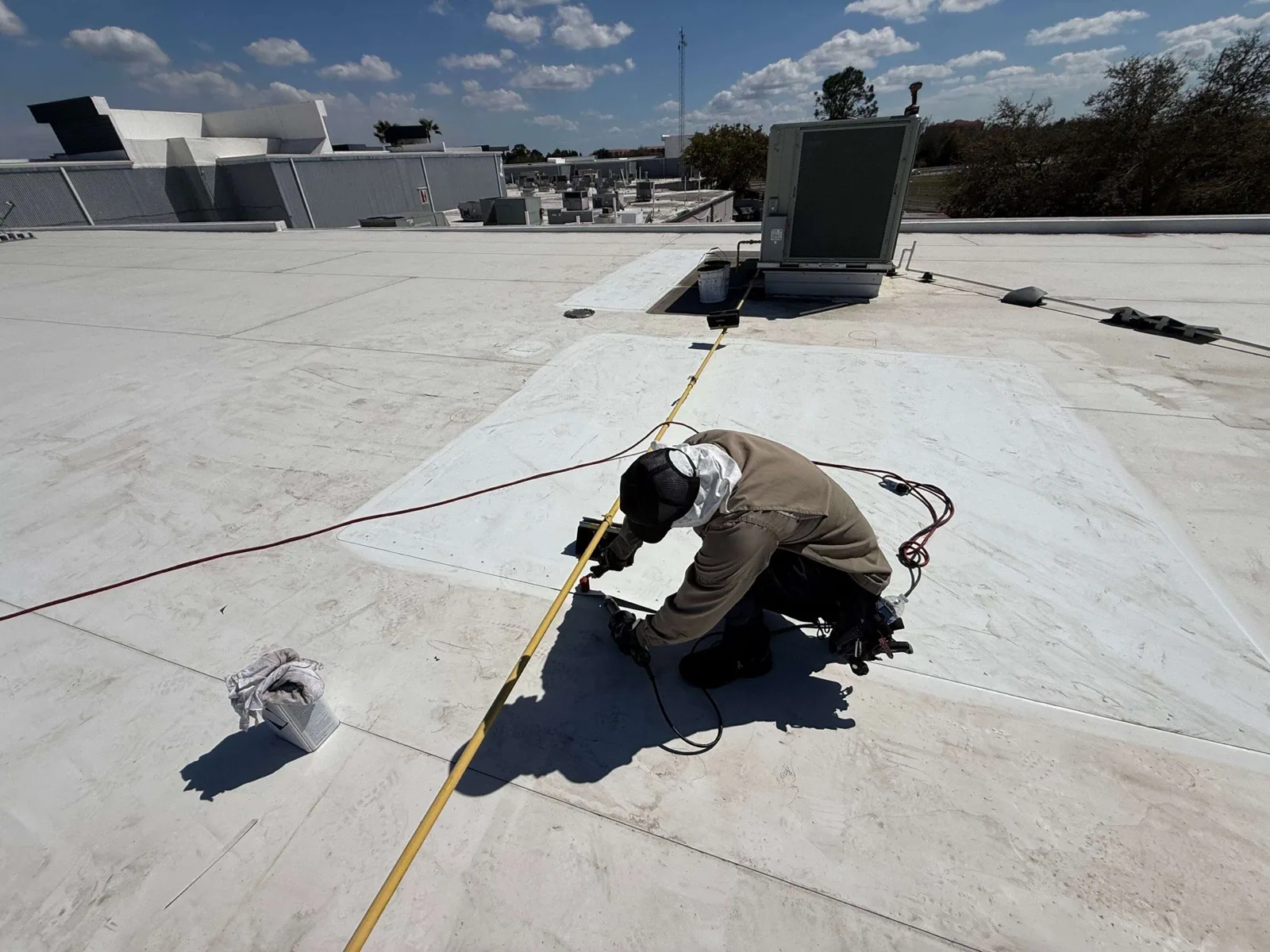
A seam split, puncture, or failed flashing can be addressed locally when adjacent material is sound and the water path is understood. We define the repair area, preparation, system-compatible materials, and conditions outside scope. If multiple leak reports line up across zones or moisture readings extend beyond the visible problem, investigate that pattern before ordering another patch. A commercial repair scope should tie each proposed correction to its roof-zone evidence.
After a wind or hail report, inspect the building for punctures, displaced edge metal, open seams, and separated flashing, then tie the findings to measured roof zones. Date each image and mark the inspected roof sections so the owner can distinguish new evidence from prior repairs. A temporary covering can control exposure briefly; identify where it sits and schedule a return for permanent work or a condition check.
Retail work can also involve other coordination costs: staging restrictions, customer paths, deliveries, equipment availability, and after-hours access. If any of these change the sequence, show that dependency in the estimate. When hidden conditions are exposed, stop at a safe boundary, measure the changed area, and obtain owner approval before continuing beyond the agreed repair.
Compare long-term options without mixing areas
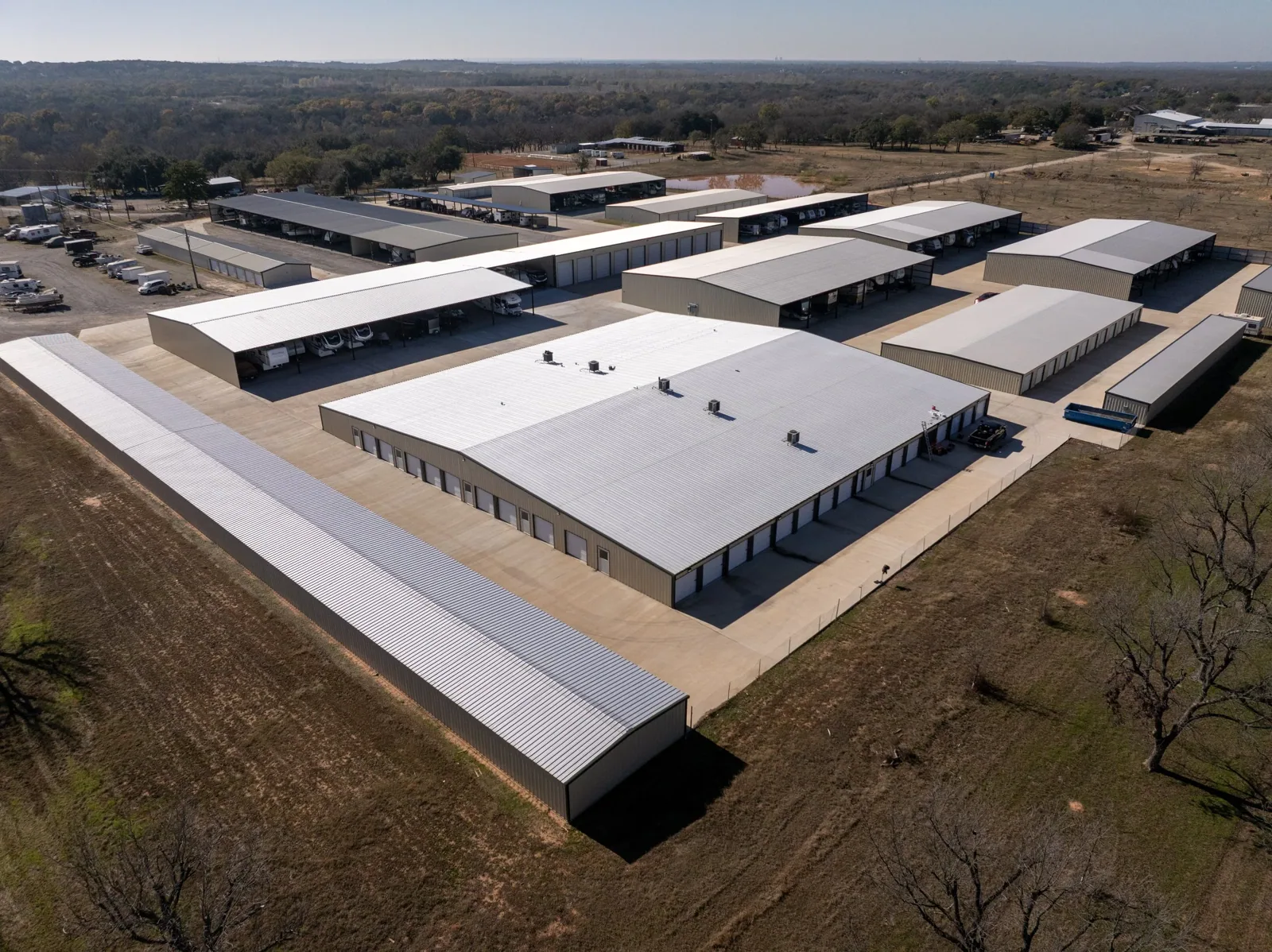
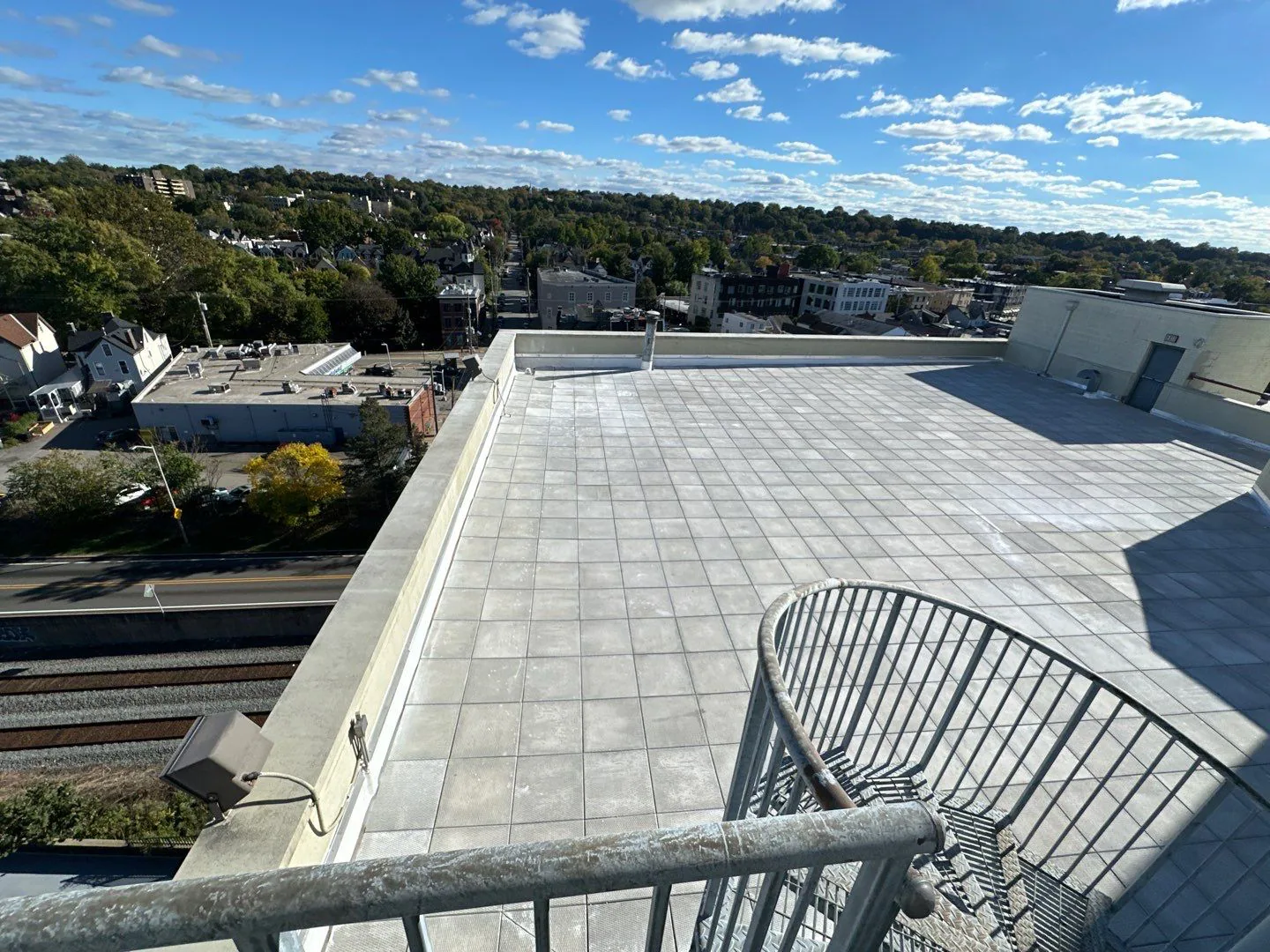
An overlay may reduce removal, but it is suitable only if the present layers, attachment, moisture, deck, drainage height, and code allow another assembly. Full replacement removes the existing system and can expose concealed conditions, with more staging and disposal. We compare the paths over measured roof sections and identify tests that could change price or timing. A recover evaluation can help answer the layer question before selection.
Georgia State Construction Codes govern relevant roof work; the local authority confirms the adopted provisions. Insulation, fire classification, edge securement, penetrations, and height changes can affect the detail. For each property, retain field observations and design questions separately, and state any assumption that could affect the work.
Where additions or repairs have created mixed conditions, map each system and transition. A PVC roof section needs membrane-compatible flashing and seam work, while an adjacent area may call for another system. Verify identity using records and field clues. If testing is needed, explain how its result changes the recommendation before the owner sets a capital date.
Keep decisions connected to the business calendar
Access, customer hours, staging, removal, wet insulation, deck repairs, drainage, and edge details change project time and cost. We list those drivers by roof zone so ownership can compare a local correction with full renewal. A capital plan can rank work by observed condition, operational impact, consequence of delay, and funding window. Mall retail area and greenway alignment explain the activity center; inspection evidence determines each property’s priority.
Keep the roof map, dated images, system identification, moisture results, drainage observations, completed repairs, and open questions in the maintenance file. A condition report lets the next reviewer compare the same zones and see whether the condition trend changed. Record access limitations and temporary protection. If customer access, delivery hours, or equipment use changes, update the work plan before pricing the next phase.
For a first visit, share roof drawings, leak history, past repairs, warranty information, access instructions, and the budget year. We inspect the building and return prioritized actions with measured quantities and scope limits. Immediate water control, additional testing, and renewal should appear as separate decisions where they are not yet ready to be combined. This gives North Point owners an asset-specific sequence without turning the activity-center footprint into an assumed roof measurement.
Questions About North Point Activity Center, Alpharetta
Does North Point Mall’s retail square footage estimate the roof area?
No. The reported figure is retail space. Measure roof quantities from the individual property’s plans and field conditions.
What should be coordinated near the Big Creek Greenway?
Confirm permitted staging, delivery timing, and any pedestrian protections with the property contact. Where a project borders the Greenway route, confirm pedestrian protection, staging, and delivery access with the property contact.
Can retail roof work be done outside customer hours?
We can plan an approved shift around customer activity, delivery rules, weather, and material protection. The property manager confirms which time windows are available.
What finding points to a broader investigation instead of a patch?
Recurring leaks, moisture beyond the visible defect, or similar failures across roof zones can support testing a larger area before another localized repair.
What should the owner receive after the inspection?
The file should include roof-zone photos, system identification, observed drainage and flashing conditions, access limits, repair boundaries, and dated follow-up items.
Set a North Point roof assessment
Share the property’s roof plan, active leak areas, retail schedule, access rules, and capital window. We will return a prioritized inspection record and next actions.
Call 555-555-5555 or send the building details.