Commercial Roofing in Downtown Roswell, GA
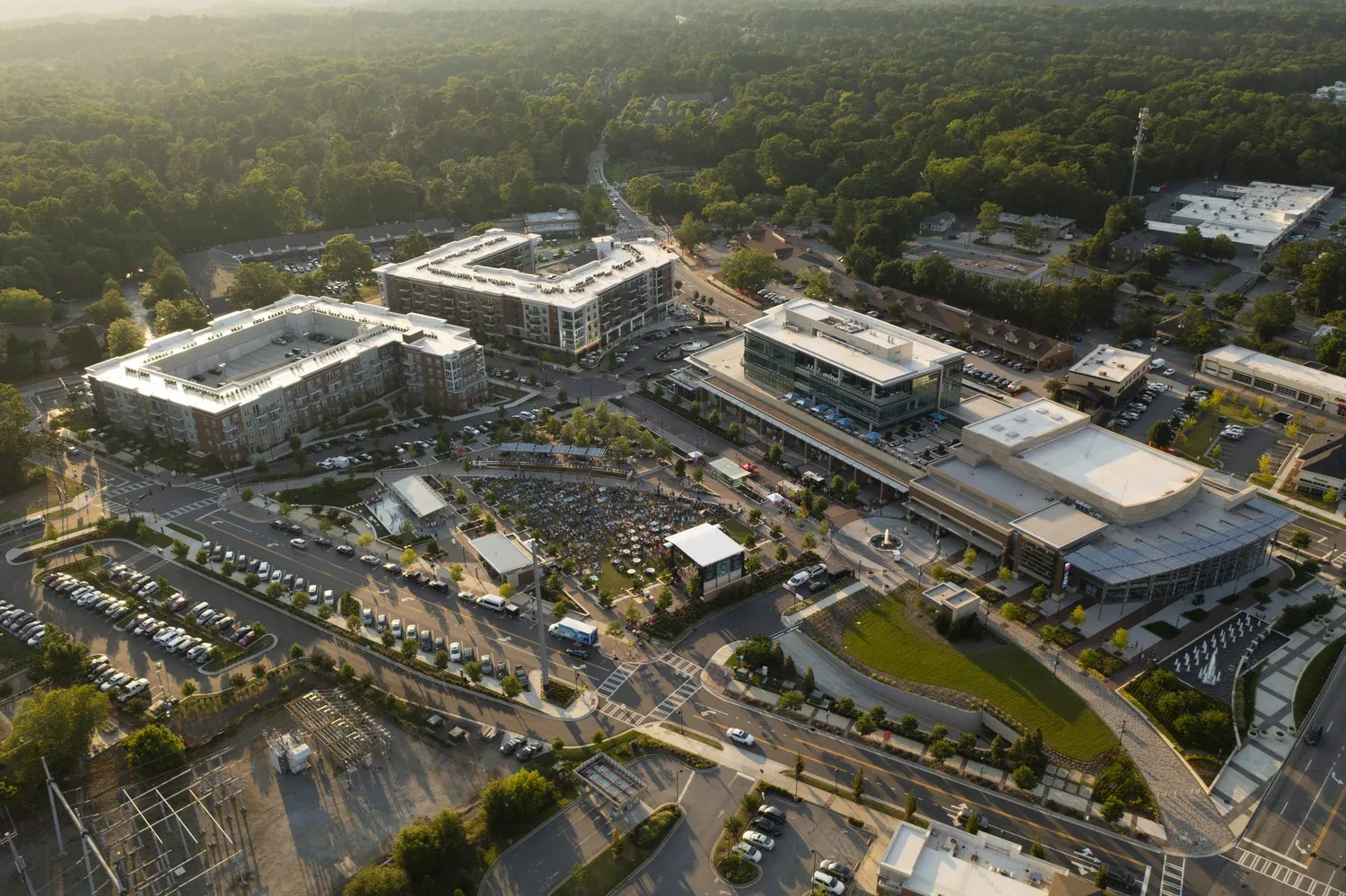
Roof planning for Downtown Roswell should account for the property’s role in the central business district while keeping each recommendation tied to its own roof. Downtown Roswell’s Development Authority coordinates redevelopment in the central business district, while the citywide Development Authority promotes trade, commerce, industry, and employment. For roofing, inspect the individual building and set timing from its assembly, access limits, and repair history. We inspect the assembly and access constraints, then show what should be repaired, monitored, or carried into a capital window.
Fit the work plan to the property’s operating hours
Confirm roof access, loading, staging, property contact, and the hours that work may affect tenants or customers. If the building has shared entrances, limited service access, or equipment that must remain online, map those constraints before estimating. We define which roof section can be opened, how it will be protected, and where the crew will stop if weather or hidden conditions change the scope. Confirm current access and staging with the property contact before estimating.
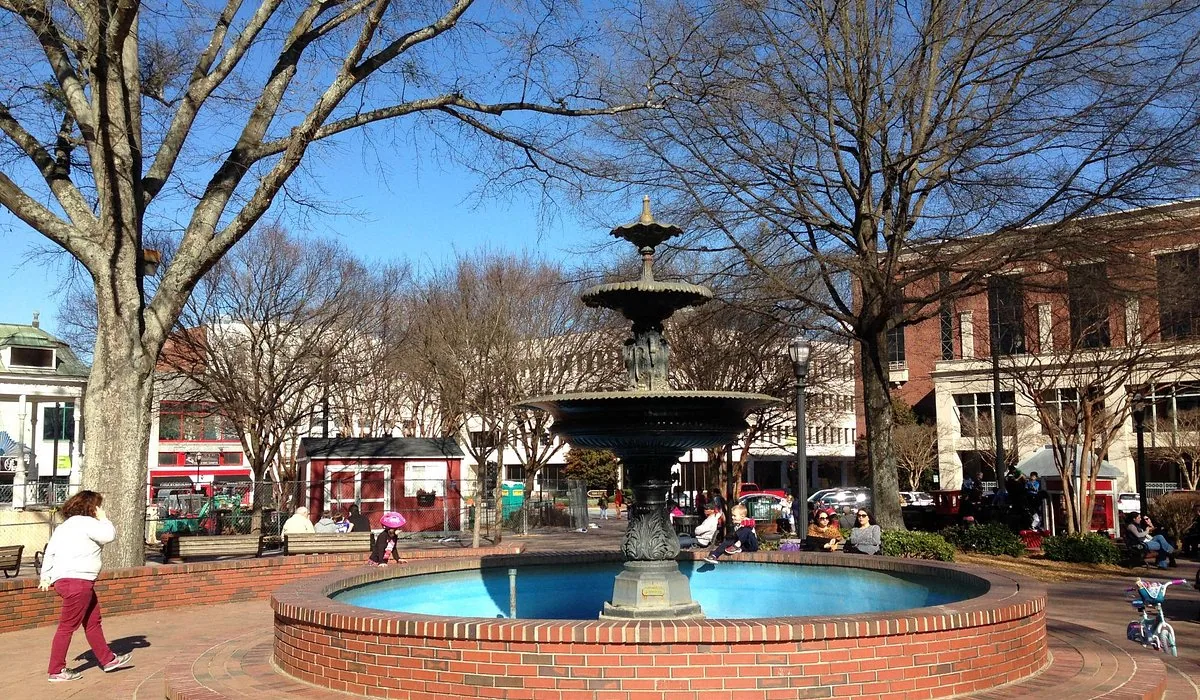
Downtown Roswell’s redevelopment role is centered on its central business district, while Roswell’s citywide authority promotes commercial and employment activity more broadly. This difference matters when an owner considers a single property alongside a wider portfolio: public plans and private roof findings answer separate questions. Nearby Roswell properties and the Marietta Square district each retain their own context. Use a consistent inspection record and keep each building’s access, condition, and work history attached to its own roof zones.
For active businesses, agree on delivery paths, pedestrian protection, noise windows, equipment dependencies, and the person who can approve a change. The estimate should identify any lift or material staging requirement and its effect on the occupied area. If the work must pause, establish the temporary protection detail and communication step in advance. That avoids leaving schedule decisions to an improvised field conversation.
Set priorities from inspected roof sections
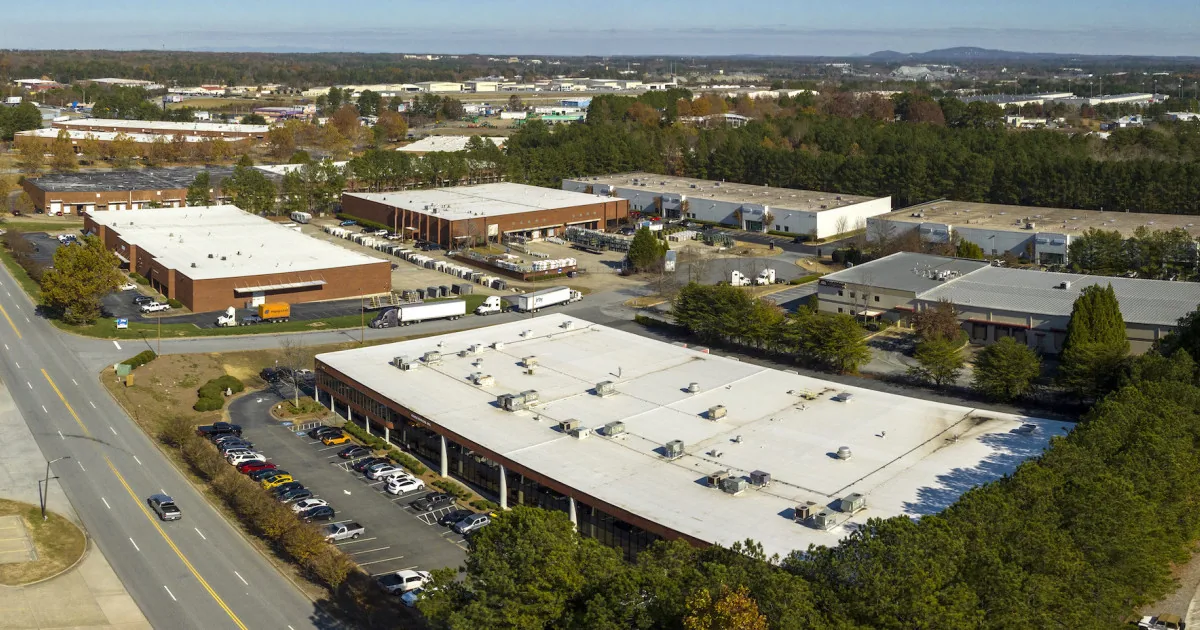
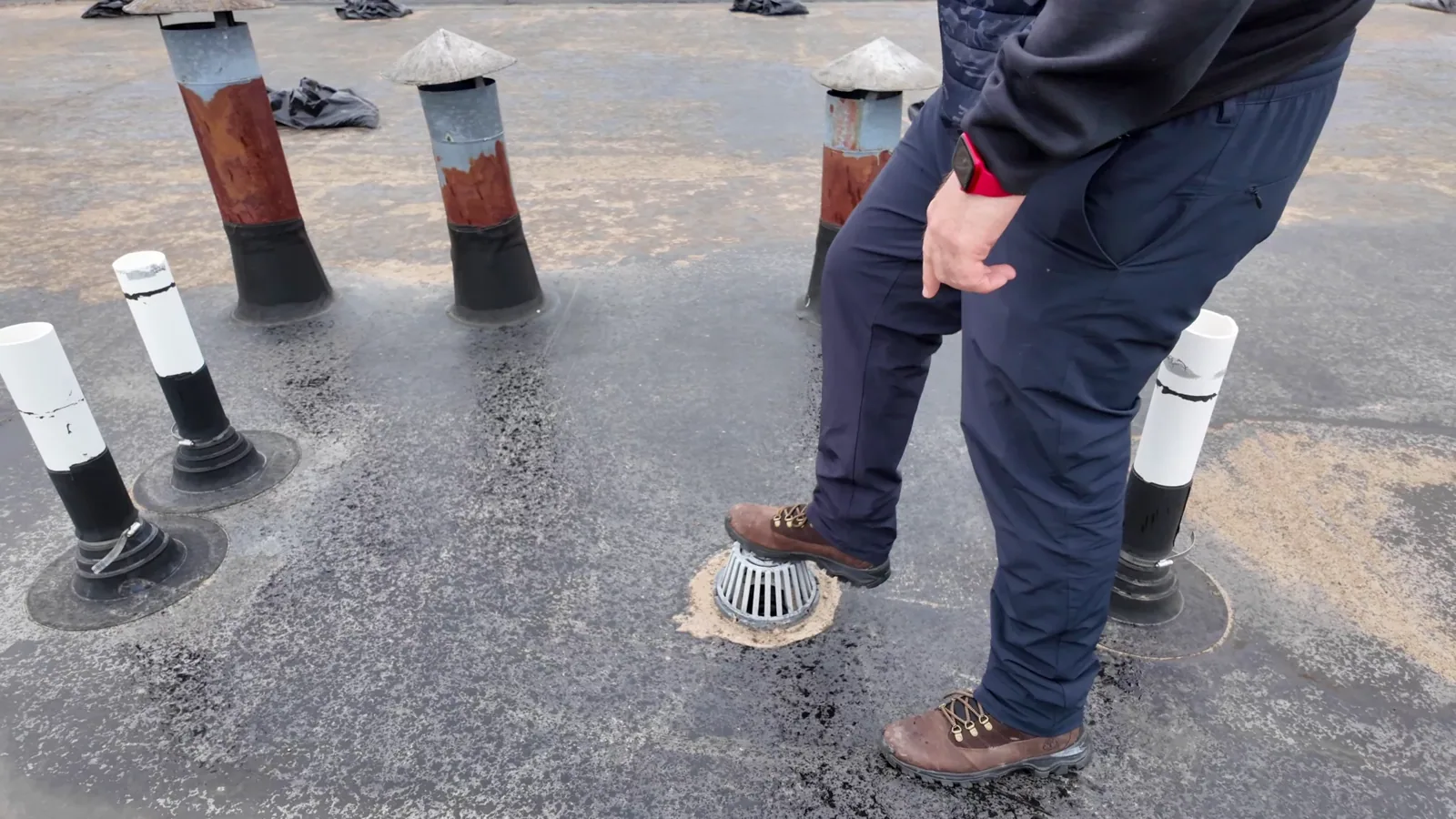
First establish where each roof field meets vertical construction, where equipment penetrates the membrane, and how edge assemblies terminate. Then map drains, scuppers, laps, and repair locations against reported leak timing. Tie a reported ceiling leak to the roof plan by zone, but keep the symptom separate from a confirmed water entry. Water can move under the surface. Photos, measurements, and moisture notes should make clear what was observed, what could not be accessed, and which areas call for a test or opening before a final repair scope.
At Atlanta’s airport station, July highs average around 90 degrees and August highs near 89, with lows close to 72. Hot, humid work periods affect crew timing and material handling. Rain adds another constraint when a section is opened, so the daily boundary should fit the protection plan.
At Atlanta, rainfall normals range from 4.55 inches in February to 4.72 in March, with January between those monthly totals. Check outlets, strainers, overflow routes, low areas, and membrane details around drainage points. Record whether water was present and how the roof was accessed. A drainage inspection can identify whether the next action is routine clearing or a broader evaluation. A moisture survey can add information where the visible surface does not explain the reported symptom.
Choose a work boundary the owner can approve
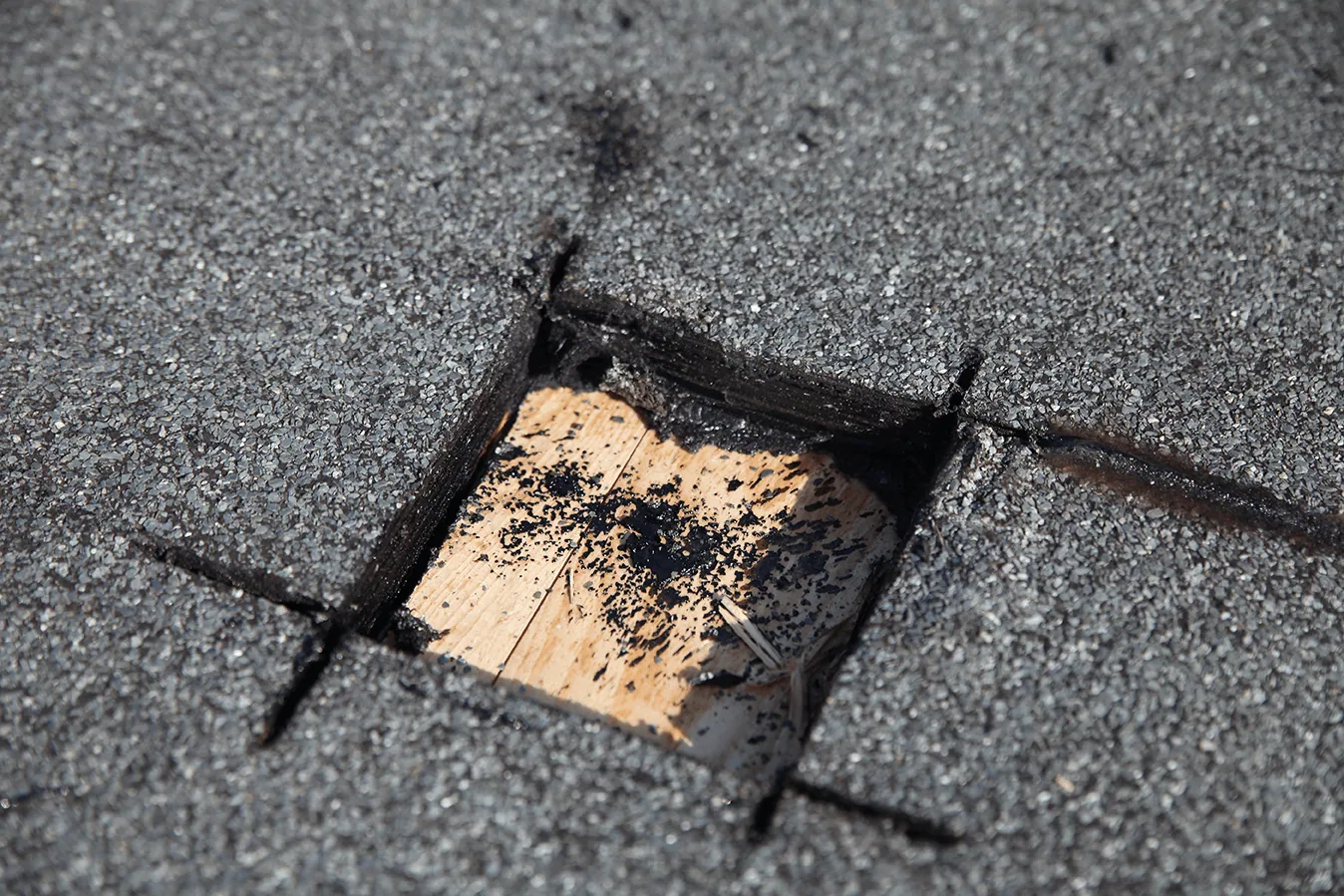
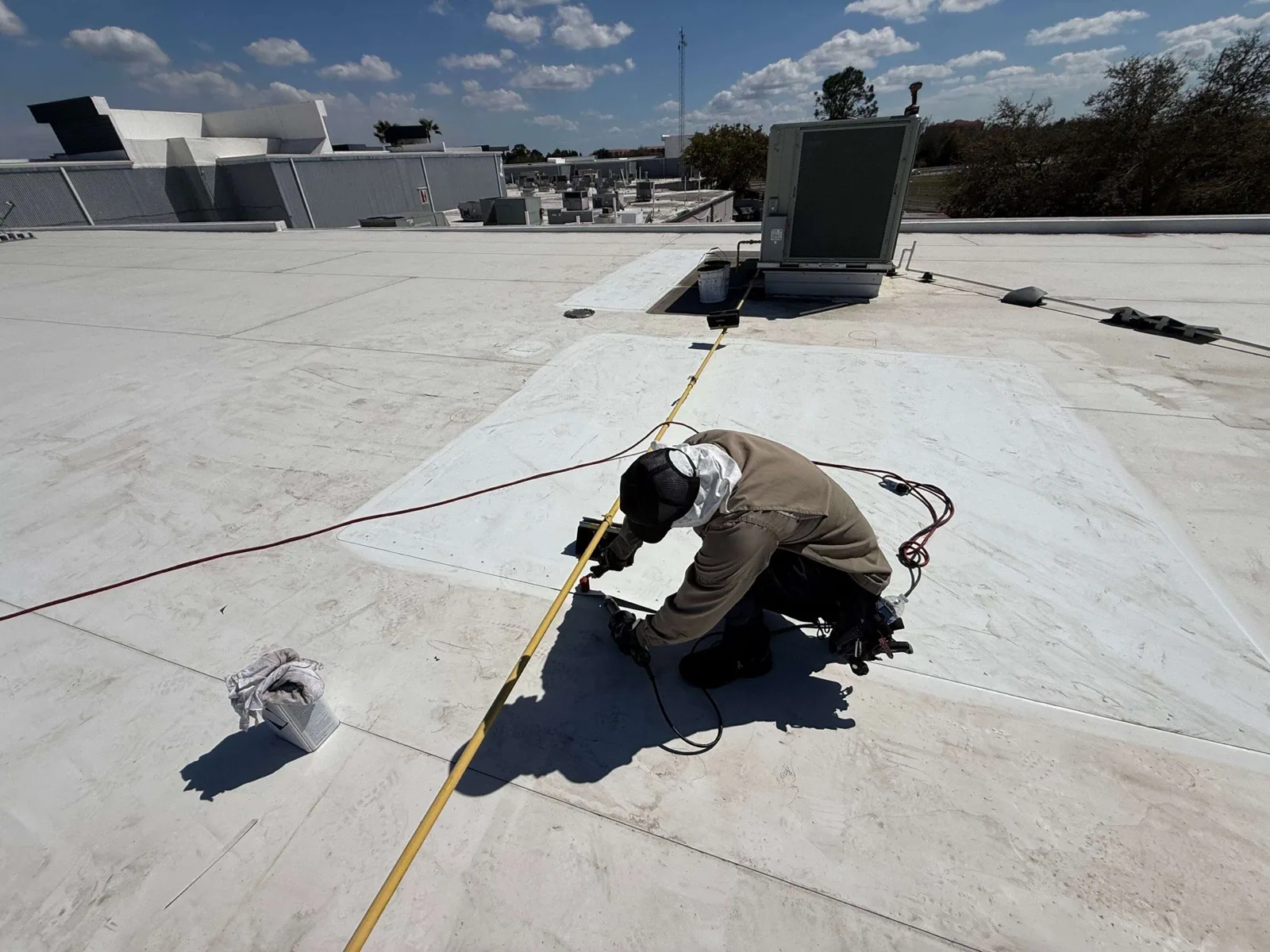
A local correction can be appropriate when a defect is clear and adjoining material is suitable for repair. We specify the preparation, compatible material, location, and known exclusions. If a leak recurs, multiple details show failure, or moisture extends across a roof zone, examine that pattern before assigning another patch. The repair plan should tell ownership what the work addresses and what remains subject to observation or testing.
Roswell Road links north toward Sandy Springs and I-285, giving the corridor a regional service connection. Confirm building access with the property contact and inspect the roof zone associated with the reported issue. For a storm review, note the observed damage, accessible area, and date. After a reported hail or wind event, inspect the roof and record the impact evidence, accessible zones, and test results for that building. Keep temporary stabilization and permanent work separate in the estimate and maintenance log.
Cost can move when access equipment, interior protection, a shutdown, wet insulation, or a different layer changes the original boundary. If concealed material is exposed, photograph it, quantify the additional area, and pause for approval while keeping the opening weather-tight. That gives ownership a chance to compare the added work against the current budget window rather than approve an undefined extension.
Compare long-term work on the same roof area
A second-layer approach preserves part of the existing roof, but it should follow confirmation of what is installed, whether moisture is present, and whether the deck and drainage elevations can accept more material. Full removal exposes concealed conditions and changes disposal and dry-in needs. We compare options using measured sections, then identify the opening or test result that could change the owner’s choice. A recover feasibility review can resolve those unknowns before authorization.
Roofing work must meet Georgia’s State Construction Codes, with the local building authority resolving which adopted provisions apply. Insulation, edge attachment, fire classification, penetrations, curbs, and elevation changes can alter the details. For each property, identify the installed assembly and applicable code path from its records, field indicators, and local permit history. We separate field observations from design questions and list assumptions that remain unresolved.
If the roof includes additions, repairs, or different systems, map each area separately. A modified bitumen assembly has different seam and flashing considerations than a single-ply membrane or metal. Verify what is installed from records and field clues before specifying materials. Where the system is uncertain, identify what inspection or test will resolve it and how that result could affect scope and schedule.
Preserve a record that supports the next budget review
Access, staging, occupied hours, removal, wet insulation, deck work, edge details, drainage, and equipment protection affect cost and duration. We show those drivers by roof section. A capital planning review can sequence immediate correction, further testing, and renewal against condition, operational effect, and available budget. Citywide economic goals are context; project priority comes from the individual roof.
Keep dated photos, roof-zone plans, assembly identification, moisture results, drainage observations, completed repairs, and open conditions together. A condition record gives the next inspection a clear baseline and prevents a temporary fix from disappearing into the file. Note inaccessible areas and assign a review date to each deferred item. If the property’s operating schedule changes, update the access plan before mobilization.
Start the review with drawings, prior leak records, repair scopes, roof-entry instructions, and the capital-year target. Our findings will sort exposed conditions from longer-term work and show the supporting photos, quantities, limitations, and approvals still needed. Ownership can then decide which item enters the current work order and which belongs in a later renewal cycle. District redevelopment is local context; the inspected roof controls the sequence.

Questions About Downtown Roswell
Does the Downtown Development Authority set roof priorities for private buildings?
No. It supports redevelopment and economic stability in the district. Roofing priorities come from each property’s inspected condition, operations, and budget timing.
How do the two Roswell authorities differ in scope?
The Downtown Development Authority focuses on the central business district, while the citywide authority promotes trade, commerce, industry, and employment. Neither statement describes a particular roof system.
What should the inspection map include?
Show roof zones, reported leaks, visible defects, drain and edge details, photos, access limits, and any area needing testing. Keep confirmed findings distinct from suspected moisture.
When is a recover a reasonable option?
Only when existing layers, attachment, moisture, deck, drainage elevation, and code allow another layer. We identify tests that could change the answer before selecting the scope.
How can an owner keep deferred repairs visible?
Record the location, temporary protection, reason for deferral, and the date or condition that triggers another review. Include each item in the next budget and inspection cycle.
Request a Downtown Roswell roof review
Share leak areas, roof plans, prior repair history, access requirements, and budget timing. We will return a prioritized inspection record with defined next actions.
Call 555-555-5555 or send the building details.